Have you ever wondered if plants can be friends? Some plants help each other grow. It’s like having buddies in your garden! Today, we will learn about carrot companion plants for your garden. These plant pals can help your carrots grow big and strong. Let’s dig in and find out more.
Think of your garden as a team. Some teammates work better together. Certain plants protect carrots from bugs. Other plants make the soil healthier for carrots. Knowing which plants are friends can make your garden amazing. What are the best carrot companion plants for your garden?
Imagine a carrot patch surrounded by helpful friends. These friends keep bad bugs away. They also bring in good bugs. Your carrots will be happier and healthier. This guide will show you how to create the perfect carrot team. Let’s get started with carrot companion plants for your garden.
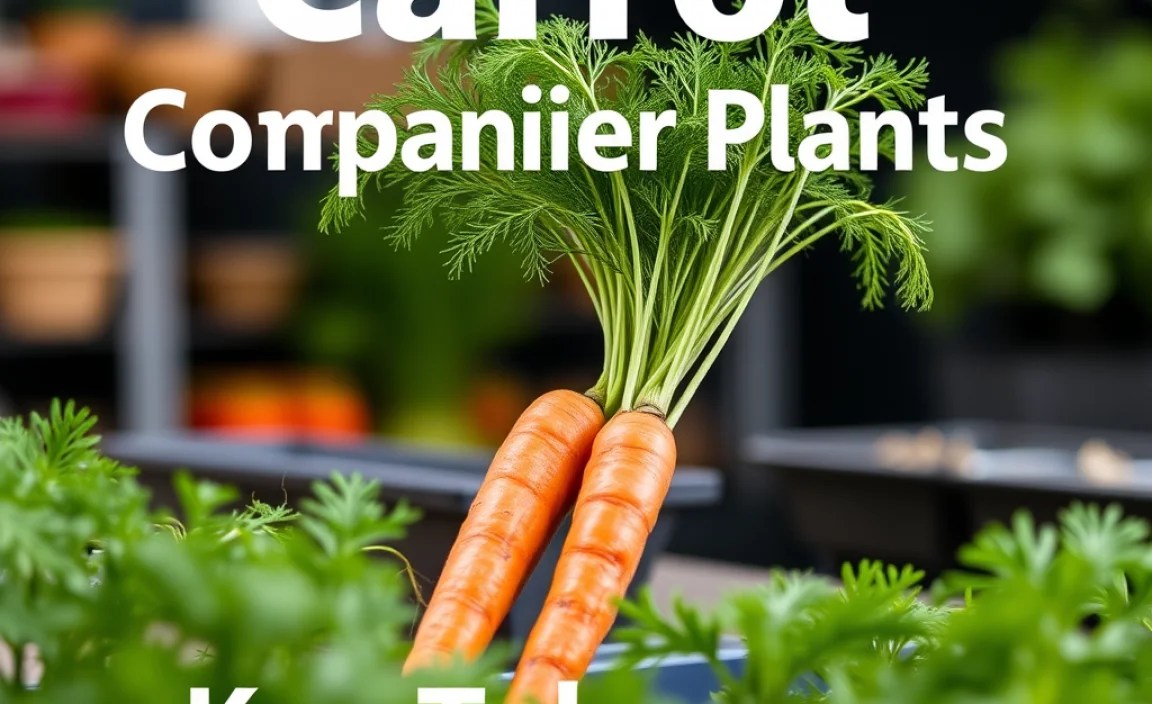
Key Takeaways
- Carrot companion plants help deter pests and improve soil health for better growth.
- Marigolds and onions are excellent companions, repelling common carrot pests naturally.
- Herbs like rosemary and sage can enhance the flavor and growth of carrots.
- Avoid planting carrots near fennel or dill, as they can hinder carrot development.
- Understanding carrot companion plants for your garden maximizes your harvest.

Best Companion Plants for Carrots
Choosing the right carrot companion plants for your garden can make a big difference. Companion planting means putting plants together that help each other. Some plants keep pests away. Others improve the soil. When carrots have good companions, they grow better. They become tastier and healthier. Knowing which plants to pair with carrots is key. Plants like marigolds and onions are great choices. They protect carrots from harmful bugs. Other plants, like herbs, can improve the flavor of your carrots. This makes your garden more successful and fun. Selecting the right companions is an important part of growing great carrots. It’s all about teamwork in the garden!
- Marigolds repel nematodes and other pests.
- Onions and garlic deter carrot root flies.
- Rosemary improves carrot flavor.
- Sage can also enhance carrot growth.
- Lettuce provides ground cover and retains moisture.
Growing carrots with companion plants is a smart way to garden. It’s like having a team of helpers in your garden. These helpers work together to make your carrots thrive. For example, marigolds are like bodyguards for your carrots. They keep away harmful bugs that can damage the roots. Onions and garlic are like the carrot’s best friends. They confuse the carrot root fly, so it can’t find the carrots. Herbs like rosemary and sage not only taste good but also help the carrots grow better. Lettuce acts like a cozy blanket, keeping the soil moist and cool. All these plants work together to create a healthy and happy environment for your carrots. This means you get bigger, tastier carrots at harvest time.
Fun Fact or Stat: Carrots were originally purple, not orange! The orange carrot was developed in the Netherlands in the 17th century.
Why Choose Companion Planting?
Have you ever wondered why some plants grow better together? Companion planting is the answer! It’s like setting up a plant friendship club. Some plants help each other grow. They might share nutrients or protect each other from bugs. For carrots, this means finding plants that keep away pests. It also means finding plants that make the soil better. A good companion can help carrots grow bigger and tastier. Plants like marigolds and onions are great companions. They keep harmful insects away from the carrots. This helps the carrots stay healthy and strong. Companion planting is a natural way to help your garden thrive. It’s all about creating a happy community of plants!
The Role of Marigolds
Marigolds are like the superheroes of the garden. These bright flowers do more than just look pretty. They have a secret power: they keep bad bugs away! Marigolds release a special scent that pests don’t like. This scent confuses the bugs and keeps them away from your carrots. Planting marigolds near your carrots is like building a protective shield around them. The marigolds guard the carrots from harmful insects, like nematodes. These tiny worms can damage the carrot roots. Marigolds also attract good bugs, like ladybugs. Ladybugs eat other pests that might harm your carrots. So, marigolds are both protectors and attractors in your garden. They help your carrots grow big and strong.
How Onions Help Carrots
Imagine onions as the carrot’s noisy neighbors. They might seem annoying, but they’re actually very helpful! Onions have a strong smell that bugs don’t like. This smell confuses pests like the carrot root fly. The carrot root fly is a big problem for carrots. It lays eggs near the carrots, and the larvae eat the roots. This can ruin your whole carrot crop. But when you plant onions near your carrots, the onion smell masks the carrot smell. The carrot root fly gets confused and can’t find the carrots. This keeps your carrots safe from the harmful larvae. So, even though onions might seem like a strange friend for carrots, they’re actually great protectors!

How Companion Plants Protect Carrots
Carrot companion plants for your garden offer natural protection against pests and diseases. Instead of using chemicals, you can use plants to help each other. Some plants have strong smells that bugs don’t like. These smells can keep pests away from your carrots. Other plants attract helpful insects that eat harmful bugs. This creates a balanced ecosystem in your garden. For example, marigolds have a scent that repels nematodes. Onions and garlic confuse the carrot root fly. Herbs like rosemary and sage can improve the health of your carrots. By choosing the right companion plants, you can protect your carrots in a natural and healthy way. This makes your garden a safer and happier place for your plants to grow.
- Strong scents deter harmful insects.
- Attract beneficial insects to control pests.
- Improve soil health naturally.
- Reduce the need for chemical pesticides.
- Create a balanced garden ecosystem.
Using companion plants to protect carrots is like having a team of bodyguards. Each plant has a special job to do. Some plants use their strong smells to keep away the bad guys. These smells confuse the pests and make it hard for them to find the carrots. Other plants invite good bugs to the party. These good bugs eat the harmful bugs that might damage the carrots. For example, ladybugs love to eat aphids, which can suck the juice out of carrot leaves. Companion plants also help to improve the soil. They can add nutrients to the soil or break it up so the carrots can grow easier. All these things work together to create a healthy and safe environment for your carrots. This means you get more carrots and they taste better too.
Fun Fact or Stat: Companion planting has been used for centuries by farmers around the world to improve crop yields and reduce pests.
Natural Pest Control Methods
Have you ever seen bugs eating your plants? It’s frustrating! But there are natural ways to stop them. Instead of using harmful chemicals, you can use nature’s helpers. Companion plants are one of the best ways to control pests naturally. Plants like marigolds and onions have strong smells. These smells confuse the bugs and keep them away. Other plants attract good bugs, like ladybugs and lacewings. These good bugs eat the harmful bugs that are trying to eat your plants. By using companion plants, you can create a healthy and balanced garden. This helps your plants grow strong and stay safe from pests. Natural pest control is better for the environment and for your plants!
Attracting Beneficial Insects
Imagine your garden buzzing with life. Bees, butterflies, and ladybugs are all flying around. These aren’t just pretty visitors. They’re also your garden’s helpers! Beneficial insects play a big role in keeping your garden healthy. They eat harmful pests, pollinate flowers, and help plants grow. To attract these helpful insects, you need to plant the right flowers. Flowers like dill, fennel, and yarrow are great for attracting beneficial insects. These flowers provide food and shelter for the insects. When you have lots of beneficial insects in your garden, they help to keep the pest population down. This means your plants stay healthier and you don’t have to use harmful chemicals. Attracting beneficial insects is a win-win for your garden!
Improving Soil Health Naturally
Did you know that healthy soil is the key to healthy plants? Good soil is full of nutrients and has lots of good bugs living in it. These things help plants grow strong and resist diseases. There are many ways to improve your soil naturally. One way is to use companion plants. Some plants, like legumes, add nitrogen to the soil. Nitrogen is a nutrient that plants need to grow. Other plants, like radishes, break up the soil with their roots. This makes it easier for other plants to grow. You can also add compost to your soil. Compost is made from decomposed food scraps and yard waste. It adds nutrients to the soil and helps it hold water. By improving your soil naturally, you can create a healthy environment for your plants to thrive.

Best Herbs as Carrot Companion Plants
Carrot companion plants for your garden include many helpful herbs. Herbs not only taste great in food but also help carrots grow. Some herbs repel pests that harm carrots. Others attract beneficial insects. Certain herbs even improve the flavor of carrots. Rosemary, sage, and thyme are excellent choices. They deter carrot root flies. Basil can help protect against other pests. Chives are also a good option. They improve the overall health of your garden. When planting herbs with carrots, consider their needs. Make sure they have enough sunlight and water. This will help both the herbs and carrots thrive. Using herbs as companion plants is a natural way to boost your garden’s success.
- Rosemary repels carrot root flies.
- Sage enhances carrot flavor and growth.
- Thyme deters pests and improves soil.
- Basil protects against various insects.
- Chives improve overall garden health.
Using herbs as carrot companion plants for your garden is a fantastic idea. Herbs can do so much more than just add flavor to your meals. They are like little helpers in your garden, working to keep your carrots healthy and strong. For example, rosemary is like a bodyguard for your carrots. It has a strong smell that the carrot root fly doesn’t like. This keeps the fly away from your carrots, protecting them from damage. Sage is like a vitamin boost for your carrots. It helps them grow bigger and taste better. Thyme is like a cleaner for your garden. It helps to keep the soil healthy by deterring pests and improving its quality. Basil is like a shield against many different insects. It protects your carrots from a variety of harmful bugs. Chives are like a general health booster for your entire garden, improving the overall environment for all your plants.
Fun Fact or Stat: Some herbs, like rosemary and thyme, are drought-tolerant and require less water than many other plants.
Rosemary’s Protective Qualities
Have you ever smelled rosemary? It has a strong, woodsy scent. This scent is pleasing to us, but pests hate it! Rosemary is like a natural bug repellent. It keeps away many insects that can harm your carrots. One of the biggest threats to carrots is the carrot root fly. This fly lays eggs near the carrots, and the larvae eat the roots. But rosemary’s strong scent confuses the carrot root fly. It can’t find the carrots, so it lays its eggs somewhere else. This protects your carrots from damage. Rosemary is also easy to grow. It likes sunny spots and doesn’t need much water. Planting rosemary near your carrots is a simple way to keep them safe and healthy.
Sage for Flavor and Growth
Imagine biting into a carrot that tastes extra delicious. That’s what sage can do! Sage is an herb that not only tastes great but also helps carrots grow better. Some gardeners believe that sage improves the flavor of carrots. It makes them sweeter and more flavorful. Sage also has properties that can help carrots grow stronger. It may help to protect them from certain diseases. Planting sage near your carrots is a great way to boost their flavor and health. Sage is also a beautiful plant. It has soft, gray-green leaves and pretty flowers. It adds beauty to your garden while helping your carrots thrive. So, sage is a win-win for both your taste buds and your garden!
Thyme’s Role in Soil Health
Did you know that thyme can help your soil? This small herb has many benefits for the garden. Thyme helps to improve the soil in several ways. It can deter pests that live in the soil. It also helps to break up the soil, making it easier for roots to grow. Healthy soil is important for healthy plants. When the soil is healthy, plants can get the nutrients they need to grow strong. Thyme also attracts beneficial insects to the garden. These insects help to control pests and pollinate flowers. Planting thyme near your carrots can help to create a healthy and balanced environment. This will help your carrots grow better and taste delicious.

Plants to Avoid Planting with Carrots
Not all plants are good carrot companion plants for your garden. Some plants can harm carrots if planted nearby. It’s important to know which plants to avoid. Fennel is a big no-no. It releases chemicals that can stop carrot growth. Dill can also be a problem. It attracts pests that attack carrots. Anise is another plant to keep away. It can stunt carrot growth. Avoid planting carrots near these plants. This will help your carrots grow healthy and strong. Knowing which plants to avoid is just as important as knowing which plants to plant together. A little planning can save you a lot of trouble later.
- Fennel inhibits carrot growth.
- Dill attracts carrot pests.
- Anise stunts carrot development.
- Avoid planting near brassicas (cabbage, broccoli).
- Keep away from strong-smelling herbs.
Choosing the right carrot companion plants for your garden is essential for a successful harvest. Just like some friends don’t get along, some plants don’t grow well together. For example, fennel is like a bully to carrots. It releases substances into the soil that prevent carrots from growing properly. Dill, while often considered a good herb, can attract pests that also attack carrots. This means your carrots are more likely to get eaten by bugs. Anise is another plant that can stunt the growth of carrots, making them small and weak. Brassicas, like cabbage and broccoli, compete with carrots for nutrients in the soil. This can leave your carrots undernourished. Strong-smelling herbs can also overwhelm carrots, hindering their growth. It’s important to know these plant enemies to ensure your carrots thrive.
Fun Fact or Stat: Companion planting can reduce the need for pesticides by up to 50% in some gardens.
The Dangers of Fennel
Have you ever heard of a plant that can stop other plants from growing? Fennel is one of those plants. It releases chemicals into the soil that can harm nearby plants. Carrots are especially sensitive to these chemicals. When fennel is planted near carrots, the carrots may not grow as big. They might even die. It’s important to keep fennel far away from your carrot patch. Even a small amount of fennel can cause problems. If you have fennel in your garden, make sure it’s not near your carrots. This will help your carrots stay healthy and strong. Fennel might be a tasty herb, but it’s not a good friend to carrots!
Why Dill Can Be a Problem
Dill is a popular herb. Many gardeners love to grow it. But dill can also cause problems for carrots. Dill attracts certain pests that also like to eat carrots. These pests can damage the carrot roots and leaves. This can weaken the carrots and make them more susceptible to diseases. If you have a lot of dill in your garden, it might be attracting too many pests. This can make it harder to grow healthy carrots. It’s best to plant dill away from your carrots. This will help to keep the pests away and protect your carrot crop. While dill is a useful herb, it’s not always the best companion for carrots.
Avoiding Anise Near Carrots
Anise is another plant to avoid planting near carrots. Like fennel, anise can stunt the growth of carrots. It releases chemicals that inhibit carrot development. This can result in smaller, weaker carrots. If you want to grow big, healthy carrots, keep anise away from your carrot patch. Anise is a strong-smelling herb. It can also attract pests that might harm your carrots. It’s best to give your carrots plenty of space. This will help them grow without competition from other plants. Avoiding anise is a simple way to ensure your carrots get the nutrients and space they need to thrive.
| Plant | Why Avoid | Alternative Companion |
|---|---|---|
| Fennel | Inhibits growth | Rosemary |
| Dill | Attracts pests | Marigold |
| Anise | Stunts growth | Sage |
| Brassicas | Competes for nutrients | Lettuce |
How to Plan Your Carrot Companion Garden
Planning your carrot companion plants for your garden is fun! First, think about what you want to achieve. Do you want to keep pests away? Or maybe improve the soil? Once you know your goals, you can choose the right plants. Draw a map of your garden. Decide where you want to plant each type of plant. Group together plants that help each other. Keep away plants that don’t get along. Consider the sunlight and water needs of each plant. Make sure they all have what they need to thrive. A well-planned garden will result in healthy, delicious carrots. Take your time and enjoy the process. Your carrots will thank you!
- Determine your gardening goals (pest control, soil improvement).
- Draw a garden map for plant placement.
- Group compatible plants together.
- Consider sunlight and water requirements.
- Rotate crops each season for soil health.
Creating a successful carrot companion plants for your garden requires a bit of planning. Think of it like designing a small town where everyone has a role. First, decide what you want your garden to achieve. Do you want to keep pests away naturally? Or do you want to improve the soil so your carrots grow bigger? Once you know your goals, you can choose the right plants to help. Next, make a map of your garden. Decide where each plant will go. Put plants that help each other close together. Keep plants that don’t get along far apart. Think about how much sunlight and water each plant needs. Make sure everyone gets enough. Finally, remember to rotate your crops each season. This means planting different things in different spots each year. This helps keep the soil healthy and prevents pests from building up.
Fun Fact or Stat: Crop rotation can improve soil fertility by up to 15% over time.
Mapping Out Your Garden
Have you ever drawn a map of your dream garden? It’s a fun way to plan where everything will go. When you’re planning your carrot companion garden, a map is essential. Start by measuring your garden space. Then, draw a rough outline on paper. Decide where your carrot rows will be. Then, think about which companion plants will help your carrots the most. Marigolds and onions are great for keeping pests away. Herbs like rosemary and sage can improve the flavor of your carrots. Place these companion plants near your carrots on your map. Remember to leave enough space between plants. This will give them room to grow. A well-planned garden map will help you create a thriving carrot patch.
Considering Sunlight and Water
Sunlight and water are like food and drink for plants. They need the right amount to grow healthy. When you’re planning your carrot companion garden, think about how much sunlight each plant needs. Carrots need at least six hours of sunlight per day. Marigolds and onions also like plenty of sun. But some herbs, like parsley, can tolerate a bit of shade. Also, consider how much water each plant needs. Carrots need regular watering, especially when they’re young. Some companion plants, like rosemary, don’t need as much water. Make sure you group together plants with similar water needs. This will make it easier to keep your garden healthy and happy. Giving your plants the right amount of sunlight and water is key to a successful garden.
Rotating Crops for Soil Health
Have you ever heard of crop rotation? It’s a smart way to keep your soil healthy. Crop rotation means planting different crops in the same spot each year. This helps to prevent pests and diseases from building up in the soil. It also helps to balance the nutrients in the soil. For example, carrots are root vegetables. They take nutrients from the soil. If you plant carrots in the same spot every year, the soil can become depleted. But if you rotate your crops, you can add nutrients back to the soil. Legumes, like beans and peas, add nitrogen to the soil. This is a nutrient that carrots need to grow. Rotating your crops helps to keep your soil healthy and your plants thriving. It’s a simple way to improve your garden’s overall health.
Troubleshooting Common Carrot Growing Problems
Even with the best carrot companion plants for your garden, problems can arise. Carrots can face issues like pests, diseases, or poor growth. Knowing how to handle these problems is important. Carrot root flies are a common pest. They lay eggs near the carrots, and the larvae damage the roots. Companion plants like onions and rosemary can help deter them. Diseases like leaf blight can also affect carrots. Make sure to provide good air circulation. Poor soil can lead to stunted growth. Add compost to improve the soil’s quality. By identifying and addressing problems early, you can ensure a healthy carrot harvest.
- Identify common carrot pests and diseases.
- Use companion plants to deter pests naturally.
- Improve soil quality with compost and organic matter.
- Ensure proper watering and drainage.
- Practice crop rotation to prevent soil depletion.
Growing carrots, even with the help of carrot companion plants for your garden, can sometimes be tricky. Just like any plant, carrots can run into problems like pesky bugs, yucky diseases, or just not growing as big as you’d hoped. But don’t worry, there are ways to solve these problems! One common issue is the carrot root fly. This little bug lays its eggs near your carrots, and when the eggs hatch, the larvae eat the carrot roots. This can ruin your whole crop! But companion plants like onions and rosemary can help keep these flies away. Sometimes, carrots can get diseases like leaf blight, which causes the leaves to turn brown and spotty. To prevent this, make sure your carrots have plenty of air circulating around them. Poor soil can also cause problems. If your carrots aren’t growing well, try adding compost to the soil. This will give them the nutrients they need to thrive.
Fun Fact or Stat: Carrots are a good source of Vitamin A, which is important for eye health.
Dealing with Carrot Root Flies
Have you ever pulled up a carrot and found it full of tunnels? That’s the work of the carrot root fly! These pests can ruin your carrot crop. But there are ways to fight back. Companion plants like onions and rosemary are great at deterring carrot root flies. The flies don’t like the strong smells of these plants. You can also use netting to cover your carrot patch. This will prevent the flies from laying their eggs near your carrots. Make sure to check your carrots regularly for signs of damage. If you see any, remove the affected plants right away. This will help to prevent the problem from spreading. With a little effort, you can protect your carrots from these pesky flies.
Preventing Leaf Blight
Leaf blight is a disease that can affect carrots. It causes the leaves to turn brown and spotty. This can weaken the plants and reduce your harvest. To prevent leaf blight, make sure your carrots have good air circulation. Don’t plant them too close together. This will help to keep the leaves dry. Water your carrots in the morning. This will give the leaves time to dry out during the day. Avoid watering the leaves directly. This can spread the disease. You can also use a fungicide to protect your carrots from leaf blight. Follow the instructions carefully. Preventing leaf blight is key to a healthy carrot crop.
Improving Poor Soil Conditions
Poor soil can be a big problem for carrots. Carrots need loose, well-drained soil to grow properly. If your soil is heavy or compacted, the carrots might be small and misshapen. To improve poor soil conditions, add compost. Compost is like a superfood for your soil. It adds nutrients and helps to improve drainage. You can also add other organic matter, like shredded leaves or grass clippings. This will help to loosen the soil and make it easier for the carrots to grow. Avoid walking on your carrot patch. This can compact the soil. By improving your soil conditions, you can create a healthy environment for your carrots to thrive.
Summary
Carrot companion plants for your garden are a natural way to improve your harvest. These plant partners help deter pests and improve soil health. Marigolds and onions are excellent for pest control. Herbs like rosemary and sage can enhance carrot flavor. Avoid planting carrots near fennel or dill. Planning your garden carefully is key. Consider sunlight, water, and crop rotation. Even with the best companions, problems can arise. Identify and address pests and diseases early. Improve soil conditions with compost. By following these tips, you can enjoy a bountiful carrot harvest. Companion planting makes gardening more fun and successful.
Conclusion
Growing carrots can be a rewarding experience. Using carrot companion plants for your garden makes it even better. You can naturally protect your carrots from pests. Companion plants also improve the soil. Remember to choose the right companions. Avoid plants like fennel and dill. Plan your garden carefully. Consider sunlight and water needs. With a little effort, you can enjoy a healthy and delicious carrot harvest. So, get planting and watch your garden thrive!
Frequently Asked Questions
Question No 1: What are the best companion plants for carrots?
Answer: Some of the best carrot companion plants for your garden include marigolds, onions, rosemary, sage, and thyme. Marigolds and onions help to repel pests like nematodes and carrot root flies. Rosemary and sage are believed to enhance the flavor and growth of carrots. Thyme also deters pests and improves soil health, making it a great addition to your carrot patch. These companions create a healthy environment for your carrots to thrive.
Question No 2: Why is companion planting important for carrots?
Answer: Companion planting is important for carrots because it offers several benefits. It helps to deter pests naturally, reducing the need for chemical pesticides. Some companion plants improve the soil by adding nutrients or breaking up compacted soil. Others attract beneficial insects that prey on harmful pests. By using companion planting, you can create a balanced and healthy garden ecosystem. This leads to stronger, healthier carrots and a more abundant harvest. Plus, it’s a more environmentally friendly way to garden.
Question No 3: What plants should I avoid planting near carrots?
Answer: There are certain plants that don’t get along well with carrots. You should avoid planting carrots near fennel, dill, and anise. Fennel releases chemicals that can inhibit carrot growth. Dill attracts pests that also attack carrots, increasing the risk of damage. Anise can stunt the growth of carrots, resulting in smaller, weaker plants. It’s best to keep these plants far away from your carrot patch to ensure your carrots thrive. Knowing what plants to avoid is just as important as knowing what plants to plant together.
Question No 4: How do marigolds help carrots in the garden?
Answer: Marigolds are like bodyguards for your carrots. They have a special scent that pests don’t like. This scent repels nematodes, which are tiny worms that can damage carrot roots. By planting marigolds near your carrots, you create a protective barrier against these harmful pests. Marigolds also attract beneficial insects, like ladybugs, that eat other pests. This helps to keep your carrot patch healthy and pest-free. Plus, marigolds add a splash of color to your garden!
Question No 5: Can herbs really improve the flavor of carrots?
Answer: Yes, some herbs are believed to enhance the flavor of carrots. Herbs like rosemary and sage are often planted near carrots for this reason. Gardeners believe that these herbs release compounds into the soil that the carrots absorb. This gives the carrots a sweeter, more complex flavor. While it’s not a guarantee, many gardeners swear by this method. It’s a fun experiment to try in your own garden. Even if it doesn’t change the flavor, you’ll still have some delicious herbs to enjoy!
Question No 6: How can I improve the soil for growing carrots?
Answer: Carrots need loose, well-drained soil to grow properly. To improve your soil, add plenty of compost and organic matter. Compost adds nutrients to the soil and helps it retain moisture. Organic matter, like shredded leaves or grass clippings, helps to loosen the soil and improve drainage. Avoid walking on your carrot patch, as this can compact the soil. If your soil is very heavy, you can add sand to improve drainage. Healthy soil is the foundation for healthy carrots. Using carrot companion plants for your garden that improve soil is also helpful.
