Do you love fresh, juicy peppers? Do you want a garden bursting with them? To fertilize pepper plants for big harvests is key. Imagine picking peppers all season long. It’s easier than you think!
Pepper plants need the right food to grow well. Just like us, they need vitamins and minerals. Giving them the right fertilizer helps them produce lots of peppers. We will show you how to do it right.
What if your pepper plants could grow bigger and faster? What if you could have the best peppers on the block? Let’s learn how to fertilize pepper plants for big harvests. Get ready for a pepper explosion!
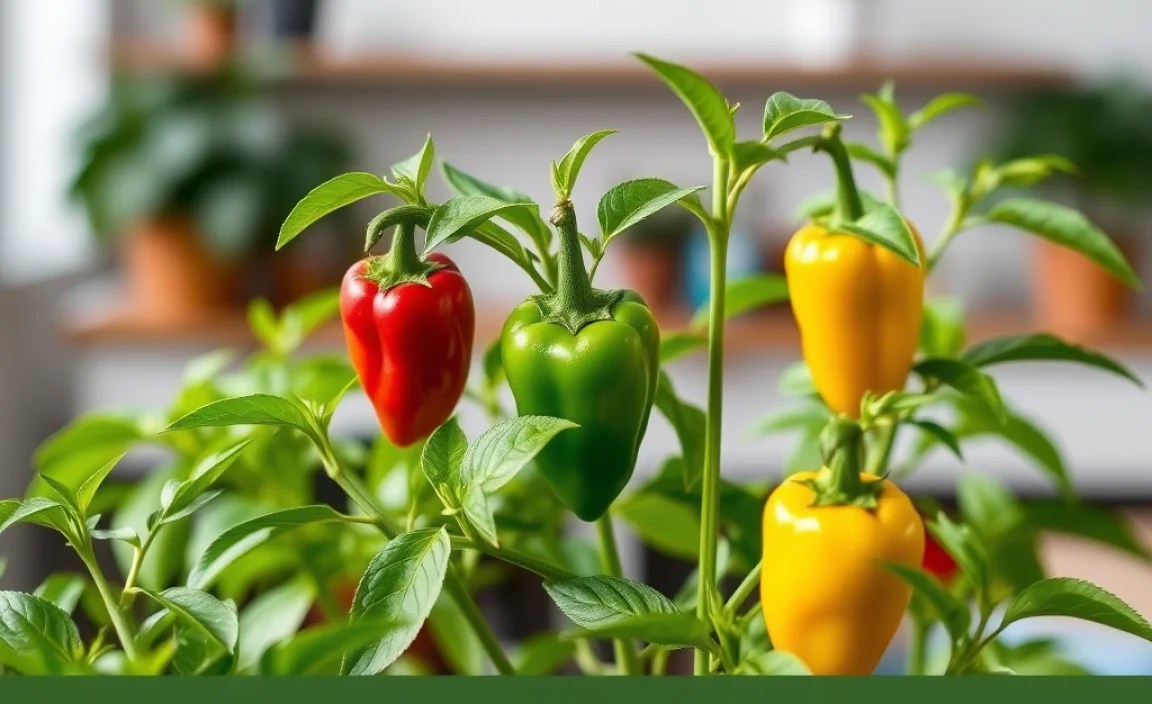
Key Takeaways
- Knowing when and how to fertilize pepper plants for big harvests is essential.
- Use balanced fertilizers early and switch to a bloom-boosting formula later on.
- Always follow fertilizer instructions and avoid over-fertilizing your pepper plants.
- Regularly check your pepper plants for signs of nutrient deficiencies or problems.
- Choose the right type of fertilizer, like organic or slow-release options.

Why Fertilize Pepper Plants for Big Harvests?
Fertilizing pepper plants is super important. It helps them grow strong and produce lots of peppers. Plants need nutrients, like nitrogen, phosphorus, and potassium. These are like vitamins for plants. They help with leaf growth, root development, and pepper production. Without enough nutrients, pepper plants can be weak. They might not produce many peppers. The peppers might be small or not taste very good. Fertilizing gives them the boost they need. It’s like giving them a healthy meal. When you fertilize pepper plants, you are setting them up for success. You will get a bigger and better harvest. It’s a simple way to make a big difference in your garden. Healthy plants mean happy gardeners!
- Nutrients help plants grow strong.
- Fertilizer provides essential nutrients.
- Strong plants produce more peppers.
- Healthy peppers taste better.
- Fertilizing prevents nutrient problems.
Think of fertilizer as a plant’s energy drink. It gives them the power to grow big and strong. It helps them fight off diseases and pests. When you fertilize, you are giving them the tools they need to thrive. It’s like giving them a shield. Fertilizing pepper plants is not just about getting more peppers. It’s about growing healthy, happy plants. Healthy plants are more resistant to problems. They can handle stress better. They will reward you with a bountiful harvest. So, don’t skip the fertilizer! It’s a key ingredient for a successful pepper garden.
Fun Fact or Stat: Did you know that peppers are native to Central and South America and have been cultivated for over 6,000 years?
What Nutrients Do Peppers Need?
Pepper plants need three main nutrients. These are nitrogen, phosphorus, and potassium. Nitrogen helps with leaf growth. It makes the leaves green and lush. Phosphorus helps with root development. Strong roots are important for healthy plants. Potassium helps with pepper production. It makes the peppers big and juicy. These nutrients are often listed as N-P-K on fertilizer labels. For example, a 10-10-10 fertilizer has equal amounts of each nutrient. Pepper plants also need other nutrients. These include calcium, magnesium, and iron. A good fertilizer will provide all of these. Make sure to choose a fertilizer that is right for pepper plants. This will help them grow their best.
When Should I Start Fertilizing?
You should start fertilizing pepper plants soon after transplanting. This is when they need a boost to get started. Use a balanced fertilizer at first. This will help them develop strong roots and leaves. As they start to flower, switch to a different fertilizer. One with more phosphorus and potassium is best. This will help them produce more peppers. Fertilize every few weeks during the growing season. Follow the instructions on the fertilizer label. Don’t over-fertilize, as this can harm the plants. It’s better to fertilize lightly and often than to overdo it. Keep an eye on your plants. If they look healthy and are growing well, you are doing it right.
How Often Should I Fertilize?
How often you fertilize depends on the type of fertilizer. It also depends on the soil. Slow-release fertilizers only need to be applied once or twice a season. Liquid fertilizers need to be applied more often. Usually every two to three weeks. Check your soil. If it is sandy, it may need more frequent fertilizing. Sandy soil doesn’t hold nutrients well. If your soil is rich in organic matter, you may not need to fertilize as often. Watch your plants. If they look like they need a boost, it’s time to fertilize. Remember to follow the instructions on the fertilizer label. This will help you fertilize properly and avoid problems.

Choosing the Right Fertilizer to Fertilize Pepper Plants
Choosing the right fertilizer is important. It can make a big difference in your pepper harvest. There are many different types of fertilizers available. Some are organic, and some are synthetic. Organic fertilizers are made from natural materials. These include compost, manure, and bone meal. They release nutrients slowly over time. Synthetic fertilizers are made in a factory. They release nutrients quickly. Both types can be effective. The best choice depends on your preferences and your soil. Consider a slow-release fertilizer if you want something easy to use. If you prefer organic gardening, choose an organic fertilizer. Look for a fertilizer that is specifically designed for vegetables or tomatoes. These will have the right balance of nutrients for pepper plants.
- Organic fertilizers are made from natural materials.
- Synthetic fertilizers are made in a factory.
- Slow-release fertilizers release nutrients slowly.
- Choose a fertilizer designed for vegetables.
- Consider your soil type when choosing fertilizer.
- Think about your gardening preferences.
Have you ever wondered what makes one fertilizer different from another? It’s all about the nutrients they contain. Some fertilizers are high in nitrogen. These are good for leafy growth. Others are high in phosphorus. These are good for root development. Still others are high in potassium. These are good for pepper production. Look for a fertilizer that has a balanced amount of all three nutrients. This will help your pepper plants grow strong and healthy. Don’t be afraid to experiment. Try different fertilizers and see what works best for your plants. The most important thing is to provide your pepper plants with the nutrients they need. This will help you fertilize pepper plants for big harvests.
Fun Fact or Stat: The Scoville scale, invented by Wilbur Scoville in 1912, measures the heat of chili peppers!
Organic vs. Synthetic Fertilizers
Organic fertilizers come from natural sources. Think compost, manure, and worm castings. They feed the soil as well as the plant. This improves soil health over time. Synthetic fertilizers are man-made. They give plants a quick boost of nutrients. However, they don’t do much for the soil. Some gardeners prefer organic. They like the idea of natural gardening. Others prefer synthetic. They want fast results. Both can help you grow great peppers. It’s all about what works best for you and your garden. Consider the pros and cons of each before making a decision. You can even use both!
Understanding N-P-K Ratios
N-P-K stands for nitrogen, phosphorus, and potassium. These are the three main nutrients plants need. The N-P-K ratio tells you how much of each nutrient is in the fertilizer. For example, a 10-10-10 fertilizer has 10% nitrogen, 10% phosphorus, and 10% potassium. Pepper plants need different ratios at different times. Early on, they need more nitrogen for leafy growth. Later on, they need more phosphorus and potassium for pepper production. Look for fertilizers with different N-P-K ratios. This will help you give your plants what they need. Understanding N-P-K ratios can help you fertilize pepper plants for big harvests.
Specific Fertilizer Recommendations
For young pepper plants, use a balanced fertilizer. A 10-10-10 or 14-14-14 fertilizer is a good choice. Once the plants start to flower, switch to a fertilizer with more phosphorus and potassium. A 5-10-10 or 0-10-10 fertilizer is a good option. You can also use a tomato fertilizer. These are often formulated for fruiting vegetables. Follow the instructions on the label. Don’t over-fertilize. Too much fertilizer can burn the plants. It can also lead to other problems. Choose a fertilizer that is easy to use. Some fertilizers are liquid, and some are granular. Pick the one that you are most comfortable with.

How to Apply Fertilizer to Pepper Plants
Knowing how to apply fertilizer is just as important as choosing the right one. There are a few different ways to apply fertilizer. You can sprinkle granular fertilizer around the base of the plant. Then, water it in well. You can also mix liquid fertilizer with water. Then, pour it around the base of the plant. Be careful not to get fertilizer on the leaves. This can burn them. Always follow the instructions on the fertilizer label. This will tell you how much to use. It will also tell you how often to apply it. Don’t over-fertilize. Too much fertilizer can be harmful. It’s better to fertilize lightly and often than to overdo it. Applying fertilizer correctly will help you fertilize pepper plants for big harvests.
- Sprinkle granular fertilizer around the plant base.
- Mix liquid fertilizer with water.
- Avoid getting fertilizer on the leaves.
- Follow the instructions on the fertilizer label.
- Water well after applying fertilizer.
- Fertilize lightly and often.
Imagine you are giving your pepper plants a special drink. You want to make sure they get just the right amount. Too much can be bad, just like too much sugar in a drink. Start by reading the instructions on the fertilizer package. This will tell you how much to use for each plant. Use a measuring cup or spoon to get the right amount. Sprinkle the fertilizer evenly around the base of the plant. Be careful not to get it too close to the stem. After you have applied the fertilizer, water the plant well. This will help the fertilizer soak into the soil. It will also help prevent the fertilizer from burning the roots. Fertilizing correctly is a key step to fertilize pepper plants for big harvests.
Fun Fact or Stat: Peppers contain capsaicin, the compound that makes them spicy!
Granular Fertilizer Application
Granular fertilizer comes in small pellets or granules. It is easy to apply. Just sprinkle it around the base of the plant. Use a trowel to mix it lightly into the soil. This helps the fertilizer break down faster. Water the area well after applying the fertilizer. This helps the nutrients reach the roots. Granular fertilizer releases nutrients slowly. This makes it a good choice for slow-release fertilizing. You don’t have to apply it as often as liquid fertilizer. Follow the instructions on the label for the correct amount to use. Don’t over-apply granular fertilizer.
Liquid Fertilizer Application
Liquid fertilizer is mixed with water. Then, you pour it around the base of the plant. It is absorbed quickly by the roots. This makes it a good choice for a quick boost of nutrients. Be careful not to get the fertilizer on the leaves. It can burn them. Use a watering can or a hose-end sprayer to apply the fertilizer. Follow the instructions on the label for the correct amount to use. Liquid fertilizer needs to be applied more often than granular fertilizer. Usually every two to three weeks.
Foliar Feeding Techniques
Foliar feeding is when you spray fertilizer directly on the leaves. This can be a good way to give plants a quick boost of nutrients. It is especially helpful if the soil is lacking in nutrients. Use a diluted liquid fertilizer for foliar feeding. Be sure to use a fertilizer that is specifically designed for foliar feeding. Spray the leaves in the early morning or late evening. This will help prevent the leaves from burning. Don’t spray the leaves in direct sunlight. Foliar feeding is not a substitute for soil fertilizing. It is a supplement.

Understanding Soil Conditions for Pepper Plants
The soil is where your pepper plants live. It’s important to make sure it’s a good home. Pepper plants like well-drained soil. This means the water doesn’t sit in the soil. It drains away easily. They also like soil that is rich in organic matter. This provides nutrients and helps the soil hold moisture. You can improve your soil by adding compost or other organic materials. Before planting, test your soil. This will tell you if it needs any amendments. You can buy a soil test kit at a garden center. Or, you can send a sample to a lab for testing. Understanding your soil conditions will help you fertilize pepper plants for big harvests.
| Soil Condition | Description | How to Improve |
|---|---|---|
| Poor Drainage | Water sits on top of the soil. | Add compost or other organic matter. |
| Low Organic Matter | Soil is sandy or compacted. | Add compost, manure, or peat moss. |
| Acidic Soil | pH is below 6.0. | Add lime. |
| Alkaline Soil | pH is above 7.0. | Add sulfur. |
Imagine your pepper plants are like little houses. The soil is the foundation. If the foundation is weak, the house won’t be strong. You need to make sure the soil is healthy and well-prepared. This means adding lots of good stuff. Compost is like a superfood for soil. It adds nutrients and helps the soil hold water. Manure is another great option. It’s like giving your soil a big boost of energy. Before you start planting, take a look at your soil. Is it hard and compacted? Does water sit on top of it? If so, you need to improve it. Adding organic matter is the best way to do this. Healthy soil means healthy plants. Healthy plants mean more peppers!
Fun Fact or Stat: The color of a pepper is an indication of its ripeness and nutrient content!
Testing Your Soil’s pH
Soil pH is a measure of how acidic or alkaline your soil is. Pepper plants like soil with a pH between 6.0 and 7.0. You can test your soil’s pH with a soil test kit. These kits are available at garden centers. Follow the instructions on the kit. If your soil is too acidic, add lime to raise the pH. If your soil is too alkaline, add sulfur to lower the pH. It’s important to adjust the soil pH before planting. This will help your pepper plants absorb nutrients.
Improving Soil Drainage
Good drainage is important for pepper plants. They don’t like to sit in wet soil. If your soil doesn’t drain well, add organic matter. Compost, peat moss, and manure can all help. These materials improve soil structure. They also help the soil hold moisture. You can also create raised beds. This will help improve drainage. Raised beds are mounds of soil that are raised above the surrounding ground.
Amending Soil with Organic Matter
Organic matter is anything that was once living. Compost, manure, and leaves are all examples. Adding organic matter to your soil improves its structure. It also helps it hold moisture and nutrients. This is good for your pepper plants. You can add organic matter to your soil at any time. But it’s best to do it before planting. Spread a layer of compost or manure over the soil. Then, mix it in with a shovel or tiller.
Common Mistakes to Avoid When Fertilizing Peppers
Fertilizing pepper plants can be tricky. It’s easy to make mistakes. One common mistake is over-fertilizing. Too much fertilizer can burn the plants. It can also lead to other problems. Another mistake is using the wrong type of fertilizer. Pepper plants need different nutrients at different times. Using the wrong fertilizer can throw things off. Not testing your soil is another mistake. You might not know what nutrients your soil is lacking. This can lead to nutrient deficiencies. Finally, not following the instructions on the fertilizer label is a mistake. The instructions are there for a reason. Following them will help you fertilize correctly. Avoiding these mistakes will help you fertilize pepper plants for big harvests.
- Avoid over-fertilizing your pepper plants.
- Use the right type of fertilizer for peppers.
- Test your soil before fertilizing.
- Follow the instructions on the fertilizer label.
- Don’t fertilize dry plants.
- Water well after fertilizing.
- Watch your plants for signs of problems.
Imagine you are baking a cake. If you add too much sugar, the cake will be too sweet. If you don’t add enough flour, the cake will be too runny. Fertilizing pepper plants is similar. You need to get the balance just right. Too much fertilizer can be harmful. It can burn the roots and leaves. It can also lead to nutrient imbalances. Not enough fertilizer can also be a problem. The plants won’t grow as well. They won’t produce as many peppers. The key is to follow the instructions on the fertilizer label. This will help you get the balance just right. Remember, it’s better to under-fertilize than to over-fertilize.
Fun Fact or Stat: Some pepper varieties are hotter than police-grade pepper spray!
Over-Fertilizing Symptoms
Over-fertilizing can cause several problems. The leaves may turn yellow or brown. They may also become wilted or droopy. The plant may stop growing. You may also see a white crust on the soil surface. This is a sign of salt buildup. If you think you have over-fertilized, flush the soil with water. This will help remove the excess fertilizer.
Using the Wrong Fertilizer Type
Pepper plants need different nutrients at different times. Early on, they need more nitrogen for leafy growth. Later on, they need more phosphorus and potassium for pepper production. Using the wrong type of fertilizer can throw things off. For example, using a high-nitrogen fertilizer late in the season can lead to lots of leaves but few peppers. Choose a fertilizer that is appropriate for the stage of growth.
Ignoring Soil Test Results
A soil test can tell you what nutrients your soil is lacking. It can also tell you the soil pH. Ignoring soil test results can lead to nutrient deficiencies. It can also lead to pH imbalances. Test your soil before planting. Then, amend it as needed based on the results. This will help you create a healthy environment for your pepper plants.
Recognizing Nutrient Deficiencies in Pepper Plants
Even if you fertilize, your pepper plants can still have nutrient deficiencies. This can happen if the soil pH is not right. It can also happen if the soil is lacking in certain nutrients. Knowing how to recognize nutrient deficiencies is important. This will help you take action quickly. Look for yellowing leaves, stunted growth, or deformed peppers. These can all be signs of nutrient problems. Once you identify the deficiency, you can amend the soil. You can also use a foliar spray to provide the missing nutrients. Regularly checking your plants will help you fertilize pepper plants for big harvests.
- Yellowing leaves can indicate nitrogen deficiency.
- Stunted growth can indicate phosphorus deficiency.
- Deformed peppers can indicate calcium deficiency.
- Purple leaves can indicate phosphorus deficiency.
- Curled leaves can indicate magnesium deficiency.
Imagine your pepper plants are trying to tell you something. They can’t talk, but they can show you signs of trouble. Yellow leaves might mean they need more nitrogen. Stunted growth might mean they need more phosphorus. Deformed peppers might mean they need more calcium. It’s like being a plant detective. You need to look closely for clues. Once you figure out what’s wrong, you can take action. You can add the missing nutrients to the soil. You can also spray the leaves with a special solution. The key is to pay attention to your plants. They will tell you what they need.
Fun Fact or Stat: Bell peppers are a good source of vitamin C!
Identifying Nitrogen Deficiency
Nitrogen deficiency is a common problem in pepper plants. The most common symptom is yellowing leaves. The yellowing usually starts on the older leaves. It then spreads to the younger leaves. The plant may also be stunted. It may not grow as quickly as it should. To fix nitrogen deficiency, add a nitrogen-rich fertilizer to the soil. You can also use a foliar spray.
Spotting Phosphorus Deficiency
Phosphorus deficiency can also cause problems. The leaves may turn purple. The plant may also be stunted. The roots may not develop properly. To fix phosphorus deficiency, add a phosphorus-rich fertilizer to the soil. Bone meal is a good source of phosphorus. You can also use a foliar spray.
Recognizing Calcium Deficiency
Calcium deficiency can cause blossom-end rot in peppers. This is when the bottom of the pepper turns black and rotten. The leaves may also be distorted. To fix calcium deficiency, add calcium to the soil. You can use lime or gypsum. You can also use a foliar spray. Make sure the soil pH is correct. This will help the plant absorb calcium.
Adjusting Fertilization Based on Growth Stages
Pepper plants need different nutrients at different growth stages. Early on, they need more nitrogen for leafy growth. This helps them develop strong stems and leaves. As they start to flower, they need more phosphorus. This helps them produce lots of blossoms. As the peppers develop, they need more potassium. This helps them grow big and juicy. Adjusting your fertilization based on growth stages is important. This will help you fertilize pepper plants for big harvests. Watch your plants closely. This will help you determine what they need.
- Early growth needs more nitrogen fertilizer.
- Flowering stage needs more phosphorus fertilizer.
- Pepper development needs more potassium fertilizer.
- Adjust fertilizer based on plant needs.
- Watch plants for signs of deficiencies.
Imagine your pepper plants are going on a journey. Each stage of the journey requires different fuel. Early on, they need fuel for growth. This means lots of nitrogen. As they start to flower, they need fuel for blooming. This means lots of phosphorus. As the peppers develop, they need fuel for fruiting. This means lots of potassium. You need to provide the right fuel at the right time. This will help them reach their destination. The destination is a big, bountiful harvest. Adjusting your fertilization is like being a good travel agent. You make sure they have everything they need along the way.
Fun Fact or Stat: Peppers are used in many cuisines around the world, from spicy curries to sweet jams!
Early Vegetative Growth
During the early vegetative growth stage, pepper plants need lots of nitrogen. This helps them develop strong stems and leaves. Use a balanced fertilizer with a higher nitrogen number. For example, a 10-5-5 fertilizer is a good choice. Fertilize every two to three weeks. Follow the instructions on the fertilizer label. Watch your plants closely for signs of nitrogen deficiency.
Flowering and Fruit Set
As pepper plants start to flower, they need more phosphorus. This helps them produce lots of blossoms. Use a fertilizer with a higher phosphorus number. For example, a 5-10-5 fertilizer is a good choice. Fertilize every two to three weeks. Follow the instructions on the fertilizer label. Avoid over-fertilizing with nitrogen. This can lead to lots of leaves but few peppers.
Pepper Development and Ripening
As the peppers develop, they need more potassium. This helps them grow big and juicy. Use a fertilizer with a higher potassium number. For example, a 5-5-10 fertilizer is a good choice. Fertilize every two to three weeks. Follow the instructions on the fertilizer label. Make sure the plants are getting enough water. This is important for pepper development.
Summary
To fertilize pepper plants for big harvests requires knowledge. It also requires attention to detail. Understanding the nutrients pepper plants need is key. Choosing the right fertilizer is also important. Knowing how to apply the fertilizer correctly is essential. Avoiding common mistakes can prevent problems. Recognizing nutrient deficiencies allows for quick action. Adjusting fertilization based on growth stages maximizes results. With the right approach, you can enjoy a bountiful pepper harvest.
Conclusion
Fertilizing pepper plants for big harvests is a rewarding process. It requires understanding their needs. It involves selecting the correct fertilizers. It also involves applying them at the right times. By following these guidelines, you can increase your yield. You will also grow healthy, vibrant pepper plants. Enjoy the fruits (or peppers) of your labor!
Frequently Asked Questions
Question No 1: What is the best fertilizer for pepper plants?
Answer: The best fertilizer for pepper plants depends on their growth stage. Early on, use a balanced fertilizer with a higher nitrogen number. This will help them develop strong stems and leaves. As they start to flower, switch to a fertilizer with a higher phosphorus number. This will help them produce lots of blossoms. As the peppers develop, use a fertilizer with a higher potassium number. This will help them grow big and juicy. You might want to consider a soil test. The results will help you understand what type of nutrients are needed to fertilize pepper plants for big harvests.
Question No 2: How often should I fertilize my pepper plants?
Answer: How often you fertilize your pepper plants depends on the type of fertilizer you are using. Slow-release fertilizers only need to be applied once or twice a season. Liquid fertilizers need to be applied more often. Usually every two to three weeks. It’s important to follow the instructions on the fertilizer label. This will help you avoid over-fertilizing or under-fertilizing. Also, keep an eye on your plants. They will give you clues about what they need. Watching your plants is a great way to ensure you fertilize pepper plants for big harvests the correct way.
Question No 3: What are the signs of over-fertilizing pepper plants?
Answer: Over-fertilizing can cause several problems in pepper plants. The leaves may turn yellow or brown. They may also become wilted or droopy. The plant may stop growing. You may also see a white crust on the soil surface. This is a sign of salt buildup. If you think you have over-fertilized, flush the soil with water. This will help remove the excess fertilizer. In the future, remember to read the instructions carefully before you fertilize pepper plants for big harvests.
Question No 4: What are the signs of nutrient deficiencies in pepper plants?
Answer: Nutrient deficiencies can cause several problems in pepper plants. Yellowing leaves can indicate nitrogen deficiency. Stunted growth can indicate phosphorus deficiency. Deformed peppers can indicate calcium deficiency. Purple leaves can indicate phosphorus deficiency. Curled leaves can indicate magnesium deficiency. If you see any of these signs, take action quickly. Amend the soil or use a foliar spray to provide the missing nutrients. With the proper care and monitoring, you can effectively fertilize pepper plants for big harvests.
Question No 5: Can I use compost to fertilize my pepper plants?
Answer: Yes, compost is a great way to fertilize pepper plants. Compost is a natural, organic fertilizer. It provides essential nutrients and improves soil health. Mix compost into the soil before planting. You can also use it as a side dressing during the growing season. Spread a layer of compost around the base of the plants. Then, water it in well. Compost is a slow-release fertilizer. It will provide nutrients to your plants over time. You can also use compost tea. This is a liquid fertilizer made by steeping compost in water. Using compost is a great way to organically fertilize pepper plants for big harvests.
Question No 6: Is foliar feeding effective for pepper plants?
Answer: Yes, foliar feeding can be effective for pepper plants. Foliar feeding is when you spray fertilizer directly on the leaves. This can be a good way to give plants a quick boost of nutrients. It is especially helpful if the soil is lacking in nutrients. Use a diluted liquid fertilizer for foliar feeding. Be sure to use a fertilizer that is specifically designed for foliar feeding. Spray the leaves in the early morning or late evening. This will help prevent the leaves from burning. Remember, foliar feeding is not a substitute for soil fertilizing. It is a supplement. However, it can be a great way to fertilize pepper plants for big harvests.
