Do you like garlic? Have you ever thought about growing your own? It is easier than you think! You can even {grow garlic in pots}. Imagine fresh garlic right outside your door.
Growing garlic in pots is a fun and easy project. It’s a great way to have fresh garlic. Let’s learn how!
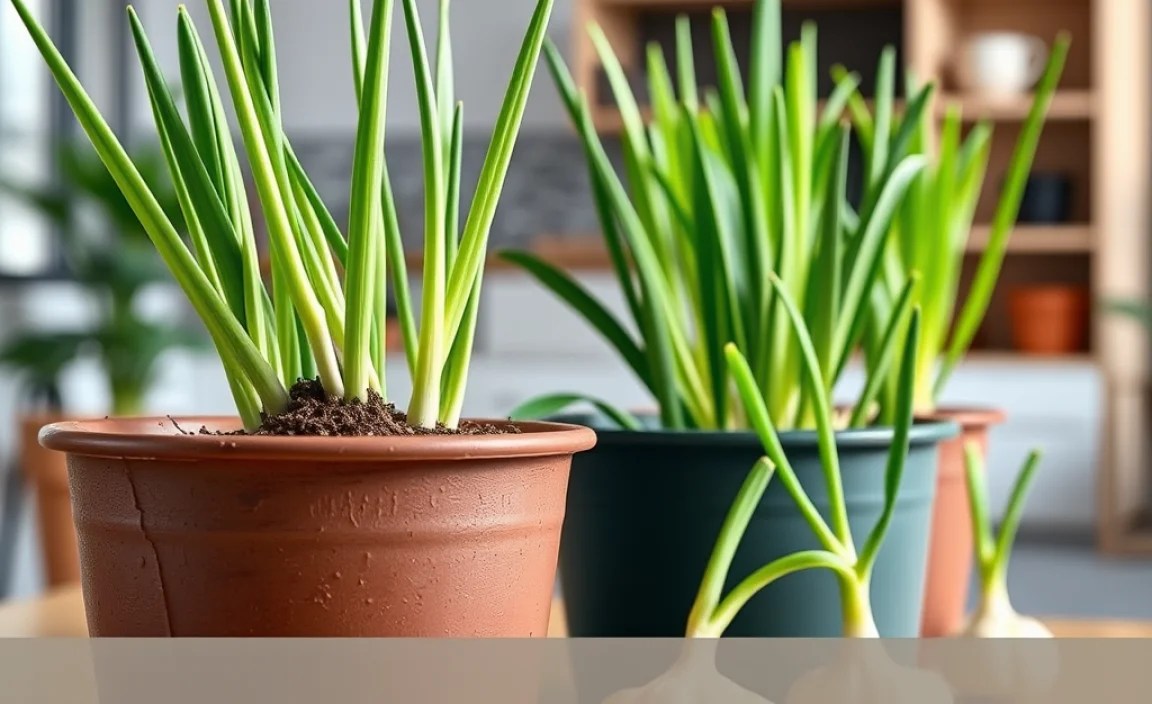
Key Takeaways
- Growing garlic in pots lets you enjoy fresh garlic at home.
- Choose the right pot size for healthy garlic bulb development.
- Plant garlic cloves in fall for best results and bigger bulbs.
- Water and fertilize your potted garlic regularly for good growth.
- Harvest when the leaves turn yellow and start to fall over.

How to Grow Garlic in Pots: Getting Started
Growing garlic in pots is a fun project. It’s easier than growing it in the ground. You can control the soil and water. This helps your garlic grow big and strong. First, you need to choose the right pot. A pot that is at least 8 inches deep is good. This gives the roots room to grow. Make sure the pot has holes in the bottom. This lets extra water drain out. Next, pick the right kind of soil. Use potting mix, not garden soil. Potting mix is light and fluffy. It helps the roots get air. You also need to choose your garlic. Softneck garlic is good for warmer places. Hardneck garlic is better for cold places. Get garlic from a garden store, not the grocery store. Grocery store garlic might not grow well.
- Choose a pot that is at least 8 inches deep.
- Make sure the pot has drainage holes.
- Use potting mix, not garden soil.
- Pick garlic from a garden store.
- Softneck garlic likes warm places.
Now, you are ready to plant! Break apart the garlic bulb into cloves. Plant each clove about 2 inches deep. Pointy side up! Space them about 4 inches apart. Water the soil after planting. Keep the soil moist, but not too wet. Place the pot in a sunny spot. Garlic needs at least 6 hours of sun each day. In cold places, cover the pot with mulch. This helps protect the garlic from freezing. Be patient. It takes time for garlic to grow. You will see green shoots in a few weeks. Keep watering and watch your garlic grow. Soon, you will have fresh garlic to use in your cooking!
Fun Fact or Stat: Garlic has been used for thousands of years, dating back to ancient Egypt, for both culinary and medicinal purposes!
Choosing the Right Pot
Picking the right pot is key for growing garlic. Have you ever tried to wear shoes that are too small? Your feet feel cramped, right? It is the same for garlic. The roots need space to grow. A small pot will make the garlic small. Choose a pot that is at least 8 inches deep and 8 inches wide. Bigger is even better! The pot should also have drainage holes. These holes let extra water out. If the water stays in the pot, the roots can rot. This will kill your garlic. So, make sure your pot has good drainage. A good pot helps your garlic grow big and healthy. Then you can {grow garlic in pots} with ease.
Selecting the Right Soil
Imagine you are building a house. What do you need first? A strong foundation! Soil is like the foundation for your garlic. You can’t just use any soil. Garden soil is too heavy. It can trap water and keep air out. Garlic roots need air to breathe. Use potting mix instead. Potting mix is light and fluffy. It drains well and lets air in. You can buy potting mix at any garden store. Look for a mix that is made for vegetables. This kind of mix has extra nutrients. Nutrients are like food for your garlic. They help it grow big and strong. Healthy soil means healthy garlic!
Picking the Right Garlic Variety
Did you know there are different kinds of garlic? It’s true! Some garlic likes warm weather. Other garlic likes cold weather. Softneck garlic does well in warmer places. It has many small cloves. It also stores well. Hardneck garlic does better in cold places. It has fewer, bigger cloves. It also has a flower stalk called a scape. You can eat the scape! It tastes like garlic. When you pick your garlic, think about where you live. If you live in a warm place, pick softneck. If you live in a cold place, pick hardneck. This will help your garlic grow its best. Then, you will {grow garlic in pots} with success.

Planting Garlic in Pots: A Step-by-Step Guide
Planting garlic in pots is easy. First, get your pot ready. Fill it with potting mix. Leave about an inch of space at the top. Now, take your garlic bulb. Gently break it apart into cloves. Each clove will grow into a new garlic bulb. Choose the biggest cloves to plant. These will grow the best. Plant the cloves pointy side up. Push them into the soil about 2 inches deep. Space them about 4 inches apart. Water the soil gently. Make sure the soil is moist, but not soggy. Place the pot in a sunny spot. Garlic needs at least 6 hours of sun each day. Be patient. It takes a few weeks for the garlic to sprout. Once it sprouts, keep watering it regularly. And watch your garlic grow!
- Fill the pot with potting mix.
- Break the garlic bulb into cloves.
- Plant the cloves pointy side up.
- Space the cloves 4 inches apart.
- Water the soil gently.
- Place the pot in a sunny spot.
Planting garlic at the right time is also important. The best time to plant garlic is in the fall. This gives the garlic time to grow roots before winter. In cold places, the garlic will go dormant in the winter. It will start growing again in the spring. In warmer places, the garlic will keep growing all winter. If you plant garlic in the spring, it might not grow as big. So, try to plant in the fall if you can. With the right steps, you can {grow garlic in pots} easily. Then you will enjoy fresh garlic.
Fun Fact or Stat: Garlic is a member of the Allium family, which also includes onions, leeks, and chives!
Preparing the Garlic Cloves
Have you ever built with LEGOs? You need to start with the right pieces. It’s the same with garlic. You need to start with good cloves. Choose the biggest, healthiest cloves. These cloves will grow the best. Gently break the bulb apart. Be careful not to damage the cloves. Leave the papery skin on the cloves. This skin protects the garlic. Don’t plant cloves that are soft or moldy. These cloves will not grow well. They might even spread disease to your other garlic. So, pick the best cloves for the best results. Good cloves mean healthy garlic plants.
Spacing and Depth for Planting
Imagine you are planting seeds in a garden. You don’t want to plant them too close together. They need space to grow. It’s the same with garlic cloves. If you plant them too close, they will compete for nutrients. They won’t grow as big. Space the cloves about 4 inches apart. This gives them enough room to grow. Plant the cloves about 2 inches deep. This protects them from the cold. It also helps them root well. If you plant them too shallow, they might dry out. If you plant them too deep, they might not sprout. So, plant them at the right depth and spacing for the best growth.
Watering After Planting
Water is like a drink for your garlic. It needs water to grow. But too much water can be bad. It can rot the roots. After you plant the cloves, water the soil gently. Make sure the soil is moist, but not soggy. Check the soil every few days. If it feels dry, water it again. If it feels wet, wait a day or two. Water more often in hot, dry weather. Water less often in cool, wet weather. Don’t let the soil dry out completely. This can stress the garlic. Keep the soil moist, but not too wet, for healthy growth. This will help you {grow garlic in pots} successfully.

Caring for Garlic in Pots: Watering and Feeding
Taking care of garlic in pots is simple. Water is important. Keep the soil moist. Don’t let it dry out. But don’t make it too wet either. Too much water can hurt the garlic. Check the soil often. If the top inch feels dry, it’s time to water. Water until the water comes out of the holes in the bottom. This means the soil is wet all the way through. Garlic also needs food. You can use fertilizer. Use a fertilizer that is made for vegetables. Follow the directions on the package. Fertilize every few weeks. This gives the garlic the nutrients it needs to grow big and strong. Watch your garlic. If the leaves turn yellow, it might need more fertilizer. With the right care, your garlic will thrive.
- Water when the top inch of soil feels dry.
- Use a fertilizer made for vegetables.
- Fertilize every few weeks.
- Watch for yellow leaves.
- Don’t overwater the garlic.
Sunlight is also important for garlic. Garlic needs at least 6 hours of sun each day. Place your pot in a sunny spot. If you don’t have a sunny spot, you can use a grow light. A grow light gives the garlic the light it needs. Keep an eye out for pests. Pests are bugs that can eat your garlic. If you see pests, you can use insecticidal soap. This will kill the pests. You can buy insecticidal soap at a garden store. Also, watch out for diseases. Diseases can make your garlic sick. If you see signs of disease, you can use a fungicide. A fungicide will kill the disease. With the right care, you can {grow garlic in pots} and protect it from harm.
Fun Fact or Stat: Garlic scapes (the flower stalks) are edible and have a mild garlic flavor!
Watering Strategies
Imagine your garlic is thirsty. How do you know when to give it a drink? Check the soil! Stick your finger in the soil. If the top inch feels dry, it’s time to water. Water slowly and deeply. Let the water soak into the soil. Water until it comes out of the bottom of the pot. This makes sure the roots get enough water. Avoid watering the leaves. Wet leaves can get diseases. Water in the morning, if you can. This gives the leaves time to dry before night. Don’t overwater! Too much water can rot the roots. Healthy watering habits lead to healthy garlic.
Fertilizing for Growth
Garlic is like a growing child. It needs food to grow big and strong. Fertilizer is like a vitamin for your garlic. It gives it the nutrients it needs. Choose a fertilizer that is made for vegetables. These fertilizers have the right balance of nutrients. Follow the directions on the package. Don’t use too much fertilizer. This can burn the roots. Fertilize every few weeks. You can also use compost. Compost is like a natural fertilizer. It adds nutrients to the soil. Mix compost into the soil when you plant the garlic. Feed your garlic well for the best growth. This will ensure you {grow garlic in pots} to their full potential.
Recognizing and Addressing Nutrient Deficiencies
Have you ever seen a plant with yellow leaves? This can be a sign of a nutrient problem. Garlic needs certain nutrients to grow. If it doesn’t get enough, the leaves can turn yellow. This is called a nutrient deficiency. Nitrogen is one important nutrient. If the leaves are yellow and pale, the garlic might need more nitrogen. Phosphorus is another important nutrient. If the leaves are purple, the garlic might need more phosphorus. Potassium is also important. If the leaves have brown edges, the garlic might need more potassium. You can add fertilizer to fix these problems. Choose a fertilizer that has the nutrients your garlic needs. Watch your garlic closely. Healthy green leaves mean healthy garlic!

Protecting Garlic in Pots from Pests and Diseases
Keeping your garlic safe from pests and diseases is key. Pests are little bugs that can harm your plants. Aphids are small, green bugs that suck the juice from leaves. You can wash them off with water. Or you can use insecticidal soap. Onion flies are another pest. They lay eggs at the base of the plant. The eggs hatch into maggots that eat the roots. You can cover your plants with netting to keep the flies away. Diseases can also harm your garlic. Fungus can cause the leaves to turn yellow or brown. You can use a fungicide to treat fungus. Make sure your plants have good air flow. This helps prevent diseases. Healthy plants are less likely to get pests or diseases. With a little care, you can {grow garlic in pots} and protect it from harm.
- Wash aphids off with water or insecticidal soap.
- Cover plants with netting to prevent onion flies.
- Use a fungicide to treat fungal diseases.
- Ensure good air flow around the plants.
- Keep plants healthy to prevent problems.
Good soil drainage is also important. Soggy soil can lead to root rot. Root rot is a disease that can kill your garlic. Make sure your pot has drainage holes. And don’t overwater your plants. Keep an eye on your garlic. Check it regularly for signs of pests or diseases. The sooner you catch a problem, the easier it will be to fix. You can also use organic methods to protect your plants. For example, you can plant marigolds near your garlic. Marigolds repel some pests. With the right protection, your garlic will thrive. Then you will have a bountiful harvest.
Fun Fact or Stat: Garlic contains allicin, a compound known for its antibacterial and antifungal properties!
Identifying Common Pests
Have you ever found little bugs on your plants? These might be pests. Pests can eat your plants and make them sick. Aphids are small, green bugs that cluster on leaves. They suck the juice out of the plant. Whiteflies are tiny, white bugs that fly around when you disturb the plant. Thrips are small, slender bugs that can damage flowers and leaves. Onion maggots are small, white worms that eat the roots of garlic. Look closely at your plants. If you see any of these pests, take action quickly. This will help protect your garlic crop.
Preventing Diseases
Diseases can spread quickly in a garden. They can ruin your plants and your harvest. But you can take steps to prevent diseases. Start with healthy plants. Healthy plants are less likely to get sick. Choose disease-resistant varieties of garlic. Provide good air circulation. This helps prevent fungal diseases. Water at the base of the plant. Avoid wetting the leaves. Clean up any dead leaves or plant debris. These can harbor diseases. Rotate your crops each year. Don’t plant garlic in the same spot every year. By taking these steps, you can prevent many diseases and keep your garlic healthy. This will let you {grow garlic in pots} without worry.
Organic Pest Control Methods
Do you want to protect your garlic without using chemicals? You can use organic pest control methods. These methods are safe for your plants and the environment. Insecticidal soap is a natural way to kill many pests. It suffocates the bugs without harming the plant. Neem oil is another natural insecticide. It repels pests and prevents them from feeding. Diatomaceous earth is a powder made from fossilized algae. It kills pests by drying them out. You can also use companion planting. Plant marigolds near your garlic to repel pests. These methods are safe and effective. They help you protect your garlic naturally.
Harvesting and Storing Your Potted Garlic
Harvesting garlic is exciting! You’ve watched it grow. Now it’s time to enjoy the fruits of your labor. You will know it is time to harvest when the leaves start to turn yellow and fall over. This usually happens in late summer. Gently dig up the garlic bulbs. Be careful not to damage them. Brush off the dirt. Let the bulbs dry in a sunny, well-ventilated place for a few weeks. This is called curing. Curing helps the garlic last longer. Once the bulbs are cured, you can store them in a cool, dry place. A basement or pantry is a good choice. Don’t store them in the refrigerator. The garlic will last for several months if stored properly. Then you can {grow garlic in pots} and enjoy the harvest for a long time.
- Harvest when leaves turn yellow and fall over.
- Gently dig up the garlic bulbs.
- Brush off the dirt.
- Cure the bulbs in a sunny, ventilated place.
- Store in a cool, dry place.
You can also use the garlic right away. Fresh garlic has a strong flavor. It is delicious in many dishes. You can also save some of the biggest cloves to plant next year. This way, you can keep growing your own garlic. Growing garlic in pots is a rewarding experience. You get fresh garlic. And you learn about gardening. It is a fun and easy project for everyone. So, give it a try! You might be surprised at how easy it is to {grow garlic in pots} and enjoy the results.
Fun Fact or Stat: Properly stored garlic can last for up to 6-8 months!
Knowing When to Harvest
How do you know when your garlic is ready to pick? It’s like knowing when an apple is ripe. You look for clues. The leaves will start to turn yellow. They will also start to fall over. This means the bulb is done growing. It’s time to harvest! Don’t wait too long. If you wait too long, the bulb can start to split apart. This makes it harder to store. Harvest on a dry day. This helps the bulbs dry out quickly. Gently dig up the bulbs. Don’t pull them out. You might damage them. Knowing when to harvest is key to getting the best garlic.
Curing Garlic for Storage
Imagine you are preserving food for the winter. You need to dry it out so it doesn’t spoil. Curing garlic is like preserving food. It helps the bulbs last longer. After you harvest the garlic, let it dry. This is called curing. Spread the bulbs out in a sunny, well-ventilated place. Let them dry for a few weeks. The outer layers of the bulb will become papery. The neck of the bulb will shrink. This means the garlic is cured. Curing helps prevent mold and rot. It also enhances the flavor of the garlic. Properly cured garlic can last for months.
Storing Garlic Properly
You’ve harvested and cured your garlic. Now it’s time to store it. Store the bulbs in a cool, dry place. A basement or pantry is ideal. Avoid storing garlic in the refrigerator. This can make it sprout. You can braid the garlic together. Hang the braid in a cool, dry place. Or you can store the bulbs in a mesh bag. This allows air to circulate. Check the bulbs regularly. Remove any that are soft or moldy. Properly stored garlic will last for months. Then you can enjoy your homegrown garlic all year long. You can {grow garlic in pots} and have garlic for a long time.
Using Your Homegrown Garlic in the Kitchen
Now you have fresh garlic! What can you do with it? The possibilities are endless. Garlic adds flavor to so many dishes. You can use it in soups, stews, and sauces. You can roast it with vegetables. You can add it to pasta dishes. You can even make garlic bread. Fresh garlic has a stronger flavor than store-bought garlic. So, you might not need to use as much. Experiment with different recipes. Find your favorite ways to use your homegrown garlic. You can also give it away to friends and family. They will love getting fresh garlic from your garden. Growing garlic is a gift that keeps on giving.
- Add garlic to soups, stews, and sauces.
- Roast garlic with vegetables.
- Use garlic in pasta dishes.
- Make garlic bread.
- Share your garlic with friends and family.
Garlic is also good for you! It has many health benefits. Garlic can help boost your immune system. It can help lower your blood pressure. It can even help prevent cancer. So, eating garlic is good for your body. Growing your own garlic is a great way to get fresh, healthy food. It is also a fun and rewarding hobby. So, why not give it a try? You might be surprised at how easy it is to {grow garlic in pots} and enjoy the benefits. Then you can enjoy garlic in all your meals.
Fun Fact or Stat: Garlic is believed to have originated in Central Asia!
Garlic-Infused Oil
Imagine the rich, savory flavor of garlic in every dish. You can make garlic-infused oil! It’s easy to do. Peel and slice a few cloves of garlic. Place them in a jar. Cover them with olive oil. Let the oil sit for a few days. The garlic flavor will infuse into the oil. Use the oil for cooking. Drizzle it over salads or pasta. Brush it on bread before baking. Garlic-infused oil adds a delicious flavor to any dish. Store the oil in the refrigerator. This will keep it fresh longer. You can {grow garlic in pots} and make your own garlic-infused oil.
Roasted Garlic
Have you ever tasted roasted garlic? It’s sweet and creamy. Roasting garlic mellows the flavor. It also makes it easier to spread. To roast garlic, cut off the top of the bulb. Drizzle it with olive oil. Wrap it in foil. Bake it in the oven at 400 degrees for about an hour. The garlic will be soft and golden brown. Let it cool slightly. Then squeeze the cloves out of the bulb. Spread the roasted garlic on bread or crackers. Add it to mashed potatoes. Use it in dips and sauces. Roasted garlic adds a unique flavor to any dish. Use your homegrown garlic to make roasted garlic.
Garlic and Herb Butter
Garlic and herb butter is a delicious topping for bread, vegetables, and meat. It’s easy to make. Soften some butter. Mix in minced garlic and fresh herbs. Parsley, chives, and thyme are good choices. Add a pinch of salt and pepper. Mix everything together well. Place the butter on a sheet of plastic wrap. Roll it into a log. Refrigerate until firm. Slice off rounds of butter to use. Top grilled steak with garlic and herb butter. Spread it on warm bread. Toss it with steamed vegetables. Garlic and herb butter adds a burst of flavor to any meal. Using garlic from your {grow garlic in pots} will make it taste even better.
Summary
Growing garlic in pots is a simple and rewarding project. It allows you to have fresh garlic right at your fingertips. To start, choose a pot that is at least 8 inches deep and has drainage holes. Use a good quality potting mix, not garden soil. Plant garlic cloves in the fall, pointy side up, about 2 inches deep and 4 inches apart. Water regularly, keeping the soil moist but not soggy. Fertilize every few weeks with a vegetable fertilizer. Protect your garlic from pests and diseases by using organic methods if possible. Harvest when the leaves turn yellow and fall over. Cure the bulbs in a sunny, well-ventilated place. Store them in a cool, dry location.
With a little care and attention, you can {grow garlic in pots} and enjoy fresh, flavorful garlic in your cooking. It’s a great way to add homegrown goodness to your meals. Plus, it’s a fun and educational activity for kids and adults alike.
Conclusion
Growing garlic in pots is an easy and fun way to have fresh garlic. You can control the soil and water. This helps you grow healthy plants. Remember to choose the right pot and soil. Water regularly and fertilize as needed. Watch for pests and diseases. Harvest when the leaves turn yellow. Cure the bulbs and store them properly. With these tips, you can {grow garlic in pots} and enjoy fresh garlic all year long. So, get started today and experience the joy of growing your own garlic!
Frequently Asked Questions
Question No 1: How deep should my pot be to grow garlic?
Your pot should be at least 8 inches deep. This gives the garlic roots enough room to grow. A deeper pot is even better. It allows the garlic to develop bigger bulbs. Make sure the pot has drainage holes. This prevents the soil from becoming waterlogged. Waterlogged soil can cause the roots to rot. Choose a pot that is wide enough too. This gives the garlic cloves room to spread out. A good pot is key to {grow garlic in pots} successfully. With the right pot, your garlic will thrive.
Question No 2: What kind of soil should I use for growing garlic in pots?
Do not use garden soil in pots! Garden soil is too heavy. It does not drain well. Use potting mix instead. Potting mix is light and fluffy. It allows air to reach the roots. Garlic roots need air to breathe. Choose a potting mix that is made for vegetables. These mixes have extra nutrients. Nutrients help the garlic grow big and strong. You can also add compost to the potting mix. Compost adds more nutrients. Good soil is essential for growing healthy garlic. Using the right soil will help you {grow garlic in pots} with great success.
Question No 3: When is the best time to plant garlic in pots?
The best time to plant garlic is in the fall. Plant the cloves a few weeks before the first frost. This gives them time to grow roots before winter. In cold climates, the garlic will go dormant in winter. It will start growing again in the spring. In warmer climates, the garlic may keep growing all winter. Planting in the fall results in bigger bulbs. If you plant in the spring, the bulbs may be smaller. So, try to plant in the fall if you can. This is an important step when you {grow garlic in pots}.
Question No 4: How often should I water garlic growing in pots?
Water your garlic when the top inch of soil feels dry. Stick your finger in the soil to check. Water deeply until the water drains out of the bottom of the pot. Don’t let the soil dry out completely. But don’t overwater either. Too much water can cause the roots to rot. Water more often in hot, dry weather. Water less often in cool, wet weather. Monitor the soil moisture regularly. Proper watering is key to growing healthy garlic. With the right watering schedule, you can {grow garlic in pots} and get a good harvest.
Question No 5: How much sunlight does garlic need when grown in pots?
Garlic needs at least 6 hours of sunlight each day. Place your pot in a sunny spot. If you don’t have a sunny spot, use a grow light. Grow lights provide the light the garlic needs. Without enough sunlight, the garlic will not grow well. The leaves may turn yellow. The bulbs may be small. Make sure your garlic gets plenty of sunlight. This is important for healthy growth. You will have better results if you {grow garlic in pots} in a sunny location.
Question No 6: How do I know when my garlic is ready to harvest from pots?
You will know it is time to harvest when the leaves start to turn yellow. The leaves will also start to fall over. This usually happens in late summer. Gently dig up the garlic bulbs. Be careful not to damage them. Brush off the dirt. Let the bulbs dry in a sunny, well-ventilated place for a few weeks. This is called curing. Curing helps the garlic last longer. Harvesting at the right time is important for getting the best garlic. This is the final step when you {grow garlic in pots}.
