Do you like to see flowers bloom? Do you want yummy veggies from your yard? Spring gardening is a super fun way to do it! It is when the weather gets warmer. Plants start to grow again after winter. You can plant seeds and watch them sprout. It is like magic, but with dirt!
Spring gardening is not just fun. It helps the earth too. Plants make the air cleaner. They give food to animals and people. Plus, growing your own food is awesome. Are you ready to get your hands dirty?
Key Takeaways
- Spring gardening is a great way to grow flowers and yummy veggies.
- Prepare your garden soil by cleaning and adding compost for healthy plants.
- Choose plants that grow well in your area for the best results.
- Water your plants regularly and protect them from pests.
- Enjoy the beauty and rewards of your spring gardening efforts.
Getting Ready for Spring Gardening
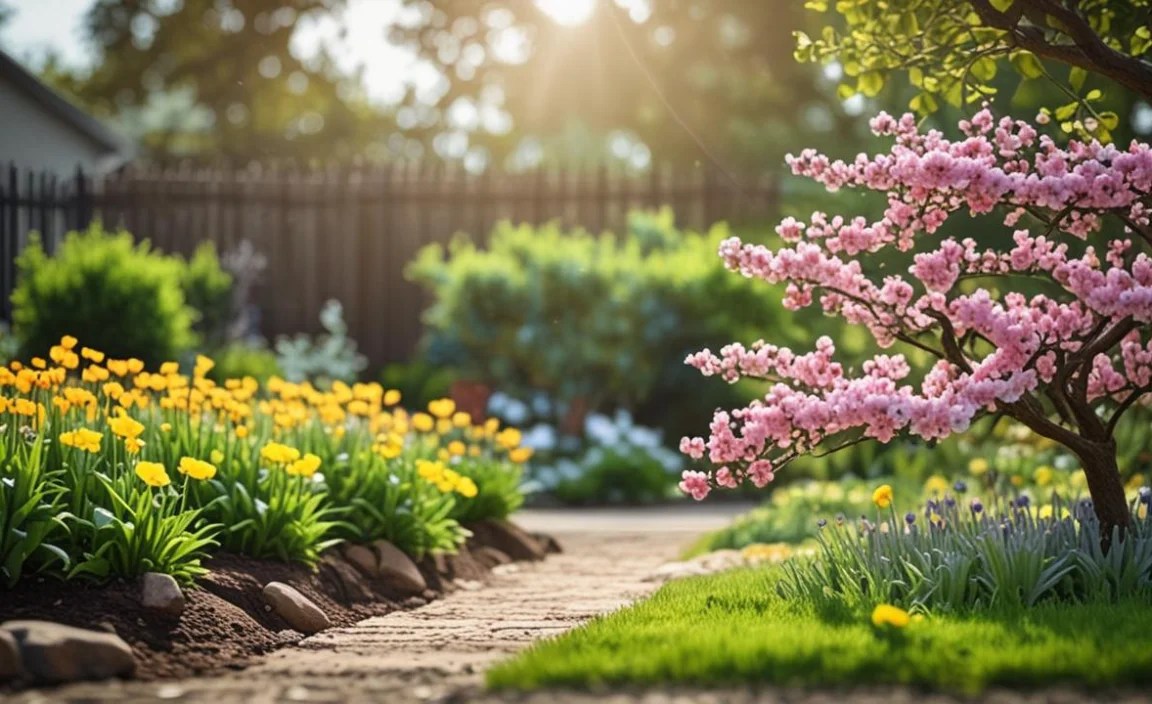
Spring gardening is exciting. But, you need to get ready first. Think of it like preparing for a big race. You need to stretch and get your shoes ready. For gardening, you need to get your soil ready. You have to clean up your garden beds. Remove any old leaves or sticks. This makes space for new plants. Then, you need to check your soil. Is it hard and clumpy? Or is it soft and crumbly? Good soil is like a comfy bed for plants. If your soil is not great, do not worry! You can add things like compost. Compost is like a vitamin boost for your soil. It helps plants grow strong and healthy. Getting your garden ready is the first big step. It makes spring gardening much easier and more fun.
- Clear old leaves and sticks from your garden.
- Check if your soil is soft and crumbly.
- Add compost to make your soil better.
- Get your tools ready, like shovels and rakes.
- Plan what you want to plant in your garden.
Think about what you want to grow. Do you want colorful flowers? Or tasty vegetables? Maybe both! Some plants like lots of sun. Others like to be in the shade. Make sure you know what your plants need. This will help them grow their best. Now, think about what tools you will need. A shovel helps you dig holes. A rake helps you smooth the soil. Gardening gloves keep your hands clean. Getting ready might take some time. But, it is worth it. A well-prepared garden is a happy garden. And a happy garden means lots of beautiful flowers and yummy veggies!
What Kind of Soil Do I Need?
Imagine your soil is like a cake. Some cakes are dry and crumbly. Others are moist and delicious. Plants like soil that is moist and delicious. It should have lots of good stuff in it. This good stuff is called nutrients. Nutrients help plants grow big and strong. You can add compost to your soil. Compost is like a superfood for plants. It has all the nutrients they need. You can also buy special soil at the store. It is made just for growing plants. Ask a grown-up to help you choose the right kind of soil. This will make your plants very happy. Happy plants make a happy garden!
How Do I Clear My Garden Bed?
Have you ever cleaned your room? Clearing your garden bed is kind of like that. You need to pick up all the old stuff. This includes leaves, sticks, and weeds. Weeds are plants that you do not want in your garden. They take up space and food from your plants. Pull them out by the roots. Make sure you get all of them. Then, use a rake to smooth out the soil. This makes it nice and even for planting. Clearing your garden bed makes it ready for new plants. It is like giving your garden a fresh start. A clean garden is a happy garden!
What Tools Do I Need to Get Started?
Think of gardening tools like toys for your garden. A shovel is like a big spoon. It helps you dig holes for planting. A rake is like a comb. It helps you smooth out the soil. Gardening gloves are like superhero gloves. They protect your hands from dirt and thorns. A watering can is like a rain cloud. It helps you give your plants a drink. You can also use a small trowel. It is like a tiny shovel. It is good for planting small plants. Make sure you have the right tools. They will make gardening much easier and more fun. Gardening tools are your friends in the garden!
Fun Fact or Stat: Did you know that the world’s largest garden is in Dubai? It’s called the Miracle Garden and has over 45 million flowers!
Choosing the Right Plants for Spring Gardening

Choosing plants is like picking your favorite toys. Some toys are fun to play with inside. Others are better for playing outside. Plants are the same way. Some plants like warm weather. These are good for spring gardening. Other plants like cold weather. It is important to choose plants that like your area. Ask a grown-up at the garden store for help. They know which plants grow well where you live. You can also look for plants that are easy to grow. Sunflowers are a good choice. They are big and bright. They grow tall and strong. Marigolds are also easy. They have pretty orange and yellow flowers. Growing easy plants makes spring gardening more fun. You will see results quickly.
- Choose plants that like warm weather.
- Ask for help at the garden store.
- Pick plants that grow well in your area.
- Consider easy-to-grow options like sunflowers.
- Think about the colors and sizes of the plants.
- Read the plant labels to learn about their needs.
Do you want to grow flowers or vegetables? Or maybe both? Flowers add color and beauty to your garden. Vegetables give you yummy things to eat. You can grow tomatoes, lettuce, and carrots. These are all fun to watch grow. Think about what you like to eat. Then, choose those vegetables for your garden. It is also important to think about where you will plant them. Some plants need lots of sun. Others like to be in the shade. Make sure you plant them in the right spot. This will help them grow their best. Choosing the right plants is a big part of spring gardening. It sets you up for success.
What Flowers Grow Best in Spring?
Spring is a great time for flowers. Many flowers love the warmer weather. Tulips are a classic spring flower. They come in lots of colors. Daffodils are also popular. They are bright yellow and cheerful. Pansies are small and colorful. They can handle cooler temperatures. Hyacinths smell wonderful. They have clusters of tiny flowers. These flowers all do well in spring. They add beauty to your garden. Plant them in a sunny spot. Water them regularly. Watch them bloom and enjoy their beauty. Spring flowers are a sign that warmer days are here!
What Vegetables Should I Plant in Spring?
Spring is also a good time for vegetables. Some vegetables like the cool weather. Lettuce is a good choice. You can grow different kinds of lettuce. Spinach is another cool-weather vegetable. Carrots take a little longer to grow. But, they are worth the wait. Radishes grow very quickly. You can eat them in salads. Peas also like the cool weather of spring. These vegetables are all fun to grow. Plant them in a sunny spot. Water them regularly. Harvest them when they are ready. Enjoy eating the vegetables you grew yourself!
How Much Sun Do My Plants Need?
Plants need sun to grow. It is like food for them. Some plants need lots of sun. They like to be in the sun all day. Other plants do not need as much sun. They like to be in the shade for part of the day. Check the plant label to see how much sun your plant needs. If it says “full sun,” it needs at least six hours of sun each day. If it says “partial shade,” it needs about four hours of sun. If it says “full shade,” it does not need much sun at all. Plant your plants in the right spot. This will help them grow strong and healthy. Sun is very important for plants!
Fun Fact or Stat: The tallest sunflower ever grown was over 30 feet tall! That’s taller than a house!
Planting Your Spring Garden

Planting is the most fun part of spring gardening! It is like giving your plants a new home. First, dig a hole in the soil. Make sure the hole is big enough for the plant’s roots. Gently take the plant out of its container. Be careful not to break the roots. Place the plant in the hole. Make sure the top of the roots is level with the soil. Fill the hole with soil. Gently pat the soil around the plant. Water the plant right away. This helps the roots settle in. You can also add some mulch around the plant. Mulch is like a blanket for the soil. It helps keep the soil moist. It also helps keep weeds away. Planting is a fun and rewarding experience.
- Dig a hole big enough for the plant’s roots.
- Carefully remove the plant from its container.
- Place the plant in the hole and cover with soil.
- Gently pat the soil around the plant.
- Water the plant to help it settle in.
- Add mulch to keep the soil moist.
When you plant, give your plants some space. They need room to grow. Check the plant label to see how much space they need. Some plants need a lot of space. Others can be planted closer together. If you plant them too close, they will not have enough room to grow. They might not get enough sunlight or nutrients. Spacing your plants correctly helps them grow their best. It also makes your garden look nice and organized. Planting is an important step in spring gardening. It is where your plants start their new life in your garden.
How Deep Should I Plant My Seedlings?
Planting seedlings at the right depth is important. If you plant them too deep, they might not be able to grow. If you plant them too shallow, their roots might dry out. The right depth depends on the plant. Look at the plant label. It will tell you how deep to plant it. Usually, you want to plant the seedling at the same depth it was in its container. This means the top of the roots should be level with the soil. Be careful not to cover the stem of the plant. The stem needs to be above the soil. Planting at the right depth helps your seedlings grow strong and healthy.
What is the Best Time of Day to Plant?
The best time to plant is in the morning or evening. The sun is not as strong then. This helps the plants adjust to their new home. If you plant in the middle of the day, the sun can be too harsh. It can dry out the plants. Planting in the morning gives the plants all day to settle in. Planting in the evening gives them all night. Water the plants well after planting. This helps them stay hydrated. Choosing the right time to plant can make a big difference. It helps your plants get off to a good start.
Why is Spacing Important When Planting?
Spacing is important because plants need room to grow. If you plant them too close together, they will compete for resources. They will compete for sunlight, water, and nutrients. This can make them weak and unhealthy. Spacing allows each plant to get what it needs. It also allows air to circulate around the plants. This helps prevent diseases. Check the plant label to see how much space each plant needs. Give them enough room to grow. This will help them thrive in your garden. Proper spacing is key to a healthy and productive garden.
| Plant | Spacing | Sun Needs | Water Needs |
|---|---|---|---|
| Tomatoes | 24-36 inches | Full Sun | Regular |
| Lettuce | 6-12 inches | Partial Sun | Regular |
| Carrots | 2-3 inches | Full Sun | Regular |
| Sunflowers | 12-18 inches | Full Sun | Regular |
Fun Fact or Stat: Some plants can actually talk to each other using chemicals in the air!
Watering Your Spring Garden

Watering is like giving your plants a drink. They need water to grow big and strong. But, you do not want to give them too much water. Too much water can be bad for them. It can cause their roots to rot. The best way to water is to check the soil. Stick your finger in the soil. If it feels dry, it is time to water. If it feels wet, wait a little longer. When you water, water the base of the plant. This is where the roots are. Avoid getting water on the leaves. Water on the leaves can cause diseases. Water in the morning is best. This gives the plants time to dry out during the day. Watering is an important part of spring gardening.
- Check the soil to see if it is dry.
- Water the base of the plant, not the leaves.
- Water in the morning, if possible.
- Use a watering can or a hose with a gentle spray.
- Do not overwater your plants.
Think about how much water your plants need. Some plants need more water than others. Check the plant label to see what your plants need. Plants in pots dry out faster than plants in the ground. So, you might need to water them more often. Also, the weather affects how much water your plants need. If it is hot and sunny, they will need more water. If it is cool and cloudy, they will need less water. Pay attention to your plants. They will tell you when they need water. Watering correctly helps your plants thrive. It is a key part of spring gardening success.
How Often Should I Water My Plants?
How often you water depends on many things. The weather, the type of plant, and the soil all matter. A good rule of thumb is to water when the top inch of soil is dry. You can check this by sticking your finger in the soil. If it feels dry, it is time to water. If it feels moist, wait a day or two. Some plants need more water than others. Plants like tomatoes and lettuce need lots of water. Plants like succulents do not need as much. Pay attention to your plants and adjust your watering schedule as needed.
What is the Best Way to Water Plants?
The best way to water plants is to water deeply and less often. This encourages the roots to grow deep into the soil. Shallow watering can cause the roots to stay near the surface. This makes the plants more vulnerable to drought. When you water, water slowly and deeply. Let the water soak into the soil. Avoid watering the leaves, as this can cause diseases. Use a watering can or a hose with a gentle spray. This will prevent you from damaging the plants. Watering deeply and less often is the best way to keep your plants healthy.
What Happens if I Overwater My Plants?
Overwatering can be just as bad as underwatering. When you overwater, the roots of the plants can rot. This is because they are not getting enough oxygen. Overwatered plants can also develop diseases. Signs of overwatering include yellow leaves, wilting, and stunted growth. If you think you have overwatered your plants, stop watering them for a few days. Let the soil dry out. Make sure the plants have good drainage. This will help prevent overwatering in the future. Pay attention to your plants and avoid overwatering them.
Fun Fact or Stat: Rainwater is actually better for plants than tap water because it doesn’t contain chlorine!
Protecting Your Spring Garden
Your garden is like a tasty buffet for some animals. Bugs, snails, and other critters love to eat plants. You need to protect your garden from these pests. One way to do this is to build a fence around your garden. This will keep out bigger animals like rabbits and deer. You can also use netting to protect your plants from birds. For bugs and snails, you can try using natural pest control methods. One method is to sprinkle diatomaceous earth around your plants. This is a powder made from tiny fossils. It is safe for plants and people, but it kills bugs and snails. Protecting your garden is important for spring gardening success.
- Build a fence to keep out larger animals.
- Use netting to protect plants from birds.
- Sprinkle diatomaceous earth to control bugs.
- Check your plants regularly for pests.
- Remove pests by hand, if possible.
- Use natural pest control methods.
Weeds are another problem in gardens. They steal sunlight, water, and nutrients from your plants. To prevent weeds, you can use mulch. Mulch blocks sunlight from reaching the weeds. This prevents them from growing. You can also pull weeds by hand. Make sure you get the roots. Otherwise, they will grow back. Check your garden regularly for weeds. The sooner you remove them, the better. Protecting your garden from pests and weeds helps your plants grow strong and healthy. It makes spring gardening more enjoyable.
How Can I Keep Bugs Away From My Plants?
Bugs can be a big problem in the garden. They can eat your plants and spread diseases. There are many ways to keep bugs away from your plants. One way is to plant flowers that attract beneficial insects. These insects eat the bad bugs. Ladybugs and lacewings are good examples. You can also use insecticidal soap. This is a natural spray that kills many types of bugs. Make sure you follow the directions on the label. You can also try companion planting. This means planting certain plants together that help protect each other from bugs. For example, planting basil near tomatoes can help keep bugs away from the tomatoes.
What Can I Do About Snails and Slugs?
Snails and slugs can be very destructive in the garden. They eat holes in leaves and can kill young plants. There are several ways to control snails and slugs. One way is to pick them off the plants by hand. You can do this at night when they are most active. You can also create barriers around your plants. Copper tape is a good option. Snails and slugs do not like to crawl over copper. You can also use beer traps. Bury a shallow dish of beer in the ground. The snails and slugs will be attracted to the beer and fall in. Empty the traps regularly.
How Do I Stop Weeds From Taking Over?
Weeds can quickly take over a garden if you are not careful. They steal sunlight, water, and nutrients from your plants. There are several ways to prevent weeds. One way is to use mulch. Mulch blocks sunlight from reaching the weeds. This prevents them from growing. You can use organic mulches like straw, wood chips, or shredded leaves. You can also use inorganic mulches like plastic or landscape fabric. Another way to prevent weeds is to pull them by hand. Make sure you get the roots. Otherwise, they will grow back. Hoeing is another way to remove weeds. Use a hoe to cut the weeds off at the soil surface.
Fun Fact or Stat: Ladybugs can eat up to 50 aphids a day! They are a gardener’s best friend!
Enjoying the Rewards of Spring Gardening
After all your hard work, it is time to enjoy the rewards of spring gardening. Watch your plants grow taller and stronger. See the flowers bloom in beautiful colors. Harvest your vegetables and enjoy eating them. Gardening is not just about growing plants. It is also about connecting with nature. It is about learning about how things grow. It is about spending time outdoors. Take time to appreciate your garden. Sit in it and listen to the birds. Watch the butterflies flutter by. Gardening can be a very relaxing and rewarding hobby. It is something you can enjoy for many years to come.
- Watch your plants grow and bloom.
- Harvest your vegetables and enjoy eating them.
- Connect with nature and learn about plants.
- Spend time outdoors and enjoy the fresh air.
- Share your garden with friends and family.
Invite your friends and family to see your garden. Share your vegetables with them. Teach them about gardening. Gardening is a great way to spend time together. It is something that people of all ages can enjoy. You can also use your garden to help others. Donate your extra vegetables to a local food bank. Plant flowers to attract bees and butterflies. Bees and butterflies are important pollinators. They help other plants grow. Spring gardening is a way to make the world a better place. It is a way to enjoy the beauty and bounty of nature.
How Can I Make My Garden More Beautiful?
There are many ways to make your garden more beautiful. One way is to add colorful flowers. Choose flowers that bloom at different times of the year. This will ensure that your garden always has something in bloom. You can also add interesting foliage plants. These plants have beautiful leaves that add texture and color to the garden. Consider adding a water feature, such as a birdbath or a small pond. Water features attract birds and other wildlife to the garden. You can also add decorative elements, such as statues, garden gnomes, or colorful rocks. These elements add personality to the garden.
What Can I Do With My Harvested Vegetables?
There are many things you can do with your harvested vegetables. You can eat them fresh in salads or as snacks. You can cook them in soups, stews, or stir-fries. You can also preserve them for later use. Canning, freezing, and drying are all ways to preserve vegetables. You can also share your vegetables with friends and family. Donate your extra vegetables to a local food bank. Growing your own vegetables is a great way to eat healthy and save money. It is also a rewarding experience to harvest and enjoy the fruits of your labor.
How Can I Get Other People Involved in Gardening?
Gardening is a great activity to share with others. You can invite friends and family to help you in the garden. Teach them about plants and how to grow them. You can also start a community garden. This is a garden that is shared by a group of people. Community gardens are a great way to meet new people and learn from each other. You can also volunteer at a local garden or farm. This is a great way to give back to the community and learn more about gardening. Gardening is a rewarding activity that can be enjoyed by people of all ages and abilities.
Fun Fact or Stat: Carrots used to be purple, white, and yellow before the orange carrot was developed in the Netherlands!
Summary
Spring gardening is a fun and rewarding activity. It lets you grow flowers and vegetables. You need to prepare your garden first. Clear old leaves and add compost. Choose plants that grow well in your area. Plant them in the right spot. Water them regularly. Protect them from pests and weeds. Then, you can enjoy the beauty and bounty of your garden. Gardening is a great way to connect with nature. It is also a way to eat healthy and save money.
Remember to choose the right plants for spring. Flowers like tulips and daffodils are good choices. Vegetables like lettuce and carrots are also good. Water your plants regularly. Check the soil to see if it is dry. Protect your plants from pests and weeds. Use natural pest control methods. Pull weeds by hand. With a little effort, you can have a beautiful and productive spring garden. Enjoy the process and the rewards!
Conclusion
Spring gardening is a great way to enjoy the outdoors. You can grow beautiful flowers and tasty vegetables. It takes some work to get started. But, it is worth it in the end. Remember to choose the right plants. Water them regularly. Protect them from pests. Then, you can enjoy the beauty and the food. So, get outside and start your spring garden today!
Frequently Asked Questions
Question No 1: What is the best time to start a spring gardening?
Answer: The best time to start spring gardening depends on where you live. In general, you should wait until after the last frost. This means that the weather is warm enough for plants to grow. You can check the average last frost date for your area online. You can also ask a local gardener or garden center. Starting too early can damage your plants. Starting too late can give weeds a head start. So, timing is important for successful spring gardening.
Question No 2: What are some easy vegetables to grow in a spring garden?
Answer: There are many easy vegetables to grow in a spring garden. Lettuce is a good choice. It grows quickly and is easy to care for. Radishes are also easy and grow very fast. Spinach is another good option. It is a leafy green that is packed with nutrients. Peas are also easy to grow and are delicious. These vegetables are all relatively low-maintenance. They are a good choice for beginner gardeners. With a little care, you can enjoy a bountiful harvest of fresh vegetables.
Question No 3: How do I prepare my soil for spring gardening?
Answer: Preparing your soil is important for spring gardening success. First, clear any debris from the garden bed. This includes leaves, sticks, and weeds. Then, loosen the soil with a garden fork or tiller. This will help the roots of your plants grow. Add compost or other organic matter to the soil. This will improve drainage and add nutrients. You can also test the soil pH to make sure it is suitable for your plants. Soil preparation is a key step in creating a healthy and productive garden.
Question No 4: How much sun do my plants need?
Answer: The amount of sun your plants need depends on the type of plant. Some plants need full sun, which means at least six hours of direct sunlight per day. Other plants need partial sun, which means four to six hours of direct sunlight per day. Still other plants need full shade, which means less than four hours of direct sunlight per day. Check the plant label to see how much sun your plant needs. Plant your plants in a location that provides the appropriate amount of sunlight. This will help them grow strong and healthy.
Question No 5: How often should I water my spring garden?
Answer: How often you water your spring garden depends on several factors. These factors include the weather, the type of plant, and the soil. A good rule of thumb is to water when the top inch of soil is dry. You can check this by sticking your finger in the soil. If it feels dry, it is time to water. Water deeply and less often. This encourages the roots to grow deep into the soil. Avoid overwatering, as this can lead to root rot. Pay attention to your plants and adjust your watering schedule as needed.
Question No 6: What are some common pests in a spring garden and how can I control them?
Answer: Some common pests in a spring garden include aphids, snails, slugs, and cabbage worms. Aphids are small, soft-bodied insects that suck the sap from plants. You can control them with insecticidal soap or by attracting beneficial insects like ladybugs. Snails and slugs eat holes in leaves. You can control them with beer traps or by hand-picking them off the plants. Cabbage worms eat the leaves of cabbage and other brassica crops. You can control them with Bacillus thuringiensis (Bt), a natural insecticide. Regular monitoring and prompt action are key to controlling pests in your spring gardening.
