Do you love fresh veggies? Do you have a small yard? Vertical vegetable gardens might be the answer! They let you grow up, not out. Imagine juicy tomatoes and crisp lettuce. All of this can be on your patio. Let’s learn about these cool gardens.
Some people think gardening is hard. They think you need lots of space. But vertical vegetable gardens change that. My neighbor, Mrs. Green, only has a balcony. She grows peppers, herbs, and strawberries. She uses stacked pots and wall planters. It is amazing!
Vertical vegetable gardens are not just for small spaces. They can also look beautiful. They add green to boring walls. You can even make art with your plants. Ready to learn more?
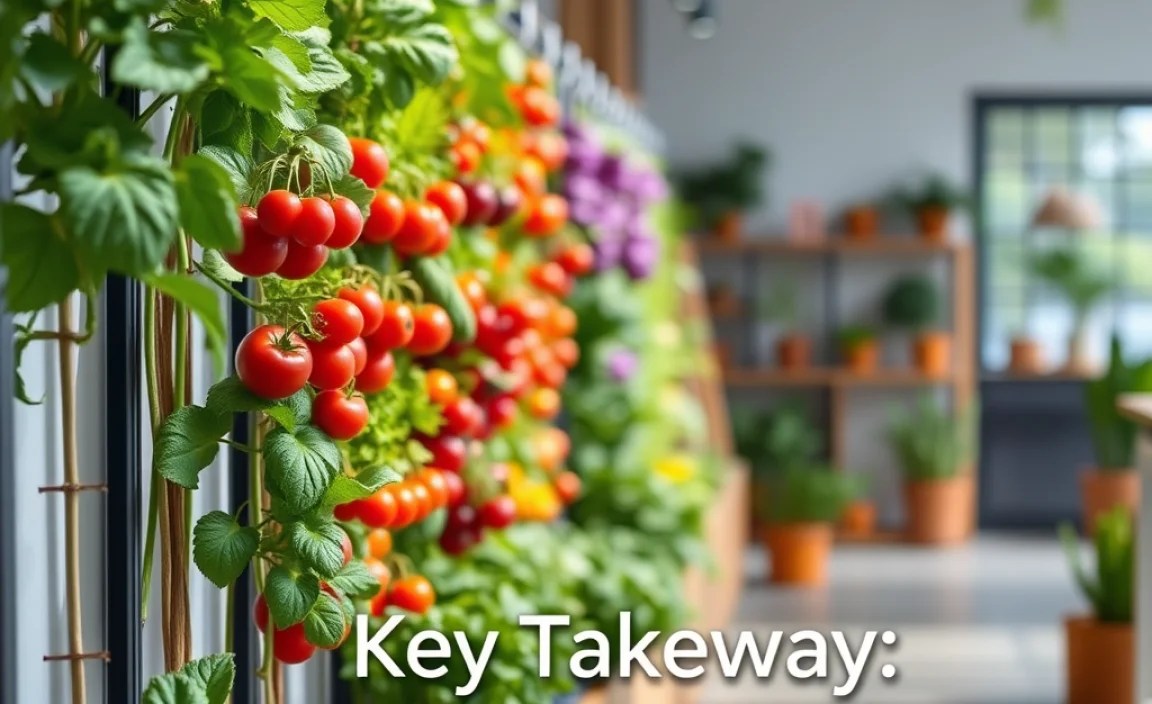
Key Takeaways
- Vertical vegetable gardens are perfect for small spaces like balconies and patios.
- These gardens allow you to grow fresh vegetables, herbs, and even some fruits.
- Different types of vertical systems include stacked pots, wall planters, and hanging baskets.
- Choosing the right plants and providing enough sunlight are important for success.
- Vertical vegetable gardens can be both practical and add beauty to your home.

What Are Vertical Vegetable Gardens?
Vertical vegetable gardens are a clever way to grow plants upwards. Instead of spreading out on the ground, plants grow on structures. These structures can be walls, frames, or containers. This is great for people with limited space. Think about apartments or small yards. It is also good for making use of sunny walls. You can grow many types of plants in a vertical garden. These include leafy greens, herbs, and even tomatoes. It is important to choose the right structure for your plants. Some plants need more support than others. You also need to think about sunlight and watering. Vertical vegetable gardens can be made from many materials. You can use wood, plastic, or even recycled items. This makes them a fun and creative project. Plus, you get fresh veggies! They are a fantastic way to bring nature to your home. They also help you eat healthier.
- Save space in small yards.
- Grow a variety of plants.
- Add beauty to walls and fences.
- Use recycled materials for building.
- Make gardening easier on your back.
Vertical vegetable gardens are not just about saving space. They also have other benefits. For example, they can improve air circulation around plants. This helps to prevent diseases. They also make it easier to harvest your vegetables. You do not have to bend down as much. This is great for people with back problems. Plus, vertical vegetable gardens can look really cool. They can be a unique feature in your garden. You can create different designs and patterns. You can even use different colored pots and plants. This will make your garden stand out. So, if you want to grow your own food and have fun doing it, try a vertical garden. You will be surprised at how much you can grow.
Why Choose Vertical Gardening?
Why should you choose vertical gardening? Imagine you live in an apartment. You love fresh tomatoes. You don’t have a yard. What can you do? Vertical gardening is the answer! It lets you grow food on your balcony. Even a small space can become a garden. Vertical gardens are also great for people with back problems. Bending over to weed can hurt. With a vertical garden, everything is at eye level. It’s easier to plant, water, and harvest. Plus, vertical gardens look amazing. They turn boring walls into green masterpieces. You can grow flowers with your vegetables. This makes your space beautiful and useful. Vertical gardening is not just a trend. It’s a smart way to grow food anywhere. So, give it a try and enjoy fresh veggies!
Benefits of Vertical Gardens
What are the benefits of vertical gardens? They save space, of course. But there are other advantages too. Vertical gardens can improve air quality. Plants absorb carbon dioxide and release oxygen. This makes your home healthier. They can also insulate your walls. This means they can keep your home cooler in summer. And warmer in winter. This saves you money on energy bills. Vertical gardens can also attract beneficial insects. Bees and butterflies love flowers. These insects help pollinate your plants. This means you will get more vegetables. Finally, vertical gardens are fun! They are a great way to learn about plants. You can experiment with different varieties. And you can enjoy the satisfaction of growing your own food. Try a vertical garden and see the benefits for yourself.
Vertical Gardens for Small Spaces
Do you have a tiny balcony? Or a small patio? Don’t worry! Vertical gardens are perfect for small spaces. You can grow lots of food in a small area. Use stacked pots to grow herbs. Hang baskets from your railing for strawberries. Attach planters to your walls for lettuce. The possibilities are endless. Vertical gardens make the most of your space. They also add beauty to your home. Imagine stepping onto your balcony and seeing green plants. It’s like having a mini-farm in the city. You can grow enough vegetables for salads. Or enough herbs for cooking. Vertical gardens are a great way to connect with nature. Even if you live in an apartment. So, start planning your vertical garden today!
Fun Fact or Stat: Did you know that vertical farms can produce up to 10 times more crops per acre than traditional farms?
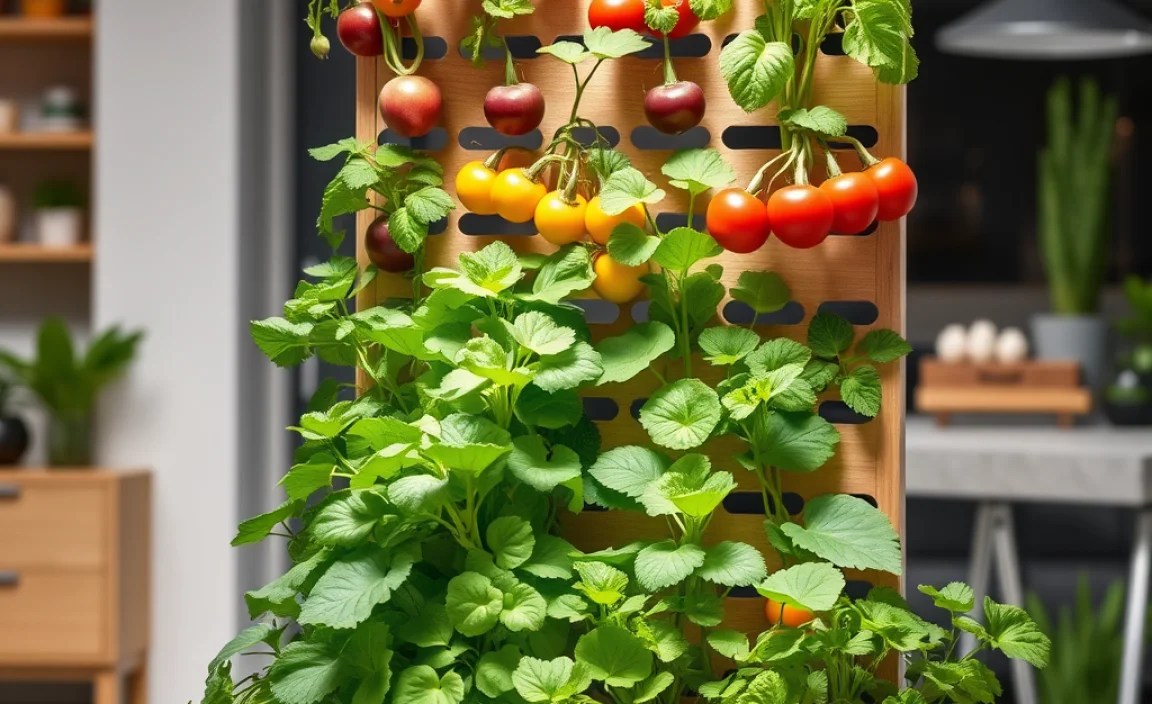
Choosing the Right Plants
Choosing the right plants is very important for vertical vegetable gardens. Not all plants grow well in vertical systems. You need to consider a few things. First, think about the amount of sunlight your garden gets. Some plants need lots of sun, while others prefer shade. Second, think about the size of the plants. Large plants might need more support. Smaller plants are easier to manage. Third, think about the type of vegetables you like to eat. Grow what you will actually use! Good choices for vertical gardens include lettuce, spinach, and herbs. Tomatoes and peppers can also work, but they need more support. Strawberries are great in hanging baskets. Do some research before you start planting. This will help you choose the best plants for your garden. Remember, a happy plant means a happy gardener!
- Consider sunlight needs of plants.
- Choose smaller varieties of vegetables.
- Select plants you enjoy eating.
- Provide support for heavier plants.
- Group plants with similar needs.
When you are choosing plants for your vertical vegetable gardens, think about the soil too. Vertical gardens often use containers. This means the soil can dry out quickly. Choose a potting mix that holds moisture well. You can also add some compost to the soil. This will help to feed your plants. Another tip is to choose plants that grow well together. For example, basil and tomatoes are a good match. Basil helps to repel pests that attack tomatoes. Marigolds also help to keep pests away. Planting these together can help your plants thrive. Finally, don’t be afraid to experiment! Try different plants and see what works best for you. Gardening is all about learning and having fun. So, get creative and enjoy the process.
Best Vegetables for Vertical Gardens
What are the best vegetables for vertical gardens? Leafy greens are a great choice. Lettuce, spinach, and kale grow well in small spaces. They don’t need much support. Herbs are also perfect for vertical gardens. Basil, mint, and parsley thrive in containers. They add flavor to your meals. Strawberries are a fun option. They look beautiful in hanging baskets. And they taste delicious! Tomatoes and peppers can work too. But they need strong support. Use cages or stakes to hold them up. Choose smaller varieties of tomatoes. Cherry tomatoes are a good option. They are easier to manage than large beefsteak tomatoes. Remember to give your plants enough sunlight. And water them regularly. With the right care, you can grow lots of vegetables in your vertical garden.
Sunlight Requirements for Plants
How much sunlight do your plants need? This is very important for vertical vegetable gardens. Most vegetables need at least six hours of sunlight per day. If your garden doesn’t get enough sun, your plants won’t grow well. They might become leggy and weak. You can use grow lights to supplement sunlight. These lights provide the energy plants need to grow. Place the lights close to your plants. But not too close! You don’t want to burn them. Some plants can tolerate less sunlight. Lettuce and spinach can grow in partial shade. Herbs like mint and parsley also do well with less sun. Observe your plants carefully. If they are not growing well, try moving them to a sunnier spot. Or add some grow lights. With the right amount of sunlight, your plants will thrive.
Combining Plants for Success
Can you combine different plants in your vertical vegetable gardens? Yes, you can! This is called companion planting. Some plants help each other grow. For example, basil and tomatoes are a great combination. Basil repels pests that attack tomatoes. Marigolds also protect vegetables from pests. Plant them near your tomatoes, peppers, and cucumbers. Carrots and onions are another good pair. Onions repel carrot flies. Lettuce and radishes grow well together. Radishes break up the soil, which helps lettuce grow. Avoid planting certain plants together. For example, don’t plant fennel near dill. They can inhibit each other’s growth. Do some research to find the best combinations for your garden. Companion planting can help your plants thrive. And it can reduce the need for pesticides.
Fun Fact or Stat: A single tomato plant can produce up to 10 pounds of tomatoes in a season!

Types of Vertical Garden Structures
There are many different types of vertical garden structures. You can use stacked pots, wall planters, or hanging baskets. Stacked pots are great for herbs and small vegetables. Wall planters are perfect for creating a green wall. Hanging baskets are ideal for strawberries and flowers. You can also build your own vertical garden structure. Use wood, pallets, or recycled materials. A simple frame with shelves can work well. Or you can create a trellis for climbing plants. The type of structure you choose depends on your space. And on the types of plants you want to grow. Think about how much sunlight your garden gets. And how easy it will be to water your plants. Choose a structure that is both practical and beautiful. With a little creativity, you can create a stunning vertical garden.
- Stacked pots for small plants.
- Wall planters for green walls.
- Hanging baskets for strawberries.
- Trellises for climbing plants.
- DIY structures from recycled materials.
When you are building your vertical vegetable gardens, think about drainage. Water needs to be able to drain out of the containers. Otherwise, your plants can get root rot. Make sure your pots have drainage holes. You can also add a layer of gravel to the bottom of the pots. This will help with drainage. If you are using a wall planter, make sure it is properly sealed. This will prevent water from damaging your wall. Choose a location for your vertical garden that is easy to access. You will need to water your plants regularly. And you will want to be able to harvest your vegetables easily. A vertical garden near your kitchen is a great idea. That way, you can quickly grab fresh herbs and vegetables when you need them.
Stacked Pots for Herbs
Do you love cooking with fresh herbs? Vertical vegetable gardens with stacked pots are perfect for growing herbs. You can grow basil, mint, parsley, and thyme. Stacked pots are easy to set up. They don’t take up much space. You can buy them at most garden stores. Or you can make your own. Use different sizes of pots. Place the largest pot at the bottom. Then stack smaller pots on top. Fill each pot with potting mix. Plant your herbs in the pots. Water them regularly. Place your stacked pots in a sunny spot. You will have fresh herbs all season long. Use them to flavor your meals. Or make herbal teas. Stacked pots are a great way to enjoy fresh herbs.
Wall Planters for Green Walls
Want to create a stunning green wall? Vertical vegetable gardens with wall planters are the answer. Wall planters attach to your wall. They hold soil and plants. You can buy them at garden stores. Or you can make your own. Use wood, plastic, or fabric. Choose plants that will cascade down the wall. Lettuce, spinach, and strawberries are good options. You can also grow flowers. Add color and beauty to your wall. Make sure your wall planter is properly sealed. This will prevent water from damaging your wall. Water your plants regularly. A green wall can transform your space. It adds beauty and improves air quality. It’s like having a living piece of art.
Hanging Baskets for Strawberries
Do you love sweet, juicy strawberries? Vertical vegetable gardens with hanging baskets are perfect for growing strawberries. Hanging baskets are easy to set up. They look beautiful. You can hang them from your porch, balcony, or fence. Fill the baskets with potting mix. Plant your strawberry plants. Water them regularly. Strawberries need lots of sunlight. Place your baskets in a sunny spot. You will soon have delicious strawberries. Pick them when they are ripe. Enjoy them fresh. Or use them in pies and jams. Hanging baskets are a great way to grow strawberries. They add beauty to your space. And they provide you with fresh fruit.
Fun Fact or Stat: Hanging baskets can create a beautiful cascade of flowers or foliage, adding visual interest to any space.

Building Your Own Vertical Garden
Building your own vertical vegetable gardens can be a fun project. You can use recycled materials. Pallets, plastic bottles, and old gutters can all be used. A pallet garden is easy to make. Simply attach fabric to the back of the pallet. This will create pockets for soil. Then, fill the pockets with potting mix. Plant your vegetables. A plastic bottle garden is also simple. Cut holes in the sides of the bottles. Fill them with soil. Hang them from a fence or wall. Old gutters can be used as planters. Attach them to a wall or frame. Fill them with soil and plant your vegetables. Building your own vertical garden is a great way to save money. And it’s a fun way to recycle materials. Get creative and see what you can come up with!
- Use recycled pallets for a rustic look.
- Repurpose plastic bottles into planters.
- Use old gutters as vertical troughs.
- Build a simple frame with shelves.
- Get creative with unusual containers.
When you are building your vertical vegetable gardens, think about the weight of the soil. Soil can be heavy, especially when it is wet. Make sure your structure is strong enough to support the weight. Use sturdy materials. And reinforce the structure if necessary. Also, think about the location of your vertical garden. Choose a spot that gets enough sunlight. And that is easy to access for watering. If you are building a wall-mounted garden, make sure it is properly attached to the wall. Use strong screws or anchors. You don’t want your garden to fall down! Building your own vertical garden can be a rewarding experience. You get to create something unique and beautiful. And you get to grow your own fresh vegetables.
Using Pallets for Vertical Gardens
Have you ever seen a pallet garden? Vertical vegetable gardens using pallets are very popular. Pallets are easy to find. They are often free. You can get them from local businesses. Pallets are made of wood. They are strong and sturdy. You can use them to create a vertical garden. Attach fabric to the back of the pallet. This will create pockets for soil. Fill the pockets with potting mix. Plant your vegetables. Pallet gardens are great for small spaces. They add a rustic touch to your garden. You can paint the pallet. Or leave it natural. Pallet gardens are a fun and easy project. They are a great way to recycle materials.
Repurposing Plastic Bottles
Do you have lots of plastic bottles? Don’t throw them away! You can use them to create vertical vegetable gardens. Plastic bottles are easy to repurpose. Cut holes in the sides of the bottles. Fill them with soil. Plant your vegetables. You can hang the bottles from a fence or wall. Or you can stack them on top of each other. Plastic bottle gardens are a great way to recycle. They are also very affordable. You can grow herbs, lettuce, and strawberries in plastic bottles. Get creative and see what you can make. Plastic bottle gardens are a fun and eco-friendly project.
Using Old Gutters as Planters
Are you replacing your gutters? Don’t throw the old ones away! You can use them to create vertical vegetable gardens. Old gutters make great planters. They are long and narrow. They are perfect for growing lettuce, spinach, and herbs. Attach the gutters to a wall or frame. Fill them with soil. Plant your vegetables. Gutter gardens are easy to set up. They are also very affordable. You can paint the gutters. Or leave them as they are. Gutter gardens are a fun and creative project. They are a great way to recycle materials. And they provide you with fresh vegetables.
Fun Fact or Stat: Repurposing materials like pallets and plastic bottles helps reduce waste and promotes sustainability.
Watering and Maintenance Tips
Watering is very important for vertical vegetable gardens. Because the plants are in containers, they can dry out quickly. Check the soil regularly. If it feels dry, water your plants. Water deeply, until the water runs out of the drainage holes. Avoid watering the leaves, as this can lead to diseases. Use a watering can or a hose with a gentle spray. You can also install a drip irrigation system. This will water your plants automatically. Fertilizing is also important. Vertical gardens need regular feeding. Use a liquid fertilizer every few weeks. Follow the instructions on the fertilizer package. Pruning is also necessary. Remove dead or yellow leaves. This will help your plants stay healthy. And it will encourage new growth. With proper watering and maintenance, your vertical garden will thrive.
- Check soil moisture regularly.
- Water deeply and avoid leaves.
- Use liquid fertilizer every few weeks.
- Prune dead or yellow leaves.
- Control pests with natural methods.
When you are maintaining your vertical vegetable gardens, watch out for pests. Pests can damage your plants. They can eat the leaves and stems. Or they can spread diseases. Check your plants regularly for signs of pests. If you see any, take action immediately. You can use natural methods to control pests. For example, you can spray your plants with soapy water. Or you can introduce beneficial insects. Ladybugs eat aphids, which are common pests. You can also use insecticidal soap or neem oil. These are natural pesticides that are safe for plants and people. Weeding is also important. Remove any weeds that grow in your vertical garden. Weeds compete with your plants for water and nutrients. Keeping your vertical garden clean and well-maintained will help your plants thrive.
Best Watering Practices
What are the best watering practices for vertical vegetable gardens? Water deeply and less often. This encourages roots to grow deeper. Deeper roots make plants stronger. Check the soil before watering. Stick your finger in the soil. If it feels dry, it’s time to water. Water early in the morning. This gives the leaves time to dry before night. Wet leaves can lead to diseases. Use a watering can or a hose with a gentle spray. Avoid splashing water on the leaves. Consider using a drip irrigation system. This delivers water directly to the roots. Drip irrigation saves water. And it reduces the risk of diseases. Follow these watering tips for healthy plants.
Fertilizing Your Vertical Garden
Do your plants need fertilizer? Yes, they do! Vertical vegetable gardens need regular feeding. The soil in containers can lose nutrients quickly. Use a liquid fertilizer every few weeks. Follow the instructions on the fertilizer package. Choose a fertilizer that is formulated for vegetables. Look for a fertilizer with a balanced ratio of nutrients. Nitrogen, phosphorus, and potassium are important for plant growth. You can also use organic fertilizers. Compost tea and fish emulsion are good options. These fertilizers are gentle and natural. They won’t burn your plants. Fertilize your plants regularly. This will help them grow strong and healthy. And it will give you lots of vegetables.
Pest Control in Vertical Gardens
Are pests attacking your plants? Don’t worry! There are many ways to control pests in vertical vegetable gardens. Check your plants regularly for signs of pests. Look for holes in the leaves. Or for small insects on the stems. If you see pests, take action immediately. Spray your plants with soapy water. This will kill many common pests. Introduce beneficial insects. Ladybugs eat aphids. Praying mantises eat other insects. Use insecticidal soap or neem oil. These are natural pesticides that are safe for plants and people. Remove any infested leaves. This will prevent the pests from spreading. Keep your garden clean. Remove any dead leaves or debris. This will eliminate hiding places for pests.
| Pest | Solution | Notes |
|---|---|---|
| Aphids | Soapy water spray | Repeat every few days |
| Spider Mites | Neem oil | Apply in the evening |
| Caterpillars | Handpick or use Bt | Bacillus thuringiensis is safe for plants |
| Slugs/Snails | Slug bait or handpick | Check under leaves and pots |
Fun Fact or Stat: Regular pruning not only keeps your plants healthy but also encourages more abundant harvests.
Summary
Vertical vegetable gardens are a smart way to grow fresh food in small spaces. They allow you to grow up, not out. This is great for apartments, balconies, and small yards. You can use different structures like stacked pots, wall planters, and hanging baskets. Choose the right plants for your space and provide enough sunlight. Water and fertilize regularly to keep your plants healthy. Vertical vegetable gardens are not just practical. They also add beauty to your home. You can create a green wall or a hanging strawberry garden. Building your own vertical garden can be a fun and rewarding project. Use recycled materials to save money and reduce waste. Remember to water and maintain your garden properly. With a little care, you can enjoy fresh vegetables all season long.
Conclusion
Vertical vegetable gardens are a great way to grow your own food. They are perfect for small spaces. You can grow herbs, vegetables, and even fruits. Building and maintaining a vertical garden is fun. It is also rewarding. You get to enjoy fresh, healthy food. Plus, you add beauty to your home. So, why not try a vertical garden? You might be surprised at how much you can grow.
Frequently Asked Questions
Question No 1: What is a vertical vegetable garden?
Answer: A vertical vegetable garden is a way to grow plants upwards instead of outwards. It uses structures like stacked pots, wall planters, and hanging baskets. This is great for small spaces like balconies and patios. You can grow many types of vegetables, herbs, and even some fruits. Vertical vegetable gardens are a creative and space-saving solution for urban gardening. They bring nature to your home and allow you to enjoy fresh produce even without a large yard.
Question No 2: What are the benefits of vertical gardening?
Answer: Vertical gardening has many benefits. It saves space, making it perfect for small areas. It can improve air quality by absorbing carbon dioxide and releasing oxygen. It makes gardening easier on your back because you don’t have to bend over as much. Vertical vegetable gardens can also look beautiful, adding a unique feature to your home. They can insulate your walls, helping to keep your home cooler in summer and warmer in winter. Plus, they attract beneficial insects that help pollinate your plants.
Question No 3: What types of plants grow well in vertical gardens?
Answer: Many plants thrive in vertical gardens. Leafy greens like lettuce, spinach, and kale are excellent choices. Herbs such as basil, mint, and parsley grow well in containers. Strawberries are perfect for hanging baskets. Tomatoes and peppers can also be grown vertically, but they need more support. Choose smaller varieties of tomatoes, like cherry tomatoes. Remember to consider the sunlight needs of each plant. Some plants need lots of sun, while others prefer shade. With the right choices, vertical vegetable gardens can be very productive.
Question No 4: How do I water a vertical garden?
Answer: Watering is important for vertical gardens. The plants in containers can dry out quickly. Check the soil regularly. If it feels dry, water your plants deeply. Water until the water runs out of the drainage holes. Avoid watering the leaves to prevent diseases. Use a watering can or a hose with a gentle spray. Consider installing a drip irrigation system for automatic watering. This saves water and ensures your plants get the right amount of moisture. Proper watering is essential for healthy vertical vegetable gardens.
Question No 5: How do I fertilize a vertical garden?
Answer: Vertical gardens need regular fertilizing. The soil in containers loses nutrients quickly. Use a liquid fertilizer every few weeks. Follow the instructions on the fertilizer package. Choose a fertilizer that is formulated for vegetables. You can also use organic fertilizers like compost tea or fish emulsion. These are gentle and natural. Fertilize your plants regularly to help them grow strong and healthy. Healthy plants in vertical vegetable gardens will produce more vegetables and fruits.
Question No 6: How do I control pests in a vertical garden?
Answer: Pests can be a problem in vertical gardens. Check your plants regularly for signs of pests. Look for holes in the leaves or small insects on the stems. If you see pests, take action immediately. Spray your plants with soapy water. Introduce beneficial insects like ladybugs. Use insecticidal soap or neem oil, which are natural pesticides. Remove any infested leaves to prevent the pests from spreading. Keeping your vertical vegetable gardens clean and well-maintained will help prevent pest problems.
