Do you love bright, sunny colors? Do you want your garden to shine? Then yellow perennial flowers might be perfect. These flowers come back every year. They add beauty and cheer to any space.
Imagine a garden filled with golden blooms. Bees buzz happily around them. Butterflies flutter from flower to flower. Yellow perennial flowers can make this dream real.
But which yellow flowers are best for you? How do you care for them? Let’s explore the world of yellow perennial flowers. We will find the perfect sunny additions for your garden.
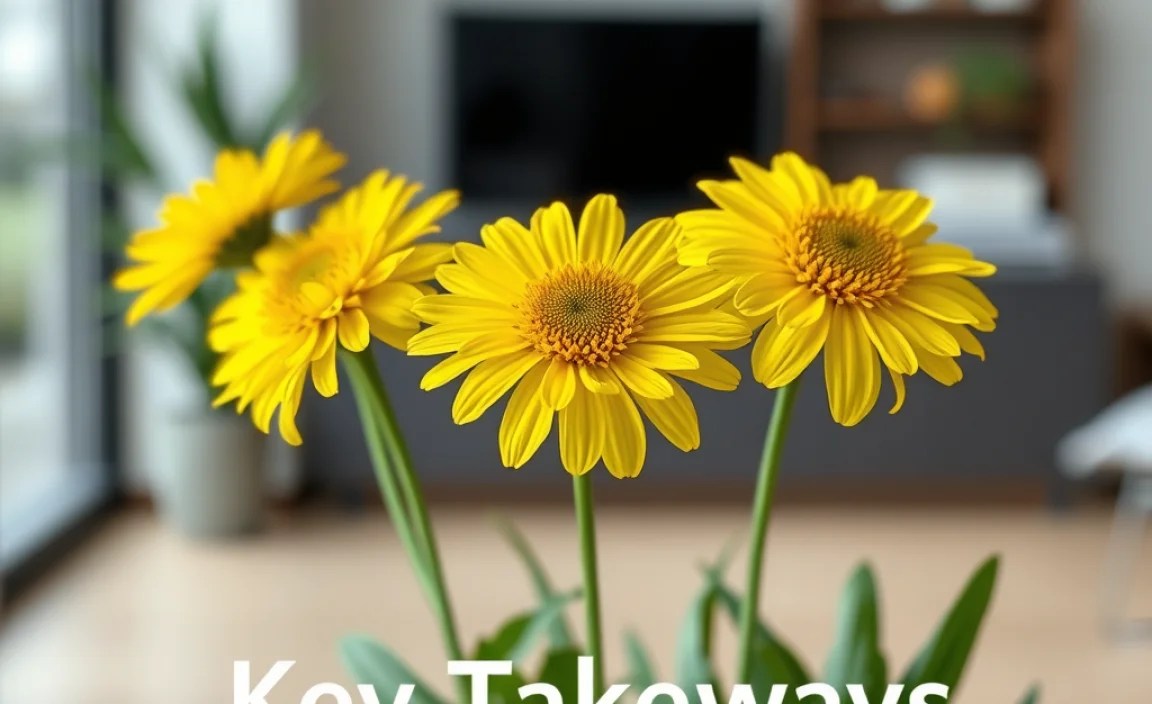
Key Takeaways
- Yellow perennial flowers bring cheerful color to your garden year after year.
- Consider bloom time, height, and sunlight needs when choosing flowers.
- Popular choices include daffodils, daylilies, and black-eyed Susans.
- Proper care ensures vibrant blooms and healthy plant growth.
- Regular watering, fertilizing, and deadheading promote continuous flowering of yellow perennial flowers.

Choosing the Best Yellow Perennial Flowers
Choosing the right yellow perennial flowers can make your garden amazing. Think about where you live. Some flowers love sun. Others prefer shade. Also, consider when you want them to bloom. Some bloom in spring. Others bloom in summer or fall. Different yellow perennial flowers have different heights. Some are short and ground-hugging. Others are tall and stand out. Consider the soil in your garden. Some flowers like sandy soil. Others like rich soil. Do you want a classic look or something more modern? Think about the colors around your yellow perennial flowers. Choose yellows that match well with other plants. By thinking about these things, you can pick the perfect yellow flowers for your space.
- Consider your local climate and growing zone.
- Match the flower’s sunlight needs to your garden.
- Choose varieties that bloom at different times.
- Think about the mature height of the plants.
- Consider the soil type and drainage in your garden.
- Select flower colors that complement your other plants.
When you plant yellow perennial flowers, give them space to grow. Read the plant tag to see how far apart to plant them. Dig a hole that is as deep as the pot the plant came in. Gently take the plant out of the pot. Loosen the roots a little. Put the plant in the hole. Cover the roots with soil. Water the plant well. Add some mulch around the plant to keep the soil moist. Keep an eye on your new flowers. Water them when the soil feels dry. Remove any dead flowers to help the plant grow more blooms. With a little care, your yellow perennial flowers will thrive and brighten your garden for years to come.
Fun Fact or Stat: Yellow is often associated with happiness and optimism, making yellow flowers a popular choice for gardens!
What is Your Garden’s Sunlight Situation?
Does your garden get lots of sun? Or is it mostly shady? Some yellow perennial flowers need at least six hours of sun each day. Others can grow in partial shade. Think about where you want to plant your flowers. Watch how much sun that spot gets. If the spot gets a lot of sun, choose flowers that love the sun. If the spot is shady, choose flowers that can grow in shade. Planting the right flower in the right place will help it grow strong and healthy. It will also help it bloom beautifully. Yellow perennial flowers can be quite versatile.
Do You Want a Short or Tall Flower?
Imagine a border of short, bright yellow flowers lining your walkway. Or picture tall, elegant yellow blooms waving in the breeze at the back of your garden. The height of your yellow perennial flowers can change how your garden looks. Short flowers are great for the front of a garden bed. They can also fill in spaces between larger plants. Tall flowers add height and drama. They can be a focal point in your garden. When choosing flowers, think about how tall they will grow. Choose heights that fit your garden design.
When Do You Want Your Flowers to Bloom?
Wouldn’t it be wonderful to have yellow perennial flowers blooming all season long? You can do this by choosing flowers that bloom at different times. Some yellow flowers bloom in the spring. Daffodils are a classic example. Others bloom in the summer, like daylilies. Still others bloom in the fall, like some types of sunflowers. By planting a mix of these flowers, you can have a garden that is always full of color. Plan your garden so that something is always blooming. This way, you can enjoy the beauty of yellow flowers from spring to fall.

Popular Types of Yellow Perennial Flowers
There are many types of yellow perennial flowers. Some are easy to grow. Others need a little more care. Daffodils are a popular choice for spring. They come in many shades of yellow. Daylilies are another easy-to-grow option. They bloom in the summer and come in many sizes. Black-eyed Susans are known for their cheerful yellow petals and dark centers. They bloom in late summer and fall. Coreopsis is a long-blooming flower that is easy to care for. Yarrow is a tough plant that can grow in dry soil. Goldenrod is a late-blooming flower that attracts butterflies. Consider these options when choosing your flowers.
- Daffodils are a classic spring flower.
- Daylilies are easy to grow and come in many colors.
- Black-eyed Susans are cheerful and bloom in late summer.
- Coreopsis blooms for a long time with little care.
- Yarrow is drought-tolerant and attracts pollinators.
- Goldenrod provides late-season color and attracts butterflies.
When you choose yellow perennial flowers, think about your local climate. Some flowers grow better in warm climates. Others do better in cold climates. Look for plants that are labeled as “hardy” in your area. This means they can survive the winter. Also, think about the size of your garden. Some flowers can spread quickly. These are great for filling in large spaces. Others are more compact. These are better for small gardens. Consider how much time you have to care for your flowers. Some flowers need regular watering and fertilizing. Others are more low-maintenance. Choose flowers that fit your lifestyle.
Fun Fact or Stat: The sunflower is not just one flower, but thousands of tiny flowers clustered together!
Why are Daffodils So Popular?
Have you ever noticed how many gardens have daffodils in the spring? These bright yellow flowers are a sign that winter is over. Daffodils are easy to grow. Squirrels and deer don’t like to eat them. They come back every year. You can plant them in the fall, and they will bloom in the spring. Daffodils bring a cheerful splash of color to any garden. They are a favorite of many gardeners. Yellow perennial flowers like daffodils are always a great pick.
What Makes Daylilies Easy to Grow?
Imagine a flower that can handle almost anything. That’s a daylily! These tough plants can grow in many types of soil. They don’t need a lot of water. They come in many colors, including yellow. Daylilies are called “daylilies” because each flower only lasts for one day. But don’t worry, each plant has many flowers. So, you will have blooms for weeks. If you want easy-to-grow yellow perennial flowers, daylilies are a great choice.
Why are Black-Eyed Susans So Cheerful?
With their bright yellow petals and dark brown centers, black-eyed Susans look like little suns in your garden. These flowers bloom in late summer and fall. They add a pop of color when many other flowers are fading. Black-eyed Susans are also great for attracting butterflies and bees. They are easy to grow and don’t need much care. If you want yellow perennial flowers that will bring a smile to your face, plant some black-eyed Susans.

How to Plant Yellow Perennial Flowers
Planting yellow perennial flowers is easy. First, choose a good spot. Make sure it gets the right amount of sun. Dig a hole that is twice as wide as the plant’s root ball. Loosen the soil at the bottom of the hole. Gently take the plant out of its pot. Loosen the roots a little bit. Place the plant in the hole. Make sure the top of the root ball is level with the ground. Fill the hole with soil. Pat the soil gently. Water the plant well. Add some mulch around the plant to help keep the soil moist. Mulch also helps prevent weeds. Keep an eye on your new flowers. Water them when the soil feels dry.
- Choose a location with appropriate sunlight.
- Dig a hole twice as wide as the root ball.
- Loosen the soil at the bottom of the hole.
- Gently remove the plant from its container.
- Place the plant in the hole, level with the ground.
- Fill the hole with soil and pat gently.
- Water the plant thoroughly and add mulch.
When you plant yellow perennial flowers, consider the soil. Some flowers like well-drained soil. Others can tolerate clay soil. Add compost to the soil to help it drain better. Compost also adds nutrients to the soil. If you have clay soil, add some sand to help break it up. Water your new plants regularly. Water them deeply, but don’t overwater. Overwatering can cause the roots to rot. Fertilize your plants in the spring. Use a fertilizer that is made for flowering plants. Deadhead your flowers regularly. This means removing the dead flowers. Deadheading encourages the plant to produce more blooms.
Fun Fact or Stat: The best time to plant perennials is usually in the spring or fall, when the weather is cooler!
What Kind of Soil Do Yellow Flowers Need?
Do you know what kind of soil you have in your garden? Is it sandy, clay, or something in between? Yellow perennial flowers often like soil that drains well. This means the water doesn’t sit around the roots. If you have clay soil, it can hold too much water. Adding compost can help. Compost makes the soil lighter and helps it drain better. If you have sandy soil, it might not hold enough water. Adding compost can also help sandy soil hold more water. Good soil is important for healthy flowers.
How Much Water Do New Plants Need?
Imagine you are a tiny plant just starting to grow. You need water to help you grow strong roots. New yellow perennial flowers need regular watering. Water them deeply when you first plant them. This helps the roots get established. After that, water them when the soil feels dry to the touch. Don’t water them too much. Too much water can cause the roots to rot. Check the soil before you water. If it’s still wet, wait a day or two. Watering just right helps your flowers thrive.
Why is Mulch Important?
Have you ever seen a garden with a layer of wood chips or straw around the plants? That’s mulch! Mulch is like a blanket for your soil. It helps keep the soil moist. It also helps prevent weeds from growing. Mulch can also help keep the soil cool in the summer and warm in the winter. When you plant yellow perennial flowers, add a layer of mulch around them. This will help them grow healthy and strong. There are many different types of mulch. Choose one that you like.

Caring for Your Yellow Perennial Flowers
Taking care of yellow perennial flowers keeps them blooming. Water them regularly, especially during dry spells. Fertilize them in the spring to give them a boost. Remove dead flowers to encourage more blooms. This is called deadheading. Check your plants for pests and diseases. Treat any problems quickly. Divide your plants every few years. This means digging them up and separating them into smaller plants. Dividing helps keep them healthy and prevents them from getting too crowded. With a little care, your yellow flowers will thrive for many years.
- Water regularly, especially during dry periods.
- Fertilize in the spring to promote growth.
- Deadhead spent blooms to encourage more flowers.
- Check for pests and diseases regularly.
- Divide plants every few years to maintain health.
- Provide support for tall varieties if needed.
When you care for yellow perennial flowers, remember that each type is different. Some flowers need more water than others. Some need more fertilizer. Read the plant tag to learn about the specific needs of your flowers. Watch your plants closely. If they look droopy or yellow, they might need more water or fertilizer. If you see bugs on your plants, use an insecticidal soap to get rid of them. If you see spots on the leaves, it could be a sign of disease. Use a fungicide to treat the disease. By paying attention to your plants, you can keep them healthy and beautiful.
Fun Fact or Stat: Deadheading, or removing spent flowers, encourages plants to produce even more blooms!
How Often Should You Water Yellow Flowers?
Imagine your yellow perennial flowers are thirsty. How do you know when to give them a drink? Check the soil! Stick your finger into the soil about an inch deep. If it feels dry, it’s time to water. Water deeply, so the water reaches the roots. Avoid watering the leaves, as this can cause disease. Water early in the morning, so the leaves have time to dry before night. How often you water depends on the weather. If it’s hot and dry, you’ll need to water more often. If it’s cool and rainy, you might not need to water at all.
Why is Fertilizing Important?
Think of fertilizer as vitamins for your yellow perennial flowers. Fertilizer gives your plants the nutrients they need to grow strong and bloom beautifully. In the spring, use a fertilizer that is high in phosphorus. Phosphorus helps promote flowering. Follow the instructions on the fertilizer package. Don’t use too much fertilizer, as this can burn the roots. Water your plants after you fertilize them. This helps the fertilizer soak into the soil. Fertilizing helps your flowers stay healthy and vibrant.
How Do You Divide Perennials?
Have you ever noticed that some yellow perennial flowers get really big after a few years? That’s when it’s time to divide them. Dividing plants is like giving them more space to grow. In the spring or fall, dig up the plant. Gently separate the roots into smaller clumps. Make sure each clump has some roots and some leaves. Plant the clumps in different spots in your garden. Water them well. Dividing your plants helps them stay healthy and prevents them from getting too crowded.
Dealing with Pests and Diseases in Yellow Perennial Flowers
Sometimes, yellow perennial flowers can have problems. Bugs might eat the leaves. Diseases might cause spots or wilting. It is important to check your plants often. Look for signs of pests or diseases. If you see something, act quickly. There are many ways to deal with pests and diseases. You can use insecticidal soap to kill bugs. You can use a fungicide to treat diseases. You can also try natural methods, like attracting beneficial insects. Keeping your plants healthy will help them resist pests and diseases. Healthy soil, good watering, and proper spacing are all important.
- Inspect plants regularly for signs of problems.
- Use insecticidal soap for insect infestations.
- Apply fungicide for fungal diseases.
- Attract beneficial insects to control pests.
- Maintain healthy soil and proper watering.
- Provide good air circulation around plants.
When you deal with pests and diseases in yellow perennial flowers, it is important to identify the problem correctly. Different pests and diseases require different treatments. For example, aphids are small, green bugs that suck the sap from plants. You can wash them off with a strong stream of water. Powdery mildew is a white, powdery fungus that grows on leaves. You can treat it with a fungicide. If you are not sure what is wrong with your plant, take a picture and show it to a garden expert. They can help you identify the problem and recommend the best treatment.
Fun Fact or Stat: Some plants, like marigolds, can actually repel certain pests naturally!
What are Common Pests That Attack Yellow Flowers?
Imagine tiny bugs feasting on your beautiful yellow perennial flowers. Aphids are a common pest. They suck the sap from the leaves. This can make the leaves curl and turn yellow. Slugs and snails can also damage your flowers. They eat holes in the leaves. Japanese beetles are another pest to watch out for. They can skeletonize the leaves, leaving only the veins behind. Check your plants regularly for these pests. Take action if you see them.
How Can You Prevent Diseases in Your Garden?
Would you like to keep your yellow perennial flowers healthy and disease-free? There are several things you can do. First, choose disease-resistant varieties. These plants are less likely to get sick. Second, provide good air circulation. This helps prevent fungal diseases. Third, water your plants at the base. Avoid getting the leaves wet. Fourth, remove any dead or diseased leaves. This prevents the disease from spreading. Fifth, keep your garden clean. Remove any weeds or debris. A healthy garden is a happy garden.
Are There Natural Ways to Control Pests?
Imagine you want to protect your yellow perennial flowers without using harsh chemicals. There are many natural ways to control pests. You can attract beneficial insects, like ladybugs. Ladybugs eat aphids and other pests. You can also use neem oil. Neem oil is a natural insecticide that is safe for plants and animals. You can also make your own insecticidal soap. Mix water with a small amount of dish soap. Spray it on the plants to kill pests. Natural methods are a safe and effective way to protect your garden.
Designing Your Garden with Yellow Perennial Flowers
Designing your garden with yellow perennial flowers can be fun. Think about the overall look you want to create. Do you want a bright and cheerful garden? Or do you want a more subtle and elegant garden? Choose yellow flowers that fit your style. Consider the colors of the other plants in your garden. Yellow goes well with many colors, including purple, blue, and white. Think about the height and texture of the plants. Use tall plants in the back of the garden and short plants in the front. Add plants with different textures to create interest. Plan your garden so that something is always blooming.
- Consider the overall style and theme of your garden.
- Choose yellow shades that complement other colors.
- Use different heights and textures for visual interest.
- Plan for continuous bloom throughout the season.
- Repeat colors and textures for a cohesive look.
- Create focal points with striking yellow flowers.
When you design your garden with yellow perennial flowers, think about the sunlight. Some flowers need full sun. Others can tolerate shade. Plant your flowers in a location that meets their needs. Also, consider the soil. Some flowers like well-drained soil. Others can tolerate clay soil. Amend the soil as needed. Water your plants regularly, especially during dry spells. Fertilize them in the spring to give them a boost. Deadhead the flowers regularly to encourage more blooms. With a little planning, you can create a beautiful and thriving garden with yellow flowers.
Here is a table of popular yellow perennial flowers, their bloom times, and their sunlight needs:
| Flower | Bloom Time | Sunlight Needs |
|---|---|---|
| Daffodil | Spring | Full sun to partial shade |
| Daylily | Summer | Full sun |
| Black-Eyed Susan | Late Summer/Fall | Full sun |
| Coreopsis | Summer | Full sun |
Fun Fact or Stat: Color theory suggests that yellow can create a sense of happiness and optimism in a garden!
How Can You Create a Focal Point in Your Garden?
Imagine walking into a garden and your eyes are immediately drawn to one spot. That’s a focal point! You can create a focal point with yellow perennial flowers. Choose a tall, striking yellow flower, like a sunflower. Plant it in a prominent location. Surround it with smaller, complementary plants. You can also use a yellow-flowering shrub as a focal point. Add a decorative element, like a birdbath or a statue. Make sure the focal point is well-maintained. This will draw attention and add interest to your garden.
What Colors Go Well With Yellow?
Have you ever wondered which colors look best with yellow? Yellow is a versatile color that goes well with many other colors. Purple is a classic combination. The contrast between yellow and purple is striking. Blue is another good choice. Yellow and blue create a calm and peaceful atmosphere. White is a neutral color that lets the yellow shine. Green is a natural complement to yellow. It creates a fresh and vibrant look. When you design your garden with yellow perennial flowers, consider the colors of the other plants.
How Can You Plan for Continuous Bloom?
Wouldn’t it be wonderful to have yellow perennial flowers blooming all season long? You can do this by planning for continuous bloom. Choose flowers that bloom at different times of the year. Daffodils bloom in the spring. Daylilies bloom in the summer. Black-eyed Susans bloom in the fall. Plant a mix of these flowers to have color all season long. You can also use annual flowers to fill in the gaps. Annual flowers bloom for one season and then die. They are a great way to add extra color to your garden.
Summary
Yellow perennial flowers are a great way to add sunshine to your garden. They come back every year, so you can enjoy their beauty for many seasons. When choosing yellow flowers, consider the sunlight, soil, and bloom time. Some popular choices include daffodils, daylilies, and black-eyed Susans. Plant your flowers in a location that meets their needs. Water them regularly, and fertilize them in the spring. Deadhead the flowers to encourage more blooms. Watch out for pests and diseases. With a little care, your yellow flowers will thrive and brighten your garden.
Conclusion
Yellow perennial flowers can transform any garden into a cheerful and inviting space. They offer a wide range of options, from the early-blooming daffodils to the late-season black-eyed Susans. By understanding their needs and providing proper care, you can enjoy their beauty year after year. So, get out there and start planting! Bring some sunshine into your garden with yellow perennial flowers.
Frequently Asked Questions
Question No 1: What are perennial flowers?
Answer: Perennial flowers are plants that live for more than two years. Unlike annual flowers, which only live for one growing season, perennials come back year after year. They might die back in the winter, but their roots stay alive. In the spring, new growth emerges from the roots. This means you only have to plant them once. Perennial flowers are a great choice for gardeners who want low-maintenance color. They add beauty to your garden for many years to come. You can find yellow perennial flowers in many shapes and sizes.
Question No 2: How do I choose the right yellow perennial flowers for my garden?
Answer: Choosing the right yellow perennial flowers depends on several factors. Consider your local climate. Some flowers grow better in warm climates. Others do better in cold climates. Think about the amount of sunlight your garden gets. Some flowers need full sun. Others can tolerate shade. Also, consider the soil type. Some flowers like well-drained soil. Others can tolerate clay soil. Finally, think about the size of your garden. Some flowers can spread quickly. Others are more compact. Choose flowers that fit your garden’s conditions and your personal preferences.
Question No 3: When is the best time to plant yellow perennial flowers?
Answer: The best time to plant yellow perennial flowers is usually in the spring or fall. In the spring, the weather is mild, and the soil is moist. This gives the plants a good start. In the fall, the soil is still warm from the summer. This allows the roots to get established before winter. Avoid planting in the summer, when the weather is hot and dry. Also, avoid planting in the winter, when the ground is frozen. Choose a time when the weather is mild and the soil is workable. This will give your plants the best chance of success.
Question No 4: How often should I water my yellow perennial flowers?
Answer: How often you water your yellow perennial flowers depends on the weather and the soil. In general, you should water them when the soil feels dry to the touch. Stick your finger into the soil about an inch deep. If it feels dry, it’s time to water. Water deeply, so the water reaches the roots. Avoid watering the leaves, as this can cause disease. Water early in the morning, so the leaves have time to dry before night. During hot, dry weather, you may need to water more often. During cool, rainy weather, you may not need to water at all.
Question No 5: Do yellow perennial flowers need fertilizer?
Answer: Yes, yellow perennial flowers can benefit from fertilizer. Fertilizer provides the nutrients that plants need to grow strong and bloom beautifully. In the spring, use a fertilizer that is high in phosphorus. Phosphorus helps promote flowering. Follow the instructions on the fertilizer package. Don’t use too much fertilizer, as this can burn the roots. Water your plants after you fertilize them. This helps the fertilizer soak into the soil. Fertilizing helps your flowers stay healthy and vibrant. Some gardeners use compost as a natural fertilizer.
Question No 6: How do I deadhead yellow perennial flowers?
Answer: Deadheading is the process of removing dead flowers from a plant. This encourages the plant to produce more blooms. To deadhead yellow perennial flowers, use scissors or pruning shears to cut off the dead flower heads. Cut the stem just below the flower head. Remove any dead or yellowing leaves as well. Deadheading regularly will keep your plants looking neat and tidy. It will also encourage them to bloom longer and more profusely. Some flowers, like coreopsis, bloom almost continuously if you deadhead them regularly.
