Do you love fresh lettuce? What if you could have it all year? You can! It is fun to grow lettuce indoors all year long. Imagine yummy salads whenever you want. Let’s learn how to make it happen.
Key Takeaways
- You can grow lettuce indoors all year long with the right setup.
- Choose the best lettuce types like Romaine or Butterhead for inside growing.
- Give your lettuce enough light using grow lights or a sunny spot.
- Water your lettuce often, but do not let it get too soggy.
- Harvest your lettuce leaves as you need them for fresh salads.
How to Grow Lettuce Indoors All Year Long

Growing your own lettuce inside is easier than you think. You get fresh greens even when it’s cold outside. First, you need to pick the right kind of lettuce. Some types grow better inside. Romaine and Butterhead are good choices. Next, you will need a good place to grow them. A sunny window can work. But, grow lights are even better. They make sure your lettuce gets enough light. You also need the right soil. Potting mix works well. Do not use garden soil. It can have bugs. Water your lettuce when the soil feels dry. But, do not water too much. Too much water can hurt the plants. With a little care, you can have fresh lettuce all the time. It’s fun to watch them grow. You will enjoy tasty salads all year.
- Choose the right type of lettuce.
- Get good grow lights.
- Use potting mix soil.
- Water when the soil is dry.
- Do not overwater the lettuce.
Growing lettuce indoors is a fun project. It teaches you about plants and food. You get to eat what you grow. It’s like having a little garden inside your home. You can try different types of lettuce. See which ones you like best. You can also try growing other greens. Spinach and kale are good choices too. Make sure to check your plants every day. Look for any problems like bugs or spots. If you see something wrong, fix it quickly. This will help your lettuce grow strong. Soon, you will have lots of fresh lettuce. Your salads will taste better than ever. Growing your own food is a great way to eat healthy. It also helps the environment.
Fun Fact or Stat: Lettuce is one of the oldest vegetables. People have been eating it for over 2,000 years!
What Kind of Pot is Best?
Choosing the right pot is key for healthy lettuce. Do you know why? The pot size matters. Small pots dry out fast. Big pots can hold too much water. A pot that is 6-8 inches deep is usually good. This gives the roots room to grow. Make sure the pot has holes at the bottom. These holes let extra water drain out. Plastic pots are light and easy to move. Clay pots look nice but dry out faster. You can also use fabric pots. They let the roots breathe. No matter what kind of pot you pick, clean it first. This helps keep your lettuce healthy. With the right pot, your lettuce will grow strong.
How Much Light Does Lettuce Need?
Light is very important for growing lettuce. Lettuce needs at least six hours of light each day. If you do not have enough sunlight, use grow lights. Grow lights help your lettuce grow indoors all year long. Put the lights close to the plants. About six inches away is good. You can use LED grow lights. They do not use much power. Turn the lights on for about 12 hours a day. This gives the lettuce enough energy to grow. Watch your lettuce. If it looks pale, it may need more light. If it looks burned, it may need less light. With the right amount of light, your lettuce will thrive.
What About Fertilizer?
Lettuce needs food to grow big and strong. This food is called fertilizer. You can use a liquid fertilizer. Mix it with water. Follow the directions on the bottle. Do not use too much fertilizer. It can hurt the plants. You can also use a slow-release fertilizer. This type of fertilizer slowly feeds the plants over time. Add it to the soil when you plant the lettuce. You do not need to fertilize very often. Every two weeks is usually enough. Look at your lettuce. If it looks yellow, it may need more fertilizer. If it is growing fast, you may not need any. Always be careful when using fertilizer. It can help your lettuce grow indoors all year long.
Choosing the Best Lettuce Varieties to Grow Indoors

Some lettuce types are better for growing inside. Butterhead lettuce is a good choice. It grows well in small spaces. Romaine lettuce is another good option. It is tall and easy to harvest. Loose-leaf lettuce is also great for indoors. You can pick the leaves as you need them. Avoid head lettuce types like iceberg. They need lots of space and time to grow. When picking your lettuce, think about taste too. Do you like a mild or strong flavor? Some lettuce is crunchy, and some is soft. Try different types to find your favorite. Check the seed packet for information. It will tell you how much light and space the lettuce needs. With the right choice, you can have lots of yummy lettuce.
- Butterhead lettuce grows well in small spaces.
- Romaine lettuce is easy to harvest.
- Loose-leaf lettuce lets you pick leaves as needed.
- Avoid head lettuce types like iceberg.
- Think about the taste of the lettuce.
- Check the seed packet for information.
Growing lettuce indoors lets you try new things. You can mix different types of lettuce in one pot. This makes a colorful and tasty salad mix. You can also grow other greens with your lettuce. Spinach and kale are good choices. They like the same growing conditions. Make sure to give each plant enough space. Do not plant them too close together. This can stop them from growing well. You can also add herbs to your indoor garden. Parsley and chives are easy to grow. They add flavor to your salads. Growing your own food is a fun and healthy hobby. You can enjoy fresh greens all year long. Plus, you know exactly where your food comes from. That makes it even better!
Fun Fact or Stat: Lettuce is mostly water. It is about 95% water!
What is Butterhead Lettuce?
Have you heard of Butterhead lettuce? It is a soft and tasty type of lettuce. The leaves are tender and have a mild flavor. Butterhead lettuce forms a loose head. It looks like a big rose. It is easy to grow indoors. You can find it at most grocery stores. There are different kinds of Butterhead lettuce. Some are green, and some are red. They all taste great in salads. Butterhead lettuce is also good in sandwiches. It adds a fresh and crisp taste. If you want to grow lettuce indoors all year long, Butterhead is a great choice. It is easy to care for and tastes delicious.
Why Choose Romaine Lettuce?
Romaine lettuce is a popular choice for salads. It has long, crisp leaves. The leaves are dark green. Romaine lettuce has a strong flavor. It is used in Caesar salads. It is also good in sandwiches and wraps. Romaine lettuce is easy to grow indoors. It needs a little more space than Butterhead lettuce. But, it is still a good choice for indoor gardens. Make sure to give it enough light. Romaine lettuce likes lots of sunshine. If you grow lettuce indoors all year long, Romaine is a great option. It is healthy and tastes great.
How About Loose-Leaf Lettuce?
Loose-leaf lettuce is very easy to grow. It does not form a head. Instead, the leaves grow loosely. You can pick the leaves as you need them. This is called “cut and come again.” Loose-leaf lettuce comes in many colors. Some are green, red, or even speckled. It has a mild flavor. Loose-leaf lettuce is great in salads. It is also good in sandwiches and wraps. It is one of the easiest types to grow lettuce indoors all year long. You can start harvesting the leaves in just a few weeks. This makes it a quick and rewarding crop.
Setting Up Your Indoor Lettuce Garden

To grow lettuce indoors all year long, you need a good setup. First, choose a spot with enough light. A sunny window is good. But, grow lights are better. They give your lettuce consistent light. You also need a container. A pot or container that is 6-8 inches deep works well. Make sure it has drainage holes. Use a good quality potting mix. Do not use garden soil. It can have pests and diseases. You can also add some fertilizer to the soil. This will help your lettuce grow. Set up a watering schedule. Water when the soil feels dry. But, do not overwater. With the right setup, your lettuce will thrive.
- Choose a spot with enough light.
- Use grow lights for consistent light.
- Get a pot or container with drainage holes.
- Use good quality potting mix.
- Add fertilizer to the soil.
- Set up a watering schedule.
Think about where you will put your lettuce garden. A kitchen counter is a good choice. You can easily check on your plants. A shelf near a window is also a good spot. Just make sure the lettuce gets enough light. You can also use a grow tent. A grow tent is a small, enclosed space. It has lights and ventilation. This is a good option if you do not have enough natural light. It also protects your lettuce from pests. No matter where you put your garden, make sure it is easy to access. This will make it easier to care for your plants. And, you will enjoy fresh lettuce all year long.
Fun Fact or Stat: You can start harvesting lettuce leaves in as little as 30 days!
How Do Grow Lights Help?
Grow lights are very helpful for indoor gardens. They give plants the light they need to grow. Even if you do not have a sunny window, you can still grow lettuce indoors all year long. Grow lights come in different types. LED lights are popular because they do not use much energy. Fluorescent lights are another option. They are cheaper than LED lights. But, they do not last as long. You can also use incandescent lights. But, they get very hot. This can burn your plants. Put the grow lights close to your lettuce. About six inches away is good. Turn the lights on for about 12 hours a day. This will help your lettuce grow strong and healthy.
What Kind of Soil Should I Use?
The right soil is important for growing lettuce. Do not use garden soil in pots. It can get hard and not drain well. Potting mix is a better choice. It is light and fluffy. It also drains well. You can buy potting mix at most garden stores. Look for a potting mix that is made for vegetables. You can also make your own potting mix. Mix equal parts of peat moss, perlite, and vermiculite. This makes a light and well-draining soil. You can also add some compost to the soil. Compost is broken-down organic matter. It adds nutrients to the soil. This will help your lettuce grow indoors all year long.
How Often Should I Water?
Watering is very important for growing lettuce. Lettuce needs water to grow. But, it does not like to be too wet. Water your lettuce when the soil feels dry. Stick your finger into the soil. If it feels dry, it is time to water. Water until the water comes out of the drainage holes. This makes sure the soil is evenly moist. Do not let the lettuce sit in water. This can cause the roots to rot. Water in the morning is best. This gives the leaves time to dry before night. If you grow lettuce indoors all year long, check the soil every day. Adjust your watering schedule as needed. With the right amount of water, your lettuce will thrive.
Caring for Your Indoor Lettuce Plants

Taking care of your lettuce is easy. Check your plants every day. Look for any problems. Are the leaves turning yellow? This could mean they need more fertilizer. Are there bugs on the leaves? You may need to use an insect spray. Make sure to use a spray that is safe for food crops. Water your lettuce when the soil feels dry. Do not overwater. This can cause the roots to rot. Give your lettuce enough light. If you do not have enough sunlight, use grow lights. Harvest the leaves as you need them. This will encourage the plant to grow more. With a little care, you can grow lettuce indoors all year long.
- Check your plants every day.
- Look for yellow leaves or bugs.
- Water when the soil feels dry.
- Do not overwater the lettuce.
- Give your lettuce enough light.
- Harvest the leaves as you need them.
Keep your lettuce clean. Dust can block the light. Gently wipe the leaves with a damp cloth. This will help them get more light. You can also rotate the plants. This makes sure all sides get enough light. If you see any dead leaves, remove them. This will help prevent diseases. You can also add some mulch to the soil. Mulch is a layer of organic material. It helps keep the soil moist. It also helps prevent weeds. With good care, your lettuce will grow strong and healthy. You will enjoy fresh salads all year long. Growing your own food is a rewarding experience.
Fun Fact or Stat: Lettuce is a member of the sunflower family!
How to Deal with Pests?
Pests can be a problem for indoor lettuce. Aphids are small, green bugs. They suck the sap from the leaves. Whiteflies are small, white bugs. They also suck the sap from the leaves. Spider mites are tiny, spider-like creatures. They can damage the leaves. To get rid of pests, you can use an insecticidal soap. This is a natural soap that kills bugs. You can also use neem oil. This is an oil from the neem tree. It is a natural insecticide. Spray the leaves with the soap or oil. Make sure to cover all sides of the leaves. You may need to spray more than once. With a little effort, you can keep your lettuce pest-free. Then, you can grow lettuce indoors all year long.
What About Diseases?
Diseases can also affect indoor lettuce. One common disease is powdery mildew. This is a white, powdery fungus that grows on the leaves. Another disease is root rot. This is caused by too much water. The roots turn brown and mushy. To prevent diseases, do not overwater your lettuce. Make sure the soil drains well. Give your lettuce enough air circulation. You can use a fan to circulate the air. If you see any signs of disease, remove the affected leaves. You can also use a fungicide. This is a spray that kills fungus. With good care, you can keep your lettuce healthy. You can grow lettuce indoors all year long.
How to Harvest Lettuce?
Harvesting lettuce is easy. You can start harvesting when the leaves are about 4-6 inches long. There are two ways to harvest lettuce. You can harvest the whole head. Or, you can harvest individual leaves. To harvest the whole head, cut the lettuce at the base. Use a sharp knife. To harvest individual leaves, pick the outer leaves. Leave the inner leaves to grow. This is called “cut and come again.” The plant will continue to produce new leaves. Harvest your lettuce in the morning. The leaves will be crisp and fresh. With regular harvesting, you can grow lettuce indoors all year long.
Troubleshooting Common Lettuce Problems
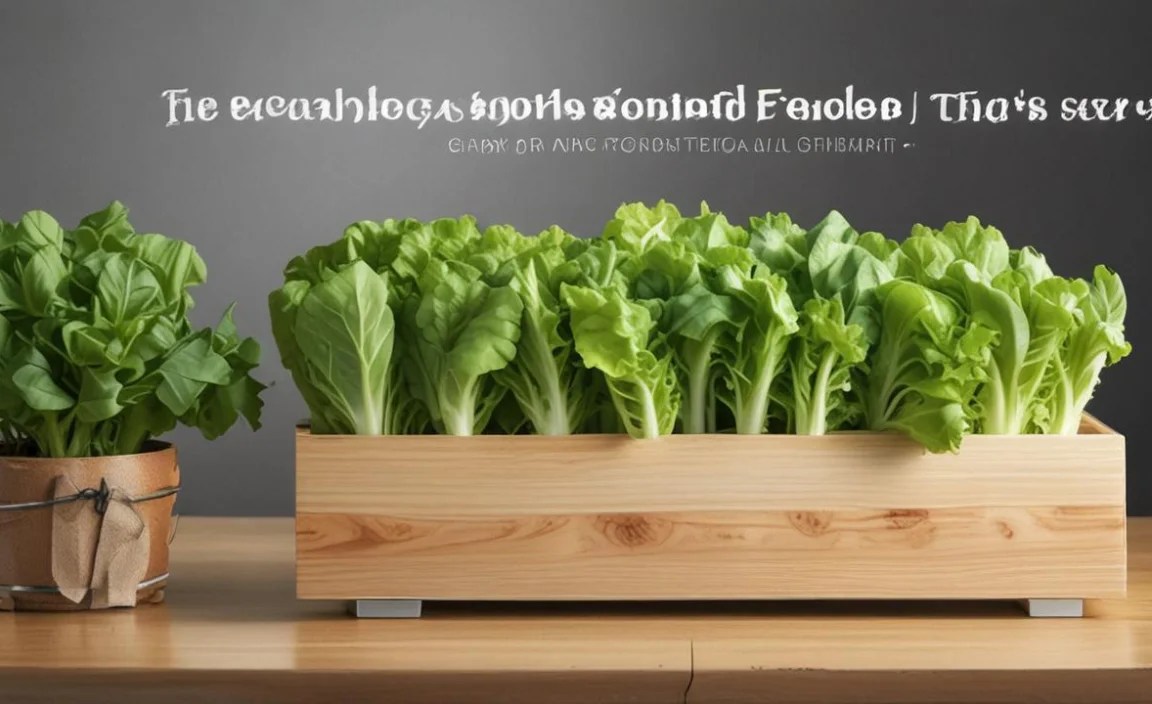
Sometimes, things can go wrong when growing lettuce. The leaves might turn yellow. This could mean they need more fertilizer. Or, it could mean they are getting too much water. The leaves might also turn brown. This could mean they are getting too much sun. Or, it could mean they are not getting enough water. You might also see bugs on the leaves. This could mean you have a pest problem. Check your plants every day. Look for any signs of trouble. Adjust your care as needed. With a little troubleshooting, you can grow lettuce indoors all year long.
- Yellow leaves can mean too much/little water or fertilizer.
- Brown leaves can mean too much sun or not enough water.
- Bugs mean you have a pest problem.
- Check your plants every day.
- Adjust your care as needed.
Do not get discouraged if you have problems. Every gardener faces challenges. The important thing is to learn from your mistakes. Keep trying new things. You will eventually find what works best for you. Growing lettuce indoors is a rewarding experience. You get to enjoy fresh, healthy food. You also get to learn about plants and gardening. So, do not give up. Keep growing! You will be amazed at what you can achieve. Soon, you will be able to grow lettuce indoors all year long. And, you will have lots of delicious salads to enjoy.
Fun Fact or Stat: Lettuce is a good source of vitamins A and K!
Why Are My Leaves Turning Yellow?
Yellow leaves can be a sign of stress. Your lettuce may need more food. Try adding some fertilizer. Make sure you are not overwatering. Too much water can cause yellow leaves. Check the drainage in your pot. Make sure the water can drain out. Your lettuce may also need more light. If it is not getting enough sunlight, use grow lights. Yellow leaves can also be a sign of disease. Check the leaves for spots or fungus. Remove any affected leaves. With a little detective work, you can figure out what is causing the yellow leaves. Then, you can grow lettuce indoors all year long.
Why Are the Leaves Turning Brown?
Brown leaves can also be a sign of stress. Your lettuce may be getting too much sun. Move it to a shadier spot. Or, use a shade cloth to protect it from the sun. Brown leaves can also mean your lettuce is not getting enough water. Check the soil. If it feels dry, water your lettuce. Brown leaves can also be a sign of nutrient deficiency. Try adding some fertilizer. Make sure you are using a fertilizer that is made for vegetables. With a little care, you can prevent brown leaves. You can grow lettuce indoors all year long.
Why is My Lettuce Wilting?
Wilting lettuce is not a happy sight. Wilting can mean your lettuce is not getting enough water. Water it right away. Make sure the soil is evenly moist. Wilting can also mean your lettuce is getting too much heat. Move it to a cooler spot. Wilting can also be a sign of root rot. This is caused by too much water. Check the roots. If they are brown and mushy, you have root rot. You may need to start over with new lettuce. With the right care, you can prevent wilting. You can grow lettuce indoors all year long.
Harvesting and Enjoying Your Indoor Lettuce
The best part about growing lettuce indoors is eating it! You can harvest your lettuce as soon as the leaves are big enough. This is usually about 4-6 inches long. You can harvest the whole head. Or, you can harvest individual leaves. To harvest individual leaves, pick the outer leaves. Leave the inner leaves to grow. This is called “cut and come again.” Wash your lettuce before you eat it. You can use a salad spinner to dry the leaves. Now, you can enjoy your fresh, homegrown lettuce. Add it to salads, sandwiches, or wraps. With a little effort, you can grow lettuce indoors all year long.
- Harvest lettuce when leaves are 4-6 inches long.
- Harvest the whole head or individual leaves.
- Wash your lettuce before eating.
- Use a salad spinner to dry the leaves.
- Add it to salads, sandwiches, or wraps.
Think about all the ways you can use your fresh lettuce. You can make a simple salad with lettuce, tomatoes, and cucumbers. You can add some dressing and enjoy. You can also use lettuce in sandwiches. It adds a crisp and refreshing taste. You can wrap your lettuce around meat and cheese. This makes a healthy and delicious snack. You can also use lettuce in soups and stews. It adds a fresh flavor. Growing your own lettuce is a great way to eat healthy. You know exactly where your food comes from. And, it tastes so much better than store-bought lettuce. So, start growing today! You will be amazed at how easy it is to grow lettuce indoors all year long.
Fun Fact or Stat: Lettuce can help you sleep better. It contains a natural sedative!
What are Some Great Lettuce Recipes?
There are so many ways to use fresh lettuce. You can make a classic Caesar salad. Mix lettuce with croutons, Parmesan cheese, and Caesar dressing. You can also make a Greek salad. Mix lettuce with tomatoes, cucumbers, olives, and feta cheese. Add some Greek dressing and enjoy. You can make a lettuce wrap. Wrap lettuce around meat, vegetables, and sauce. This is a healthy and delicious meal. You can also add lettuce to smoothies. It adds a boost of vitamins and minerals. With a little creativity, you can find lots of ways to enjoy your fresh lettuce. You can grow lettuce indoors all year long.
How to Store Freshly Harvested Lettuce?
To keep your lettuce fresh, store it properly. Wash the lettuce and dry it well. You can use a salad spinner to dry the leaves. Wrap the lettuce in a paper towel. Place it in a plastic bag. Store it in the refrigerator. This will keep it fresh for about a week. You can also store lettuce in a container with a lid. Place a paper towel in the bottom of the container. This will absorb any extra moisture. Store the lettuce in the refrigerator. Check the lettuce every day. Remove any wilted or brown leaves. With proper storage, you can enjoy your fresh lettuce for longer. You can grow lettuce indoors all year long.
Can I Grow Other Greens Indoors Too?
Yes, you can grow other greens indoors. Spinach is a great choice. It likes the same growing conditions as lettuce. Kale is another good option. It is a hardy green that can tolerate cooler temperatures. Arugula is a peppery green that is easy to grow. Mustard greens are also a good choice. They add a spicy flavor to salads. You can also grow herbs indoors. Parsley, chives, and basil are all easy to grow. With a little planning, you can create a diverse indoor garden. You can grow lettuce indoors all year long, along with other delicious greens.
Pros and Cons of Growing Lettuce Indoors
Growing lettuce indoors has many benefits. You can have fresh lettuce all year long. You do not have to worry about the weather. You can control the growing conditions. You can also avoid pests and diseases. However, there are also some drawbacks. You need to provide light and water. You need to monitor the plants. It can also take up space in your home. Here are some pros and cons of growing lettuce indoors to help you decide:
| Pros | Cons |
|---|---|
| Fresh lettuce all year | Needs light and water |
| Control growing conditions | Requires monitoring |
| Avoid weather problems | Takes up space |
| Fewer pests and diseases | Can be more effort |
Growing lettuce indoors is a rewarding experience. You can enjoy fresh, healthy food. You can also learn about plants and gardening. If you are willing to put in the effort, it is a great hobby. You can experiment with different types of lettuce. You can try different growing methods. You can share your lettuce with friends and family. Growing your own food is a great way to connect with nature. It is also a great way to eat healthy. So, why not give it a try? You might be surprised at how much you enjoy it. You can grow lettuce indoors all year long.
Fun Fact or Stat: Lettuce was once considered a sacred plant by the ancient Egyptians!
What are the Advantages?
There are many advantages to growing lettuce indoors. You can have fresh lettuce whenever you want. You do not have to rely on the grocery store. You can control the growing conditions. You can provide the perfect amount of light, water, and nutrients. You can also avoid pests and diseases. Indoor growing is also a great way to extend the growing season. You can grow lettuce indoors all year long, even in cold climates. It is a fun and rewarding hobby that provides fresh, healthy food.
What are the Disadvantages?
There are also some disadvantages to growing lettuce indoors. It requires some initial investment. You need to buy pots, soil, and lights. It also requires some time and effort. You need to water the plants, fertilize them, and monitor them for pests and diseases. Indoor growing can also take up space in your home. You need to find a suitable spot for your lettuce garden. Despite these disadvantages, many people find that the benefits outweigh the drawbacks. You can grow lettuce indoors all year long.
Is it Worth the Effort?
Whether or not growing lettuce indoors is worth the effort depends on your priorities. If you value fresh, healthy food and enjoy gardening, it can be a very rewarding hobby. It can also save you money on groceries. However, if you are short on time and space, it may not be the best option for you. Consider your own situation and decide if the benefits outweigh the drawbacks. You can grow lettuce indoors all year long, but you need to be willing to put in the effort.
Summary
Growing lettuce indoors all year long is a fun and rewarding project. You can enjoy fresh salads whenever you want. You need to choose the right type of lettuce. Romaine, Butterhead, and loose-leaf lettuce are good choices. You also need to provide enough light. Grow lights are a good option if you do not have enough sunlight. Use a good quality potting mix and water when the soil feels dry. Check your plants regularly for pests and diseases. Harvest the leaves as you need them. With a little care, you can have lots of delicious lettuce.
Growing lettuce indoors is a great way to eat healthy. You can control what goes into your food. You can also save money on groceries. It is a fun and educational activity for kids. They can learn about plants and gardening. So, why not give it a try? You might be surprised at how easy it is. You can grow lettuce indoors all year long.
Conclusion
Growing lettuce indoors all year long is easier than you think. With the right tools and a little effort, you can have fresh lettuce whenever you want. Choose the right lettuce type, provide enough light, and water regularly. Check your plants for pests and diseases. Harvest the leaves as you need them. Enjoy your fresh, homegrown lettuce in salads, sandwiches, and more. Get started today and enjoy the taste of fresh lettuce all year!
Frequently Asked Questions
Question No 1: What kind of lettuce grows best indoors?
Answer: Some types of lettuce do better inside than others. Loose-leaf varieties are a great choice because you can harvest leaves as you need them. Butterhead lettuce is also good because it stays small. Romaine can work too, but it needs a bit more space. Avoid head lettuce like iceberg, as they need a lot of room and time to grow. Choose types that mature quickly and don’t need a lot of space to grow lettuce indoors all year long successfully.
Question No 2: How much light does indoor lettuce need?
Answer: Lettuce needs a good amount of light to grow well. Aim for at least six hours of light each day. If you don’t have a sunny window, use grow lights. LED grow lights are best because they don’t use much electricity. Place the lights close to the plants, about 6-12 inches away. A timer can help you keep the lights on for a consistent amount of time each day. Proper lighting is key to grow lettuce indoors all year long.
Question No 3: What kind of soil should I use for indoor lettuce?
Answer: The right soil is important for healthy lettuce. Don’t use soil from your garden, as it can contain pests and diseases. Instead, use a good quality potting mix. Look for a mix that is light and drains well. You can also add some compost or other organic matter to the soil. This will provide extra nutrients for your lettuce. Well-draining soil helps prevent root rot, so your lettuce can grow lettuce indoors all year long.
Question No 4: How often should I water my indoor lettuce?
Answer: Watering is very important, but it’s easy to overdo it. Water your lettuce when the top inch of soil feels dry. Stick your finger into the soil to check. When you water, make sure the water drains out of the bottom of the pot. Don’t let the pot sit in water, as this can cause root rot. Lettuce likes moist soil, but not soggy soil. Adjust your watering schedule based on the temperature and humidity in your home. With proper watering, you can grow lettuce indoors all year long.
Question No 5: How do I harvest my indoor lettuce?
Answer: Harvesting lettuce is easy and fun! You can harvest the whole head or just pick individual leaves. For loose-leaf lettuce, pick the outer leaves when they are about 4-6 inches long. Leave the inner leaves to continue growing. This is called “cut and come again.” For head lettuce, cut the whole head at the base when it is firm. Wash the lettuce before you eat it. Enjoy your fresh, homegrown lettuce in salads, sandwiches, and more. Regular harvesting encourages the plants to grow lettuce indoors all year long.
Question No 6: How do I deal with pests on my indoor lettuce?
Answer: Pests can sometimes be a problem, even indoors. Check your lettuce regularly for bugs. Aphids are small green bugs that suck sap from the leaves. Whiteflies are small white bugs that fly around. If you see pests, you can try washing them off with water. You can also use an insecticidal soap or neem oil. These are natural products that kill bugs. Make sure to follow the directions on the product. With a little attention, you can keep your lettuce pest-free and grow lettuce indoors all year long.
