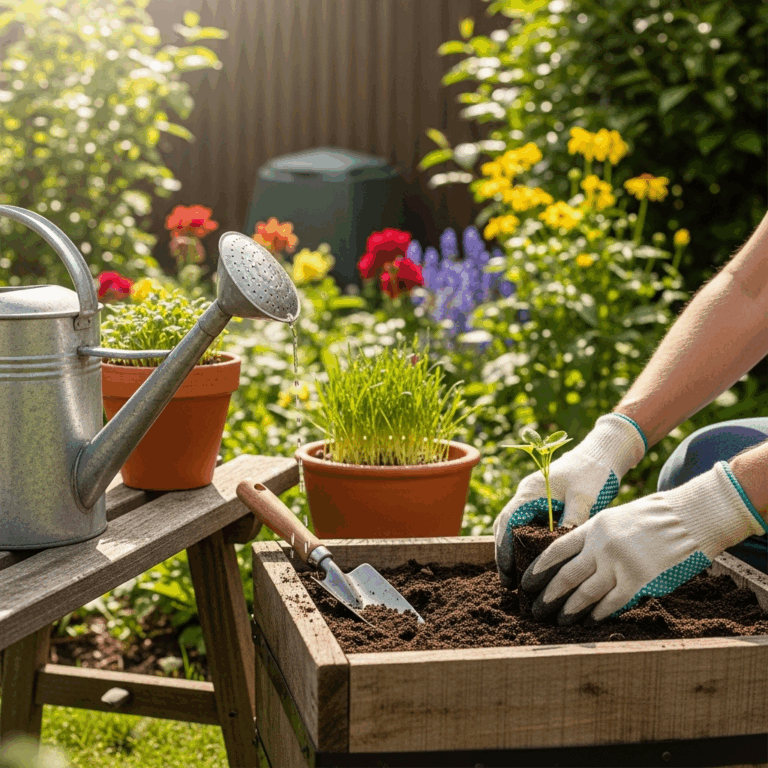
Best way to start seeds indoors for proven success is to use a sterile seed-starting mix, provide consistent warmth and moisture, and ensure adequate light as soon as sprouts appear. This simple, step-by-step approach guarantees healthy seedlings ready for transplanting, saving you money and giving you a head start on your gardening season.
Dreaming of a garden bursting with vibrant flowers or a kitchen overflowing with fresh herbs and veggies? Starting your own seeds indoors is a fantastic way to get ahead of the season, save money, and grow unique varieties you can’t always find at the nursery. But let’s be honest, watching tiny seeds fail to sprout or seedlings stretch weakly towards the sky can be frustrating. It often feels like a secret gardening code we haven’t cracked yet. Don’t worry, it’s not magic! With a few simple techniques and consistent care, you can confidently start seeds indoors. We’ll walk through everything you need, from choosing the right supplies to spotting those first precious green shoots. Get ready to nurture life right from the start and enjoy a bountiful garden!
Why Start Seeds Indoors? The Early Bird Gets the Worm (and the Tomato!)
Starting seeds indoors is like giving your plants a cozy head start before the weather outside is ready for them. Imagine being able to grow tomatoes, peppers, or even delicate flowers that need a long warm season, all from little seeds in your home. This method lets you bypass unpredictable spring frosts and gives your plants a strong early growth spurt. Plus, the variety of seeds available is incredible! You can find heirloom tomatoes, vibrant zinnias, and flavorful herbs that might be hard to come by as young plants in stores. It’s an economical choice too, as a packet of seeds often costs less than a single plant, allowing you to grow many more for the same price. For those living in apartments or with limited outdoor space, it’s a beautiful way to bring the garden inside and prepare for container planting or later transplanting into raised beds.
Essential Supplies: Your Seed Starting Toolkit
Getting ready to start seeds doesn’t require a huge investment. Think of these as your starter kit for success. Having the right tools makes the whole process smoother and more enjoyable. Here’s what you’ll need:
- Seed-Starting Trays or Containers: These can be anything from recycled yogurt cups (with drainage holes!) to specialized seed starting trays with individual cells. Small pots or even paper egg cartons can work too. The key is drainage.
- Seed-Starting Mix: This is not your regular garden soil or potting mix. It’s specifically designed to be light, fluffy, and sterile to prevent disease and allow tiny roots to grow easily. Look for mixes labeled for seed starting.
- Seeds: Choose seeds for the plants you want to grow! Check the seed packets for information on when to start them indoors and their specific needs.
- Watering Can or Spray Bottle: A gentle way to water is important so you don’t wash away tiny seeds. A watering can with a fine rose or a spray bottle works perfectly.
- Labels and Marker: You’ll thank yourself later for labeling your containers! It’s easy to forget what you planted where.
- Warmth Source (Optional but Recommended): Many seeds need warmth to germinate. A seedling heat mat placed under your trays provides consistent, gentle bottom heat.
- Light Source: Once seeds sprout, they need light. This could be a sunny windowsill that gets at least 6 hours of direct sun a day, or more commonly, grow lights.
- Clear Plastic Dome or Wrap: This helps retain moisture and warmth, creating a mini-greenhouse effect for your seeds.
You can find most of these items at your local garden center, hardware store, or online. Many gardeners even repurpose items they already have at home, which is fantastic for sustainability!
Step-by-Step: The Best Way To Start Seeds Indoors
Let’s get our hands dirty! Follow these simple steps and you’ll be on your way to a thriving indoor nursery.
Step 1: Prepare Your Containers
If you’re using recycled containers, wash them thoroughly with soap and water to remove any residue. Ensure there are drainage holes at the bottom. If using seed-starting trays, they usually come with built-in cells and a convenient bottom tray to catch excess water.
Step 2: Fill Containers with Seed-Starting Mix
Moisten your seed-starting mix before filling the containers. You want it to be damp but not soggy – like a wrung-out sponge. You can do this in a separate bin or directly in your trays. Fill each cell or container almost to the top, gently firming the mix. Don’t pack it down too tightly; roots need air!
Step 3: Sow Your Seeds
Read your seed packet carefully! It will tell you how deep to plant the seeds and how many to sow per cell. A general rule of thumb for most seeds is to plant them at a depth equal to two to three times their diameter. For tiny seeds like those from petunias or lettuce, you might just press them onto the surface of the soil and barely cover them. For larger seeds like beans or peas, plant them about an inch deep. Most people sow 2-3 seeds per cell, knowing not all will germinate. You can thin out the weaker ones later.
Step 4: Water Gently
After sowing, water the containers again, gently. A spray bottle is excellent for this as it avoids disturbing the seeds. Aim to moisten the surface without creating puddles. If seeds are on the surface, a light misting is all that’s needed.
Step 5: Create a Humid Environment
Cover your trays or containers with a clear plastic dome or clear plastic wrap. This traps moisture and creates a warm, humid microclimate that’s ideal for germination. If your containers don’t have lids, you can improvise with plastic wrap poked with a few small holes for air circulation.
Step 6: Provide Warmth
For most seeds, consistent warmth is key to germination. Around 70-75°F (21-24°C) is ideal for many vegetables and flowers. A seedling heat mat placed underneath the trays is the most effective way to provide this consistent bottom heat. If you don’t have a heat mat, you can place them in a naturally warm spot, like on top of a refrigerator or on a cable modem, but monitor temperature closely.
Step 7: Patience and Monitoring
Now, the waiting game begins! Check daily for moisture. If the surface looks dry, mist lightly. Keep the dome or plastic wrap on until you see the first signs of sprouts emerging. Germination times vary greatly by plant type, from a few days to a few weeks. Refer to your seed packets for expected germination periods.
Step 8: Provide Light Immediately!
This is a CRUCIAL step. As soon as you see those first tiny green shoots breaking through the soil, remove the plastic dome or wrap and provide light. If you don’t have enough light, seedlings will become “leggy” – long, thin, and weak as they stretch desperately towards any available light.
- Sunny Windowsill: A south-facing window that gets at least 6 hours of direct sunlight is a good start, but it’s often not enough, especially in early spring.
- Grow Lights: This is the most reliable method for strong, healthy seedlings. Fluorescent shop lights or LED grow lights work well. Position them just a few inches above the seedlings and keep them on for 14-16 hours a day. You can use a timer to automate this. Adjust the lights’ height as the seedlings grow. The Oregon State University Extension has excellent tips on grow lights for indoor gardening.
Step 9: Watering and Airflow
Continue to water your seedlings gently when the top half-inch of the soil feels dry. Avoid overwatering, which can lead to “damping off,” a fungal disease that can kill young seedlings. Good air circulation is also important to help prevent diseases. A small oscillating fan set on low nearby can help strengthen stems and improve airflow.
Step 10: Thinning Seedlings
If you sowed multiple seeds per cell and more than one germinated, it’s time to thin. Once seedlings have their first set of “true leaves” (the leaves that appear after the initial round of cotyledon leaves), select the strongest-looking seedling in each cell and snip the extras off at the soil line with clean scissors. This is kinder than pulling them out, which can disturb the roots of the remaining seedling.
Step 11: Hardening Off
Before transplanting your seedlings outdoors, they need to get used to the real world. This process is called “hardening off.” About a week to 10 days before your last expected frost date (check your local extension office for this date!), start taking your seedlings outside for a few hours each day. Begin in a sheltered spot, out of direct sun and wind. Gradually increase the time they spend outdoors and expose them to more sunlight and wind. Bring them in every night. This step is crucial to prevent transplant shock.
Seed Starting Mediums: What’s Best for Your Sprouts?
The right medium is foundational for successful seed starting. It needs to be well-draining, sterile, and provide just enough nutrients to get the seedlings going. Here’s a look at common options:
| Medium Type | Description | Pros | Cons |
|---|---|---|---|
| Peat-Based Mixes | A traditional blend using peat moss, vermiculite, and perlite. | Readily available, good moisture retention, sterile when purchased. | Peat moss is not sustainable; can be hydrophobic (repels water) when very dry; can compact over time. |
| Coir-Based Mixes | Made from coconut husks, often mixed with perlite for aeration. | Sustainable alternative to peat moss, excellent aeration and drainage, good water retention, sterile. | Can sometimes be more expensive; may need additional nutrients added later if growing for extended periods. |
| Commercial Seed Starting Mixes | Specially formulated blends from garden brands. | Convenient, balanced for seed germination, often contain a starter fertilizer. | Can vary in quality; price can add up for large-scale starting. |
| DIY Mixes | Mixing your own ingredients like compost, vermiculite, and perlite yourself. | Complete control over ingredients, can be more cost-effective, environmentally friendly if using compost. | Requires careful balancing of ingredients; requires sterilizing if not using sterile components to avoid pathogens. |
No matter which mix you choose, ensure it’s specifically designed for seed starting. Garden soil is too heavy and can harbor diseases. A good seed-starting mix provides the perfect environment for fragile roots to develop.
Troubleshooting Common Seed Starting Problems
Even with the best intentions, sometimes things don’t go perfectly. Here are some common issues and how to fix them:
- Seeds Not Germinating: This is often due to inconsistent moisture, temperature that’s too cold, or old seeds. Ensure your mix stays evenly moist (not wet), provide bottom heat if needed, and check the expiration date on your seed packets.
- Leggy Seedlings: This is a clear sign of insufficient light or heat. Seedlings stretch to find light. Ensure they are under strong grow lights kept very close to the tops of the plants, or in the sunniest window possible, for 14-16 hours a day.
- Seedlings are Wobbly/Falling Over: This is often damping off, a fungal disease from overwatering and poor air circulation. Ensure you’re using sterile mix and containers, water from the bottom if possible, and use a fan for air movement. Remove and discard any affected seedlings immediately to prevent spread.
- Yellowing Leaves: This can occur if seedlings are growing in the same starter mix for too long without added nutrients, or if they are being overwatered. Once true leaves appear, a very dilute liquid fertilizer (1/4 strength) specifically for seedlings can be beneficial if they are staying in cells for more than 3-4 weeks.
Don’t get discouraged by initial setbacks. Each gardening season is a learning experience, and understanding these common issues will make you a more confident seed starter!
When to Transplant: Timing is Everything
Knowing when your seedlings are ready to move from their indoor comfort to the outdoors (or a larger pot) is crucial. There isn’t a single date; it depends on the plant type and your local climate. Generally, seedlings are ready when:
- They have developed at least two sets of true leaves.
- Their roots are well-developed and filling their cell or pot (you might see them peeking out of drainage holes).
- They have been properly hardened off.
- The danger of frost has passed in your area for warm-season crops. Cool-season crops might be transplanted earlier, but still need hardening off.
For the most accurate planting dates for your region, consult your local Cooperative Extension service. They have data tailored to your specific climate.
FAQ: Your Seed Starting Questions Answered
Q1: Can I use regular potting soil to start seeds?
A1: It’s best to use a specific seed-starting mix. Potting soil is often too heavy, can dry out unevenly, and may contain pathogens that can harm delicate seedlings. Seed-starting mixes are light, sterile, and formulated for easy germination and root growth.
Q2: How much light do seedlings really need?
A2: Once seeds sprout, they need a lot of light – about 14-16 hours per day. A sunny windowsill can work, but grow lights provide more consistent and intense light, which is often necessary for strong, stocky seedlings.
Q3: My seedlings are falling over! What’s happening?
A3: This is likely a condition called “damping off,” caused by a fungal disease that thrives in overly wet conditions and poor air circulation. Ensure your mix isn’t too wet, that containers drain well, and consider using a small fan to improve airflow. Remove any affected seedlings immediately.
Q4: How often should I water my seedlings?
A4: Water when the top half-inch of soil feels dry to the touch. It’s often better to water thoroughly when needed than to water shallowly every day, as this encourages deeper root growth.
Q5: Do I need a heat mat to start seeds?
A5: While not strictly mandatory for all seeds, a heat mat significantly improves germination rates and speed for many common garden plants (like peppers and tomatoes) by providing consistent bottom warmth. Many seeds will still germinate without one but might take longer or have lower success rates.
Q6: Should I fertilize my seedlings?
A6: Seed-starting mixes have very few nutrients. Once seedlings develop their first set of “true leaves” (not the initial shell-like cotyledons), you can begin feeding them with a very dilute (1/4 strength) liquid fertilizer specifically formulated for seedlings, about once a week or every other watering, if they are staying in their starter cells for more than 3-4 weeks.
Conclusion: Your Greener Thumb Awaits!
Starting seeds indoors is a rewarding journey that puts you in control of your garden from the very first sprout. By following these proven steps – from selecting the right sterile mix and providing consistent moisture and warmth, to ensuring plenty of light once they emerge – you’re setting your young plants up for a healthy, vigorous start. Remember that patience and observation are your best gardening tools. Each tiny seedling is a promise of future blooms, delicious harvests, and the simple joy of nurturing life. So gather your supplies, embrace the process, and get ready to watch your indoor garden thrive. Happy planting, and here’s to a season of homegrown success!