Do you love plants? Do you want to grow your own food? Plastic containers for gardening can help you. They are a simple way to start your garden. You can grow flowers, veggies, and herbs. Let’s find out how!
Gardening can be lots of fun. Imagine picking fresh tomatoes from your yard. Think about bright flowers blooming near your door. It all starts with the right tools. Plastic containers for gardening are useful tools.
Have you ever seen a plant growing in a pot? That pot is likely a plastic container. These containers are made just for gardens. They come in many sizes and colors. They make gardening easy and fun for everyone.
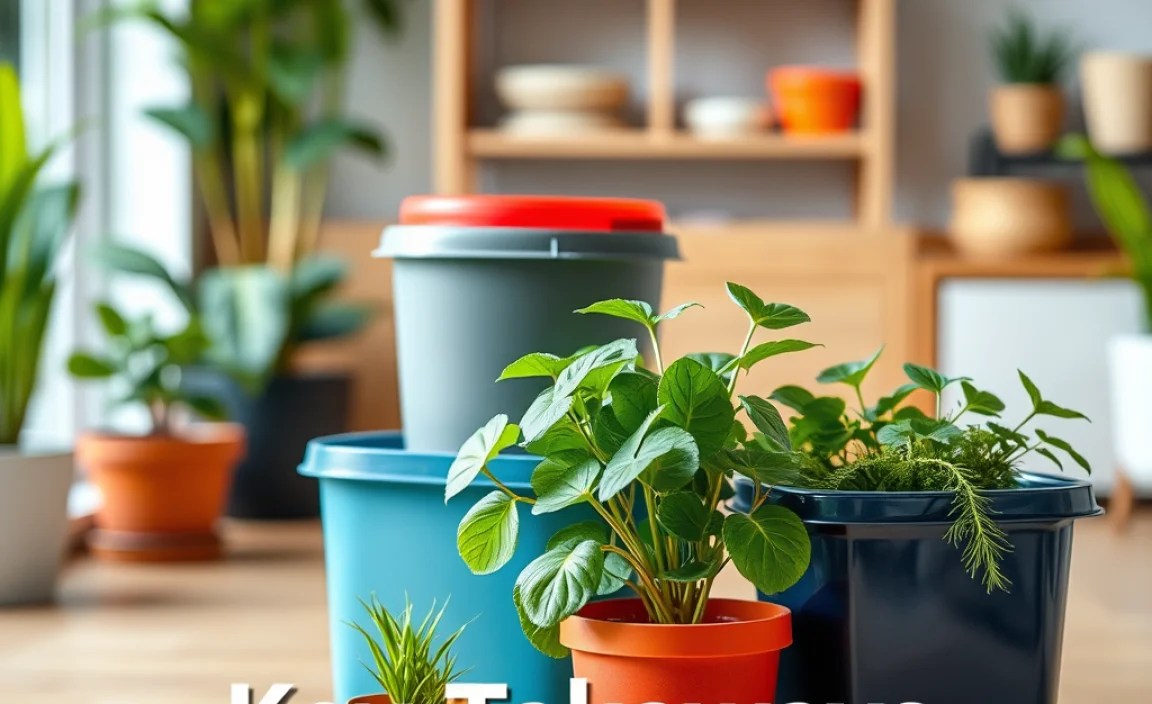
Key Takeaways
- Plastic containers for gardening help you grow plants anywhere, even with limited space.
- Choose the right size and type of container for the plants you want to grow.
- Proper drainage is essential to prevent overwatering and keep roots healthy.
- Recycled plastic containers are an eco-friendly option for gardening.
- Regular watering and feeding ensure healthy growth in plastic containers.

Choosing the Right Plastic Containers for Gardening
Picking the best plastic containers for gardening is important. The right container helps plants grow big and strong. Think about what you want to grow. Some plants need big pots. Others do well in small ones. Consider the size of the plant when it is fully grown. A tiny seed can become a huge plant. Make sure the container is large enough for the roots. Also, think about where you will put the container. Big containers can be heavy to move. Small containers dry out faster. Dark-colored containers get hotter in the sun. Light-colored containers stay cooler. Drainage is another key thing to think about. Make sure the container has holes in the bottom. These holes let extra water escape. Plants do not like sitting in soggy soil. Good drainage helps keep the roots healthy. Look for containers made from strong, durable plastic. This will help them last longer. With the right plastic container, your plants will thrive!
- Consider the size of your plants.
- Think about where you will place the containers.
- Check for good drainage holes.
- Choose durable plastic materials.
- Select light or dark colors based on the climate.
Gardening with plastic containers is fun. It is also a great way to learn. You can teach yourself about plants and nature. You can watch seeds sprout into tiny plants. You can see how they grow bigger every day. Gardening can teach you patience. It takes time for plants to grow. It can teach you responsibility. Plants need water and food. It can also teach you about science. You can learn how plants use sunlight to make food. You can learn about different types of soil. You can even learn about bugs and insects. Some bugs help plants. Others can hurt them. Gardening with plastic containers is a fun way to learn and grow yourself.
Fun Fact or Stat: Over 50% of households in the US grow some of their own food in containers!
How Big Should My Containers Be?
Have you ever wondered how big your container should be? Size matters when it comes to gardening. A small plant in a big pot can get too much water. A big plant in a small pot can get root-bound. Root-bound means the roots run out of space. They start circling around inside the pot. This can stop the plant from growing well. For small plants like herbs, a 6-inch pot might be enough. For medium-sized plants like tomatoes, you might need a 12-inch pot. For large plants like small trees, you might need an even bigger pot. Always check the plant’s label. The label will tell you how big the plant will get. It will also tell you what size pot you need. You can also ask someone at the garden store for help. They can give you advice on the right size container for your plants.
Drainage: Why It’s So Important
Why is drainage so important in plastic containers for gardening? Imagine wearing wet socks all day. Your feet would feel soggy and uncomfortable. Plants feel the same way when their roots sit in water. Good drainage lets extra water flow out of the pot. This stops the roots from rotting. Root rot is a disease that kills plants. Make sure your plastic containers have holes in the bottom. If they don’t, you can drill some yourself. You can also add a layer of gravel at the bottom of the pot. This helps water drain away from the roots. Always check the soil after watering. If the soil is still soggy after a few hours, you need better drainage. Your plants will thank you for it.
Choosing the Right Type of Plastic
Not all plastic containers are the same. Some plastics are better for gardening than others. Look for containers made from durable, UV-resistant plastic. UV-resistant plastic will not break down in the sun. Some plastic containers are made from recycled plastic. These are a good choice for the environment. Avoid using containers made from thin, flimsy plastic. These can crack easily. Also, avoid using containers that have been used for chemicals. These chemicals can harm your plants. Always clean your plastic containers before using them. You can use soap and water to clean them. Make sure to rinse them well. This will help your plants grow healthy and strong.

Best Plants for Plastic Container Gardening
Many plants love growing in plastic containers for gardening. Herbs like basil, mint, and rosemary do very well. They don’t need a lot of space. Vegetables like tomatoes, peppers, and lettuce are also good choices. They need a little more space. Flowers like petunias, marigolds, and pansies are beautiful in containers. They add color to your garden. When choosing plants, think about the sunlight. Some plants need lots of sun. Others do well in shade. Read the plant labels carefully. They will tell you how much sun the plant needs. Also, think about the size of the plant. Some plants get very big. They need a large container. Others stay small. They can grow in a smaller container. With the right plants, your plastic container garden will be a success.
- Herbs like basil and mint are easy to grow.
- Tomatoes and peppers thrive in larger containers.
- Petunias and marigolds add color and beauty.
- Choose plants based on sunlight needs.
- Consider the size of the plant when full-grown.
- Mix different plants for a varied garden.
Gardening is a fun way to connect with nature. It helps you learn about the world around you. You get to see how plants grow from tiny seeds. You learn about the different parts of a plant. You learn about the importance of sunlight and water. Gardening can also be a calming activity. It can help you relax and reduce stress. When you are gardening, you are focused on the plants. You are not thinking about your worries. Gardening can also be a social activity. You can garden with your family and friends. You can share your harvest with others. Gardening is a gift that keeps on giving. It brings joy and beauty to your life.
Fun Fact or Stat: Container gardens can produce up to 50% more vegetables per square foot than traditional gardens!
Herbs That Thrive in Containers
Do you like fresh herbs? Growing them in plastic containers is easy. Basil is a great choice. It loves the sun and smells wonderful. Mint is another good option. Be careful, though. Mint can spread quickly. It’s best to keep it in its own container. Rosemary is a woody herb that does well in pots. It needs well-drained soil. Parsley is a versatile herb that grows well in containers. It likes partial shade. Chives are easy to grow and add a mild onion flavor to dishes. Make sure to water your herbs regularly. They will add fresh flavor to your meals.
Vegetables That Love Pots
Have you ever thought about growing vegetables in pots? Tomatoes are a popular choice. Choose a dwarf variety for smaller containers. Peppers also do well in pots. They need lots of sunlight. Lettuce is easy to grow in containers. You can harvest the leaves as you need them. Spinach is another leafy green that thrives in pots. Carrots can be grown in deep containers. Radishes are quick to grow and perfect for small spaces. Make sure to give your vegetables plenty of water and fertilizer. You’ll be enjoying fresh veggies in no time.
Flowers for Colorful Containers
Want to add some color to your plastic container garden? Petunias are a great choice. They come in many colors and bloom all summer. Marigolds are another easy-to-grow flower. They attract butterflies and repel pests. Pansies are perfect for cooler weather. They come in a variety of colors and patterns. Impatiens are a good choice for shady areas. They bloom all summer long. Geraniums are classic container flowers. They are easy to care for and come in many colors. Choose a mix of colors and textures to create a beautiful container garden.

Watering Tips for Plastic Container Gardens
Watering is very important for plastic container gardening. Plastic containers dry out faster than gardens in the ground. The sun heats the plastic, and the water evaporates. Check your plants every day. Stick your finger in the soil. If the soil feels dry, it’s time to water. Water deeply until water comes out of the drainage holes. This makes sure the roots get enough water. Water in the morning or evening. Avoid watering in the middle of the day. The sun can burn the leaves if they are wet. Use a watering can or a hose with a gentle sprayer. Don’t use a strong stream of water. It can damage the plants. With the right watering habits, your plants will stay healthy and strong.
- Check soil moisture daily.
- Water deeply until water drains out.
- Water in the morning or evening.
- Use a gentle watering method.
- Avoid overwatering, which can cause root rot.
Do you know why plants need water? Water helps plants grow. It carries nutrients from the soil to the leaves. It also helps plants make food. Plants use sunlight, water, and carbon dioxide to make food. This process is called photosynthesis. Without water, plants cannot survive. Different plants need different amounts of water. Some plants like to be kept moist. Others like to dry out between waterings. Learn about the water needs of your plants. This will help you keep them healthy. Overwatering can be just as bad as underwatering. It can cause the roots to rot. So, check the soil before you water. Your plants will thank you for your care.
Fun Fact or Stat: Overwatering is one of the most common mistakes made by beginner gardeners!
How Often Should I Water?
How often should you water your plastic container garden? It depends on several things. The weather plays a big role. Hot, sunny days dry out the soil faster. Windy days also dry out the soil quickly. The type of plant is also important. Some plants need more water than others. The size of the container matters too. Smaller containers dry out faster than larger ones. Check the soil every day. If the top inch of soil is dry, it’s time to water. In hot weather, you might need to water every day. In cooler weather, you might only need to water every few days. Pay attention to your plants. They will tell you when they need water.
Signs of Overwatering
How can you tell if you are overwatering your plants? One sign is yellowing leaves. The leaves might also feel soft and mushy. Another sign is wilting. Overwatered plants can wilt just like underwatered plants. The soil might also smell bad. This is because of root rot. Root rot is a disease that happens when the roots sit in water for too long. The roots start to decay. If you see these signs, stop watering. Let the soil dry out completely. You might also need to repot the plant in fresh soil. Make sure the new pot has good drainage. Prevention is the best cure. Check the soil before you water. Only water when the soil is dry.
Best Time of Day to Water
What is the best time of day to water your plants in plastic containers? The morning is usually the best time. This gives the plants time to dry out during the day. Wet leaves at night can lead to fungal diseases. If you can’t water in the morning, the evening is the next best choice. Avoid watering in the middle of the day. The sun can burn the wet leaves. The water can also evaporate before it reaches the roots. Watering at the right time of day can help your plants stay healthy and strong. They will grow better and produce more flowers and vegetables.

Soil and Nutrients for Container Gardens
The right soil is important for plastic container gardening. Regular garden soil is often too heavy for containers. It can compact and prevent good drainage. Use a potting mix instead. Potting mix is lighter and fluffier than garden soil. It drains well and provides good aeration for the roots. You can buy potting mix at any garden store. You can also make your own potting mix. A simple mix is equal parts peat moss, perlite, and vermiculite. Nutrients are also important for healthy plant growth. Plants need nutrients like nitrogen, phosphorus, and potassium. You can add nutrients to the soil with fertilizer. Use a slow-release fertilizer for containers. It will provide nutrients to the plants over time. Follow the instructions on the fertilizer label. With the right soil and nutrients, your plants will thrive in their plastic containers.
- Use potting mix, not garden soil.
- Potting mix provides good drainage.
- Add slow-release fertilizer.
- Provide essential nutrients.
- Follow fertilizer instructions carefully.
Have you ever wondered where plants get their food? Plants make their own food through photosynthesis. But they also need nutrients from the soil. Nutrients are like vitamins for plants. They help plants grow strong and healthy. Nitrogen helps plants grow green leaves. Phosphorus helps plants develop strong roots and flowers. Potassium helps plants resist diseases. If your plants are not getting enough nutrients, they might look pale or stunted. They might not produce many flowers or vegetables. Adding fertilizer to the soil can help correct these problems. Choose a fertilizer that is right for your plants. Some fertilizers are designed for vegetables. Others are designed for flowers. Read the label carefully to make sure you are using the right fertilizer.
Fun Fact or Stat: Plants get their nutrients from the soil, air, and water!
Choosing the Right Potting Mix
How do you choose the right potting mix for your plastic container garden? Look for a mix that is lightweight and well-draining. Avoid mixes that are heavy and compact. Check the ingredients. A good potting mix will contain peat moss, perlite, and vermiculite. Peat moss helps retain moisture. Perlite helps with drainage. Vermiculite helps retain nutrients. You can also add compost to your potting mix. Compost adds nutrients and improves soil structure. Avoid using garden soil in containers. It is too heavy and does not drain well. The right potting mix will help your plants thrive.
Understanding Nutrients
What are nutrients, and why are they important for your plastic containers for gardening? Nutrients are essential elements that plants need to grow. The three main nutrients are nitrogen (N), phosphorus (P), and potassium (K). Nitrogen helps plants grow green leaves. Phosphorus helps plants develop strong roots and flowers. Potassium helps plants resist diseases. You can find these nutrients listed on fertilizer labels. The numbers on the label represent the percentage of each nutrient. For example, a fertilizer labeled 10-10-10 contains 10% nitrogen, 10% phosphorus, and 10% potassium. Choose a fertilizer that is right for your plants. Follow the instructions on the label carefully. Too much fertilizer can harm your plants.
Fertilizing Your Container Garden
How often should you fertilize your plastic container garden? It depends on the type of fertilizer you are using. Slow-release fertilizers release nutrients over time. You only need to apply them once or twice during the growing season. Liquid fertilizers need to be applied more often. Follow the instructions on the fertilizer label. Water your plants before you fertilize. This helps prevent root burn. Root burn happens when the fertilizer is too concentrated and damages the roots. Avoid fertilizing dry soil. Fertilizing your plants regularly will help them grow strong and healthy. They will produce more flowers and vegetables.
Dealing with Pests in Plastic Containers
Pests can be a problem in plastic containers for gardening. Bugs like aphids, spider mites, and whiteflies can attack your plants. These pests suck the sap from the leaves. This can weaken the plants and stop them from growing. Check your plants regularly for pests. Look under the leaves and on the stems. If you see pests, take action right away. You can wash the plants with a strong stream of water. This will knock the pests off. You can also use insecticidal soap. Insecticidal soap is a safe and effective way to kill pests. Follow the instructions on the label carefully. You can also attract beneficial insects to your garden. Beneficial insects like ladybugs and lacewings eat pests. They can help keep your garden healthy. With a little care, you can keep pests under control in your plastic container garden.
- Check plants regularly for pests.
- Wash plants with water.
- Use insecticidal soap.
- Attract beneficial insects.
- Remove infested leaves.
Do you know why pests attack plants? Pests are attracted to weak or stressed plants. Plants that are not getting enough water or nutrients are more likely to be attacked by pests. Plants that are growing in poor soil are also more vulnerable. Keeping your plants healthy is the best way to prevent pests. Make sure your plants are getting enough water and nutrients. Use a good quality potting mix. Choose plants that are resistant to pests. With a little care, you can keep your plants healthy and pest-free. A healthy garden is a happy garden.
Fun Fact or Stat: Ladybugs can eat up to 50 aphids per day!
Identifying Common Pests
How can you identify common pests in your plastic container garden? Aphids are small, soft-bodied insects that come in many colors. They often cluster on new growth. Spider mites are tiny, spider-like creatures that create webs on plants. Whiteflies are small, white, flying insects that flutter around plants when disturbed. Caterpillars are the larvae of moths and butterflies. They chew on leaves. Slugs and snails are slimy creatures that eat holes in leaves. Knowing what the pests look like will help you take action quickly.
Natural Pest Control Methods
What are some natural ways to control pests in your plastic containers for gardening? One method is to wash the plants with a strong stream of water. This will knock the pests off. Another method is to use insecticidal soap. Insecticidal soap is a safe and effective way to kill pests. You can also attract beneficial insects to your garden. Ladybugs, lacewings, and parasitic wasps are all beneficial insects that eat pests. You can also use companion planting. Companion planting is planting certain plants together that help each other. For example, marigolds repel many pests. Planting marigolds near your vegetables can help protect them from pests.
When to Use Chemical Controls
When should you use chemical controls for pests in your plastic container garden? Chemical controls should be a last resort. Try natural methods first. If the infestation is severe and natural methods are not working, you might need to use chemical controls. Choose a product that is specifically designed for the pest you are trying to control. Follow the instructions on the label carefully. Wear gloves and eye protection when using chemical controls. Apply the product in the evening or early morning to avoid harming beneficial insects. Use chemical controls sparingly and only when necessary.
Repotting Plants in Plastic Containers
Repotting is sometimes needed in plastic containers for gardening. Plants can outgrow their containers. The roots can become root-bound. Root-bound means the roots are circling around inside the pot. This can stop the plant from growing. Repotting gives the plant more room to grow. Choose a new container that is slightly larger than the old one. Gently remove the plant from the old container. Loosen the roots. Place the plant in the new container. Fill the container with fresh potting mix. Water the plant well. Repotting can help your plants stay healthy and strong. It gives them a new lease on life. With a little care, your plants will thrive in their new plastic containers.
| Container Size | Plant Type | Repotting Frequency | Signs of Needing Repotting |
|---|---|---|---|
| Small (6-inch) | Herbs | Annually | Roots emerging from drainage holes |
| Medium (12-inch) | Tomatoes | Annually | Slow growth, yellowing leaves |
| Large (18-inch) | Peppers | Every 2 years | Soil drying out too quickly |
| Extra Large (24-inch+) | Small Trees | Every 3 years | Plant becoming top-heavy |
- Choose a slightly larger container.
- Loosen the roots gently.
- Use fresh potting mix.
- Water well after repotting.
- Repot when roots are root-bound.
- Repot in the spring or fall.
Do you know why repotting is important? Repotting provides fresh soil for the plant. Over time, the soil in the container can become depleted of nutrients. Repotting gives the plant a new source of nutrients. Repotting also gives the plant more room to grow. The roots can spread out and absorb more water and nutrients. Repotting can also help improve drainage. Old potting mix can become compacted and prevent good drainage. Fresh potting mix will drain better. Repotting is a simple way to keep your plants healthy and thriving. It’s like giving them a fresh start.
Fun Fact or Stat: Repotting can stimulate new growth in plants!
Signs Your Plant Needs Repotting
What are the signs that your plant needs repotting in its plastic container? One sign is roots growing out of the drainage holes. This means the roots have run out of space in the container. Another sign is slow growth. If your plant is not growing as fast as it used to, it might need repotting. Yellowing leaves can also be a sign of root-bound plants. The leaves might also be smaller than usual. The soil might dry out very quickly. This means the roots are taking up all the available water. If you see these signs, it’s time to repot your plant.
How to Repot a Plant
How do you repot a plant in a plastic container? First, choose a new container that is slightly larger than the old one. Fill the new container with fresh potting mix. Gently remove the plant from the old container. You might need to tap the sides of the container to loosen the roots. Loosen the roots gently with your fingers. Place the plant in the new container. Make sure the top of the root ball is level with the top of the container. Fill the container with more potting mix. Water the plant well. Place the plant in a shady spot for a few days to help it adjust to its new home.
Caring for Your Plant After Repotting
How do you care for your plant after repotting it in its plastic container? Water the plant well after repotting. This will help settle the soil and get the roots established. Place the plant in a shady spot for a few days. This will help it adjust to its new home. Avoid fertilizing the plant for a few weeks. The fresh potting mix already contains nutrients. After a few weeks, you can start fertilizing the plant again. Check the soil regularly and water as needed. With a little care, your plant will thrive in its new container.
Summary
Plastic containers for gardening are a simple way to grow plants. They come in many sizes and colors. You can grow herbs, vegetables, and flowers. Choosing the right container is important. Make sure it has good drainage. Water your plants regularly. Use a good quality potting mix. Protect your plants from pests. Repot your plants when they outgrow their containers. With a little care, you can create a beautiful and productive plastic container garden. It’s a fun and easy way to enjoy nature.
Growing plants in plastic containers brings nature close to you. You can easily manage them on patios, balconies, or small yards. Container gardening is adaptable, letting you grow what you like. With the right methods, you can enjoy fresh herbs, veggies, and lovely flowers. It’s a rewarding way to learn about plants and enjoy the outdoors. Start your own garden today and watch your plants thrive.
Conclusion
Plastic containers for gardening offer a simple way to start gardening. You can grow plants even if you don’t have a big yard. Choose the right containers, soil, and plants. Water and fertilize them regularly. Watch out for pests. Enjoy the beauty and fresh food that your garden brings. With the right care, your plastic container garden will flourish. Have fun and happy gardening!
Frequently Asked Questions
Question No 1: What are the benefits of using plastic containers for gardening?
Answer: Plastic containers are lightweight and easy to move. They come in many sizes and shapes. They are also affordable and durable. Plastic containers allow you to garden in small spaces. You can grow plants on balconies, patios, and decks. They help control soil conditions. This makes it easier to grow healthy plants. Plastic containers are a great option for beginners and experienced gardeners alike. They make gardening accessible to everyone, no matter their space or experience. Plus, they are easy to clean and store when not in use.
Question No 2: Can I use any type of plastic container for gardening?
Answer: Not all plastic containers are safe for gardening. Some plastics can leach chemicals into the soil. Look for containers labeled as food-safe or BPA-free. These are safe for growing edible plants. Avoid using containers that have been used for chemicals or other harmful substances. Clean used containers thoroughly before planting. You can wash them with soap and water. Rinse them well. Using the right type of plastic container will help ensure your plants are healthy and safe to eat. It’s always best to be cautious when it comes to the materials you use for gardening.
Question No 3: How do I choose the right size container for my plants?
Answer: The size of the container depends on the plant you are growing. Small plants like herbs and lettuce can grow in smaller containers. Larger plants like tomatoes and peppers need bigger containers. Check the plant label for information on the plant’s mature size. Choose a container that is large enough to accommodate the roots. A good rule of thumb is to choose a container that is at least 12 inches in diameter. This will give the roots plenty of room to grow. Remember, it’s better to go bigger than smaller when it comes to container size.
Question No 4: How do I ensure proper drainage in my plastic containers?
Answer: Proper drainage is essential for healthy plant growth. Make sure your plastic containers have drainage holes in the bottom. If they don’t, you can drill some yourself. Add a layer of gravel or rocks to the bottom of the container. This will help improve drainage. Use a well-draining potting mix. Avoid using garden soil, as it can compact and prevent drainage. Water your plants thoroughly, but don’t let them sit in standing water. Good drainage will prevent root rot and other problems.
Question No 5: How often should I water my plants in plastic containers?
Answer: How often you need to water depends on several factors. These factors include the weather, the type of plant, and the size of the container. Check the soil moisture regularly. Stick your finger in the soil. If the top inch feels dry, it’s time to water. Water deeply until water drains out of the bottom of the container. Avoid overwatering, as this can lead to root rot. In hot weather, you may need to water daily. In cooler weather, you may only need to water every few days. Adjust your watering schedule based on the needs of your plants.
Question No 6: What are some common problems with plastic container gardening and how can I solve them?
Answer: One common problem is pests. Check your plants regularly for pests. Use insecticidal soap or other natural pest control methods. Another common problem is nutrient deficiencies. Fertilize your plants regularly with a balanced fertilizer. Overwatering and underwatering are also common problems. Check the soil moisture regularly and water accordingly. Root-bound plants are another issue. Repot your plants into larger containers when they become root-bound. By addressing these common problems, you can keep your plastic container garden healthy and thriving.
