Have you ever wondered where your yummy fruits and veggies come from? Many start as tiny seeds. Gardeners often start seeds indoors. This helps them get a head start for spring planting. It’s like giving your plants a cozy home before they face the big world.
Why wait for warm weather? You can start seeds indoors. This gives you stronger plants. They will be ready for spring planting. It’s a fun way to grow your own food!
Key Takeaways
- Starting seeds indoors helps plants grow strong before spring planting.
- Use clean containers and good soil for healthy seedlings.
- Give your seedlings enough light and water.
- Harden off your plants before moving them outside.
- Spring planting is the best time to move indoor plants outside.
Why Start Seeds Indoors for Spring Planting?

Starting seeds indoors gives your plants a head start. You can begin growing them before the weather outside is warm enough. This is especially helpful if you live in a place with short summers. Imagine you want to grow tomatoes. Tomatoes need a long time to grow. If you wait until spring planting, you might not get many tomatoes before it gets cold again. But if you start seeds indoors, your tomato plants will be bigger and stronger when you plant them outside. They will have more time to grow and produce lots of yummy tomatoes. It’s like giving them a super boost! Plus, it’s super fun to watch them grow. You get to see tiny sprouts turn into real plants.
- It extends the growing season.
- You get a wider choice of plants.
- You can protect plants from bad weather.
- You control the growing conditions.
- It saves money compared to buying seedlings.
Thinking about spring planting can be exciting. You envision a garden full of life. But you also know that some plants need a little help. That’s why starting seeds indoors is so important. It gives delicate seedlings a safe place to grow. They don’t have to face harsh winds or hungry bugs. You can control the temperature, water, and light. This helps them grow strong and healthy. When spring planting time comes, your plants will be ready to thrive. They will be bigger and stronger than if you had planted the seeds directly in the ground. Plus, you get to enjoy the satisfaction of nurturing them from tiny seeds to vibrant plants.
Fun Fact or Stat: Did you know that some plants, like peppers, need 6-8 weeks indoors before they can be planted outside?
What Are the Benefits of Starting Early?
Do you know why some gardeners start seeds indoors? It’s like giving your plants a VIP pass to the growing season! By starting seeds indoors, you’re essentially creating a mini-nursery. This allows you to control the environment. You can ensure the temperature is just right. You can provide the perfect amount of light and water. This is super important for delicate seedlings. They need extra care in their early stages. When you start seeds indoors, you also protect them from pests and diseases. These can easily harm young plants. Think of it as building a fortress around your little sprouts. This way, when spring planting arrives, your plants are strong and ready to take on the world.
How Does Indoor Growing Affect Plant Health?
Have you ever wondered if plants grown indoors are healthier? Well, starting seeds indoors can actually make your plants stronger. When you start seeds indoors, you create the perfect environment. This helps plants develop strong roots and healthy leaves. It’s like giving them a super-powered start. Plus, growing indoors protects them from sudden weather changes. Outdoor weather can be unpredictable. Imagine a sudden frost. It could kill young seedlings. But indoors, you control the temperature. You can ensure they are always cozy and warm. This means your plants are less stressed. They can focus on growing big and strong. Then, when it’s time for spring planting, they’re ready to thrive in the garden.
Can Indoor Seed Starting Save Money?
Have you ever thought about saving money while gardening? Starting seeds indoors can help you do just that! Buying seedlings from a store can be expensive. But buying a packet of seeds is much cheaper. You can grow many plants from one packet. This is a great way to save money. It’s like getting a whole garden for the price of a few seedlings. Plus, when you start seeds indoors, you can reuse containers. You can use old yogurt cups or plastic trays. This reduces waste and saves even more money. Spring planting can be affordable and fun. It is possible to grow your own food. It feels great to know you saved money and helped the environment.
Choosing the Right Seeds for Indoor Starting

Choosing the right seeds is super important. It’s like picking the best players for your team. Some seeds are better suited for starting seeds indoors. These plants like a longer growing season. Tomatoes, peppers, and eggplants are great examples. They need extra time to mature. Starting seeds indoors gives them that head start. Other plants, like carrots and radishes, do better when planted directly in the ground. They don’t like being moved. So, it’s important to do your research. Read the seed packets carefully. They will tell you if a plant is good for starting seeds indoors. This will help you have a successful spring planting season. Choosing the right seeds is the first step to a thriving garden.
- Select seeds based on your climate.
- Choose seeds that match your garden space.
- Consider disease-resistant varieties.
- Check the expiration date on the seed packet.
- Read reviews to find reliable seed companies.
- Think about what you and your family like to eat.
Spring planting is a time of excitement and hope. But before you rush out to the garden, think about your seeds. Not all seeds are created equal. Some need a little extra love and care. That’s where starting seeds indoors comes in. By choosing the right seeds, you’re setting yourself up for success. Imagine planting tomato seeds indoors. You nurture them into strong, healthy seedlings. Then, when spring arrives, you transplant them into your garden. You know they have a good chance of thriving. This is because you chose seeds that benefit from an indoor start. It’s like giving your plants the best possible start in life. When you choose the right seeds, you’re not just planting a garden. You’re creating a future harvest.
Fun Fact or Stat: Some heirloom tomato varieties can take up to 100 days to mature. Starting them indoors is essential in cooler climates!
Which Vegetables Benefit Most From Indoor Start?
Have you ever wondered which veggies love to be started seeds indoors? Some vegetables really thrive when you give them a head start. Tomatoes are a classic example. They need a long, warm growing season. Peppers are another great choice. They also take their time to mature. Eggplants are similar. They love the warmth and protection of indoor growing. Starting seeds indoors gives these veggies a boost. It allows them to get bigger and stronger. Then, when spring planting comes, they’re ready to take off in your garden. This means you’ll get to enjoy a bigger, better harvest. It’s like giving your veggies a super-powered advantage.
Are There Flowers That Should Be Started Indoors?
Did you know that flowers can also benefit from starting seeds indoors? Some flowers need a long time to bloom. Starting seeds indoors gives them the extra time they need. Petunias, for example, are beautiful flowers. They look great in hanging baskets. But they need a head start to bloom early. Impatiens are another good choice. They love shade and add color to your garden. Starting seeds indoors helps them get a jump on the season. This means you’ll have colorful flowers blooming earlier. It’s like adding a splash of sunshine to your garden sooner.
How Do You Select High-Quality Seeds?
Choosing high-quality seeds is key to a great garden. It’s like choosing the best ingredients for a delicious recipe. Look for seeds from reputable companies. These companies test their seeds for germination. This means the seeds are more likely to sprout. Check the expiration date on the seed packet. Old seeds may not germinate as well. Read reviews from other gardeners. They can tell you which seeds have worked well for them. Starting seeds indoors is easier with good quality seeds. It’s like having a secret weapon for your garden. You’ll be more likely to have a successful spring planting season.
Setting Up Your Indoor Seed Starting Station

Starting seeds indoors is like setting up a mini science lab. You need a good space. Choose a spot with plenty of light. A sunny windowsill can work. But often, you need extra help. Grow lights are perfect for this. They provide the right amount of light. You also need containers. Small pots or trays are ideal. Make sure they have drainage holes. This prevents the soil from getting too wet. Use a good quality seed starting mix. This is different from regular potting soil. It’s lighter and helps seeds sprout easily. Spring planting success starts with a good setup. A well-organized station makes the process fun. It is also very efficient.
- Choose a well-lit area or use grow lights.
- Use clean containers with drainage holes.
- Select a seed-starting mix.
- Maintain a consistent temperature.
- Keep the soil moist, but not soggy.
- Label your seed containers clearly.
The key to successful spring planting is preparation. Starting seeds indoors requires a little bit of planning. You need to create the right environment for your seeds to thrive. Think of it as building a cozy home for your tiny plants. You want to make sure they have everything they need. This includes light, water, and warmth. A dedicated seed starting station helps you stay organized. It allows you to monitor your plants closely. You can adjust the conditions as needed. This ensures your seedlings grow strong and healthy. When spring planting time comes, you’ll have a batch of robust plants ready to take on the garden. It’s like giving them the best possible start in life.
Fun Fact or Stat: Seed starting mixes are sterile. This means they don’t contain harmful bacteria or fungi that can hurt young seedlings.
What Kind of Lighting is Best?
Do you know how important light is for starting seeds indoors? Plants need light to grow. Just like we need food, plants need light to make their own food. A sunny windowsill can work. But it might not provide enough light. Especially on cloudy days. Grow lights are a great solution. They give plants the right amount of light. Fluorescent lights are a good option. They are energy-efficient and don’t get too hot. LED lights are even better. They use less energy and last longer. Starting seeds indoors with the right light helps plants grow strong. They’ll be ready for spring planting. It’s like giving them a daily dose of sunshine.
How Important is Temperature Control?
Have you ever felt too hot or too cold? Plants feel that way too! Temperature control is super important when starting seeds indoors. Seeds need warmth to sprout. A temperature of around 70-75°F is ideal. You can use a heat mat to warm the soil. Once the seeds sprout, you can lower the temperature a bit. A cooler temperature helps prevent leggy growth. Leggy plants are tall and weak. They are not as strong. Starting seeds indoors with the right temperature helps plants grow healthy. It prepares them for spring planting.
What Type of Containers Should You Use?
Choosing the right containers is important for starting seeds indoors. Small pots or trays are a good choice. Make sure they have drainage holes. This allows extra water to drain out. You can also use recycled containers. Yogurt cups or plastic trays work well. Just make sure to clean them first. Peat pots are another option. You can plant them directly in the ground. This reduces transplant shock. Starting seeds indoors with the right containers makes planting easier. It also helps your plants grow better. They’ll be ready for spring planting when the time comes.
The Seed Starting Process: Step-by-Step
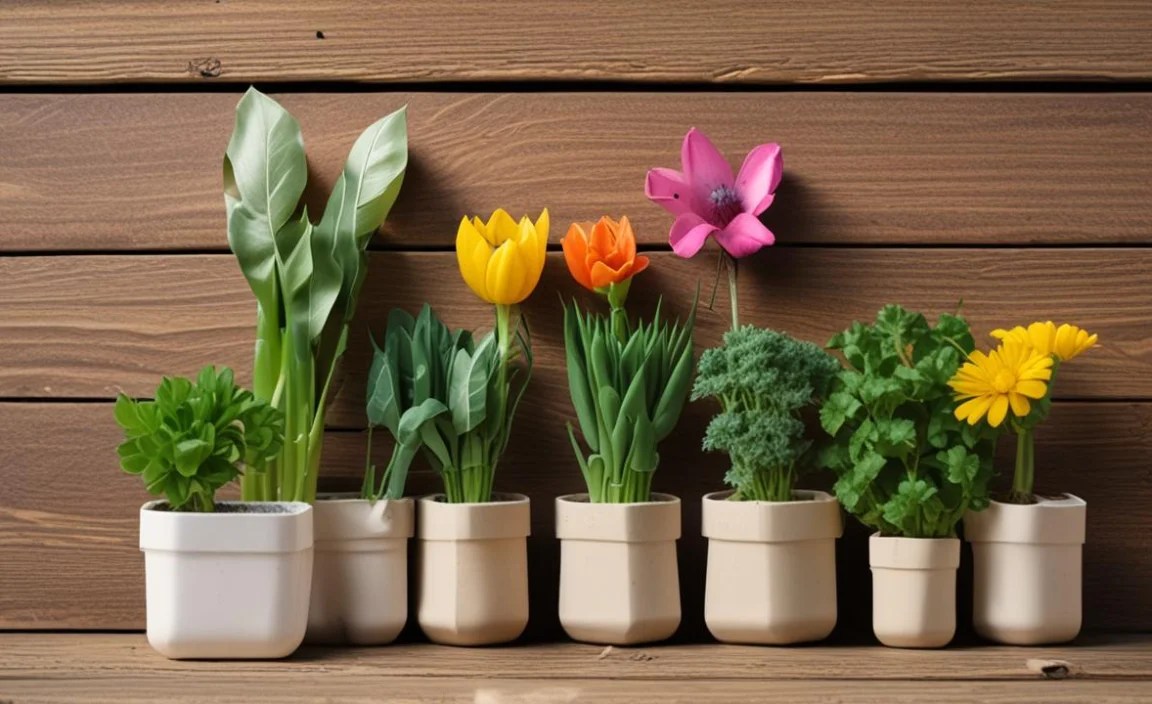
Starting seeds indoors is a fun and rewarding process. First, you need to prepare your containers. Fill them with seed starting mix. Then, make a small hole in the soil. Place the seed in the hole. Cover it gently with soil. Water the soil gently. You don’t want to wash the seeds away. Keep the soil moist. Place the containers in a warm place. Once the seeds sprout, move them to a bright location. This could be a sunny windowsill or under grow lights. As the plants grow, you may need to transplant them into larger containers. This gives them more room to grow. Spring planting will be here before you know it. Your plants will be ready to go into the garden.
| Step | Description |
|---|---|
| 1 | Prepare containers with seed starting mix. |
| 2 | Make a small hole in the soil and place the seed. |
| 3 | Cover the seed gently with soil and water. |
| 4 | Keep the soil moist and place in a warm location. |
| 5 | Move seedlings to a bright location after sprouting. |
The journey of starting seeds indoors is like watching a tiny miracle unfold. You start with a small, dry seed. You plant it in soil, water it, and wait. Then, a tiny sprout emerges. It reaches for the light. It’s an amazing thing to witness. Each step in the process is important. Preparing the containers, planting the seeds, watering them gently. These all contribute to the success of your plants. Spring planting is the ultimate goal. But the journey of starting seeds indoors is just as rewarding. It teaches you patience, care, and the wonders of nature. When you finally transplant your seedlings into the garden, you’ll feel a sense of accomplishment. You’ve nurtured them from tiny seeds to strong, healthy plants.
Fun Fact or Stat: Some seeds need to be soaked in water before planting to help them germinate faster.
How Deep Should You Plant Seeds?
Have you ever wondered how deep to plant a seed? It’s an important question for starting seeds indoors. Planting too deep can prevent the seed from sprouting. Planting too shallow can cause the seed to dry out. A general rule of thumb is to plant the seed twice as deep as its width. Small seeds need to be planted closer to the surface. Large seeds can be planted a bit deeper. Read the seed packet for specific instructions. Starting seeds indoors requires attention to detail. Planting at the right depth is one of those details. It helps ensure your seeds sprout successfully. Then you will be ready for spring planting.
How Often Should You Water Seedlings?
Watering seedlings is a delicate balance. You don’t want to overwater them. This can lead to root rot. You also don’t want to underwater them. This can cause them to dry out. Check the soil moisture regularly. If the top inch of soil feels dry, it’s time to water. Water gently to avoid disturbing the seedlings. A spray bottle is a good option. Starting seeds indoors requires careful watering. It helps your seedlings grow strong and healthy. This prepares them for spring planting.
When Should You Transplant Seedlings?
Knowing when to transplant seedlings is key. It’s like knowing when a baby bird is ready to leave the nest. Transplant seedlings when they have their first set of true leaves. True leaves are the second set of leaves that appear. They look different from the first set. Gently remove the seedling from its container. Be careful not to damage the roots. Plant it in a larger container with fresh potting soil. Water it gently. Starting seeds indoors often involves transplanting. It gives your plants more room to grow. It helps them get ready for spring planting.
Hardening Off Your Seedlings

Hardening off is a very important step. It prepares your seedlings for the real world. The outdoors can be harsh. The sun is stronger, the wind blows, and the temperature changes. If you move your seedlings directly from indoors to outdoors, they can get shocked. They might even die. Hardening off is a gradual process. You slowly introduce your seedlings to the outdoor elements. Start by placing them outside for just an hour or two each day. Gradually increase the amount of time they spend outside. Protect them from strong winds and direct sunlight at first. After a week or two, they should be ready for spring planting. Starting seeds indoors is only half the battle. Hardening off ensures your plants survive and thrive.
- Gradually expose seedlings to outdoor conditions.
- Start with an hour or two of outdoor time per day.
- Protect seedlings from strong winds and direct sun.
- Increase outdoor time each day for a week or two.
- Monitor seedlings for signs of stress.
Imagine you’re preparing for a big race. You wouldn’t just jump in and start running. You’d train, gradually increasing your distance and intensity. Hardening off is like training for your seedlings. It prepares them for the challenges of the outdoor environment. When you start seeds indoors, you create a cozy, controlled environment. But the real world is different. The sun is stronger, the wind blows, and the temperature fluctuates. Hardening off helps your seedlings adjust to these changes. It strengthens their stems, thickens their leaves, and prepares them for spring planting. It’s a crucial step that ensures your plants will thrive in your garden. Without it, your seedlings might struggle to survive.
Fun Fact or Stat: Hardening off can prevent sunburn on young seedlings.
Why is Hardening Off Necessary?
Have you ever wondered why hardening off is so important? It’s like giving your plants a crash course in outdoor survival! Starting seeds indoors creates a comfy environment. But the outdoors is a whole different ballgame. The sun is stronger. The wind is harsher. The temperature changes quickly. Without hardening off, your seedlings can get shocked. They can get sunburned. They can get damaged by the wind. Hardening off gradually prepares them for these challenges. It strengthens their stems. It thickens their leaves. It makes them more resilient. This ensures they’re ready for spring planting.
How Long Does Hardening Off Take?
How long does it take to harden off seedlings? Usually, it takes about a week or two. You start by placing them outside for just an hour or two each day. Gradually increase the amount of time they spend outside. Watch them carefully for signs of stress. If they start to wilt or get sunburned, bring them back inside. Reduce the amount of time you expose them. Starting seeds indoors requires patience. Hardening off is no exception. It’s a gradual process that takes time. But it’s worth it. It ensures your seedlings are ready for spring planting.
What Are the Signs of Stress During Hardening Off?
Knowing the signs of stress is important during hardening off. It’s like knowing when a friend needs help. Wilting is a common sign of stress. This means the plant is losing too much water. Sunburn is another sign. The leaves will turn white or brown. Windburn can also occur. The leaves will get dry and crispy. If you see these signs, bring your seedlings back inside. Reduce the amount of time you expose them. Starting seeds indoors requires close attention. Monitoring your seedlings during hardening off is crucial. It helps you adjust the process. This ensures they’re ready for spring planting.
Timing Your Spring Planting
Timing is everything when it comes to spring planting. You don’t want to plant too early. The weather might still be too cold. Frost can kill young plants. You also don’t want to plant too late. The growing season might be too short. You need to know your area’s last frost date. This is the average date of the last frost in spring. You can find this information online or from local gardeners. Wait until after the last frost date to plant tender plants. These are plants that are easily damaged by frost. Hardy plants can be planted a bit earlier. Starting seeds indoors gives you more flexibility. You can start your plants earlier. Then, you can wait for the perfect time for spring planting.
- Know your area’s last frost date.
- Wait until after the last frost to plant tender plants.
- Consider soil temperature when planting.
- Check the weather forecast before planting.
- Choose a cloudy day for transplanting.
- Water plants well after transplanting.
The anticipation of spring planting is like waiting for a special holiday. You’ve nurtured your seedlings indoors. You’ve watched them grow. Now, it’s time to move them to their permanent home in the garden. But timing is crucial. You want to make sure the weather is right. You don’t want to risk losing your plants to a late frost. Starting seeds indoors gives you a head start. It allows you to be patient. You can wait for the perfect moment for spring planting. It’s like having a secret weapon. You’re ready to take advantage of the growing season. When the time is right, you can transplant your seedlings with confidence. You know they’ll thrive in your garden.
Fun Fact or Stat: Soil temperature is just as important as air temperature for successful planting.
What is the Last Expected Frost Date?
Do you know what the last expected frost date is in your area? It’s a super important date for gardeners. It tells you when it’s safe to plant tender plants. Tender plants are easily damaged by frost. Knowing the last frost date helps you avoid planting too early. You can find this information online. Search for “last frost date” and your location. You can also ask local gardeners. They’ll know the typical last frost date in your area. Starting seeds indoors allows you to be prepared. You can wait for the last frost date to pass. Then you can get ready for spring planting.
How Does Soil Temperature Affect Planting?
Soil temperature is just as important as air temperature. It affects how well seeds germinate. It also affects how well plants grow. Some plants prefer warm soil. Others prefer cooler soil. You can use a soil thermometer to check the temperature. Warm-season crops like tomatoes and peppers need warm soil. Cool-season crops like lettuce and spinach prefer cooler soil. Starting seeds indoors gives you control over the soil temperature. You can start your plants indoors. You can wait for the soil to warm up before spring planting.
What Weather Conditions Are Best for Transplanting?
Choosing the right weather conditions is important for transplanting. Transplanting can stress plants. You want to minimize that stress as much as possible. A cloudy day is ideal. The sun won’t be too harsh. The plants won’t dry out as quickly. Avoid transplanting on windy days. The wind can damage young plants. Water the plants well after transplanting. This helps them settle in. Starting seeds indoors prepares your plants for transplanting. Choosing the right weather conditions helps them thrive. This makes spring planting more successful.
Summary
Starting seeds indoors is a great way to get a head start on your garden. It lets you grow plants that need a long growing season. You can protect young plants from bad weather. It also gives you more control over the growing conditions. To start seeds indoors, you need a good setup. This includes containers, seed starting mix, and light. You also need to water and care for your seedlings. Remember to harden off your plants before spring planting. This prepares them for the outdoor environment. Starting seeds indoors can be fun and rewarding. It gives you a head start on a beautiful and bountiful garden.
Conclusion
Starting seeds indoors is a fantastic way to jumpstart your garden. It gives you a wider selection of plants. You can also enjoy fresh veggies and flowers earlier. Remember to choose the right seeds. Prepare your indoor setup carefully. Harden off your seedlings before transplanting. With a little effort, you can have a thriving garden. Spring planting will be a breeze. Enjoy the process and the delicious rewards!
Frequently Asked Questions
Question No 1: What are the benefits of starting seeds indoors?
Answer: Starting seeds indoors offers many great advantages. You can extend the growing season. This is especially helpful in areas with short summers. It also gives you more control over the growing environment. You can protect plants from harsh weather and pests. You can also choose from a wider variety of plants. Many unique and heirloom varieties are available as seeds. Starting seeds indoors can also save money. It’s cheaper than buying transplants. When you start seeds indoors, you are setting up for success.
Question No 2: What supplies do I need to start seeds indoors?
Answer: To start seeds indoors, you’ll need a few key supplies. First, you’ll need seeds. Choose high-quality seeds from a reputable source. You’ll also need containers. Small pots or trays with drainage holes work well. Seed-starting mix is a must. It’s a special soil that’s light and airy. It helps seeds germinate easily. You’ll also need a source of light. A sunny windowsill or grow lights will do the trick. A spray bottle for watering is also helpful. These supplies will help you get your spring planting started right.
Question No 3: How do I care for seedlings after they sprout?
Answer: Caring for seedlings is important. After they sprout, they need enough light. If using a windowsill, rotate the plants. This will ensure even growth. Keep the soil moist. Water gently when the top inch feels dry. Avoid overwatering. This can cause root rot. Transplant seedlings into larger containers when they get too big. This gives them more room to grow. With proper care, your seedlings will be ready for spring planting. They will be strong and healthy.
Question No 4: What is hardening off, and why is it important?
Answer: Hardening off is a process. You gradually expose seedlings to outdoor conditions. This prepares them for spring planting. It’s important because indoor seedlings are used to a controlled environment. The outdoors can be harsh. The sun is stronger, the wind blows, and the temperature changes. Hardening off helps seedlings adjust to these changes. It strengthens their stems and thickens their leaves. Without hardening off, seedlings can get shocked and die. It is a key step in starting seeds indoors.
Question No 5: When is the right time for spring planting?
Answer: The right time for spring planting depends on your location. It also depends on the type of plant. A general rule is to wait until after the last frost date. This is the average date of the last frost in spring. You can find this information online or from local gardeners. You can also check the soil temperature. Warm-season crops like tomatoes and peppers need warm soil. Cool-season crops like lettuce and spinach prefer cooler soil. Starting seeds indoors gives you more flexibility. You can wait for the perfect conditions for spring planting.
Question No 6: Can I use regular potting soil for starting seeds indoors?
Answer: It’s best to use a seed-starting mix. This mix is designed for delicate seedlings. Regular potting soil can be too heavy. It can prevent seeds from germinating. Seed-starting mix is light and airy. It allows for good drainage. It also provides the nutrients seedlings need. You can find seed-starting mix at most garden centers. It’s a small investment that can make a big difference. It will improve your success when starting seeds indoors for spring planting.
