Have you ever seen a plant that doesn’t need soil? Air plants indoors are amazing! They are also called Tillandsia. These cool plants get their food and water from the air.
Air plants indoors can live in many places. You can put them in a glass ball. Or you can set them on a shelf. They make your room look like a fairy garden.
These plants are easy to care for. They do not need much attention. Let’s learn more about how to grow air plants indoors. It’s a fun way to bring nature inside.
Key Takeaways
- Air plants indoors are unique plants that don’t need any soil to grow.
- Soak your air plants in water for 10–20 minutes every one to two weeks.
- Provide bright, indirect light to keep your air plants healthy and vibrant.
- Make sure to let your air plants dry completely after watering them.
- With proper care, air plants can bring beauty to your indoor spaces.
Understanding Air Plants Indoors

Air plants indoors are a fun and easy way to add greenery to your home. These plants, also known as Tillandsia, are epiphytes. This means they grow without soil. Instead, they get water and nutrients from the air around them. They use their roots to attach to trees or rocks in nature. But indoors, you can display them in many creative ways. They can live in terrariums, on driftwood, or even in shells. Air plants come in many shapes and sizes. Some are small and spiky. Others are soft and curly. With the right care, these plants can thrive in your home. They add a touch of nature to any space. They are also great for people who don’t have a green thumb!
- Air plants absorb water through their leaves.
- They need bright, indirect light to grow well.
- Too much direct sun can burn their leaves.
- Air plants come in many different shapes.
- They can be displayed in many creative ways.
Air plants indoors are not like regular plants. They do not need soil. This makes them very easy to care for. You only need to water them once a week. Just soak them in water for about 15 minutes. Make sure they dry completely afterward. If they stay wet for too long, they can rot. These plants also need good air circulation. This helps them dry out quickly. Air plants also like bright, indirect light. A sunny window is a great spot for them. But avoid direct sunlight. This can burn their leaves. With a little care, your air plants will be happy and healthy.
Fun Fact or Stat: Some air plants can live for several years and even produce beautiful flowers!
What Are the Benefits of Air Plants?
Have you ever wondered why people love air plants indoors? Air plants are super easy to take care of. You don’t need to worry about soil or pots. Just give them a soak in water every week or two. They also help clean the air in your home. Air plants absorb pollutants and release oxygen. This makes your home healthier. Plus, they look really cool! You can put them in all sorts of fun containers. They add a touch of green to any room. Air plants are also great for small spaces. They don’t take up much room. So, even if you live in an apartment, you can still enjoy having plants.
How Do Air Plants Get Nutrients?
Imagine a plant that eats air! Air plants indoors are pretty amazing. They don’t need soil to get their food. Instead, they get nutrients from the air around them. Their leaves have tiny scales called trichomes. These scales absorb water and nutrients from the air. Dust, dead leaves, and even tiny insects can provide nutrients. Air plants also benefit from being watered with rainwater. Rainwater has extra nutrients that tap water doesn’t have. So, next time it rains, collect some water and give your air plants a treat! It’s like giving them a special snack from nature.
Where Do Air Plants Grow Naturally?
Have you ever thought about where air plants indoors come from? In nature, air plants grow in warm places. You can find them in Central and South America. They also grow in the southern United States. Air plants like to attach themselves to trees and rocks. They grow in rainforests and deserts. They can live in many different environments. This is because they don’t need soil. They get their water and nutrients from the air. So, when you have air plants indoors, you are bringing a piece of the rainforest or desert into your home!
Fun Fact or Stat: Air plants can be found growing from sea level up to high mountain elevations!
Choosing the Right Air Plant

Choosing the right air plants indoors can be exciting. There are so many different kinds to pick from! Some air plants have soft, fuzzy leaves. Others have stiff, spiky leaves. Think about where you want to put your air plant. If you want to hang it, choose one that looks good upside down. If you want to put it on a shelf, choose one that sits nicely. Consider the size of the plant too. Some air plants stay small. Others can grow quite large. Look for healthy plants with bright green leaves. Avoid plants with brown or black spots. These spots could mean the plant is sick. With a little research, you can find the perfect air plants indoors for your home.
- Consider the shape and size of the plant.
- Think about where you want to display it.
- Choose plants with healthy, green leaves.
- Research different types of air plants.
- Make sure the plant fits your style.
When choosing air plants indoors, think about the light in your home. Some air plants need more light than others. If you have a sunny window, you can choose a plant that likes bright light. If your home is darker, choose a plant that can handle less light. Also, think about how much time you have to care for your plants. Some air plants need more watering than others. If you are busy, choose a plant that is easy to care for. Read about each type of air plant before you buy it. This will help you choose the right plant for your home and lifestyle.
Fun Fact or Stat: There are over 650 different species of air plants in the world!
What are the Most Popular Air Plant Types?
Have you heard of the Xerographica? It’s a super popular air plant indoors! It has curly, silvery leaves. It looks like a fancy hairstyle. Another favorite is the Ionantha. It’s small and turns red when it’s about to bloom. The Caput-Medusae is also cool. Its leaves look like snake hair. These are just a few of the many types of air plants you can find. Each one has its own unique look and charm. Which one will you choose for your home?
How Do I Know if an Air Plant Is Healthy?
Imagine you’re a doctor checking a patient. How do you know if an air plant indoors is healthy? Look at its leaves. They should be green or silvery-green. Healthy air plants have firm leaves. If the leaves are brown or black, that’s not a good sign. Also, check for new growth. Healthy air plants will grow new leaves or roots. If your air plant looks dry and shriveled, it needs more water. Give it a good soak and see if it perks up. A healthy air plant is a happy air plant!
Can Air Plants Improve Air Quality?
Did you know air plants indoors can help clean the air? Plants, in general, are like little air filters. They take in carbon dioxide and release oxygen. Air plants also absorb pollutants from the air. These pollutants can come from things like paint, carpets, and furniture. By having air plants in your home, you can improve the air quality. This can help you breathe easier and feel healthier. Plus, having plants around can make you feel happier too! It’s a win-win situation.
Fun Fact or Stat: NASA has studied air plants for their ability to purify air in space stations!
Ideal Lighting for Air Plants Indoors

Getting the right light is important for air plants indoors. Air plants need bright, indirect light to thrive. Direct sunlight can burn their leaves. A good spot is near a window that gets morning sun. Or you can put them under a fluorescent light. If your air plant is not getting enough light, it might lose its color. The leaves might also become pale or yellow. If you see these signs, move your plant to a brighter spot. But remember, avoid direct sunlight. Too much light can be just as bad as not enough light. With the right lighting, your air plants will stay healthy and beautiful.
- Bright, indirect light is best.
- Avoid direct sunlight, especially in summer.
- Fluorescent lights can also work well.
- Rotate your plant for even light exposure.
- Watch for signs of too much or too little light.
Air plants indoors need different amounts of light depending on the type. Some air plants like more light than others. If you have a plant with thick, silvery leaves, it can handle more light. If you have a plant with thin, green leaves, it needs less light. Pay attention to your plant and see how it responds to the light. If the leaves start to turn brown or red, it might be getting too much light. If the leaves are pale and weak, it might not be getting enough light. Adjust the lighting as needed to keep your air plant happy and healthy.
Fun Fact or Stat: The color of an air plant’s leaves can change depending on the amount of light it receives!
How Much Sunlight Do Air Plants Need?
Imagine you’re at the beach. You don’t want to stay in the sun all day. Air plants indoors feel the same way. They need sunlight, but not too much. Bright, indirect light is perfect. This means light that is filtered through a curtain or blinds. A few hours of morning sun is okay. But avoid direct sunlight during the hottest part of the day. Think of it like giving your air plant a gentle sunbath, not a sunburn!
What If I Don’t Have Enough Natural Light?
What if your home is like a cave? Don’t worry, air plants indoors can still thrive. You can use artificial light. Fluorescent lights or LED grow lights work well. Keep the light on for about 12 hours a day. Make sure the light is not too close to the plant. Too much heat can damage the leaves. With a little help from artificial light, your air plants can still get the light they need. It’s like giving them their own little sunshine.
How Can I Tell If My Air Plant Is Getting Too Much Light?
Imagine you’re wearing a shirt that’s too tight. You feel uncomfortable. Air plants indoors will show you if they’re getting too much light. The leaves might turn brown or red. They might also feel dry and crispy. These are signs that your plant is getting burned. If you see these signs, move your air plant to a shadier spot. Think of it like giving your plant a break from the sun. It will thank you by staying green and healthy.
Fun Fact or Stat: Some air plant owners use light meters to measure the exact amount of light their plants are receiving!
Watering Air Plants Correctly

Watering air plants indoors is different than watering regular plants. Since they don’t grow in soil, you can’t just pour water on them. Instead, you need to soak them in water. Fill a bowl or sink with water. Place your air plants in the water for about 15–20 minutes. This gives them time to absorb the water they need. After soaking, gently shake off any excess water. Then, place them upside down on a towel to dry. Make sure they dry completely within a few hours. If they stay wet for too long, they can rot. Water your air plants about once a week. But you might need to water them more often if the air is dry.
- Soak air plants in water for 15–20 minutes.
- Water them about once a week.
- Let them dry completely after watering.
- Shake off excess water to prevent rot.
- Adjust watering based on humidity.
When watering air plants indoors, the type of water you use matters. Tap water can be okay, but it’s better to use filtered water or rainwater. Tap water often has chemicals that can harm your plants. Rainwater is soft and full of nutrients. It’s like giving your plants a special treat. You can also add a little bit of air plant fertilizer to the water. This will give your plants extra nutrients to help them grow. Just be careful not to use too much fertilizer. Too much can burn the leaves. With the right watering techniques, your air plants will thrive.
Fun Fact or Stat: Some air plant enthusiasts use a spray bottle to mist their plants in between soakings!
How Often Should I Water My Air Plants?
Imagine you’re thirsty. You need a drink of water. Air plants indoors feel the same way. They need water to stay healthy. But how often should you water them? A good rule of thumb is to water them once a week. But it depends on the humidity in your home. If the air is dry, you might need to water them more often. If the air is humid, you can water them less often. Pay attention to your plants and see how they look. If they look dry and shriveled, they need more water.
What Happens If I Overwater My Air Plants?
Imagine you drink too much water. You feel bloated and uncomfortable. Air plants indoors can also suffer from drinking too much water. If you overwater them, they can rot. This means the leaves start to turn brown or black. They might also become soft and mushy. If you see these signs, stop watering your plant. Let it dry out completely. If the rot is not too bad, your plant might recover. But if the rot is severe, the plant might die. So, be careful not to overwater your air plants!
How Can I Tell If My Air Plant Is Dehydrated?
Imagine you’re lost in the desert. You’re thirsty and your skin is dry. Air plants indoors will also show you if they’re dehydrated. The leaves might curl up or become wrinkled. They might also turn a dull color. If you see these signs, give your plant a good soak. It will perk up and look healthy again. Think of it like giving your plant a refreshing drink of water.
Fun Fact or Stat: Some air plant species are more drought-tolerant than others!
Displaying Air Plants Creatively
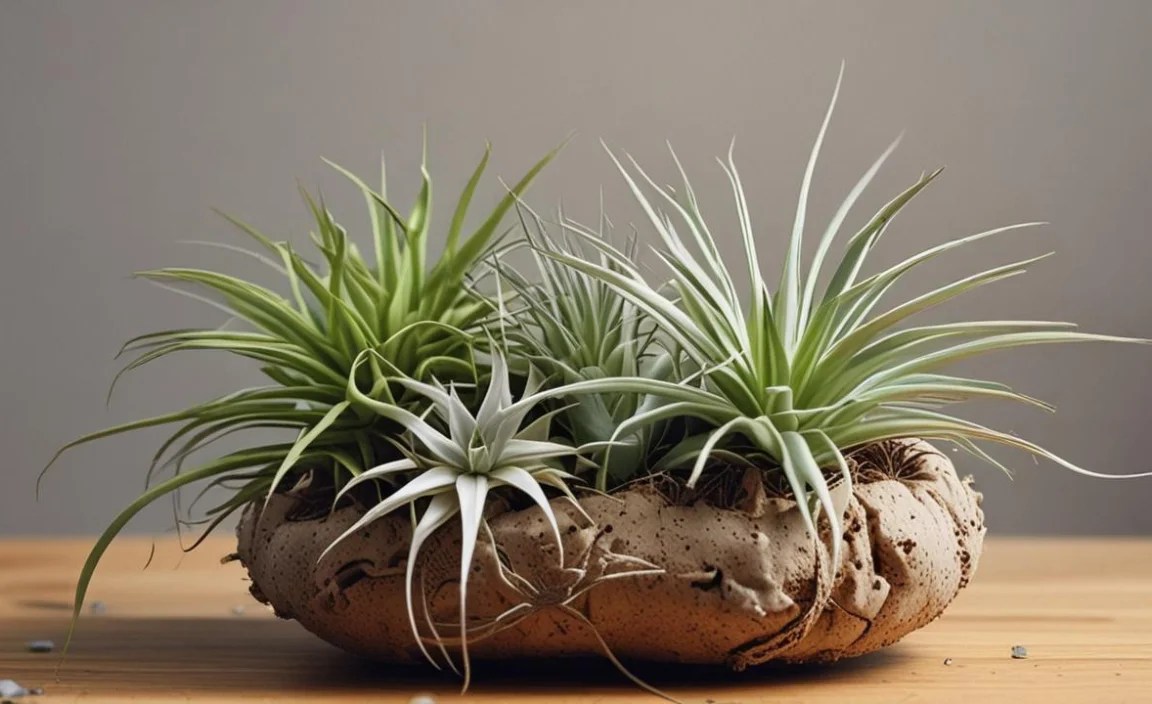
Displaying air plants indoors can be a lot of fun. Because they don’t need soil, you can get creative with how you show them off. You can put them in glass terrariums. You can hang them from the ceiling. Or you can place them on a piece of driftwood. The possibilities are endless! Think about the style of your home. Choose displays that match your decor. If you have a modern home, use simple, clean designs. If you have a rustic home, use natural materials like wood and stone. You can also use shells, rocks, or even old teacups to display your air plants.
| Display Idea | Materials | Instructions | Best For |
|---|---|---|---|
| Terrarium | Glass container, sand, rocks | Layer sand and rocks, place air plant inside | Small air plants |
| Hanging Display | Wire, string, hook | Wrap wire around plant, hang from hook | Air plants with sturdy leaves |
| Driftwood | Driftwood, glue | Glue air plant to driftwood | Creating a natural look |
| Seashells | Seashells, glue | Glue air plant to the inside of a seashell | Adding a beachy vibe |
When displaying air plants indoors, think about their needs. Make sure they get enough light and air circulation. Avoid placing them in enclosed containers where they can’t dry out properly. You can also group air plants together to create a stunning display. Mix different types of air plants for a more interesting look. Add other decorative elements like moss, pebbles, or crystals. With a little imagination, you can create a beautiful and unique display for your air plants.
Fun Fact or Stat: Some air plant enthusiasts create elaborate dioramas with their plants, miniature figurines, and other accessories!
What Are Some Unique Air Plant Holders?
Have you ever seen air plants indoors in a sea urchin shell? That’s a super cool idea! You can also use a wine cork. Just drill a small hole in the top. Or try a magnet. Glue the air plant to the magnet. Then stick it on your fridge. There are so many fun and creative ways to display your air plants. Think outside the box and see what you can come up with!
Can I Use Glue to Attach Air Plants to Displays?
Imagine you’re building a model airplane. You need glue to hold the pieces together. You can also use glue to attach air plants indoors to displays. But be careful! Use a glue that is safe for plants. Hot glue or super glue can damage the leaves. Look for a plant-safe glue at your local craft store. Apply a small amount of glue to the base of the plant. Then press it onto the display. Hold it in place until the glue dries. Now your air plant is securely attached!
How Do I Hang Air Plants From the Ceiling?
Imagine you’re decorating for a party. You want to hang balloons from the ceiling. You can do the same with air plants indoors! Use a thin wire or string to create a loop. Gently wrap the loop around the base of the plant. Make sure the loop is not too tight. You don’t want to damage the leaves. Then, hang the loop from a hook in the ceiling. Now your air plant is floating in the air!
Fun Fact or Stat: Some people create elaborate macrame hangers specifically designed for air plants!
Propagating and Growing New Air Plants
Propagating air plants indoors is a fun way to get more plants. It means making new plants from your existing ones. Air plants reproduce by producing “pups.” These are small baby plants that grow from the base of the mother plant. Once the pup is about one-third the size of the mother plant, you can separate it. Gently twist the pup away from the mother plant. Be careful not to damage the roots. You can also leave the pup attached to the mother plant. This will create a cluster of air plants. With a little patience, you can grow a whole family of air plants!
- Air plants reproduce by creating pups.
- Separate pups when they are one-third the size.
- Gently twist pups away from the mother plant.
- Leave pups attached for a cluster effect.
- Provide proper care to encourage pup growth.
When propagating air plants indoors, proper care is important. Give the pups the same care as the mother plant. Water them regularly and provide bright, indirect light. You can also fertilize them to help them grow. Use a special air plant fertilizer. Or you can use a diluted liquid fertilizer. Just be careful not to over-fertilize. Too much fertilizer can damage the plants. With the right care, your pups will grow into healthy, beautiful air plants.
Fun Fact or Stat: Some air plant species can take several years to produce pups!
What Are Air Plant Pups?
Have you ever seen a baby chick next to its mother? Air plants indoors also have babies! They’re called pups. These are small versions of the mother plant. They grow at the base of the plant. It’s like the air plant is having a family! When the pup is big enough, you can separate it. Then you have a whole new air plant to care for.
How Do I Separate Air Plant Pups From the Mother Plant?
Imagine you’re gently pulling apart two LEGO bricks. That’s how you should separate air plant pups. Wait until the pup is about one-third the size of the mother plant. Then, gently twist and pull the pup away. Be careful not to break the leaves or roots. If the pup doesn’t come off easily, wait a little longer. It’s better to wait than to damage the plants.
What Do I Do After Separating Air Plant Pups?
Imagine you’re taking care of a newborn baby. You need to give it lots of love and attention. Air plant pups need the same care. After separating the pup, give it a good soak in water. Then, place it in a bright spot with indirect light. Water it regularly and watch it grow. Soon, it will be a big, healthy air plant!
Fun Fact or Stat: Some air plant collectors trade pups with each other to expand their collections!
Summary
Air plants indoors are a unique and easy way to bring nature into your home. These plants don’t need soil. They get their nutrients from the air. This makes them very low-maintenance. Watering them is simple. Just soak them in water for about 15 minutes once a week. Make sure they dry completely afterward.
Air plants need bright, indirect light to thrive. Avoid direct sunlight, which can burn their leaves. There are many ways to display air plants creatively. You can put them in terrariums, hang them from the ceiling, or place them on driftwood. With a little care and creativity, air plants can add beauty and interest to any space.
Conclusion
Air plants indoors are a great way to add some green to your home. They are easy to care for and can be displayed in many ways. With the right light and water, your air plants will thrive. They can bring a touch of nature to any room.
Frequently Asked Questions
Question No 1: How often should I water my air plants indoors?
Answer: You should water your air plants indoors about once a week. Soak them in water for 15–20 minutes. Make sure they dry completely afterward. If the air is dry, you might need to water them more often. If the air is humid, you can water them less often. Watch your plants and see how they look. If they look dry, give them more water.
Question No 2: What kind of light do air plants need indoors?
Answer: Air plants indoors need bright, indirect light. Direct sunlight can burn their leaves. A good spot is near a window that gets morning sun. You can also put them under a fluorescent light. If your plant is not getting enough light, it might lose its color. The leaves might also become pale or yellow. Move your plant to a brighter spot if you see these signs.
Question No 3: Can I use tap water to water my air plants?
Answer: Tap water can be okay for air plants indoors, but it’s better to use filtered water or rainwater. Tap water often has chemicals that can harm your plants. Rainwater is soft and full of nutrients. If you use tap water, let it sit out for 24 hours before using it. This will help remove some of the chemicals.
Question No 4: How do I know if I am overwatering my air plants indoors?
Answer: If you are overwatering your air plants indoors, the leaves might turn brown or black. They might also become soft and mushy. This is a sign of rot. If you see these signs, stop watering your plant. Let it dry out completely. If the rot is not too bad, your plant might recover. But if the rot is severe, the plant might die. Be careful not to overwater your plants!
Question No 5: How do I know if I am underwatering my air plants indoors?
Answer: If you are underwatering your air plants indoors, the leaves might curl up or become wrinkled. They might also turn a dull color. These are signs that your plant is dehydrated. Give your plant a good soak in water. It will perk up and look healthy again. Think of it like giving your plant a refreshing drink of water.
Question No 6: Can I fertilize my air plants indoors?
Answer: Yes, you can fertilize your air plants indoors. Use a special air plant fertilizer. Or you can use a diluted liquid fertilizer. Just be careful not to over-fertilize. Too much fertilizer can damage the plants. Fertilize your plants about once a month during the growing season. This will help them stay healthy and strong.
