Do you love seeing bright colors in your yard? Do you want flowers that bloom all summer long? An annual flower garden might be perfect for you. These gardens are full of flowers. They only live for one growing season. But they give you lots of beauty while they last.
Imagine a garden filled with vibrant reds, yellows, and blues. These flowers bring joy to everyone who sees them. You can create this with annuals! Let’s learn how.
Annual flowers are easy to grow. They bring quick color to your yard. This guide will help you create your own stunning annual flower garden. Get ready to enjoy a summer full of blooms!
Key Takeaways
- Planning your annual flower garden helps you choose the right plants.
- Watering and feeding your flowers keeps them healthy and blooming.
- Deadheading spent blooms encourages more flowers to grow all season long.
- Annuals add quick and beautiful color to your garden every year.
- Choose annuals that match your garden’s sunlight and soil.

Planning Your Annual Flower Garden
Planning is important for any garden. It is especially true for an annual flower garden. Good planning helps your garden grow well. Think about what you want your garden to look like. Consider the colors and types of flowers. Decide where to put them. Some flowers need lots of sun. Others like shade. Check your soil to see if it is healthy. You might need to add things to make it better. Drawing a map of your garden can help. This helps you see where everything will go. Planning saves time and helps your flowers thrive. Remember to choose flowers that you love! This will make your garden even more special. This is your space to create something beautiful. Enjoy the process of planning and planting.
- Check how much sun your garden gets.
- Choose flowers that like that amount of sun.
- Think about the colors you want.
- Make a map of your garden.
- Prepare your soil before planting.
Think about the size of your flowers. Some grow tall. Others stay short. Put the tall ones in the back. This way, they won’t block the shorter ones. Consider when the flowers bloom. Some bloom early in the season. Others bloom later. Choose a mix of flowers. This will give you color all season long. Don’t forget to water your flowers. They need water to grow. Add fertilizer to feed your plants. This helps them stay healthy and strong. Enjoy watching your annual flower garden grow. It’s a fun and rewarding experience. You’ll have beautiful flowers all summer long.
Fun Fact or Stat: Did you know that the first flower gardens were created thousands of years ago in ancient Egypt?
What Colors Do You Like?
What are your favorite colors? Do you like bright and bold colors? Or do you prefer soft and pastel colors? Your color choices will make your garden unique. Think about how the colors look together. Some colors look good next to each other. Others might clash. Red and yellow are warm colors. Blue and green are cool colors. You can mix warm and cool colors. This makes your garden interesting. White flowers can make other colors pop. They also look beautiful on their own. Consider using different shades of the same color. This creates a harmonious look. Color can change how you feel. Choose colors that make you happy. Your annual flower garden should be a reflection of you.
How Big Will They Get?
Have you ever seen a tiny seed grow into a huge plant? It’s amazing! When you plan your garden, think about how big the flowers will get. Some flowers stay small and compact. Others grow tall and spread out. Read the plant labels carefully. This tells you how big they will get. Put the tall flowers in the back of the garden. This way, they won’t block the sunlight from the smaller flowers. You can also use tall flowers as a backdrop. The small flowers can go in the front. Consider the width of the plants. Some spread out a lot. Give them enough space to grow. You don’t want them to crowd each other. Knowing the size of your flowers helps you plan your annual flower garden better.
What About the Soil?
Imagine trying to build a house on sand. It wouldn’t work very well, right? The same is true for plants and soil. Good soil is the foundation for a healthy annual flower garden. Soil provides nutrients and water. It also supports the plant’s roots. Before you plant, check your soil. Is it sandy? Does it have lots of clay? Sandy soil drains quickly. Clay soil holds too much water. You can improve your soil by adding compost. Compost is made from decayed leaves and plants. It adds nutrients to the soil. It also helps the soil hold water. You can buy compost at a garden center. Or you can make your own. Healthy soil means healthy flowers. Take care of your soil, and your flowers will thank you.

Choosing the Right Annual Flowers
Choosing the right flowers is key. It makes your annual flower garden beautiful. Think about your garden’s conditions. Does it get a lot of sun? Or is it mostly shady? Some flowers love the sun. Others prefer the shade. Read the plant labels. They tell you what kind of conditions the flowers need. Choose flowers that will thrive in your garden. Consider the colors you like. Do you want a garden full of bright colors? Or do you prefer softer, pastel colors? Think about the size of the flowers. Some grow tall. Others stay short. Pick a mix of different sizes and colors. This makes your garden more interesting. Choose flowers that bloom at different times. This way, you’ll have color all season long. Don’t be afraid to try new things. Experiment with different flowers each year. This keeps your garden fresh and exciting.
- Consider the amount of sunlight in your garden.
- Read plant labels to learn about each flower.
- Choose flowers with different colors and sizes.
- Pick flowers that bloom at different times.
- Try new flowers each year to keep it fun.
Think about how much time you have to care for your garden. Some flowers need more attention than others. If you’re busy, choose low-maintenance flowers. These don’t need a lot of watering or pruning. Marigolds and zinnias are easy to grow. They are great for beginners. If you have more time, you can try more challenging flowers. Petunias and impatiens are beautiful. But they need more care. Consider the overall look you want. Do you want a formal garden? Or do you prefer a more natural look? Choose flowers that fit your style. Your annual flower garden should be a place you enjoy. Pick flowers that make you happy.
Fun Fact or Stat: The sunflower is one of the tallest annual flowers, sometimes growing over 12 feet tall!
Sun or Shade?
Imagine wearing a heavy coat on a hot day. You’d be very uncomfortable, right? Flowers are the same way. Some flowers love the sun. They need lots of sunlight to grow. Others prefer the shade. They can get burned in too much sun. Before you choose your flowers, watch your garden. See how much sun it gets each day. If your garden gets at least six hours of sun, choose sun-loving flowers. Zinnias, marigolds, and sunflowers are great choices. If your garden is mostly shady, choose shade-loving flowers. Impatiens, begonias, and coleus do well in the shade. Knowing whether your garden is sunny or shady is important. It helps you choose the right flowers. This makes your annual flower garden thrive.
What About Fragrance?
Have you ever walked past a flower and smelled its sweet scent? Fragrance can add a lot to your annual flower garden. Some flowers have a strong fragrance. Others have a light, delicate scent. Think about where you will plant your flowers. If you plant them near a window, choose fragrant flowers. This way, you can enjoy the scent inside your house. Some fragrant annuals include sweet peas, petunias, and nicotiana. Be careful not to choose flowers with overpowering scents. Too much fragrance can be unpleasant. Consider the time of day. Some flowers release their fragrance in the evening. Others smell best in the morning. Choose a variety of fragrant flowers. This gives you a pleasant scent all day long.
Easy to Grow Flowers
Are you new to gardening? Don’t worry! There are many easy-to-grow annuals. These flowers are perfect for beginners. They don’t need a lot of care. Marigolds are a great choice. They are bright and cheerful. They also keep pests away. Zinnias are another easy option. They come in many colors. They also attract butterflies. Cosmos are also easy to grow. They have delicate, daisy-like flowers. Impatiens are perfect for shady gardens. They bloom all summer long. Petunias are versatile. They come in many colors and sizes. These easy-to-grow flowers will help you create a beautiful annual flower garden. You’ll be amazed at how easy it is to grow them. Have fun experimenting with different flowers.
Preparing Your Garden Bed
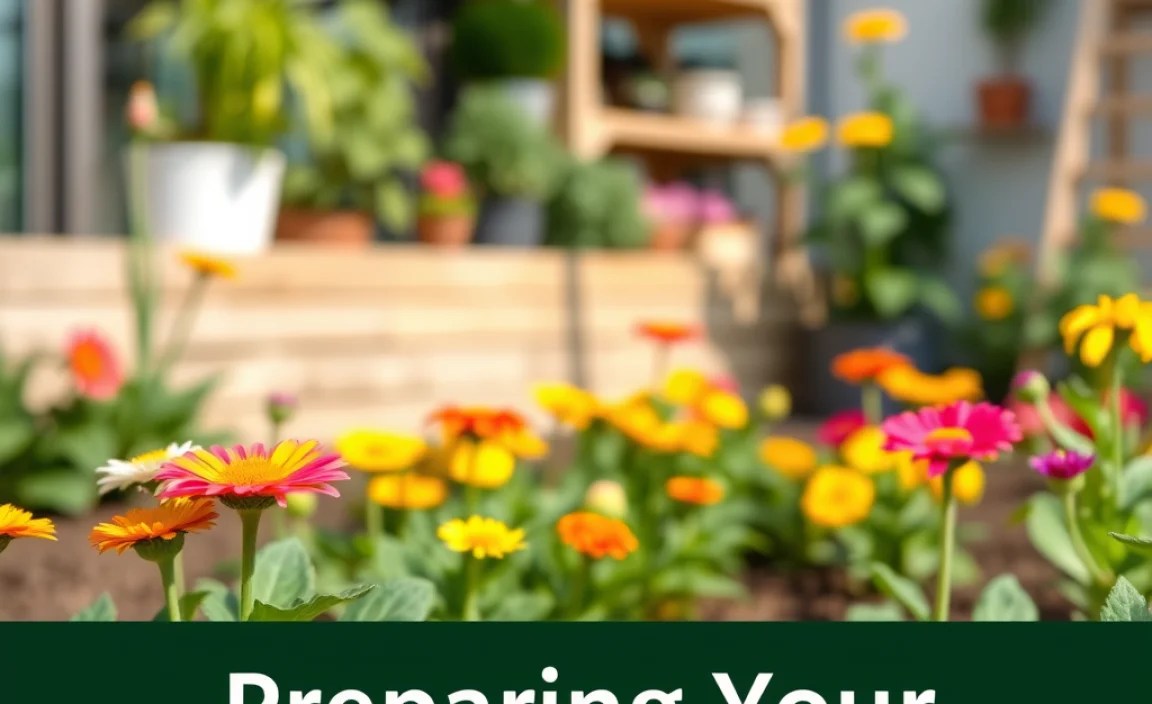
Preparing your garden bed is a key step. It helps your annual flower garden grow strong. First, clear the area. Remove any weeds, rocks, or old plants. Weeds steal nutrients from your flowers. Rocks can get in the way of the roots. Next, dig into the soil. Loosen it up with a shovel or garden fork. This helps the roots grow easily. Add compost or other organic matter. This improves the soil’s texture. It also adds nutrients. Mix the compost into the soil well. Rake the surface smooth. This creates a nice planting bed. Water the soil lightly. This helps it settle. Now you’re ready to plant your flowers. A well-prepared garden bed makes a big difference. Your flowers will thank you for it.
- Clear the area of weeds and rocks.
- Loosen the soil with a shovel or fork.
- Add compost to improve the soil.
- Mix the compost into the soil well.
- Rake the surface smooth and water lightly.
Think about the drainage in your garden bed. If the soil stays wet for too long, the roots can rot. Add sand or perlite to improve drainage. These materials help water drain quickly. If the soil is too dry, add peat moss. Peat moss helps the soil hold water. Check the pH of your soil. Most flowers like a pH between 6.0 and 7.0. You can buy a soil pH test kit at a garden center. If the pH is too high, add sulfur. If it’s too low, add lime. Preparing your garden bed takes time. But it’s worth it. Your annual flower garden will be healthier and more beautiful. Enjoy the process of creating a perfect home for your flowers.
Fun Fact or Stat: Earthworms are great for your garden soil! They help aerate the soil and add nutrients.
Removing Weeds and Rocks
Imagine trying to eat dinner with someone stealing your food. That’s what weeds do to your flowers. They steal nutrients and water. Removing weeds is important for a healthy annual flower garden. Pull weeds by hand. Make sure you get the roots. If you leave the roots, the weeds will grow back. Use a garden hoe to loosen the soil around the weeds. This makes them easier to pull. Rocks can also be a problem. They get in the way of the roots. Remove any rocks you find in the garden bed. Wear gloves to protect your hands. Weeding and removing rocks takes time. But it’s worth it. Your flowers will have more room to grow.
Adding Compost and Nutrients
Have you ever seen a plant that looks pale and weak? It probably needs more nutrients. Nutrients are like vitamins for plants. They help them grow strong and healthy. Adding compost is a great way to add nutrients to your garden. Compost is made from decayed leaves and plants. It’s full of good stuff for your flowers. Spread a layer of compost over the garden bed. Mix it into the soil. You can also use fertilizer. Fertilizer is a concentrated source of nutrients. Follow the instructions on the package. Too much fertilizer can hurt your plants. Adding compost and nutrients will help your annual flower garden thrive. Your flowers will be bigger and more colorful.
Checking Soil Drainage
Imagine your feet stuck in muddy boots all day. That’s what it’s like for plant roots in poorly drained soil. Good drainage is important for a healthy annual flower garden. If the soil stays wet for too long, the roots can rot. To check drainage, dig a hole. Fill it with water. See how long it takes for the water to drain. If it takes more than a few hours, the drainage is poor. You can improve drainage by adding sand or perlite. These materials help water drain quickly. You can also create raised beds. Raised beds allow water to drain away from the roots. Good drainage will help your flowers stay healthy and strong.

Planting Your Annual Flowers
Planting is the fun part! Now your annual flower garden starts to come alive. Gently take the flowers out of their containers. Loosen the roots a little bit. Dig a hole in the prepared soil. Make the hole big enough for the roots. Place the flower in the hole. Make sure the top of the root ball is level with the soil. Fill the hole with soil. Gently pat the soil around the flower. Water the flower well. This helps the roots settle in. Space the flowers according to the plant labels. Don’t plant them too close together. They need room to grow. Planting is a rewarding experience. You’ll see your garden transform into a beautiful space.
- Gently remove flowers from their containers.
- Loosen the roots before planting.
- Dig a hole big enough for the roots.
- Place the flower in the hole and fill with soil.
- Water the flower well after planting.
Think about the weather. It’s best to plant on a cloudy day. This prevents the flowers from getting stressed by the sun. If you plant on a sunny day, water the flowers more often. Protect them from the hot afternoon sun. Add mulch around the flowers. Mulch helps keep the soil moist. It also prevents weeds from growing. You can use wood chips, straw, or shredded leaves as mulch. Be careful not to put mulch too close to the stems. This can cause them to rot. Planting your annual flower garden is a great way to enjoy nature. Have fun creating a beautiful space.
Fun Fact or Stat: The best time to plant annuals is usually in the spring after the last frost.
How Deep to Plant?
Have you ever planted a seed too deep and it never came up? Planting depth is important for flowers too. If you plant them too deep, they might rot. If you plant them too shallow, they might dry out. Look at the plant label. It tells you how deep to plant. Usually, you want the top of the root ball to be level with the soil. Dig a hole that’s the right depth. Place the flower in the hole. Fill the hole with soil. Gently pat the soil around the flower. Watering helps the soil settle. Planting at the right depth helps your annual flower garden thrive.
Spacing Your Flowers
Imagine trying to dance in a crowded room. You wouldn’t have much space to move, right? Flowers need space too. If you plant them too close together, they won’t have room to grow. They’ll compete for sunlight and water. Look at the plant label. It tells you how much space each flower needs. Measure the distance between the flowers. Use a ruler or a measuring tape. Give them enough space to spread out. Spacing your flowers correctly helps your annual flower garden look its best. Your flowers will be healthier and more beautiful.
Watering After Planting
Have you ever been really thirsty after playing outside? Plants get thirsty too! Watering is important after planting your flowers. It helps the roots settle into the soil. Water the flowers gently. Use a watering can or a hose with a gentle spray. Don’t blast the flowers with water. This can damage them. Water the soil around the flowers. Make sure the soil is moist. Water deeply. This means watering until the water reaches the roots. Check the soil every day. If it feels dry, water the flowers again. Watering after planting helps your annual flower garden get off to a good start. Your flowers will be happy and healthy.
Watering and Feeding Your Flowers
Watering and feeding are very important. They keep your annual flower garden healthy. Water your flowers regularly. How often depends on the weather. Check the soil. If it feels dry, water them. Water deeply. This means soaking the soil. Water in the morning or evening. This prevents water from evaporating in the sun. Feed your flowers with fertilizer. Fertilizer gives them nutrients. Use a fertilizer made for flowers. Follow the instructions on the package. Don’t over-fertilize. This can burn the roots. Watering and feeding your flowers helps them grow strong and bloom beautifully. It’s a simple way to care for your garden.
- Water flowers regularly, checking the soil.
- Water deeply in the morning or evening.
- Feed flowers with a flower fertilizer.
- Follow fertilizer instructions carefully.
- Avoid over-fertilizing, which can burn roots.
Consider using a soaker hose. A soaker hose delivers water directly to the roots. This saves water and prevents leaf diseases. Mulch also helps retain moisture in the soil. Add a layer of mulch around your flowers. Use wood chips, straw, or shredded leaves. Mulch also helps prevent weeds. Watch your flowers for signs of nutrient deficiencies. Yellow leaves can mean they need more nitrogen. Purple leaves can mean they need more phosphorus. Adjust your fertilizer accordingly. Watering and feeding your annual flower garden is an ongoing process. Pay attention to your flowers’ needs. They will reward you with beautiful blooms.
Fun Fact or Stat: Rainwater is the best water for your plants because it’s naturally soft and doesn’t contain chemicals!
How Often to Water?
Imagine trying to run a race without drinking water. You’d get tired very quickly, right? Flowers need water too! How often you water depends on the weather. Hot, sunny days dry out the soil quickly. You might need to water every day. Cool, cloudy days keep the soil moist. You might only need to water every few days. Check the soil before you water. Stick your finger into the soil. If it feels dry, it’s time to water. If it feels moist, wait another day. Overwatering can be just as bad as underwatering. It can cause the roots to rot. Finding the right balance is important. Watering your annual flower garden correctly helps it thrive.
What Kind of Fertilizer?
Have you ever seen different kinds of vitamins at the store? Some are for energy. Others are for healthy bones. Flowers need different kinds of nutrients too. Fertilizer provides these nutrients. There are many different kinds of fertilizer. Choose one that is made for flowers. Look for a balanced fertilizer. This means it has equal amounts of nitrogen, phosphorus, and potassium. You can also use a fertilizer that is higher in phosphorus. This encourages more blooms. Follow the instructions on the package. Don’t use too much fertilizer. This can burn the roots. Feeding your annual flower garden with the right fertilizer helps it grow strong and beautiful.
Signs of Overwatering
Imagine wearing wet socks all day. It would be very uncomfortable! Overwatering can make your flowers uncomfortable too. It can cause the roots to rot. How do you know if you’re overwatering? Look for these signs. The leaves might turn yellow or brown. They might also droop or wilt. The soil might be soggy. It might smell bad. If you see these signs, stop watering. Let the soil dry out. Improve the drainage in your garden bed. Overwatering can be a problem. But you can fix it. Paying attention to your flowers helps you keep your annual flower garden healthy.
## Deadheading Your Annual Flowers
Deadheading is a simple task. It keeps your annual flower garden blooming. Deadheading means removing dead or faded flowers. This encourages the plant to produce more flowers. Use scissors or your fingers to snip off the dead flowers. Cut the stem just below the flower head. Be careful not to damage the healthy leaves. Deadheading makes your garden look neater. It also helps your flowers bloom longer. It’s a quick and easy way to care for your garden. Make it a part of your routine.
- Deadheading means removing dead flowers.
- Snip off dead flowers with scissors or fingers.
- Cut the stem just below the flower head.
- Avoid damaging healthy leaves.
- Deadheading encourages more blooms.
Think about the type of flower you’re deadheading. Some flowers have single blooms. Others have clusters of blooms. For single blooms, cut the stem back to the next leaf. For clusters, remove the entire cluster. Deadheading prevents the plant from wasting energy on seed production. This energy goes into producing more flowers. Deadheading also helps prevent diseases. Dead flowers can attract pests and diseases. Removing them keeps your garden healthy. Deadheading your annual flower garden is a rewarding task. You’ll see more blooms and a healthier garden.
Fun Fact or Stat: Some gardeners say that deadheading is like giving your flowers a haircut!
### Why Deadhead?
Have you ever wondered why gardeners deadhead flowers? It might seem like a strange thing to do. But there’s a good reason for it. Deadheading encourages the plant to produce more flowers. When a flower dies, the plant starts to produce seeds. This takes a lot of energy. If you remove the dead flower, the plant doesn’t need to produce seeds. It can use that energy to create more blooms. Deadheading also makes your garden look neater. Removing dead flowers keeps your annual flower garden looking its best. It’s a simple way to keep your garden beautiful.
### How to Deadhead Properly
Imagine trying to cut a piece of paper with dull scissors. It wouldn’t work very well, right? The same is true for deadheading. You need the right tools. Use sharp scissors or pruning shears. This will make clean cuts. Find the dead or faded flower. Follow the stem down to the next leaf. Cut the stem just above the leaf. Be careful not to damage the healthy leaves. Dispose of the dead flowers properly. Don’t leave them in the garden. They can attract pests and diseases. Deadheading properly helps your annual flower garden thrive. Your flowers will thank you for it.
### What Flowers Need Deadheading?
Not all flowers need deadheading. Some flowers are self-cleaning. This means they drop their dead petals on their own. But many annuals benefit from deadheading. Some common annuals that need deadheading include petunias, zinnias, and marigolds. Check the plant label. It will tell you if the flower needs deadheading. Observe your flowers. If you see dead or faded blooms, it’s probably time to deadhead. Regular deadheading will keep your annual flower garden looking its best. It will also encourage more blooms. It’s a simple way to keep your garden healthy and beautiful.
## Dealing With Pests and Diseases
Pests and diseases can be a problem. They can harm your annual flower garden. Check your flowers regularly for signs of pests or diseases. Look for holes in the leaves. Look for spots or discoloration. If you see any problems, take action quickly. There are many ways to deal with pests and diseases. You can use organic methods. Or you can use chemical methods. Choose the method that is best for you. Protecting your flowers from pests and diseases helps them stay healthy. It also ensures a beautiful garden.
- Check flowers regularly for pests and diseases.
- Look for holes, spots, or discoloration.
- Take action quickly if you see problems.
- Choose organic or chemical methods.
- Protecting flowers ensures a healthy garden.
Consider using companion planting. Companion planting means planting certain plants together. Some plants repel pests. Others attract beneficial insects. Marigolds repel nematodes. Basil repels aphids. Attracting beneficial insects can help control pests. Ladybugs eat aphids. Praying mantises eat many different pests. Keep your garden clean. Remove dead leaves and flowers. This prevents diseases from spreading. Water your flowers in the morning. This gives the leaves time to dry before nightfall. Wet leaves can encourage diseases. Dealing with pests and diseases is part of gardening. Don’t get discouraged. With a little effort, you can keep your annual flower garden healthy.
Fun Fact or Stat: Ladybugs are a gardener’s best friend because they eat aphids!
### Common Pests
Have you ever seen tiny bugs on your plants? Those might be pests. Common pests include aphids, spider mites, and whiteflies. Aphids are small, soft-bodied insects. They suck the sap from plants. Spider mites are tiny, spider-like creatures. They create webs on the leaves. Whiteflies are small, white insects. They fly around when you disturb the plants. These pests can damage your annual flower garden. They can weaken the plants. They can also spread diseases. It’s important to identify pests early. Take action to control them. There are many ways to get rid of pests. Choose the method that is best for you.
### Organic Pest Control
Imagine using natural ingredients to make your food taste better. That’s what organic pest control is like. It uses natural methods to control pests. Organic pest control is safe for the environment. It’s also safe for your family and pets. Some organic methods include using insecticidal soap. Insecticidal soap kills soft-bodied insects. You can also use neem oil. Neem oil is a natural insecticide. It repels many different pests. You can also use beneficial insects. Ladybugs eat aphids. Praying mantises eat many different pests. Organic pest control helps you protect your annual flower garden naturally. It’s a great way to keep your garden healthy and beautiful.
### Preventing Diseases
Have you ever seen a plant with spots on its leaves? That might be a sign of disease. Preventing diseases is important for a healthy annual flower garden. Some common diseases include powdery mildew, black spot, and rust. Powdery mildew is a white, powdery substance on the leaves. Black spot is a disease that causes black spots on the leaves. Rust is a disease that causes orange spots on the leaves. These diseases can weaken your plants. They can also kill them. There are many ways to prevent diseases. Water your plants in the morning. This gives the leaves time to dry before nightfall. Remove dead leaves and flowers. This prevents diseases from spreading. Space your plants properly. This allows for good air circulation. Preventing diseases helps you keep your garden healthy.
Annual Flowers in Containers
Annual flowers are great in containers. They add color to patios and balconies. Choose the right container. Make sure it has drainage holes. Fill the container with potting mix. Potting mix is lighter than garden soil. It drains better. Choose annuals that like containers. Petunias, geraniums, and impatiens are good choices. Plant the flowers in the container. Water them well. Fertilize them regularly. Place the container in a sunny spot. Enjoy your beautiful container garden. Annual flowers in containers are easy to care for. They bring joy to small spaces.
- Choose containers with drainage holes.
- Use potting mix instead of garden soil.
- Select annuals that thrive in containers.
- Water and fertilize regularly.
- Place containers in a sunny location.
Think about the size of the container. Larger containers hold more water. They don’t dry out as quickly. Smaller containers need more frequent watering. Choose a container that matches the size of your plants. Consider the colors of the flowers. Use a mix of colors and textures. This makes your container garden more interesting. Add a thriller, a filler, and a spiller. A thriller is a tall, focal point plant. A filler is a plant that fills in the space. A spiller is a plant that cascades over the edge of the container. Annual flowers in containers are a great way to add beauty to your life. Enjoy the process of creating your own unique container garden.
Fun Fact or Stat: Some annual flowers, like petunias, can trail beautifully over the edges of containers!
### Choosing the Right Container
Imagine wearing shoes that are too small. They would be very uncomfortable, right? Flowers need the right container too. Choose a container that is the right size. It should be big enough for the roots to grow. Make sure the container has drainage holes. This allows excess water to drain out. Choose a container made of durable material. Plastic, terracotta, and ceramic are good choices. Consider the style of the container. Choose one that matches your personal taste. The right container will help your annual flower garden thrive. It will also add beauty to your space.
### Best Annuals for Containers
Have you ever seen a container garden that looks amazing? It probably has the right mix of flowers. Some annuals do better in containers than others. Petunias are a great choice. They come in many colors. They also trail beautifully over the edge of the container. Geraniums are another good option. They are easy to grow. They also bloom all summer long. Impatiens are perfect for shady containers. They have bright, cheerful flowers. These annuals are easy to grow in containers. They will bring beauty to your space. Choosing the right annuals helps your annual flower garden look its best.
### Watering Container Gardens
Imagine trying to live in a desert without any water. You wouldn’t last very long, right? Container gardens need water too. They dry out more quickly than gardens in the ground. Check the soil every day. If it feels dry, water the container. Water until the water drains out of the drainage holes. Avoid watering the leaves. This can encourage diseases. Water in the morning or evening. This prevents water from evaporating in the sun. Watering your container gardens correctly helps them thrive. Your annual flower garden will be healthy and beautiful.
| Flower Type | Sun Requirements | Water Needs | Deadheading |
|---|---|---|---|
| Marigold | Full Sun | Moderate | Yes |
| Petunia | Full Sun/Partial Shade | Moderate | Yes |
| Impatiens | Shade | High | No |
| Zinnia | Full Sun | Moderate | Yes |
Summary
Creating an annual flower garden is fun and rewarding. It starts with planning. Think about sunlight, soil, and colors. Choose the right flowers for your garden. Prepare your garden bed by removing weeds and adding compost. Plant your flowers carefully. Water them well. Feed them with fertilizer. Deadhead spent blooms to encourage more flowers. Watch out for pests and diseases. Take action if you see problems. You can also grow annuals in containers. This adds beauty to small spaces. With a little effort, you can create a stunning annual flower garden. Enjoy the beauty and joy that flowers bring.
Conclusion
Growing an annual flower garden is a wonderful hobby. It brings beauty and joy to your life. You can create a colorful and vibrant space. Remember to plan carefully. Choose the right flowers. Prepare your soil. Water and feed your plants. Deadhead spent blooms. Watch out for pests and diseases. With a little effort, you can have a stunning garden. Enjoy the process of growing your own flowers. They will bring you happiness all season long. A beautiful annual flower garden is within your reach.
Frequently Asked Questions
Question No 1: What are annual flowers?
Answer: Annual flowers are plants that complete their life cycle in one growing season. This means they sprout from a seed, grow, bloom, produce seeds, and then die all within a single year. Because they only live for one season, you need to replant them every year if you want them in your garden. They’re great for adding quick bursts of color and beauty to your yard or containers. Some popular annuals include marigolds, petunias, and zinnias.
Question No 2: How do I choose the right annual flowers for my garden?
Answer: Choosing the right annual flowers depends on a few things. First, consider how much sunlight your garden gets. Some flowers need lots of sun, while others prefer shade. Read the plant labels to find out what each flower needs. Also, think about the colors you like and the size of the flowers. Pick a mix of different colors and sizes to make your garden more interesting. Don’t be afraid to try new flowers each year. This keeps your garden fresh and exciting.
Question No 3: How often should I water my annual flower garden?
Answer: How often you water your annual flower garden depends on the weather and the type of soil. Hot, sunny days dry out the soil quickly. You might need to water every day. Cool, cloudy days keep the soil moist. You might only need to water every few days. Check the soil before you water. Stick your finger into the soil. If it feels dry, it’s time to water. If it feels moist, wait another day. Always water deeply, so the water reaches the roots.
Question No 4: What is deadheading, and why is it important?
Answer: Deadheading means removing dead or faded flowers from your plants. This encourages the plant to produce more flowers. When a flower dies, the plant starts to produce seeds. This takes a lot of energy. If you remove the dead flower, the plant doesn’t need to produce seeds. It can use that energy to create more blooms. Deadheading also makes your annual flower garden look neater. It’s a simple way to keep your garden beautiful and encourage more flowers.
Question No 5: How can I protect my annual flowers from pests and diseases?
Answer: To protect your annual flower garden from pests and diseases, check your flowers regularly for signs of problems. Look for holes in the leaves, spots, or discoloration. If you see any
