Have you ever seen a wiggly worm in your garden? Did you know these little creatures are super important? They might seem small, but they do big things. So, are earthworms good for gardens? The answer might surprise you.
Earthworms help plants grow strong and healthy. They work hard underground to make soil better. Let’s find out why these worms are garden heroes.
Key Takeaways
- Earthworms are very good for gardens because they improve soil health.
- Worms help aerate the soil, making it easier for plant roots to grow.
- Earthworm castings (poop) are a great natural fertilizer for plants.
- Worms break down dead leaves and other organic matter, enriching the soil.
- Knowing are earthworms good for gardens, attract them to help your plants thrive.
Why Are Earthworms Good for Gardens?

Earthworms are like tiny gardeners working underground. They help to make the soil healthier for plants. When earthworms move through the soil, they create tunnels. These tunnels let air and water reach the plant roots. This process is called aeration. Good aeration helps plants grow strong. Earthworms also eat dead leaves and other stuff in the soil. They break it down into smaller pieces. This makes it easier for plants to get the nutrients they need. Earthworm poop, called castings, is full of nutrients. It’s like a natural fertilizer for your plants. So, when you ask, are earthworms good for gardens, remember all the ways they help. They aerate the soil, break down dead stuff, and provide natural fertilizer. Earthworms are truly amazing creatures that help our gardens thrive.
- Worms help air get into the soil.
- They also help water get to roots.
- Worms eat dead leaves and plants.
- Their poop is good for plants.
- Healthy soil makes healthy plants.
Imagine your garden is a house. The soil is the foundation of that house. If the foundation is weak, the house won’t stand strong. Earthworms help to build a strong foundation for your plants. They do this by improving the soil in many ways. They mix the soil, add nutrients, and create better drainage. Better drainage means that water doesn’t sit on top of the soil. This can cause plant roots to rot. Earthworms help to prevent this. They also attract other helpful bugs and tiny creatures to the garden. These creatures help to break down even more stuff in the soil. So, are earthworms good for gardens? Yes, they are! They are like tiny construction workers, building a healthy home for your plants.
How Earthworms Aerate the Soil
Have you ever tried to breathe through a tiny straw? It’s hard, right? Plants need air too. They get air through their roots. If the soil is hard and packed down, it’s hard for air to get to the roots. Earthworms help to fix this problem. As they move through the soil, they create tunnels. These tunnels act like little air vents. They let air flow freely to the plant roots. This helps the plants breathe and grow stronger. Without earthworms, the soil can become compacted. This means it’s hard and dense. Plants struggle to grow in compacted soil. So, earthworms are like tiny gardeners with shovels, digging tunnels to help plants breathe. Remember, good aeration is key for healthy plant growth. Earthworms are masters of aeration.
Earthworm Castings: Natural Fertilizer
Imagine you are a plant. You need food to grow big and strong. But you can’t just go to the grocery store. You rely on the soil to give you the nutrients you need. Earthworm castings are like a special delivery of plant food. Castings are full of nutrients that plants love. These nutrients include nitrogen, phosphorus, and potassium. These are the building blocks of plant growth. Earthworms eat dead leaves and other organic matter. They digest it and turn it into castings. This process makes the nutrients more easily available for plants. It’s like earthworms are pre-chewing the food for the plants. So, when you see those little piles of castings in your garden, know that it’s a sign of healthy soil and happy plants. They answer the question, are earthworms good for gardens, with a resounding yes.
Earthworms Break Down Organic Matter
Think of your garden like a big recycling center. Dead leaves, fallen fruit, and old plants all end up there. These things can pile up and make the garden messy. Earthworms are like the recycling workers of the garden. They eat the dead leaves and other organic matter. They break it down into smaller pieces. This process helps to release nutrients back into the soil. These nutrients then become available for plants to use. Without earthworms, this organic matter would take much longer to decompose. It might even attract pests and diseases. So, earthworms help to keep the garden clean and healthy. They are like tiny composters, turning waste into valuable resources. Earthworms keep the cycle of life going in the garden.
Fun Fact or Stat: Did you know that a single earthworm can eat its own weight in soil every day? That’s like you eating your own body weight in food every day!
How Do Earthworms Help Soil Structure?
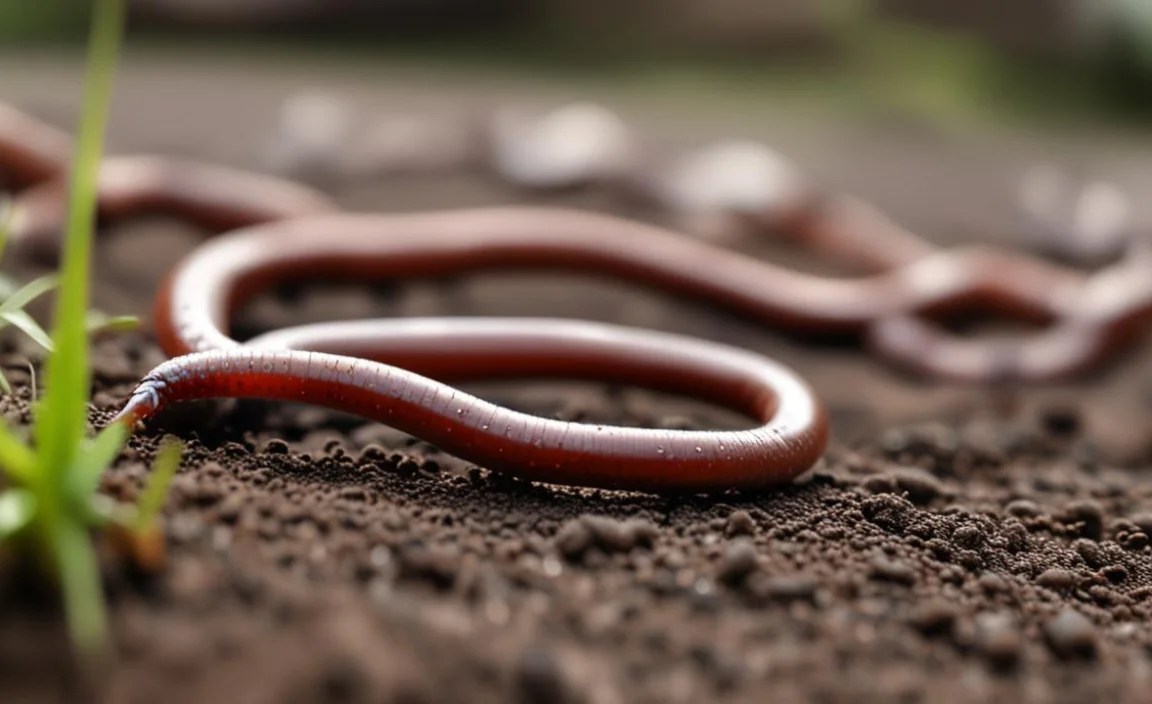
Soil structure is like the way the soil particles are arranged. Good soil structure means the soil is loose and crumbly. This allows air and water to move freely. It also makes it easier for plant roots to grow. Earthworms play a big role in improving soil structure. As they move through the soil, they bind soil particles together. This creates little clumps called aggregates. These aggregates create spaces in the soil for air and water. They also make the soil more stable and less likely to erode. Earthworm tunnels also help to improve soil structure. These tunnels create pathways for roots to follow. They also help to drain excess water from the soil. So, when you ask, are earthworms good for gardens, remember that they are soil architects. They build a better foundation for your plants by improving soil structure.
- Worms bind soil particles together.
- This creates little clumps in the soil.
- Clumps help air and water flow.
- Worm tunnels help roots grow easily.
- Good soil structure prevents erosion.
- Worms are soil architects.
Imagine you are building a sandcastle. If you use dry sand, it will crumble and fall apart. But if you add water, the sand will stick together and form a strong castle. Earthworms do something similar in the soil. They help to bind the soil particles together, making it more stable. This is especially important in gardens with sandy or clay soil. Sandy soil tends to drain too quickly. Clay soil tends to hold too much water. Earthworms help to balance these extremes by improving soil structure. They make sandy soil more water-retentive and clay soil better drained. So, they are like tiny soil engineers, making sure the soil is just right for plant growth. Answering the question, are earthworms good for gardens, their impact on soil structure is undeniable.
Worms Improve Soil Drainage
Have you ever seen a puddle in your garden after it rains? That means the soil isn’t draining well. Poor drainage can cause plant roots to rot. Earthworms help to improve soil drainage. Their tunnels act like little drainage pipes. They allow excess water to flow away from the plant roots. This helps to prevent root rot and other diseases. Worm tunnels also help to aerate the soil. This allows oxygen to reach the roots. Oxygen is essential for healthy root growth. Without earthworms, the soil can become waterlogged and compacted. This creates a hostile environment for plants. So, earthworms are like tiny plumbers, keeping the soil well-drained and healthy. A well-drained soil is a happy soil.
Earthworms Prevent Soil Compaction
Think of soil compaction like a crowded elevator. Everyone is packed in tight, and there’s no room to move. Compacted soil is the same way. The soil particles are pressed together tightly, leaving no room for air or water. This makes it difficult for plant roots to grow. Earthworms help to prevent soil compaction. As they move through the soil, they create tunnels. These tunnels help to break up the compacted soil. They also allow air and water to penetrate the soil. This creates a more favorable environment for plant roots. Without earthworms, the soil can become hard and impenetrable. This makes it difficult for plants to thrive. So, earthworms are like tiny construction workers, breaking up the compacted soil and making room for plant growth. When asking, are earthworms good for gardens, consider their role in preventing compaction.
Worms Increase Water Retention
Imagine you are hiking on a hot day. You need to carry enough water to stay hydrated. Plants need water too. They get water from the soil. But some soils don’t hold water very well. This means the plants can dry out quickly. Earthworms help to improve water retention in the soil. Their tunnels create spaces in the soil that can hold water. They also help to break down organic matter. Organic matter acts like a sponge, absorbing and holding water. Without earthworms, the soil can dry out quickly. This can stress the plants and make them more susceptible to disease. So, earthworms are like tiny water conservationists, helping the soil hold onto precious moisture. They are good for gardens because they help plants stay hydrated.
Fun Fact or Stat: Earthworm tunnels can go as deep as 6 feet into the ground! That’s like a small child digging a hole as tall as they are!
What Types of Earthworms Benefit Gardens?

Not all earthworms are the same. There are different types of earthworms, and some are better for gardens than others. The best types of earthworms for gardens are anecic and endogeic worms. Anecic worms live in deep burrows and come to the surface to feed. They pull leaves and other organic matter into their burrows. This helps to enrich the soil. Endogeic worms live in the topsoil and feed on organic matter. They create shallow tunnels that help to aerate the soil. Epigeic worms live on the surface and feed on decaying organic matter. They are not as beneficial for gardens as anecic and endogeic worms. So, when you ask, are earthworms good for gardens, it’s important to know what types of worms you have. The right types of worms can make a big difference in the health of your garden.
- Anecic worms live in deep burrows.
- They pull leaves into their tunnels.
- Endogeic worms live in the topsoil.
- They create shallow tunnels.
- Epigeic worms live on the surface.
- They eat decaying matter.
Imagine you are building a team to help you with your garden. You would want to choose the best people for the job. The same is true for earthworms. You want to attract the types of worms that will be most beneficial for your garden. Anecic worms are like the heavy lifters of the team. They bring organic matter from the surface into the soil. Endogeic worms are like the soil aerators. They create tunnels that help air and water reach the plant roots. Epigeic worms are like the cleanup crew. They eat decaying matter and keep the garden tidy. So, when you are trying to figure out are earthworms good for gardens, remember that it depends on the type of earthworm. Having a mix of different types of worms is the best way to ensure a healthy and thriving garden.
Anecic Worms: Deep Burrowers
Have you ever seen a worm sticking out of a hole in the ground? That might be an anecic worm. These worms are like the deep-sea divers of the earthworm world. They live in burrows that can be several feet deep. They come to the surface at night to feed on leaves and other organic matter. They then drag this material back into their burrows. This helps to enrich the soil deep down. Anecic worms are also important for aeration. Their deep burrows create channels for air and water to move through the soil. This helps to improve drainage and prevent soil compaction. So, anecic worms are like tiny miners, digging tunnels and bringing valuable resources to the soil. They are a great asset to any garden.
Endogeic Worms: Topsoil Dwellers
Imagine you are a plant root trying to grow through the soil. If the soil is hard and compacted, it will be difficult to get through. Endogeic worms help to make the soil easier for roots to grow through. These worms live in the topsoil and create shallow tunnels. These tunnels help to aerate the soil and improve drainage. Endogeic worms also feed on organic matter in the topsoil. This helps to release nutrients that plants can use. So, endogeic worms are like tiny tillers, loosening the soil and making it more hospitable for plant roots. They are an essential part of a healthy garden ecosystem. Without them, the soil can become compacted and difficult for plants to grow in. They help answer the question, are earthworms good for gardens, with their soil-tilling actions.
Epigeic Worms: Surface Feeders
Think of your garden like a restaurant. There are always scraps and leftovers that need to be cleaned up. Epigeic worms are like the cleanup crew of the garden. These worms live on the surface and feed on decaying organic matter. They help to break down dead leaves, fallen fruit, and other debris. This helps to prevent the buildup of harmful bacteria and fungi. Epigeic worms also produce castings that are rich in nutrients. These castings are a great natural fertilizer for plants. So, epigeic worms are like tiny recyclers, turning waste into valuable resources. They are an important part of a healthy garden ecosystem. They keep the garden clean and tidy. But remember, they are not as beneficial for soil structure as anecic and endogeic worms. These worms are part of why we say, are earthworms good for gardens.
Fun Fact or Stat: Some earthworm species can live for up to 8 years! That’s a long time for a worm!
How to Attract Earthworms to Your Garden?

Now that you know how beneficial earthworms are, you might be wondering how to attract them to your garden. One of the best ways to attract earthworms is to add organic matter to your soil. Earthworms love to eat dead leaves, grass clippings, and compost. You can also add mulch to your garden. Mulch helps to keep the soil moist and provides a food source for earthworms. Avoid using chemical fertilizers and pesticides. These can harm earthworms and other beneficial organisms. Tilling the soil can also disrupt earthworm habitats. So, it’s best to avoid tilling if possible. If you create a welcoming environment for earthworms, they will come to your garden and help your plants thrive. Answering the question, are earthworms good for gardens, means understanding how to invite them in.
- Add organic matter to the soil.
- Use dead leaves and grass clippings.
- Add mulch to your garden.
- Avoid chemical fertilizers and pesticides.
- Don’t till the soil too much.
Imagine you are building a hotel for earthworms. What would you include to make them want to stay? You would want to provide them with plenty of food, water, and shelter. Organic matter is like the gourmet buffet for earthworms. It provides them with all the nutrients they need to thrive. Mulch is like a cozy blanket, keeping the soil moist and providing a safe place to hide. Chemical fertilizers and pesticides are like toxic chemicals, driving the earthworms away. Tilling the soil is like an earthquake, disrupting their homes and tunnels. So, to attract earthworms, you need to create a welcoming and safe environment for them. The better you treat the soil, the more earthworms you will attract. And the more earthworms you attract, the healthier your garden will be. This is how we know are earthworms good for gardens.
Add Organic Matter
Have you ever heard the saying, “You are what you eat”? The same is true for earthworms. They need a healthy diet to thrive. Organic matter is like a superfood for earthworms. It provides them with all the nutrients they need to grow and reproduce. You can add organic matter to your soil in many ways. You can add compost, dead leaves, grass clippings, or even shredded newspaper. The more organic matter you add, the more earthworms you will attract. Organic matter also helps to improve soil structure and water retention. So, it’s a win-win situation for both the earthworms and your plants. Remember, a healthy soil is a happy soil, and a happy soil is full of earthworms.
Use Mulch
Imagine you are a plant root trying to survive in the hot sun. The soil is dry and cracked, and it’s hard to find water. Mulch can help to protect the soil and keep it moist. Mulch is a layer of organic material that you spread on top of the soil. It can be made from wood chips, straw, leaves, or even shredded newspaper. Mulch helps to prevent evaporation, keeping the soil moist. It also helps to suppress weeds and regulate soil temperature. Earthworms love to live under mulch because it provides them with a moist and sheltered environment. They also feed on the decaying mulch, which helps to enrich the soil. So, mulch is like a protective blanket for your garden, keeping the soil healthy and attracting earthworms.
Avoid Chemicals
Think of your garden like a delicate ecosystem. All the different organisms work together to create a healthy environment. Chemical fertilizers and pesticides can disrupt this ecosystem. They can harm earthworms and other beneficial organisms. Chemical fertilizers can also change the pH of the soil. This can make it difficult for plants to grow. Pesticides can kill earthworms directly. They can also kill the insects that earthworms feed on. So, it’s best to avoid using chemical fertilizers and pesticides in your garden. There are many natural alternatives that are just as effective. By using natural methods, you can protect the health of your soil and attract earthworms to your garden. This helps to answer the question, are earthworms good for gardens, with a resounding yes, while also protecting them.
Fun Fact or Stat: There can be over one million earthworms in one acre of land! That’s a lot of worms!
What are the Benefits of Worm Castings?

Worm castings are like gold for your garden. They are the poop of earthworms, and they are full of nutrients that plants love. Castings contain nitrogen, phosphorus, potassium, and other essential nutrients. These nutrients are in a form that plants can easily absorb. Castings also contain beneficial microbes that help to improve soil health. They can improve soil structure, water retention, and aeration. Castings are also a slow-release fertilizer. This means that they release nutrients gradually over time. This prevents plants from getting too much fertilizer at once. So, when you ask, are earthworms good for gardens, remember that their castings are a valuable source of plant nutrients.
| Benefit | Description |
|---|---|
| Nutrient-Rich | Full of nitrogen, phosphorus, and potassium. |
| Improves Soil Structure | Helps create better aeration and drainage. |
| Water Retention | Increases the soil’s ability to hold water. |
| Beneficial Microbes | Introduces helpful microorganisms to the soil. |
| Slow-Release Fertilizer | Releases nutrients slowly, preventing over-fertilization. |
Imagine you are giving your plants a vitamin supplement. You want to give them something that will boost their health and help them grow strong. Worm castings are like a vitamin supplement for plants. They provide them with all the essential nutrients they need to thrive. Castings are also a natural and sustainable fertilizer. They don’t contain any harmful chemicals or synthetic ingredients. They are a safe and effective way to improve the health of your soil and plants. So, when you are looking for a way to give your garden a boost, consider using worm castings. They are a valuable resource that can help your plants reach their full potential. And they are a direct result of why are earthworms good for gardens.
Nutrient-Rich Fertilizer
Have you ever seen a plant that is yellow and stunted? That might be a sign that it’s not getting enough nutrients. Worm castings are a great way to provide plants with the nutrients they need. Castings contain nitrogen, phosphorus, and potassium. These are the three main nutrients that plants need to grow. Nitrogen helps plants grow green and leafy. Phosphorus helps plants develop strong roots and flowers. Potassium helps plants resist disease and tolerate stress. Worm castings also contain other micronutrients that are essential for plant health. So, castings are like a complete and balanced meal for plants. They provide them with all the nutrients they need to thrive.
Improves Soil Health
Imagine your soil is like a sponge. If the sponge is dry and hard, it won’t be able to absorb much water. But if the sponge is moist and porous, it will be able to soak up plenty of water. Worm castings help to improve the texture of the soil, making it more like a sponge. Castings help to bind soil particles together, creating a crumbly texture. This improves soil aeration and drainage. It also helps the soil retain more water. Castings also contain beneficial microbes that help to break down organic matter and release nutrients. So, castings are like a soil conditioner, improving its overall health and making it more hospitable for plants.
Sustainable Gardening
Think of your garden as a mini-ecosystem. You want to create a system that is sustainable and self-sufficient. Worm castings can help you achieve this goal. Castings are a natural and renewable resource. They are produced by earthworms, which are abundant in healthy soils. By using worm castings, you can reduce your reliance on synthetic fertilizers. Synthetic fertilizers can be harmful to the environment. They can pollute waterways and deplete soil nutrients. Worm castings are a sustainable alternative that can help you create a healthy and thriving garden. Using worm castings is just one way to show are earthworms good for gardens.
Fun Fact or Stat: Worm castings can improve plant growth by up to 25%! That’s a significant boost!
Can Earthworms Damage Plant Roots?
While earthworms are generally beneficial for gardens, some people worry that they might damage plant roots. However, this is usually not the case. Earthworms primarily feed on dead organic matter. They do not typically eat living plant roots. In fact, their tunnels can actually help plant roots grow by providing them with easier access to air and water. However, in some rare cases, earthworms may nibble on plant roots if there is a shortage of other food sources. This is more likely to happen in gardens with very poor soil or during periods of drought. But overall, the benefits of earthworms far outweigh any potential risks to plant roots. When considering, are earthworms good for gardens, remember that damage is rare.
- Worms usually eat dead stuff, not roots.
- Tunnels help roots grow better.
- Worms may nibble roots in poor soil.
- This is rare and not a big problem.
- The good things outweigh the bad.
Imagine you are a plant root trying to grow through the soil. You need air, water, and nutrients to survive. Earthworms can help you get these things by creating tunnels and releasing nutrients. However, if the soil is very poor, you might be struggling to find enough food. In this case, an earthworm might take a little nibble of your root. But this is usually not a big deal. The root will likely recover quickly. And the benefits of having earthworms in the soil will still outweigh the occasional nibble. So, don’t be afraid of earthworms damaging your plant roots. They are generally helpful creatures that will improve the health of your garden. The fact that are earthworms good for gardens is not negated by this small issue.
Worms Prefer Dead Matter
Have you ever wondered what earthworms eat? They are not like hungry caterpillars munching on leaves. Earthworms are more like recyclers, feeding on dead and decaying organic matter. They eat dead leaves, grass clippings, compost, and other debris. They break down this material into smaller pieces, which then become available for plants to use. Earthworms have a special digestive system that allows them to extract nutrients from this dead matter. They don’t need to eat living plant roots to survive. So, you can rest assured that earthworms are not going to destroy your garden by eating all your plants.
Tunnels Aid Root Growth
Imagine you are a plant root trying to grow through hard and compacted soil. It would be like trying to push your way through a brick wall. Earthworm tunnels can help to make this process easier. These tunnels create pathways for roots to follow. They also allow air and water to penetrate the soil, which is essential for root growth. Earthworm tunnels also help to improve soil structure. This makes it easier for roots to spread out and access nutrients. So, earthworms are like tiny gardeners, creating a network of tunnels that help plant roots thrive.
Damage is Extremely Rare
Think of your garden like a balanced ecosystem. All the different organisms play a role in keeping the system healthy. Earthworms are an important part of this ecosystem. They help to improve soil health, recycle nutrients, and aerate the soil. While it’s true that earthworms might occasionally nibble on plant roots, this is very rare. It’s more likely to happen in gardens with very poor soil or during periods of drought. Even if it does happen, the damage is usually minimal. The benefits of having earthworms in the soil far outweigh any potential risks. So, when asking, are earthworms good for gardens, the answer is yes, even if they rarely nibble at roots.
Fun Fact or Stat: Earthworms have no teeth! They grind their food in their gizzard, which is a muscular part of their digestive system.
Summary
Earthworms play a vital role in maintaining healthy gardens. They aerate the soil, improve its structure, and enhance drainage. Earthworm castings provide essential nutrients, acting as a natural fertilizer. Different types of earthworms contribute uniquely, with anecic and endogeic worms being particularly beneficial. To attract earthworms, gardeners should add organic matter, use mulch, and avoid chemical fertilizers and pesticides. While concerns about root damage exist, they are minimal compared to the overall benefits. Are earthworms good for gardens? Absolutely, and understanding their role helps gardeners create thriving ecosystems.
Conclusion
Earthworms are amazing creatures that can greatly improve your garden. They help to aerate the soil, provide nutrients, and improve drainage. By creating a welcoming environment for earthworms, you can create a healthier and more productive garden. So, the next time you see a wiggly worm in your garden, remember all the good things it does. Are earthworms good for gardens? The answer is a resounding yes. They are truly garden heroes.
Frequently Asked Questions
Question No 1: What do earthworms eat in the garden?
Answer: Earthworms primarily eat dead and decaying organic matter. This includes dead leaves, grass clippings, compost, and other debris found in the soil. They break down this organic material, recycling nutrients back into the soil for plants to use. They are like tiny composters, turning waste into valuable resources. They generally do not eat living plant roots unless there is a severe shortage of other food sources. Knowing this can further assure you that are earthworms good for gardens.
Question No 2: How do earthworms help with soil drainage?
Answer: Earthworms help improve soil drainage by creating tunnels as they move through the soil. These tunnels act as channels for water to flow through, reducing waterlogged conditions. This helps prevent plant roots from rotting due to excessive moisture. The tunnels also aerate the soil, allowing oxygen to reach the roots. Good drainage is essential for healthy plant growth. This is one of the key reasons are earthworms good for gardens. The tunnels act like tiny pipes, draining away excess water and allowing air to circulate.
Question No 3: Can I have too many earthworms in my garden?
Answer: It is unlikely to have too many earthworms in your garden. Earthworms naturally regulate their population based on the availability of food and suitable living conditions. A large population of earthworms is generally a sign of healthy soil. They will continue to thrive as long as there is enough organic matter for them to consume. They contribute positively to the ecosystem. The more earthworms, the healthier your soil is likely to be. Considering are earthworms good for gardens, a thriving earthworm population is something to celebrate, not worry about.
Question No 4: How do I know if I have earthworms in my garden?
Answer: You can often tell if you have earthworms in your garden by looking for their castings, which are small piles of worm poop on the soil surface. You might also see earthworms when digging in the soil or after a rain. The presence of earthworm tunnels is another indicator. Healthy soil structure, with good aeration and drainage, also suggests earthworm activity. So, if you see any of these signs, you can be pretty sure that you have these beneficial creatures working in your garden. Seeing these signs helps confirm that are earthworms good for gardens.
Question No 5: Do earthworms help with composting?
Answer: Yes, earthworms are excellent for composting. They break down organic matter in compost piles, speeding up the decomposition process. They also enrich the compost with their castings, which are full of nutrients. Vermicomposting, which is composting with worms, is a popular method for creating nutrient-rich compost for gardens. Earthworms turn kitchen scraps and yard waste into valuable fertilizer. This is just another reason why are earthworms good for gardens. By using earthworms in your compost, you can create a sustainable source of nutrients for your plants.
Question No 6: How do earthworms improve soil structure?
Answer: Earthworms improve soil structure in several ways. As they move through the soil, they create tunnels that aerate the soil and improve drainage. They also bind soil particles together, forming aggregates. These aggregates create spaces in the soil for air and water. This makes the soil more stable and less prone to compaction. Their actions are part of why are earthworms good for gardens. By enhancing soil structure, earthworms create a better environment for plant roots to grow and thrive. A good soil structure means better water retention and nutrient availability.
