Do you have a garden? Have you seen tiny gray bugs crawling around? They might be pill bugs. Some people call them roly-polies. Are pill bugs bad for gardens? Let’s find out. They can be helpful and harmful. It depends on how many there are. It also depends on what they are eating.
Pill bugs are not insects. They are crustaceans. That means they are related to shrimp and crabs. They like damp places. You can find them under rocks and leaves. They eat dead plants. Sometimes, they eat young plants too.
Key Takeaways
- Pill bugs mostly eat dead plants and help break them down.
- Large numbers of pill bugs can damage young plants and seedlings.
- You can control pill bug populations with simple garden practices.
- Are pill bugs bad for gardens? Sometimes, but not always!
- Healthy gardens can coexist with pill bugs without major problems.
Are Pill Bugs Bad for Gardens?

Pill bugs are often found in gardens. They are small crustaceans that feed on decaying organic matter. This means they eat dead leaves, wood, and other plant debris. This helps to break down the material. It puts nutrients back into the soil. These nutrients help plants grow. So, in some ways, pill bugs are helpful. They act like tiny recyclers in your garden. But, sometimes, they can also eat young plants. This can cause damage. It is important to know when they are helping and when they are hurting. Are pill bugs bad for gardens? Sometimes they can be, but mostly they are helpful. Understanding their role can help you manage them effectively.
- Pill bugs eat dead leaves and plants.
- They recycle nutrients into the soil.
- Too many pill bugs can eat young plants.
- Healthy gardens can handle some pill bugs.
- Keep an eye on your plants for damage.
It is crucial to observe your garden. Look for signs of pill bug damage. If you see small holes in leaves or seedlings, pill bugs might be the cause. Check under rocks and logs. See how many pill bugs you find. If there are just a few, they are probably not a problem. If there are lots, you might need to take action. You can move them to another area. You can create traps to catch them. You can also make your garden less friendly to them. This can help keep their population under control. Knowing when to act is key to keeping your garden healthy. Are pill bugs bad for gardens? It depends on the situation.
What Do Pill Bugs Eat?
Have you ever wondered what pill bugs eat? They are not picky eaters. They love anything that is decaying. This includes dead leaves, rotting wood, and compost. They break down these materials into smaller pieces. This helps the soil. They also eat fungi and algae. Sometimes, they will eat young plants if they are hungry. This is when they can become a problem in the garden. They prefer moist environments. These environments provide a constant source of food. Understanding their diet can help you manage them. You can remove their food source. This will help keep their population down. Pill bugs play an important role in the ecosystem. They help recycle nutrients back into the soil.
Are Pill Bugs Harmful to Plants?
Sometimes, pill bugs can be harmful to plants. They usually eat dead material. But, if there is not enough dead material, they might eat young plants. Seedlings are especially at risk. They have soft, tender leaves. Pill bugs can chew on these leaves. This can damage or kill the seedlings. This is why it’s important to monitor your garden. Look for signs of damage. If you see pill bugs eating your plants, take action. You can move the pill bugs. You can protect your plants. You can also provide more dead material for them to eat. This will keep them from eating your plants. Are pill bugs bad for gardens? They can be if they eat your plants!
How Can You Identify Pill Bugs?
Identifying pill bugs is easy. They are small, gray crustaceans. They have a segmented body. This body is made up of small plates. They can roll into a ball when threatened. This is why they are called roly-polies. They have seven pairs of legs. They do not have wings. They are usually found in damp places. These places include under rocks, logs, and leaves. They are about half an inch long. They are often mistaken for sowbugs. Sowbugs look similar. But, they cannot roll into a ball. Knowing what they look like helps you manage them. You can tell if they are causing problems in your garden. Then you can take steps to protect your plants. Pill bugs are common. Learning to identify them is helpful.
Fun Fact or Stat: A single female pill bug can have over 200 babies in her lifetime!
How to Control Pill Bugs in the Garden

Controlling pill bugs in the garden is possible. You can do it without using harmful chemicals. There are many natural methods. One way is to reduce moisture. Pill bugs love damp places. By reducing moisture, you make your garden less attractive. Another way is to remove their food source. Clear away dead leaves and debris. This will give them less to eat. You can also create traps. A simple trap is a hollowed-out potato. Place it in your garden overnight. The pill bugs will crawl inside. Then, you can collect and move them. Encourage natural predators. Birds and frogs eat pill bugs. Making your garden friendly to these animals can help control the pill bug population. Are pill bugs bad for gardens? Control them naturally to keep your garden healthy.
- Reduce moisture in your garden.
- Remove dead leaves and debris.
- Create simple traps to catch them.
- Encourage natural predators like birds.
- Use diatomaceous earth as a barrier.
Diatomaceous earth is a natural powder. It is made from fossilized algae. It is safe for pets and people. But it is deadly to pill bugs. Sprinkle it around your plants. It will cut their exoskeletons. This will cause them to dry out and die. You can also use copper tape. Place it around your plant beds. Pill bugs do not like to cross copper. This will keep them away from your plants. Regularly inspect your garden. Look for signs of pill bug damage. If you catch problems early, you can prevent major damage. Controlling pill bugs is about balance. You want to keep their population down. You do not want to eliminate them completely. They do play a role in the ecosystem.
Using Natural Predators
Using natural predators is a great way to control pill bugs. Birds love to eat pill bugs. So, make your garden bird-friendly. Put up bird feeders and birdhouses. This will attract birds to your garden. Frogs and toads also eat pill bugs. Create a pond or a damp area. This will attract these amphibians. Ground beetles are another natural predator. They eat pill bugs and other insects. Encourage them by providing shelter. Rocks and logs are good hiding places for ground beetles. Natural predators can help keep the pill bug population in check. This reduces the need for other control methods. Are pill bugs bad for gardens? Natural predators help keep them in balance.
Creating Traps for Pill Bugs
Creating traps for pill bugs is easy and effective. One simple trap is a potato trap. Hollow out a potato. Place it in your garden overnight. The pill bugs will crawl inside to eat. In the morning, collect the potato. Dispose of the pill bugs. Another trap is a rolled-up newspaper. Wet the newspaper and leave it in your garden overnight. The pill bugs will crawl inside to find shelter. In the morning, collect the newspaper. Dispose of it with the pill bugs. You can also use a flower pot trap. Place a flower pot upside down in your garden. Prop it up with a small stone. The pill bugs will crawl underneath for shelter. Check the pot regularly. Remove the pill bugs. Traps are a safe and easy way to control pill bugs.
Reducing Moisture in the Garden
Reducing moisture in the garden is key to controlling pill bugs. Pill bugs love damp places. By reducing moisture, you make your garden less attractive to them. Water your plants in the morning. This gives the soil time to dry out during the day. Use drip irrigation. This delivers water directly to the roots of your plants. It keeps the soil surface dry. Improve drainage in your garden. Add compost or other organic matter to the soil. This will help the soil drain better. Clear away dead leaves and debris. These materials hold moisture. They provide shelter for pill bugs. Proper watering and good drainage can help control pill bug populations. This keeps your garden healthy.
Fun Fact or Stat: Pill bugs breathe through gills, just like fish! This is why they need moist environments.
Pill Bug Benefits in the Garden

Pill bugs are not all bad! They actually offer some benefits to your garden. They are nature’s recyclers. They eat dead plants and leaves. This breaks down organic matter. It returns nutrients to the soil. These nutrients help your plants grow. Pill bugs also aerate the soil. As they move around, they create small tunnels. These tunnels allow air and water to reach plant roots. This helps plants grow stronger. Pill bugs can also help control other pests. They eat nematodes. These are tiny worms that can damage plant roots. So, pill bugs can be helpful in keeping your garden healthy. Are pill bugs bad for gardens? Not always! They can be beneficial.
- Pill bugs recycle organic matter.
- They add nutrients to the soil.
- They aerate the soil.
- They help control nematodes.
- They are part of a healthy ecosystem.
It is important to remember that pill bugs are part of a balanced ecosystem. They play a role in the natural cycle of life. While they can sometimes cause problems, they also offer benefits. By understanding their role, you can manage them effectively. You can encourage their beneficial activities. You can also minimize their potential harm. A healthy garden is one where different organisms coexist. Pill bugs can be part of that healthy balance. So, before you decide to get rid of them, consider the benefits they offer. They might be helping your garden more than you realize. Are pill bugs bad for gardens? Think about the bigger picture.
Nutrient Cycling in the Soil
Nutrient cycling is important for healthy plant growth. Pill bugs play a key role in this process. They eat dead leaves and other organic matter. They break it down into smaller pieces. These pieces are then easier for other organisms to decompose. This releases nutrients back into the soil. These nutrients include nitrogen, phosphorus, and potassium. Plants need these nutrients to grow strong and healthy. Without pill bugs, this process would be slower. Nutrients would not be released as quickly. Pill bugs help keep the nutrient cycle going. This benefits all the plants in your garden. This makes them valuable members of the ecosystem. Are pill bugs bad for gardens? They help with nutrient cycling.
Soil Aeration and Pill Bugs
Soil aeration is important for healthy plant roots. Roots need air to breathe. Pill bugs help aerate the soil. As they move around, they create small tunnels. These tunnels allow air to reach the roots. They also allow water to drain properly. This prevents the soil from becoming waterlogged. Waterlogged soil can suffocate plant roots. Pill bugs help keep the soil loose and well-aerated. This promotes healthy root growth. Healthy roots mean healthy plants. So, pill bugs contribute to the overall health of your garden. They improve the soil structure. This helps your plants thrive. Are pill bugs bad for gardens? They help aerate the soil.
Controlling Nematodes with Pill Bugs
Nematodes are tiny worms that live in the soil. Some nematodes are harmful to plants. They feed on plant roots. This can damage or kill the plants. Pill bugs eat nematodes. This helps to control their population. By eating nematodes, pill bugs protect plant roots. They keep the plants healthy. This is a valuable benefit. It helps reduce the need for chemical pesticides. Pill bugs are a natural way to control these pests. This makes them a welcome addition to any garden. They are part of a balanced ecosystem. They help keep other pests in check. Are pill bugs bad for gardens? They help control nematodes.
Fun Fact or Stat: Pill bugs can eat up to 10% of their body weight each day!
Identifying Pill Bug Damage on Plants

Identifying pill bug damage on plants is important. You can then take action to protect your garden. Pill bugs usually eat dead or decaying material. But, they can also eat young, tender plants. Look for small, irregular holes in leaves. This is a sign of pill bug damage. Seedlings are especially vulnerable. They can be eaten completely. Check the stems of your plants. Pill bugs may chew on the stems. This can weaken or kill the plant. Look for pill bugs around the base of your plants. They often hide under rocks and leaves. If you see pill bugs and plant damage, take action. You can move the pill bugs. You can protect your plants. You can also make your garden less attractive to them. Are pill bugs bad for gardens? Look for signs of damage.
- Small, irregular holes in leaves.
- Damage to seedlings and young plants.
- Chewed stems and plant bases.
- Pill bugs hiding under rocks and leaves.
- Wilting or dying plants.
It is important to distinguish pill bug damage from other types of damage. Slugs and snails also eat plants. Their damage looks different. Slugs and snails leave a slimy trail. Pill bugs do not. Caterpillars also eat leaves. They usually leave larger, more defined holes. Pill bugs leave smaller, more irregular holes. By knowing what to look for, you can identify the cause of the damage. Then you can take the right steps to protect your plants. Regular garden inspections are key. Check your plants often. Catch problems early. This will prevent major damage. Are pill bugs bad for gardens? Knowing their damage helps you decide.
Damage to Seedlings
Seedlings are very vulnerable to pill bug damage. They have soft, tender leaves. Pill bugs love to eat these leaves. They can quickly devour a seedling. This can kill the plant before it even has a chance to grow. Protect your seedlings. Use row covers or netting. This will keep pill bugs away. You can also start your seedlings indoors. Then, transplant them to the garden when they are bigger. This will give them a better chance of survival. Monitor your seedlings closely. Look for signs of damage. If you see pill bugs, take action. You can move them. You can protect your plants. Protecting seedlings is crucial for a successful garden.
Leaf Damage from Pill Bugs
Leaf damage from pill bugs is usually easy to spot. Look for small, irregular holes in the leaves. The edges of the holes may be ragged or uneven. Pill bugs usually start by eating the lower leaves. They then move up the plant. The damage may be worse in damp areas. This is where pill bugs are most active. If you see leaf damage, check for pill bugs. Look under the leaves. Look around the base of the plant. If you find pill bugs, take action. You can control them to prevent further damage. Healthy plants can tolerate some leaf damage. But, severe damage can weaken or kill the plant. Are pill bugs bad for gardens? Leaf damage is a sign they might be.
Stem Damage from Pill Bugs
Stem damage from pill bugs is less common. But, it can be very serious. Pill bugs may chew on the stems of young plants. This can weaken the stems. It can cause the plants to fall over. It can also create an entry point for diseases. Check the stems of your plants regularly. Look for signs of chewing. If you see stem damage, take action. Protect the plants. Control the pill bugs. Stem damage can be difficult to treat. Prevention is the best approach. Keep pill bug populations under control. This will protect your plants from stem damage. Are pill bugs bad for gardens? Stem damage is a serious problem.
Fun Fact or Stat: Pill bugs can live for up to two years!
Comparing Pill Bugs vs. Sow Bugs
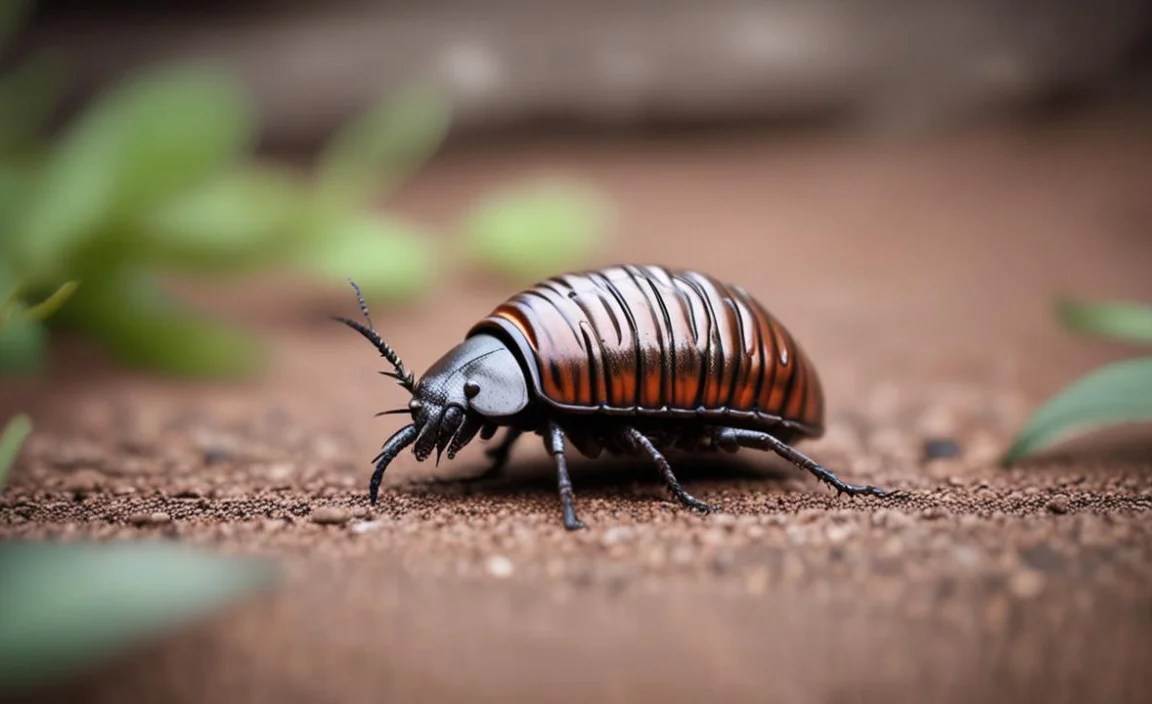
Pill bugs and sow bugs are often confused. They look very similar. But, there are some key differences. Pill bugs can roll into a ball. Sow bugs cannot. This is the easiest way to tell them apart. Pill bugs have a smoother, more rounded body. Sow bugs have a flatter, more segmented body. Pill bugs prefer damp environments. Sow bugs can tolerate drier conditions. Both pill bugs and sow bugs eat decaying organic matter. They both play a role in the ecosystem. Understanding the differences can help you manage them. You can then take the right steps to protect your garden. Are pill bugs bad for gardens? Knowing the difference matters.
| Feature | Pill Bug | Sow Bug |
|---|---|---|
| Rolling into a ball | Yes | No |
| Body Shape | Smooth, rounded | Flat, segmented |
| Preferred Habitat | Damp | Drier |
| Common Name | Roly-poly | None |
- Pill bugs can roll into a ball; sow bugs cannot.
- Pill bugs have a smoother body; sow bugs have segments.
- Pill bugs prefer damp places; sow bugs like drier areas.
- Both eat dead plants and help the soil.
- Knowing the difference helps manage them better.
Both pill bugs and sow bugs can be found in gardens. They both eat decaying organic matter. This helps to break down the material. It puts nutrients back into the soil. Both can also eat young plants if they are hungry. This can cause damage. It is important to monitor your garden. Look for signs of damage. If you see pill bugs or sow bugs, take action. You can move them to another area. You can create traps to catch them. You can also make your garden less friendly to them. This can help keep their population under control. Knowing when to act is key to keeping your garden healthy. Are pill bugs bad for gardens? The same control methods work for both.
Key Differences in Appearance
The key difference in appearance is rolling ability. Pill bugs can roll into a tight ball when threatened. Sow bugs cannot. This is because their bodies are shaped differently. Pill bugs have a more rounded body. This allows them to curl up easily. Sow bugs have a flatter body. They cannot curl up completely. Another difference is the presence of uropods. Uropods are small appendages. They stick out from the rear of sow bugs. Pill bugs do not have these uropods. These differences make it easy to tell them apart. Knowing what to look for is helpful. You can then manage them effectively. Are pill bugs bad for gardens? Appearance helps you identify them.
Habitat Preferences Compared
Pill bugs and sow bugs have different habitat preferences. Pill bugs prefer damp, moist environments. They need moisture to survive. They are often found under rocks, logs, and leaves. Sow bugs can tolerate drier conditions. They can be found in more exposed areas. They are less dependent on moisture. This difference in habitat preference can affect their behavior. Pill bugs are more likely to be found in shady, damp areas. Sow bugs may be found in sunny, drier areas. Knowing their habitat preferences can help you find them. You can then take steps to control them. Are pill bugs bad for gardens? Habitat affects their presence.
Impact on Garden Ecosystems
Both pill bugs and sow bugs have an impact on garden ecosystems. They both eat decaying organic matter. This helps to break down the material. It returns nutrients to the soil. They also aerate the soil as they move around. This improves soil structure. Both can also eat young plants. This can cause damage. The impact they have depends on their population size. A small population is beneficial. A large population can be harmful. It is important to maintain a balance. Encourage natural predators. Control their food source. This will keep their population in check. This allows them to contribute to the ecosystem. Are pill bugs bad for gardens? It depends on their impact.
Fun Fact or Stat: Sow bugs have two antennae, while pill bugs only have one visible pair!
Preventing Pill Bug Infestations
Preventing pill bug infestations is easier than getting rid of them. Start by keeping your garden clean. Remove dead leaves and debris. These materials provide food and shelter for pill bugs. Reduce moisture in your garden. Water your plants in the morning. This gives the soil time to dry out during the day. Improve drainage in your garden. Add compost or other organic matter to the soil. This will help the soil drain better. Create barriers around your plants. Use copper tape or diatomaceous earth. These materials will keep pill bugs away. Encourage natural predators. Birds and frogs eat pill bugs. Making your garden friendly to these animals can help control the population. Are pill bugs bad for gardens? Prevention is key.
- Keep your garden clean and tidy.
- Reduce moisture by watering in the morning.
- Improve soil drainage to avoid damp areas.
- Use barriers like copper tape around plants.
- Encourage natural predators like birds and frogs.
Regularly inspect your garden. Look for signs of pill bug activity. Check under rocks and logs. Look for damage to your plants. If you catch problems early, you can prevent major infestations. Use organic mulches carefully. Some mulches can hold moisture. This can attract pill bugs. Choose mulches that drain well. Spread them thinly. Consider using raised garden beds. These beds drain better than ground-level gardens. They are also easier to protect from pill bugs. By taking these steps, you can prevent pill bug infestations. This will keep your garden healthy. Are pill bugs bad for gardens? Prevent problems before they start.
Maintaining a Clean Garden
Maintaining a clean garden is essential for preventing pill bug infestations. Remove dead leaves, fallen fruit, and other debris regularly. These materials provide food and shelter for pill bugs. Compost these materials in a separate compost bin. Keep your compost bin away from your garden. This will prevent pill bugs from moving into your garden. Weed your garden regularly. Weeds can create damp, shady areas. These areas are attractive to pill bugs. Keep your garden tidy. This will make it less inviting to pill bugs. A clean garden is a healthy garden. It is less likely to attract pests. Are pill bugs bad for gardens? Keep it clean to prevent them.
Proper Watering Techniques
Proper watering techniques can help prevent pill bug infestations. Water your plants in the morning. This gives the soil time to dry out during the day. Avoid overwatering. Overwatering creates damp conditions. These conditions are attractive to pill bugs. Use drip irrigation. This delivers water directly to the roots of your plants. It keeps the soil surface dry. Improve drainage in your garden. Add compost or other organic matter to the soil. This will help the soil drain better. Water deeply but less frequently. This encourages deep root growth. It also helps to keep the soil surface dry. Are pill bugs bad for gardens? Proper watering helps.
Using Barriers Effectively
Using barriers effectively can prevent pill bugs from reaching your plants. Copper tape is a good option. Place it around your plant beds. Pill bugs do not like to cross copper. Diatomaceous earth is another effective barrier. Sprinkle it around your plants. It will cut their exoskeletons. This will cause them to dry out and die. Use row covers or netting to protect seedlings. These covers will keep pill bugs away from young, tender plants. Regularly check your barriers. Make sure they are in good condition. Repair any damage. This will ensure that they continue to be effective. Are pill bugs bad for gardens? Barriers help keep them away.
Fun Fact or Stat: Pill bugs can detect moisture using special organs on their antennae!
Summary
Are pill bugs bad for gardens? The answer is not always simple. Pill bugs can be both helpful and harmful. They help break down dead plants. This adds nutrients to the soil. But, they can also eat young plants. This can cause damage. Controlling pill bugs is about balance. You want to keep their population in check. You do not want to eliminate them completely. There are many ways to control pill bugs. You can reduce moisture. You can remove their food source. You can create traps. You can also encourage natural predators. By understanding their role, you can manage them effectively. This will keep your garden healthy.
Conclusion
Pill bugs are a common part of garden ecosystems. They can be beneficial. They help recycle nutrients. They can also be harmful. They might eat young plants. Knowing how to manage them is important. Keep your garden clean. Control moisture. Encourage natural predators. Are pill bugs bad for gardens? It depends on how you manage them. A healthy garden can coexist with pill bugs. Monitor your plants. Take action when needed. This will keep your garden thriving.
Frequently Asked Questions
Question No 1: What are pill bugs?
Answer: Pill bugs are small, gray crustaceans. They are not insects. They are related to shrimp and crabs. They have a segmented body. They can roll into a ball when threatened. This is why they are called roly-polies. They are usually found in damp places. They eat decaying organic matter. This helps to break down the material. It puts nutrients back into the soil. Are pill bugs bad for gardens? Knowing what they are is the first step to managing them.
Question No 2: Are pill bugs harmful to plants?
Answer: Pill bugs usually eat dead or decaying material. But, they can also eat young, tender plants. Seedlings are especially vulnerable. They can be eaten completely. Look for small, irregular holes in leaves. This is a sign of pill bug damage. Check the stems of your plants. Pill bugs may chew on the stems. This can weaken or kill the plant. If you see pill bugs and plant damage, take action. Protect your plants. Control the pill bugs. Are pill bugs bad for gardens? They can be harmful if they eat your plants.
Question No 3: How can I control pill bugs in my garden?
Answer: There are many ways to control pill bugs in your garden. Reduce moisture by watering in the morning. Remove dead leaves and debris. Create simple traps to catch them. Encourage natural predators like birds. Use diatomaceous earth as a barrier. Regularly inspect your garden. Look for signs of pill bug damage. If you catch problems early, you can prevent major damage. Controlling pill bugs is about balance. You want to keep their population down. You do not want to eliminate them completely. They do play a role in the ecosystem. Are pill bugs bad for gardens? Control them naturally to keep your garden healthy.
Question No 4: What is the difference between pill bugs and sow bugs?
Answer: Pill bugs and sow bugs are often confused. They look very similar. But, there are some key differences. Pill bugs can roll into a ball. Sow bugs cannot. This is the easiest way to tell them apart. Pill bugs have a smoother, more rounded body. Sow bugs have a flatter, more segmented body. Pill bugs prefer damp environments. Sow bugs can tolerate drier conditions. Both pill bugs and sow bugs eat decaying organic matter. Are pill bugs bad for gardens? The same control methods work for both.
Question No 5: Are pill bugs beneficial to the garden?
Answer: Yes, pill bugs offer some benefits to your garden. They are nature’s recyclers. They eat dead plants and leaves. This breaks down organic matter. It returns nutrients to the soil. Pill bugs also aerate the soil. As they move around, they create small tunnels. These tunnels allow air and water to reach plant roots. This helps plants grow stronger. Pill bugs can also help control other pests. They eat nematodes. Are pill bugs bad for gardens? Not always! They can be beneficial.
Question No 6: How can I prevent pill bug infestations?
Answer: Preventing pill bug infestations is easier than getting rid of them. Keep your garden clean. Remove dead leaves and debris. Reduce moisture in your garden. Improve drainage in your garden. Create barriers around your plants. Encourage natural predators. Regularly inspect your garden. Look for signs of pill bug activity. Catch problems early. Use organic mulches carefully. Consider using raised garden beds. Are pill bugs bad for gardens? Prevention is key to a healthy garden.
