Do you love playing in your garden? Have you ever seen wiggly worms in the soil? You might wonder, are red worms good for gardens? They look small, but they can do big things! Let’s learn how these tiny creatures can help your plants grow strong.
Red worms are like secret helpers. They work hard to make your garden healthy. They eat old leaves and turn them into super soil. This soil helps your flowers bloom and your veggies grow!
Key Takeaways
- Red worms improve soil, helping plants grow bigger and stronger naturally.
- Worm castings act like a natural fertilizer that feeds your plants slowly.
- Red worms are good for gardens because they aerate the soil, letting air reach roots.
- These worms help break down dead leaves and other waste into useful compost.
- Adding red worms to your garden is a simple way to make it more eco-friendly.
Why Are Red Worms Good for Gardens?

Red worms are good for gardens because they are amazing composters. They eat decaying organic matter like dead leaves and food scraps. As they eat, they create something called worm castings. Worm castings are like super-rich soil. They are full of nutrients that plants love. These nutrients help plants grow big and strong. Red worms also help air and water get into the soil. They dig tunnels as they move around. These tunnels let air and water reach the plant roots. This makes the soil healthier for plants to grow in. When the soil is healthy, the plants are happy too! Adding red worms is an easy way to make your garden better.
- Red worms eat dead leaves and food scraps.
- They make worm castings, a great fertilizer.
- Worms help air and water reach plant roots.
- Healthy soil makes plants grow well.
- Adding red worms is an easy way to help gardens.
Imagine your garden is like a playground for plants. The soil needs to be soft and full of good stuff for the plants to play and grow. Red worms are like the playground helpers. They keep the soil clean and full of nutrients. They work all day and night, making sure the plants have everything they need. They are small but mighty! That’s why they are so important for a healthy garden. They are nature’s little helpers, making sure everything grows just right. They truly are a gardener’s best friend.
Do Red Worms Eat Plant Roots?
Do you ever worry that worms might eat your plants? It’s a good question! Red worms usually don’t eat live plant roots. They like to eat dead leaves, old fruits, and other decaying stuff. Think of them as tiny recyclers. They clean up the garden by eating things that would otherwise rot. They turn this waste into food for your plants! However, if there’s nothing else to eat, worms might nibble on weak or damaged roots. But mostly, they are busy eating the yucky stuff and making the soil better. So, you don’t have to worry about them munching on your healthy plants.
How Do Red Worms Help Soil?
Have you ever seen soil that’s hard and dry? Plants don’t like that kind of soil! Red worms help to make the soil soft and full of air. As they move around, they dig little tunnels. These tunnels let air and water get to the plant roots. It’s like giving the roots a breath of fresh air and a cool drink. Also, their castings add nutrients to the soil. These nutrients are like vitamins for plants. They help plants grow strong and healthy. So, red worms are like tiny gardeners that work hard to keep the soil in tip-top shape for your plants.
What Do Worm Castings Do?
Worm castings are like magic dust for your garden. They are full of good stuff that plants love. Think of them as a super-powered fertilizer. Castings have lots of nutrients like nitrogen, phosphorus, and potassium. These nutrients help plants grow big and strong. They also help plants resist diseases. The castings are released slowly, so the plants get a steady supply of food. It’s like giving them a healthy snack every day. Plus, worm castings help the soil hold water. This means you don’t have to water your plants as often. So, worm castings are a win-win for your garden!
Fun Fact or Stat: A single red worm can produce its own weight in castings every single day!
What Kind of Soil Do Red Worms Need?

Red worms are like picky eaters when it comes to their home. They don’t like soil that is too dry or too wet. They prefer soil that is moist and has lots of organic matter. Organic matter is stuff like dead leaves, compost, and old food scraps. This is what they eat! The soil should also have a good pH level. This means it shouldn’t be too acidic or too alkaline. A pH of around 6.0 to 7.0 is perfect for them. If the soil is just right, the red worms will be happy and healthy. And happy worms mean a healthy garden! So, make sure their home is just the way they like it.
- Red worms like moist, not dry, soil.
- They need lots of organic matter to eat.
- The soil pH should be around 6.0 to 7.0.
- Happy worms mean a healthy garden.
- Good soil helps worms do their job well.
- Red worms need a comfy home.
Imagine you are building a house for your red worms. You wouldn’t want it to be too hot, too cold, or too uncomfortable. You would want it to be just right. The same goes for their soil. It needs to be just perfect for them to thrive. They need a place where they can eat, move around, and do their important work. When you give them the right kind of soil, they will reward you with healthy plants and a beautiful garden. It’s all about creating a happy home for your tiny helpers.
How Much Moisture Do They Need?
Red worms are like Goldilocks when it comes to moisture. They don’t like it too wet, and they don’t like it too dry. They like it just right! The soil should be moist, like a wrung-out sponge. If you squeeze the soil, a few drops of water should come out. If the soil is too wet, the worms can drown. If it’s too dry, they can’t move around and eat. So, check the soil often and add water when needed. Keeping the moisture just right will keep your red worms happy and wiggling!
Why Is Organic Matter Important?
Organic matter is like a buffet for red worms. It’s all the yummy stuff they love to eat. This includes dead leaves, food scraps, and compost. When they eat this stuff, they turn it into worm castings. Worm castings are like a super fertilizer for your plants. So, the more organic matter you give your worms, the more castings they will make. It’s like a cycle of goodness! Plus, organic matter helps the soil hold water and air. This makes the soil even better for your plants. So, load up on the organic matter and keep your worms happy and well-fed!
How Does pH Affect Red Worms?
pH is like a measure of how sour or sweet the soil is. Red worms don’t like soil that is too sour or too sweet. They prefer soil that is neutral, or just right. A pH of around 6.0 to 7.0 is perfect for them. If the pH is too high or too low, it can hurt the worms. It can even kill them! You can test the pH of your soil with a simple kit. If it’s not right, you can add things to make it better. For example, lime can raise the pH, and sulfur can lower it. Keeping the pH in the right range will help your red worms thrive.
Fun Fact or Stat: Red worms can eat up to half their body weight in organic matter every day!
How Do Red Worms Improve Soil Structure?
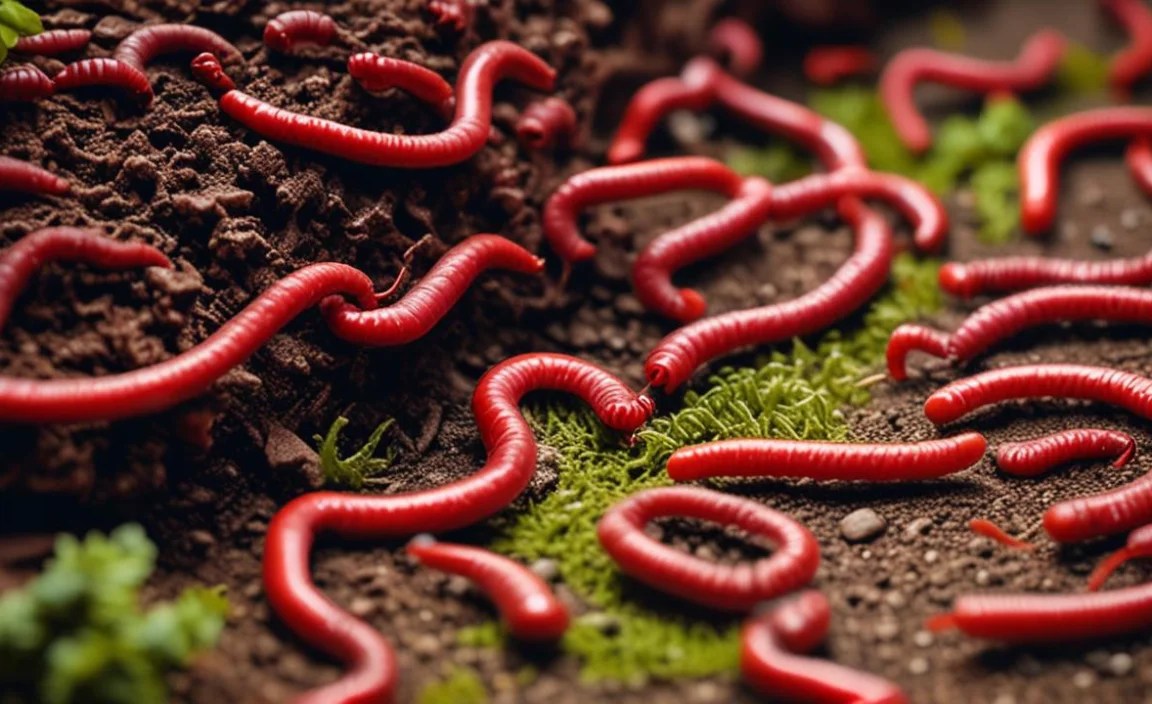
Red worms are good for gardens because they improve the structure of the soil. Think of soil structure like the way the soil is put together. Good soil structure means the soil has lots of small spaces. These spaces let air and water move through the soil easily. Red worms help create these spaces by digging tunnels. Their tunnels also help plant roots grow deeper. As they move around, they also mix the soil. This mixing helps to distribute nutrients evenly. Good soil structure means healthier plants. Red worms are like tiny engineers, building a better home for your plants.
- Red worms dig tunnels in the soil.
- Tunnels let air and water move easily.
- Worms mix the soil, spreading nutrients.
- Better soil structure means healthier plants.
- Worms help plant roots grow deeper.
- Red worms are like soil engineers.
Imagine the soil is like a building. If the building is made of big, solid blocks, it will be hard for anything to get inside. But if the building is made of blocks with lots of holes, air and water can move through easily. Red worms help to create those holes in the soil. They are like tiny construction workers, digging tunnels and mixing things up. They make sure the soil is just right for the plants to grow strong and healthy. They are truly amazing little creatures.
How Do Tunnels Help?
Tunnels are like highways in the soil. They allow air and water to travel quickly to the plant roots. Plant roots need air and water to survive. Without them, they will dry out and die. The tunnels also help the roots grow deeper. Deeper roots mean stronger plants. Red worms are like the road builders of the soil. They create a network of tunnels that keep the plants healthy and happy. So, thank those wiggly worms for their hard work!
Why Is Mixing the Soil Important?
Mixing the soil is like stirring a cake batter. You want to make sure all the ingredients are mixed together evenly. When red worms move around, they mix the soil. This helps to spread nutrients evenly throughout the soil. Nutrients are like food for the plants. They need them to grow big and strong. By mixing the soil, the worms make sure every plant gets the nutrients it needs. They are like tiny chefs, making sure everyone gets a fair share of the goodies!
What Is Soil Compaction?
Soil compaction is like squishing the soil down really hard. When soil is compacted, there is very little space for air and water. Plant roots have a hard time growing in compacted soil. Red worms help to prevent soil compaction. Their tunnels create spaces for air and water. They also help to break up the compacted soil. Red worms are like tiny superheroes, fighting against soil compaction and keeping the soil healthy and loose. They are truly amazing!
Fun Fact or Stat: Worm tunnels can increase water infiltration in the soil by up to six times!
What Plants Benefit Most from Red Worms?

Many plants love having red worms around! Vegetables like tomatoes, peppers, and lettuce grow really well with them. Flowers like roses and petunias also benefit. Even herbs like basil and mint enjoy the nutrient-rich soil that worms create. Red worms help all these plants by improving the soil. They add nutrients, improve drainage, and increase air flow. So, if you want your plants to thrive, adding red worms is a great idea. They are like tiny gardeners, working hard to make your plants happy.
- Tomatoes love the nutrients from worm castings.
- Peppers grow bigger with better soil drainage.
- Lettuce thrives in the worm-rich soil.
- Roses bloom brighter with healthy soil.
- Herbs like basil and mint grow faster.
- Petunias love the added nutrients.
Imagine you’re throwing a party for your plants. You want to make sure they have all the best food and drinks. Red worms are like the party planners. They make sure the soil is full of all the right nutrients. They also make sure the soil is well-drained and has plenty of air. This makes the plants happy and helps them grow big and strong. So, invite some red worms to your garden party and watch your plants thrive!
Do Vegetables Like Worms?
Yes, vegetables absolutely love worms! Worms help to make the soil perfect for growing veggies. They add nutrients and improve drainage. This means the vegetables get all the food and water they need. Tomatoes grow bigger and juicier. Peppers become more colorful and flavorful. Lettuce becomes crispier and tastier. Worms are like the secret ingredient for delicious vegetables. So, add some worms to your vegetable garden and get ready for a bountiful harvest!
Are Flowers Helped by Red Worms?
Flowers also benefit greatly from red worms. Worms help to make the soil rich and full of nutrients. This makes the flowers bloom brighter and longer. Roses become more fragrant and beautiful. Petunias become more vibrant and colorful. Worms are like the artists of the garden. They help to create a beautiful and stunning display of flowers. So, add some worms to your flower garden and get ready for a breathtaking show!
What About Herbs?
Herbs love red worms too! Worms help to make the soil perfect for growing herbs. They add nutrients and improve drainage. This means the herbs grow faster and stronger. Basil becomes more fragrant and flavorful. Mint becomes more refreshing and vibrant. Worms are like the chefs of the garden. They help to create a delicious and aromatic collection of herbs. So, add some worms to your herb garden and get ready for a culinary adventure!
Fun Fact or Stat: Plants grown in soil with red worms can produce up to 25% more yield!
How to Introduce Red Worms to Your Garden

Adding red worms to your garden is easy! First, make sure you have the right kind of worms. Red wigglers, also known as Eisenia fetida, are the best for composting. You can buy them online or at a local garden store. Prepare your garden bed by adding plenty of organic matter. This could be compost, dead leaves, or shredded paper. Dig a small hole and place the worms inside. Cover them with soil and water gently. The worms will start exploring their new home. Over time, they will improve the soil and help your plants grow. It’s like welcoming new friends to your garden!
- Buy red wigglers from a store or online.
- Add organic matter to your garden bed.
- Dig a small hole for the worms.
- Cover the worms with soil and water.
- Let the worms explore their new home.
- Watch your plants grow healthier.
Imagine you are inviting some new neighbors to your town. You would want to make sure they have a nice place to live. You would give them a map of the town and show them all the best places to eat and visit. Adding red worms to your garden is similar. You want to make sure they have a comfortable home with plenty of food. You want to show them around and help them settle in. Once they are settled, they will become valuable members of your garden community.
Where Can You Buy Red Wigglers?
You can buy red wigglers at many places. Local garden stores often sell them. You can also find them online from various vendors. Look for reputable sellers who guarantee live delivery. Make sure the worms are healthy and active when they arrive. A good seller will provide instructions on how to introduce the worms to your garden. Buying from a trusted source will ensure you get healthy worms that will thrive in your garden.
How Much Organic Matter Is Needed?
Red worms love organic matter! The more you add, the happier they will be. Aim for a mixture that is about 50% organic matter. This could include compost, dead leaves, shredded paper, and food scraps. Mix the organic matter into the soil thoroughly. This will give the worms plenty of food to eat. You can also add more organic matter over time as it decomposes. Keeping the soil rich in organic matter will keep your worms happy and productive.
How Deep Should You Bury Them?
When you introduce the worms to your garden, you don’t need to bury them too deep. Just dig a small hole, about 4-6 inches deep. Place the worms in the hole and cover them gently with soil. The worms will naturally burrow deeper into the soil on their own. Burying them too deep can make it hard for them to find food. So, keep it shallow and let them do the rest. They know what they are doing!
Fun Fact or Stat: Red worms can double their population in just 60-90 days under ideal conditions!
Potential Problems with Red Worms in Gardens
While red worms are good for gardens, there can be some problems. Too much water can drown them. Pests like birds and rodents might try to eat them. Also, certain chemicals in the soil can harm them. It’s important to monitor your worm population. Make sure the soil is not too wet or too dry. Protect them from predators by covering the soil. Avoid using harmful chemicals in your garden. By taking these precautions, you can keep your red worms happy and healthy.
| Problem | Solution |
|---|---|
| Too much water | Improve drainage; add dry materials. |
| Pests | Cover the soil with netting. |
| Harmful chemicals | Avoid using pesticides and herbicides. |
| Not enough food | Add more organic matter regularly. |
Imagine you are taking care of a pet. You need to make sure they have everything they need to be healthy and happy. You need to protect them from danger and give them plenty of food and water. Taking care of red worms is similar. You need to make sure they have the right environment and protect them from harm. By being a responsible worm caretaker, you can ensure they thrive in your garden.
What Happens If It Rains Too Much?
Too much rain can be a problem for red worms. If the soil becomes waterlogged, the worms can drown. They need air to breathe, and too much water can suffocate them. To prevent this, make sure your garden has good drainage. You can add materials like sand or perlite to improve drainage. You can also cover the soil with a tarp during heavy rains. Keeping the soil from becoming waterlogged will protect your worms.
How Can You Protect Worms From Pests?
Pests like birds and rodents might try to eat your red worms. To protect them, you can cover the soil with netting. This will prevent birds from getting to the worms. You can also use traps to catch rodents. Another option is to create a worm bin. A worm bin is a contained environment that protects the worms from predators. By taking these steps, you can keep your worms safe from pests.
What Chemicals Are Harmful to Worms?
Many chemicals can be harmful to red worms. Pesticides, herbicides, and fertilizers can all kill worms. Avoid using these chemicals in your garden. Instead, use natural alternatives like compost and organic fertilizers. If you must use chemicals, choose ones that are specifically labeled as safe for worms. Always read the label carefully before applying any chemicals to your garden. Protecting your worms from harmful chemicals will keep them healthy and productive.
Fun Fact or Stat: Red worms can move up to 6 feet in a single day to find better living conditions!
Maintaining a Healthy Red Worm Population
To keep your red worms happy and healthy, you need to maintain their environment. Keep the soil moist but not too wet. Add organic matter regularly to provide them with food. Monitor the pH level of the soil. Protect them from extreme temperatures. In the winter, you might need to insulate the soil. In the summer, provide shade to keep them cool. By taking these steps, you can ensure your red worms thrive and continue to improve your garden.
- Keep the soil moist but not soggy.
- Add organic matter regularly.
- Monitor the pH level of the soil.
- Protect worms from extreme temperatures.
- Provide shade during the summer.
- Insulate the soil during the winter.
Imagine you are running a hotel for red worms. You want to make sure your guests have everything they need to be comfortable. You would provide them with food, water, and a comfortable place to sleep. You would also protect them from the weather and any other dangers. Maintaining a healthy red worm population is like running a successful hotel. You need to take care of your guests and provide them with everything they need to thrive.
How Often Should You Add Organic Matter?
You should add organic matter to your garden regularly. How often depends on how quickly the worms are eating it. A good rule of thumb is to add more organic matter every 1-2 weeks. You can add compost, dead leaves, shredded paper, or food scraps. Spread the organic matter evenly over the soil surface. The worms will come up to the surface to eat it. Adding organic matter regularly will keep your worms well-fed and happy.
How Do You Check Soil Moisture?
Checking soil moisture is easy. Simply stick your finger into the soil. If the soil feels dry, it needs more water. If the soil feels soggy, it has too much water. The soil should feel moist, like a wrung-out sponge. You can also use a moisture meter to get a more accurate reading. Adjust your watering schedule as needed to keep the soil at the right moisture level.
What Temperature Is Best for Worms?
Red worms prefer temperatures between 55°F and 77°F. They can tolerate temperatures outside of this range, but they won’t be as active. In the summer, provide shade to keep the soil cool. In the winter, insulate the soil to keep it warm. You can use straw, leaves, or a tarp to insulate the soil. Keeping the temperature within the ideal range will help your worms thrive.
Fun Fact or Stat: Red worms can survive freezing temperatures by going dormant, but they are most productive in warmer conditions!
Summary
So, are red worms good for gardens? Absolutely! Red worms are amazing creatures that can greatly improve your garden’s health. They eat dead leaves and food scraps, turning them into nutrient-rich worm castings. These castings act as a natural fertilizer, helping your plants grow bigger and stronger. Red worms also help to aerate the soil, allowing air and water to reach the plant roots. They improve soil structure, making it easier for plants to thrive. While there can be some challenges, like protecting them from pests and extreme weather, the benefits far outweigh the risks. Adding red worms to your garden is a simple and effective way to create a healthy and thriving ecosystem.
Conclusion
Red worms are truly a gardener’s best friend. They work tirelessly to improve the soil, providing plants with the nutrients and environment they need to thrive. They are easy to introduce to your garden and require minimal maintenance. While there are some potential problems, they are easily managed with a little care and attention. So, if you’re looking for a natural and effective way to improve your garden, consider adding red worms. They are a valuable addition to any garden, and are red worms good for gardens is definitely true!
Frequently Asked Questions
Question No 1: What exactly are red worms?
Answer: Red worms, also known as red wigglers (Eisenia fetida), are small, reddish-brown worms that are commonly used for composting. They are different from earthworms, which live deeper in the soil. Red worms live closer to the surface and eat decaying organic matter like dead leaves, food scraps, and compost. They are excellent at breaking down this material and turning it into nutrient-rich worm castings. These castings are a great fertilizer for plants. So, red worms are nature’s little recyclers, helping to improve soil and plant health.
Question No 2: Where can I find red worms for my garden?
Answer: You can find red worms at several places. Local garden stores often sell them, especially in the spring and summer. You can also buy them online from various vendors who specialize in composting worms. When buying online, make sure to choose a reputable seller who guarantees live delivery. Look for reviews and check their return policy. Another option is to ask a friend or neighbor who already has a worm composting system if they can spare some worms. No matter where you get them, make sure they are healthy and active before introducing them to your garden. Remember, are red worms good for gardens? Yes, if they are healthy!
Question No 3: How do I know if I have enough red worms in my garden?
Answer: It can be tricky to know exactly how many red worms you have, but there are some signs to look for. If your plants are growing well and the soil is healthy, you probably have a good population of worms. You can also dig around in the soil and look for worms. If you find several worms in a small area, you likely have enough. If you’re not seeing many worms, you can add more. It’s also important to make sure they have enough food. If the organic matter is disappearing quickly, you might need to add more. Keeping an eye on your plants and the soil will help you determine if you have enough red worms.
Question No 4: Can I use any type of worm in my garden?
Answer: No, not all worms are the same! Red worms (Eisenia fetida) are the best type of worm to use for composting and improving soil health. Earthworms, which are commonly found in gardens, live deeper in the soil and don’t break down organic matter as quickly. In fact, are red worms good for gardens? Yes, because they are surface dwellers and eat decaying material. So, stick with red worms for your composting and gardening needs. They are the most efficient and effective type of worm for improving soil health and helping your plants grow.
Question No 5: What should I do if my red worms start to die?
Answer: If your red worms start to die, there could be several reasons why. The most common causes are too much or too little moisture, extreme temperatures, lack of food, or harmful chemicals in the soil. Check the soil moisture and make sure it’s not too wet or too dry. Make sure the temperature is within the ideal range of 55°F to 77°F. Add more organic matter if they are running out of food. Avoid using pesticides, herbicides, or other harmful chemicals in your garden. By addressing these potential problems, you can help your red worms thrive and keep your garden healthy.
Question No 6: Will red worms attract other pests to my garden?
Answer: Red worms themselves don’t typically attract other pests. However, the organic matter they eat can sometimes attract pests like fruit flies or rodents. To minimize this, bury food scraps under a layer of soil or compost. Avoid adding meat or dairy products to your compost pile, as these can attract unwanted animals. You can also cover the soil with netting to protect the worms from birds. By taking these precautions, you can enjoy the benefits of red worms without attracting unwanted pests to your garden. Plus, remember, are red worms good for gardens? Yes, and that outweighs the small risk of attracting other pests!
