Have you ever seen a worm in your garden? Did you know these wiggly creatures help plants grow? They might seem small, but they are mighty helpers. So, are worms good for gardens? Let’s find out why gardeners love them.
Worms work hard to make soil healthy. They are like tiny farmers in the ground. Keep reading to learn more about worms and gardens.
Key Takeaways
- Worms help gardens by making the soil richer and better for plants.
- Worms create worm castings, which act like natural fertilizer.
- Tunnels made by worms help water and air reach plant roots easily.
- Are worms good for gardens? Yes, they break down dead leaves and other things.
- Adding worms to your garden can lead to healthier plants and bigger harvests.
Why Are Worms Good for Gardens?

Worms are amazing creatures that do a lot for gardens. They might be small, but they have a big job. Worms eat dead leaves and other stuff in the soil. Then, they poop it out, making the soil full of good stuff. This “worm poop” is called worm castings. Worm castings are like a super fertilizer for plants. They help plants grow big and strong. Worms also dig tunnels in the soil. These tunnels let air and water reach the plant roots. When roots get enough air and water, they can grow better. So, worms help gardens in many ways. They make the soil richer, help plants get air and water, and keep the garden healthy. Without worms, gardens would not be as green and full of life.
- Worms eat dead leaves.
- They make soil richer.
- Worm castings are great fertilizer.
- Tunnels help air and water flow.
- Worms keep gardens healthy.
Imagine your garden is a house. The soil is the foundation of the house. If the foundation is weak, the house won’t stand strong. Worms help make the soil a strong foundation for your plants. They improve the soil in many ways. They add nutrients, create air pockets, and help water drain. Worms are like the construction workers of your garden. They work hard to build a healthy home for your plants. So, next time you see a worm, thank it for helping your garden grow. They are truly amazing helpers. Are worms good for gardens? Absolutely!
Fun Fact or Stat: A single earthworm can produce its own weight in castings every day!
How Worms Help Soil
Have you ever wondered how worms help soil? Worms are like tiny recyclers in the ground. They eat dead leaves and other organic matter. Then, they turn it into nutrient-rich castings. These castings are full of good stuff for plants. They contain nitrogen, phosphorus, and potassium. These are important nutrients that plants need to grow. Worms also help improve soil structure. Their tunnels create air pockets in the soil. These air pockets let roots breathe. They also help water drain better. Good soil structure is important for healthy plants. It allows roots to spread out and get the nutrients they need. So, worms help soil in many ways. They add nutrients, improve structure, and keep it healthy.
Worms and Nutrients
Did you know that worms are like nutrient delivery trucks for plants? When worms eat organic matter, they break it down. This releases nutrients into the soil. These nutrients are then available for plants to use. Worms also help distribute nutrients evenly throughout the soil. As they tunnel, they mix the soil and spread the nutrients around. This ensures that all parts of the garden benefit. Worm castings are also a great source of nutrients. They release nutrients slowly over time, providing a steady supply for plants. So, worms play a vital role in nutrient cycling in the garden. They help plants get the nutrients they need to thrive.
Better Soil Structure
Imagine trying to grow plants in hard, compacted soil. It would be tough, right? Worms help solve this problem by improving soil structure. Their tunnels create pathways for air and water to move through the soil. This helps loosen the soil and makes it easier for roots to grow. Worm tunnels also improve drainage. They prevent water from pooling on the surface. This can help prevent root rot and other problems. Good soil structure also helps with aeration. It allows oxygen to reach the roots. Oxygen is essential for root growth and overall plant health. So, worms help create the perfect environment for roots to thrive.
Fun Fact or Stat: Worms can improve soil drainage by up to 10 times!
Worm Castings: Natural Fertilizer

Worm castings are like black gold for your garden. They are the poop of worms, and they are full of nutrients. These nutrients are great for plants. Worm castings contain nitrogen, phosphorus, and potassium. These are the three main nutrients that plants need to grow. But that’s not all. Worm castings also contain other micronutrients. These include calcium, magnesium, and iron. These micronutrients are important for plant health too. Worm castings are also different from chemical fertilizers. They release nutrients slowly over time. This means that plants get a steady supply of nutrients. They don’t get a sudden burst of nutrients, which can sometimes be harmful. Worm castings also help improve soil structure. They make the soil more porous, which helps with drainage and aeration. So, worm castings are a natural and effective way to fertilize your garden.
- Worm castings are worm poop.
- They are full of nutrients.
- They contain nitrogen, phosphorus, and potassium.
- Worm castings release nutrients slowly.
- They improve soil structure.
- Worm castings are natural fertilizer.
Have you ever used chemical fertilizers in your garden? They can be effective, but they can also have negative side effects. Chemical fertilizers can sometimes burn plants if you use too much. They can also pollute the environment. Worm castings, on the other hand, are a safe and natural alternative. They won’t burn your plants, and they won’t harm the environment. Worm castings are also a great way to improve the overall health of your soil. They add organic matter to the soil, which helps improve its structure and water-holding capacity. So, if you’re looking for a natural and effective way to fertilize your garden, worm castings are a great choice. Are worms good for gardens? Yes, because they make worm castings!
Fun Fact or Stat: Worm castings contain 5 times more nitrogen, 7 times more phosphorus, and 11 times more potassium than regular soil!
Nutrient-Rich Worm Poop
Imagine your garden soil is like a bank account for plants. Worm castings are like making a deposit of valuable nutrients. These nutrients help plants grow strong and healthy. Worm castings are packed with nitrogen, which helps plants grow green leaves. They also contain phosphorus, which helps with root development and flowering. And they have potassium, which helps plants resist diseases. But the best part is that these nutrients are in a form that plants can easily use. They don’t have to work hard to break down the nutrients. Worm castings also contain beneficial microbes that help plants absorb nutrients. So, worm castings are like a super boost for your plants’ nutrient bank account.
Slow-Release Fertilizer
Have you ever heard of slow-release fertilizer? It’s like giving your plants a steady supply of nutrients over time. Worm castings are a perfect example of slow-release fertilizer. Unlike chemical fertilizers, which release nutrients quickly, worm castings release nutrients slowly and steadily. This means that your plants get a constant supply of nutrients. They don’t get a sudden burst of nutrients followed by a period of starvation. This slow-release action also helps prevent nutrient runoff. This is when nutrients wash away from the soil and pollute waterways. Worm castings are a sustainable and environmentally friendly way to fertilize your garden.
Improving Soil Structure
Think of your garden soil as a sponge. If the sponge is too dense, it won’t absorb water well. Worm castings help make the soil more like a sponge. They improve soil structure by creating air pockets and helping to bind soil particles together. This improves drainage and aeration. It allows water and air to reach the roots more easily. Worm castings also help improve the water-holding capacity of the soil. This means that the soil can hold more water, which is important during dry spells. So, worm castings help create the perfect soil structure for healthy plant growth.
Fun Fact or Stat: Worm castings can improve the water-holding capacity of soil by up to 25%!
Worms Help Aerate the Soil
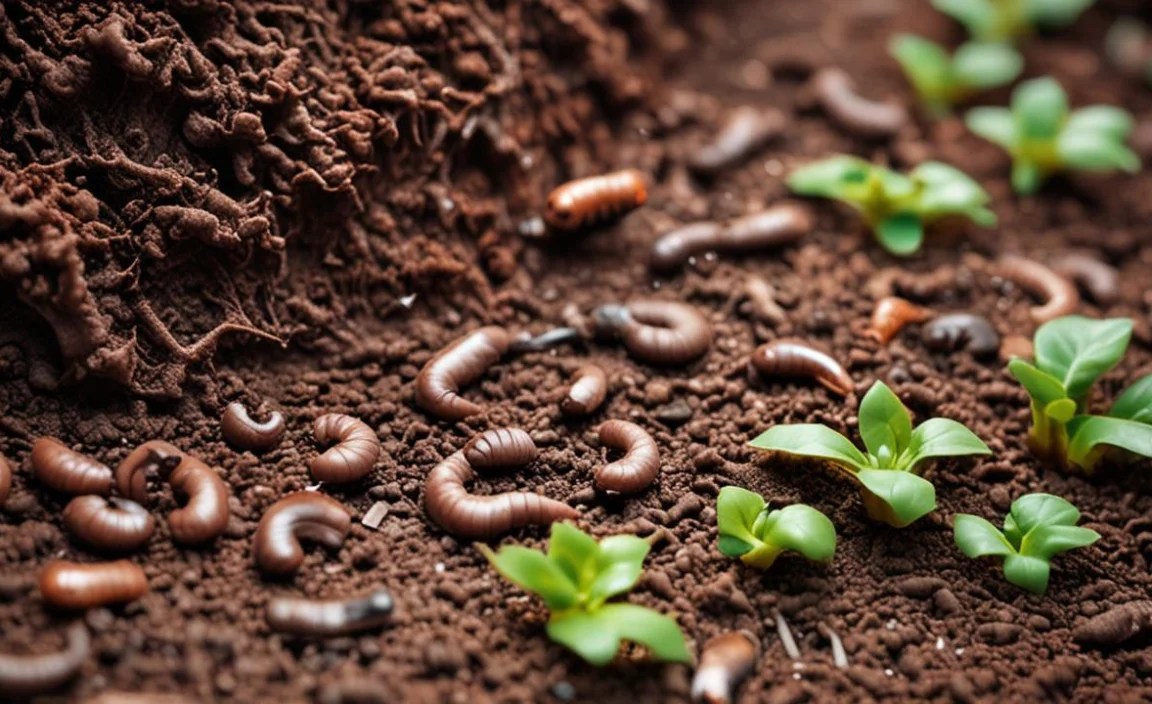
Imagine trying to breathe in a stuffy room. It’s hard to get enough air, right? Plants need air too, and worms help them get it. Worms dig tunnels through the soil as they move around. These tunnels create air pockets in the soil. These air pockets allow oxygen to reach the plant roots. Oxygen is essential for root growth and overall plant health. Without enough oxygen, roots can’t function properly. They can become weak and susceptible to diseases. Worm tunnels also help improve drainage. They allow water to flow through the soil more easily. This prevents water from pooling on the surface, which can lead to root rot. So, worms are like tiny engineers, creating a network of tunnels that aerate the soil and improve drainage.
- Worms dig tunnels in the soil.
- Tunnels create air pockets.
- Air pockets allow oxygen to reach roots.
- Worms improve soil drainage.
- They prevent root rot.
Have you ever noticed how hard and compacted soil can be? It’s difficult for roots to grow in that kind of soil. Worms help loosen the soil by creating tunnels. These tunnels break up the compacted soil and make it easier for roots to spread out. When roots can spread out, they can access more nutrients and water. This leads to healthier and stronger plants. Worm tunnels also provide a pathway for other beneficial organisms to move through the soil. These organisms, such as bacteria and fungi, help break down organic matter and release nutrients. So, worms not only aerate the soil but also create a thriving ecosystem that supports plant growth. Are worms good for gardens? Yes, because they aerate the soil.
Fun Fact or Stat: Worms can create up to 10 tons of castings per acre each year!
Tunneling and Airflow
Picture a bustling city with underground tunnels. These tunnels help people move around quickly and easily. Worm tunnels do the same thing for air in the soil. They create pathways for air to flow freely to the roots. This is especially important in heavy clay soils that tend to be compacted. Worm tunnels help break up the clay and allow air to penetrate. The tunnels also help release carbon dioxide from the soil. Carbon dioxide is a waste product of root respiration. If it builds up in the soil, it can harm the roots. Worm tunnels help keep the soil aerated and healthy.
Preventing Soil Compaction
Imagine trying to walk on a hard, packed beach. It’s much easier to walk on soft, sandy soil. Worms help prevent soil compaction by constantly tunneling through the soil. Their tunnels loosen the soil and prevent it from becoming too dense. This is especially important in gardens that are frequently walked on or tilled. Soil compaction can prevent roots from growing and can reduce water infiltration. Worms help keep the soil loose and healthy, allowing roots to thrive. They are like tiny cultivators, constantly working to improve the soil structure.
Better Water Drainage
Think of your garden soil as a bathtub. If the drain is clogged, the water will overflow. Worm tunnels act like drains in the soil. They help water drain more quickly and prevent it from pooling on the surface. This is especially important in areas with heavy rainfall or poor drainage. Worm tunnels help prevent waterlogging, which can damage roots and lead to root rot. They also help prevent soil erosion by allowing water to soak into the ground instead of running off. So, worms help create a well-drained and healthy soil environment.
Fun Fact or Stat: Worm tunnels can increase water infiltration by up to 6 times!
Worms Break Down Organic Matter
Have you ever wondered what happens to dead leaves and grass clippings in your garden? Worms help break them down! Worms eat dead leaves, grass clippings, and other organic matter. Then, they break it down into smaller pieces. This makes it easier for other organisms, like bacteria and fungi, to decompose it further. Worms also mix the organic matter with the soil. This helps create a rich, fertile soil that is perfect for plants. Breaking down organic matter is important because it releases nutrients back into the soil. These nutrients are then available for plants to use. Without worms, organic matter would take much longer to decompose. This would mean fewer nutrients for your plants. So, worms are like tiny composters in your garden, helping to break down organic matter and create healthy soil.
- Worms eat dead leaves and grass.
- They break down organic matter.
- Worms mix organic matter with soil.
- This releases nutrients.
- It creates fertile soil.
Imagine your garden is a restaurant. Worms are the chefs who take leftover food scraps and turn them into delicious meals for the plants. They eat the dead leaves and grass clippings and transform them into nutrient-rich castings. These castings are like a gourmet meal for your plants. They provide all the essential nutrients that plants need to grow strong and healthy. By breaking down organic matter, worms help create a sustainable ecosystem in your garden. They recycle nutrients and keep the soil healthy. So, next time you see a worm, thank it for being a wonderful chef in your garden restaurant. Are worms good for gardens? Yes, they are excellent composters.
Fun Fact or Stat: Worms can eat up to their own weight in organic matter every day!
Recycling Nutrients
Picture a recycling center where waste is transformed into valuable resources. Worms do the same thing in your garden. They recycle organic matter and turn it into nutrients that plants can use. When worms eat dead leaves and grass clippings, they break them down into smaller pieces. This releases nutrients like nitrogen, phosphorus, and potassium. These nutrients are then available for plants to absorb through their roots. Worms also help distribute these nutrients evenly throughout the soil. This ensures that all parts of the garden benefit from the recycled nutrients. So, worms are like tiny recycling machines, keeping your garden healthy and sustainable.
Composting in the Soil
Have you ever tried composting? It’s a great way to turn kitchen scraps and yard waste into valuable fertilizer. Worms do the same thing in the soil. They are natural composters, breaking down organic matter and turning it into nutrient-rich castings. This process is called vermicomposting. Worms eat the organic matter, digest it, and then excrete it as castings. These castings are a rich source of nutrients and beneficial microbes. Worms also help aerate the compost pile, which speeds up the decomposition process. So, worms are like mini composting factories, working tirelessly to create healthy soil.
Feeding the Soil Food Web
Think of your garden soil as a complex food web. Worms play a vital role in this food web. They are a food source for many other organisms, such as birds, insects, and nematodes. Worms also help break down organic matter, which feeds the entire soil food web. This includes bacteria, fungi, and other microorganisms. These organisms help decompose organic matter further and release nutrients into the soil. They also help improve soil structure and protect plants from diseases. So, worms are like a cornerstone of the soil food web, supporting a healthy and thriving ecosystem.
Fun Fact or Stat: A healthy garden soil can contain millions of microorganisms per teaspoon!
Adding Worms to Your Garden
Want to boost your garden’s health? Consider adding worms! You can buy worms at garden centers or online. Red wigglers are a great choice for gardens. They are active and eat a lot of organic matter. Before adding worms, prepare your soil. Make sure it is moist and has plenty of organic matter. You can add compost or shredded leaves to the soil. This will give the worms a food source. When you release the worms, spread them around the garden. They will burrow into the soil on their own. Water the garden lightly after adding the worms. This will help them get settled in. You can also create a worm bin for composting. This is a great way to recycle kitchen scraps and create worm castings for your garden. Adding worms to your garden is a simple way to improve soil health and grow healthier plants. Are worms good for gardens? Yes, and adding more can help!
- Buy worms at garden centers.
- Red wigglers are a good choice.
- Prepare the soil with compost.
- Release worms around the garden.
- Water lightly after adding worms.
- Create a worm bin.
Imagine your garden is a team of athletes. The plants are the players, and the soil is the training ground. Adding worms to your garden is like hiring a team of personal trainers for your soil. They will work tirelessly to improve the soil’s health and make it a better training ground for your plants. Worms will aerate the soil, break down organic matter, and release nutrients. This will help your plants grow stronger, healthier, and more productive. Adding worms to your garden is a simple and effective way to give your plants a competitive edge. So, if you want to see your garden thrive, consider adding worms to your team.
Fun Fact or Stat: A single worm can lay up to 3 cocoons per week, each containing multiple baby worms!
Choosing the Right Worms
Think of choosing worms like picking the right tool for a job. Different worms are better suited for different tasks. Red wigglers are great for composting and breaking down organic matter. They are active and reproduce quickly. Earthworms are better for aerating the soil and improving drainage. They dig deep tunnels that help loosen the soil. When choosing worms for your garden, consider your specific needs. If you want to improve soil structure, earthworms are a good choice. If you want to compost kitchen scraps, red wigglers are a better option. You can also mix different types of worms to get the benefits of both.
Preparing the Soil
Imagine preparing a comfortable home for your new pets. Worms need a healthy and welcoming environment to thrive. Before adding worms to your garden, make sure the soil is moist and has plenty of organic matter. You can add compost, shredded leaves, or grass clippings to the soil. This will provide the worms with a food source and help them get established. Avoid using chemical fertilizers or pesticides, as these can harm the worms. Also, make sure the soil is not too acidic or alkaline. Worms prefer a neutral pH. Preparing the soil properly will ensure that your worms thrive and improve your garden’s health.
Maintaining a Worm-Friendly Garden
Think of maintaining a worm-friendly garden like taking care of a delicate ecosystem. Worms need a consistent environment to thrive. Avoid tilling the soil too often, as this can disrupt their tunnels and harm them. Also, avoid using chemical fertilizers or pesticides, as these can be harmful. Instead, use organic methods to fertilize and control pests. Keep the soil moist by watering regularly. Add organic matter to the soil regularly to provide a food source for the worms. By creating a worm-friendly environment, you can ensure that your garden thrives for years to come.
Fun Fact or Stat: Worms can live for up to 8 years in a healthy environment!
Potential Problems with Worms
While are worms good for gardens, there can be too much of a good thing. Sometimes, you might have too many worms. This can happen if you have a lot of organic matter in your soil. Too many worms can lead to compacted soil. They can also attract pests like birds and rodents. These pests might dig up your garden looking for worms. Another problem is that worms can sometimes spread diseases. If a worm is infected with a disease, it can spread it to other plants. It’s important to keep an eye on your worm population. If you see too many worms or signs of pests, take action. You can remove some worms or use organic pest control methods. By managing your worm population, you can keep your garden healthy and thriving.
- Too many worms can compact soil.
- They can attract pests.
- Worms can spread diseases.
- Monitor worm population.
- Remove excess worms.
Imagine your garden is a balanced ecosystem. Every organism plays a role, and it’s important to keep everything in check. Too many worms can disrupt this balance. They can over-consume organic matter, leaving less for other organisms. They can also create too many tunnels, which can lead to soil compaction. It’s important to monitor your worm population and take action if necessary. You can remove some worms or adjust your gardening practices to create a more balanced environment. By managing your worm population, you can ensure that your garden thrives.
| Problem | Solution |
|---|---|
| Too Many Worms | Remove some worms, reduce organic matter. |
| Attracting Pests | Use netting, organic pest control. |
| Spreading Diseases | Monitor plant health, remove infected plants. |
| Soil Compaction | Add more organic matter, avoid overwatering. |
Fun Fact or Stat: An overpopulation of worms can sometimes lead to a decrease in plant growth due to soil compaction.
Overpopulation Issues
Think of a crowded city where everyone is competing for resources. In your garden, too many worms can lead to similar problems. They might compete for food, leading to less organic matter for other organisms. They can also create too many tunnels, which can disrupt the soil structure. An overpopulation of worms can also attract predators like birds and rodents. These predators might dig up your garden in search of worms, damaging your plants in the process. To prevent overpopulation, avoid adding too much organic matter to your soil and monitor your worm population regularly.
Attracting Unwanted Pests
Imagine setting up a buffet for your favorite animals. You might also attract some unwanted guests. In your garden, an abundance of worms can attract pests like birds, rodents, and insects. These pests might dig up your garden in search of worms, damaging your plants and disturbing the soil. To prevent this, use netting to protect your plants and consider using organic pest control methods to deter unwanted visitors. Also, avoid leaving food scraps or other attractants in your garden.
Disease Concerns
Think of a school where one sick child can spread illness to the entire class. In your garden, worms can sometimes spread diseases to your plants. If a worm is infected with a disease, it can transmit it to other plants through its castings or by direct contact. To prevent this, monitor your plants for signs of disease and remove any infected plants immediately. Also, avoid using compost or manure from unknown sources, as these can contain disease-causing organisms. By taking these precautions, you can protect your garden from disease.
Fun Fact or Stat: Some studies suggest that certain types of worms can carry plant pathogens.
Summary
Worms are great for gardens. They help make the soil healthy. Worms eat dead leaves and turn them into fertilizer. This fertilizer helps plants grow. Worms also dig tunnels in the soil. These tunnels let air and water reach the plant roots. Are worms good for gardens? Yes, they are! They help in many ways. However, too many worms can cause problems. It’s important to keep an eye on your worm population. Adding worms to your garden can be a good idea. Just make sure to manage them well. They are great helpers for growing healthy plants. A healthy garden is a happy garden. Worms can help make your garden happy.
Conclusion
Worms are important for healthy gardens. They improve soil and help plants grow. They eat dead stuff and turn it into food for plants. They also make tunnels that let air and water reach the roots. Worms aerate the soil and make it better for your plants. So, are worms good for gardens? Yes, they are! They are tiny helpers that make a big difference. If you want a healthy garden, welcome worms!
Frequently Asked Questions
Question No 1: What do worms eat in the garden?
Answer: Worms are like tiny recyclers in your garden. They love to munch on dead leaves, grass clippings, and other organic matter. They also eat decaying fruits and vegetables that fall to the ground. As they eat, they break down this material into smaller pieces. This makes it easier for other organisms to decompose it further. Worms are like the first step in the composting process. They prepare the organic matter for other organisms to finish the job. So, if you want to attract worms to your garden, make sure to leave some dead leaves and grass clippings around. They will thank you for it!
Question No 2: How do worms help plants grow?
Answer: Worms are like superheroes for your plants. They help plants grow in many ways. First, they eat organic matter and turn it into nutrient-rich castings. These castings are like a super fertilizer for your plants. Second, worms dig tunnels in the soil. These tunnels aerate the soil and allow water to drain properly. This helps the roots get the air and water they need. Third, worms mix the soil and distribute nutrients evenly throughout the garden. This ensures that all plants get the nutrients they need. So, worms are like a team of helpers, working together to make your plants grow strong and healthy.
Question No 3: Are all worms good for gardens?
Answer: Not all worms are created equal. Some worms are better for gardens than others. Earthworms and red wigglers are two of the best types of worms for gardens. Earthworms dig deep tunnels that aerate the soil. Red wigglers are great at composting organic matter. However, some worms can be harmful to plants. For example, nematodes are tiny worms that can damage plant roots. It’s important to identify the types of worms in your garden and take action if necessary. If you have earthworms or red wigglers, you’re in luck! But if you have nematodes, you may need to take steps to control them. So, are worms good for gardens? It depends on the type of worm!
Question No 4: How can I attract more worms to my garden?
Answer: If you want to attract more worms to your garden, there are a few things you can do. First, add plenty of organic matter to the soil. Worms love to eat dead leaves, grass clippings, and compost. Second, keep the soil moist. Worms need moisture to survive. Third, avoid using chemical fertilizers and pesticides. These can harm worms. Fourth, create a worm-friendly environment. Provide shade and shelter for the worms. You can also create a worm bin to compost kitchen scraps. By following these tips, you can create a welcoming environment for worms and attract more of them to your garden. Are worms good for gardens? Yes, so attract more!
Question No 5: Can I have too many worms in my garden?
Answer: While worms are great for gardens, it is possible to have too many. An overpopulation of worms can lead to problems such as compacted soil, attraction of pests, and spread of diseases. To prevent this, monitor your worm population regularly. If you see too many worms, remove some of them. You can also adjust your gardening practices to create a more balanced environment. For example, you can reduce the amount of organic matter you add to the soil. By managing your worm population, you can ensure that your garden thrives without any negative side effects. So, while worms are good, moderation is key!
Question No 6: Where can I buy worms for my garden?
Answer: If you want to add worms to your garden, you can buy them at garden centers or online. Red wigglers are a popular choice for composting and improving soil health. You can also find earthworms at some garden centers. When buying worms, make sure to choose a reputable supplier. Look for worms that are healthy and active. Avoid buying worms that are sluggish or appear sick. Once you have your worms, release them into your garden and let them do their thing. They will quickly start improving the soil and helping your plants grow. So, go ahead and get some worms for your garden. You won’t regret it! Are worms good for gardens? Yes, and you can buy them!
