Do you like yummy smells? What if you could grow them? You can make a special aromatic plants garden. It will be full of amazing scents.
Imagine walking through a garden. The air is filled with lovely smells. You can grow plants that smell good. It is easy to make your own aromatic plants garden.
These gardens are fun to create. They are also good for the Earth. Bees and butterflies love them. Let’s learn how to make one!
Key Takeaways
- An aromatic plants garden uses fragrant herbs and flowers for sensory enjoyment.
- Choose the right plants for your climate and space for best growth.
- Regular watering and sunlight are key to healthy, fragrant plants.
- You can use aromatic plants in cooking, crafts, and natural remedies.
- These gardens attract pollinators like bees and butterflies, helping the environment.
Planning Your Aromatic Plants Garden

Planning is key for a great aromatic plants garden. Think about where you will put it. Does the spot get lots of sun? Most aromatic plants love sunshine. Check how much space you have. Small spaces can use pots. Big yards can have garden beds. Consider the soil too. Aromatic plants like soil that drains well. This means water does not sit and rot the roots. You can add things to the soil to help it drain better. Think about what smells you like. Do you love lavender or mint? Pick plants with scents you enjoy. This will make your garden a happy place. Also, think about when the plants bloom. Choose plants that bloom at different times. This gives you smells all season long. Planning helps you make the perfect aromatic plants garden.
- Choose a sunny spot.
- Check your soil.
- Pick your favorite scents.
- Plan for different bloom times.
- Consider the size of your space.
When you plan, draw a picture of your garden. This helps you see how it will look. You can mark where each plant will go. Think about how tall the plants will grow. Put taller plants in the back. This way they do not block the sun for smaller plants. Also, think about colors. Do you want lots of different colors? Or do you want a simple color theme? You can even plant in patterns. This makes your garden look neat and tidy. Planning ahead makes planting easier. It also helps your aromatic plants garden thrive. You will have a beautiful and fragrant space to enjoy all year long.
What Kind of Space Do You Have?
Do you live in an apartment? Maybe you have a big backyard. The space you have matters. It helps you choose the right plants. Small spaces are great for pots. You can grow herbs like basil and mint in pots. Big yards can have garden beds. You can plant many different aromatic plants. Think about the space you have. This helps you pick plants that will grow well. You can even use vertical space. Climbing plants like jasmine can grow up walls. This saves space and looks pretty. What kind of space do you have? This is the first step to planning your aromatic plants garden.
What is Your Climate Like?
Your climate is the weather in your area. Some plants like hot weather. Others like cold weather. You need to pick plants that like your climate. Lavender likes hot, dry weather. Mint likes cooler, moist weather. If you plant the wrong plant, it might not grow well. Check what plants grow well in your area. You can ask at a local garden store. They can help you choose the right plants. Knowing your climate helps your aromatic plants garden thrive. Do you know what grows well where you live? Choosing the right plants makes a big difference.
What Smells Do You Love?
What smells make you happy? Do you love the smell of roses? Or maybe you like the smell of lavender. Your favorite smells are important. Pick plants that have smells you love. This will make your garden a happy place for you. You can also mix different smells. Some smells go well together. Lavender and rosemary smell great together. Mint and lemon balm are a nice mix too. Think about what smells you enjoy. This helps you create the perfect aromatic plants garden. What are your favorite scents? Let those guide your plant choices.
Fun Fact or Stat: Did you know that some aromatic plants can also repel insects? Lavender can help keep moths away from your clothes!
Choosing the Right Aromatic Plants

Choosing the right aromatic plants is important. Not all plants smell the same. Some smell sweet, some smell spicy. Think about what you want. Lavender is a popular choice. It smells sweet and calming. Rosemary smells like pine and is good for cooking. Mint smells fresh and cool. It is great for teas. Basil smells peppery and is used in Italian food. Roses smell classic and beautiful. Pick plants that you like. Also, check how big they get. Some plants grow very tall. Others stay small and compact. Choose plants that fit your space. You can also mix different types of plants. This makes your garden more interesting. Choosing the right plants makes your aromatic plants garden special.
- Lavender smells sweet and calming.
- Rosemary is great for cooking.
- Mint smells fresh and cool.
- Basil is peppery and used in Italian dishes.
- Roses smell classic and beautiful.
- Consider the size of each plant.
When choosing plants, think about their needs. Some plants need lots of sun. Others can grow in shade. Some plants need lots of water. Others like dry soil. Make sure you can give the plants what they need. This helps them grow well. You can also choose plants that attract bees. Bees help pollinate your plants. This means they help the plants make seeds. Some plants attract butterflies too. Butterflies are beautiful to watch. A garden full of bees and butterflies is a happy garden. Choosing the right plants creates a beautiful and healthy aromatic plants garden. It is a place you will love to spend time in.
What are Popular Choices?
Many people love lavender. It smells great and looks pretty. Rosemary is also popular. You can use it in cooking. Mint is easy to grow and smells fresh. Basil is a favorite for Italian dishes. Roses are classic and always beautiful. These plants are popular for a reason. They are easy to grow and smell wonderful. You can find them at most garden stores. They are a great starting point for your aromatic plants garden. Have you considered these common, easy-to-grow options? They make a great addition to any garden.
How Do You Use Them?
Aromatic plants have many uses. You can use them in cooking. Rosemary and basil add flavor to food. You can make tea with mint and lemon balm. Lavender can be used in baking. Aromatic plants can also be used in crafts. You can make potpourri with dried flowers. You can make scented candles with essential oils. You can even make natural cleaning products. Think about how you want to use your plants. This helps you choose the right ones. How will you use the fragrant herbs and flowers from your aromatic plants garden? There are so many fun options.
Do They Attract Pollinators?
Pollinators are bees, butterflies, and other insects. They help plants make seeds. Some plants attract pollinators. Lavender and rosemary are great for bees. Butterfly bush attracts butterflies. A garden with pollinators is a healthy garden. Pollinators help your plants grow. They also make your garden more beautiful. Choose plants that attract pollinators. This helps the environment. Does your aromatic plants garden support local pollinators? It’s a wonderful way to give back to nature while enjoying beautiful scents.
Fun Fact or Stat: Bees are attracted to the color blue and purple, so planting lavender or salvia can bring more bees to your garden!
Designing for Sensory Experience
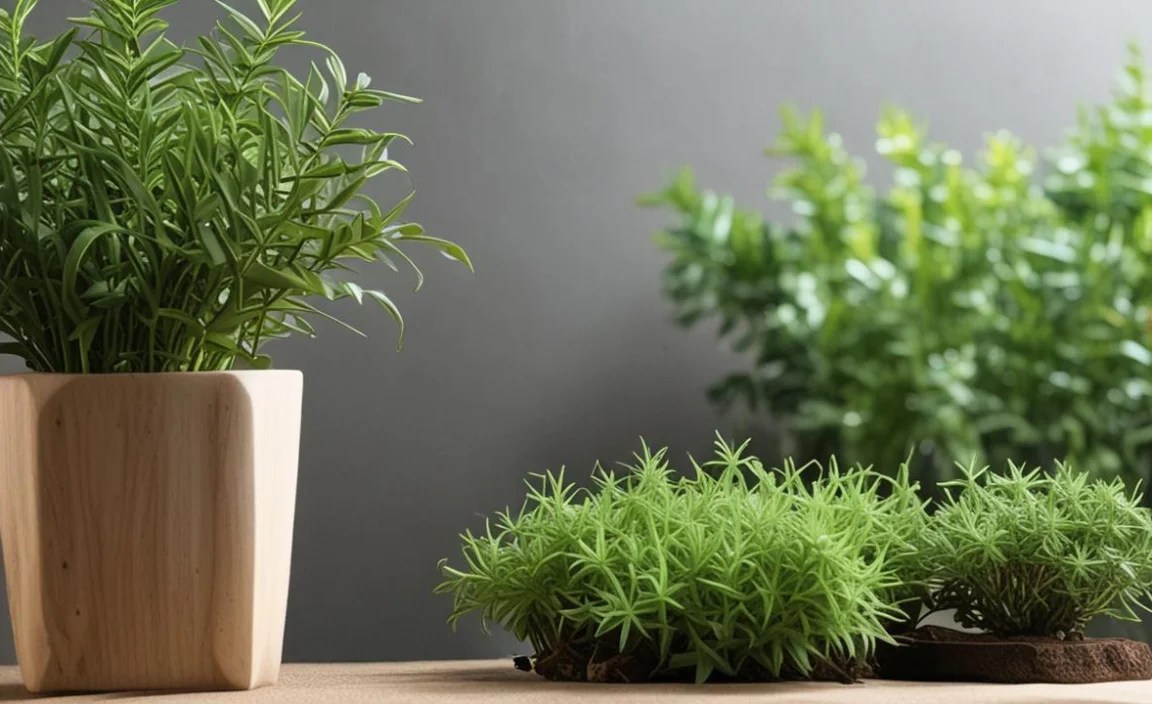
Designing your aromatic plants garden is fun. Think about how you want to feel. Do you want a calming space? Use lavender and chamomile. Do you want an energizing space? Use mint and rosemary. Place plants where you can easily touch them. When you brush against them, they release their scent. Create paths through your garden. This lets you walk among the plants. Add seating so you can sit and enjoy the smells. Use different textures too. Soft, fuzzy leaves feel nice to touch. Smooth stones add visual interest. A well-designed garden engages all your senses. This makes it a peaceful and enjoyable space. Designing for sensory experience makes your aromatic plants garden special.
- Create paths for easy walking.
- Add seating to relax and enjoy.
- Use different textures for interest.
- Place plants where you can touch them.
- Choose plants for calming or energizing effects.
Consider the height of your plants. Tall plants can create shade. Short plants can fill in spaces. Use different colors to add interest. Purple lavender looks great with green rosemary. Yellow chamomile adds a pop of color. Think about how the plants will look together. This makes your garden visually appealing. You can also add other elements. A small fountain can add the sound of water. Wind chimes can add gentle music. These elements enhance the sensory experience. They make your garden a truly special place. A thoughtfully designed aromatic plants garden is a joy for all your senses.
How Can You Engage the Senses?
Engaging the senses is key. Place fragrant plants near paths. This way you smell them as you walk. Use plants with different textures. Soft leaves, rough bark, and smooth stones add interest. Add a water feature for sound. A small fountain or birdbath works well. Use wind chimes for gentle music. These elements create a multi-sensory experience. How can you make your aromatic plants garden a delight for all your senses? Think about sight, smell, touch, sound, and even taste!
What About Textures and Colors?
Textures and colors add visual interest. Use plants with different leaf shapes. Some have round leaves, others have long leaves. Use plants with different colors. Green, purple, yellow, and silver all look great. Combine smooth and rough textures. Soft leaves and rough bark create contrast. This makes your garden more appealing. Think about how the colors and textures work together. How do textures and colors enhance your aromatic plants garden? These details make a big difference in the overall look and feel.
Where Should You Place Plants?
Placement is important. Put fragrant plants near walkways. This way you smell them as you pass. Place taller plants in the back. This way they do not block the sun. Place shorter plants in the front. This way you can see them. Group plants with similar needs together. This makes watering easier. Think about how the plants will look together. How does plant placement affect your aromatic plants garden? Careful placement makes your garden both beautiful and functional.
Fun Fact or Stat: Studies show that spending time in a garden can lower your stress levels and improve your mood!
Caring for Your Aromatic Plants Garden

Caring for your aromatic plants garden is important. Water your plants regularly. Check the soil to see if it is dry. Most aromatic plants like well-drained soil. Do not overwater them. Give your plants plenty of sunlight. Most aromatic plants need at least six hours of sun a day. Trim your plants regularly. This helps them grow bushy and full. Remove any dead or yellow leaves. This keeps your plants healthy. Add fertilizer to the soil. This gives your plants extra nutrients. Caring for your plants helps them thrive. It also keeps your garden looking beautiful. Regular care makes your aromatic plants garden a success.
| Plant | Sunlight | Water | Soil |
|---|---|---|---|
| Lavender | Full Sun | Low | Well-Drained |
| Rosemary | Full Sun | Moderate | Well-Drained |
| Mint | Partial Sun | High | Moist |
| Basil | Full Sun | Moderate | Well-Drained |
- Water plants regularly.
- Give plants plenty of sunlight.
- Trim plants to keep them bushy.
- Remove dead or yellow leaves.
- Add fertilizer for extra nutrients.
Check your plants for pests. Pests are bugs that eat your plants. If you see pests, remove them. You can use insecticidal soap to get rid of them. Protect your plants from frost. Frost can damage your plants. Cover them with a blanket if it is going to freeze. Mulch around your plants. Mulch helps keep the soil moist. It also helps prevent weeds. Weeds steal nutrients from your plants. Caring for your aromatic plants garden takes time. But it is worth it. You will have a beautiful and fragrant space to enjoy.
How Often Should You Water?
Watering depends on the plant. Lavender likes dry soil. Mint likes moist soil. Check the soil before you water. If it is dry, water the plant. If it is wet, wait to water. Overwatering can kill plants. Underwatering can also hurt them. Knowing how much water each plant needs is key. How often should you water your aromatic plants garden? The answer depends on the plants and the weather.
What Kind of Soil Do They Need?
Soil is important for plant health. Most aromatic plants like well-drained soil. This means water does not sit and rot the roots. You can add sand to the soil to help it drain better. Some plants like acidic soil. Others like alkaline soil. Check what kind of soil each plant needs. This helps them grow well. What kind of soil does your aromatic plants garden need? The right soil makes a big difference.
How Do You Prevent Pests?
Pests can damage your plants. Check your plants regularly for pests. If you see pests, remove them. You can use insecticidal soap. You can also use natural remedies. Garlic spray repels some pests. Companion planting can also help. Planting certain plants together can deter pests. Preventing pests keeps your aromatic plants garden healthy. How can you keep unwanted bugs away from your plants?
Fun Fact or Stat: Some aromatic plants, like basil, can actually improve the flavor of other vegetables grown nearby!
Harvesting and Using Aromatic Plants

Harvesting your aromatic plants is rewarding. You can use them in many ways. Harvest herbs in the morning. This is when they have the most scent. Cut the stems with scissors. Dry the herbs by hanging them upside down. You can also use a dehydrator. Dried herbs can be stored in jars. Use them in cooking or to make tea. You can also harvest flowers. Pick them when they are fully open. Dry the flowers to make potpourri. You can also use them in crafts. Harvesting and using your plants is fun. It also saves you money. Enjoy the bounty from your aromatic plants garden.
- Harvest herbs in the morning.
- Dry herbs by hanging them upside down.
- Store dried herbs in jars.
- Pick flowers when they are fully open.
- Use flowers to make potpourri.
You can make essential oils from your plants. This requires special equipment. Essential oils can be used in aromatherapy. They can also be used in natural cleaning products. You can make infused oils with herbs. Add herbs to olive oil and let it sit. The oil will absorb the scent and flavor. Use infused oils in cooking. You can also make vinegars with herbs. Add herbs to vinegar and let it sit. The vinegar will absorb the scent and flavor. Use infused vinegars in salads. Harvesting and using your aromatic plants is a creative process. You can experiment with different ways to use them. This makes your garden even more enjoyable.
When is the Best Time to Harvest?
The best time to harvest is in the morning. This is when the plants have the most scent. Harvest herbs before they flower. Flowering can make the leaves bitter. Harvest flowers when they are fully open. This is when they have the most color. Knowing when to harvest is important. It ensures you get the best flavor and scent. When is the best time to harvest from your aromatic plants garden? Timing is everything.
How Do You Dry Herbs and Flowers?
Drying herbs and flowers is easy. Hang them upside down in a dark, dry place. You can also use a dehydrator. A dehydrator dries them quickly. Make sure they are completely dry before storing. Store dried herbs and flowers in airtight containers. This keeps them fresh. How do you dry the bounty from your aromatic plants garden? There are several simple methods to choose from.
What Can You Make with Them?
You can make many things with aromatic plants. You can make tea with herbs. You can make potpourri with flowers. You can make infused oils and vinegars. You can make soaps and lotions. The possibilities are endless. Get creative and experiment. What will you create with the plants from your aromatic plants garden? There are so many fun and useful projects to try.
Fun Fact or Stat: Dried lavender flowers can be used in sachets to keep your drawers smelling fresh and to repel moths!
Aromatic Plants for Small Spaces
Even small spaces can have an aromatic plants garden. Use pots and containers. They are perfect for balconies and patios. Choose compact plants. Dwarf lavender and small basil varieties work well. Grow plants vertically. Climbing jasmine can grow up a trellis. This saves space and adds beauty. Use hanging baskets. They are great for herbs like mint and thyme. Place plants near windows. This way you can enjoy their scent indoors. A small space does not mean you cannot have a fragrant garden. Get creative and make the most of your space. Aromatic plants thrive even in small areas.
- Use pots and containers.
- Choose compact plants.
- Grow plants vertically.
- Use hanging baskets.
- Place plants near windows.
Consider using a windowsill garden. Grow herbs in small pots on a windowsill. This is a great way to have fresh herbs for cooking. Use self-watering containers. They make watering easier. This is especially helpful in small spaces. Choose plants that like shade. Some small spaces do not get much sun. Mint and lemon balm grow well in shade. A small aromatic plants garden can bring joy to any space. Even a few fragrant plants can make a big difference. You can enjoy the scents and flavors of your own garden, no matter how small it is.
What Plants Grow Well in Pots?
Many plants grow well in pots. Basil, mint, and thyme are great choices. Lavender and rosemary also do well in pots. Choose pots with good drainage. This prevents the roots from rotting. Use a good potting mix. This provides nutrients for the plants. What plants will you choose for your potted aromatic plants garden? There are many options to explore.
How Can You Maximize Space?
Vertical gardening is a great way to maximize space. Use trellises for climbing plants. Hang baskets from the ceiling. Use tiered planters. These planters hold multiple plants in a small space. Think creatively about how to use your space. How can you get the most out of your small aromatic plants garden? Vertical gardening is a great solution.
What About Indoor Aromatic Plants?
Some aromatic plants grow well indoors. Lavender, rosemary, and mint can all be grown indoors. Place them near a sunny window. Water them regularly. Make sure they have good drainage. Indoor aromatic plants can freshen your home. They also provide fresh herbs for cooking. What aromatic plants will you grow indoors? They bring the beauty and scent of a garden inside.
Fun Fact or Stat: Even a small pot of mint on your windowsill can help deter flies and mosquitoes!
Benefits of an Aromatic Plants Garden
An aromatic plants garden has many benefits. It smells wonderful. The scents can improve your mood. It attracts pollinators. Bees and butterflies help the environment. It provides fresh herbs for cooking. You can save money on groceries. It is a fun and rewarding hobby. Gardening is good for your health. It gets you outside and active. An aromatic plants garden is a great addition to any home. It brings beauty, fragrance, and health benefits.
- Improves your mood.
- Attracts pollinators.
- Provides fresh herbs.
- Saves money on groceries.
- Is a fun and rewarding hobby.
Growing your own food is empowering. You know where your food comes from. You can grow organic herbs without pesticides. An aromatic plants garden is a learning experience. You learn about plants and how they grow. It is also a relaxing activity. Spending time in nature reduces stress. A fragrant garden is a peaceful retreat. The benefits of an aromatic plants garden are numerous. It is a gift that keeps on giving. You can enjoy the beauty, scents, and flavors for years to come.
How Does it Affect Your Mood?
Aromatic plants can improve your mood. Lavender is known for its calming properties. Rosemary can boost your memory. Mint can energize you. The scents of plants can affect your emotions. Spending time in a fragrant garden can reduce stress. How does your aromatic plants garden affect your mood? It can be a natural mood booster.
What About the Environment?
Aromatic plants can help the environment. They attract pollinators. Bees and butterflies are important for pollination. Pollination helps plants reproduce. Aromatic plants can also reduce your carbon footprint. Growing your own herbs reduces the need for transportation. How does your aromatic plants garden help the environment? It supports biodiversity and reduces pollution.
How Can You Use the Plants for Health?
Aromatic plants have many health benefits. You can use them to make tea. Herbal teas can soothe sore throats. You can use essential oils for aromatherapy. Aromatherapy can relieve stress. You can use herbs in cooking. Herbs can add flavor and nutrients to your food. How can you use the plants from your aromatic plants garden for your health? They can be a natural source of wellness.
Fun Fact or Stat: The scent of rosemary has been shown to improve memory and concentration!
Summary
An aromatic plants garden is a wonderful way to enjoy beautiful scents and fresh herbs. Planning is key. Choose the right plants for your climate and space. Design your garden for sensory experience. Care for your plants by watering and trimming them. Harvest your plants and use them in cooking, crafts, and aromatherapy. Even small spaces can have a fragrant garden. Use pots and containers to grow aromatic plants on balconies and patios.
Aromatic plants offer many benefits. They improve your mood, attract pollinators, and provide fresh herbs. Gardening is a fun and rewarding hobby that is good for your health. Create your own aromatic plants garden and enjoy the beauty and fragrance it brings.
Conclusion
Creating an aromatic plants garden is a fun and rewarding project. You can enjoy beautiful scents, fresh herbs, and the company of bees and butterflies. Start by planning your garden and choosing the right plants. Care for your plants and harvest them to use in cooking, crafts, and aromatherapy. An aromatic plants garden is a gift that keeps on giving. It brings beauty, fragrance, and health benefits to your life.
Frequently Asked Questions
Question No 1: What are aromatic plants?
Answer: Aromatic plants are plants that have a strong and pleasant smell. These plants contain essential oils. These oils give them their fragrance. Examples of aromatic plants include lavender, rosemary, mint, and basil. These plants are often used in cooking, aromatherapy, and perfumes. An aromatic plants garden can include many different types of fragrant plants. They provide a sensory experience and can attract pollinators like bees and butterflies. These plants can also have medicinal properties. They are a wonderful addition to any garden or home.
Question No 2: How do I start an aromatic plants garden?
Answer: Starting an aromatic plants garden is easy. First, choose a sunny spot. Most aromatic plants need at least six hours of sun a day. Next, check your soil. Aromatic plants like well-drained soil. You can add sand or compost to improve drainage. Then, pick your favorite plants. Consider your climate and the size of your space. You can start with seeds or small plants. Water your plants regularly and trim them as needed. With a little care, you will have a beautiful and fragrant garden.
Question No 3: What are the best aromatic plants for beginners?
Answer: Some aromatic plants are easier to grow than others. Mint is a great choice for beginners. It is easy to grow and smells wonderful. Basil is also easy to grow and is used in many dishes. Lavender and rosemary are a bit more challenging, but still good options. These plants are relatively low-maintenance and can thrive with proper care. Starting with these plants can help you build confidence. They will also give you a beautiful and fragrant aromatic plants garden.
Question No 4: How do I care for my aromatic plants?
Answer: Caring for aromatic plants involves several key steps. Water your plants regularly. Check the soil to see if it is dry. Provide plenty of sunlight. Most aromatic plants need at least six hours of sun a day. Trim your plants regularly to keep them bushy. Remove any dead or yellow leaves. Add fertilizer to the soil to provide extra nutrients. Protect your plants from pests and frost. With proper care, your aromatic plants garden will thrive and bring you joy.
Question No 5: Can I grow aromatic plants indoors?
Answer: Yes, you can grow aromatic plants indoors. Choose plants that do well in containers. Mint, basil, lavender, and rosemary can all be grown indoors. Place them near a sunny window. Water them regularly and make sure they have good drainage. You can also use grow lights to provide extra light. Growing aromatic plants indoors is a great way to enjoy their fragrance and flavor year-round. Even a small aromatic plants garden indoors can make a big difference.
Question No 6: How can I use the plants from my aromatic garden?
Answer: There are many ways to use the plants from your aromatic plants garden. You can use them in cooking to add flavor to your dishes. You can make tea with herbs like mint and chamomile. You can dry the flowers and use them in potpourri. You can make essential oils for aromatherapy. You can also use the plants in crafts, such as making scented candles or soaps. The possibilities are endless. Get creative and enjoy the many uses of your aromatic plants.
