Do you love cats? Have you ever wondered how long they live? The average age indoor cats live is longer than outdoor cats. Many things affect a cat’s lifespan. Let’s learn about how to help your cat live a long, happy life.
Indoor cats often live longer. They are safe from cars and other dangers. Proper care also helps them live longer.
What makes a cat live a long time? Good food, vet visits, and love all matter. Keep reading to learn more about cat lifespans. We will explore how to help your furry friend thrive.
Key Takeaways
- The average age indoor cats reach is significantly higher than that of outdoor cats.
- Regular vet check-ups and vaccinations are crucial for a long and healthy cat life.
- A safe indoor environment protects cats from dangers like cars and predators.
- High-quality nutrition plays a vital role in extending a cat’s lifespan.
- Love, attention, and mental stimulation contribute to a happier, longer life for cats.
Average Lifespan Of Indoor Cats

The average lifespan of indoor cats is impressive. They often live between 12 to 18 years. Some even reach their early twenties! This is much longer than outdoor cats. Outdoor cats face many risks. Cars, predators, and diseases shorten their lives. Indoor cats live in a safer, more controlled environment. They get regular meals, fresh water, and vet care. This helps them avoid many dangers. A cat named Creme Puff lived to be 38! That is like 168 human years. This shows how long cats can live with great care. The oldest cat shows us just how much our love and attention can impact the life of our feline friends. Keeping your cat indoors gives them a much better chance at a long and healthy life. Remember, good care is key.
- Indoor cats avoid traffic accidents.
- They are safe from predators.
- They have less exposure to diseases.
- They get regular veterinary care.
- Indoor cats receive consistent food and water.
Many factors impact how long a cat lives. Genetics play a role. Some breeds are prone to certain health problems. Diet is also very important. Good quality food helps keep them healthy. Regular vet visits are essential. Vets can catch problems early. A safe, loving environment is also key. Stress can shorten a cat’s life. Indoor cats often have less stress. They are safe and comfortable. Owners need to provide mental stimulation too. Toys and playtime keep cats happy. All these things work together to help cats live longer, healthier lives. If you take good care of your cat, they might live a very long time. Remember, every cat is different, and their lifespan can vary.
Fun Fact or Stat: The oldest cat ever, Creme Puff, lived to be 38 years and 3 days old!
How Diet Impacts Longevity
Have you ever thought about what your cat eats? A good diet is super important for a long life. Cats need food with lots of protein. Protein helps them build strong muscles. It also gives them energy to play. Avoid foods with too many fillers. Fillers don’t give cats the nutrients they need. Look for food with real meat, like chicken or fish. Always provide fresh, clean water. Water helps keep them hydrated. Some cats like wet food. Others prefer dry food. Talk to your vet about what’s best for your cat. They can help you choose the right food. Remember, a healthy diet is a key to a long and happy life for your furry friend. Make sure they are eating the right food for their age and health needs.
The Role of Veterinary Care
Why do we visit the doctor? It is to stay healthy, right? Cats also need to visit the vet. Regular check-ups are very important. Vets can find problems early. They can give your cat vaccines. Vaccines protect them from diseases. Vets can also help with dental care. Bad teeth can cause problems. They can also advise you on the right food. Take your cat to the vet at least once a year. Older cats might need to go more often. Follow your vet’s advice. They know what is best for your cat. If you notice anything strange, call your vet right away. Early treatment can make a big difference. Remember, vet care helps your cat live a long and healthy life. It is a very important part of being a good cat owner.
Safe Environment Matters
Imagine living in a dangerous place! It would be scary, wouldn’t it? Cats need a safe place to live. Indoor cats are safer than outdoor cats. They are not in danger of cars. They are not in danger of other animals. Make sure your home is safe for your cat. Keep cleaning products locked away. Cover up electrical cords. Cats can get hurt if they chew on them. Keep poisonous plants out of reach. Provide your cat with a comfortable bed. Make sure they have a clean litter box. Give them toys to play with. A safe and happy home helps your cat live longer. It reduces stress and keeps them healthy. Remember, a safe environment is a loving environment for your cat.
Comparing Indoor Vs. Outdoor Cat Lifespan

Have you ever seen a cat roaming outside? Outdoor cats face many dangers. They can get hit by cars. They can fight with other animals. They can catch diseases. This is why average age indoor cats often outlive them. The average outdoor cat lives only 2 to 5 years. This is much shorter than indoor cats. Indoor cats live in a safe, controlled environment. They get regular meals and vet care. They are protected from the elements. This helps them live much longer. While some cats love being outside, it is risky. If you want your cat to live a long life, keep them indoors. Provide them with plenty of toys and attention. This will keep them happy and healthy. Remember, safety is the key to a long cat life.
- Outdoor cats face traffic dangers.
- They risk fights with other animals.
- They are exposed to more diseases.
- Outdoor cats endure harsh weather.
- They may struggle to find food.
Genetics also play a role in a cat’s lifespan. Some breeds are naturally healthier than others. For example, mixed-breed cats often have fewer genetic problems. Diet is another important factor. A balanced diet keeps your cat healthy. Regular vet visits can catch problems early. A loving home environment also matters. Cats need attention and playtime. Stress can shorten their lives. Indoor cats often have less stress than outdoor cats. They feel safe and secure. They get regular attention from their owners. All these factors contribute to a longer, healthier life for indoor cats. If you want your cat to live a long time, keep them indoors and provide good care.
Fun Fact or Stat: Outdoor cats typically live only 2–5 years, while indoor cats average 12–18 years.
Dangers Faced By Outdoor Cats
Imagine walking outside with no protection! Outdoor cats face many dangers. Cars are a big threat. Cats often dart across roads. They might not see the cars coming. Other animals can also hurt cats. Dogs, foxes, and even other cats can be aggressive. Diseases are more common outside. Cats can catch illnesses from other animals. Parasites like fleas and ticks are also a problem. Weather can be harsh. Cats can get too hot or too cold. Finding food can be difficult. They might eat something that is not good for them. All these dangers shorten the lives of outdoor cats. Keeping your cat indoors protects them from these risks. It helps them live a longer, healthier life. Remember, safety is the best gift you can give your cat.
Benefits Of An Indoor Lifestyle
What makes being inside so great? Indoor cats have many advantages. They are safe from cars. They are safe from other animals. They are safe from diseases. They get regular meals and fresh water. They have a comfortable place to sleep. Owners can monitor their health closely. They can catch problems early. Indoor cats get lots of attention and love. They have toys to play with. They feel secure and happy. This reduces stress and improves their health. Indoor cats live longer, healthier lives. Keeping your cat indoors is a loving choice. It protects them from many dangers. Remember, a happy cat is a healthy cat. Make sure your indoor cat has everything they need to thrive.
Making Indoor Life Exciting
Do you ever get bored staying inside? Cats can too! It’s important to make indoor life fun. Provide plenty of toys. Cats love to chase and pounce. Rotate the toys to keep things interesting. Cat trees are great for climbing. They give cats a high place to perch. Play with your cat every day. Use a laser pointer or a wand toy. This helps them get exercise. Provide scratching posts. Cats need to scratch to keep their claws healthy. Consider getting another cat. Two cats can keep each other company. Make sure they get along first. A stimulating environment keeps cats happy and healthy. It prevents boredom and reduces stress. Remember, a happy cat is less likely to have health problems.
Factors Affecting Feline Longevity

Many things affect how long a cat lives. Genetics play a big role. Some breeds are prone to certain diseases. Diet is also very important. A balanced diet keeps them healthy. Regular vet visits are essential. Vets can catch problems early. Environment matters too. Indoor cats live longer than outdoor cats. Lifestyle also plays a part. Active cats tend to be healthier. Stress can shorten a cat’s life. A loving home environment helps. Owners need to provide mental stimulation. Toys and playtime keep cats happy. Spaying or neutering can also extend lifespan. It reduces the risk of certain cancers. All these factors work together. They determine how long your cat will live. By addressing these factors, you can increase the chances of your cat living a long and healthy life. Remember that every cat is different.
- Genetics can predispose cats to certain conditions.
- Proper nutrition is essential for overall health.
- Regular veterinary care can detect issues early.
- A safe environment prevents accidents and injuries.
- Mental stimulation keeps cats active and engaged.
- Spaying/neutering reduces cancer risks.
Average age indoor cats is significantly influenced by human care. The care you provide makes a huge difference. A healthy diet keeps their bodies strong. Regular check-ups help catch problems early. A safe home protects them from danger. Lots of love and attention keeps their spirits high. Spaying or neutering prevents certain diseases. These simple things can add years to your cat’s life. Remember, responsible pet ownership is key. Provide your cat with everything they need. They will reward you with years of love and companionship. By understanding these factors, you can give your cat the best possible chance at a long, healthy life. Remember, every cat is unique.
Fun Fact or Stat: Spayed or neutered cats tend to live longer than intact cats due to reduced risks of certain cancers and infections.
Genetic Predisposition and Breed
Have you ever noticed that some people look like their parents? Cats can inherit traits too! Genetics play a role in their health. Some breeds are prone to certain diseases. For example, Persian cats can have breathing problems. Maine Coons can develop heart issues. Mixed-breed cats often have fewer genetic problems. They have a wider gene pool. Knowing your cat’s breed can help. You can watch out for specific health issues. Talk to your vet about breed-specific concerns. Early detection is key. A healthy lifestyle can also help. Even if your cat has a genetic predisposition, good care can make a difference. A healthy diet and regular exercise can help them live a long life. Remember, genetics are just one piece of the puzzle.
The Importance of Spaying/Neutering
Have you ever wondered why vets recommend spaying or neutering? It’s a great way to help your cat. Spaying means removing a female cat’s ovaries and uterus. Neutering means removing a male cat’s testicles. These procedures prevent unwanted pregnancies. They also offer health benefits. Spaying reduces the risk of uterine infections and tumors. Neutering reduces the risk of testicular cancer. Spayed and neutered cats are also less likely to roam. They are less likely to fight with other animals. This reduces the risk of injuries. Spaying and neutering can also help control the pet population. There are already too many cats without homes. Spaying and neutering helps prevent more unwanted kittens. Talk to your vet about when is the best time to spay or neuter your cat.
Managing Stress and Anxiety
Do you ever feel stressed or anxious? Cats can too! Stress can affect their health. It can weaken their immune system. It can lead to behavior problems. It is important to manage your cat’s stress. Provide a safe and comfortable environment. Make sure they have a quiet place to retreat. Provide scratching posts. Cats scratch to relieve stress. Play with your cat every day. This helps them release energy. Use calming pheromone sprays or diffusers. These can help reduce anxiety. Avoid sudden changes in their routine. Cats like consistency. If you have to make changes, do it gradually. If your cat seems very stressed, talk to your vet. They can recommend other ways to help. A calm and happy cat is a healthy cat. Remember, a loving home is a stress-free home.
Nutrition’s Role in Extending Cat’s Life

What do cats eat? The food they eat is very important! Good nutrition helps cats live longer. Cats need a balanced diet. It should include protein, fats, and carbohydrates. Protein helps build strong muscles. Fats provide energy. Carbohydrates provide fiber. Look for high-quality cat food. Check the ingredient list. Real meat should be the first ingredient. Avoid foods with lots of fillers. Fillers don’t provide nutrition. Choose food that is appropriate for your cat’s age. Kittens need different food than adult cats. Senior cats need different food than younger cats. Provide fresh, clean water at all times. Water helps keep them hydrated. Talk to your vet about the best food for your cat. Remember, good nutrition is a key to a long and healthy life.
- Protein builds strong muscles.
- Fats provide energy.
- Carbohydrates offer fiber.
- Fresh water keeps cats hydrated.
- Age-appropriate food is important.
Average age indoor cats is higher when they eat well. A poor diet can lead to many health problems. Obesity is a common problem in cats. It can lead to diabetes and joint problems. Malnutrition can weaken their immune system. It can make them more susceptible to infections. A balanced diet helps prevent these problems. It keeps your cat healthy and strong. Read the labels on cat food carefully. Look for food that is complete and balanced. This means it contains all the nutrients your cat needs. Talk to your vet if you are unsure what to feed your cat. They can help you choose the right food. Remember, a healthy cat is a happy cat. Good nutrition is an investment in your cat’s health and well-being.
Fun Fact or Stat: Overweight cats are more prone to diabetes, arthritis, and heart disease, which can shorten their lifespan.
Understanding Cat Food Labels
Have you ever read a cat food label? It can be confusing! But it’s important to understand. The ingredient list is key. Ingredients are listed in order of weight. The first ingredient should be real meat. Look for chicken, fish, or beef. Avoid foods with lots of fillers. Corn, wheat, and soy are common fillers. They don’t provide much nutrition. Check the guaranteed analysis. This tells you the percentages of protein, fat, and fiber. Look for food that is complete and balanced. This means it meets your cat’s nutritional needs. Check the expiration date. Don’t feed your cat expired food. If you have questions, ask your vet. They can help you choose the best food for your cat.
Portion Control and Feeding Schedules
How much should you feed your cat? It depends on their age, weight, and activity level. Follow the feeding guidelines on the cat food label. These guidelines are just a starting point. You may need to adjust the amount. Talk to your vet if you are unsure. Avoid free-feeding. This means leaving food out all the time. It can lead to overeating and obesity. Instead, feed your cat at set times each day. This helps regulate their appetite. It also helps you monitor their food intake. If your cat is gaining weight, reduce the amount of food. If your cat is losing weight, increase the amount of food. Always provide fresh, clean water. Water is essential for good health. Remember, portion control is key to maintaining a healthy weight.
The Benefits of Wet Vs. Dry Food
Wet food and dry food have different benefits. Wet food has a higher moisture content. This helps keep cats hydrated. It is also often more palatable. This means cats like the taste better. Dry food is more convenient. It can be left out for longer periods of time. It also helps clean their teeth. Some cats prefer wet food. Others prefer dry food. Some cats do well on a combination of both. Talk to your vet about what is best for your cat. Consider their age, health, and preferences. If you choose to feed wet food, make sure to clean the bowl regularly. Wet food can spoil quickly. If you choose to feed dry food, make sure your cat drinks plenty of water. Water is essential for good health. Remember, a balanced diet is key, regardless of the type of food you choose.
Creating A Safe And Stimulating Environment
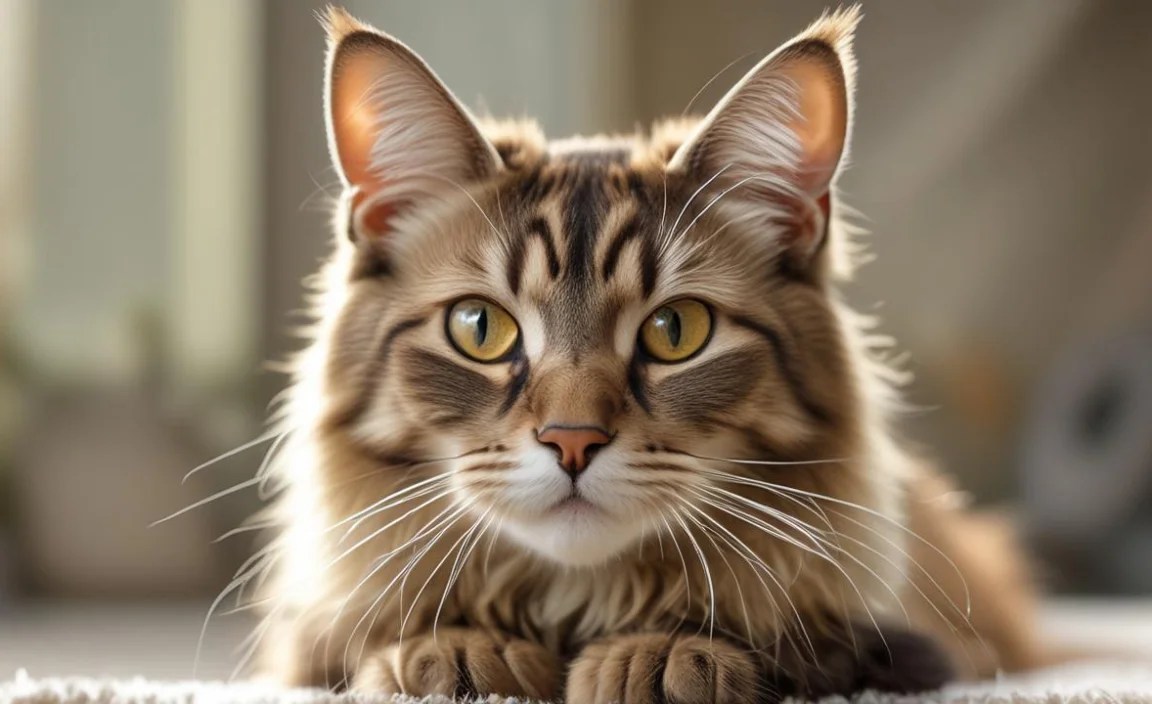
A safe and stimulating environment is important for cats. It helps them stay happy and healthy. Indoor cats need a safe place to explore. Make sure your home is free of hazards. Keep cleaning products locked away. Cover up electrical cords. Keep poisonous plants out of reach. Provide a comfortable bed. Make sure they have a clean litter box. Give them toys to play with. Cats love to climb. Provide a cat tree or shelves. Cats also love to scratch. Provide scratching posts. Play with your cat every day. This helps them get exercise. A stimulating environment keeps cats entertained. It prevents boredom and reduces stress. Remember, a happy cat is a healthy cat.
- Keep cleaning products locked away.
- Cover electrical cords.
- Provide a comfortable bed.
- Offer scratching posts.
- Play with your cat daily.
- Provide a cat tree or shelves.
Average age indoor cats can be increased with stimulation. A boring environment can lead to stress. Stress can weaken their immune system. It can also lead to behavior problems. Provide your cat with plenty of toys. Rotate the toys to keep things interesting. Puzzle toys are great for mental stimulation. They challenge your cat to solve problems. Window perches are also a good idea. Cats love to watch the outside world. If you have more than one cat, make sure they have their own space. Cats need to be able to retreat when they feel overwhelmed. A safe and stimulating environment helps cats thrive. It keeps them happy, healthy, and entertained. Remember, a loving home is a stimulating home.
Fun Fact or Stat: Cats with access to stimulating environments and toys are less likely to develop behavioral issues related to boredom and stress.
The Importance of Playtime
Why is playing so important? Playtime is essential for cats. It helps them get exercise. It keeps them mentally stimulated. It strengthens the bond between you and your cat. Cats love to chase and pounce. Use a laser pointer or a wand toy. Let them catch the toy sometimes. This satisfies their hunting instincts. Provide toys that they can bat around. Balls, mice, and crinkle toys are all good choices. Play with your cat every day. Even a few minutes can make a difference. If you have more than one cat, play with them separately. This ensures that each cat gets attention. Playtime is a fun way to keep your cat healthy and happy. Remember, a playful cat is a happy cat.
Creating Vertical Space
Have you ever seen a cat climb a tree? Cats love to be up high! Vertical space is important for cats. It gives them a sense of security. It allows them to survey their surroundings. Provide a cat tree or shelves. Place them near windows. This allows them to watch the outside world. Make sure the cat tree is sturdy. It should be able to support your cat’s weight. Place the shelves at different heights. This gives your cat options. If you don’t have room for a cat tree, use furniture. Bookshelves and dressers can also provide vertical space. Make sure the furniture is stable. Cats can get hurt if it tips over. Vertical space enriches your cat’s environment. It makes them feel safe and secure. Remember, a happy cat is a confident cat.
Scratching Posts and Their Benefits
Why do cats scratch? Scratching is a natural behavior. It helps them remove the dead outer layer of their claws. It also helps them mark their territory. Provide scratching posts. This will protect your furniture. Place the scratching posts in prominent locations. Cats like to scratch in areas where they spend a lot of time. Offer different types of scratching posts. Some cats prefer vertical posts. Others prefer horizontal posts. Some cats like cardboard. Others prefer sisal. Experiment to see what your cat likes best. If your cat is scratching your furniture, try redirecting them to the scratching post. Gently move them to the post and encourage them to scratch. Reward them with praise or treats. Scratching posts are essential for cat health and well-being. Remember, a happy cat is a scratching cat.
Regular Veterinary Check-Ups and Vaccinations
Why do we visit the doctor? To stay healthy, right? Cats also need to visit the vet. Regular check-ups are very important. Vets can find problems early. They can give your cat vaccines. Vaccines protect them from diseases. Vets can also help with dental care. Bad teeth can cause problems. They can also advise you on the right food. Take your cat to the vet at least once a year. Older cats might need to go more often. Follow your vet’s advice. They know what is best for your cat. If you notice anything strange, call your vet right away. Early treatment can make a big difference. Remember, vet care helps your cat live a long and healthy life. It is a very important part of being a good cat owner.
- Vets can detect health issues early.
- Vaccines protect against diseases.
- Dental care prevents dental problems.
- Vets can advise on proper nutrition.
- Regular check-ups monitor health changes.
The average age indoor cats reach depends on health care. Regular vet visits are key. They help catch problems early. This allows for prompt treatment. Vaccinations protect against common diseases. These diseases can shorten a cat’s life. Dental care is also important. Bad teeth can lead to other health problems. A healthy diet supports their immune system. It helps them fight off illness. A safe and clean environment prevents infections. These simple things can add years to your cat’s life. Remember, preventative care is essential. It keeps your cat healthy and happy. By prioritizing regular vet visits, you are investing in your cat’s long-term well-being.
Fun Fact or Stat: Cats who receive regular veterinary care and vaccinations have a significantly lower risk of developing life-threatening diseases.
The Importance of Early Detection
Have you ever played hide-and-seek? Finding things early is always good. It is the same with your cat’s health! Early detection is key. It means finding problems before they become serious. Regular vet visits help with this. Vets can detect subtle changes in your cat’s health. They can perform tests to check for diseases. If a problem is found early, treatment is often more effective. Early treatment can improve your cat’s quality of life. It can also extend their lifespan. Don’t wait until your cat is showing obvious signs of illness. Schedule regular check-ups. This is the best way to ensure early detection. Remember, early detection can save your cat’s life. It is a crucial part of responsible pet ownership.
Understanding Cat Vaccinations
Why do cats need shots? Vaccinations protect them from diseases. They work by stimulating the immune system. This helps the body fight off infections. There are several core vaccines for cats. These protect against common and serious diseases. FVRCP protects against feline viral rhinotracheitis, calicivirus, and panleukopenia. Rabies is a deadly disease that affects the nervous system. It is required by law in many areas. Your vet may recommend other vaccines. These depend on your cat’s lifestyle and risk factors. Talk to your vet about which vaccines are right for your cat. Vaccinations are an important part of preventative care. They help keep your cat healthy and protected. Remember, vaccinations can save your cat’s life. They are a crucial part of responsible pet ownership.
Maintaining Dental Health
Do you brush your teeth every day? Cats need dental care too! Dental health is important for their overall health. Bad teeth can lead to other health problems. Bacteria from the mouth can enter the bloodstream. This can damage the heart, liver, and kidneys. Brush your cat’s teeth regularly. Use a special toothbrush and toothpaste for cats. Do not use human toothpaste. It can be harmful to cats. If your cat won’t let you brush their teeth, try dental treats or chews. These can help remove plaque and tartar. Schedule regular dental cleanings with your vet. They can remove built-up tartar and check for other problems. Maintaining dental health is essential for your cat’s well-being. Remember, a healthy mouth is a happy mouth.
Summary
The average age indoor cats live is significantly longer than that of outdoor cats. Indoor cats typically live between 12 and 18 years, and sometimes even longer. This is because they are protected from many dangers. These dangers include traffic, predators, and diseases. Factors like genetics, diet, and veterinary care also play a big role. A healthy diet, regular vet visits, and a safe environment are essential. Spaying or neutering can also extend a cat’s lifespan. By understanding and addressing these factors, you can help your cat live a long and happy life. Remember, responsible pet ownership is key to ensuring your cat’s well-being.
Conclusion
Cats bring so much joy to our lives. We want them to live long, happy lives. Indoor cats have a great advantage. They are safe and protected. Good food, vet care, and love are essential. These things help them thrive. The average age indoor cats reach is a testament to this. By taking good care of our feline friends, we can enjoy their companionship for many years to come. Remember, a happy cat makes a happy home.
Frequently Asked Questions
Question No 1: What is the average lifespan of an indoor cat?
Answer: The average lifespan of an indoor cat is typically between 12 to 18 years. However, with proper care and a healthy lifestyle, some indoor cats can even live into their early twenties. Factors such as genetics, diet, regular veterinary check-ups, and a safe, stimulating environment all contribute to their longevity. Providing your cat with the best possible care can significantly increase their chances of living a long and happy life. Remember that every cat is different, and their lifespan can vary based on individual factors.
Question No 2: Why do indoor cats live longer than outdoor cats?
Answer: Indoor cats live longer because they are protected from many dangers that outdoor cats face. These dangers include traffic accidents, predators, exposure to diseases, and harsh weather conditions. Indoor cats also receive regular meals, fresh water, and veterinary care, which helps them maintain good health. By living in a safe and controlled environment, indoor cats are less likely to suffer injuries or illnesses that can shorten their lifespan. This is why the average age indoor cats reach is significantly higher than outdoor cats.
Question No 3: What can I do to help my indoor cat live longer?
Answer: There are many things you can do to help your indoor cat live longer. First, provide them with a high-quality diet that is appropriate for their age and activity level. Second, schedule regular veterinary check-ups and vaccinations to prevent and detect health problems early. Third, create a safe and stimulating environment with plenty of toys, scratching posts, and climbing opportunities. Finally, give your cat lots of love and attention. All these factors contribute to a longer, healthier, and happier life for your feline friend. The average age indoor cats attain is definitely influenced by these factors.
Question No 4: Is it better to have an indoor or outdoor cat?
Answer: While some cats may enjoy spending time outdoors, it is generally safer for cats to live indoors. Outdoor cats face many dangers, such as traffic accidents, predators, and exposure to diseases. Indoor cats are protected from these risks and can live longer, healthier lives. If you do allow your cat to go outside, make sure they are supervised and vaccinated. However, the safest option is to keep your cat indoors and provide them with a stimulating environment to keep them happy and entertained. The average age indoor cats reach is a testimony to their safety.
Question No 5: How does diet affect a cat’s lifespan?
Answer: Diet plays a crucial role in a cat’s lifespan. A balanced and nutritious diet helps cats maintain a healthy weight, build strong muscles, and support their immune system. High-quality cat food should contain real meat as the primary ingredient and avoid excessive fillers. It is also important to choose food that is appropriate for your cat’s age and activity level. Providing your cat with a healthy diet can prevent many health problems and contribute to a longer, healthier life. Remember, good nutrition is an investment in your cat’s well-being and will influence the average age indoor cats reach.
Question No 6: How important are regular vet visits for indoor cats?
Answer: Regular vet visits are essential for indoor cats. Vets can detect health problems early. This allows for prompt treatment. Vaccinations protect against common diseases. Dental care is also important. Bad teeth can lead to other health problems. Vets can advise you on proper nutrition. They can also help you manage your cat’s weight. Regular vet visits help your cat stay healthy and happy. They can also extend their lifespan. The average age indoor cats can reach is directly linked to regular vet visits. Remember, preventative care is key to a long and healthy life for your feline friend.
