Have you ever wondered where your food comes from? Do you want to grow your own yummy snacks? Backyard gardening for beginners is easier than you think. It can be a fun and rewarding hobby. Let’s explore how you can start your own garden today!
Imagine picking fresh tomatoes right from your yard. Think about growing your own juicy strawberries. Backyard gardening for beginners can bring these dreams to life. You don’t need a lot of space to start. Just a little bit of sunshine and some seeds!
Gardening is not just about growing food. It’s also about learning about nature. You will see how plants grow from tiny seeds. You will attract bees and butterflies to your yard. Starting a garden can be a magical experience. Are you ready to get started with backyard gardening for beginners?
Key Takeaways
- Backyard gardening for beginners is fun, easy, and teaches you about nature.
- Choose the right location with plenty of sunlight and good soil.
- Start with easy-to-grow plants like tomatoes, lettuce, and herbs.
- Water your plants regularly and protect them from pests.
- Enjoy the fresh, healthy food you grow in your own backyard!
Getting Started: Backyard Gardening for Beginners
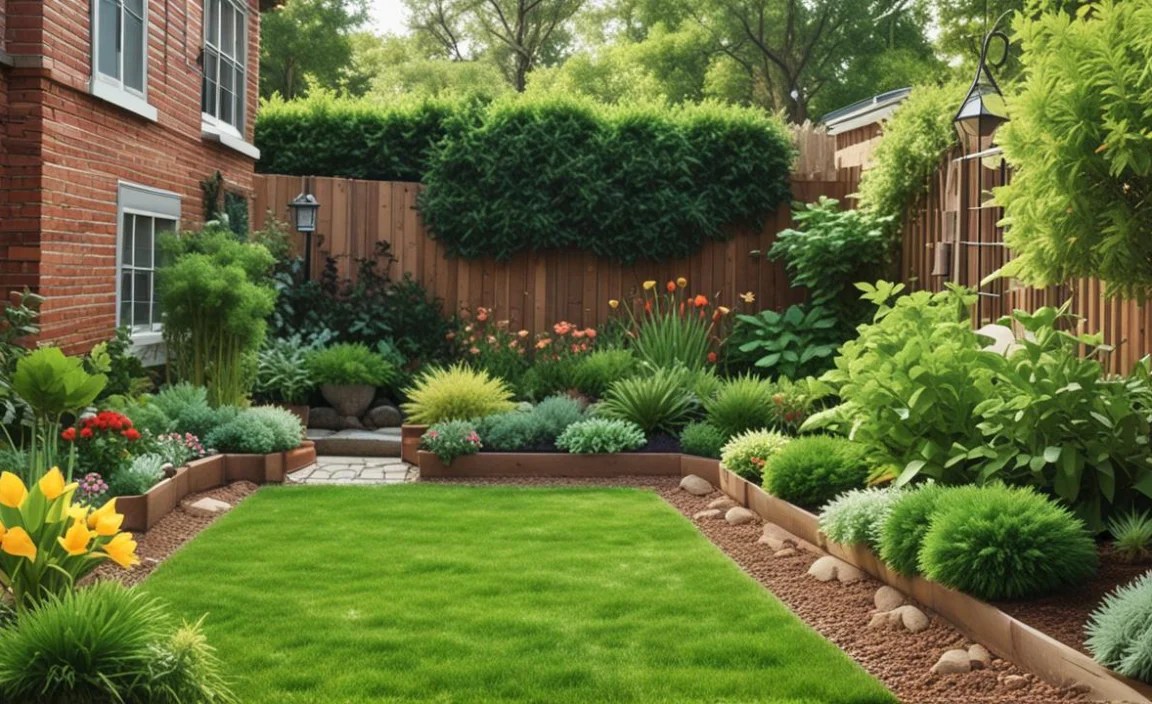
Starting a garden can seem hard. But, backyard gardening for beginners is very simple. The first thing you should do is choose the right spot. Most plants need at least six hours of sunlight each day. Look for a place in your yard that gets lots of sun. Next, you need to think about the soil. Plants need good soil to grow strong. If your soil is not good, you can add compost. Compost is like food for plants. It helps them grow big and healthy. You can buy compost at a garden store. Or, you can make your own compost using kitchen scraps and yard waste. Now you are ready to start planting your garden! Remember, starting small is okay. Even a small garden can bring you lots of joy and fresh food. Make sure to keep an eye on your plants and give them lots of love!
- Find a sunny spot in your backyard.
- Check your soil and add compost if needed.
- Start small with a few easy plants.
- Water your plants regularly.
- Have fun and enjoy the process!
Once you have picked your spot and prepared your soil, it’s time to think about what you want to grow. For backyard gardening for beginners, some plants are easier to grow than others. Tomatoes, lettuce, and herbs like basil and mint are great choices. These plants don’t need a lot of care and they grow quickly. You can buy seeds or small starter plants from a garden store. If you choose seeds, follow the instructions on the seed packet. Some seeds need to be started indoors before planting them outside. This gives them a head start. When you plant your seeds or starter plants, make sure to give them enough space to grow. Read the plant label to find out how much space each plant needs. Gardening is a fun adventure that everyone can participate in and enjoy!
Fun Fact or Stat: Did you know that the world’s largest tomato plant grew to be over 65 feet tall?
Choosing the Right Plants
What should you grow in your garden? When backyard gardening for beginners, selecting the right plants is important. Think about what you like to eat. Do you love tomatoes in your salad? Then, plant some tomato plants! Do you enjoy adding fresh herbs to your meals? Basil and mint are easy to grow and taste delicious. Also, consider the climate in your area. Some plants grow better in warm weather. Other plants prefer cooler temperatures. Ask someone at your local garden store for advice. They can help you choose plants that will thrive in your backyard. Remember, gardening is all about learning and experimenting. Don’t be afraid to try new things and see what works best for you. Soon, you will have a garden full of your favorite fruits, vegetables, and herbs!
Preparing Your Garden Bed
Have you ever seen a messy room? Plants don’t like messy homes either. Before you plant anything, you need to prepare your garden bed. Remove any weeds or rocks from the area. Weeds steal nutrients from your plants. Rocks can make it hard for roots to grow. Next, loosen the soil with a shovel or garden fork. This helps the roots spread out and find water. Add compost to the soil to give your plants extra food. Mix the compost in well. Now your garden bed is ready for planting! Preparing your garden bed is like building a good foundation for a house. It sets your plants up for success. When backyard gardening for beginners, remember that a little preparation goes a long way.
Watering and Sunlight Needs
Imagine being thirsty on a hot day. Plants get thirsty too! Watering your plants is very important. Water them regularly, especially during dry weather. The amount of water your plants need depends on the type of plant and the weather. Check the soil to see if it is dry. If the top inch of soil is dry, it’s time to water. Make sure to water the base of the plant, not the leaves. Wet leaves can lead to disease. Sunlight is also crucial for plant growth. Most plants need at least six hours of sunlight per day. Choose a sunny spot for your garden. If you don’t have a lot of sun, you can grow plants that tolerate shade. When learning backyard gardening for beginners, understanding watering and sunlight is key.
Essential Tools for Backyard Gardening

To start backyard gardening for beginners, you will need a few tools. Don’t worry, you don’t need a lot of expensive equipment. A simple trowel is useful for digging small holes. A hand rake helps you smooth out the soil. Watering can will help you water your plants. Gardening gloves protect your hands from dirt and thorns. A small shovel is good for moving soil and compost. A garden fork can help you loosen the soil. These tools will make gardening easier and more fun. You can find them at most garden stores or online. Taking care of your tools is important too. Clean them after each use and store them in a dry place. This will help them last longer. With the right tools, you’ll be ready to create your own amazing garden!
- Trowel: For digging small holes for planting.
- Hand Rake: To smooth soil and remove debris.
- Watering Can: To water plants gently.
- Gardening Gloves: To protect your hands.
- Shovel: To move soil and compost.
As you get more into gardening, you might want to add more tools to your collection. A garden hose with a spray nozzle is useful for watering larger areas. Pruning shears are great for trimming plants and removing dead leaves. A wheelbarrow can help you move heavy loads of soil or compost. A soil tester can help you check the pH level of your soil. These tools can make gardening even easier and more efficient. However, when backyard gardening for beginners, you don’t need to buy everything at once. Start with the basics and add more tools as you need them. The most important thing is to have fun and enjoy the process of growing your own food and flowers.
Fun Fact or Stat: The first garden tools were likely made from animal bones and stones!
Choosing the Right Trowel
Have you ever tried to dig a hole with a spoon? It’s not easy! A good trowel is essential for backyard gardening for beginners. Look for a trowel with a comfortable handle. The blade should be strong and sturdy. A stainless steel blade will resist rust. Choose a trowel that feels good in your hand. A trowel is used for many jobs. You can use it to dig holes for planting seeds. You can use it to transplant seedlings. You can use it to weed your garden. A good trowel will make all these tasks easier. Investing in a quality trowel is a smart choice for any gardener. It will be a tool you use for many years.
Selecting the Best Gardening Gloves
Imagine touching prickly thorns or stinging nettles. Ouch! Gardening gloves protect your hands from these dangers. They also keep your hands clean. When selecting gardening gloves, comfort is key. Look for gloves that fit well. They should not be too tight or too loose. Choose gloves made from a durable material. Leather gloves are strong and long-lasting. Rubber gloves are waterproof. Some gloves have padded palms for extra comfort. When backyard gardening for beginners, gloves are a must-have. They will keep your hands safe and happy while you work in your garden.
Maintaining Your Garden Tools
Have you ever left your toys outside in the rain? They can get rusty and broken. Garden tools need care too! After each use, clean your tools with water and a brush. Remove any dirt or plant debris. Dry your tools thoroughly to prevent rust. Store your tools in a dry place, such as a shed or garage. Oil the metal parts of your tools to keep them from rusting. Sharpen your tools regularly to keep them working well. A sharp trowel or pruner is safer and more efficient. Taking care of your garden tools will help them last longer. It will also make gardening easier and more enjoyable. When backyard gardening for beginners, learn to care for your tools.
Understanding Soil and Compost for Your Garden

Soil is like food for your plants. Good soil helps plants grow big and strong. When backyard gardening for beginners, understanding soil is very important. There are different types of soil. Some soil is sandy, some is clay, and some is loam. Loam is the best type of soil for gardening. It is a mix of sand, silt, and clay. Compost is like a vitamin boost for your soil. It is made from decomposed organic matter. You can make your own compost using kitchen scraps and yard waste. Compost adds nutrients to the soil. It also helps the soil retain water. You can buy compost at a garden store. Or, you can make your own compost at home. Healthy soil is the foundation of a healthy garden.
- Learn about different types of soil.
- Add compost to improve soil quality.
- Make your own compost from kitchen scraps.
- Test your soil pH level.
- Use organic soil amendments.
To test your soil, you can use a soil testing kit. These kits are available at most garden stores. The kit will tell you the pH level of your soil. Most plants prefer a pH level between 6.0 and 7.0. If your soil is too acidic, you can add lime to raise the pH. If your soil is too alkaline, you can add sulfur to lower the pH. You can also improve your soil by adding organic matter. Organic matter includes compost, manure, and leaf mold. These materials add nutrients to the soil and improve its structure. When backyard gardening for beginners, remember that healthy soil is the key to a successful garden. Take care of your soil, and it will take care of your plants.
| Soil Type | Characteristics | Benefits | Drawbacks |
|---|---|---|---|
| Sandy Soil | Gritty, drains quickly | Warms up quickly in spring | Dries out easily, poor nutrient retention |
| Clay Soil | Heavy, holds water well | Rich in nutrients | Drains poorly, compacts easily |
| Loam Soil | Balanced mix of sand, silt, and clay | Good drainage and nutrient retention | Considered the ideal soil type |
| Silty Soil | Smooth, holds moisture | Good water retention and fertility | Can be compacted easily |
Fun Fact or Stat: One teaspoon of healthy soil can contain more microorganisms than there are people on Earth!
Understanding Soil pH
Have you ever tasted something too sour or too bitter? Plants can be picky about their soil too! Soil pH measures how acidic or alkaline the soil is. Most plants prefer a slightly acidic soil. A pH of 6.0 to 7.0 is ideal. You can test your soil pH with a simple kit. If your soil is too acidic, add lime to raise the pH. If your soil is too alkaline, add sulfur to lower it. Adjusting your soil pH will help your plants grow better. When backyard gardening for beginners, understanding soil pH is a valuable skill. Healthy soil means happy plants!
Making Your Own Compost
Imagine turning your trash into treasure! That’s what composting does. Composting is a way to recycle kitchen scraps and yard waste. You can use compost to enrich your garden soil. To make compost, you need a compost bin or pile. Add layers of “green” materials like vegetable scraps and grass clippings. Also add layers of “brown” materials like leaves and twigs. Turn the compost pile regularly to help it decompose. In a few months, you will have rich, dark compost. Your plants will love it! Backyard gardening for beginners can include easy composting.
Using Organic Soil Amendments
Do you want to feed your plants healthy food? Organic soil amendments are natural materials that improve soil quality. Compost is a great organic amendment. Manure is another good choice. Leaf mold is made from decomposed leaves. These amendments add nutrients to the soil. They also improve drainage and water retention. Organic amendments are better for the environment than synthetic fertilizers. They help create a healthy ecosystem in your garden. When backyard gardening for beginners, using organic amendments is a smart choice. Your plants will thank you!
Choosing the Right Location for Your Garden

Plants need sunlight to grow. Most vegetables and flowers need at least six hours of sunlight each day. When backyard gardening for beginners, choose a location that gets plenty of sun. Observe your yard throughout the day. Notice where the sun shines and where it is shady. A south-facing location is usually the sunniest. Also, consider the soil drainage. Avoid areas where water tends to puddle. Poor drainage can cause root rot. If your soil drains poorly, you can improve it by adding compost or other organic matter. Choose a location that is convenient for you to access. You will need to water and weed your garden regularly. A location close to your house will make these tasks easier.
- Ensure at least six hours of sunlight daily.
- Check for good soil drainage.
- Choose a convenient location.
- Consider wind protection.
- Think about water access.
Wind can damage plants. Choose a location that is protected from strong winds. A fence or hedge can provide wind protection. You will also need access to water. A garden hose or watering can is essential for watering your plants. If you don’t have a water source nearby, you can collect rainwater in a rain barrel. Consider the size of your garden. Start small and expand as you gain experience. Backyard gardening for beginners should be fun and manageable. Choosing the right location is the first step to a successful garden. Take your time and consider all the factors before you start planting.
Fun Fact or Stat: The tallest sunflower on record was over 30 feet tall!
Assessing Sunlight Exposure
Have you ever noticed how plants turn towards the sun? Sunlight is their food! Before you start backyard gardening for beginners, watch your yard. See how much sun different areas get. Most vegetables need at least six hours of direct sunlight. Some plants can tolerate partial shade. These plants need about four hours of sunlight. If your yard is mostly shady, choose shade-tolerant plants. Lettuce, spinach, and kale can grow in partial shade. Knowing how much sun your yard gets is important. It will help you choose the right plants for your garden.
Checking Soil Drainage
Imagine your feet soaking in a puddle all day. Not fun! Plants don’t like soggy roots either. Good soil drainage is important for healthy plants. To check your soil drainage, dig a hole about one foot deep. Fill the hole with water. If the water drains away quickly, your soil has good drainage. If the water sits in the hole for a long time, your soil has poor drainage. You can improve soil drainage by adding compost or other organic matter. When backyard gardening for beginners, good drainage is key.
Considering Wind Protection
Have you ever seen a tree bent over by the wind? Strong winds can damage plants. They can break stems and dry out leaves. When choosing a location for your garden, consider wind protection. A fence, wall, or hedge can block the wind. If you don’t have natural wind protection, you can build a temporary windbreak. Use stakes and fabric to create a barrier. Protect your plants from the wind, and they will grow stronger. Backyard gardening for beginners should include wind protection.
Watering Techniques for a Thriving Garden

Water is essential for plant growth. Plants need water to transport nutrients from the soil to their leaves. When backyard gardening for beginners, watering correctly is very important. Water your plants regularly, especially during dry weather. The amount of water your plants need depends on the type of plant and the weather. Check the soil to see if it is dry. If the top inch of soil is dry, it’s time to water. Water deeply and less often. This encourages deep root growth. Avoid watering the leaves of your plants. Wet leaves can lead to fungal diseases. Water in the morning or evening to reduce evaporation.
- Water deeply and less frequently.
- Water early in the morning or late in the evening.
- Avoid watering the leaves.
- Use a soaker hose or drip irrigation.
- Check soil moisture regularly.
There are different ways to water your plants. You can use a watering can, a garden hose, or a sprinkler. A soaker hose or drip irrigation system is a more efficient way to water. These systems deliver water directly to the roots of the plants. This reduces water waste and helps prevent diseases. Mulching your garden can also help conserve water. Mulch is a layer of organic material that you spread around your plants. Mulch helps retain moisture in the soil and prevents weeds from growing. When backyard gardening for beginners, proper watering techniques are essential for a thriving garden. Be sure to monitor the water needs of all your plants.
Fun Fact or Stat: Plants are made up of about 90% water!
Deep Watering vs. Light Watering
Have you ever taken a quick sip of water when you were really thirsty? It doesn’t satisfy you for long. Plants need a good, deep drink too! Deep watering means watering thoroughly and less often. This encourages roots to grow deep into the soil. Light watering means watering frequently but not deeply. This can lead to shallow root growth. Shallow roots are more susceptible to drought. Deep watering is better for your plants. It helps them become stronger and more resilient. When backyard gardening for beginners, choose deep watering.
Using Soaker Hoses and Drip Irrigation
Imagine giving each plant a personal water bottle. That’s what soaker hoses and drip irrigation do! These systems deliver water directly to the roots of plants. This reduces water waste and prevents diseases. Soaker hoses are porous hoses that slowly release water. Drip irrigation systems use small emitters to deliver water. Both systems are easy to install and use. They are a great way to save water and keep your plants healthy. When backyard gardening for beginners, consider using soaker hoses or drip irrigation.
Mulching for Water Conservation
Have you ever worn a hat on a sunny day? Mulch is like a hat for your garden! Mulch is a layer of organic material that you spread around your plants. It helps retain moisture in the soil. It also prevents weeds from growing. Mulch can be made from wood chips, straw, or shredded leaves. Apply a layer of mulch about 2-3 inches thick. Keep the mulch away from the stems of your plants. Mulching is a great way to conserve water and improve soil health. When backyard gardening for beginners, don’t forget the mulch!
Dealing with Pests and Diseases in Your Garden
Pests and diseases can cause problems in your garden. Insects, slugs, and snails can eat your plants. Fungal diseases can cause spots and rot. When backyard gardening for beginners, learning how to deal with pests and diseases is important. Inspect your plants regularly for signs of trouble. Look for holes in the leaves, spots, or wilting. Remove pests by hand or use insecticidal soap. Use organic fungicides to treat fungal diseases. Prevent problems by keeping your garden clean and healthy. Remove weeds and dead leaves. Water your plants properly and provide good air circulation.
- Inspect plants regularly for pests and diseases.
- Remove pests by hand or use insecticidal soap.
- Use organic fungicides to treat diseases.
- Keep your garden clean and healthy.
- Attract beneficial insects to your garden.
Beneficial insects can help control pests in your garden. Ladybugs eat aphids. Lacewings eat caterpillars. Attract beneficial insects by planting flowers that they like. Dill, fennel, and yarrow are good choices. You can also buy beneficial insects online or at a garden store. Companion planting can also help prevent pests and diseases. Companion planting is when you plant certain plants together to benefit each other. For example, planting basil near tomatoes can help repel tomato hornworms. When backyard gardening for beginners, remember that prevention is the best medicine. A healthy garden is less likely to have problems with pests and diseases.
Fun Fact or Stat: Some plants, like marigolds, have natural pest-repelling properties!
Identifying Common Garden Pests
Have you ever seen tiny holes in your plant leaves? Pests might be the culprit! Identifying common garden pests is important for backyard gardening for beginners. Aphids are small, soft-bodied insects that suck plant sap. They can be green, black, or brown. Caterpillars are the larvae of butterflies and moths. They can eat leaves and flowers. Slugs and snails are slimy creatures that feed on plants at night. Knowing what pests are in your garden will help you choose the right control methods.
Using Organic Pest Control Methods
Imagine spraying harmful chemicals on your food! Organic pest control methods are safer for you and the environment. Insecticidal soap is a natural way to kill aphids and other soft-bodied insects. Neem oil is a natural insecticide and fungicide. Diatomaceous earth is a powder made from fossilized algae. It can kill slugs, snails, and other pests. Handpicking pests is a simple and effective method. When backyard gardening for beginners, choose organic pest control methods.
Preventing Plant Diseases
Have you ever caught a cold? Plants can get sick too! Preventing plant diseases is important for a healthy garden. Provide good air circulation to prevent fungal diseases. Water your plants properly. Avoid overwatering. Remove dead leaves and debris from your garden. Choose disease-resistant varieties of plants. Rotate your crops each year to prevent soilborne diseases. When backyard gardening for beginners, remember that prevention is the best way to keep your plants healthy.
Summary
Backyard gardening for beginners can be a fun and rewarding experience. It allows you to grow your own fresh fruits, vegetables, and herbs right in your backyard. To get started, choose a sunny location with good soil. Prepare the soil by adding compost and other organic matter. Select easy-to-grow plants like tomatoes, lettuce, and basil. Water your plants regularly and protect them from pests and diseases. With a little bit of effort, you can enjoy the delicious and healthy rewards of your own backyard garden. Remember, gardening is a journey, so embrace the learning process and have fun!
Starting a garden is not just about growing food. It’s also about connecting with nature and learning about the environment. You will discover the magic of watching a tiny seed grow into a plant that provides you with food. Backyard gardening for beginners also teaches you about the importance of healthy soil, water conservation, and pest control. So, gather your tools, choose your plants, and get ready to experience the joy of gardening!
Conclusion
Backyard gardening for beginners is a fantastic way to connect with nature. You can grow your own fresh food. It’s a fun and rewarding hobby for all ages. Remember to start small. Choose the right location. Prepare your soil. Water your plants. Protect them from pests. Enjoy the process of watching your garden grow. With a little effort, you can create a beautiful and productive backyard garden. You will have fresh, healthy food for your family.
Frequently Asked Questions
Question No 1: What are the easiest vegetables to grow for beginners?
Answer: Some of the easiest vegetables to grow for backyard gardening for beginners include lettuce, radishes, spinach, and carrots. These vegetables are quick to mature and don’t require a lot of maintenance. Tomatoes are also relatively easy to grow. However, they need more sunlight and support. Herbs like basil, mint, and chives are also great choices for beginners. They are easy to grow in pots or in the ground. Remember to choose plants that are well-suited to your local climate and growing conditions. Starting with easy-to-grow vegetables will give you the confidence to tackle more challenging plants in the future.
Question No 2: How much space do I need for a backyard garden?
Answer: You don’t need a lot of space to start backyard gardening for beginners. Even a small area, such as a balcony or patio, can be enough to grow some herbs or vegetables in containers. If you have a backyard, you can start with a small garden bed that is about 4×4 feet. This size is manageable for beginners and will allow you to grow a variety of plants. As you gain experience, you can expand your garden. Remember to consider the amount of sunlight your garden receives. Choose plants that are appropriate for the amount of space you have. A small garden can be just as rewarding as a large one.
Question No 3: How often should I water my plants?
Answer: The amount of water your plants need depends on several factors. These include the type of plant, the weather, and the soil type. Generally, you should water your plants when the top inch of soil feels dry to the touch. Water deeply and less often. This encourages deep root growth. Avoid watering the leaves of your plants. This can lead to fungal diseases. Water in the morning or evening to reduce evaporation. During hot, dry weather, you may need to water your plants more frequently. Check the soil moisture regularly to determine if your plants need water. Getting the watering right is key to backyard gardening for beginners.
Question No 4: What is compost, and why is it important for my garden?
Answer: Compost is decomposed organic matter. It is a valuable soil amendment for your garden. It is made from kitchen scraps, yard waste, and other organic materials. Compost adds nutrients to the soil and improves its structure. It also helps the soil retain water and prevents weeds from growing. Adding compost to your garden can improve plant growth and yield. You can buy compost at a garden store. Or, you can make your own compost at home. Composting is a great way to recycle waste and create a healthy soil for your plants. It is an important part of backyard gardening for beginners.
Question No 5: How do I deal with pests in my backyard garden?
Answer: There are several ways to deal with pests in your garden. One of the best is to start with preventative measures. Keep your garden clean and healthy. Remove weeds and dead leaves. Attract beneficial insects by planting flowers that they like. If you do have pests, you can remove them by hand. Or, you can use organic pest control methods like insecticidal soap or neem oil. Avoid using chemical pesticides. They can harm beneficial insects and pollute the environment. Inspect your plants regularly for signs of pests. Take action quickly to prevent infestations from spreading. Managing pests is an important skill for backyard gardening for beginners.
Question No 6: What are some common mistakes to avoid when starting a backyard garden?
Answer: Some common mistakes to avoid when starting a backyard garden include not choosing the right location. Make sure you pick a spot with enough sunlight. It’s also important to not prepare the soil properly. Add compost and other organic matter. Don’t overwater or underwater your plants. Check the soil moisture regularly. Avoid planting too many plants in a small space. Give your plants enough room to grow. Not protecting your plants from pests is also a common mistake. Inspect your plants regularly and take action quickly if you see pests. Avoiding these mistakes will help you have a successful backyard gardening for beginners experience.
