Do you want to grow your own food? Would you like a fun outdoor activity? Backyard gardening ideas can help you create a beautiful space. You can grow flowers, vegetables, and herbs. It’s easier than you think to start a garden. Even a small space can become a green paradise.
Gardening is good for you and the earth. You get fresh air and exercise. Plus, you can eat healthy food you grew yourself. Imagine picking a juicy tomato right from your garden. It tastes so much better than store-bought tomatoes. Let’s explore some backyard gardening ideas!
Key Takeaways
- Backyard gardening ideas include raised beds, container gardens, and vertical structures.
- Choose plants that match your local climate and soil conditions for best growth.
- Start small and gradually expand your garden as you gain experience.
- Water plants regularly and protect them from pests and diseases.
- Gardening improves your health, provides fresh food, and beautifies your yard.
Cool Backyard Gardening Ideas for Kids

Backyard gardening ideas can be super fun for kids. Imagine creating a magical fairy garden. You can plant tiny flowers and add small houses. Kids love to dig in the dirt and watch plants grow. It teaches them about nature and responsibility. They can learn where their food comes from. Gardening also helps them develop patience. It takes time for plants to grow big and strong. You can make gardening a family activity. Everyone can help plant, water, and weed. This creates lasting memories and a beautiful garden. You can also build a scarecrow together to protect your plants. Choose easy-to-grow plants like sunflowers and radishes. These grow quickly and are exciting for kids to watch. Don’t forget to let them decorate their own pots. This makes the garden even more special and personal. Gardening is a great way to get kids outdoors and away from screens. So, let’s get gardening!
- Plant sunflowers for quick growth.
- Create a fairy garden with tiny plants.
- Build a scarecrow to protect the garden.
- Decorate pots for a personal touch.
- Grow radishes for a fast harvest.
Starting a garden with kids is a rewarding experience. It fosters a love for nature and healthy eating. Encourage them to explore different types of plants. Let them choose what they want to grow. Explain how plants need sunlight, water, and soil. Show them how to care for the plants. Celebrate their successes and learn from any failures. Remember, gardening is a journey. It’s about learning and growing together. Even a small patch of dirt can become a magical place. A place where kids can connect with nature and create lasting memories. Make sure to take lots of pictures to document your gardening adventures. This will be a fun way to look back and see how much you have all grown. Enjoy your time in the garden!
Fun Fact or Stat: Did you know that the world’s largest sunflower grew to be over 30 feet tall?
What Plants Grow Best?
Choosing the right plants is very important. Some plants love the sun. Others prefer the shade. What kind of soil do you have? Some soils are sandy. Others are clay-like. You can find out by doing a simple test. Dig a hole and take a handful of soil. Squeeze it in your hand. If it crumbles easily, it’s sandy. If it sticks together, it’s clay. Talk to your local garden center. They can help you choose plants that will thrive in your area. Also, think about what you want to grow. Do you want flowers, vegetables, or herbs? Or maybe a mix of all three! Consider the size of your garden too. Some plants get very big. Make sure you have enough space for them to grow.
How Often Should You Water?
Watering is key to a healthy garden. But how much water do plants need? It depends on the plant, the weather, and the soil. Check the soil before you water. Stick your finger in the dirt. If it feels dry, it’s time to water. Water deeply, but not too often. It’s better to water less frequently and soak the soil. This encourages roots to grow deep. Avoid watering the leaves. This can cause diseases. Water early in the morning or late in the evening. This prevents the water from evaporating too quickly. A simple rain gauge can help you keep track of how much water your garden is getting. Remember, every garden is different. Pay attention to your plants and adjust your watering accordingly.
How Can You Keep Pests Away?
Pests can be a problem in any garden. But there are many ways to keep them away. One way is to attract beneficial insects. These insects eat the bad bugs. You can do this by planting flowers that attract them. Another way is to use natural pest control methods. For example, you can spray your plants with soapy water. This kills many common pests. You can also use row covers to protect your plants. These are lightweight fabrics that you put over your plants. They keep the bugs out. Check your plants regularly for signs of pests. The sooner you catch them, the easier they are to control. Remember, a healthy garden is less likely to have pest problems. So, keep your plants well-watered and fertilized.
Creative Backyard Gardening Ideas on a Budget

You don’t need a lot of money to start a garden. There are many creative backyard gardening ideas that are cheap. You can use recycled materials to make planters. Old tires, plastic bottles, and wooden pallets work great. Start seeds indoors in egg cartons or yogurt cups. Save vegetable scraps and compost them. This creates free fertilizer for your plants. Look for free plants in your community. Many people are willing to share extra seedlings. Check online groups and community gardens. You can also grow plants from seeds saved from fruits and vegetables. Tomatoes, peppers, and pumpkins are easy to grow from seed. With a little creativity, you can have a beautiful garden without spending a lot of money. Remember, gardening is about enjoying nature. It’s not about having the most expensive supplies. So, get creative and have fun!
- Use old tires as planters.
- Start seeds in egg cartons.
- Compost vegetable scraps for fertilizer.
- Find free plants in your community.
- Grow plants from saved seeds.
Gardening on a budget is a great way to save money and be resourceful. It encourages you to think outside the box and find creative solutions. Look around your house for items you can repurpose. Old shoes, buckets, and even drawers can become unique planters. Don’t be afraid to ask friends and neighbors for gardening supplies. They may have extra pots, tools, or seeds that they are willing to share. Visit your local library for gardening books and resources. Many libraries offer free workshops and classes on gardening. Remember, the most important thing is to get started. Even a small garden can provide you with fresh food and a sense of accomplishment. So, don’t let a lack of money stop you from pursuing your gardening dreams. Get creative and start planting!
Fun Fact or Stat: You can save up to 50% on your grocery bill by growing your own vegetables.
How to Make Compost?
Composting is a great way to recycle waste and create fertilizer. You can compost kitchen scraps, yard waste, and paper products. You need a compost bin or pile. Layer green and brown materials. Green materials include vegetable scraps and grass clippings. Brown materials include leaves and cardboard. Turn the compost regularly. This helps it decompose faster. Keep the compost moist, but not too wet. It should feel like a wrung-out sponge. In a few months, you will have rich, dark compost. This compost is perfect for your garden. It will help your plants grow strong and healthy. Composting reduces waste and helps the environment. It’s a win-win for you and the planet. So, start composting today!
What Can You Recycle for Gardening?
There are many things you can recycle for gardening. Plastic bottles can become self-watering planters. Cut a bottle in half and invert the top half into the bottom half. Fill the bottom with water and the top with soil. Old tires can be painted and used as raised beds. Wooden pallets can be turned into vertical gardens. Tin cans can be decorated and used as small pots. Egg cartons can be used to start seeds. Old clothes can be cut into strips and used to tie up plants. Be creative and look for items you can repurpose. Recycling reduces waste and saves money. It’s a great way to make your garden more sustainable. So, before you throw something away, think about how you can use it in your garden.
Where to Find Free Gardening Supplies?
Finding free gardening supplies is easier than you think. Check with your local community garden. They may have extra seeds, seedlings, or compost. Ask friends and neighbors if they have any gardening supplies they are willing to share. Look for online groups and forums for gardeners. People often give away plants and supplies for free. Visit your local recycling center. They may have compost or mulch available for free. Check with local businesses. They may have cardboard boxes or pallets that you can use in your garden. Don’t be afraid to ask. You might be surprised at what you can find for free. Remember, gardening doesn’t have to be expensive. With a little effort, you can find everything you need for free.
Small Backyard Gardening Ideas for Maximum Impact

Even a small backyard can be a beautiful garden. Small backyard gardening ideas can create a big impact. Use vertical gardening to grow up instead of out. Plant climbing plants like tomatoes and cucumbers on trellises. Grow herbs in containers on your patio. Use raised beds to make gardening easier. Choose compact varieties of vegetables and fruits. Create a focal point with a beautiful flower bed. Add a small water feature to attract birds and butterflies. Use bright colors to make your garden feel bigger. With a little planning, you can create a stunning garden in a small space. Remember, it’s not about the size of the garden. It’s about the joy you get from growing things.
- Use vertical gardening techniques.
- Grow herbs in containers.
- Plant compact varieties of vegetables.
- Create a focal point with flowers.
- Add a small water feature.
Making the most of a small backyard requires careful planning and creative thinking. Consider the amount of sunlight your yard receives. Choose plants that will thrive in those conditions. Use every inch of space wisely. Hang planters from fences and railings. Build a small greenhouse to extend the growing season. Don’t be afraid to experiment with different layouts and designs. A small garden can be just as beautiful and productive as a large garden. Focus on creating a space that you enjoy spending time in. Add comfortable seating and a relaxing atmosphere. Remember, gardening is a journey. It’s about learning and growing together. So, embrace the challenge of small-space gardening and create a beautiful oasis in your own backyard.
Fun Fact or Stat: A single tomato plant can produce up to 10 pounds of tomatoes in a season.
How to Build a Vertical Garden?
Building a vertical garden is easier than you think. You can use a variety of materials to create your garden. Pallets, fences, and walls all work well. Choose a sunny spot for your garden. Make sure the structure is sturdy and can support the weight of the plants. Use containers or pockets to hold the soil and plants. Water the plants regularly and fertilize them as needed. Vertical gardens are great for small spaces. They add beauty and greenery to any area. You can grow herbs, vegetables, and flowers in a vertical garden. Be creative and have fun designing your own vertical garden. It’s a great way to add a unique touch to your backyard.
What Are the Best Plants for Containers?
Many plants thrive in containers. Herbs like basil, mint, and thyme are great choices. Vegetables like tomatoes, peppers, and lettuce also do well. Flowers like petunias, marigolds, and pansies add color and beauty. Choose plants that are compact and don’t get too big. Make sure the containers have drainage holes. Use a good quality potting mix. Water the plants regularly and fertilize them as needed. Container gardening is a great way to grow plants in small spaces. It’s also a good option for people who have limited mobility. You can move the containers around to follow the sun. Container gardening is a fun and rewarding hobby.
How to Maximize Sunlight in a Small Space?
Sunlight is essential for plant growth. If you have a small space, you need to maximize the sunlight. Position your plants in the sunniest area of your yard. Use reflective surfaces to bounce light onto your plants. White walls and mirrors can help. Prune trees and shrubs to allow more sunlight to reach your plants. Use light-colored containers to reflect sunlight. Move your plants around to follow the sun. Consider using grow lights if you don’t have enough natural sunlight. With a little effort, you can maximize the sunlight in your small space. Your plants will thank you for it.
| Plant | Sunlight Needs | Water Needs | Container Size |
|---|---|---|---|
| Tomatoes | 6-8 hours of sun | Daily | 5-gallon pot |
| Basil | 6 hours of sun | Daily | 1-gallon pot |
| Lettuce | 4-6 hours of sun | Every other day | 1-gallon pot |
| Petunias | 6 hours of sun | Daily | Hanging basket |
Easy Backyard Vegetable Garden Ideas
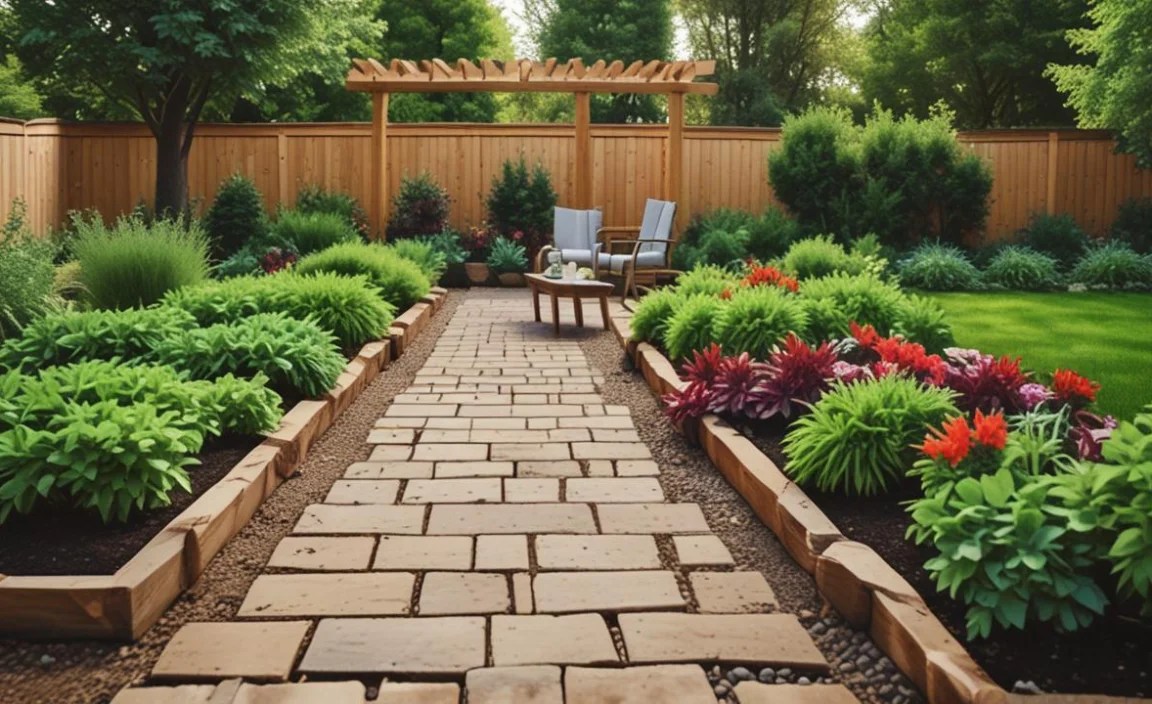
Growing your own vegetables is fun and rewarding. Easy backyard vegetable garden ideas can get you started. Choose a sunny spot for your garden. Start with easy-to-grow vegetables like lettuce, tomatoes, and zucchini. Use raised beds or containers to make gardening easier. Water your plants regularly and fertilize them as needed. Weed your garden to keep it healthy. Harvest your vegetables when they are ripe. Enjoy the fresh taste of homegrown vegetables. Gardening is a great way to get exercise and eat healthy. It’s also a fun activity for the whole family. With a little effort, you can have a thriving vegetable garden in your backyard.
- Plant lettuce, tomatoes, and zucchini.
- Use raised beds or containers.
- Water and fertilize regularly.
- Weed your garden.
- Harvest vegetables when ripe.
Starting a vegetable garden is a simple process that anyone can do. Begin by preparing the soil. Remove any weeds or rocks. Add compost or other organic matter to improve the soil. Choose a variety of vegetables that you enjoy eating. Consider the amount of space you have available. Plant your vegetables according to the instructions on the seed packets or plant labels. Water your plants regularly, especially during dry spells. Protect your plants from pests and diseases. Harvest your vegetables when they are ready to eat. Enjoy the delicious and nutritious food that you have grown yourself. Remember, gardening is a learning process. Don’t be afraid to experiment and try new things. With a little patience and effort, you can have a bountiful vegetable garden in your backyard.
Fun Fact or Stat: Eating homegrown vegetables can improve your health and boost your immune system.
What Are the Easiest Vegetables to Grow?
Some vegetables are easier to grow than others. Lettuce is a great choice for beginners. It grows quickly and doesn’t require a lot of care. Tomatoes are another easy vegetable to grow. Choose a sunny spot and provide support for the plants. Zucchini is a very productive vegetable. It grows quickly and produces a lot of fruit. Radishes are ready to harvest in just a few weeks. They are a great choice for impatient gardeners. Green beans are easy to grow and produce a lot of beans. These vegetables are all great choices for beginners. They are easy to grow and don’t require a lot of maintenance. So, start with these vegetables and enjoy the fruits of your labor.
How to Protect Vegetables from Pests?
Pests can be a problem in any vegetable garden. But there are many ways to protect your plants. Use row covers to keep pests away from your plants. Plant companion plants that repel pests. Marigolds, basil, and garlic are all good choices. Attract beneficial insects to your garden. Ladybugs, lacewings, and praying mantises eat pests. Check your plants regularly for signs of pests. Remove any pests by hand or with a strong spray of water. Use organic pest control methods if necessary. Neem oil and insecticidal soap are both effective options. With a little effort, you can protect your vegetables from pests and enjoy a healthy harvest.
How Often Should You Fertilize Vegetables?
Fertilizing your vegetables is important for healthy growth. But how often should you fertilize? It depends on the type of vegetable and the soil conditions. In general, you should fertilize your vegetables every 4-6 weeks. Use a balanced fertilizer that contains nitrogen, phosphorus, and potassium. Follow the instructions on the fertilizer label. Water your plants well after fertilizing. Avoid over-fertilizing, as this can damage your plants. Compost is a great natural fertilizer. Add compost to your garden beds before planting. With proper fertilization, your vegetables will grow strong and healthy.
Unique Backyard Flower Garden Ideas

Flowers add beauty and color to any backyard. Unique backyard flower garden ideas can make your garden stand out. Create a wildflower meadow with a mix of colorful blooms. Plant a butterfly garden to attract these beautiful creatures. Build a rock garden with succulents and alpine plants. Design a moon garden with white and silver flowers that shine at night. Add a water feature to create a tranquil oasis. Use unique containers to display your flowers. Old boots, teacups, and wagons can all be used as planters. With a little creativity, you can create a stunning flower garden that is all your own.
- Create a wildflower meadow.
- Plant a butterfly garden.
- Build a rock garden.
- Design a moon garden.
- Add a water feature.
Designing a unique flower garden is a fun and rewarding experience. Start by choosing a theme or style for your garden. Consider the colors, textures, and shapes of the flowers you want to plant. Plan the layout of your garden carefully. Group plants together that have similar needs. Use different heights and textures to create visual interest. Add focal points to draw the eye. Statues, birdbaths, and benches can all be used as focal points. Don’t be afraid to experiment and try new things. Gardening is a process of learning and discovery. With a little creativity and effort, you can create a flower garden that is both beautiful and unique.
Fun Fact or Stat: Flowers can improve your mood and reduce stress.
What Are the Best Flowers for Attracting Butterflies?
Butterflies are beautiful and beneficial insects. They pollinate flowers and add beauty to the garden. Some flowers are especially attractive to butterflies. Butterfly bush, milkweed, and zinnias are all great choices. Plant a variety of flowers to attract different types of butterflies. Choose flowers that bloom at different times of the year. This will provide butterflies with a continuous source of nectar. Avoid using pesticides, as they can harm butterflies. Provide butterflies with a source of water. A shallow dish of water with pebbles is perfect. With a little effort, you can create a butterfly garden that is both beautiful and beneficial.
How to Create a Rock Garden?
A rock garden is a unique and beautiful addition to any backyard. Choose a sunny spot for your rock garden. Gather rocks of different sizes and shapes. Arrange the rocks in a natural-looking way. Add soil and plant succulents and alpine plants. Water the plants regularly and fertilize them as needed. Rock gardens are low-maintenance and drought-tolerant. They are a great choice for dry climates. Rock gardens add texture and interest to the landscape. They are also a great way to showcase unique and interesting plants. With a little effort, you can create a stunning rock garden in your backyard.
What Flowers Bloom at Night?
Some flowers bloom at night, adding beauty and fragrance to the evening garden. Moonflower, evening primrose, and night-blooming jasmine are all great choices. Plant these flowers near a patio or deck so you can enjoy their fragrance. Night-blooming flowers are often white or pale in color. This makes them easier to see in the dark. They attract nocturnal pollinators like moths and bats. Night-blooming flowers add a touch of magic to the garden. They are a great way to extend the enjoyment of your outdoor space. With a little planning, you can create a night garden that is both beautiful and fragrant.
Backyard Herb Garden Ideas for Beginners
Growing your own herbs is easy and rewarding. Backyard herb garden ideas for beginners can get you started. Choose a sunny spot for your herb garden. Start with easy-to-grow herbs like basil, mint, and chives. Use containers or raised beds to make gardening easier. Water your herbs regularly and fertilize them as needed. Harvest your herbs when they are ready to use. Add fresh herbs to your favorite recipes. Gardening is a great way to add flavor to your meals. It’s also a fun and relaxing activity. With a little effort, you can have a thriving herb garden in your backyard.
- Plant basil, mint, and chives.
- Use containers or raised beds.
- Water and fertilize regularly.
- Harvest herbs when ready.
- Add fresh herbs to meals.
Starting an herb garden is a simple and rewarding process. Begin by choosing a location that receives at least six hours of sunlight per day. Prepare the soil by adding compost or other organic matter. Select a variety of herbs that you enjoy using in your cooking. Plant your herbs in containers or directly in the ground. Water your herbs regularly, especially during dry spells. Fertilize your herbs as needed, using a balanced fertilizer. Harvest your herbs regularly to encourage new growth. Use your fresh herbs in your favorite recipes, or dry them for later use. Remember, gardening is a journey of learning and discovery. Don’t be afraid to experiment and try new things. With a little patience and effort, you can have a thriving herb garden that provides you with fresh and flavorful herbs all season long.
Fun Fact or Stat: Fresh herbs are more flavorful and nutritious than dried herbs.
What Are the Best Herbs to Grow for Cooking?
Some herbs are especially useful for cooking. Basil is a classic herb that is used in many Italian dishes. Mint is a refreshing herb that is great in drinks and desserts. Chives add a mild onion flavor to salads and soups. Parsley is a versatile herb that can be used in almost any dish. Rosemary is a fragrant herb that is great with meats and vegetables. These herbs are all easy to grow and add a lot of flavor to your cooking. Plant them in your garden and enjoy fresh herbs all season long.
How to Dry Herbs?
Drying herbs is a great way to preserve them for later use. There are several ways to dry herbs. You can hang them upside down in a cool, dry place. You can dry them in a dehydrator. Or you can dry them in the oven at a low temperature. Whichever method you choose, make sure the herbs are completely dry before storing them. Store dried herbs in airtight containers in a cool, dark place. Dried herbs will last for several months. They are a great way to add flavor to your cooking year-round.
How to Store Fresh Herbs?
Storing fresh herbs properly will help them last longer. You can store them in the refrigerator in a glass of water. Trim the stems and place the herbs in a glass of water. Cover the herbs with a plastic bag and store them in the refrigerator. You can also store them in the freezer. Chop the herbs and freeze them in ice cube trays with water or oil. Once frozen, transfer the herb cubes to a freezer bag. Frozen herbs will last for several months. They are a great way to have fresh herbs on hand whenever you need them.
Summary
Backyard gardening ideas offer many ways to transform your outdoor space. You can create a vibrant vegetable garden, a colorful flower garden, or a fragrant herb garden. Even a small backyard can become a green oasis with a little planning and creativity. Gardening provides fresh food, improves your health, and beautifies your surroundings. It’s a fun and rewarding activity for people of all ages. Whether you’re a beginner or an experienced gardener, there are plenty of backyard gardening ideas to inspire you. From vertical gardens to container gardens, there are endless possibilities to explore.
Conclusion
Starting a backyard garden is easier than you think. You can grow your own food, beautify your space, and enjoy the outdoors. Even a small effort can bring big rewards. There are many backyard gardening ideas to choose from. So, get started today and create your own green paradise. You will be amazed at what you can grow!
Frequently Asked Questions
Question No 1: What are some easy vegetables to grow for beginners?
Answer: Some easy vegetables to grow for beginners include lettuce, radishes, zucchini, and tomatoes. Lettuce and radishes grow quickly and don’t require much maintenance. Zucchini is very productive, and tomatoes are relatively easy to grow with proper support and sunlight. These vegetables are a great starting point for new gardeners looking to enjoy a successful harvest. They can be grown in containers or directly in the ground, making them adaptable to various backyard gardening ideas.
Question No 2: How do I choose the right plants for my backyard garden?
Answer: To choose the right plants, consider your local climate, soil conditions, and the amount of sunlight your yard receives. Check your local climate zone to select plants that are well-suited to your area. Test your soil to determine its pH level and nutrient content. Observe how much sunlight your yard gets throughout the day. Choose plants that thrive in those conditions. Consult with your local garden center for recommendations on plants that will do well in your area. This will help ensure that you select plants that will thrive and contribute to your backyard gardening ideas.
Question No 3: How often should I water my plants?
Answer: The frequency of watering depends on the type of plant, the weather, and the soil conditions. Check the soil moisture before watering. If the top inch of soil feels dry, it’s time to water. Water deeply, but less frequently, to encourage deep root growth. Avoid watering the leaves, as this can lead to diseases. Water early in the morning or late in the evening to minimize evaporation. During hot, dry weather, you may need to water more frequently. With these simple tips, you can ensure your plants receive the right amount of hydration for your backyard gardening ideas.
Question No 4: What are some tips for keeping pests away from my garden?
Answer: To keep pests away, attract beneficial insects to your garden by planting flowers that they like. Use natural pest control methods such as soapy water sprays or neem oil. Handpick pests off your plants regularly. Use row covers to protect your plants from pests. Keep your garden clean and free of debris. By implementing these strategies, you can maintain a healthy garden, protect your plants and ensure your backyard gardening ideas are fully realised.
Question No 5: How can I start a garden on a budget?
Answer: To start a garden on a budget, use recycled materials for planters. Start seeds indoors in egg cartons or yogurt cups. Compost vegetable scraps and yard waste for free fertilizer. Look for free plants in your community or grow plants from saved seeds. Repurpose old items such as tires, plastic bottles, and wooden pallets into unique garden features. With these creative solutions, you can enjoy the benefits of backyard gardening ideas without breaking the bank.
Question No 6: What are some vertical gardening ideas for small spaces?
Answer: Vertical gardening is a great way to maximize space in a small backyard. Use pallets, fences, or walls to create vertical structures. Plant climbing plants like tomatoes and cucumbers on trellises. Grow herbs in containers on your patio. Hang planters from fences and railings. These vertical gardening techniques allow you to grow more plants in a limited space, making them ideal for small backyard gardening ideas. The added height can also bring visual interest to your garden.
