Have you ever wanted to grow your own food? Do you have a small space? You can still garden! Balcony vegetable gardening is a fun way to grow plants. It is easier than you think. Let’s learn how to start your own garden on a balcony.
Imagine fresh tomatoes and lettuce. You can grow them right outside your door. Balcony vegetable gardening lets you enjoy fresh food. It also makes your balcony look nice. It’s a great hobby for anyone.
Balcony vegetable gardening is perfect for city living. You do not need a big yard. All you need is a sunny balcony. You can grow many kinds of vegetables. Let’s explore how to get started today.
Key Takeaways
- Balcony vegetable gardening lets you grow food in small spaces.
- Choose the right plants and containers for your balcony.
- Make sure your plants get enough sunlight and water.
- Use good soil and fertilizer to help your plants grow strong.
- Enjoy fresh, homegrown vegetables right from your balcony!
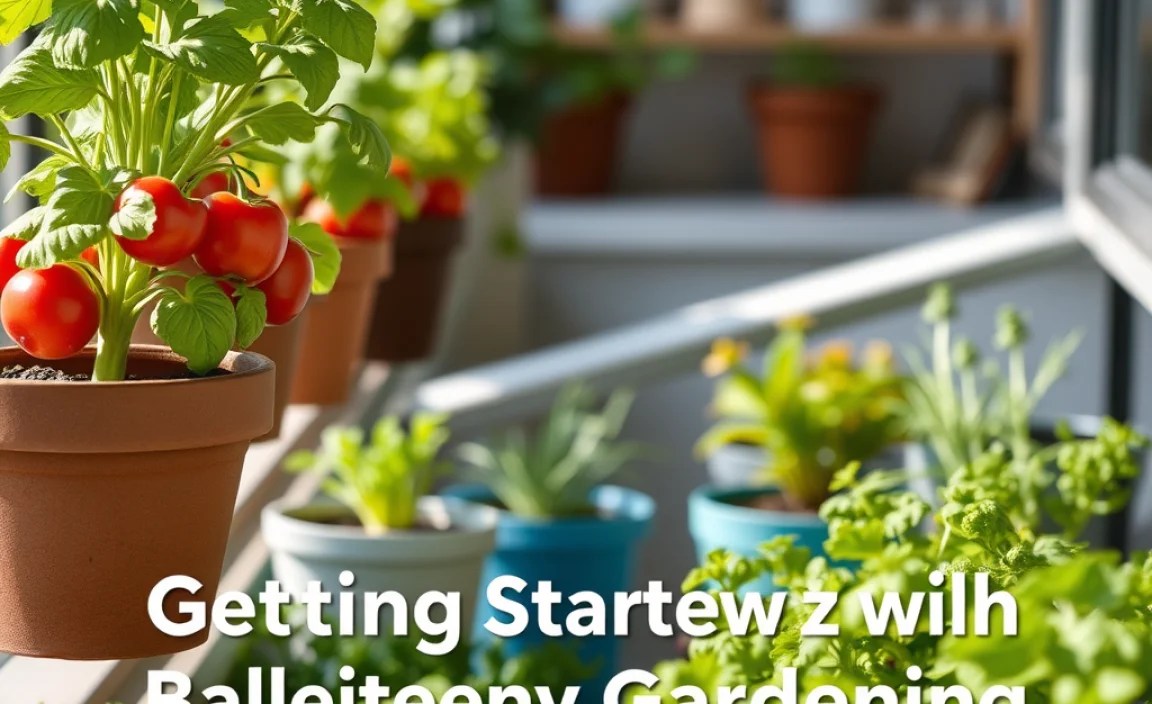
Getting Started with Balcony Vegetable Gardening
Balcony vegetable gardening is exciting. First, think about your balcony. How much sun does it get? Most vegetables need at least six hours of sun. Check your balcony throughout the day. This will help you choose the right plants. Some plants do well with less sun. You will also need to think about space. How much room do you have for pots? Measure your balcony to plan your garden. Choose pots that fit well. You can use different sizes and shapes. Make sure the pots have holes for drainage. Water needs to drain out so the plants do not rot. Think about what you like to eat. Grow vegetables you will enjoy.
- Check how much sun your balcony gets.
- Measure your balcony space.
- Choose pots with drainage holes.
- Think about what vegetables you like.
- Plan your garden layout.
Picking the right containers is very important for balcony vegetable gardening. You can use plastic pots, terracotta pots, or even fabric pots. Plastic pots are light and hold water well. Terracotta pots look nice but dry out faster. Fabric pots let the roots breathe. Consider the size of the plant when choosing a pot. Tomatoes need bigger pots than lettuce. Herbs can grow in smaller pots. You can also use hanging baskets. These are great for strawberries and herbs. Make sure the containers are strong enough to hold the soil and plants. Proper containers help your plants thrive.
Choosing the Right Location
Before you start planting, consider the location of your balcony vegetable gardening setup. Does your balcony face south, east, west, or north? A south-facing balcony will get the most sun. An east-facing balcony gets morning sun. A west-facing balcony gets afternoon sun. A north-facing balcony gets the least sun. Most vegetables need a lot of sun. If your balcony does not get much sun, choose plants that can handle shade. Lettuce, spinach, and kale can grow in partial shade. Move your plants around to find the best spot. Watch how the sun hits your balcony each day. This will help you decide where to place your plants.
Selecting the Right Containers
The type of container you use can affect how well your vegetables grow. Balcony vegetable gardening requires containers that are the right size and material. Big plants like tomatoes need large containers. Smaller plants like herbs can grow in smaller pots. Plastic pots are lightweight and retain moisture. Clay pots are heavier and allow more airflow. Fabric pots are breathable and help prevent root rot. Hanging baskets are great for trailing plants like strawberries. Make sure your containers have drainage holes. This prevents water from pooling and damaging the roots. Choose containers that fit your space and the needs of your plants.
Understanding Sunlight Requirements
Sunlight is essential for healthy vegetable growth. Most vegetables need at least six hours of sunlight per day. However, some vegetables can tolerate less sunlight. If your balcony does not get enough sunlight, you can use grow lights. Grow lights provide the light your plants need to grow. Place your plants in the sunniest spot on your balcony. Observe how the sunlight changes throughout the day. Rotate your plants regularly to ensure they get even sunlight. Pay attention to the leaves. If the leaves are pale or yellow, the plant may not be getting enough sunlight. Adjust your plants’ location as needed to maximize sunlight exposure.
Fun Fact or Stat: Did you know that some vegetables like lettuce and spinach can grow well in partial shade, needing only about 4 hours of sunlight a day?

Selecting the Best Vegetables for Balcony Gardening
Choosing the right vegetables is key for balcony vegetable gardening. Some vegetables grow better in containers than others. Tomatoes, peppers, and eggplants are good choices. They produce a lot of food in a small space. Lettuce, spinach, and kale are also easy to grow. Herbs like basil, mint, and thyme are great for balconies. They do not need much space and are easy to care for. Consider the size of the mature plant. Some plants get very big and need a lot of room. Choose dwarf or bush varieties for small spaces. These plants are bred to stay small. Think about what you like to eat and choose those vegetables.
- Choose compact or dwarf varieties.
- Consider your local climate.
- Select vegetables you enjoy eating.
- Start with easy-to-grow options.
- Check the plant’s mature size.
When selecting vegetables for your balcony vegetable gardening, think about your climate. Some vegetables grow better in warm weather. Others prefer cooler temperatures. Tomatoes and peppers need warm weather. Lettuce and spinach grow well in cooler weather. Check your local planting dates. This will tell you when to start seeds or buy seedlings. You can start seeds indoors before the growing season. This gives you a head start. Buy seedlings from a local nursery. They are already started and ready to plant. Choosing the right vegetables for your climate will help you have a successful garden.
Top Vegetables for Small Spaces
What vegetables are best suited for small spaces? Balcony vegetable gardening often means limited room. Compact varieties of tomatoes, like cherry tomatoes, are excellent. They don’t take up much space and produce plenty of fruit. Bush beans are another great option. They grow well in containers and offer a good yield. Peppers, especially smaller varieties like bell peppers, thrive in pots. Lettuce and spinach can be grown in shallow containers or hanging baskets. Radishes are quick and easy to grow in small spaces. These vegetables are perfect for maximizing your balcony garden.
Considering Your Local Climate
Your local climate plays a big role in what you can grow. Different vegetables thrive in different temperatures. Balcony vegetable gardening success depends on choosing the right plants. If you live in a warm climate, tomatoes, peppers, and eggplants will do well. If you live in a cooler climate, lettuce, spinach, and kale are good choices. Check the average temperatures for your area. This will help you choose vegetables that will thrive. You can also use season extenders like row covers to protect your plants from frost. Consider your climate when planning your balcony garden.
Starting from Seeds vs. Seedlings
Should you start your vegetables from seeds or seedlings? Both have their pros and cons. Starting from seeds is cheaper. You also have more variety to choose from. However, it takes more time and effort. Seedlings are more expensive, but they are already started. This gives you a head start on the growing season. Balcony vegetable gardening can be easier with seedlings. If you are new to gardening, seedlings might be a better choice. If you have more time and want to save money, try starting from seeds. Consider your experience level and time commitment when making your decision.
Fun Fact or Stat: Cherry tomatoes are one of the easiest and most popular vegetables to grow in balcony gardens due to their compact size and high yield!

Soil and Watering for Balcony Vegetable Gardens
Good soil is important for balcony vegetable gardening. Use a good quality potting mix. Do not use garden soil. Garden soil is too heavy and does not drain well in pots. Potting mix is lighter and has better drainage. You can buy potting mix at a garden center. You can also make your own. Mix equal parts of peat moss, perlite, and compost. Add some slow-release fertilizer. This will feed your plants for several months. Watering is also important. Water your plants regularly. Check the soil moisture before watering. Stick your finger in the soil. If it feels dry, water the plant. Do not overwater. Overwatering can cause root rot.
- Use a high-quality potting mix.
- Check soil moisture regularly.
- Water deeply but not too often.
- Add fertilizer to the soil.
- Ensure good drainage.
Watering correctly is essential for healthy plants in balcony vegetable gardening. Water deeply when you water. This means watering until the water drains out of the bottom of the pot. This ensures that the roots get enough water. Water in the morning. This gives the plants time to dry out during the day. Avoid watering in the evening. This can lead to fungal diseases. Use a watering can or a hose with a gentle spray. Avoid spraying the leaves. This can also lead to fungal diseases. Adjust your watering schedule based on the weather. Plants need more water in hot, dry weather. They need less water in cool, wet weather.
Choosing the Right Soil Mix
Selecting the right soil mix is crucial for healthy plants. Balcony vegetable gardening requires soil that drains well and provides nutrients. A good potting mix is lightweight and contains peat moss, perlite, and vermiculite. These ingredients help with drainage and aeration. Avoid using garden soil, as it can become compacted in containers. You can also add compost to your potting mix. Compost provides essential nutrients and improves soil structure. Consider using a soil mix specifically designed for vegetables. These mixes often contain slow-release fertilizers. The right soil mix will help your plants thrive.
Watering Techniques for Containers
Proper watering is key to successful balcony vegetable gardening. Containers dry out faster than garden beds, so regular watering is essential. Water deeply when the top inch of soil feels dry. Use a watering can or hose with a gentle spray to avoid damaging the plants. Water in the morning to allow the foliage to dry before evening. Avoid overwatering, which can lead to root rot. Check the drainage holes to ensure water is flowing freely. Adjust your watering schedule based on the weather and the type of plant.
Fertilizing Your Balcony Garden
Fertilizing your plants provides them with the nutrients they need to grow. Balcony vegetable gardening requires regular fertilization, as containers have limited nutrients. Use a balanced fertilizer with equal parts nitrogen, phosphorus, and potassium. You can use a liquid fertilizer or a slow-release fertilizer. Liquid fertilizers are applied more frequently. Slow-release fertilizers provide nutrients over a longer period. Follow the instructions on the fertilizer package. Avoid over-fertilizing, which can burn the plants. Fertilize your plants regularly to ensure they get the nutrients they need.
Fun Fact or Stat: Plants in containers often need more frequent watering than those in the ground, sometimes even twice a day during hot weather!

Dealing with Pests and Diseases in Balcony Gardens
Pests and diseases can be a problem in balcony vegetable gardening. Check your plants regularly for signs of pests. Look for holes in the leaves or insects on the plants. Common pests include aphids, spider mites, and whiteflies. You can use insecticidal soap to control these pests. Spray the plants thoroughly, making sure to get the undersides of the leaves. Diseases can also affect your plants. Common diseases include powdery mildew and fungal infections. Provide good air circulation to prevent diseases. Remove any infected leaves or plants. Use a fungicide if necessary.
- Inspect plants regularly for pests.
- Use insecticidal soap for pests.
- Provide good air circulation.
- Remove infected leaves or plants.
- Use organic pest control methods.
Preventing pests and diseases is the best way to protect your plants in balcony vegetable gardening. Choose disease-resistant varieties. These plants are less likely to get sick. Keep your garden clean. Remove any dead leaves or debris. This will help prevent pests and diseases from spreading. Attract beneficial insects to your garden. Ladybugs and lacewings eat aphids and other pests. You can buy beneficial insects online or at a garden center. Companion planting can also help. Plant herbs like basil and rosemary near your vegetables. These herbs repel many pests.
Identifying Common Pests
Being able to identify common pests is essential for effective pest control. Balcony vegetable gardening can attract a variety of pests. Aphids are small, soft-bodied insects that suck sap from plants. Spider mites are tiny pests that create webs on the leaves. Whiteflies are small, white insects that fly up when you disturb the plant. Caterpillars are leaf-eating pests that can quickly defoliate plants. Knowing what pests you are dealing with will help you choose the right treatment. Inspect your plants regularly for signs of pests.
Organic Pest Control Methods
Using organic pest control methods is a safe and effective way to protect your plants. Balcony vegetable gardening benefits from natural solutions. Insecticidal soap is a great option for controlling aphids, spider mites, and whiteflies. Neem oil is another effective organic pesticide. It can control a wide range of pests and diseases. Diatomaceous earth is a natural powder that kills insects by dehydrating them. Companion planting, such as planting basil near tomatoes, can help repel pests. These organic methods are safe for your plants and the environment.
Preventing Diseases in Your Garden
Preventing diseases is crucial for maintaining a healthy balcony garden. Balcony vegetable gardening requires good practices. Choose disease-resistant varieties whenever possible. Provide good air circulation by spacing plants properly. Avoid overwatering, which can create a favorable environment for fungal diseases. Remove any infected leaves or plants immediately. Use a fungicide if necessary, but choose an organic option. Keep your garden clean by removing dead leaves and debris. These preventive measures will help keep your plants healthy.
Fun Fact or Stat: Ladybugs are natural predators of aphids and can eat up to 50 aphids per day, making them a great addition to your balcony garden!
Maximizing Space in Your Balcony Garden
Space is often limited in balcony vegetable gardening. Use vertical gardening to grow more plants. Vertical gardening means growing plants up instead of out. You can use trellises, hanging baskets, and stacked planters. Trellises are great for climbing plants like tomatoes and cucumbers. Hanging baskets are perfect for strawberries and herbs. Stacked planters allow you to grow multiple plants in a small space. Choose compact or dwarf varieties of vegetables. These plants stay small and do not need much room. Plan your garden carefully to make the most of your space.
- Use vertical gardening techniques.
- Choose compact or dwarf varieties.
- Use hanging baskets for herbs and strawberries.
- Stack planters to maximize space.
- Plan your garden layout carefully.
Another way to maximize space in balcony vegetable gardening is to use companion planting. Companion planting means growing plants together that benefit each other. For example, basil and tomatoes grow well together. Basil repels pests that attack tomatoes. Marigolds also repel pests. Plant them near your vegetables to protect them. Lettuce and radishes are also good companions. Radishes grow quickly and help break up the soil for lettuce. Plan your garden carefully to take advantage of companion planting. This will help you grow more food in a small space.
Vertical Gardening Ideas
Vertical gardening is a great way to maximize space in a small balcony garden. Balcony vegetable gardening can be transformed with vertical structures. Use trellises for climbing plants like tomatoes, cucumbers, and beans. Install hanging baskets for strawberries, herbs, and trailing flowers. Create a living wall using a vertical planter with multiple pockets. Repurpose old pallets into vertical gardens. Stacked planters are also a great option for growing multiple plants in a small space. These vertical gardening ideas will help you grow more in less space.
Companion Planting Strategies
Companion planting can enhance the growth and health of your vegetables. Balcony vegetable gardening benefits from strategic plant pairings. Plant basil near tomatoes to repel pests and improve flavor. Marigolds deter nematodes and other harmful insects. Carrots and onions are good companions, as onions repel carrot flies. Lettuce and radishes grow well together, as radishes break up the soil for lettuce. Companion planting can help you grow more food naturally and reduce the need for pesticides.
Choosing the Right Container Sizes
Selecting the right container sizes is crucial for the success of your balcony garden. Balcony vegetable gardening depends on choosing appropriate pots. Tomatoes and peppers need larger containers, at least 12 inches in diameter. Lettuce and spinach can grow in smaller containers, around 6 inches in diameter. Herbs can be grown in small pots or hanging baskets. Make sure the containers have drainage holes to prevent waterlogging. Choose containers that are appropriate for the size and type of plant you are growing.
| Vegetable | Container Size | Sunlight Needs | Watering Needs |
|---|---|---|---|
| Tomatoes | 12+ inches | 6-8 hours | Daily |
| Lettuce | 6+ inches | 4-6 hours | Every other day |
| Peppers | 10+ inches | 6-8 hours | Daily |
| Herbs | 6+ inches | 4-6 hours | Every other day |
Fun Fact or Stat: Vertical gardens can increase yields by up to 50% compared to traditional horizontal gardening in the same space!
Harvesting and Enjoying Your Balcony Vegetables
Harvesting your vegetables is the best part of balcony vegetable gardening. Harvest vegetables when they are ripe. Tomatoes should be red and slightly soft. Lettuce should be harvested when the leaves are big enough to eat. Herbs can be harvested as needed. Cut the leaves with scissors. Wash your vegetables before eating them. Enjoy your fresh, homegrown vegetables in salads, soups, and other dishes. Share your harvest with friends and neighbors. Balcony vegetable gardening is a rewarding experience.
- Harvest vegetables when ripe.
- Wash vegetables before eating.
- Enjoy fresh, homegrown produce.
- Share your harvest with others.
- Store vegetables properly.
Storing your vegetables properly will help them last longer. Lettuce and spinach should be stored in the refrigerator. Wrap them in a paper towel to keep them fresh. Tomatoes should be stored at room temperature. Do not refrigerate them. Herbs can be stored in the refrigerator or dried. To dry herbs, hang them upside down in a cool, dry place. Once they are dry, store them in an airtight container. Enjoy the fruits (and vegetables) of your labor in balcony vegetable gardening.
Knowing When to Harvest
Knowing when to harvest your vegetables is crucial for getting the best flavor and texture. Balcony vegetable gardening requires careful observation. Tomatoes should be harvested when they are fully colored and slightly soft to the touch. Lettuce leaves should be harvested when they are large enough to eat. Herbs can be harvested as needed, but their flavor is strongest before they flower. Peppers should be harvested when they are fully colored and firm. Harvesting at the right time ensures you enjoy the best quality vegetables.
Storing Your Harvest Properly
Proper storage helps extend the life of your harvested vegetables. Balcony vegetable gardening rewards you with fresh produce. Leafy greens like lettuce and spinach should be washed, dried, and stored in a plastic bag in the refrigerator. Tomatoes should be stored at room temperature, away from direct sunlight. Herbs can be stored in the refrigerator by placing them in a glass of water or drying them for later use. Peppers should be stored in the refrigerator in a plastic bag. Proper storage ensures your vegetables stay fresh and flavorful.
Creative Ways to Use Your Harvest
There are many creative ways to use your fresh balcony vegetables. Balcony vegetable gardening provides you with delicious ingredients. Use tomatoes and basil to make a fresh Caprese salad. Add lettuce and spinach to your sandwiches and salads. Use herbs to season your favorite dishes. Make a homemade pesto with fresh basil. Roast peppers and tomatoes for a flavorful sauce. Share your harvest with friends and neighbors. Enjoy the satisfaction of eating food you grew yourself.
Fun Fact or Stat: Freshly harvested vegetables retain more nutrients and flavor compared to store-bought produce, making your balcony garden a healthy choice!
Summary
Balcony vegetable gardening is a wonderful way to grow your own food in a small space. It is perfect for people who live in apartments or have limited yard space. You can grow a variety of vegetables, herbs, and fruits on your balcony. Choose the right plants for your space and climate. Use good quality soil and water your plants regularly. Protect your plants from pests and diseases. Harvest your vegetables when they are ripe and enjoy the fresh flavors.
Balcony vegetable gardening not only provides you with fresh produce, but it also adds beauty to your living space. It can be a relaxing and rewarding hobby. With a little planning and effort, you can create a thriving garden on your balcony. Enjoy the process of growing your own food and the delicious rewards that come with it.
Conclusion
Balcony vegetable gardening is a fun and rewarding activity. You can grow your own food even with limited space. Choose the right plants, use good soil, and water regularly. Protect your plants from pests and diseases. Enjoy the fresh taste of homegrown vegetables. Start your balcony garden today and enjoy the benefits of fresh, homegrown produce.
Frequently Asked Questions
Question No 1: What are the easiest vegetables to grow on a balcony?
Answer: Some of the easiest vegetables to grow in balcony vegetable gardening are lettuce, spinach, radishes, and herbs like basil and mint. These plants do not need much space and are relatively easy to care for. They also grow quickly, so you can enjoy your harvest sooner. Choose compact varieties for best results. Make sure they get enough sunlight and water. With a little care, you will have fresh vegetables in no time.
Question No 2: How much sunlight do balcony vegetables need?
Answer: Most vegetables need at least six hours of sunlight per day to grow well. However, some vegetables can tolerate less sunlight. If your balcony does not get much sun, choose plants that can handle shade. Lettuce, spinach, and kale can grow in partial shade. Consider using grow lights if your balcony does not get enough natural sunlight. Grow lights can provide the light your plants need to thrive. Make sure to position the lights properly to ensure even growth.
Question No 3: What kind of soil should I use for balcony vegetable gardening?
Answer: You should use a good quality potting mix for balcony vegetable gardening. Do not use garden soil. Garden soil is too heavy and does not drain well in pots. Potting mix is lighter and has better drainage. You can buy potting mix at a garden center. You can also make your own by mixing equal parts of peat moss, perlite, and compost. Add some slow-release fertilizer to provide nutrients to your plants.
Question No 4: How often should I water my balcony vegetables?
Answer: Water your balcony vegetables regularly, but do not overwater. Check the soil moisture before watering. Stick your finger in the soil. If it feels dry, water the plant. Water deeply until the water drains out of the bottom of the pot. Water in the morning to give the plants time to dry out during the day. Adjust your watering schedule based on the weather. Plants need more water in hot, dry weather and less water in cool, wet weather.
Question No 5: How do I protect my balcony vegetables from pests?
Answer: Check your plants regularly for signs of pests. Look for holes in the leaves or insects on the plants. Use insecticidal soap to control pests like aphids, spider mites, and whiteflies. Spray the plants thoroughly, making sure to get the undersides of the leaves. You can also use organic pest control methods like neem oil and diatomaceous earth. Attract beneficial insects to your garden by planting flowers that attract ladybugs and lacewings.
Question No 6: Can I grow tomatoes on a balcony?
Answer: Yes, you can definitely grow tomatoes on a balcony! Choose compact or dwarf varieties that are well-suited for containers. Make sure the tomatoes get at least six hours of sunlight per day. Use a large container with good drainage. Water regularly and fertilize as needed. Provide support for the plants with a trellis or stakes. With proper care, you can enjoy fresh, homegrown tomatoes from your balcony vegetable gardening.
