Do you love playing in your garden? Do you want to make it even better? There is a simple way to help your plants grow strong. It also makes your garden look nice. The secret is using bark mulch for gardens!
Imagine your garden with fewer weeds. Think about your plants staying healthy. Bark mulch can help make this happen. Let’s find out how.
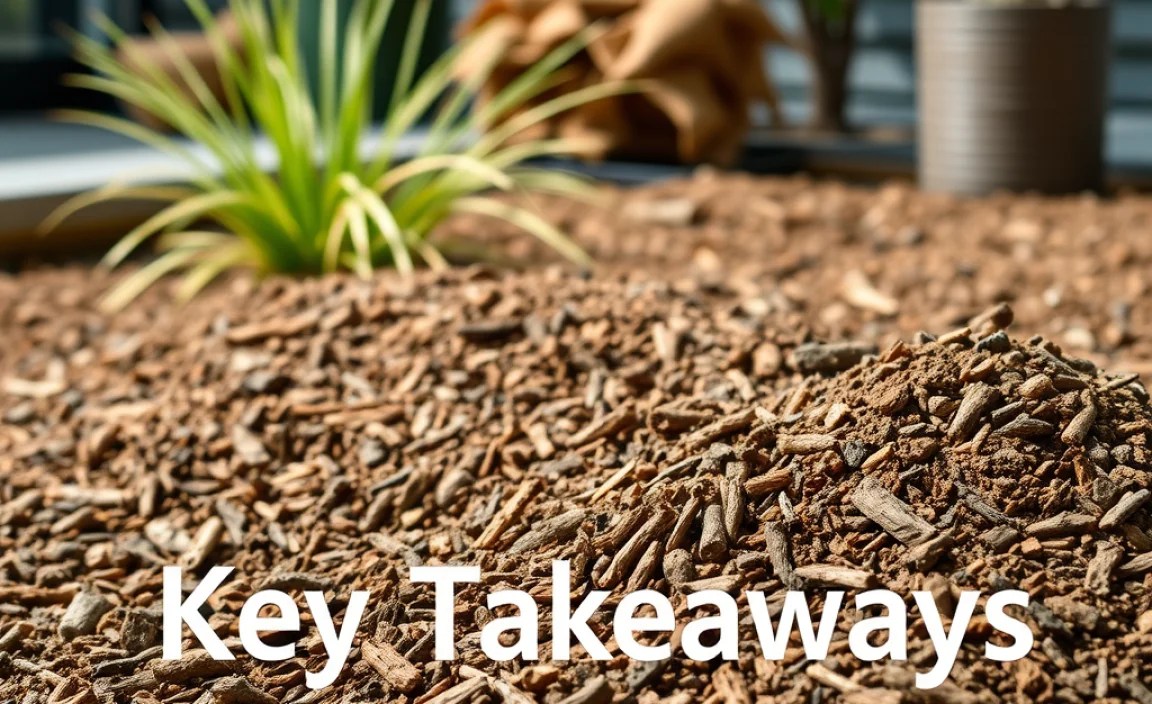
Key Takeaways
- Bark mulch for gardens helps keep moisture in the soil, so plants need less watering.
- It stops weeds from growing, which means less work for you in the garden.
- Bark mulch protects plants from extreme temperatures, keeping them healthy.
- As it breaks down, bark mulch adds nutrients to the soil, feeding your plants.
- Using bark mulch makes your garden look neat and tidy all season long.

Benefits of Bark Mulch for Gardens
Bark mulch for gardens offers many great benefits. It can really improve your garden. One big benefit is weed control. Weeds steal water and sunlight from your plants. Bark mulch acts as a barrier. It stops weed seeds from sprouting. This means less weeding for you. Your plants get all the good stuff they need. Another benefit is moisture retention. Bark mulch helps the soil stay moist. This is important, especially in hot weather. You won’t have to water your plants as much. This saves you time and water. Plus, bark mulch helps regulate soil temperature. It keeps the soil cooler in the summer. It keeps it warmer in the winter. This protects your plants from extreme temperatures. Healthy soil is key to a healthy garden. Bark mulch decomposes over time. It adds organic matter to the soil. This improves soil structure and fertility. Your plants will love it! Finally, bark mulch makes your garden look beautiful. It gives it a neat, finished look. It adds texture and color to your garden beds.
- It stops weeds from growing.
- It helps keep the soil moist.
- Bark mulch keeps soil temperature steady.
- It adds nutrients to the soil.
- It makes your garden look great.
Choosing the right bark mulch is important. There are different types to choose from. Some are better for certain plants. Some last longer than others. Consider the size of the bark pieces. Smaller pieces break down faster. They add nutrients to the soil more quickly. Larger pieces last longer. They provide better weed control. Think about the color of the bark mulch. Darker colors absorb more heat. Lighter colors reflect more sunlight. Choose a color that works well with your plants and your garden design. Also, consider the source of the bark mulch. Look for bark mulch that comes from sustainable sources. This helps protect the environment. Ask your local garden center for advice. They can help you choose the best bark mulch for your garden. They can also give you tips on how to apply it properly. With the right bark mulch, your garden will thrive.
Fun Fact or Stat: Did you know that using bark mulch can reduce water usage in your garden by up to 30%?
How Does Bark Mulch Stop Weeds?
Have you ever wondered how bark mulch stops weeds? It’s quite simple. Weeds need sunlight to grow. Bark mulch blocks the sunlight. Weed seeds cannot sprout without sunlight. The bark mulch acts like a shield. It covers the soil and prevents light from reaching the weed seeds. This is a natural way to control weeds. You don’t need to use harmful chemicals. Bark mulch also creates a physical barrier. Weed seedlings find it hard to push through the bark mulch. They cannot reach the soil to take root. The bark mulch also helps to keep the soil cooler. This can also prevent weed seeds from germinating. Some bark mulches contain natural compounds. These compounds inhibit weed growth. For example, cedar bark mulch contains oils. These oils can prevent weeds from sprouting. Bark mulch is an effective and eco-friendly way to control weeds in your garden.
Does Bark Mulch Help Keep Soil Moist?
Imagine your garden on a hot summer day. The sun is beating down on the soil. Without protection, the soil can dry out quickly. This is where bark mulch comes in handy. It acts like a sponge. It absorbs water and holds it in the soil. This helps keep the soil moist. The bark mulch also reduces evaporation. It shields the soil from the sun and wind. This prevents water from escaping. The bark mulch also helps to regulate soil temperature. It keeps the soil cooler. This reduces the amount of water that evaporates. Moist soil is important for plant growth. Plants need water to absorb nutrients. They also need water to stay healthy. Bark mulch helps ensure that your plants have the water they need. This can lead to healthier and more productive plants.
What Nutrients Does Bark Mulch Add to Soil?
As bark mulch breaks down, it adds nutrients to the soil. This is like giving your plants a healthy meal. The main nutrients are nitrogen, phosphorus, and potassium. These are important for plant growth. Nitrogen helps plants grow strong stems and leaves. Phosphorus helps plants develop healthy roots. Potassium helps plants resist disease. Bark mulch also adds other micronutrients to the soil. These include iron, manganese, and zinc. These nutrients are needed in small amounts. But they are still important for plant health. The bark mulch also adds organic matter to the soil. This improves soil structure. It helps the soil hold more water and nutrients. The organic matter also feeds beneficial microbes in the soil. These microbes help break down the bark mulch even faster. They also make nutrients more available to plants. Using bark mulch is a great way to improve soil fertility naturally.

Types of Bark Mulch for Your Garden
There are many different types of bark mulch for gardens. Each type has its own benefits. Pine bark mulch is a popular choice. It is made from the bark of pine trees. Pine bark mulch is acidic. This makes it good for acid-loving plants. These include azaleas, rhododendrons, and blueberries. Cedar bark mulch is another good option. It is naturally resistant to insects and decay. Cedar bark mulch has a pleasant smell. It can also help repel pests in your garden. Hardwood bark mulch is made from a mix of tree barks. It is a good all-purpose bark mulch. It breaks down slowly. It adds nutrients to the soil over time. Cypress bark mulch is made from cypress trees. It is resistant to decay. It lasts a long time in the garden. Shredded bark mulch is finely ground. It breaks down quickly. It adds nutrients to the soil faster. Chipped bark mulch is made of larger pieces. It lasts longer than shredded bark mulch. It provides better weed control. When choosing bark mulch, consider your plants’ needs. Think about the look you want for your garden.
- Pine bark mulch is good for acid-loving plants.
- Cedar bark mulch repels insects.
- Hardwood bark mulch is a good all-purpose choice.
- Cypress bark mulch lasts a long time.
- Shredded bark mulch breaks down quickly.
- Chipped bark mulch provides good weed control.
The color of bark mulch can also vary. This can affect the look of your garden. Darker bark mulches absorb more heat. This can help warm the soil in the spring. Lighter bark mulches reflect more sunlight. This can help keep the soil cooler in the summer. Some bark mulches are dyed. This can give them a more uniform color. However, dyed bark mulches may not be as natural. They may contain chemicals that are not good for your plants. It’s important to choose a bark mulch that is safe for your garden. Look for bark mulches that are made from natural materials. Avoid bark mulches that contain harmful chemicals. You can also make your own bark mulch. If you have trees in your yard, you can chip the bark yourself. This is a great way to recycle and save money. Just make sure the bark is free from diseases and pests.
Fun Fact or Stat: Cedar bark mulch is known for its natural insect-repelling properties, helping to keep unwanted pests away from your precious plants!
What is Pine Bark Mulch Best For?
Do you have plants that love acidic soil? Then pine bark mulch might be perfect. This type of bark mulch is made from pine trees. As it breaks down, it makes the soil more acidic. Plants like blueberries and azaleas thrive in acidic soil. Pine bark mulch helps them grow strong. It also helps the soil retain moisture. This means you don’t have to water as often. Pine bark mulch also looks great in the garden. It has a reddish-brown color that adds warmth. It can be used in flower beds and around trees. It also helps to suppress weeds. This keeps your garden looking neat. Pine bark mulch is a great choice for many gardens. Just make sure it’s right for your plants.
Is Cedar Bark Mulch Safe for Gardens?
Cedar bark mulch is a popular choice for gardens. But is it safe? The answer is yes! Cedar bark mulch is safe for most plants. It is also safe for pets and children. Cedar bark mulch has natural oils. These oils give it a pleasant smell. They also help repel insects. This can protect your plants from pests. Cedar bark mulch is also slow to decompose. This means it lasts longer than other types of bark mulch. It provides long-lasting weed control. It also helps to retain moisture in the soil. Cedar bark mulch is a great choice for your garden. It is safe, effective, and smells good!
How Does Hardwood Bark Mulch Help Soil?
Hardwood bark mulch is made from different types of trees. It is a great way to improve your soil. As it breaks down, it adds nutrients to the soil. These nutrients help your plants grow strong. Hardwood bark mulch also improves soil structure. It helps the soil hold more water. This means your plants get the water they need. It also helps to aerate the soil. This means air can reach the roots of your plants. Hardwood bark mulch also suppresses weeds. It blocks sunlight from reaching weed seeds. This prevents them from sprouting. Hardwood bark mulch is a great choice for any garden. It improves soil health and helps your plants thrive.

How to Apply Bark Mulch in Your Garden
Applying bark mulch for gardens is easy. It can make a big difference in your garden’s health. First, clear the area. Remove any weeds or debris. This will give you a clean surface to work with. Next, spread the bark mulch evenly. Use a shovel or rake to spread it around your plants. Aim for a layer that is about 2-4 inches thick. This will provide good weed control and moisture retention. Be careful not to pile the bark mulch up against the stems of your plants. This can cause them to rot. Leave a little space around the stems. Water the bark mulch after you apply it. This will help it settle and stay in place. It will also help to retain moisture in the soil. Reapply bark mulch as needed. It will break down over time. You may need to add more every year or two. With a little effort, you can keep your garden looking great with bark mulch.
- Clear the area of weeds and debris.
- Spread the bark mulch evenly.
- Aim for a 2-4 inch thick layer.
- Don’t pile bark mulch against plant stems.
- Water the bark mulch after applying.
- Reapply bark mulch as needed.
When applying bark mulch, consider the type of plants you have. Some plants prefer a thicker layer of bark mulch. Others prefer a thinner layer. Acid-loving plants, like azaleas and rhododendrons, benefit from a thicker layer of pine bark mulch. This helps to keep the soil acidic. Vegetable gardens may not need as much bark mulch. A thinner layer is usually sufficient to control weeds and retain moisture. Also, consider the size of the bark mulch pieces. Smaller pieces break down faster. They add nutrients to the soil more quickly. Larger pieces last longer. They provide better weed control. Choose the size that is best for your needs. Finally, remember to wear gloves when applying bark mulch. This will protect your hands from splinters and dirt. It will also prevent any skin irritation from the bark mulch. With these tips, you can apply bark mulch like a pro.
Fun Fact or Stat: Applying bark mulch can reduce the amount of time you spend weeding by up to 75%!
How Thick Should Bark Mulch Be?
Have you ever wondered how thick to spread bark mulch? The right thickness is important. Too little bark mulch and weeds will grow. Too much bark mulch can harm your plants. A good rule of thumb is 2-4 inches. This thickness provides good weed control. It also helps retain moisture. For flower beds, aim for 3-4 inches. This will give your plants plenty of protection. For vegetable gardens, 2-3 inches is usually enough. Be careful not to pile the bark mulch against plant stems. This can cause them to rot. Leave a little space around the stems. Check the bark mulch thickness regularly. Add more as needed. This will keep your garden looking its best.
Should I Water After Applying Bark Mulch?
Yes, you should always water after applying bark mulch. Watering helps the bark mulch settle into place. It also helps to retain moisture in the soil. Water the bark mulch thoroughly. Make sure the soil underneath is also wet. This will encourage plant roots to grow deeper. It will also help the bark mulch decompose slowly. This will add nutrients to the soil over time. Watering also helps to prevent the bark mulch from blowing away. This is especially important in windy areas. So, don’t forget to water after applying bark mulch. It’s a simple step that makes a big difference.
How Often Should I Replace Bark Mulch?
Bark mulch breaks down over time. So, you need to replace it. How often depends on the type of bark mulch. It also depends on the weather. Shredded bark mulch breaks down faster. You may need to replace it every year. Chipped bark mulch lasts longer. You may only need to replace it every two years. Look for signs that the bark mulch is breaking down. If it is thin and patchy, it’s time to replace it. If you see a lot of weeds growing, it’s also time to replace it. Remove the old bark mulch before adding new bark mulch. This will prevent diseases and pests. Replacing bark mulch regularly will keep your garden healthy and beautiful.

Maintaining Your Garden with Bark Mulch
Maintaining your garden with bark mulch for gardens is easy. It helps keep your garden looking great. One important thing is to check the bark mulch regularly. Make sure it is still thick enough. Over time, bark mulch breaks down. It becomes thinner. You may need to add more bark mulch to keep weeds away. Another thing to do is to remove any weeds that do grow. Even with bark mulch, some weeds may still pop up. Pull them out as soon as you see them. This will prevent them from spreading. Also, be careful when you are digging in your garden. You don’t want to disturb the bark mulch too much. This can make it less effective at controlling weeds. If you move the bark mulch, put it back in place. Finally, remember to water your plants regularly. Bark mulch helps keep the soil moist. But you still need to water your plants when they need it. With a little care, your garden will thrive with bark mulch.
- Check the bark mulch thickness regularly.
- Remove any weeds that grow.
- Be careful when digging in the garden.
- Put bark mulch back in place if moved.
- Water your plants regularly.
Bark mulch can also help protect your plants from pests. Some types of bark mulch, like cedar bark mulch, have natural insect-repelling properties. This can help keep pests away from your plants. However, bark mulch can also provide a hiding place for some pests. Check your plants regularly for signs of pests. If you see any, take action to get rid of them. You can use insecticidal soap or other pest control methods. It’s also important to keep your garden clean. Remove any dead leaves or other debris. This can provide a breeding ground for pests. By taking these steps, you can help keep your garden healthy and pest-free. Bark mulch is a great tool for maintaining a healthy garden. Just remember to use it properly and keep an eye on your plants.
Fun Fact or Stat: Gardens with properly maintained bark mulch have been shown to have up to 50% fewer pest problems!
How Do I Know When to Add More Bark Mulch?
Do you know when to add more bark mulch? It’s important to keep an eye on it. Over time, bark mulch breaks down. It also gets thinner. This means it’s not as good at stopping weeds. It also doesn’t hold moisture as well. A good sign is when you see weeds growing. This means the bark mulch is too thin. Another sign is when the soil is dry. This means the bark mulch isn’t holding enough moisture. Check the thickness of the bark mulch. If it’s less than 2 inches, add more. Adding more bark mulch will keep your garden healthy.
Can Bark Mulch Attract Pests?
It’s true that bark mulch can sometimes attract pests. Some pests like to hide in it. Others like to feed on it. But don’t worry! There are ways to prevent this. First, choose the right type of bark mulch. Cedar bark mulch repels insects. Second, keep your garden clean. Remove dead leaves and debris. Third, check your plants regularly. Look for signs of pests. If you see any, take action quickly. With a little care, you can enjoy the benefits of bark mulch. You can also keep your garden pest-free.
How Does Bark Mulch Affect Soil pH?
Did you know bark mulch can affect soil pH? pH is how acidic or alkaline the soil is. Some plants like acidic soil. Others like alkaline soil. Pine bark mulch makes soil more acidic. This is good for plants like blueberries. Hardwood bark mulch doesn’t change pH much. It’s good for most plants. Test your soil pH before adding bark mulch. This will help you choose the right type. It will also help your plants grow strong. You can buy a soil pH test kit at a garden store. Follow the instructions carefully. Knowing your soil pH is important for a healthy garden.
Pros and Cons of Using Bark Mulch in Gardens
Using bark mulch for gardens has many pros. But there are also some cons to consider. One big pro is weed control. Bark mulch stops weeds from growing. This saves you time and effort. Another pro is moisture retention. Bark mulch helps keep the soil moist. This means you don’t have to water as much. Bark mulch also adds nutrients to the soil. As it breaks down, it feeds your plants. It also helps regulate soil temperature. This protects your plants from extreme heat and cold. Finally, bark mulch makes your garden look beautiful. It gives it a neat, finished look. However, there are also some cons. Bark mulch can be expensive. It also needs to be replaced regularly. Some types of bark mulch can attract pests. It’s important to choose the right type of bark mulch for your garden. Weigh the pros and cons carefully. This will help you decide if bark mulch is right for you.
| Pros | Cons |
|---|---|
| Controls weeds | Can be expensive |
| Retains moisture | Needs to be replaced |
| Adds nutrients to soil | May attract pests |
| Regulates soil temperature | Can alter soil pH |
- Weed control saves time and effort.
- Moisture retention reduces watering.
- Nutrients are added to the soil.
- Soil temperature is regulated.
- It makes the garden look nice.
When considering the pros and cons of bark mulch, think about your specific needs. If you have a lot of weeds, bark mulch can be a lifesaver. If you live in a dry climate, bark mulch can help conserve water. If you have poor soil, bark mulch can improve its fertility. However, if you are on a tight budget, bark mulch may not be the best choice. There are other, less expensive options for weed control and moisture retention. Also, if you have plants that prefer alkaline soil, you should avoid pine bark mulch. It can make the soil too acidic. Do your research and choose the right type of bark mulch for your garden. With careful planning, you can enjoy the many benefits of bark mulch without the drawbacks.
Fun Fact or Stat: Studies show that gardens using bark mulch require up to 50% less herbicide application!
Is Bark Mulch Worth the Cost?
Is bark mulch worth the cost? It’s a common question. Bark mulch can be expensive. But it also offers many benefits. It saves you time on weeding. It reduces the need for watering. It improves soil health. It also makes your garden look great. Think about how much time you spend weeding. Think about how much water you use. Bark mulch can save you money in the long run. It can also make gardening easier. If you value your time and your garden, bark mulch is worth it.
Can Bark Mulch Harm Plants?
Bark mulch is good for plants. But it can harm them if used wrong. Piling bark mulch against plant stems is a problem. It can cause the stems to rot. This can kill the plant. Too much bark mulch can also be bad. It can prevent water from reaching the roots. Choose the right type of bark mulch. Pine bark mulch is acidic. It’s not good for all plants. Use bark mulch properly. Your plants will thank you.
Are There Cheaper Alternatives to Bark Mulch?
Bark mulch can be expensive. Are there cheaper options? Yes, there are! Grass clippings are a good choice. They are free if you mow your lawn. Leaves are another good option. You can collect them in the fall. Straw is also a cheap alternative. It’s good for vegetable gardens. Compost is a great way to improve soil. It also helps control weeds. These options may not look as nice as bark mulch. But they can still benefit your garden. They are also good for the environment.
Summary
Bark mulch for gardens is a great way to improve your garden’s health and appearance. It helps control weeds by blocking sunlight. It also helps retain moisture in the soil, reducing the need for frequent watering. Different types of bark mulch, such as pine, cedar, and hardwood, offer unique benefits. Pine bark mulch is good for acid-loving plants, while cedar bark mulch repels insects. Hardwood bark mulch is a good all-purpose choice. Applying bark mulch properly involves clearing the area, spreading it evenly, and watering it in.
Maintaining your garden with bark mulch includes checking the thickness, removing weeds, and being careful when digging. While bark mulch has many benefits, it’s important to consider the pros and cons. It can be expensive and may need to be replaced regularly. Some types of bark mulch can also attract pests. However, the benefits of weed control, moisture retention, and soil improvement often outweigh the drawbacks. Using bark mulch can make gardening easier and more enjoyable.
Conclusion
Bark mulch is a valuable tool for any gardener. It offers many benefits for your plants and your garden’s overall health. It helps to control weeds and retain moisture. It also adds nutrients to the soil. There are different types of bark mulch to choose from. Each type has its own unique properties. Consider your plants’ needs and your personal preferences. With proper application and maintenance, bark mulch for gardens can transform your garden into a thriving oasis.
Frequently Asked Questions
Question No 1: What is bark mulch and why should I use it in my garden?
Answer: Bark mulch is a layer of shredded or chipped tree bark. People spread it on top of the soil in gardens. It helps keep weeds away. It also helps the soil stay moist. Bark mulch can also make your garden look nicer. It’s like giving your garden a cozy blanket. This blanket protects it from the sun and keeps the weeds out. Plus, as the bark mulch breaks down, it gives the soil good stuff to help your plants grow strong. Using bark mulch is a simple way to make your garden healthier and prettier.
Question No 2: How does bark mulch help control weeds in my garden?
Answer: Bark mulch helps stop weeds in a simple way. Weeds need sunlight to grow. Bark mulch blocks the sunlight from reaching the soil. This stops weed seeds from sprouting. It’s like putting a lid on a box. The weed seeds can’t get the light they need. So, they can’t grow. Also, bark mulch makes it hard for weeds to push through. Even if a weed seed does sprout, it struggles to reach the surface. This gives your plants a better chance to grow without competition from weeds. Using bark mulch means less time pulling weeds and more time enjoying your garden.
Question No 3: What are the different types of bark mulch available?
Answer: There are several kinds of bark mulch. Each one is a little different. Pine bark mulch is from pine trees. It’s good for plants that like acidic soil. Cedar bark mulch smells nice. It also helps keep bugs away. Hardwood bark mulch is from different types of trees. It’s a good choice for most gardens. Shredded bark mulch is finely ground. It breaks down quickly. Chipped bark mulch is made of bigger pieces. It lasts longer. Choose the type of bark mulch that works best for your plants. Also, choose the one that makes your garden look the way you want.
Question No 4: How do I apply bark mulch in my garden?
Answer: Applying bark mulch is easy! First, clear the area. Remove any weeds or leaves. Then, spread the bark mulch evenly around your plants. Use a shovel or rake to spread it. Aim for a layer that is 2-4 inches thick. Be careful not to pile the bark mulch against the stems of your plants. This can make them rot. After you spread the bark mulch, water it gently. This helps it settle and stay in place. That’s it! You’ve applied bark mulch to your garden. Now, your plants will be happier and healthier.
Question No 5: How often should I replace the bark mulch in my garden?
Answer: Bark mulch breaks down over time. So, you need to replace it. How often depends on the type of bark mulch. It also depends on the weather. Shredded bark mulch breaks down faster. You might need to replace it every year. Chipped bark mulch lasts longer. You might only need to replace it every two years. Look for signs that the bark mulch is breaking down. If it’s thin and patchy, it’s time to replace it. If you see a lot of weeds growing, it’s also time to replace it. Adding fresh bark mulch will keep your garden looking great.
Question No 6: Can bark mulch attract pests or harm my plants in any way?
Answer: Bark mulch is mostly good for your garden. But it can sometimes attract pests. Some bugs like to hide in it. To prevent this, choose cedar bark mulch. Cedar helps keep bugs away. Also, don’t pile the bark mulch against your plants. This can cause them to rot. Make sure the bark mulch is not too thick. If it’s too thick, water can’t reach the soil. By using bark mulch carefully, you can avoid these problems. You can enjoy all the benefits without harming your plants. Remember to check your plants regularly for any signs of pests or diseases.
