Do you see stray cats near your home? These cats need our help, especially when it is cold. Bedding for outdoor cats can give them a warm, safe place. A cozy bed can protect them from wind and rain. Let’s learn how to help these furry friends.
Good bedding for outdoor cats keeps them healthy. It also makes their lives much better. We can all do something to help.
Have you ever wondered where stray cats sleep? They often look for warm spots. But these spots are not always safe. Let’s find out how to make a difference for them.

Key Takeaways
- Providing bedding for outdoor cats is a simple act of kindness.
- Warm and dry shelters protect cats from harsh weather conditions.
- Straw, blankets, and insulated beds are great bedding options.
- Regularly clean the bedding for outdoor cats to prevent illness.
- A safe shelter reduces stress and improves a cat’s overall health.

Choosing the Right Outdoor Cat Bedding
Choosing the right bedding for outdoor cats is very important. The bedding must keep them warm and dry. It should also be safe and comfortable. Consider the weather in your area. Cold winters need extra warm bedding. Hot summers need bedding that breathes well. Think about what the cat will like. Some cats prefer soft blankets. Others like the feel of straw. Always pick bedding that is easy to clean. This helps keep the cats healthy. A clean bed keeps away fleas and other pests. Make sure the bedding is not toxic. Cats might chew on it. Choose materials that are safe if swallowed. Remember, a good bed can make a big difference. It can help a cat stay warm and healthy all year. It is a small act of kindness that can mean a lot.
- Straw is a good insulator for cold weather.
- Fleece blankets are soft and easy to wash.
- Cedar shavings can help repel fleas and insects.
- Avoid using towels as they can hold moisture.
- Consider a heated bed for very cold climates.
- Check the bedding regularly for wear and tear.
Think about the size of the cat when choosing bedding. A small cat does not need a huge bed. A large cat needs enough room to stretch out. Place the bed in a sheltered area. This will protect it from the weather. A porch or under a bush can work well. You can also buy or build a cat shelter. Line the shelter with the bedding you choose. Check the bedding often. Replace it if it gets wet or dirty. You can also add a food and water bowl nearby. This will make the cat even more comfortable. Remember, you are providing a safe haven. Your kindness can make a big difference in the cat’s life. Bedding for outdoor cats is more than just a bed. It is a warm, safe place to rest.
Fun Fact or Stat: Studies show that providing outdoor cats with proper shelter and bedding can increase their lifespan by up to two years!
What Materials Make Good Bedding?
What materials work best as bedding for outdoor cats? Straw is a popular choice. It is a natural insulator. Straw keeps cats warm in the winter and cool in the summer. Fleece is another good option. It is soft and cozy. Fleece is also easy to wash. Cedar shavings can help keep fleas away. But some cats are allergic to cedar. So, be careful when using it. Avoid using towels or cotton blankets. These materials can hold moisture. This can make the cat cold and damp. Consider using a heated bed if you live in a very cold area. Heated beds provide extra warmth. But make sure the bed is safe for outdoor use. Choose materials that are durable and weather-resistant. This will help the bedding last longer. Remember, the goal is to keep the cat warm, dry, and comfortable.
How Often Should I Change the Bedding?
How often should you change the bedding for outdoor cats? It depends on the weather and how dirty it gets. Check the bedding at least once a week. If it is wet or soiled, change it right away. Wet bedding can make cats cold and sick. Clean bedding helps prevent fleas and other pests. In the winter, change the bedding more often. This will ensure it stays dry and warm. In the summer, check for fleas and ticks. Wash the bedding regularly. Use a mild soap and water. Make sure the bedding is completely dry before putting it back. This will prevent mold and mildew. Regular cleaning will keep the bedding fresh and comfortable for the cat. A little bit of care can go a long way.
Where Should I Place the Bedding?
Where is the best place to put the bedding for outdoor cats? Look for a sheltered spot. A porch or under a bush works well. The goal is to protect the bed from the weather. Avoid placing the bed in direct sunlight. This can make it too hot in the summer. Choose a spot that is quiet and away from traffic. Cats like to feel safe and secure. You can also build or buy a cat shelter. Place the bedding inside the shelter. This will give the cat extra protection. Make sure the shelter is big enough for the cat to turn around in. It should also have a small entrance to keep out the wind. The location of the bed is just as important as the bedding itself.
Fun Fact or Stat: Cats spend approximately 70% of their lives sleeping. Providing a comfortable bed is essential for their well-being!

Building a Simple Outdoor Cat Shelter
Building a simple outdoor cat shelter is easy. You can use a plastic storage bin. Or you can use a wooden box. Make sure the shelter is waterproof. Cut a small hole in one side for the entrance. The hole should be big enough for the cat to get in and out. But not too big that it lets in the cold. Line the inside of the shelter with bedding for outdoor cats. Straw or fleece works well. Place the shelter in a sheltered area. This will protect it from the weather. You can also add a flap over the entrance. This will help keep out the wind and rain. A simple shelter can make a big difference in a cat’s life. It provides a safe, warm place to rest. You can also decorate the shelter to make it look nice. But make sure the decorations are safe for cats.
- Use a sturdy, waterproof container.
- Cut a small entrance hole for the cat.
- Insulate the shelter with straw or foam.
- Add a flap to the entrance to block wind.
- Place the shelter in a sheltered location.
- Regularly check and clean the shelter.
- Consider adding a second exit for escape.
Think about the size of the cat when building the shelter. A small cat does not need a huge shelter. A large cat needs enough room to turn around. The shelter should be easy to clean. You can also add a second exit. This will give the cat an escape route if it feels threatened. Make sure the shelter is stable. It should not tip over easily. You can weigh it down with bricks or stones. Place the shelter in a quiet area. Away from traffic and other dangers. A well-built shelter can provide years of comfort for outdoor cats. It is a small investment that can make a big difference. Remember, you are providing a safe haven for a vulnerable animal. Your kindness will be greatly appreciated.
Fun Fact or Stat: A well-insulated cat shelter can be 20-30 degrees warmer inside than the outside temperature!
What Size Should the Shelter Be?
What size should your cat shelter be? It needs to be big enough for the cat to turn around. But not so big that it loses heat. A good size is about 2 feet by 3 feet. The entrance hole should be about 6 inches in diameter. This will keep out the wind and rain. If you are building a shelter for multiple cats, make it bigger. Each cat needs enough space to feel comfortable. Consider adding separate compartments. This will give each cat its own space. The size of the shelter is important for keeping the cats warm and safe. A well-sized shelter will be a welcome retreat for any outdoor cat. Bedding for outdoor cats should be placed inside.
How Can I Insulate the Shelter?
How can you insulate a cat shelter? Insulation helps keep the shelter warm in the winter. And cool in the summer. Straw is a great insulator. It is natural and inexpensive. You can also use foam insulation. Cut the foam to fit the inside of the shelter. Glue it to the walls and roof. Make sure the insulation is safe for cats. Avoid using fiberglass insulation. It can be harmful if ingested. You can also use blankets or towels for insulation. But these materials can hold moisture. So, be sure to change them often. Good insulation is key to keeping the cats comfortable. A well-insulated shelter will provide a safe and warm haven for outdoor cats. Bedding for outdoor cats is essential for insulation.
Should I Add a Second Exit?
Should you add a second exit to your cat shelter? A second exit can provide an escape route. This can be helpful if the cat feels threatened. It can also prevent the cat from getting trapped. The second exit should be the same size as the main entrance. Place it on the opposite side of the shelter. This will give the cat two ways to get out. Some cats may not need a second exit. But it is always a good idea to have one. It can provide extra security for the cat. A second exit can also help with ventilation. It can allow fresh air to circulate through the shelter. Bedding for outdoor cats should be accessible for the cat.
Fun Fact or Stat: Cats are crepuscular animals, meaning they are most active during dawn and dusk. Providing shelter helps them rest during the day.
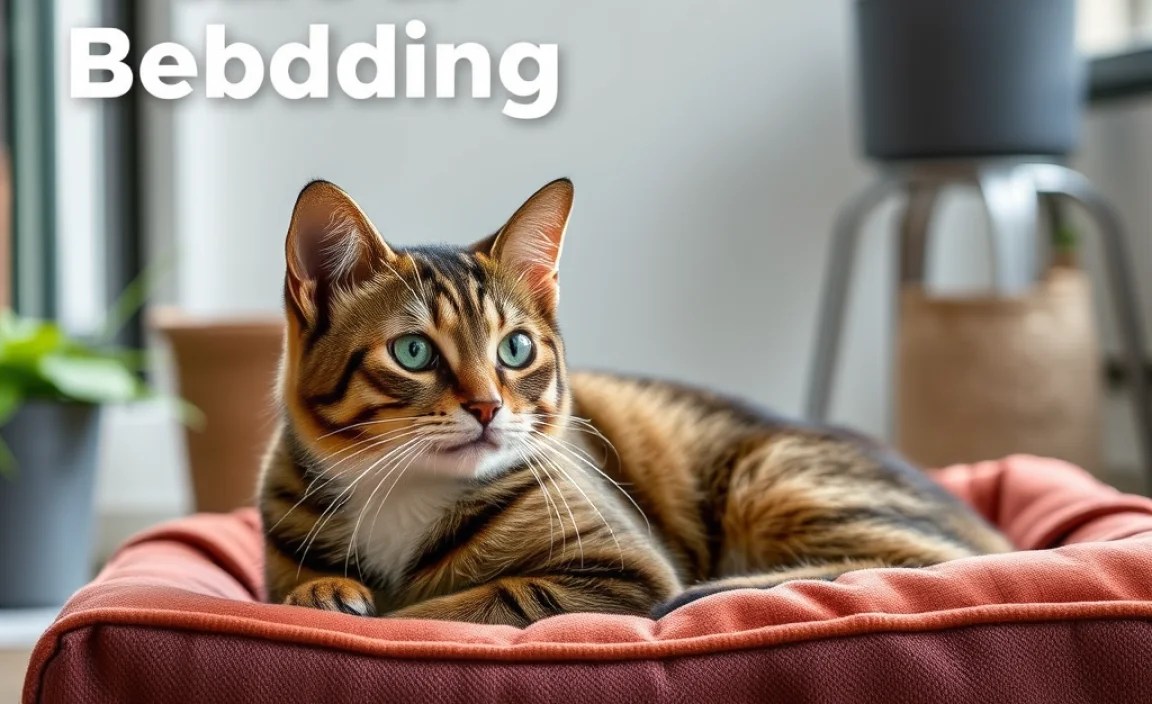
Maintaining Clean and Safe Bedding
Maintaining clean and safe bedding for outdoor cats is crucial. Dirty bedding can harbor bacteria and parasites. This can make the cats sick. Check the bedding regularly for dirt and moisture. Change it as needed. Wash the bedding with a mild soap and water. Make sure it is completely dry before putting it back. Clean the shelter regularly as well. Remove any debris or waste. Disinfect the shelter with a pet-safe cleaner. This will help prevent the spread of disease. A clean and safe environment is essential for the health and well-being of outdoor cats. Remember, a little bit of care can go a long way. It can help keep these furry friends healthy and happy.
- Check the bedding weekly for dirt and moisture.
- Wash the bedding with mild soap and water.
- Disinfect the shelter regularly.
- Remove any debris or waste from the shelter.
- Replace bedding if it becomes soiled or wet.
- Monitor cats for signs of illness or parasites.
Think about using natural cleaning products. These are safer for cats and the environment. Avoid using harsh chemicals or bleach. These can be harmful if ingested. You can also use cedar shavings to repel fleas and insects. But be careful if your cat is allergic to cedar. Consider using a flea and tick preventative. This will help protect the cats from parasites. Talk to your vet about the best options. Regular maintenance is key to keeping the bedding clean and safe. It will also help extend the life of the bedding and shelter. Remember, you are providing a safe haven for these vulnerable animals. Your efforts will be greatly appreciated.
Fun Fact or Stat: Regularly cleaning a cat’s bedding can reduce the risk of flea infestations by up to 80%!
What Cleaning Products Are Safe to Use?
What cleaning products are safe to use around cats? Avoid using harsh chemicals or bleach. These can be harmful if ingested. Use a mild soap and water. You can also use a pet-safe disinfectant. Look for products that are labeled as safe for cats. Vinegar and water is another good option. It is a natural and effective cleaner. Baking soda can also be used to deodorize the bedding. Sprinkle it on the bedding and let it sit for a few minutes. Then vacuum it up. Always rinse the bedding thoroughly after cleaning. This will remove any residue. Choose cleaning products that are gentle and safe for cats. Bedding for outdoor cats should be cleaned gently.
How Can I Prevent Fleas and Ticks?
How can you prevent fleas and ticks on outdoor cats? Use a flea and tick preventative. Talk to your vet about the best options. Cedar shavings can help repel fleas. Place them in the shelter and around the bedding. Regularly groom the cats. This will help remove any fleas or ticks. Check the cats for fleas and ticks often. Especially during the warmer months. Wash the bedding regularly. This will help kill any fleas or ticks that may be present. Keep the area around the shelter clean and tidy. This will reduce the risk of infestation. Preventing fleas and ticks is important for the health of the cats. Bedding for outdoor cats should be checked often.
What Are the Signs of Illness in Outdoor Cats?
What are the signs of illness in outdoor cats? Look for changes in their behavior. Are they eating less? Are they sleeping more? Are they coughing or sneezing? Check their eyes and nose. Are they runny? Look for any signs of injury or infection. Are they limping? Do they have any open wounds? Check their fur for fleas or ticks. If you notice any of these signs, take the cat to a vet. Early treatment can make a big difference. It can help prevent the illness from getting worse. Regular checkups are important for outdoor cats. Bedding for outdoor cats should be clean to prevent illness.
Fun Fact or Stat: Outdoor cats are more prone to illnesses and injuries than indoor cats. Regular health checks are essential.

Providing Food and Water Near the Bedding
Providing food and water near the bedding for outdoor cats is important. Cats need access to fresh food and water at all times. Place the food and water bowls near the shelter. But not too close. This will prevent the bedding from getting dirty. Use bowls that are heavy and stable. This will prevent them from tipping over. Clean the bowls regularly. This will prevent the growth of bacteria. Provide fresh water every day. Especially during the summer months. Consider using a heated water bowl in the winter. This will prevent the water from freezing. Feeding outdoor cats can help them stay healthy and strong. Remember, food and water are essential for their survival. You can make a big difference in their lives.
- Place food and water bowls near the shelter.
- Use heavy, stable bowls to prevent tipping.
- Clean the bowls regularly to prevent bacteria.
- Provide fresh water every day.
- Use a heated water bowl in the winter.
- Choose a high-quality cat food.
Think about the type of food you are providing. Choose a high-quality cat food. This will provide the cats with the nutrients they need. Avoid feeding them table scraps. These can be harmful to their health. You can also provide them with treats. But do so in moderation. Be aware of other animals in the area. You may need to protect the food from birds or squirrels. You can use a covered feeding station. This will keep the food safe and dry. Providing food and water is a simple act of kindness. It can make a big difference in the lives of outdoor cats. Remember, they depend on us for their survival.
Fun Fact or Stat: Cats can survive for weeks without food, but only a few days without water. Fresh water is crucial for their health.
What Type of Food Is Best for Outdoor Cats?
What type of food is best for outdoor cats? Choose a high-quality cat food. Look for food that is high in protein and low in carbohydrates. Wet food can help keep them hydrated. Especially during the summer months. Dry food is more convenient. And it can help keep their teeth clean. Avoid feeding them table scraps. These can be harmful to their health. Consider feeding them a food that is specifically formulated for outdoor cats. These foods are designed to meet their unique needs. Provide them with a balanced diet. This will help them stay healthy and strong. Bedding for outdoor cats can be placed near the feeding spot.
How Can I Keep the Water from Freezing in Winter?
How can you keep the water from freezing in the winter? Use a heated water bowl. These bowls are designed to keep the water from freezing. You can also use a regular bowl. But change the water frequently. This will prevent it from freezing solid. Place the bowl in a sunny spot. This will help keep it warm. Insulate the bowl with a blanket or towel. This will help prevent it from freezing. You can also add a small amount of salt to the water. This will lower its freezing point. But be careful not to add too much salt. It can be harmful to the cats. Keeping the water from freezing is important for their health. Bedding for outdoor cats can protect them from the cold.
Should I Provide Food at Set Times?
Should you provide food at set times? This can help establish a routine. The cats will learn when to expect food. This can make it easier to monitor their health. You can also leave food out all the time. But this can attract other animals. It can also lead to overeating. Consider providing food at set times during the day. And removing the food after a certain amount of time. This will help prevent overeating. It will also help keep the area clean. Establishing a routine can be beneficial for both you and the cats. Bedding for outdoor cats can be used any time.
Fun Fact or Stat: Outdoor cats need approximately 200-300 calories per day to maintain their energy levels.
Protecting the Bedding from the Elements
Protecting the bedding for outdoor cats from the elements is very important. Rain, snow, and wind can damage the bedding. This can make it uncomfortable for the cats. Place the bedding in a sheltered area. This will protect it from the weather. You can also use a waterproof cover. This will keep the bedding dry. Choose a cover that is breathable. This will prevent moisture from building up. Check the bedding regularly for damage. Replace it if it gets wet or torn. Protecting the bedding will help it last longer. It will also keep the cats comfortable and safe. Remember, a little bit of protection can go a long way.
- Place the bedding in a sheltered area.
- Use a waterproof cover to keep it dry.
- Choose a breathable cover to prevent moisture.
- Check the bedding regularly for damage.
- Replace bedding if it gets wet or torn.
- Elevate the bedding off the ground.
Think about the materials you are using. Choose materials that are weather-resistant. Straw and fleece are good options. Avoid using towels or cotton blankets. These can hold moisture. Elevate the bedding off the ground. This will prevent it from getting wet. You can use a pallet or a platform. This will also help improve air circulation. Consider using a heated bed in the winter. This will provide extra warmth. But make sure the bed is safe for outdoor use. Protecting the bedding from the elements is essential for the health and comfort of the cats. It will also help extend the life of the bedding.
Fun Fact or Stat: Elevated bedding can stay up to 10 degrees warmer than bedding placed directly on the ground.
How Can I Keep the Bedding Dry During Rain?
How can you keep the bedding dry during rain? Use a waterproof cover. Choose a cover that is durable and weather-resistant. Place the bedding in a sheltered area. This will protect it from the rain. Elevate the bedding off the ground. This will prevent it from getting wet. Check the bedding regularly for moisture. Replace it if it gets wet. You can also use a tarp to cover the bedding. This will provide extra protection. Keeping the bedding dry is important for the health and comfort of the cats. Bedding for outdoor cats needs to be dry.
What Materials Are Best for Weather Resistance?
What materials are best for weather resistance? Straw is a good option. It is a natural insulator and it repels water. Fleece is also a good choice. It is soft and cozy, and it dries quickly. Cedar shavings can help repel insects. But be careful if your cat is allergic to cedar. Avoid using towels or cotton blankets. These can hold moisture and become moldy. Choose materials that are durable and weather-resistant. This will help the bedding last longer. Bedding for outdoor cats needs to resist weather.
How Can I Elevate the Bedding off the Ground?
How can you elevate the bedding off the ground? Use a pallet or a platform. You can also use bricks or stones. This will help prevent the bedding from getting wet. It will also improve air circulation. Make sure the platform is stable and secure. It should not tip over easily. You can also use a raised cat bed. These beds are designed to keep the bedding off the ground. Elevating the bedding is a simple way to protect it from the elements. Bedding for outdoor cats benefits from elevation.
Fun Fact or Stat: Waterproof covers can extend the life of outdoor cat bedding by up to 50%!
Long-Term Bedding Solutions for Outdoor Cats
Think about long-term bedding for outdoor cats solutions. These solutions are more durable and weather-resistant. They can provide years of comfort for outdoor cats. Consider building a permanent cat shelter. This will provide a safe and secure haven. You can also invest in a high-quality outdoor cat bed. These beds are designed to withstand the elements. Choose materials that are durable and easy to clean. Regular maintenance is key to keeping the bedding in good condition. Check it regularly for damage. Replace it as needed. Long-term solutions can provide a stable and comfortable environment for outdoor cats. Remember, you are providing a safe haven for these vulnerable animals.
- Build a permanent cat shelter for long-term use.
- Invest in a high-quality outdoor cat bed.
- Choose durable and easy-to-clean materials.
- Regularly maintain and check the bedding.
- Consider heated beds for cold climates.
- Provide a safe and secure environment.
Consider using recycled materials. This is a sustainable and eco-friendly option. You can use old tires or wooden pallets. These can be transformed into comfortable cat beds. Be creative and resourceful. You can also involve your community. Ask for donations of blankets or straw. Organize a fundraising event to support your efforts. Long-term solutions require planning and commitment. But they are well worth the effort. They can make a big difference in the lives of outdoor cats. Remember, you are providing a safe and loving home for these furry friends.
Fun Fact or Stat: Using recycled materials for cat bedding can reduce landfill waste and promote sustainability.
What Are the Benefits of a Permanent Cat Shelter?
What are the benefits of a permanent cat shelter? It provides a safe and secure haven. It protects the cats from the weather. It can also provide a sense of community. The cats can gather together for warmth and companionship. A permanent shelter can also make it easier to monitor their health. You can provide food and water in a consistent location. It can also help control the population. You can trap, neuter, and return the cats to the shelter. A permanent shelter requires planning and commitment. But it can make a big difference in the lives of outdoor cats. Bedding for outdoor cats is necessary in shelters.
How Can I Involve My Community?
How can you involve your community in helping outdoor cats? Ask for donations of blankets or straw. Organize a fundraising event to support your efforts. Partner with local animal shelters and rescue organizations. They can provide resources and expertise. Educate your neighbors about the importance of helping outdoor cats. Encourage them to provide food, water, and shelter. Create a neighborhood cat care program. This will help ensure that the cats are well cared for. Working together, you can make a big difference in the lives of outdoor cats. Bedding for outdoor cats needs community support.
What Are Some Sustainable Bedding Options?
What are some sustainable bedding options? Use recycled materials. Old tires, wooden pallets, and fabric scraps can be reused. Choose natural and biodegradable materials. Straw, cedar shavings, and wool are good options. Avoid using synthetic materials. These can be harmful to the environment. Compost the bedding after it is no longer usable. This will reduce waste and enrich the soil. Support companies that produce sustainable pet products. By making conscious choices, you can help protect the environment. Bedding for outdoor cats can be sustainable.
Fun Fact or Stat: Composting cat bedding can reduce landfill waste and create nutrient-rich soil for gardens.
Summary
Providing bedding for outdoor cats is a simple yet impactful way to improve their lives. A warm, dry, and safe bed can protect them from harsh weather. It can also reduce stress and improve their overall health. Choosing the right bedding is important. Straw, fleece, and cedar shavings are good options. Avoid using towels or cotton blankets. Building or buying a cat shelter can provide extra protection. Regular maintenance is key to keeping the bedding clean and safe. Consider long-term solutions for lasting comfort. By providing bedding for outdoor cats, you can make a big difference in their lives. Your kindness will be greatly appreciated by these furry friends.
Conclusion
Helping outdoor cats is something everyone can do. Providing warm bedding for outdoor cats helps keep them safe. A simple shelter makes a big difference. Remember to clean the bedding often. Fresh water and food are also important. By taking these steps, we can improve their lives. Let’s all do our part to help these animals.
Frequently Asked Questions
Question No 1: Why is it important to provide bedding for outdoor cats?
Answer: Providing bedding for outdoor cats is important because it helps protect them from the elements. Outdoor cats are exposed to harsh weather conditions, such as rain, snow, and cold temperatures. Bedding provides a warm and dry place for them to rest and escape the cold. It also helps reduce stress and improve their overall health. A comfortable bed can make a big difference in their lives, especially during the winter months. It is a simple act of kindness that can have a significant impact. A safe and cozy bed is essential for their well-being. Furthermore, bedding acts as a shield against the cold ground, preventing hypothermia.
Question No 2: What materials are best for outdoor cat bedding?
Answer: The best materials for bedding for outdoor cats are those that provide warmth, insulation, and are resistant to moisture. Straw is a popular choice because it is a natural insulator and repels water. Fleece blankets are soft, cozy, and easy to wash. Cedar shavings can help repel fleas and insects, but be cautious if your cat is allergic to cedar. Avoid using towels or cotton blankets, as they can hold moisture and become moldy. Consider using heated beds for very cold climates, but ensure they are safe for outdoor use. Choosing durable and weather-resistant materials will help the bedding last longer and provide better protection for the cats. Remember to check the bedding regularly for wear and tear.
Question No 3: How often should I change the bedding for outdoor cats?
Answer: You should check the bedding for outdoor cats at least once a week, but ideally more often during harsh weather conditions. If the bedding is wet, soiled, or infested with fleas, change it immediately. Wet bedding can make cats cold and sick, while dirty bedding can attract pests and spread disease. Clean bedding helps prevent fleas and other parasites from thriving. Wash the bedding with mild soap and water, and make sure it is completely dry before putting it back. Regular cleaning will keep the bedding fresh and comfortable for the cat, promoting better health and well-being. In the winter, consider changing the bedding more frequently to ensure it stays dry and warm.
Question No 4: Where is the best place to put the bedding for outdoor cats?
Answer: The best place to put the bedding for outdoor cats is in a sheltered area that provides protection from the elements. A porch, under a bush, or inside a cat shelter are all good options. Avoid placing the bed in direct sunlight, as it can become too hot in the summer. Choose a spot that is quiet and away from traffic to help cats feel safe and secure. You can also build or buy a cat shelter and place the bedding inside for extra protection. Make sure the shelter is big enough for the cat to turn around in and has a small entrance to keep out the wind. The location of the bed is just as important as the bedding itself.
Question No 5: How can I prevent the bedding from getting wet during rain?
Answer: To prevent the bedding for outdoor cats from getting wet during rain, use a waterproof cover. Choose a cover that is durable and weather-resistant. Place the bedding in a sheltered area, such as under a porch or inside a cat shelter. Elevate the bedding off the ground using a pallet or platform. This will prevent water from seeping into the bedding from below. Check the bedding regularly for moisture and replace it if it gets wet. You can also use a tarp to cover the bedding for extra protection. Keeping the bedding dry is crucial for the health and comfort of the cats. A dry bed prevents them from getting cold and developing illnesses.
Question No 6: What are some long-term bedding solutions for outdoor cats?
Answer: Long-term bedding for outdoor cats solutions involve creating a durable and weather-resistant shelter that provides consistent comfort and protection. Building a permanent cat shelter is an excellent option, as it offers a safe and secure haven for the cats. You can also invest in a high-quality outdoor cat bed designed to withstand the elements. Choose materials that are durable, easy to clean, and provide good insulation. Regular maintenance is key to keeping the bedding in good condition. Consider using recycled materials for a sustainable and eco-friendly option. Long-term solutions require planning and commitment, but they are well worth the effort. They can make a significant difference in the lives of outdoor cats.
