Do you love your garden? Do you hate when birds eat your plants? Bird nets for gardens can help. They keep birds away from your fruits and veggies. These nets are a safe way to protect your plants. Let’s learn more about them!
Bird nets for gardens are easy to use. You simply put them over your plants. They stop birds from eating your hard work. This helps your garden grow big and strong.
Key Takeaways
- Bird nets for gardens offer a humane way to protect plants from birds.
- Choose the right mesh size to effectively keep birds out of your garden.
- Install nets properly to avoid trapping birds or other small animals.
- Regularly check and maintain your garden nets for any tears or damage.
- Consider the net’s material for longevity and environmental impact.
Why Use Bird Nets for Gardens?
Have you ever planted juicy strawberries? Did the birds eat them before you could? This is why bird nets for gardens are important. They protect your fruits, vegetables, and flowers. Birds can cause a lot of damage to your plants. Nets create a barrier. This stops birds from reaching your plants. It’s a safe and easy way to keep your garden healthy. Plus, you get to enjoy the fruits of your labor! Nets are a much better option than using harmful chemicals. They are safe for the environment. They are also safe for the birds. Using nets means everyone wins. You get a beautiful garden. Birds can find food elsewhere.
- Nets protect fruits and vegetables.
- They prevent birds from eating seeds.
- Nets keep birds away from flowers.
- They are a safe way to protect plants.
- Nets help gardens stay healthy.
Imagine your garden is a buffet for birds. They see tasty treats and swoop in for a snack. Nets act like a fence. They tell the birds to find food somewhere else. This keeps your plants safe and sound. You can relax knowing your garden is protected. Bird nets for gardens are a simple solution. They solve a big problem for gardeners. They let you enjoy your garden without worry. Think about how much time you spend planting and watering. Don’t let birds ruin all your hard work. Invest in some nets and keep your garden safe.
Will Bird Nets Harm Birds?
Some people worry about nets harming birds. But when used correctly, they are safe. Choose nets with small holes. This stops birds from getting tangled. Check your nets often. Make sure no birds are trapped. Install the nets properly. This also prevents problems. Nets should be tight. This stops them from sagging. Sagging nets can trap birds. Bird nets for gardens are meant to protect. Not to harm. A little care makes a big difference. You can protect your plants and the birds.
What Types of Plants Need Nets?
Many plants benefit from nets. Berries are a favorite of birds. Strawberries, blueberries, and raspberries need protection. Fruit trees also need nets. Apple, cherry, and pear trees are often targeted. Vegetable gardens are also at risk. Tomatoes, peppers, and cucumbers can be damaged. Even flowers can be eaten by birds. Sunflowers and petunias are popular snacks. If you see birds eating your plants, use nets. Bird nets for gardens can protect almost any plant. They keep your garden looking its best.
How Do I Choose the Right Net?
Choosing the right net is important. Think about the size of your garden. Measure the area you need to cover. Choose a net that is big enough. Look at the mesh size. Smaller holes are better. They stop more birds. Consider the material. Plastic nets are cheap. But they may not last long. Fabric nets are stronger. They can last for years. Think about the color. Dark nets are less visible. They blend into the garden. Light nets are easier to see. This can help you avoid tripping. Bird nets for gardens come in many types. Choose the one that works best for you.
Fun Fact or Stat: Did you know that birds can eat up to 40% of a fruit crop if it’s unprotected?

Different Types of Garden Bird Nets
Not all bird nets for gardens are the same. There are many different types to choose from. Knitted nets are strong and durable. They are made from a tough fabric. This makes them resistant to tears. Extruded nets are made from plastic. They are lightweight and easy to use. Woven nets are another option. They are made from interwoven strands. This gives them good strength. The type of net you choose depends on your needs. Think about the size of your garden. Consider the type of plants you are protecting. Look at the weather in your area. Choose a net that can handle the conditions. The right net will protect your garden for years.
- Knitted nets are strong and tear-resistant.
- Extruded nets are lightweight and affordable.
- Woven nets offer a balance of strength and flexibility.
- Consider the material: plastic, nylon, or polyethylene.
- Choose a net with UV protection for longer life.
- Think about the mesh size to keep out different birds.
Imagine you are shopping for a raincoat. You wouldn’t just pick the first one you see. You would think about the material, the size, and the style. The same is true for bird nets for gardens. You need to choose the right one for your needs. A knitted net is like a heavy-duty raincoat. It will protect your garden from the worst weather. An extruded net is like a light raincoat. It is good for everyday use. A woven net is like a stylish raincoat. It looks good and provides good protection. Take your time and choose the right net for your garden.
What are Knitted Bird Nets?
Knitted bird nets for gardens are made from strong fabric. They are very durable. They can withstand harsh weather. They are resistant to tears. This makes them a good choice for long-term use. Knitted nets are often more expensive. But they are worth the investment. They will protect your garden for many years. They are also easy to install. You can simply drape them over your plants. Or you can use stakes to hold them in place. Knitted nets are a reliable way to keep birds away.
What are Extruded Bird Nets?
Extruded bird nets for gardens are made from plastic. They are lightweight and easy to handle. They are also very affordable. This makes them a good choice for budget-conscious gardeners. Extruded nets are not as strong as knitted nets. They can tear more easily. But they still provide good protection. They are best suited for smaller gardens. They are also good for protecting delicate plants. Extruded nets are a simple and effective solution.
What are Woven Bird Nets?
Woven bird nets for gardens are made from interwoven strands. They offer a good balance of strength and flexibility. They are more durable than extruded nets. But they are not as expensive as knitted nets. Woven nets are a good middle ground. They are suitable for most gardens. They are easy to install and maintain. They provide good protection from birds. They are a versatile choice for any gardener.
Fun Fact or Stat: Some bird nets are made from recycled materials, helping to protect the environment!

How to Install Garden Bird Nets
Putting up bird nets for gardens is easy. First, measure the area you want to protect. This helps you buy the right size net. Next, choose how you will support the net. You can use stakes, poles, or even the plants themselves. Drape the net over the plants. Make sure it covers everything you want to protect. Secure the edges of the net. This stops birds from getting underneath. Use clips, rope, or even rocks to hold it down. Check the net regularly. Make sure there are no holes or tears. Fix any problems right away. This keeps your garden safe from birds.
- Measure the area to determine the right net size.
- Use stakes or frames to support the net above plants.
- Drape the net loosely to avoid damaging plants.
- Secure the edges to prevent birds from entering.
- Check the net regularly for holes or trapped birds.
- Remove the net during pollination to allow bees access.
Think of installing bird nets for gardens like setting up a tent. You need to plan ahead. You need to choose the right spot. And you need to make sure everything is secure. If you don’t set up your tent properly, it might fall down. If you don’t install your nets correctly, birds might get in. Take your time and do it right. This will protect your garden and give you peace of mind. Remember, a little effort goes a long way. A well-installed net can save you a lot of trouble.
Choosing the Right Support System
The right support system is important. Stakes are a simple option. You can push them into the ground. Then, drape the net over them. Poles are taller than stakes. They can support larger nets. They are good for protecting fruit trees. Frames are another option. You can build a frame around your garden. Then, attach the net to the frame. This provides a strong and stable support. Choose the system that works best for your garden. Bird nets for gardens need good support to work well.
Securing the Edges of the Net
Securing the edges is crucial. This stops birds from sneaking under the net. Clips are a simple solution. You can use them to attach the net to the support system. Rope is another option. You can tie the net to stakes or poles. Rocks are a natural solution. You can place them along the edges of the net. This weighs it down and keeps it in place. Bird nets for gardens must be secured properly to be effective.
Maintaining Your Bird Nets
Maintenance is key to keeping your nets in good condition. Check them regularly for holes or tears. Repair any damage right away. This prevents birds from getting in. Clean the nets as needed. Remove any leaves or debris. This keeps them from getting too heavy. Store the nets properly when not in use. This protects them from damage. Bird nets for gardens will last longer with good care.
Fun Fact or Stat: Some gardeners use reflective tape along with nets to scare birds away even more effectively!
Mesh Size Matters for Bird Nets
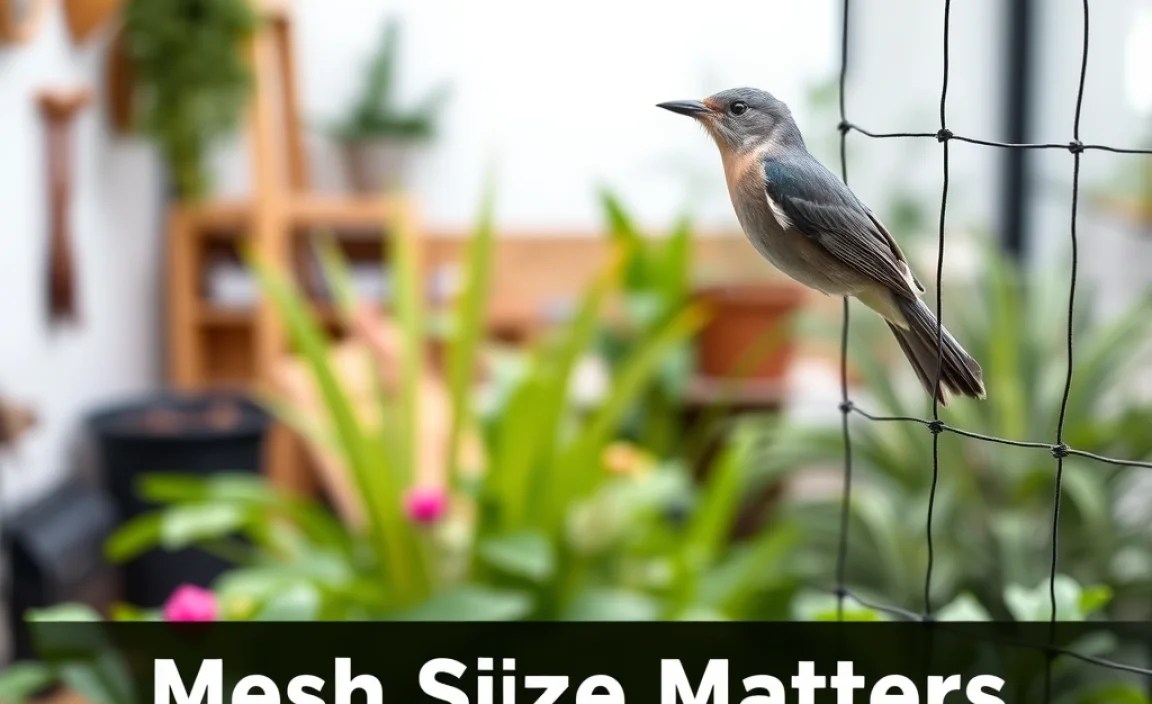
The mesh size of bird nets for gardens is very important. It determines which birds the net will keep out. Small birds need smaller mesh. Large birds need larger mesh. If the mesh is too big, birds can get through. If the mesh is too small, birds can get tangled. Choose the right mesh size for the birds in your area. This will protect your garden effectively. It will also keep the birds safe. The wrong mesh size can cause problems. Birds can get trapped and injured. Always check the mesh size before you buy. Make sure it is right for your needs.
- Smaller mesh sizes prevent smaller birds from entering.
- Larger mesh sizes are suitable for larger birds.
- Choose a mesh size that prevents birds from getting tangled.
- Consider the types of birds common in your area.
- Mesh size affects airflow and sunlight exposure.
Imagine you are building a fence. You need to think about the size of the gaps between the boards. If the gaps are too big, animals can get through. If the gaps are too small, the fence won’t let in enough light. The same is true for bird nets for gardens. You need to choose the right mesh size. This will keep the birds out. It will also let in enough sunlight and air. Think carefully about the mesh size. This will help you protect your garden.
Choosing the Right Mesh Size
Choosing the right mesh size is not hard. Start by identifying the birds in your area. Are they small birds like sparrows? Or are they larger birds like robins? Small birds need a mesh size of ½ inch or smaller. Larger birds need a mesh size of ¾ inch or larger. If you have a mix of birds, choose a mesh size in between. Bird nets for gardens come in many different mesh sizes. Choose the one that works best for you.
The Importance of Mesh Shape
The shape of the mesh is also important. Square mesh is the most common type. It is easy to manufacture. It provides good protection. Diamond mesh is another option. It is stronger than square mesh. It is also more flexible. This makes it easier to install. Hexagonal mesh is less common. It is often used for poultry netting. Bird nets for gardens can have different mesh shapes. Choose the one that you prefer.
Mesh Size and Plant Health
Mesh size can affect plant health. Smaller mesh sizes block more sunlight. This can slow down plant growth. Larger mesh sizes let in more sunlight. But they also let in more birds. Choose a mesh size that balances protection and sunlight. Consider the needs of your plants. Some plants need more sunlight than others. Bird nets for gardens should protect plants without harming them.
Fun Fact or Stat: The smallest mesh size commonly available for bird netting is around ¼ inch, perfect for excluding tiny birds!
Bird Netting Materials: What to Consider
Bird nets for gardens are made from different materials. Plastic is a common choice. It is cheap and lightweight. But it may not last long. Nylon is stronger than plastic. It is more resistant to tears. But it is also more expensive. Polyethylene is another option. It is durable and UV resistant. This means it can withstand sunlight. Consider the material when choosing your nets. Think about the weather in your area. Choose a material that can handle the conditions. The right material will protect your garden for years.
- Plastic nets are affordable but less durable.
- Nylon nets are stronger and more resistant to tears.
- Polyethylene nets are UV-resistant and long-lasting.
- Consider the environmental impact of the material.
- Choose a material that can withstand local weather conditions.
Imagine you are buying a new pair of shoes. You wouldn’t just pick the cheapest pair. You would think about the material. You would consider the comfort and durability. The same is true for bird nets for gardens. You need to choose the right material. This will protect your garden and last for years. A cheap plastic net might save you money now. But it might tear easily. A nylon net might cost more. But it will last longer and provide better protection. Take your time and choose the right material for your needs.
Plastic Bird Nets
Plastic bird nets for gardens are a popular choice. They are affordable and easy to find. They are also lightweight and easy to install. But plastic nets are not as strong as other materials. They can tear easily. They are also not UV resistant. This means they can break down in sunlight. Plastic nets are a good option for short-term use. But they may not be the best choice for long-term protection.
Nylon Bird Nets
Nylon bird nets for gardens are stronger than plastic nets. They are more resistant to tears. They are also more durable. This makes them a good choice for long-term use. Nylon nets are more expensive than plastic nets. But they are worth the investment. They will protect your garden for many years. They are also UV resistant. This means they can withstand sunlight.
Polyethylene Bird Nets
Polyethylene bird nets for gardens are a good balance of strength and durability. They are UV resistant. They are also resistant to tears. This makes them a good choice for most gardens. Polyethylene nets are more expensive than plastic nets. But they are less expensive than nylon nets. They are a good middle ground. They provide good protection at a reasonable price.
Fun Fact or Stat: UV-resistant nets can last up to 5 years or more, even when exposed to direct sunlight!
Pros and Cons of Using Bird Nets
Bird nets for gardens have many benefits. They protect your plants from birds. They are a safe and humane solution. They are easy to install and maintain. But they also have some drawbacks. They can be expensive. They can block sunlight. They can also trap birds if not used properly. Weigh the pros and cons before you decide. Think about your needs and your budget. Choose the solution that works best for you. Bird nets are a good option for many gardeners. But they are not the right choice for everyone.
| Pros | Cons |
|---|---|
| Protects plants from birds | Can be expensive |
| Safe and humane solution | May block sunlight |
| Easy to install and maintain | Can trap birds if not used properly |
| Reduces the need for pesticides | Requires regular maintenance |
Imagine you are deciding whether to buy a car. You would think about the pros and cons. A car can get you where you need to go. But it can also be expensive to maintain. Bird nets for gardens are similar. They can protect your plants. But they can also have some drawbacks. Think about the pros and cons carefully. This will help you make the right decision. Remember, there is no perfect solution. Choose the one that works best for you.
The Benefits of Bird Nets
The biggest benefit of bird nets for gardens is protection. They keep birds away from your plants. This allows your plants to grow. It also allows you to enjoy your harvest. Nets are also a safe solution. They don’t harm the birds. They simply keep them away. Nets are easy to install. You can put them up in minutes. They are also easy to maintain. Simply check them regularly for damage.
The Drawbacks of Bird Nets
One drawback of bird nets for gardens is cost. Nets can be expensive. Especially if you have a large garden. They can also block sunlight. This can slow down plant growth. Nets can also trap birds. This is a serious concern. Check your nets regularly. Make sure no birds are trapped. Use nets with small holes. This will prevent birds from getting tangled.
Alternatives to Bird Nets
There are other ways to protect your garden from birds. Scarecrows are a classic option. They can scare birds away. But they are not always effective. Reflective tape is another option. It can startle birds. But it may not work for all birds. Bird feeders can also help. They provide birds with food. This keeps them from eating your plants. Bird nets for gardens are just one option. Consider all the alternatives before you decide.
Fun Fact or Stat: Some gardeners use decoy predators like plastic owls to supplement bird netting!
Environmental Impact of Bird Nets
Bird nets for gardens can have an impact on the environment. Plastic nets can pollute the soil. They can also harm wildlife. Choose nets made from recycled materials. This reduces your environmental impact. Dispose of old nets properly. This prevents them from polluting the environment. Consider the environmental impact when choosing your nets. This will help you protect your garden and the planet.
- Plastic nets can contribute to plastic pollution.
- Choose nets made from recycled or sustainable materials.
- Dispose of old nets properly to prevent harm to wildlife.
- Consider the lifespan of the net and its overall impact.
- Opt for biodegradable options when available.
Imagine you are throwing away a plastic bottle. It might end up in the ocean. It could harm sea turtles and other marine life. Bird nets for gardens are similar. They can pollute the environment if not used properly. Choose nets that are made from recycled materials. This reduces your impact on the planet. Dispose of old nets responsibly. This prevents them from harming wildlife. Take care of the environment. This will help protect your garden and the world.
Choosing Eco-Friendly Bird Nets
Eco-friendly bird nets for gardens are made from recycled materials. They are also biodegradable. This means they will break down over time. This reduces pollution. Choose nets that are labeled as eco-friendly. This ensures that they are safe for the environment. Support companies that are committed to sustainability. This encourages them to make more eco-friendly products.
Proper Disposal of Old Nets
Proper disposal of old nets is important. Don’t just throw them in the trash. They can end up in landfills. They can also pollute the environment. Recycle your old nets if possible. Some recycling centers accept plastic netting. If you can’t recycle them, dispose of them properly. Wrap them tightly in a plastic bag. This prevents them from harming wildlife.
The Impact of Plastic on Wildlife
Plastic pollution is a major problem. It can harm wildlife in many ways. Animals can get tangled in plastic. They can also eat plastic. This can make them sick. It can even kill them. Reduce your use of plastic. Choose alternatives to plastic whenever possible. This will help protect wildlife. It will also help protect the environment. Bird nets for gardens should not harm animals.
Fun Fact or Stat: Biodegradable bird netting can decompose in as little as 6 months under the right conditions!
Summary
Bird nets for gardens are a great way to protect your plants. They keep birds from eating your fruits and vegetables. There are different types of nets to choose from. Consider the material and mesh size. Install the nets properly. This keeps birds from getting trapped. Maintain your nets regularly. This ensures they last longer. Bird nets are a safe and humane way to protect your garden. They can help you enjoy a bountiful harvest. They are an important tool for any gardener.
Conclusion
Protecting your garden from birds is important. Bird nets for gardens offer a simple solution. Choose the right net for your needs. Install it properly. Maintain it regularly. This will keep your plants safe. You can enjoy a healthy and productive garden. Bird nets are a valuable tool for any gardener. They help you get the most out of your garden. They are a worthwhile investment.
Frequently Asked Questions
Question No 1: What is the best mesh size for bird nets?
Answer: The best mesh size for bird nets for gardens depends on the birds in your area. For small birds like sparrows, use a mesh size of ½ inch or smaller. For larger birds like robins, use a mesh size of ¾ inch or larger. If you have a mix of birds, choose a mesh size in between. This will protect your garden effectively. It will also keep the birds safe. Always check the mesh size before you buy.
Question No 2: How do I install bird nets properly?
Answer: Installing bird nets for gardens is easy. First, measure the area you want to protect. Then, choose a support system like stakes or poles. Drape the net over the plants. Secure the edges with clips or rope. Check the net regularly for holes or tears. Make sure no birds are trapped. A properly installed net will protect your garden from birds. It will also keep the birds safe. Take your time and do it right.
Question No 3: What are bird nets made of?
Answer: Bird nets for gardens are made from different materials. Plastic is a common choice. It is cheap and lightweight. Nylon is stronger and more durable. Polyethylene is UV resistant. Consider the material when choosing your nets. Think about the weather in your area. Choose a material that can handle the conditions. The right material will protect your garden for years. It will also be safe for the environment.
Question No 4: How do I prevent birds from getting trapped in the nets?
Answer: To prevent birds from getting trapped in bird nets for gardens, use nets with small holes. This stops birds from getting tangled. Check your nets often. Make sure no birds are trapped. Install the nets properly. This also prevents problems. Nets should be tight. This stops them from sagging. Sagging nets can trap birds. A little care makes a big difference. You can protect your plants and the birds.
Question No 5: Are bird nets harmful to the environment?
Answer: Bird nets for gardens can have an impact on the environment. Plastic nets can pollute the soil. They can also harm wildlife. Choose nets made from recycled materials. This reduces your environmental impact. Dispose of old nets properly. This prevents them from polluting the environment. Consider the environmental impact when choosing your nets. This will help you protect your garden and the planet.
Question No 6: How long do bird nets last?
Answer: The lifespan of bird nets for gardens depends on the material. Plastic nets may only last a season or two. Nylon and polyethylene nets can last for several years. UV-resistant nets will last longer. Proper care and storage will also extend the life of your nets. Check your nets regularly for damage. Repair any holes or tears right away. This will help them last longer.
