Do you want to make your garden super cool? Have you ever seen a garden with big, awesome rocks? These rocks are called boulders. Adding boulders for gardens can make your yard look amazing. They can add a natural, wild feel to your space.
Boulders come in different shapes and sizes. Some are smooth, and some are rough. They can be used to create cool features. Imagine a small waterfall trickling down a boulder. Or a cozy seating area surrounded by big rocks. Let’s explore how to use boulders for gardens.
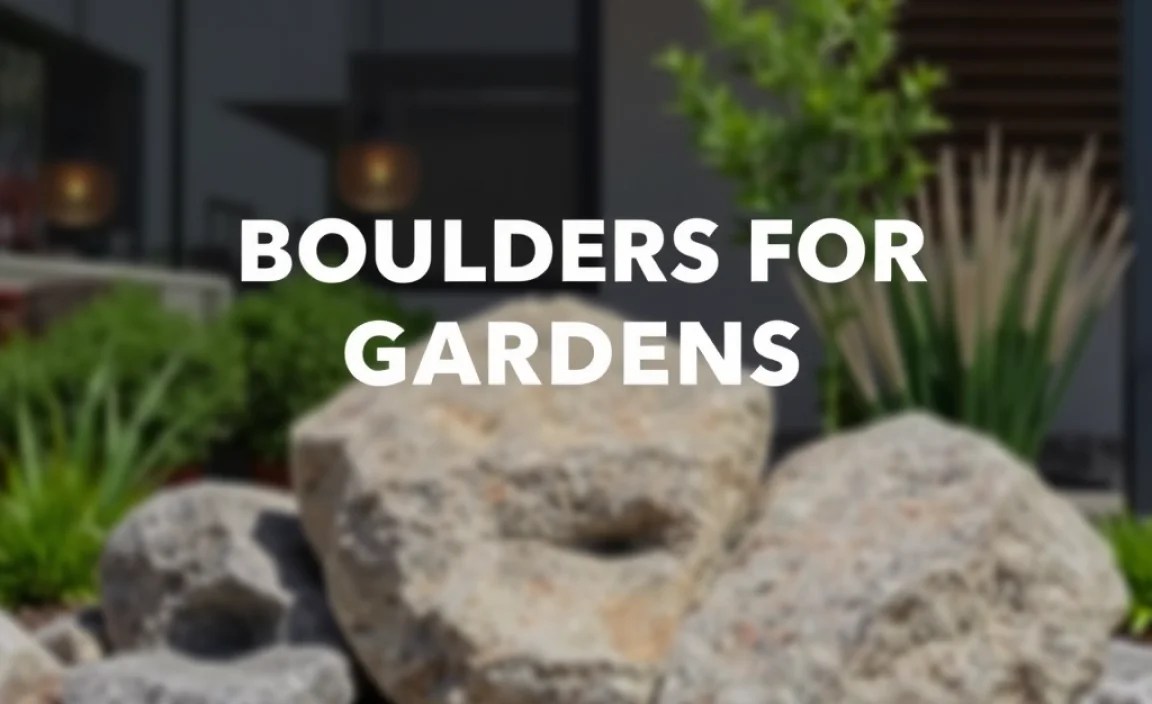
Key Takeaways
- Boulders for gardens add natural beauty and a unique look.
- You can use boulders to create water features or seating areas.
- Choose boulders that match your garden’s style and size.
- Proper placement is key for both looks and safety.
- Boulders can help prevent soil erosion on slopes.

Choosing the Right Boulders for Gardens
Picking the right boulders for gardens is very important. Think about the size of your garden first. Big boulders can overwhelm a small space. Smaller boulders might get lost in a big yard. You also need to think about the style of your garden. Do you want a modern look or a natural one? Smooth, round boulders work well for modern gardens. Rough, jagged boulders fit better in natural settings. Consider the color of the boulders, too. Choose colors that match your house and other plants. It is fun to pick the right boulders. You will want them to look great for years to come. Make sure you get help moving them. Boulders can be very heavy. Safety is always the top thing to think about.
- Consider your garden’s size.
- Think about your garden’s style.
- Choose matching colors.
- Get help moving boulders.
- Put safety first.
When choosing boulders for gardens, think about where they came from. Local rocks often look best. They blend in with the natural landscape. You can buy boulders from garden centers or stone yards. Look for boulders that are free of cracks or damage. Ask about the weight of the boulders before you buy them. This will help you plan how to move them. Some companies will deliver the boulders to your house. This can save you a lot of work. Remember to check online. You can find some good deals on boulders. Also, consider using different sizes and shapes of boulders. This can make your garden more interesting. Be creative and have fun with it!
Fun Fact or Stat: Did you know that some boulders are millions of years old? They have seen a lot of history!
What Size Boulders Look Best?
What size boulders should you get? It depends on your garden. For a small garden, choose smaller boulders. These won’t take up too much space. They will still add a nice touch. For a bigger garden, you can use larger boulders. These will make a bigger statement. Mix different sizes for a natural look. A good rule is to have a mix of small, medium, and large boulders. This will add depth and interest to your garden. Think about how the boulders will look with your plants. Make sure they don’t block too much sunlight. You want your plants to thrive. Also, consider the weight of the boulders. Big boulders are very heavy. You will need special equipment to move them. Small boulders are easier to handle.
Where Can You Find Boulders?
Where can you find boulders for gardens? You can check local garden centers. They often sell boulders in different sizes. Stone yards are another good option. They have a bigger selection of rocks. You might even find boulders on your own property. If you live near a rocky area, you could find some nice rocks. Always ask permission before taking rocks from private property. You can also look online. Many websites sell boulders and deliver them to your home. Compare prices from different suppliers. This will help you get the best deal. Don’t forget to check the shipping costs. Sometimes, shipping can be expensive. If you are lucky, you might find someone giving away boulders for free. Keep an eye out for these opportunities.
How Much Do Boulders Cost?
How much do boulders cost? The price depends on the size and type of boulder. Small boulders are usually cheaper than big ones. Rare types of stone can also cost more. Transportation can add to the cost. If you need to have the boulders delivered, it might cost extra. Some places charge by weight. Others charge a flat fee for delivery. You can save money by picking up the boulders yourself. If you have a truck, you can transport them. Look for sales and discounts. Some places offer special deals on boulders. You can also try negotiating the price. It never hurts to ask for a better deal. Remember to factor in the cost of any equipment you need to move the boulders.

Planning Your Garden Design with Boulders
Planning your garden design with boulders is exciting. First, think about the overall look you want. Do you want a natural, wild garden? Or a more formal, structured garden? Boulders can fit into any style. Sketch out your ideas on paper. This will help you visualize the layout. Consider the placement of other features. Think about plants, pathways, and water features. Boulders can be used to define different areas of your garden. They can also create focal points. Place the largest boulders first. Then, add smaller boulders around them. This will create a balanced look. Make sure the boulders are stable. You don’t want them to roll or shift. Use smaller stones to fill in any gaps. This will help secure the boulders in place. It is always a good idea to think ahead.
- Sketch your garden design.
- Consider other garden features.
- Place the largest boulders first.
- Ensure boulders are stable.
- Use smaller stones to fill gaps.
When planning your garden design, think about the purpose of the boulders. Do you want them to be decorative? Or do you want them to serve a functional purpose? Boulders can be used to create seating areas. They can also be used to retain soil on slopes. If you have a water feature, boulders can add a natural look. They can also help direct the flow of water. Consider the sunlight in your garden. Place boulders where they won’t block too much light. You want your plants to get enough sun. Think about the view from your house. Place boulders where they will look good from inside. This will enhance your enjoyment of your garden. Have fun with the design process. There are so many ways to use boulders in your garden.
Fun Fact or Stat: Some gardens use boulders to create “rock gardens,” which are special areas just for plants that love rocky soil!
How to Arrange Boulders Naturally?
How do you arrange boulders naturally? Look at natural landscapes for inspiration. Observe how rocks are arranged in nature. Avoid placing boulders in straight lines. This looks unnatural. Instead, group them in clusters. Vary the size and shape of the boulders. This will create a more interesting look. Partially bury some of the boulders. This makes them look like they have been there for a long time. Use plants to soften the edges of the boulders. This will help them blend in with the surroundings. Add some smaller stones and gravel around the boulders. This will create a more natural transition. Step back and look at your arrangement. Make sure it looks balanced and pleasing to the eye. Don’t be afraid to experiment. Try different arrangements until you find one you like.
What Plants Go Well with Boulders?
What plants go well with boulders? Plants that love rocky soil are a good choice. These include succulents, sedums, and alpine plants. These plants can tolerate dry conditions. They also look great growing around boulders. Choose plants that complement the color of the boulders. Green plants look good with gray boulders. Flowering plants can add a pop of color. Consider the size of the plants. Choose plants that won’t get too big and overwhelm the boulders. Think about the texture of the plants. Plants with different textures can add interest to your garden. Use a variety of plants to create a natural look. Don’t be afraid to mix and match different types of plants. You can even plant some small shrubs or trees near the boulders. This will create a more established look.
How to Create a Focal Point?
How can you create a focal point with boulders? Use a large, interesting boulder as the main feature. Place it in a prominent location. This will draw the eye to that area of your garden. Surround the boulder with smaller stones and plants. This will enhance its presence. Add a water feature near the boulder. A small waterfall or pond can create a stunning focal point. Use lighting to highlight the boulder at night. This will make it visible even in the dark. Consider the background behind the boulder. Make sure it doesn’t clash with the boulder. You can use plants or other features to create a backdrop. Keep the area around the boulder clean and tidy. This will help it stand out. Don’t clutter the area with too many other features. This will distract from the focal point.

Moving and Placing Boulders Safely
Moving and placing boulders safely is super important. Boulders are very heavy. You need to be careful not to hurt yourself. Always wear gloves and safety shoes. This will protect your hands and feet. Use the right equipment to move the boulders. A wheelbarrow or dolly can help. For very large boulders, you might need a crane or excavator. Get help from friends or professionals. Don’t try to lift heavy boulders by yourself. Plan your route before you start moving the boulders. Make sure the path is clear of obstacles. Place the boulders on a stable surface. You don’t want them to roll or shift. Use smaller stones to secure the boulders in place. Be patient and take your time. Moving boulders can be hard work, but it is worth it in the end.
- Wear gloves and safety shoes.
- Use the right equipment.
- Get help from others.
- Plan your route carefully.
- Place boulders on a stable surface.
Before moving boulders for gardens, check for underground utilities. Call your local utility company. Ask them to mark the location of pipes and cables. This will prevent you from accidentally damaging them. When lifting boulders, bend your knees and keep your back straight. This will help prevent back injuries. Use a lever to help lift the boulders. A long metal bar can give you extra leverage. Roll the boulders instead of lifting them. This is easier on your body. If you are using a machine, follow the manufacturer’s instructions. Be aware of your surroundings. Make sure no one is in the path of the boulder. Communicate with your helpers. Let them know what you are doing. This will help prevent accidents. Safety is always the most important thing.
Fun Fact or Stat: The heaviest boulder ever moved by humans weighed over 1,200 tons. It was used in a park in California!
What Tools Do You Need?
What tools do you need to move boulders? You will need gloves to protect your hands. Safety shoes are also important. A wheelbarrow can help you move smaller boulders. A dolly is useful for moving heavier boulders on flat surfaces. A pry bar can help you lift and position boulders. Shovels and rakes are needed for leveling the ground. A level can help you make sure the boulders are stable. A tape measure is useful for planning the layout. You might also need a sledgehammer to break up rocks. A crane or excavator is needed for very large boulders. Make sure you have all the necessary tools before you start. This will make the job easier and safer.
How to Prepare the Ground?
How do you prepare the ground for boulders? First, clear the area of any plants or debris. Remove any rocks or roots. Level the ground with a shovel and rake. Compact the soil with a tamper. This will create a stable base for the boulders. Add a layer of gravel or sand. This will help with drainage. Place a layer of landscape fabric. This will prevent weeds from growing around the boulders. Mark the location of each boulder. This will help you visualize the layout. Dig a shallow hole for each boulder. This will help keep them in place. Make sure the holes are big enough to accommodate the boulders. You might need to adjust the ground as you go. Use a level to make sure the boulders are stable.
How to Secure Boulders in Place?
How do you secure boulders in place? Partially bury the boulders in the ground. This will help stabilize them. Use smaller stones to fill in any gaps around the boulders. This will help prevent them from shifting. Pack the soil tightly around the boulders. This will provide additional support. Use landscape adhesive to glue the boulders together. This is especially useful for smaller boulders. Install underground supports. This is a more permanent solution for larger boulders. Monitor the boulders regularly. Check for any signs of movement. If you notice any problems, take action immediately. You can add more support or adjust the positioning of the boulders. Safety is always the top priority. Make sure the boulders are secure and stable.

Creating Water Features with Garden Boulders
Creating water features with garden boulders can transform your yard. Imagine a small stream flowing over rocks. Or a waterfall cascading into a pond. Boulders add a natural touch to any water feature. They can be used to create different levels and textures. Choose boulders that are smooth and rounded. This will make the water flow more easily. Place the boulders carefully to create the desired effect. You can use smaller stones to fill in any gaps. This will help direct the flow of water. Add plants around the water feature. This will make it look more natural. Consider adding fish or other aquatic life. This will add even more interest. A water feature with boulders can be a relaxing and beautiful addition to your garden.
- Use smooth, rounded boulders.
- Place boulders to direct water flow.
- Add plants around the feature.
- Consider adding fish.
- Enjoy the relaxing beauty.
When creating water features with boulders for gardens, think about the size and scale. A small water feature might look best with smaller boulders. A larger water feature can handle bigger boulders. Consider the sound of the water. A gentle trickle can be very relaxing. A rushing waterfall can be more dramatic. Choose boulders that will create the desired sound. Think about the maintenance of the water feature. You will need to clean it regularly. Choose boulders that are easy to clean. Consider the safety of the water feature. Make sure it is not too deep. Add a fence or barrier if necessary. A water feature with boulders can be a wonderful addition to your garden. Just be sure to plan carefully and consider all the details.
Fun Fact or Stat: Some people believe that the sound of flowing water can bring good luck and positive energy!
How to Build a Small Waterfall?
How do you build a small waterfall with boulders? Start by digging a pond at the bottom of the waterfall. Line the pond with a pond liner. This will prevent the water from leaking. Stack boulders to create the waterfall. Use different sizes and shapes of boulders. This will create a more natural look. Place the boulders carefully to create the desired flow of water. Use smaller stones to fill in any gaps. Install a pump to circulate the water. Place the pump in the pond. Run the tubing to the top of the waterfall. Test the waterfall to make sure it is working properly. Adjust the boulders as needed. Add plants around the waterfall. This will make it look more natural.
What Kind of Pump Do You Need?
What kind of pump do you need for a water feature? The size of the pump depends on the size of the water feature. A small water feature will need a smaller pump. A larger water feature will need a bigger pump. Consider the height of the waterfall. The pump needs to be strong enough to lift the water to the top. Look for a pump that is designed for outdoor use. These pumps are more durable and can withstand the elements. Choose a pump that is energy-efficient. This will save you money on your electricity bill. Read reviews of different pumps before you buy one. This will help you choose a reliable pump. Install the pump according to the manufacturer’s instructions. Make sure the pump is properly grounded.
How to Keep the Water Clean?
How do you keep the water in your water feature clean? Use a filter to remove debris and algae. Clean the filter regularly. Add beneficial bacteria to the water. This will help break down organic matter. Use a UV sterilizer to kill algae and bacteria. Clean the boulders regularly. This will prevent algae from growing on them. Remove any leaves or debris from the water. Change the water regularly. This will help keep it fresh and clean. Avoid using chemicals in the water. These can harm plants and animals. Monitor the water quality regularly. Test for pH, ammonia, and other contaminants. Adjust the water chemistry as needed. A clean water feature is a healthy water feature.
Using Boulders for Garden Edging and Borders
Using boulders for garden edging and borders is a great idea. Boulders can define the edges of your garden beds. They can also create a natural barrier. This can help keep plants in place. It can also keep animals out. Boulders add a rustic and charming look to your garden. They can be used to create different levels and textures. Choose boulders that are the right size for your garden. Smaller boulders are good for small gardens. Larger boulders are better for bigger gardens. Place the boulders close together to create a solid border. You can also leave gaps between the boulders. This will create a more natural look. Add plants along the border. This will soften the edges of the boulders. Boulders can be a beautiful and functional addition to your garden.
- Define garden bed edges.
- Create a natural barrier.
- Add a rustic look.
- Choose the right size.
- Add plants along the border.
When using boulders for gardens as edging, think about the style of your garden. A formal garden might look best with uniform boulders. A natural garden can handle a mix of sizes and shapes. Consider the color of the boulders. Choose colors that complement your house and other plants. Think about the maintenance of the border. You will need to keep it free of weeds and debris. Choose boulders that are easy to clean. Consider the safety of the border. Make sure the boulders are stable. You don’t want them to roll or shift. A boulder border can be a beautiful and functional addition to your garden. Just be sure to plan carefully and consider all the details. It is always a good idea to be safe.
Fun Fact or Stat: Using boulders as edging can help prevent soil erosion, especially on slopes!
How to Create a Raised Garden Bed?
How do you create a raised garden bed with boulders? Choose boulders that are large enough to create the desired height. Place the boulders around the perimeter of the garden bed. Stack the boulders to create the walls of the raised bed. Use smaller stones to fill in any gaps. This will help stabilize the walls. Line the inside of the raised bed with landscape fabric. This will prevent soil from leaking out. Fill the raised bed with soil. Add compost and other organic matter to improve the soil. Plant your plants in the raised bed. Water them regularly. Raised garden beds are easier to maintain than traditional garden beds. They also provide better drainage and aeration.
What Are the Benefits of Garden Edging?
What are the benefits of garden edging? Garden edging defines the boundaries of your garden beds. It helps keep plants in place. It also prevents grass from growing into your garden beds. Garden edging adds a finished look to your garden. It can also protect your plants from pests and diseases. Edging can also help prevent soil erosion. It can also make it easier to mow your lawn. There are many different types of garden edging. You can use boulders, bricks, wood, or metal. Choose the type of edging that best suits your garden style and budget.
How to Choose the Right Size Boulders?
How do you choose the right size boulders for garden edging? Consider the size of your garden. A small garden will look best with smaller boulders. A larger garden can handle bigger boulders. Think about the height of your plants. Choose boulders that are tall enough to provide a barrier. Consider the style of your garden. A formal garden might look best with uniform boulders. A natural garden can handle a mix of sizes and shapes. Choose boulders that are easy to handle and move. Smaller boulders are easier to work with. Make sure the boulders are stable. You don’t want them to roll or shift. It is always a good idea to be safe.
Preventing Soil Erosion with Boulders
Preventing soil erosion with boulders is a smart move. Soil erosion is when soil gets washed away. This can damage your garden. It can also pollute nearby waterways. Boulders can help prevent soil erosion. They can slow down the flow of water. They can also trap sediment. This helps keep the soil in place. Boulders are especially useful on slopes. They can create terraces. Terraces are flat areas that slow down water flow. Choose boulders that are large and heavy. Place them strategically on the slope. Make sure they are stable. You don’t want them to roll or shift. Add plants around the boulders. This will help further stabilize the soil. Boulders can be an effective and natural way to prevent soil erosion.
- Slow down water flow.
- Trap sediment.
- Create terraces on slopes.
- Use large, heavy boulders.
- Add plants around the boulders.
When using boulders for gardens to prevent soil erosion, consider the type of soil. Sandy soil is more prone to erosion than clay soil. Choose boulders that are appropriate for the type of soil. Think about the amount of rainfall in your area. Areas with heavy rainfall need more erosion control. Consider the slope of the land. Steeper slopes need more erosion control. Think about the plants you are growing. Some plants are better at preventing soil erosion than others. Choose plants that have deep roots. These plants will help hold the soil in place. Boulders can be a valuable tool for preventing soil erosion. Just be sure to plan carefully and consider all the factors.
Fun Fact or Stat: Soil erosion can cause major problems for farmers, leading to lower crop yields and food shortages!
How to Build a Retaining Wall?
How do you build a retaining wall with boulders? Choose boulders that are large and flat. These will create a stable wall. Dig a trench along the base of the slope. Place the first row of boulders in the trench. Make sure they are level. Stack the boulders on top of each other. Use smaller stones to fill in any gaps. This will help stabilize the wall. Backfill behind the wall with soil. Compact the soil to provide additional support. Add drainage to the wall. This will prevent water from building up behind the wall. Install a drainage pipe at the base of the wall. Cover the pipe with gravel. Plant plants on top of the wall. This will help stabilize the soil and add beauty.
What Are the Best Plants for Erosion Control?
What are the best plants for erosion control? Plants with deep roots are the most effective. These plants help hold the soil in place. Grasses are a good choice. They have extensive root systems. Groundcovers are also effective. They spread quickly and cover the soil. Shrubs can also be used for erosion control. Choose shrubs that are native to your area. Trees can also help prevent soil erosion. Plant trees on slopes to stabilize the soil. Avoid planting invasive species. These plants can spread quickly and outcompete native plants. Choose plants that are appropriate for your climate and soil type.
How to Maintain Boulder Erosion Control?
How do you maintain boulder erosion control? Inspect the boulders regularly. Check for any signs of movement. If you notice any problems, take action immediately. Add more boulders if needed. Repair any damage to the boulders. Remove any debris that has accumulated around the boulders. Keep the area around the boulders clear of weeds. Trim any plants that are growing too close to the boulders. Monitor the soil for signs of erosion. If you notice any erosion, take steps to correct it. Add more plants or boulders to stabilize the soil. Proper maintenance will ensure that your boulder erosion control system is effective.
Creating Seating Areas with Large Boulders
Creating seating areas with large boulders is a cool idea. Large boulders can be used as natural benches. They add a rustic and unique touch to your garden. Choose boulders that are flat and wide. This will make them more comfortable to sit on. Place the boulders in a shady area. This will make the seating area more enjoyable. Add cushions or pillows for extra comfort. You can also add a table made of smaller boulders. This will create a functional and inviting space. Surround the seating area with plants. This will make it feel more secluded and peaceful. A seating area made of boulders is a great place to relax and enjoy your garden.
- Use flat, wide boulders.
- Place boulders in a shady area.
- Add cushions or pillows.
- Include a boulder table.
- Surround with plants.
When creating seating areas with boulders for gardens, consider the view. Place the boulders where you can enjoy a beautiful view of your garden. Think about the accessibility of the seating area. Make sure it is easy to get to. Consider the comfort of the seating area. Choose boulders that are not too hot or too cold. You can also add a covering to protect the seating area from the sun and rain. Think about the style of your garden. Choose boulders that complement the style of your garden. A seating area made of boulders can be a wonderful addition to your garden. Just be sure to plan carefully and consider all the details.
Fun Fact or Stat: In some cultures, sitting on a stone is believed to bring wisdom and good luck!
How to Make Boulders Comfortable?
How do you make boulders more comfortable to sit on? Add cushions or pillows. Choose cushions that are waterproof and durable. Place a blanket on the boulder. This will make it softer and warmer. Add a backrest to the boulder. You can use a piece of wood or a smaller boulder. Place a rug on the ground in front of the boulder. This will make the area more inviting. Add plants around the boulder. This will create a more secluded and peaceful atmosphere. Choose boulders that are not too rough or uneven. This will make them more comfortable to sit on. Clean the boulders regularly. This will remove any dirt or debris.
What Kind of Cushions Should You Use?
What kind of cushions should you use for boulder seating? Choose cushions that are waterproof. This will protect them from the rain. Choose cushions that are durable. They should be able to withstand the elements. Choose cushions that are comfortable. They should be soft and supportive. Choose cushions that are the right size for the boulders. They should fit snugly on the boulders. Choose cushions that complement the style of your garden. They should add to the overall aesthetic. Choose cushions that are easy to clean. You will need to clean them regularly. There are many different types of cushions available. Choose the ones that best suit your needs.
How to Protect the Seating Area from Weather?
How do you protect a boulder seating area from the weather? Add a covering over the seating area. You can use a pergola, an awning, or a large umbrella. This will protect you from the sun and rain. Place the seating area in a shady location. This will help keep it cool. Add plants around the seating area. This will provide additional shade. Use waterproof cushions and pillows. This will protect them from the rain. Cover the boulders with a tarp when it is not in use. This will protect them from the elements. Clean the seating area regularly. This will remove any dirt or debris. Weather can damage a boulder seating area. But with the right protection, you can enjoy it for years to come.
Summary
Boulders for gardens are a great way to add natural beauty and interest to your outdoor space. You can use boulders to create water features, garden edging, and seating areas. They can also help prevent soil erosion. When choosing boulders, consider the size and style of your garden. Think about the color and texture of the boulders. Be sure to move and place the boulders safely. Use the right equipment and get help from others. With careful planning and effort, you can transform your garden with boulders. They bring a unique and timeless quality to any landscape. They make great focal points.
Conclusion
Adding boulders for gardens is a fantastic way to enhance your outdoor space. They bring a touch of nature. They add visual interest. They can be used in many ways. Consider your garden’s style and needs. Then, choose the right boulders for your project. With a little planning, you can create a beautiful and functional garden. Enjoy the natural beauty of boulders in your landscape.
Frequently Asked Questions
Question No 1: What are the benefits of adding boulders for gardens?
Answer: Adding boulders for gardens provides many benefits. They enhance the natural beauty of your garden by adding texture, color, and visual interest. Boulders can be used to create focal points. They can also define garden spaces. They can provide seating. Furthermore, boulders help with erosion control on slopes. They can also retain soil. They offer a low-maintenance landscaping solution. They require minimal upkeep compared to plants. They can add value and character to your property. It’s a great choice if you have the means.
Question No 2: How do I choose the right size of boulders for my garden?
Answer: Choosing the right size of boulders depends on your garden’s size and style. For a small garden, smaller boulders are best. They won’t overwhelm the space. For a larger garden, you can use bigger boulders. These make a bolder statement. Consider the scale of your other plants and features. The boulders should complement everything else. A mix of sizes can create a natural look. It gives a sense of depth. Also, think about how you will move the boulders. Larger boulders require heavy equipment and more effort. It is always wise to plan ahead.
Question No 3: Where can I buy boulders for my garden?
Answer: You can buy boulders for gardens from several places. Local garden centers often carry a selection of rocks. Stone yards and landscaping suppliers offer a wider variety. You might also find boulders at quarries or construction sites. Check online marketplaces for local sellers. Compare prices and delivery options. Consider the cost of transportation. Some suppliers will deliver the boulders to your home. This can save you time and effort. Make sure to inspect the boulders before you buy them. Look for any cracks or damage.
Question No 4: How do I move and place large boulders safely?
Answer: Moving large boulders safely requires proper planning and equipment. Use heavy-duty gloves and safety shoes. Protect yourself from injury. Rent or borrow a dolly or wheelbarrow. This is for moving smaller boulders. For larger boulders, you might need a crane or excavator. Get help from experienced professionals. They know how to handle heavy objects. Clear the path of any obstacles. Plan the route before you start moving the boulders. Place the boulders on a stable base. This will prevent them from rolling. Use smaller stones to secure the boulders in place.
Question No 5: Can boulders
