Butterflies are pretty. They flutter around in the sun. Have you ever seen a butterfly garden? It is full of colorful flowers. Butterflies love these gardens. Do you want to make one? There are many butterfly garden ideas. Let’s learn how to create a beautiful space for butterflies!
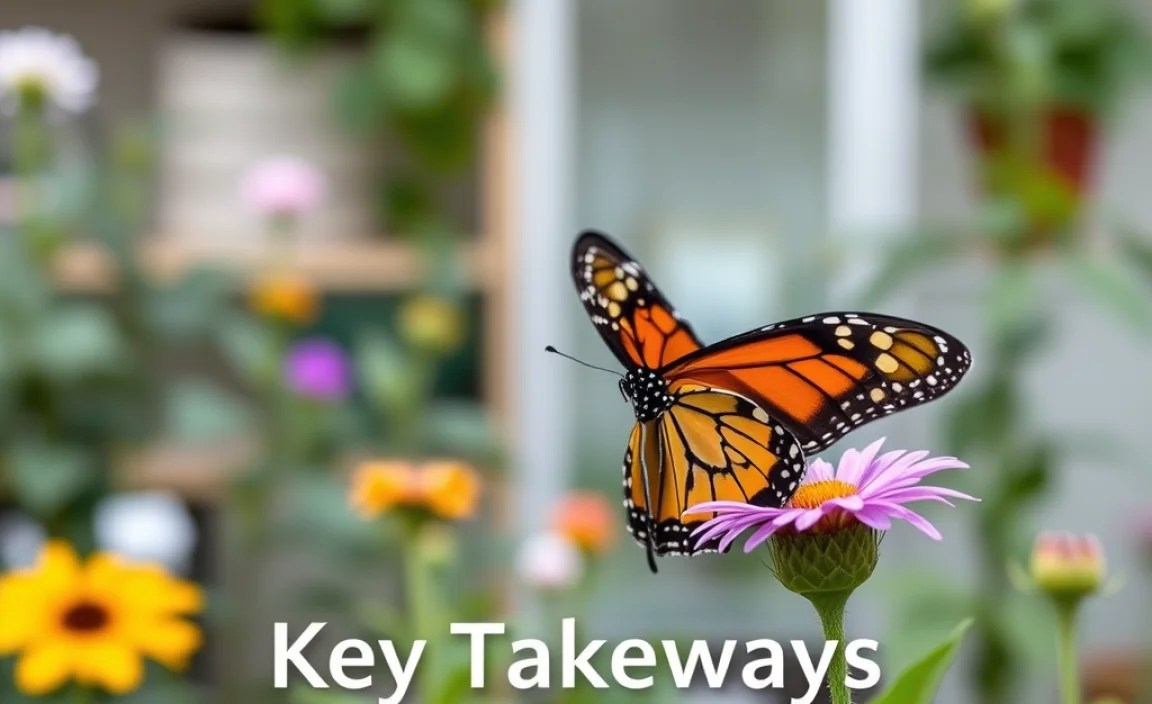
Key Takeaways
- Choosing native plants is key for successful and thriving butterfly garden ideas.
- Provide a water source like a shallow dish with pebbles for butterflies to drink.
- Plant flowers that bloom at different times to feed butterflies all season.
- Avoid using pesticides to keep your butterfly garden safe and healthy.
- Butterflies need sunshine, so pick a sunny spot for your garden.

Amazing Butterfly Garden Ideas
Creating a butterfly garden is fun. You help butterflies and bees. You also get a pretty garden. First, think about space. How big is your yard? You can start small. A few potted plants work well. Next, pick the right spot. Butterflies love sunshine. Pick a sunny place for your garden. Now, think about plants. Butterflies need food. They eat nectar from flowers. Pick flowers with bright colors. Red, yellow, orange, and purple are great. Also, choose different kinds of flowers. Some bloom early. Others bloom later. This gives butterflies food all season. Don’t forget water. Butterflies need water too. Put out a shallow dish. Add some pebbles. The butterflies can land on the pebbles and drink. Remember, no pesticides. Pesticides hurt butterflies. Keep your garden safe.
- Choose a sunny spot.
- Plant colorful flowers.
- Provide a water source.
- Avoid pesticides.
- Plant different types of flowers.
Think about the butterfly life cycle. Butterflies lay eggs. The eggs hatch into caterpillars. Caterpillars eat plants. Then, they turn into pupae. Pupae turn into butterflies. You need plants for each stage. Plant milkweed for monarch caterpillars. Plant flowers for adult butterflies. Watch the butterflies grow. It is amazing to see. Share your garden with friends. Teach them about butterflies. They can make their own gardens too. Now you know butterfly garden ideas. You can help butterflies and have a beautiful garden. Have fun creating your butterfly garden. Enjoy the beauty of nature.
Fun Fact or Stat: Butterflies use their feet to taste flowers!
Choosing the Right Location
Where should you put your butterfly garden? This is a very important question. Butterflies love the sun. Your garden needs at least six hours of sun each day. Look around your yard. Find the sunniest spot. Is it near your house? Is it in the middle of the yard? Think about wind too. Strong winds can hurt butterflies. A fence or some bushes can help block the wind. Make sure the spot is easy to reach. You will need to water the plants. You will also want to watch the butterflies. Pick a spot that is easy to get to. Now you have a sunny, sheltered spot. This is the perfect place for your butterfly garden.
Selecting Butterfly-Friendly Plants
What plants should you choose for your butterfly garden? Butterflies need two types of plants. They need host plants. These plants feed the caterpillars. They also need nectar plants. These plants feed the adult butterflies. Milkweed is a great host plant for monarch butterflies. Other good host plants include parsley, dill, and fennel. These plants feed swallowtail caterpillars. For nectar plants, choose bright flowers. Zinnias, petunias, and butterfly bushes are great choices. Plant different colors and shapes. This will attract more butterflies. Make sure the plants are safe for butterflies. Avoid plants treated with pesticides. Choose organic plants if you can. This will keep your butterflies healthy.
Providing Water and Shelter
Do butterflies need water? Yes, they do! But they don’t drink like we do. Butterflies sip water. They need a shallow water source. A bird bath is too deep. A shallow dish with pebbles is perfect. Fill the dish with water. Make sure the pebbles stick out. Butterflies can land on the pebbles and drink. You can also use a butterfly puddler. This is a special dish for butterflies. It has a sponge in the middle. Keep the sponge wet. Butterflies will land on it and drink. Shelter is also important. Butterflies need a place to rest. Plant some tall grasses or shrubs. These will give them a place to hide from the wind and rain.
Fun Fact or Stat: A group of butterflies is called a flutter!

Selecting the Best Plants for Butterfly Gardens
Choosing the right plants is important. Butterflies need food. Caterpillars need food too. Different butterflies like different plants. Monarch butterflies like milkweed. Black swallowtails like parsley and dill. Plant a variety of plants. This will attract more butterflies. Native plants are best. They grow well in your area. They also provide the best food for butterflies. Ask at your local garden center. They can help you choose the right plants. Plant flowers that bloom at different times. This will give butterflies food all season long. Don’t forget to water your plants. Healthy plants attract more butterflies. Now you know how to pick the best plants. Your butterfly garden will be beautiful.
- Plant native plants.
- Choose different colors.
- Water the plants regularly.
- Plant host plants.
- Plant nectar plants.
- Select plants that bloom at different times.
Think about the size of your garden. If you have a small space, choose smaller plants. If you have a large space, you can plant bigger plants. Consider the soil. Some plants like sandy soil. Others like rich soil. Make sure you choose plants that will grow well in your soil. Add compost to improve your soil. This will help your plants grow. Watch your plants carefully. Look for signs of pests. If you see pests, remove them by hand. Avoid using pesticides. Pesticides can harm butterflies. Now you have a healthy, beautiful butterfly garden. Enjoy watching the butterflies flutter around.
Fun Fact or Stat: Butterflies cannot fly if they are too cold!
Understanding Host Plants
What are host plants? Host plants are food for caterpillars. Butterflies lay their eggs on these plants. When the eggs hatch, the caterpillars eat the leaves. Monarch butterflies need milkweed. Milkweed is the only plant they eat. Black swallowtail caterpillars eat parsley, dill, and fennel. Plant these herbs in your garden. Gulf fritillary butterflies need passionflower vines. Pipevine swallowtail caterpillars need pipevine plants. Research which butterflies live in your area. Find out what their caterpillars eat. Then, plant those host plants in your garden. This will help the butterflies thrive. Make sure you have enough host plants. Caterpillars eat a lot! They need plenty of food to grow big and strong.
Selecting Nectar Plants
Nectar plants are food for adult butterflies. Butterflies drink nectar from flowers. Choose flowers with bright colors. Red, yellow, orange, and purple are best. Butterflies can see these colors easily. Plant flowers with different shapes. Some butterflies like flat flowers. Others like tubular flowers. Plant a variety of flowers to attract more butterflies. Zinnias, butterfly bushes, and coneflowers are great choices. Lantana, salvia, and pentas are also good options. Plant flowers that bloom at different times. This will give butterflies food all season long. Deadhead your flowers regularly. This encourages them to bloom more. Water your flowers regularly. Healthy flowers produce more nectar.
Creating a Butterfly-Friendly Habitat
A butterfly-friendly habitat needs more than just plants. Butterflies need water. They need shelter from the wind. They need sunshine. Provide a shallow dish of water with pebbles. This gives butterflies a place to drink. Plant shrubs and trees to provide shelter. Butterflies can hide from the wind and rain. Make sure your garden gets plenty of sunshine. Butterflies need sunshine to stay warm. Avoid using pesticides. Pesticides can harm butterflies. Use organic gardening methods. This will keep your garden safe for butterflies. Provide a place for butterflies to bask. A flat rock in the sun is perfect. Butterflies can warm up on the rock.
Fun Fact or Stat: Butterflies have four wings!

Designing Your Own Butterfly Oasis
Designing a butterfly oasis is fun. Think about what you want your garden to look like. Do you want a formal garden? Or a more natural garden? Formal gardens have neat rows and symmetrical shapes. Natural gardens are more wild and free. Choose a design that you like. Consider the size of your space. If you have a small space, use vertical gardening. Plant vines on a trellis or fence. This will save space. If you have a large space, you can create winding paths. Add benches and other seating areas. This will make your garden a relaxing place to be. Don’t forget to add a water feature. A small pond or fountain will attract butterflies. Make your garden your own special place.
- Choose a design style.
- Consider your space.
- Add seating areas.
- Include a water feature.
- Use vertical gardening.
Think about the colors you want to use. Butterflies are attracted to bright colors. Red, yellow, orange, and purple are good choices. Plant flowers in masses of color. This will make your garden more attractive to butterflies. Use different textures and shapes. This will add interest to your garden. Add some rocks and stones. These will provide a place for butterflies to bask. Plant some herbs. Many herbs attract butterflies. Lavender, rosemary, and thyme are good choices. Make sure your garden is easy to maintain. Choose plants that don’t need a lot of care. This will make your garden more enjoyable.
Fun Fact or Stat: Some butterflies migrate thousands of miles!
Creating a Layout
How should you arrange your plants? Think about the height of your plants. Put taller plants in the back. Put shorter plants in the front. This will make your garden look more balanced. Group plants with similar needs together. Plants that like sun should be planted together. Plants that like shade should be planted together. This will make it easier to care for your plants. Create a path through your garden. This will allow you to walk around and enjoy your plants. Add some stepping stones to your path. This will make it easier to walk on. Make sure your path is wide enough to walk comfortably.
Adding Water Features
Water is essential for butterflies. They need water to drink. They also need water to stay cool. A shallow dish of water is a simple water feature. Add some pebbles to the dish. This will give butterflies a place to land. A butterfly puddler is another option. This is a special dish for butterflies. It has a sponge in the middle. Keep the sponge wet. Butterflies will land on it and drink. A small pond or fountain is a more elaborate water feature. This will attract butterflies and other wildlife. Make sure your water feature is safe for butterflies. Don’t make it too deep.
Including Rock Features
Rocks can add beauty and interest to your garden. They also provide a place for butterflies to bask. Choose rocks of different sizes and shapes. Arrange them in a natural-looking way. Add some small rocks to your water feature. This will give butterflies a place to land and drink. Use larger rocks to create a border around your garden. This will help to define your space. Plant some flowers around your rocks. This will soften the look of the rocks. Make sure your rocks are stable. You don’t want them to fall over.
Fun Fact or Stat: Butterflies have a long, straw-like tongue called a proboscis!

Maintaining a Thriving Butterfly Garden
Maintaining your butterfly garden is important. You want to keep it healthy and beautiful. Water your plants regularly. Especially during dry weather. Weed your garden regularly. Weeds compete with your plants for water and nutrients. Fertilize your plants as needed. Use an organic fertilizer. Deadhead your flowers regularly. This encourages them to bloom more. Watch for pests and diseases. If you see any problems, take action quickly. Remove pests by hand. Use an organic pesticide if necessary. Prune your plants as needed. This will keep them healthy and attractive. Add mulch to your garden. This helps to retain moisture and suppress weeds. Enjoy your butterfly garden.
- Water plants regularly.
- Weed the garden.
- Fertilize as needed.
- Deadhead flowers.
- Watch for pests.
- Prune plants.
- Mulch the garden.
Clean up your garden in the fall. Remove dead leaves and stems. This will help to prevent diseases. Cover your plants with mulch. This will protect them from the cold. In the spring, remove the mulch. This will allow your plants to grow. Add compost to your garden. This will improve the soil. Plant new plants as needed. This will keep your garden looking fresh and beautiful. Watch for butterflies. Enjoy their beauty and grace. Share your garden with others. Teach them about butterflies and their importance.
Fun Fact or Stat: Butterflies can see ultraviolet light!
Watering and Weeding
Watering is essential for healthy plants. Water your plants deeply and regularly. Water in the morning. This will give the plants time to dry before nightfall. Avoid watering the leaves. This can cause diseases. Use a soaker hose or drip irrigation. This will deliver water directly to the roots. Weeding is also important. Weeds compete with your plants for water and nutrients. Pull weeds by hand. Use a hoe to remove larger weeds. Mulch your garden. This will help to suppress weeds. Weed your garden regularly. This will keep it healthy and beautiful. A well-maintained garden is a happy garden.
Dealing with Pests and Diseases
Pests and diseases can harm your plants. Watch your plants carefully. Look for signs of problems. Remove pests by hand. Use an organic pesticide if necessary. Insecticidal soap and neem oil are good options. Treat diseases with an organic fungicide. Copper fungicide is a good choice. Prevent pests and diseases by keeping your plants healthy. Water them regularly. Fertilize them as needed. Prune them regularly. Choose disease-resistant varieties of plants. Provide good air circulation. This will help to prevent diseases. A healthy garden is less likely to have problems.
Attracting More Butterflies
Want to attract even more butterflies? Add a butterfly house. This provides shelter for butterflies. Plant a variety of flowers. Different butterflies like different flowers. Provide a water source. Butterflies need water to drink. Add a butterfly puddler. This is a special dish for butterflies. It has a sponge in the middle. Keep the sponge wet. Butterflies will land on it and drink. Avoid using pesticides. Pesticides can harm butterflies. Use organic gardening methods. This will keep your garden safe for butterflies. Share your garden with others. Teach them about butterflies and their importance.
Fun Fact or Stat: Butterflies live all over the world, except for Antarctica!
Choosing the Right Butterfly Garden Kit
Starting a butterfly garden can be easy. You can use a butterfly garden kit. These kits have everything you need. They include seeds, plants, and instructions. Choose a kit that is right for your area. Look for kits with native plants. These plants are best for local butterflies. Read the reviews before you buy. Make sure the kit is easy to use. Some kits include a butterfly house. This is a nice addition to your garden. Other kits include a butterfly feeder. This will help attract butterflies to your garden. Consider the size of the kit. Choose a kit that is appropriate for your space. With the right kit, you can have a beautiful butterfly garden in no time.
- Choose a kit for your area.
- Look for native plants.
- Read the reviews.
- Consider the size.
- Check for extra features.
Think about the cost of the kit. Some kits are more expensive than others. Choose a kit that fits your budget. Compare different kits before you buy. Look for the best value. Consider the quality of the seeds and plants. You want to make sure they are healthy. Choose a kit from a reputable company. This will ensure that you get a good product. Follow the instructions carefully. This will help you create a successful butterfly garden. Enjoy watching the butterflies flutter around your garden. It is a rewarding experience.
Fun Fact or Stat: Butterflies beat their wings about 5 to 20 times per second!
Benefits of Using a Kit
Using a butterfly garden kit has many benefits. It saves you time and effort. You don’t have to choose the plants yourself. The kit includes everything you need. It is easy to get started. The instructions are clear and simple. The kit is designed for success. You are more likely to have a beautiful butterfly garden. It is a great way to learn about butterflies. You can watch them grow and develop. It is a fun and educational activity for kids. It is a great way to help the environment. You are providing food and shelter for butterflies. You are making a positive impact on the world.
What to Look for in a Kit
When choosing a butterfly garden kit, look for certain things. Make sure the kit includes native plants. These plants are best for local butterflies. Check the expiration date on the seeds. You want to make sure they are fresh. Read the instructions carefully. Make sure they are easy to understand. Look for a kit with a variety of plants. This will attract more butterflies. Consider the size of the kit. Choose a kit that is appropriate for your space. Look for a kit with a butterfly house or feeder. These are nice additions to your garden. Choose a kit from a reputable company. This will ensure that you get a good product.
DIY vs. Kit: Which is Best?
Should you build your own butterfly garden or use a kit? Both options have pros and cons. Building your own garden is more customizable. You can choose exactly what plants you want. It is also more affordable. You can buy seeds and plants separately. However, it takes more time and effort. You have to research which plants to choose. You have to start the seeds yourself. Using a kit is easier and more convenient. Everything is included. The instructions are clear. However, it is less customizable. You are limited to the plants in the kit. It is also more expensive. Consider your budget, time, and experience. Choose the option that is best for you.
Fun Fact or Stat: Some butterflies can live for almost a year!
## Table: Butterfly Garden Plant Comparison
| Plant Name | Type | Attracts | Sun Needs |
|---|---|---|---|
| Milkweed | Host | Monarchs | Full Sun |
| Zinnia | Nectar | Many Butterflies | Full Sun |
| Butterfly Bush | Nectar | Many Butterflies | Full Sun |
| Parsley | Host | Swallowtails | Full Sun/Partial Shade |
| Coneflower | Nectar | Many Butterflies | Full Sun |
Summary
Creating a butterfly garden is a fun and rewarding project. You can attract beautiful butterflies to your yard. You need to choose the right plants. Butterflies need both host plants and nectar plants. Host plants feed the caterpillars. Nectar plants feed the adult butterflies. You also need to provide water and shelter. A shallow dish of water with pebbles is perfect. Plant shrubs and trees to provide shelter. Avoid using pesticides. Pesticides can harm butterflies. There are many butterfly garden ideas to explore. Whether you start from seed or use a kit, you can make a big difference. Enjoy the beauty of your butterfly garden.
Conclusion
Butterfly gardens are great for everyone. They add beauty to your yard. They also help butterflies. Butterflies need our help. Their habitats are disappearing. By planting a butterfly garden, you give them a home. You give them food and water. You can make a big difference. It’s fun to watch the butterflies. Get your family involved. Start planning your butterfly garden today. You will be glad you did. There are so many butterfly garden ideas to choose from. Pick what works for you and have fun.
Frequently Asked Questions
Question No 1: What is a butterfly garden?
Answer: A butterfly garden is a garden that is designed to attract butterflies. It includes plants that provide food and shelter for butterflies. It also includes water sources and basking spots. Butterfly gardens can be any size. They can be in containers or in the ground. The main goal is to create a welcoming habitat for butterflies. One of the best butterfly garden ideas is simply providing a safe space for these beautiful creatures to thrive.
Question No 2: What plants should I include in my butterfly garden?
Answer: You should include both host plants and nectar plants. Host plants are food for caterpillars. Nectar plants are food for adult butterflies. Milkweed is a great host plant for monarch butterflies. Zinnias, butterfly bushes, and coneflowers are great nectar plants. Choose plants that are native to your area. These plants are best for local butterflies. Plant a variety of plants to attract more butterflies. Consider plants that bloom at different times. This will provide food for butterflies all season long. Native plants are always great butterfly garden ideas.
Question No 3: How do I attract butterflies to my garden?
Answer: To attract butterflies, plant the right plants. Choose plants that are native to your area. Plant a variety of colors and shapes. Provide a water source. A shallow dish of water with pebbles is perfect. Avoid using pesticides. Pesticides can harm butterflies. Provide a sunny spot for butterflies to bask. Add a butterfly house or feeder. Keep your garden clean and tidy. Remove dead leaves and stems. Share your garden with others. Teach them about butterflies and their importance. Consider adding some of these butterfly garden ideas!
Question No 4: How do I protect my butterfly garden from pests?
Answer: To protect your butterfly garden from pests, use organic gardening methods. Remove pests by hand. Use an organic pesticide if necessary. Insecticidal soap and neem oil are good options. Attract beneficial insects to your garden. Ladybugs and lacewings eat aphids and other pests. Keep your plants healthy. Healthy plants are less likely to be attacked by pests. Water your plants regularly. Fertilize them as needed. Prune them regularly. Choose disease-resistant varieties of plants. Good soil is essential to good butterfly garden ideas.
Question No 5: What is the best time of year to start a butterfly garden?
Answer: The best time of year to start a butterfly garden is in the spring or fall. The weather is cooler then. This makes it easier for plants to get established. You can also start seeds indoors in the winter. Then, transplant them to your garden in the spring. Plan your garden in advance. Choose your plants and prepare your soil. This will make it easier to get started. Don’t wait until the last minute. Start planning your butterfly garden today. These butterfly garden ideas will help you create a great garden.
Question No 6: Can I have a butterfly garden in a small space?
Answer: Yes, you can have a butterfly garden in a small space. Use containers to grow your plants. Choose smaller varieties of plants. Use vertical gardening techniques. Plant vines on a trellis or fence. This will save space. Add a small water feature. A shallow dish of water with pebbles is perfect. Choose a sunny spot for your garden. Even a small butterfly garden can attract butterflies. You can still have a beautiful butterfly garden, even if you have limited space. Make the most of your space with these butterfly garden ideas.
