Have you ever seen a cool plant that looks like it belongs in the desert? That might be an aloe plant! These plants are not only neat to look at. They also help heal cuts. Did you know you can care aloe plants indoors?
Aloe plants are easy to grow inside. They don’t need much water. They like sunshine. Let’s learn how to keep them happy!
Taking care of aloe plants indoors is simpler than you think. This guide will teach you everything. You will learn how to make your aloe thrive! Get ready to become an aloe plant expert!
Key Takeaways
- Proper watering is key when you care aloe plants indoors; avoid overwatering.
- Aloe plants need bright, indirect sunlight to grow healthy and strong.
- Use well-draining soil, like a cactus mix, for your indoor aloe.
- Repot your aloe plant every one to two years to provide fresh nutrients.
- Aloe vera can soothe burns, making it a useful plant to have at home.
Best Way to Care Aloe Plants Indoors

Aloe plants are popular for their healing properties. They are also easy to care for. Many people want to care aloe plants indoors. To keep your aloe happy, you need to give it the right environment. First, make sure your aloe gets enough light. A sunny windowsill is a good spot. But too much direct sun can burn the leaves. Next, water your aloe properly. Aloe plants don’t like to be too wet. Let the soil dry out between waterings. Use a pot with good drainage. This helps prevent root rot. Also, use the right kind of soil. Cactus mix works well. It drains water quickly. Finally, check your plant for pests. Mealybugs can sometimes bother aloe plants. If you see any, wipe them off with a damp cloth. With a little care, your aloe will thrive indoors.
- Provide bright, indirect sunlight.
- Water only when the soil is dry.
- Use well-draining cactus mix.
- Ensure the pot has drainage holes.
- Check for pests regularly.
- Wipe leaves with a damp cloth to remove dust.
Taking care of aloe plants indoors is simple. Remember the tips above. Light, water, and soil are very important. Aloe plants are succulents. They store water in their leaves. Overwatering is a common mistake. It can cause the roots to rot. Make sure the pot has holes at the bottom. This lets extra water drain out. If you notice the leaves turning brown or yellow, you may be watering too much. Reduce how often you water. Also, aloe plants don’t need a lot of fertilizer. You can feed them once or twice a year with a balanced fertilizer. This helps them grow. By following these steps, you can keep your aloe healthy and happy indoors. Enjoy your beautiful and useful plant!
Fun Fact or Stat: Aloe vera has been used for medicinal purposes for over 6,000 years!
How Much Light Does Aloe Need?
Have you ever wondered how much light your aloe needs? Aloe plants love light. But too much direct sunlight can hurt them. Think of it like this: they like a bright room. But they don’t want to sit right in front of a hot window all day. A good spot is a windowsill that gets morning sun. Or a spot near a window with a sheer curtain. This gives them bright, indirect light. If your aloe is not getting enough light, it might look pale. The leaves might get long and skinny. This is because it is stretching to find more light. If you see this, move it to a brighter spot. Just be careful not to move it to direct sunlight right away. Give it time to adjust. Too much sun can turn the leaves brown or red. Watch your aloe. See how it reacts to the light. This will help you find the perfect spot for it.
Best Location in Your Home
Picking the right spot for your aloe is key. Do you have a sunny kitchen window? Or a bright living room? These can be great places. Aloe plants like warmth. But they don’t like extreme heat. So, avoid placing them near a radiator or heater. A south-facing window is often a good choice. It gives lots of light. But if the sun is too strong, use a sheer curtain. This will soften the light. If you live in a place with cold winters, keep your aloe away from drafty windows. Cold drafts can hurt them. Watch your plant. If it looks happy, you’ve found a good spot. If it looks sad, try moving it. It might take some time to find the perfect place. But your aloe will thank you!
Signs of Too Much or Too Little Light
How can you tell if your aloe is getting the right amount of light? It’s like being a detective! If the leaves are turning brown or red, it might be getting too much sun. Move it to a spot with less direct light. If the leaves are pale and skinny, it might not be getting enough light. Move it to a brighter spot. The leaves should be a healthy green color. They should also be plump and firm. If your aloe is happy, it might even start to grow pups! These are small baby plants that grow around the base of the main plant. This is a sign that you are doing a great job! Keep an eye on your aloe. It will tell you what it needs. You will be a great aloe parent!
Soil and Potting for Indoor Aloe Care

Choosing the right soil is very important when you care aloe plants indoors. Aloe plants need soil that drains well. They don’t like to sit in wet soil. Wet soil can cause the roots to rot. A good choice is cactus potting mix. You can find this at most garden stores. It is made for plants that don’t need a lot of water. You can also make your own mix. Combine regular potting soil with sand and perlite. This will help the soil drain better. The pot is also important. Make sure it has drainage holes. This lets extra water escape. Terracotta pots are a good choice. They help the soil dry out faster. When you repot your aloe, choose a pot that is only a little bigger than the old one. Too much extra soil can hold too much water. This can lead to root rot. Repot your aloe every one to two years. This gives it fresh soil and room to grow.
- Use cactus potting mix for good drainage.
- Ensure the pot has drainage holes.
- Terracotta pots help soil dry faster.
- Repot every one to two years.
- Choose a pot slightly larger than the old one.
- Avoid over-potting to prevent excess moisture.
Soil and potting are key parts of aloe care. Think of the soil as your aloe’s bed. You want it to be comfy and just right. The right soil helps keep your aloe healthy. It prevents problems like root rot. When you repot, be gentle with the roots. Try not to damage them. Loosen the soil around the roots. Then, place the aloe in the new pot. Fill in with fresh potting mix. Water lightly after repotting. Don’t water too much. Let the soil dry out before watering again. With the right soil and pot, your aloe will thrive. It will be a happy and healthy plant in your home. Enjoy watching it grow!
Fun Fact or Stat: Aloe vera plants are native to the Arabian Peninsula!
Why Drainage is Important
Why is drainage so important for aloe plants? Imagine your feet being wet all day. It wouldn’t feel good, right? It’s the same for aloe plants. If their roots are always wet, they can rot. Root rot is like a sickness for plants. It stops them from getting the water and nutrients they need. Good drainage helps prevent this. When you water your aloe, the extra water needs to go somewhere. Drainage holes in the pot let the water escape. This keeps the roots from sitting in water. The right soil also helps. Cactus mix is made to drain quickly. It doesn’t hold onto too much water. So, remember, good drainage is key. It keeps your aloe’s roots healthy and happy.
Best Type of Pot to Use
Choosing the right pot is like picking the right shoes. You want something that fits well and is comfortable. For aloe plants, terracotta pots are a great choice. Terracotta is a type of clay. It is porous, which means it lets air and water pass through it. This helps the soil dry out faster. Plastic pots can also work. But they don’t let as much air through. This means the soil might stay wet longer. Make sure any pot you choose has drainage holes. The size of the pot is also important. Choose a pot that is only a little bigger than the root ball of your aloe. Too big of a pot can hold too much water. Think of it as wearing shoes that are too big. It’s not very comfortable! A good pot will help your aloe grow strong and healthy.
How Often Should You Repot?
When should you give your aloe a new home? Repotting is like moving to a new house. It gives your aloe fresh soil and more room to grow. You should repot your aloe every one to two years. If you see roots growing out of the drainage holes, it’s time to repot. Also, if the soil is very hard and dry, it’s time for fresh soil. When you repot, choose a pot that is only a little bigger than the old one. Gently remove the aloe from its old pot. Loosen the soil around the roots. Place it in the new pot. Fill in with fresh cactus mix. Water lightly. Your aloe will appreciate its new home. It will have room to grow and thrive!
Watering Tips for Indoor Aloe Plants

Watering is a very important part of how to care aloe plants indoors. Aloe plants are succulents. They store water in their leaves. This means they don’t need a lot of water. Overwatering is a common mistake. It can cause the roots to rot. A good rule is to water only when the soil is dry. Stick your finger into the soil. If it feels dry, it’s time to water. If it feels wet, wait a few more days. When you water, water deeply. Water until the water comes out of the drainage holes. Then, let the extra water drain away. Don’t let the pot sit in water. During the winter, aloe plants need even less water. They are not growing as much. So, water them less often. Pay attention to your plant. It will tell you what it needs. If the leaves are soft and mushy, you might be watering too much. If the leaves are thin and wrinkled, you might not be watering enough.
| Season | Watering Frequency | Signs of Overwatering | Signs of Underwatering |
|---|---|---|---|
| Spring | Every 2-3 weeks | Soft, mushy leaves | Thin, wrinkled leaves |
| Summer | Every 2-3 weeks | Yellowing leaves | Dry, crispy leaves |
| Fall | Every 3-4 weeks | Drooping leaves | Stunted growth |
| Winter | Every 4-6 weeks | Root rot | Brown leaf tips |
- Water only when the soil is dry.
- Water deeply until water drains out.
- Let the extra water drain away.
- Water less often in the winter.
- Check the leaves for signs of over or under watering.
- Avoid letting the pot sit in water.
Watering can be tricky. But with practice, you’ll get the hang of it. Think of your aloe as a camel. It can store water for a long time. So, it’s better to underwater than to overwater. When you do water, make sure to water the soil. Avoid getting water on the leaves. This can cause them to rot. Use room temperature water. Cold water can shock the plant. If you’re not sure when to water, wait a few more days. It’s better to be safe than sorry. With the right watering habits, your aloe will be happy and healthy. It will be a beautiful addition to your home.
Fun Fact or Stat: Aloe vera plants can survive for many weeks without water!
How to Check Soil Moisture
How do you know when it’s time to water your aloe? It’s like checking if a cake is done. You need to test it! The easiest way is to stick your finger into the soil. Push your finger about an inch deep. If the soil feels dry, it’s time to water. If it feels wet, wait a few more days. You can also use a moisture meter. This is a tool that measures the moisture level in the soil. You can find these at most garden stores. Just stick the meter into the soil. It will give you a reading. Another way to tell is to lift the pot. If it feels light, the soil is probably dry. If it feels heavy, the soil is probably wet. With a little practice, you’ll become a soil moisture expert!
Best Time of Day to Water
Does it matter when you water your aloe? Yes, it can! The best time to water is in the morning. This gives the soil time to dry out during the day. If you water at night, the soil might stay wet for too long. This can lead to root rot. Watering in the morning also helps the leaves dry out. If the leaves stay wet for too long, they can get diseases. So, try to water your aloe in the morning. It will help keep it healthy and happy.
What Type of Water to Use
Did you know that the type of water you use matters? Aloe plants prefer water that is not too hard. Hard water has a lot of minerals in it. These minerals can build up in the soil. This can hurt the plant. The best type of water to use is rainwater. You can collect rainwater in a bucket. You can also use distilled water. This is water that has had the minerals removed. Tap water is usually okay. But let it sit out for a day before using it. This lets some of the chlorine evaporate. Avoid using water that has been softened. Softened water has a lot of salt in it. This can also hurt the plant. So, choose your water wisely! Your aloe will thank you.
Fertilizing Aloe Plants Grown Indoors

Aloe plants don’t need a lot of fertilizer. They are used to growing in poor soil. But a little fertilizer can help them grow stronger. When you care aloe plants indoors, fertilizing can be helpful. You only need to fertilize a few times a year. Spring and summer are the best times to fertilize. Use a balanced fertilizer. Look for one that has equal amounts of nitrogen, phosphorus, and potassium. Dilute the fertilizer to half strength. This means mixing it with twice as much water as the label says. This prevents burning the roots. Don’t fertilize in the fall or winter. The plant is not growing as much during these months. Over-fertilizing can hurt the plant. It can cause the leaves to turn brown. It can also cause the roots to burn. So, go easy on the fertilizer. A little goes a long way.
- Fertilize only in spring and summer.
- Use a balanced fertilizer.
- Dilute the fertilizer to half strength.
- Don’t fertilize in fall or winter.
- Avoid over-fertilizing.
- Fertilize every other month during growing season.
Fertilizing is like giving your aloe a vitamin boost. It helps them grow strong and healthy. But too many vitamins can be harmful. So, be careful not to overdo it. If you’re not sure whether to fertilize, it’s better to wait. Your aloe will be fine without it. If you do fertilize, make sure to water the plant first. This helps prevent the fertilizer from burning the roots. Pour the diluted fertilizer into the soil. Avoid getting it on the leaves. With the right amount of fertilizer, your aloe will thrive. It will be a beautiful and healthy plant in your home.
Fun Fact or Stat: Aloe vera doesn’t need fertilizer if it’s planted in good quality soil!
Types of Fertilizer to Use
What kind of food should you give your aloe? Think of fertilizer as food for plants. You want to give them the right kind. For aloe plants, a balanced fertilizer is best. This means it has equal amounts of nitrogen, phosphorus, and potassium. You can find these fertilizers at most garden stores. Look for a fertilizer that is labeled for succulents or cacti. These are usually low in nitrogen. Too much nitrogen can make the leaves grow too fast. This can make them weak. You can also use a natural fertilizer. Compost tea is a good option. It is made by soaking compost in water. This releases nutrients into the water. You can then use the water to fertilize your aloe. No matter what type of fertilizer you use, dilute it to half strength. This will help prevent burning the roots.
How to Apply Fertilizer
How do you give your aloe its food? Applying fertilizer is like giving your plant a drink. But instead of water, you’re giving it a nutrient-rich solution. First, make sure the soil is already moist. This helps prevent the fertilizer from burning the roots. Mix the fertilizer with water according to the instructions on the label. Remember to dilute it to half strength. Pour the fertilizer solution into the soil. Avoid getting it on the leaves. Water the plant as usual after applying the fertilizer. This helps the fertilizer reach the roots. Don’t fertilize too often. Every other month during the growing season is usually enough. With the right application, your aloe will get the nutrients it needs to grow strong and healthy.
Signs of Over-Fertilizing
How can you tell if you’re giving your aloe too much food? It’s like eating too much candy. You might get a stomachache! For aloe plants, signs of over-fertilizing include brown leaf tips. The leaves might also turn yellow or wilt. You might also see a white crust on the soil. This is caused by the fertilizer salts building up. If you see any of these signs, stop fertilizing. Flush the soil with water. This means watering the plant deeply. Let the water drain out of the pot. This will help remove the excess fertilizer. In the future, use less fertilizer. And don’t fertilize as often. Your aloe will appreciate it!
Common Problems and Solutions for Aloe
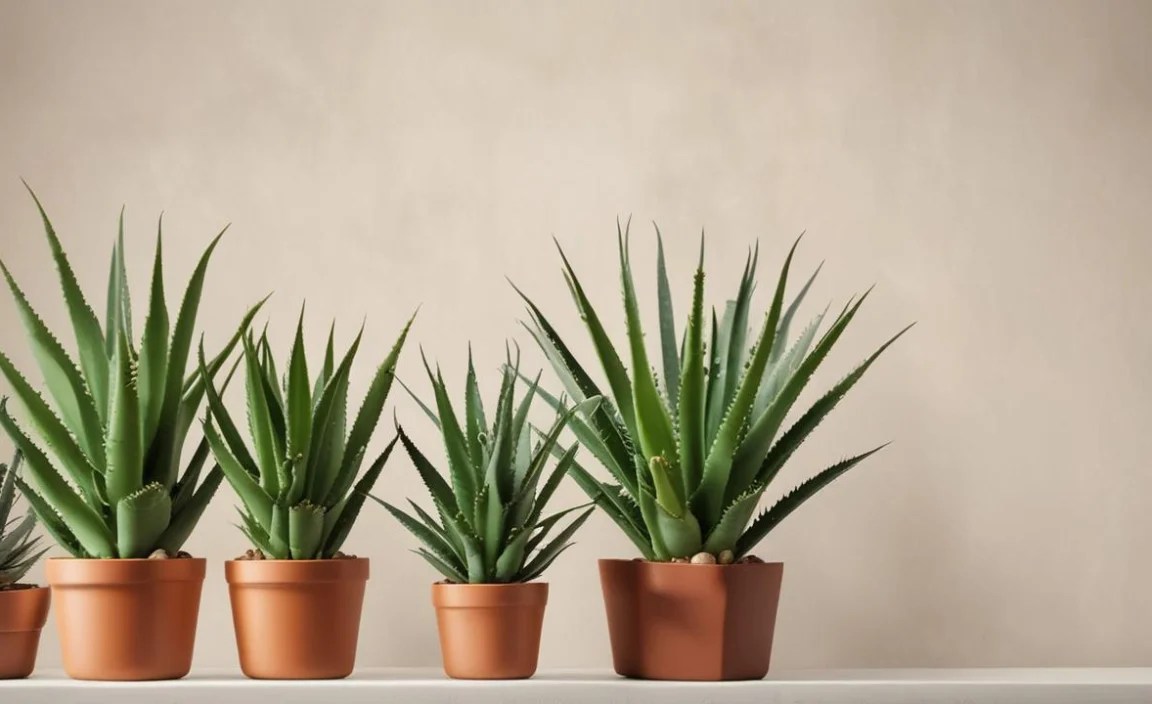
Even with the best care, problems can arise. When you care aloe plants indoors, be aware of issues. One common problem is root rot. This happens when the soil stays too wet. The roots start to rot. The leaves might turn yellow or brown. To fix this, repot the plant. Use fresh, dry soil. Another problem is mealybugs. These are small, white pests. They suck the sap from the leaves. You can wipe them off with a cotton swab dipped in alcohol. Sunburn is another issue. If the leaves turn brown or red, the plant might be getting too much sun. Move it to a spot with less direct light. Sometimes, the leaves might get thin and wrinkled. This means the plant is not getting enough water. Water it more often. With a little detective work, you can solve most aloe problems.
- Root rot: Repot with dry soil.
- Mealybugs: Wipe with alcohol.
- Sunburn: Move to less direct light.
- Thin leaves: Water more often.
- Leaf spots: Improve air circulation.
- Pests: Use insecticidal soap.
- Fungal infections: Apply fungicide.
Aloe plants are tough. But they can still have problems. Knowing how to spot and fix these problems is key. It helps you keep your aloe healthy. Remember, prevention is the best medicine. Make sure your aloe has good drainage. Don’t overwater it. Give it the right amount of light. Check it regularly for pests. With a little care, you can prevent most problems. Your aloe will be a beautiful and healthy plant for years to come. Enjoy its beauty and healing properties!
Fun Fact or Stat: Aloe vera gel can be used to treat minor skin irritations and burns!
How to Identify Pests
Uh oh, are there bugs on your aloe? Identifying pests is like being a bug detective! Mealybugs are common pests on aloe plants. They look like small, white cotton balls. They often hide in the crevices of the leaves. Spider mites are another pest. They are very tiny and hard to see. You might notice small webs on the plant. Scale insects look like small bumps on the leaves or stems. They can be brown or black. Aphids are small, green bugs that cluster on new growth. If you see any of these pests, take action right away. The sooner you treat them, the easier it will be to get rid of them.
How to Treat Common Diseases
Can aloe plants get sick? Yes, they can! Just like people, plants can get diseases. One common disease is root rot. This is caused by overwatering. The roots turn brown and mushy. To treat root rot, repot the plant in fresh, dry soil. Another disease is fungal leaf spot. This causes brown or black spots on the leaves. To treat this, remove the affected leaves. Improve air circulation around the plant. You can also use a fungicide. This is a special spray that kills fungi. If you catch diseases early, you can often save your aloe. Keep an eye on your plant. If you see anything unusual, take action right away.
How to Prevent Future Problems
How can you keep your aloe healthy and happy? Preventing problems is easier than fixing them. Make sure your aloe has good drainage. Use a pot with drainage holes. Water only when the soil is dry. Give your aloe the right amount of light. Avoid direct sunlight. Check your plant regularly for pests. Wipe the leaves with a damp cloth to remove dust. Provide good air circulation. Don’t let the leaves touch each other. Repot your aloe every one to two years. This gives it fresh soil and room to grow. By following these tips, you can prevent many problems. Your aloe will be a healthy and beautiful plant for years to come.
Propagating Your Indoor Aloe Plant
Want more aloe plants? Propagating is like making copies of your plant! When you care aloe plants indoors, you can make more. One way to propagate aloe is by using pups. Pups are small baby plants that grow around the base of the main plant. Wait until the pups are a few inches tall. Then, gently remove them from the main plant. Make sure they have their own roots. Plant the pups in their own pots. Use cactus mix. Water lightly. Another way to propagate aloe is by using leaf cuttings. This is a bit trickier. Cut a healthy leaf from the plant. Let it dry for a few days. Then, plant it in cactus mix. Water lightly. It might take a few weeks for roots to grow. Be patient. With a little luck, you’ll have new aloe plants in no time!
- Use pups for easy propagation.
- Wait until pups have roots.
- Plant pups in cactus mix.
- Use leaf cuttings with caution.
- Let leaf cuttings dry before planting.
- Water propagated plants lightly.
- Be patient for roots to grow.
Propagating aloe is a fun way to expand your plant collection. It’s like having a plant family! Pups are the easiest way to propagate. They already have roots. Leaf cuttings can be more challenging. But it’s still worth a try. When you propagate, use clean tools. This helps prevent diseases. Also, keep the new plants in a warm, bright spot. Avoid direct sunlight. Water them lightly. Don’t overwater. With a little care, your new aloe plants will thrive. You can share them with friends and family. Or keep them all for yourself!
Fun Fact or Stat: Some aloe species can also be propagated from seed, although it’s a slower process!
How to Separate Aloe Pups
How do you get those baby aloe plants into their own homes? Separating aloe pups is like helping baby birds leave the nest. First, make sure the pups are big enough. They should be a few inches tall. They should also have their own roots. Gently dig around the base of the main plant. Loosen the soil. Carefully separate the pup from the main plant. Try not to damage the roots. If the roots are tangled, use your fingers to gently untangle them. Plant the pup in its own pot. Use cactus mix. Water lightly. Keep the new plant in a warm, bright spot. Avoid direct sunlight. With a little care, the pup will grow into a healthy aloe plant.
Caring for New Aloe Plants
You’ve got a new baby aloe! Now what? Caring for new aloe plants is like caring for a baby animal. They need extra attention. Keep the new plant in a warm, bright spot. Avoid direct sunlight. Water it lightly. Don’t overwater. Check the soil regularly. If it feels dry, water it. If it feels wet, wait a few more days. Fertilize the new plant sparingly. Use a diluted fertilizer. Repot the plant when it gets too big for its pot. With a little extra care, your new aloe plant will thrive. It will be a beautiful addition to your home.
When to Propagate Aloe
When is the best time to make more aloe plants? Propagating aloe is best done in the spring or summer. This is when the plant is actively growing. It will be easier for the new plants to root. Avoid propagating in the fall or winter. The plant is not growing as much during these months. It will be harder for the new plants to survive. So, wait until the weather warms up. Your aloe will thank you!
Summary
Taking care aloe plants indoors is easy. You need to give them the right light, water, and soil. Aloe plants like bright, indirect sunlight. Avoid direct sunlight. Water them only when the soil is dry. Overwatering can cause root rot. Use well-draining soil, like cactus mix. Repot them every one to two years. Fertilize them sparingly. Watch out for common problems like pests and diseases. With a little care, your aloe will thrive. You can even propagate them to make more plants.
Aloe plants are not only beautiful. They also have healing properties. You can use the gel inside the leaves to soothe burns and cuts. Aloe is a great plant to have in your home. It’s easy to care for. It’s also useful. Enjoy your healthy and happy aloe plant!
Conclusion
Aloe plants are a great choice for indoor gardening. They are easy to care for. They also offer many benefits. They purify the air. They provide soothing gel for burns. Remember to provide bright, indirect light. Water sparingly. Use well-draining soil. With these simple steps, you can successfully care aloe plants indoors. Enjoy the beauty and usefulness of this amazing plant.
Frequently Asked Questions
Question No 1: How often should I water my indoor aloe plant?
Answer: You should water your indoor aloe plant only when the soil is completely dry. Stick your finger about an inch deep into the soil to check. During the growing season (spring and summer), this might be every 2-3 weeks. In the dormant season (fall and winter), you may only need to water it every 4-6 weeks. Overwatering is a common mistake that can lead to root rot. So, it’s always better to err on the side of underwatering. Make sure your pot has good drainage to prevent water from sitting at the bottom.
Question No 2: What kind of light does my aloe plant need?
Answer: Aloe plants thrive in bright, indirect sunlight. A south-facing or west-facing window is ideal. However, too much direct sunlight can scorch the leaves. If you notice the leaves turning brown or red, move the plant to a spot with less direct light. If your home doesn’t get enough natural light, you can supplement with a grow light. Place the grow light a few inches above the plant. This ensures your aloe gets the light it needs to stay healthy and green.
Question No 3: What type of soil is best for aloe plants?
Answer: Aloe plants need well-draining soil to prevent root rot. A cactus or succulent potting mix is the best choice. These mixes typically contain sand, perlite, and other materials that improve drainage. You can also make your own mix by combining regular potting soil with equal parts sand and perlite. Avoid using heavy, clay-based soils that retain too much moisture. Good drainage is essential for the health of your aloe plant.
Question No 4: How do I repot my aloe plant?
Answer: Repot your aloe plant every one to two years. This provides fresh nutrients and room for growth. Choose a pot that is only slightly larger than the old one. Gently remove the plant from its old pot. Loosen the soil around the roots. Place the plant in the new pot. Fill in with fresh cactus mix. Water lightly after repotting. Don’t water too much. Let the soil dry out before watering again. This helps the roots settle in and prevents root rot.
Question No 5: How can I propagate my aloe plant?
Answer: The easiest way to propagate aloe plants is by using pups. These are small baby plants that grow around the base of the main plant. Wait until the pups are a few inches tall and have their own roots. Gently remove them from the main plant. Plant the pups in their own pots with cactus mix. Water lightly. Keep the new plants in a warm, bright spot. Avoid direct sunlight. With proper care, the pups will grow into healthy aloe plants.
Question No 6: What are some common problems with indoor aloe plants and how do I fix them?
Answer: One common problem is root rot, caused by overwatering. To fix this, repot the plant in fresh, dry soil. Another problem is mealybugs, small white pests. Wipe them off with a cotton swab dipped in alcohol. Sunburn can occur if the plant gets too much direct sunlight. Move it to a spot with less direct light. If the leaves are thin and wrinkled, the plant needs more water. Adjust your care aloe plants indoors routine based on these signs.
