Do you love fresh herbs? Imagine picking them right from your home. Growing cilantro indoors is fun and easy. You can have fresh cilantro all year. Let’s learn how to care cilantro plant indoors. It’s simpler than you think!
Cilantro adds a great taste to many foods. What if you could always have some on hand? Keep reading to learn the secrets. You will be enjoying fresh cilantro in no time.
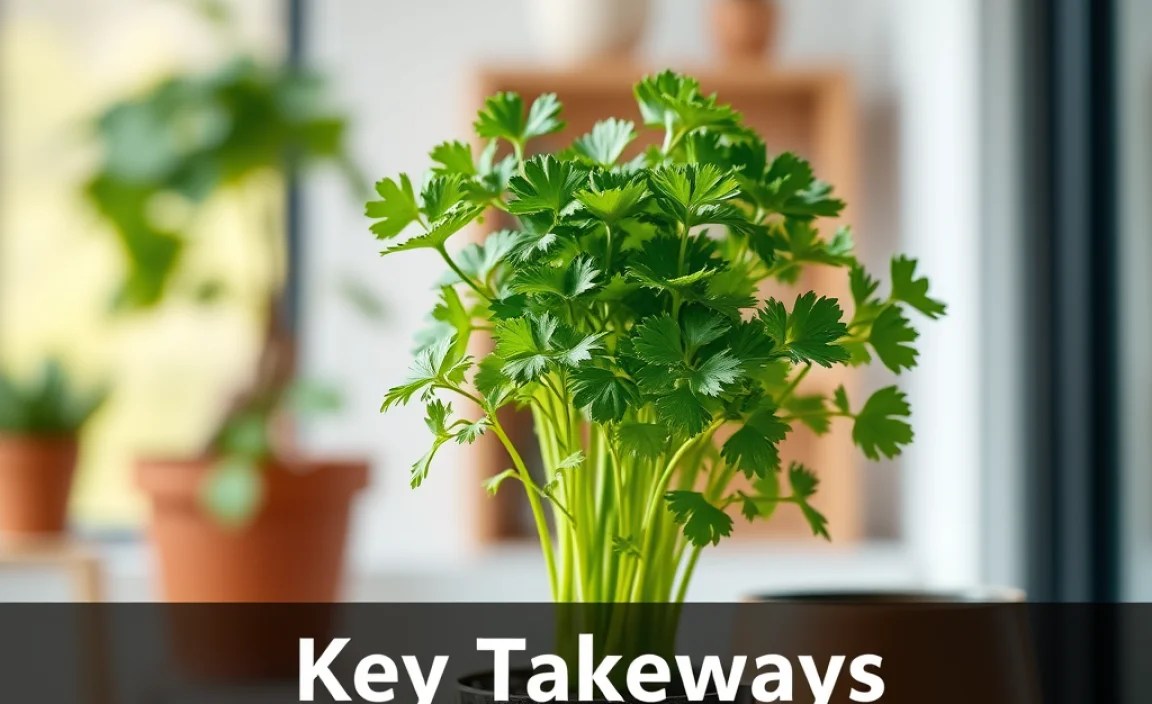
Key Takeaways
- Care cilantro plant indoors by providing bright light and well-drained soil.
- Water cilantro when the top inch of soil feels dry to the touch.
- Harvest cilantro leaves regularly to encourage more growth.
- Choose a pot with drainage holes to prevent root rot.
- Fertilize cilantro every few weeks with a balanced liquid fertilizer.

How To Care Cilantro Plant Indoors: Light
Light is super important for your cilantro. Cilantro needs lots of light to grow well. If it doesn’t get enough light, it will get leggy. Leggy means the stems get long and thin. The plant will look weak. You want a strong, healthy cilantro plant. Place your cilantro near a sunny window. A south-facing window is often the best. It gives the most sunlight. If you don’t have a sunny window, don’t worry! You can use a grow light. Grow lights give plants the light they need. Keep the light on for about 12-14 hours a day. This helps your cilantro grow strong and healthy. Check your cilantro often. Make sure it’s getting enough light. If it looks pale or weak, give it more light right away. You’ll have lots of fresh cilantro soon!
- Place cilantro near a sunny window.
- Use a grow light if needed.
- Keep the grow light on 12-14 hours daily.
- Check cilantro for signs of weak growth.
- South-facing windows usually provide the best light.
Think of light as food for your cilantro. Just like you need food to grow, cilantro needs light. Without enough light, it can’t make its own food. This process is called photosynthesis. The plant uses light to turn water and air into energy. It’s like magic! When cilantro gets enough light, it grows quickly. It also tastes better. The leaves will be bright green and full of flavor. So, remember to give your cilantro plenty of light. It’s one of the most important things you can do. You will have a happy and healthy cilantro plant. Then you can enjoy fresh cilantro whenever you want. It’s a great feeling to grow your own herbs!
What Kind of Light Does Cilantro Need?
Have you ever wondered what kind of light cilantro likes best? Cilantro loves bright, indirect light. This means it likes a lot of light, but not direct sunlight all day. Direct sunlight can be too strong and burn the leaves. Think of it like this: you like to play outside on a sunny day, but you don’t want to stay in the sun too long. It’s the same for cilantro. If you have a window that gets a lot of sun, try putting a sheer curtain up. The curtain will soften the light. This is especially important in the summer when the sun is very strong. You can also move your cilantro plant a little further away from the window. Watch your plant carefully. If the leaves start to turn yellow or brown, it might be getting too much light. If the stems are long and thin, it needs more light. Finding the right balance is key to happy cilantro!
Can Cilantro Grow in Artificial Light?
Yes, cilantro can definitely grow in artificial light! This is great news if you don’t have a sunny window. Grow lights are special lights that give plants the light they need. There are different types of grow lights you can use. LED lights are a good choice because they don’t use a lot of energy. They also don’t get too hot. This is important because you don’t want to burn your cilantro. When using a grow light, place it about 6-12 inches above the plant. Keep the light on for about 12-14 hours a day. This will give your cilantro enough light to grow strong and healthy. Check your cilantro regularly. If it looks like it’s not growing well, try moving the light closer or further away. You might need to experiment a little to find what works best for your plant. Growing cilantro with artificial light is fun and easy!
How Do I Know if My Cilantro Needs More Light?
How can you tell if your cilantro needs more light? There are a few signs to look for. One sign is that the stems are long and thin. This is called “leggy” growth. The plant is stretching to try to find more light. Another sign is that the leaves are pale green or yellow. Healthy cilantro leaves should be a bright green color. If your cilantro isn’t getting enough light, it might also grow very slowly. It might not produce as many leaves as it should. If you see any of these signs, it’s time to give your cilantro more light. Move it to a sunnier spot or use a grow light. You can also try rotating the plant regularly. This will help all sides of the plant get enough light. With a little extra light, your cilantro will be thriving in no time!
Fun Fact or Stat: Cilantro needs at least six hours of sunlight per day to thrive indoors!

Proper Watering: How To Care Cilantro Plant Indoors
Water is very important for your cilantro plant. Too much water can be bad. Too little water can also cause problems. You need to find the right balance. Water your cilantro when the top inch of soil feels dry. Stick your finger into the soil to check. If it feels dry, it’s time to water. When you water, make sure to wet the soil evenly. Don’t just pour water in one spot. Water until you see water draining out of the bottom of the pot. This means the soil is soaked. Don’t let your cilantro sit in water. This can cause the roots to rot. Root rot is when the roots start to decay. It can kill your plant. Make sure your pot has drainage holes. These holes let extra water escape. Check your cilantro every day. Adjust your watering schedule as needed. You will keep your cilantro happy and healthy.
- Water when the top inch of soil is dry.
- Water evenly until water drains out.
- Ensure the pot has drainage holes.
- Avoid letting the plant sit in water.
- Check the soil moisture daily.
Think of watering as giving your cilantro a drink. Just like you need to drink water to stay healthy, cilantro needs water to grow. But you don’t want to give it too much or too little. Imagine you are giving your cilantro a small glass of water when it’s thirsty. You wouldn’t pour the whole pitcher on it! It’s the same with watering. You want to give it just enough water to keep it happy. Pay attention to the weather. If it’s hot and sunny, your cilantro will need more water. If it’s cool and cloudy, it will need less. Also, the type of pot you use can affect how often you need to water. Clay pots dry out faster than plastic pots. So, check the soil regularly and adjust your watering schedule as needed. Your cilantro will thank you with lots of fresh, tasty leaves.
How Often Should I Water My Cilantro?
How often should you water your cilantro? There’s no one-size-fits-all answer. It depends on a few things. The weather, the type of pot, and the soil all play a role. A good rule of thumb is to check the soil every day. Stick your finger into the soil about an inch deep. If it feels dry, it’s time to water. If it feels moist, wait a day or two and check again. In general, you’ll probably need to water your cilantro every 2-3 days. But during hot, sunny weather, you might need to water it every day. In cooler weather, you might only need to water it once a week. Pay attention to your plant. It will tell you when it needs water. If the leaves start to droop, it’s definitely time to water. With a little practice, you’ll get the hang of it!
What Kind of Water Is Best for Cilantro?
What kind of water should you use for your cilantro? Tap water is usually fine. But if your tap water has a lot of chlorine, it’s best to use filtered water. Chlorine can harm your cilantro plant. You can also let tap water sit out for 24 hours. This will allow the chlorine to evaporate. Rainwater is another great option. It’s natural and doesn’t contain any chemicals. Just be sure to collect it in a clean container. Avoid using water that has been softened. Water softeners add salt to the water. Salt can be harmful to plants. No matter what kind of water you use, make sure it’s not too cold. Cold water can shock the roots of your cilantro. Room temperature water is best. Giving your cilantro the right kind of water will help it grow strong and healthy.
What Are the Signs of Overwatering Cilantro?
How can you tell if you’re overwatering your cilantro? There are a few signs to watch out for. One sign is that the leaves turn yellow. They might also feel soft and mushy. Another sign is that the soil is constantly wet. It might even have a green or slimy appearance. Overwatering can also lead to root rot. This is a serious problem that can kill your plant. If you suspect you’re overwatering, stop watering immediately. Let the soil dry out completely before watering again. You might also want to repot your cilantro in fresh, dry soil. Make sure the pot has good drainage holes. To prevent overwatering, always check the soil before watering. Only water when the top inch of soil feels dry. With a little care, you can avoid overwatering your cilantro and keep it healthy.
Fun Fact or Stat: Cilantro is 92% water, which is why proper hydration is crucial for its growth!

Soil Needs: How To Care Cilantro Plant Indoors
The right soil is very important to care cilantro plant indoors. Cilantro needs soil that drains well. This means water should flow through it easily. If the soil holds too much water, the roots can rot. Use a potting mix made for herbs or vegetables. These mixes usually have good drainage. You can also make your own potting mix. Mix together equal parts of potting soil, perlite, and compost. Perlite helps with drainage. Compost adds nutrients. Nutrients are like vitamins for plants. They help them grow strong. Don’t use soil from your garden. It can be too heavy and may contain pests or diseases. Fill your pot with the potting mix. Leave about an inch of space at the top. This makes it easier to water. Your cilantro will love its new home!
- Use a well-draining potting mix.
- Avoid using garden soil.
- Mix potting soil, perlite, and compost.
- Leave an inch of space at the top of the pot.
- Ensure the soil is loose and airy.
Think of soil as the bed your cilantro sleeps in. You want it to be comfortable and supportive. The right soil provides the nutrients your cilantro needs to grow. It also helps to hold moisture. But it shouldn’t hold too much moisture. That’s why drainage is so important. Imagine you are making a bed for your cilantro. You would want to use soft, fluffy materials. You wouldn’t want to use something hard and lumpy. It’s the same with soil. You want it to be loose and airy. This allows the roots to breathe. Healthy roots mean a healthy plant. So, choose your soil carefully. It’s one of the keys to growing great cilantro. You will have a happy and productive plant.
What Type of Soil Is Best for Cilantro?
What kind of soil is best for cilantro? Cilantro loves soil that is loose and well-draining. This means the water can flow through it easily. If the soil is too heavy, the roots can get waterlogged. This can lead to root rot, which is bad news for your plant. A good potting mix for cilantro should contain things like perlite or vermiculite. These materials help to improve drainage. You can also add some compost to the mix. Compost is like a superfood for plants. It adds nutrients that help them grow strong and healthy. Avoid using soil from your garden. It can be too dense and may contain pests or diseases. A good potting mix will provide the perfect balance of drainage and nutrients for your cilantro to thrive.
How Do I Improve Soil Drainage for Cilantro?
How can you improve soil drainage for your cilantro? One simple way is to add perlite or vermiculite to the potting mix. These materials are lightweight and create air pockets in the soil. This helps the water to drain through more quickly. You can also use a pot with good drainage holes. Make sure the holes are not blocked by anything. Another trick is to add a layer of gravel or pebbles to the bottom of the pot. This creates a space for the water to drain into. Avoid using a saucer under the pot. If you do use a saucer, be sure to empty it regularly. This will prevent the plant from sitting in water. With a few simple steps, you can improve soil drainage and keep your cilantro healthy and happy.
How Often Should I Change the Soil for My Cilantro?
How often should you change the soil for your cilantro? It’s a good idea to repot your cilantro every few months. This gives it fresh soil and nutrients. Over time, the soil can become depleted. This means it doesn’t have as many nutrients as it used to. Repotting your cilantro with fresh soil will give it a boost. Choose a pot that is slightly larger than the old one. Gently remove the cilantro from the old pot. Be careful not to damage the roots. Place the cilantro in the new pot and fill it with fresh potting mix. Water the plant well. You can also add some slow-release fertilizer to the soil. This will provide a steady supply of nutrients for your cilantro. Repotting your cilantro regularly will help it to stay healthy and productive.
Fun Fact or Stat: The ideal soil pH for cilantro is between 6.0 and 7.5!

Temperature Control: How To Care Cilantro Plant Indoors
Temperature is key when you care cilantro plant indoors. Cilantro likes it cool. The best temperature is between 60-75°F (15-24°C). If it gets too hot, the cilantro will bolt. Bolting means the plant starts to flower. When cilantro bolts, the leaves taste bitter. You don’t want bitter cilantro! Keep your cilantro away from heat sources. These include radiators and sunny windows in summer. If your home is too warm, try moving the cilantro to a cooler room. You can also use a fan to circulate the air. This will help to keep the temperature down. In the winter, protect your cilantro from drafts. Drafts are cold air currents. They can damage the leaves. With the right temperature, your cilantro will stay happy and tasty.
- Keep cilantro between 60-75°F (15-24°C).
- Avoid heat sources like radiators.
- Move cilantro to a cooler room if needed.
- Protect from drafts in the winter.
- Use a fan to circulate air in warm weather.
Think of temperature as the comfort level for your cilantro. Just like you feel best when the temperature is just right, cilantro does too. If it’s too hot, you might feel tired and grumpy. If it’s too cold, you might shiver and want to curl up in a blanket. Cilantro is the same way. If it gets too hot, it will bolt. This is like the plant getting stressed out. It will stop producing tasty leaves. If it gets too cold, the leaves can get damaged. So, pay attention to the temperature in your home. Adjust it as needed to keep your cilantro happy. You will have a productive and flavorful plant.
What Is the Ideal Temperature Range for Cilantro?
What is the ideal temperature range for cilantro? Cilantro thrives in temperatures between 60 and 75 degrees Fahrenheit (15-24 degrees Celsius). This is a pretty moderate temperature range. It’s not too hot and not too cold. If the temperature gets too high, cilantro is likely to bolt. Bolting is when the plant starts to produce flowers and seeds. Once cilantro bolts, the leaves lose their flavor and become bitter. To keep your cilantro happy, try to maintain a consistent temperature within the ideal range. You can use a thermometer to monitor the temperature in your growing area. If you live in a hot climate, you may need to take extra steps to keep your cilantro cool. This could include moving it to a shadier location or using a fan to circulate the air.
How Can I Keep My Cilantro Cool in Hot Weather?
How can you keep your cilantro cool in hot weather? This can be a challenge, but there are a few things you can try. First, make sure your cilantro is not in direct sunlight during the hottest part of the day. Move it to a shadier location or use a shade cloth to protect it from the sun’s rays. You can also try misting your cilantro with water. This will help to cool it down and increase humidity. Another trick is to place a tray of ice cubes near the plant. As the ice melts, it will cool the surrounding air. If you have air conditioning, you can also move your cilantro to a cooler room. Just be careful not to put it in a spot where it will get blasted with cold air. With a little effort, you can keep your cilantro cool and prevent it from bolting in hot weather.
What Happens if Cilantro Gets Too Cold?
What happens if cilantro gets too cold? While cilantro prefers cooler temperatures, it can still be damaged by extreme cold. If the temperature drops too low, the leaves can start to wilt and turn brown. In severe cases, the plant can even die. To protect your cilantro from the cold, try to keep it in a room that is consistently above 50 degrees Fahrenheit (10 degrees Celsius). If you live in a cold climate, you may need to bring your cilantro indoors during the winter months. You can also use a grow light to provide extra warmth and light. Avoid placing your cilantro near drafty windows or doors. With a little care, you can protect your cilantro from the cold and keep it healthy all year round.
Fun Fact or Stat: Cilantro is less likely to bolt if kept at a consistent temperature between 60-75°F!
Fertilizing Cilantro: How To Care Cilantro Plant Indoors
Fertilizing helps you to care cilantro plant indoors. Cilantro needs nutrients to grow well. Use a liquid fertilizer made for herbs. Follow the instructions on the label. Don’t use too much fertilizer. Too much can burn the roots. Fertilize every two to four weeks. Do this during the growing season. The growing season is spring and summer. In the winter, cilantro doesn’t need as much fertilizer. You can fertilize less often. Look for a fertilizer with balanced nutrients. This means it has equal amounts of nitrogen, phosphorus, and potassium. These are important for plant growth. A balanced fertilizer will help your cilantro grow strong and healthy. You will have lots of tasty leaves to enjoy.
- Use a liquid fertilizer made for herbs.
- Fertilize every two to four weeks.
- Follow the instructions on the label.
- Don’t over-fertilize.
- Use a balanced fertilizer.
Think of fertilizer as giving your cilantro a vitamin boost. Just like you take vitamins to stay healthy, cilantro needs nutrients to grow. But you don’t want to give it too many vitamins. That can be harmful. It’s the same with fertilizer. You want to give it just enough to keep it strong and healthy. Imagine you are making a smoothie for your cilantro. You would want to add some healthy ingredients. You might add some spinach for iron or some berries for antioxidants. Fertilizer is like those healthy ingredients. It provides the nutrients your cilantro needs to thrive. But just like with a smoothie, you don’t want to add too much. Too much fertilizer can make the cilantro taste bad. So, use fertilizer sparingly and follow the instructions on the label. You will have a delicious and nutritious cilantro plant.
What Type of Fertilizer Is Best for Cilantro?
What type of fertilizer is best for cilantro? Cilantro benefits from a balanced liquid fertilizer. Look for a fertilizer that has equal amounts of nitrogen, phosphorus, and potassium. These nutrients are important for overall plant health. Nitrogen helps with leafy growth. Phosphorus supports root development. Potassium contributes to strong stems and disease resistance. When choosing a fertilizer, read the label carefully. Make sure it is formulated for herbs or vegetables. Avoid using fertilizers that are high in nitrogen. Too much nitrogen can cause the leaves to grow too quickly. This can make them weak and less flavorful. A balanced fertilizer will provide the right amount of nutrients for healthy and delicious cilantro.
How Often Should I Fertilize My Cilantro?
How often should you fertilize your cilantro? A good rule of thumb is to fertilize every two to four weeks during the growing season. The growing season is typically spring and summer. During this time, your cilantro is actively growing and needs more nutrients. In the fall and winter, you can reduce the frequency of fertilizing. Cilantro grows more slowly during these months. You may only need to fertilize once a month or even less. When fertilizing, always follow the instructions on the fertilizer label. Over-fertilizing can be harmful to your plant. It can cause the leaves to burn or the roots to become damaged. A little fertilizer goes a long way in keeping your cilantro healthy and productive.
What Are the Signs of Over-Fertilizing Cilantro?
What are the signs of over-fertilizing cilantro? Over-fertilizing can cause several problems. One common sign is that the leaves turn yellow or brown. They may also become dry and crispy. Another sign is that the plant stops growing or grows very slowly. Over-fertilizing can also damage the roots. This can make it difficult for the plant to absorb water and nutrients. If you suspect you have over-fertilized your cilantro, stop fertilizing immediately. Flush the soil with water to remove excess fertilizer. You may also need to repot your cilantro in fresh soil. To prevent over-fertilizing, always follow the instructions on the fertilizer label. Use a balanced fertilizer and fertilize every two to four weeks during the growing season. With a little care, you can avoid over-fertilizing and keep your cilantro healthy.
Fun Fact or Stat: Cilantro benefits from a fertilizer with an N-P-K ratio of 10-10-10!
Harvesting Techniques: How To Care Cilantro Plant Indoors
Knowing when and how to harvest helps you care cilantro plant indoors. Harvest cilantro when the stems are 4-6 inches tall. Use scissors to cut the stems. Cut them close to the base of the plant. This encourages new growth. Don’t harvest more than one-third of the plant at a time. This can stress the plant. Harvest regularly to prevent bolting. Bolting makes the leaves taste bitter. The best time to harvest is in the morning. The leaves are the most flavorful then. Wash the cilantro leaves before using them. You can store them in the refrigerator. Wrap them in a damp paper towel. Place them in a plastic bag. They will stay fresh for a few days. Enjoy your fresh cilantro!
- Harvest when stems are 4-6 inches tall.
- Cut stems close to the base.
- Don’t harvest more than one-third at once.
- Harvest regularly to prevent bolting.
- Harvest in the morning for best flavor.
- Wash leaves before using.
Think of harvesting as giving your cilantro a haircut. Just like you get a haircut to stay neat and tidy, cilantro needs to be harvested to stay healthy. When you harvest cilantro, you are encouraging it to grow more leaves. It’s like telling the plant, “Hey, I like your leaves! Grow some more!” But you don’t want to give it too much of a haircut. That can stress the plant. It’s like giving yourself a buzz cut when you only wanted a trim. So, be gentle when you harvest. Only take what you need and leave the rest for later. You will have a happy and productive cilantro plant. Then you can enjoy fresh cilantro in all your favorite dishes.
When Is the Best Time to Harvest Cilantro?
When is the best time to harvest cilantro? The best time to harvest cilantro is in the morning. This is when the leaves are the most flavorful. The cool morning air helps to keep the leaves fresh and crisp. Avoid harvesting cilantro in the heat of the day. The leaves can become wilted and less flavorful. Before harvesting, make sure the plant is dry. Wet leaves can be more susceptible to damage. Use sharp scissors or a knife to cut the stems. This will help to prevent damage to the plant. Harvest regularly to encourage new growth. The more you harvest, the more cilantro you will get. With a little planning, you can enjoy fresh cilantro all season long.
How Do I Harvest Cilantro Without Killing the Plant?
How do you harvest cilantro without killing the plant? The key is to be gentle and selective. Don’t harvest more than one-third of the plant at a time. This will give the plant time to recover and produce new growth. Cut the stems close to the base of the plant. This will encourage new shoots to grow. Avoid pulling the leaves off the plant. This can damage the stems and roots. If you want to harvest individual leaves, use scissors to snip them off. Water the plant after harvesting. This will help it to recover from the stress of being harvested. With a little care, you can harvest cilantro without harming the plant.
How Do I Store Freshly Harvested Cilantro?
How do you store freshly harvested cilantro? The best way to store cilantro is to keep it in the refrigerator. First, wash the cilantro leaves gently. Remove any damaged or yellowing leaves. Wrap the cilantro in a damp paper towel. Place it in a plastic bag or container. Store it in the refrigerator crisper drawer. This will help to keep it fresh and moist. You can also store cilantro in a glass of water. Trim the stems and place the cilantro in a glass of water. Cover the leaves with a plastic bag. Store it in the refrigerator. Change the water every day or two. This will help to keep the cilantro fresh for longer. With proper storage, you can enjoy fresh cilantro for up to a week.
| Storage Method | Duration | Pros | Cons |
|---|---|---|---|
| Damp Paper Towel in Bag | 5-7 days | Easy, keeps leaves moist | Can get slimy if too wet |
| Glass of Water | 7-10 days | Keeps leaves crisp, longer storage | Requires daily water changes |
| Freezing (chopped) | 2-3 months | Long-term storage | Texture changes, best for cooking |
| Drying | 6-12 months | Very long-term storage | Flavor is less intense |
Fun Fact or Stat: Regularly harvesting cilantro encourages new growth and prevents bolting, extending the plant’s lifespan!
Pest and Disease Control: How To Care Cilantro Plant Indoors
Protecting your plants from pests and diseases is vital to care cilantro plant indoors. Check your cilantro regularly for pests. Common pests include aphids and spider mites. Aphids are small, soft-bodied insects. They suck the sap from plants. Spider mites are tiny, spider-like creatures. They create webs on the leaves. If you see pests, wash them off with water. You can also use insecticidal soap. Insecticidal soap is a natural way to kill pests. It won’t harm your plants. Prevent diseases by providing good air circulation. Don’t overwater your cilantro. Overwatering can lead to fungal diseases. If you see signs of disease, remove the affected leaves. With a little care, you can keep your cilantro healthy and pest-free.
- Check regularly for pests and diseases.
- Wash off pests with water.
- Use insecticidal soap for pests.
- Provide good air circulation.
- Avoid overwatering to prevent diseases.
- Remove affected leaves.
Think of pest and disease control as protecting your cilantro from getting sick. Just like you take steps to stay healthy, cilantro needs protection too. You might wash your hands to prevent germs from spreading. Cilantro needs good air circulation to prevent fungal diseases. You might take medicine when you get sick. Cilantro needs insecticidal soap to get rid of pests. Imagine you are a doctor for your cilantro. You would want to keep it healthy and strong. You would check it regularly for signs of trouble. If you saw something wrong, you would take action to fix it. It’s the same with pest and disease control. By taking a few simple steps, you can keep your cilantro healthy and thriving.
What Are the Common Pests That Attack Cilantro?
What are the common pests that attack cilantro? Aphids are one of the most common pests. They are small, soft-bodied insects that suck the sap from plants. They can cause the leaves to turn yellow and wilt. Spider mites are another common pest. They are tiny, spider-like creatures that create webs on the leaves. They can also cause the leaves to turn yellow and dry out. Whiteflies are small, white, flying insects that feed on plant sap. They can cause the leaves to become sticky and covered in honeydew. Leafminers are small larvae that tunnel through the leaves. They can create unsightly trails and damage the leaves. Knowing these pests can help you protect your cilantro.
How Can I Prevent Pests and Diseases in My Cilantro?
How can you prevent pests and diseases in your cilantro? Prevention is key! Start by using clean potting mix. This will help to prevent soilborne diseases. Provide good air circulation around the plant. This will help to prevent fungal diseases. Water the plant at the base, rather than overhead. This will help to keep the leaves dry. Check the plant regularly for pests and diseases. The sooner you catch a problem, the easier it will be to solve. You can also use natural pest control methods, such as insecticidal soap or neem oil. These products are safe for plants and won’t harm beneficial insects. With a little prevention, you can keep your cilantro healthy and pest-free.
What Should I Do if My Cilantro Gets a Disease?
What should you do if your cilantro gets a disease? First, identify the disease. Look for signs such as spots, discoloration, or wilting. Once you know what disease you’re dealing with, you can take action. Remove any affected leaves or stems. This will help to prevent the disease from spreading. Improve air circulation around the plant. This will help to dry out the leaves and prevent fungal growth. You can also use a fungicide to treat the disease. Follow the instructions on the fungicide label carefully. If the disease is severe, you may need to discard the plant. This will help to prevent the disease from spreading to other plants. With prompt action, you can often save your cilantro from disease.
Summary
Growing cilantro indoors is easy. You need to care cilantro plant indoors. Give it lots of light. Water it when the soil is dry. Use good soil that drains well. Keep the temperature cool. Fertilize it every few weeks. Harvest the leaves regularly. Watch out for pests and diseases. With these tips, you can grow healthy cilantro. You will have fresh herbs all year long. Enjoy your homegrown cilantro! It tastes great in many dishes.
Conclusion
Growing cilantro indoors can be a rewarding experience. You can have fresh herbs anytime. Remember to give your cilantro enough light and water. The right soil and temperature are also important. With a little care, you can enjoy fresh cilantro all year round. So, start your indoor garden today. You’ll be glad you did. Learning how to care cilantro plant indoors is worth it!
Frequently Asked Questions
Question No 1: How much sunlight does cilantro need indoors?
Answer: Cilantro needs a lot of sunlight. Aim for at least six hours of direct sunlight per day. A south-facing window is usually best. If you don’t have enough sunlight, use a grow light. Keep the grow light on for 12-14 hours a day. This will help your cilantro grow strong and healthy. Without enough light, cilantro can get leggy and weak. So, make sure your cilantro gets plenty of light. It is one of the most important things to consider when you care cilantro plant indoors. You will be enjoying fresh cilantro soon!
Question No 2: How often should I water my indoor cilantro plant?
Answer: You should water your cilantro when the top inch of soil feels dry. Stick your finger into the soil to check. If it’s dry, it’s time to water. Water until you see water draining out of the bottom of the pot. Don’t let your cilantro sit in water. This can cause root rot. Root rot can kill your plant. Check the soil every day. Adjust your watering schedule as needed. The weather and the type of pot can affect how often you need to water. So, pay attention to your plant and water it when it needs it. This is important to care cilantro plant indoors.
Question No 3: What kind of soil is best for growing cilantro indoors?
Answer: Cilantro needs soil that drains well. Use a potting mix made for herbs or vegetables. You can also make your own potting mix. Mix together equal parts of potting soil, perlite, and compost. Perlite helps with drainage. Compost adds nutrients. Avoid using soil from your garden. It can be too heavy and may contain pests or diseases. The right soil will help your cilantro grow strong and healthy. It’s like giving your cilantro a comfortable bed to sleep in. This is a crucial part of learning how to care cilantro plant indoors properly.
Question No 4: How do I prevent my cilantro from bolting indoors?
Answer: Bolting is when cilantro starts to flower. This makes the leaves taste bitter. To prevent bolting, keep your cilantro cool. The best temperature is between 60-75°F (15-24°C). Avoid heat sources like radiators. Harvest the leaves regularly. This also helps to prevent bolting. Make sure your cilantro gets enough water. Stress from lack of water
