Have you ever planted a seed? Did you watch it grow into something amazing? Growing your own food can be fun. It also teaches you a lot. You learn about care, garden soil, and the joy of harvest.
Taking care of a garden is rewarding. Good soil helps plants grow strong. The harvest is the best part. You get to eat what you grew!
Key Takeaways
- Proper care of your garden leads to a bountiful harvest.
- Healthy soil is essential for strong and thriving plants.
- Watering and weeding are important parts of garden care.
- Knowing when to harvest ensures the best taste and quality.
- Planning your garden helps you grow what you love to eat.
Why Garden Soil Care Matters

Have you ever wondered why some plants grow better than others? The answer often lies in the soil. Good garden soil provides plants with everything they need. It gives them water, air, and nutrients. Nutrients are like food for plants. Without healthy soil, plants can’t grow big and strong. They might not even grow at all! That’s why soil care is so important. When you take care of your soil, you’re taking care of your plants. You are helping them thrive. This means you’ll have a better harvest. Think of the soil as a home for your plants’ roots. You want that home to be a good one. Make sure it’s full of all the things your plants need to be healthy and happy. It will make your garden experience much more enjoyable.
- Healthy soil helps plants grow strong roots.
- Good drainage prevents roots from rotting.
- Nutrients in the soil feed the plants.
- Soil pH affects how plants absorb nutrients.
- Testing your soil can identify problems.
Think about building a house. You wouldn’t build it on a shaky foundation, would you? The same goes for plants. The soil is their foundation. It needs to be strong and healthy. You can improve your soil by adding compost. Compost is like a superfood for soil. It adds nutrients and helps the soil hold water. You can also use other things like aged manure or leaf mold. These all help to improve the soil. Remember, healthy soil means healthy plants. And healthy plants mean a great harvest. So, take some time to care for your garden soil. You will be amazed at the difference it makes. Your plants will thank you!
What is Soil Made Of?
Have you ever dug in the garden and wondered what soil is made of? It’s not just dirt! Soil is a mix of different things. It contains tiny bits of rock, sand, silt, and clay. It also has organic matter. Organic matter is stuff that used to be alive, like dead leaves and bugs. These things break down and add nutrients to the soil. The mix of these things affects how well plants grow. For example, sandy soil drains water quickly. Clay soil holds water well. The best soil is a mix of both. This kind of soil is called loam. It has good drainage and holds enough water for plants. Soil is also full of tiny living things. These include bacteria, fungi, and worms. They help to break down organic matter and make nutrients available to plants.
Why is Soil pH Important?
Did you know that soil can be acidic or alkaline? This is measured by something called pH. The pH scale goes from 0 to 14. A pH of 7 is neutral. Below 7 is acidic, and above 7 is alkaline. Most plants like a soil pH between 6 and 7. This is slightly acidic. Some plants, like blueberries, like more acidic soil. Others, like lavender, like more alkaline soil. You can test your soil pH with a kit from a garden store. If your soil pH is too high or too low, you can change it. Adding lime makes soil less acidic. Adding sulfur makes soil more acidic. Adjusting your soil pH can help your plants grow better. They will be able to absorb nutrients more easily. This leads to a healthier garden and a better harvest.
How Can You Improve Soil?
Is your soil not as good as you’d like it to be? Don’t worry! There are many ways to improve it. One of the best ways is to add compost. Compost is decomposed organic matter. It adds nutrients to the soil and helps it hold water. You can make your own compost from kitchen scraps and yard waste. Another way to improve soil is to add aged manure. Manure is animal poop that has been composted. It’s full of nutrients that plants love. You can also use cover crops. Cover crops are plants that you grow to improve the soil. They can add nutrients, prevent erosion, and suppress weeds. Improving your soil takes time and effort. But it’s worth it in the end. Healthy soil means healthy plants and a bountiful harvest. So, get out there and start improving your soil today!
Fun Fact or Stat: One teaspoon of healthy soil can contain more living organisms than there are people on Earth!
Effective Garden Care Techniques
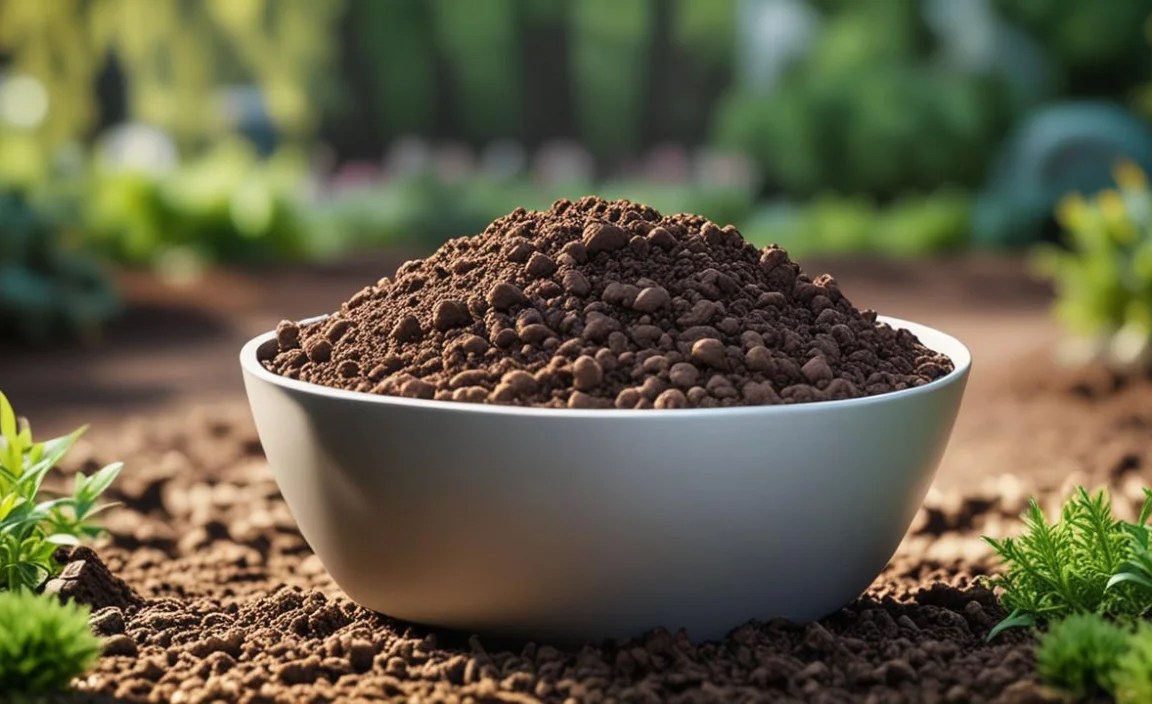
Garden care is more than just planting seeds. It’s about giving your plants what they need to grow. This includes watering, weeding, and fertilizing. Watering is important, but don’t overdo it. Too much water can be just as bad as not enough. Weeding is also key. Weeds steal water and nutrients from your plants. Fertilizing helps to give your plants extra nutrients. You can use organic fertilizers like compost tea. Or you can use synthetic fertilizers. It is important to care about your plants. Regular garden care helps your plants thrive. This leads to a better harvest. It also makes your garden more enjoyable. You get to see the fruits (and vegetables!) of your labor. So, make garden care a regular part of your routine. You will be happy you did.
- Water plants regularly, especially during dry spells.
- Remove weeds to prevent them from stealing resources.
- Fertilize plants to provide extra nutrients.
- Mulch around plants to retain moisture and suppress weeds.
- Prune plants to encourage growth and remove dead parts.
- Protect plants from pests and diseases.
Imagine your garden as a team. Each plant is a player. You are the coach. You need to make sure everyone has what they need to succeed. Watering is like giving them drinks. Weeding is like removing obstacles. Fertilizing is like giving them a boost of energy. Mulching is like protecting them from the sun. Pruning is like helping them stay in shape. And protecting them from pests is like keeping them safe from the other team. As a garden care coach, you have a lot of responsibility. But it’s also a lot of fun. You get to watch your team grow and thrive. And at the end of the season, you get to enjoy the harvest. So, put on your coaching hat and get to work!
How Often Should You Water?
Watering is a key part of garden care. But how often should you water? It depends on a few things. These include the type of plant, the weather, and the soil. Some plants need more water than others. For example, tomatoes need a lot of water. Succulents, like cacti, need very little. Hot, dry weather means you’ll need to water more often. Well-draining soil needs more frequent watering. Soil that holds water needs less. A good rule of thumb is to water when the top inch of soil is dry. You can check this by sticking your finger in the soil. Water deeply, so the water reaches the roots. Water in the morning, so the plants have time to dry before night. This helps to prevent diseases.
What are Common Garden Pests?
Pests can be a problem in any garden. They can eat your plants, spread diseases, and ruin your harvest. Common garden pests include aphids, slugs, and caterpillars. Aphids are tiny bugs that suck the sap from plants. Slugs are slimy creatures that eat holes in leaves. Caterpillars are the larvae of butterflies and moths. They can eat entire plants in a short time. There are many ways to control pests. You can pick them off by hand. You can use insecticidal soap or neem oil. You can also attract beneficial insects to your garden. Beneficial insects eat pests. These include ladybugs, lacewings, and praying mantises. Keeping your garden clean and healthy can also help to prevent pests. Regular garden care is very important.
Why is Mulching Important?
Mulching is a simple but effective garden care technique. Mulch is a layer of material that you spread on the soil around your plants. It can be made of many things. These include wood chips, straw, and shredded leaves. Mulch has many benefits. It helps to retain moisture in the soil. This means you don’t have to water as often. It also suppresses weeds. Weeds can’t grow through a thick layer of mulch. Mulch helps to regulate soil temperature. It keeps the soil cooler in the summer and warmer in the winter. As mulch breaks down, it adds nutrients to the soil. This improves soil health. Mulching is an easy way to improve your garden. It saves you time and effort in the long run.
Fun Fact or Stat: Mulching can reduce water evaporation from the soil by up to 50%!
How to Select the Right Garden Soil

Choosing the right garden soil is very important. Different plants need different types of soil. Some plants like sandy soil. Others like clay soil. Most plants like a mix of both. You can buy garden soil at a garden store. Or you can make your own. When buying soil, look for a mix that is well-draining. It should also be rich in organic matter. If you’re making your own soil, start with a good base. You can use topsoil or compost. Then add other ingredients to improve the soil. These might include sand, peat moss, or perlite. Testing your soil can help you choose the right plants. It can also help you improve your soil over time. Remember, healthy soil is the key to a successful harvest. Care about your soil.
- Consider the needs of the plants you want to grow.
- Choose a soil mix that is well-draining.
- Look for soil that is rich in organic matter.
- Test your soil to determine its pH and nutrient levels.
- Amend your soil as needed to improve its quality.
Imagine you’re baking a cake. You wouldn’t use the same recipe for every cake, would you? Some cakes need more flour. Others need more sugar. The same is true for plants. Different plants need different types of soil. For example, succulents need soil that drains quickly. This prevents their roots from rotting. Vegetables need soil that is rich in nutrients. This helps them grow big and strong. You can find soil mixes specifically designed for different types of plants. Or you can mix your own soil to meet the needs of your plants. The most important thing is to choose a soil that is healthy and well-draining. This will give your plants the best chance to thrive. And that will lead to a bountiful harvest.
What is Potting Soil?
Potting soil is a special type of soil that is designed for growing plants in pots. It’s different from regular garden soil. Garden soil can be too heavy and dense for pots. Potting soil is lighter and airier. This allows for better drainage and aeration. Potting soil is usually made from a mix of ingredients. These include peat moss, perlite, and vermiculite. Peat moss helps to retain moisture. Perlite and vermiculite help to improve drainage. Some potting soil mixes also contain fertilizer. This provides plants with extra nutrients. When choosing potting soil, look for a mix that is specifically designed for the type of plant you’re growing. You can also add your own amendments to potting soil. This will improve its quality.
How to Test Your Soil?
Testing your soil is a good way to learn more about it. It can help you identify problems and improve your soil over time. You can test your soil with a kit from a garden store. Or you can send a sample to a lab. A soil test can tell you many things. These include the pH of your soil. It can also tell you the levels of nutrients in your soil. These nutrients include nitrogen, phosphorus, and potassium. A soil test can also tell you if your soil contains any harmful contaminants. These include lead and arsenic. Once you have your soil test results, you can use them to improve your soil. You might need to add lime to raise the pH. Or you might need to add fertilizer to increase nutrient levels.
How to Amend Your Soil?
Amending your soil means adding things to it to improve its quality. There are many different ways to amend soil. One of the most common ways is to add compost. Compost is decomposed organic matter. It adds nutrients to the soil and helps it hold water. You can also add aged manure. Manure is animal poop that has been composted. It’s full of nutrients that plants love. Other common soil amendments include peat moss, perlite, and vermiculite. Peat moss helps to retain moisture. Perlite and vermiculite help to improve drainage. When amending your soil, it’s important to consider the needs of your plants. Some plants like acidic soil. Others like alkaline soil. You can use soil amendments to adjust the pH of your soil.
Fun Fact or Stat: The best time to amend your soil is in the fall, so the amendments have time to break down over the winter!
Understanding the Garden Harvest Season

The garden harvest season is a time of joy and celebration. It’s when you get to enjoy the fruits (and vegetables!) of your labor. Knowing when to harvest is important. If you harvest too early, the produce might not be ripe. If you harvest too late, it might be overripe. Different plants have different harvest times. Some vegetables, like lettuce, can be harvested multiple times. Others, like carrots, are harvested all at once. Pay attention to your plants. Look for signs that they are ready to be harvested. These might include a change in color, size, or texture. When you harvest, handle the produce carefully. This will help to prevent bruising and damage. Store your harvest properly to keep it fresh.
- Learn the specific harvest times for your plants.
- Look for signs of ripeness, such as color and size.
- Handle produce carefully to avoid bruising.
- Store your harvest properly to keep it fresh.
- Harvest regularly to encourage continued production.
Imagine you’re waiting for a birthday present. You know it’s coming, but you don’t know exactly when. The same is true for the harvest season. You’ve planted your seeds, taken care of your plants, and watched them grow. Now, you’re waiting for them to be ready to harvest. The anticipation can be exciting. But it’s important to be patient. Harvesting too early can be disappointing. The produce might not be as flavorful or nutritious as it could be. Harvesting too late can also be a problem. The produce might become overripe and spoil quickly. So, take your time. Observe your plants carefully. And wait for the perfect moment to harvest. The reward will be well worth the wait.
How to Tell When Vegetables Are Ripe?
Knowing when vegetables are ripe can be tricky. Different vegetables have different signs of ripeness. For tomatoes, look for a deep red color and a slightly soft texture. For cucumbers, look for a dark green color and a firm texture. For peppers, look for a bright color and a smooth skin. For lettuce, look for leaves that are crisp and not wilted. For carrots, look for a deep orange color and a size that is appropriate for the variety. It’s also important to consider the time of year. Some vegetables ripen faster in warm weather. Others ripen slower in cool weather. Pay attention to your plants. Learn their specific signs of ripeness. This will help you harvest them at the perfect time.
What Tools Do You Need for Harvesting?
Having the right tools can make harvesting easier and more efficient. Some common harvesting tools include pruning shears, knives, and baskets. Pruning shears are used to cut stems and branches. Knives are used to cut vegetables from the plant. Baskets are used to collect and carry your harvest. You might also need gloves to protect your hands. And you might need a ladder to reach high-hanging fruit. When choosing harvesting tools, look for ones that are comfortable to use. They should also be durable and easy to clean. Taking care of your harvesting tools will help them last longer. And it will make harvesting more enjoyable.
How to Store Your Harvest?
Storing your harvest properly is important. This will help to keep it fresh and prevent it from spoiling. Different vegetables need to be stored in different ways. Some vegetables, like potatoes and onions, should be stored in a cool, dark, and dry place. Other vegetables, like lettuce and spinach, should be stored in the refrigerator. Fruits should be stored in the refrigerator or at room temperature, depending on the type of fruit. It’s important to wash your produce before storing it. This will help to remove any dirt or bacteria. You can also use storage containers to keep your produce fresh. These containers help to control humidity and prevent wilting. With proper storage, you can enjoy your harvest for weeks or even months.
Fun Fact or Stat: Storing apples with other fruits and vegetables can cause them to ripen faster, due to the ethylene gas they release!
How to Choose Plants for Your Garden

Choosing the right plants for your garden is essential. Some plants grow well in certain climates. Others don’t. Some plants need a lot of sunlight. Others prefer shade. Think about your local climate. Consider the amount of sunlight your garden gets. Choose plants that are well-suited to these conditions. You should also think about your own preferences. What kinds of vegetables do you like to eat? What kinds of flowers do you find beautiful? Choose plants that you will enjoy growing and harvesting. You can start with seeds or seedlings. Seedlings are young plants that have already been started. They are easier to grow than seeds. But seeds are less expensive. With careful planning, you can create a garden that is both beautiful and productive.
- Consider your local climate and growing season.
- Choose plants that are well-suited to your soil type.
- Think about the amount of sunlight your garden receives.
- Select plants that you enjoy eating or looking at.
- Start with seeds or seedlings, depending on your experience.
- Plan your garden layout to maximize space and sunlight.
Imagine you’re planning a party. You wouldn’t invite people who don’t get along, would you? The same is true for plants. Some plants grow well together. Others compete for resources. For example, tomatoes and basil are good companions. Basil helps to repel pests that attack tomatoes. Carrots and onions are also good companions. Onions help to repel carrot flies. It’s important to research companion planting. This will help you choose plants that will thrive together. You should also think about the size of your garden. Some plants need a lot of space to grow. Others can be grown in small containers. Choose plants that are appropriate for the size of your garden. With careful planning, you can create a garden that is both beautiful and productive.
What are Heirloom Varieties?
Heirloom varieties are plants that have been passed down from generation to generation. They are not hybrids. Hybrids are created by crossing two different varieties of plants. Heirloom varieties are open-pollinated. This means that their seeds will produce plants that are similar to the parent plant. Heirloom varieties often have unique flavors and colors. They are also often more resistant to pests and diseases. Some popular heirloom varieties include Brandywine tomatoes, Moon and Stars watermelons, and Kentucky Wonder green beans. Growing heirloom varieties is a way to preserve biodiversity. It’s also a way to connect with the past. Many heirloom varieties have been grown for hundreds of years.
How to Start a Seed Indoors?
Starting seeds indoors is a great way to get a head start on the growing season. It allows you to grow plants that might not have enough time to mature outdoors. To start seeds indoors, you will need a few supplies. These include seed-starting trays, potting mix, and a grow light. Fill the seed-starting trays with potting mix. Then, plant the seeds according to the instructions on the seed packet. Water the seeds gently. Place the trays under a grow light. Keep the soil moist but not soggy. Once the seedlings have developed a few true leaves, you can transplant them into larger pots. After the last frost, you can transplant them into your garden.
How to Harden Off Seedlings?
Hardening off seedlings is the process of gradually acclimating them to outdoor conditions. This is important because seedlings that have been grown indoors are not used to the sun, wind, and temperature fluctuations of the outdoors. To harden off seedlings, start by placing them outdoors in a sheltered location for a few hours each day. Gradually increase the amount of time they spend outdoors each day. After a week or two, they should be ready to be transplanted into your garden. Hardening off seedlings helps them to survive the transplant process. It also helps them to grow stronger and healthier.
Fun Fact or Stat: Some heirloom seed varieties are over 100 years old!
Maintaining Your Garden Throughout the Year
Maintaining your garden is a year-round job. In the spring, you’ll need to prepare the soil. You also need to plant seeds or seedlings. In the summer, you’ll need to water, weed, and fertilize your plants. You also need to protect them from pests and diseases. In the fall, you’ll need to harvest your crops. You also need to clean up the garden. In the winter, you can plan for the next growing season. You can also improve your soil. This includes adding compost or manure. You can also start seeds indoors. By following a year-round garden maintenance schedule, you can ensure that your garden is healthy and productive. You can maximize your harvest.
- Prepare the soil in the spring.
- Water, weed, and fertilize plants in the summer.
- Harvest crops in the fall.
- Clean up the garden in the fall.
- Plan for the next growing season in the winter.
- Improve the soil in the winter.
Imagine your garden as a living thing. It needs constant care and attention. Just like a pet or a child. In the spring, you’re helping it wake up from its winter sleep. You’re giving it the nutrients it needs to grow. In the summer, you’re protecting it from the heat and pests. You’re making sure it has enough water. In the fall, you’re celebrating the harvest. You’re preparing it for the winter. In the winter, you’re giving it a chance to rest and recharge. You’re planning for the next growing season. By taking care of your garden year-round, you’re creating a healthy and thriving ecosystem. You’re also creating a source of fresh, nutritious food for yourself and your family.
What to Do in the Spring?
Spring is a busy time in the garden. It’s when you need to prepare the soil and plant seeds or seedlings. Start by cleaning up the garden. Remove any debris or dead plants. Then, test the soil. This will help you determine if it needs any amendments. Add compost or manure to improve the soil. Then, till the soil to loosen it up. This will make it easier for plants to grow. Next, plant your seeds or seedlings. Be sure to follow the instructions on the seed packet or plant label. Water the plants gently. Protect them from frost. You can use row covers or cloches. Spring is a time of renewal and growth. By taking care of your garden in the spring, you can set the stage for a successful growing season.
What to Do in the Summer?
Summer is a time for growth and abundance in the garden. It’s when you need to water, weed, and fertilize your plants. Water your plants regularly. Especially during hot, dry weather. Weed the garden to prevent weeds from stealing water and nutrients from your plants. Fertilize your plants to provide them with the nutrients they need to grow. You can use organic or synthetic fertilizers. Protect your plants from pests and diseases. You can use insecticidal soap or neem oil. You can also attract beneficial insects to your garden. These insects will help to control pests. Summer is a time to enjoy the beauty and bounty of your garden.
What to Do in the Fall and Winter?
Fall is the time to harvest your crops and clean up the garden. Harvest your vegetables and fruits as they ripen. Store them properly to keep them fresh. Clean up the garden by removing any dead plants or debris. Compost any plant material that is not diseased. Cover the soil with a layer of mulch to protect it from erosion. Winter is a time to plan for the next growing season. Order seeds or seedlings. Research new varieties of plants. Improve your soil by adding compost or manure. You can also start seeds indoors. This will give you a head start on the growing season. Fall and winter are times to rest and prepare for the next growing season.
Fun Fact or Stat: Adding a thick layer of mulch in the fall can help protect your plants’ roots from freezing temperatures over the winter!
Tips for a Successful Garden Harvest
A successful garden harvest requires planning and care. Start by choosing the right plants for your climate and soil. Prepare the soil properly by adding compost or manure. Water your plants regularly. Weed the garden to prevent weeds from stealing water and nutrients. Fertilize your plants to provide them with the nutrients they need. Protect your plants from pests and diseases. Harvest your crops at the right time. Store them properly to keep them fresh. By following these tips, you can ensure a bountiful harvest. You can enjoy the fruits (and vegetables!) of your labor. You will get a lot of food from your garden.
| Tip | Description |
|---|---|
| Choose the right plants | Select plants that are well-suited to your climate and soil. |
| Prepare the soil | Add compost or manure to improve soil quality. |
| Water regularly | Water plants deeply, especially during dry weather. |
| Weed the garden | Remove weeds to prevent them from competing with your plants. |
| Fertilize plants | Provide plants with the nutrients they need to grow. |
Imagine you’re training for a race. You wouldn’t just show up on race day without any preparation, would you? You would train hard, eat healthy, and get plenty of rest. The same is true for gardening. You need to prepare your soil, water your plants, and protect them from pests and diseases. You also need to harvest your crops at the right time. This is important for a good harvest. Harvesting too early can result in smaller, less flavorful crops. Harvesting too late can result in overripe, spoiled crops. So, pay attention to your plants. Learn their signs of ripeness. And harvest them at the peak of their flavor. This will make your garden a success.
How to Extend Your Growing Season?
Extending your growing season can allow you to harvest crops for a longer period of time. There are several ways to extend your growing season. You can start seeds indoors. This will give you a head start on the growing season. You can use row covers or cloches to protect plants from frost. You can choose plants that are cold-hardy. Cold-hardy plants can tolerate frost and freezing temperatures. You can use a greenhouse or cold frame to provide a protected growing environment. By extending your growing season, you can enjoy fresh vegetables and fruits for more of the year.
How to Save Seeds from Your Garden?
Saving seeds from your garden is a great way to preserve heirloom varieties. It also helps you to save money on seeds. To save seeds, choose healthy, disease-free plants. Allow the fruits or vegetables to ripen fully on the plant. Then, collect the seeds. Clean the seeds by removing any pulp or debris. Dry the seeds thoroughly. Store the seeds in a cool, dry place. Label the seeds with the name of the plant and the date they were collected. By saving seeds from your garden, you can ensure that you will have a supply of seeds for the next growing season. You can also share your seeds with other gardeners.
How to Compost Garden Waste?
Composting garden waste is a great way to recycle organic material. It also improves the soil. To compost garden waste, create a compost pile. Add layers of green materials, such as grass clippings and vegetable scraps. Add layers of brown materials, such as leaves and straw. Keep the compost pile moist but not soggy. Turn the compost pile regularly to aerate it. After several months, the compost will be ready to use. You can use it to amend your soil. You can also use it as a mulch. Composting garden waste is a simple and effective way to reduce waste. It also creates a valuable resource for your garden.
Fun Fact or Stat: Compost can improve soil structure, drainage, and nutrient content!
Summary
Taking care of a garden involves several key steps. First, you must focus on garden soil. Healthy soil is the foundation for strong plants. Next, you need to water, weed, and fertilize regularly. This ensures your plants get the nutrients they need. Knowing when to harvest is also important. Harvest at the right time to enjoy the best flavor and quality. Choosing the right plants for your climate is also important. This will help your plants thrive. By following these steps, you can enjoy a bountiful harvest. You will also have a beautiful and productive garden.
Remember that garden care is a continuous process. It requires attention throughout the year. From preparing the soil in the spring to cleaning up in the fall, each season brings its own tasks. By staying on top of these tasks, you can create a thriving garden. You will also enjoy fresh, healthy produce. Most importantly, you will be able to take pride in your work.
Conclusion
Gardening is a rewarding hobby. It teaches you about nature. It also gives you fresh food. Remember to care for your garden. Choose the right soil. Harvest at the right time. You will enjoy a bountiful harvest. You will also have a beautiful outdoor space.
Frequently Asked Questions
Question No 1: Why is soil important for gardening?
Answer: Soil is very important because it gives plants what they need to grow. It provides water, air, and nutrients. These nutrients are like food for plants. Good soil helps plants grow strong roots. The roots help them stand up straight. Healthy soil also drains well. This means water doesn’t sit around the roots and cause them to rot. If you want a good garden, you need to start with good soil. Without good soil, your plants will not grow well. They may even die! So, take care of your soil, and it will take care of your plants.
