Do you love bright, colorful flowers? Have you ever seen a hibiscus? These tropical beauties can also live inside your home. Taking care hibiscus indoors can be easy and fun. You just need to know a few simple tricks.
Imagine having a little bit of the tropics right in your living room. Hibiscus plants can bring joy all year round. Let’s learn how to keep them happy and healthy. We will explore what they need to thrive inside.
With the right care hibiscus indoors, you can enjoy these flowers. They will bloom and brighten your home. Get ready to become a hibiscus expert! Soon, you will have a thriving indoor garden.
Key Takeaways
- Proper watering is key when you care hibiscus indoors.
- Hibiscus plants need lots of bright, but indirect, sunlight.
- Use a well-draining potting mix to keep roots healthy.
- Regularly fertilize your hibiscus to encourage blooming.
- Pruning helps your hibiscus stay bushy and produce more flowers.
Understanding Hibiscus Indoor Care

Taking care hibiscus indoors starts with understanding what these plants need. Hibiscus plants are native to warm, tropical places. Indoors, we need to recreate those conditions. This means giving them enough light, the right amount of water, and the right temperature. It is also important to protect them from pests and diseases. When you first bring your hibiscus home, give it time to adjust. Place it in a spot with bright, indirect light. Avoid sudden changes in temperature. Check the soil moisture regularly. Only water when the top inch feels dry. With the right care, your hibiscus will thrive indoors and reward you with beautiful blooms. Remember, patience and consistency are key to successful hibiscus care.
- Provide bright, indirect sunlight.
- Water when the top inch of soil is dry.
- Keep the temperature between 65-75°F.
- Fertilize regularly during the growing season.
- Protect from drafts and sudden temperature changes.
When you start to care hibiscus indoors, you’ll quickly learn about their specific needs. They love sunlight, but too much direct sun can burn their leaves. A spot near an east-facing window is often perfect. Make sure the pot has good drainage. Hibiscus don’t like sitting in soggy soil. Use a well-draining potting mix. You can even add some perlite to help with drainage. These plants also need regular feeding. Use a fertilizer that is high in potassium. This will help them produce lots of beautiful flowers. Keep an eye out for pests like aphids and spider mites. Treat them quickly to prevent them from spreading. With a little attention, your indoor hibiscus will flourish.
Fun Fact or Stat: The hibiscus flower is the state flower of Hawaii!
What Type of Potting Mix to Use?
Choosing the right potting mix is very important. Hibiscus plants need a mix that drains well. This prevents their roots from rotting. A good mix will hold enough moisture. It will also allow extra water to escape. You can buy a special potting mix for hibiscus. Or, you can make your own. Mix together potting soil, peat moss, and perlite. The perlite helps with drainage. Peat moss helps hold moisture. Avoid using garden soil. It can be too heavy and not drain well. A good potting mix will help your hibiscus thrive indoors. It will also make care hibiscus indoors easier.
How Often Should You Repot Hibiscus?
Repotting your hibiscus is part of good care hibiscus indoors. You should repot your hibiscus every one to two years. Choose a pot that is slightly larger than the old one. This gives the roots room to grow. Repot in the spring or early summer. This is when the plant is actively growing. Gently remove the plant from its old pot. Loosen the roots and remove any dead or dying roots. Place the plant in the new pot. Fill it with fresh potting mix. Water well after repotting. Repotting helps refresh the soil and provides nutrients.
Best Pot Size for Indoor Hibiscus
The best pot size for your indoor hibiscus depends on the plant’s size. A young hibiscus might start in a 6-inch pot. As it grows, you will need to upgrade to a larger pot. A mature hibiscus may need a 12-inch or larger pot. Make sure the pot has drainage holes. This is very important for preventing root rot. Choose a pot made of terracotta or plastic. Terracotta pots allow the soil to dry out faster. Plastic pots retain moisture longer. Pick the right pot size to help your hibiscus thrive. This is an important part of care hibiscus indoors.
Light Requirements for Indoor Hibiscus Care

Light is very important when you care hibiscus indoors. Hibiscus plants need lots of sunlight to bloom. Indoors, they need at least six hours of bright, indirect light each day. A south-facing window is often the best spot. If you don’t have enough natural light, use grow lights. Place the lights a few inches above the plant. Rotate the plant regularly. This ensures all sides get enough light. Without enough light, your hibiscus won’t bloom. The leaves may also turn yellow. So, make sure your hibiscus gets plenty of light. This is key to keeping it healthy and happy indoors.
- Place near a south-facing window.
- Use grow lights if natural light is limited.
- Rotate the plant regularly for even light exposure.
- Watch for signs of insufficient light, like yellowing leaves.
- Provide at least six hours of bright, indirect light daily.
Have you ever noticed your hibiscus stretching towards the light? That’s because it needs sunlight to make food. This process is called photosynthesis. When you care hibiscus indoors, think about how light changes during the day. The sun is strongest in the middle of the day. This can be too harsh for hibiscus leaves. That’s why indirect light is best. Sheer curtains can help filter the light. If you live in a place with very little sunlight, grow lights are your friend. They can provide the light your hibiscus needs to thrive. A happy hibiscus is a blooming hibiscus!
Fun Fact or Stat: Some hibiscus flowers can grow up to 10 inches in diameter!
Signs of Too Much Light Exposure
Too much direct sunlight can harm your hibiscus. The leaves may get sunburned. This shows up as brown or white patches on the leaves. The leaves might also turn yellow and drop off. If you see these signs, move your hibiscus. Place it in a spot with less direct light. You can also use sheer curtains to filter the light. Remember, care hibiscus indoors means finding the right balance. Hibiscus need light, but not too much. Watch your plant closely and adjust as needed.
Signs of Not Enough Light Exposure
Not enough light can also cause problems. If your hibiscus isn’t getting enough light, it may not bloom. The leaves may turn a pale green or yellow. The plant may also become leggy. This means it will have long, thin stems with few leaves. If you see these signs, move your hibiscus to a brighter spot. You can also use grow lights to supplement the natural light. Remember, hibiscus needs at least six hours of bright, indirect light each day. Proper care hibiscus indoors includes providing enough light.
Best Type of Grow Light for Hibiscus
If you need to use grow lights, choose the right type. LED grow lights are a good choice. They are energy-efficient and don’t produce too much heat. Fluorescent grow lights are another option. They are less expensive than LED lights, but they use more energy. Make sure the grow light provides a full spectrum of light. This means it provides all the colors of light that plants need. Place the grow light a few inches above the plant. Adjust the height as the plant grows. Using the right grow light is important for care hibiscus indoors.
Watering Techniques for Indoor Hibiscus

Proper watering is key when you care hibiscus indoors. Hibiscus plants like moist soil. But they don’t like sitting in water. Overwatering can lead to root rot. Root rot is a serious problem that can kill your plant. Water your hibiscus when the top inch of soil feels dry. Use your finger to check the soil moisture. When you water, water deeply. Make sure the water drains out of the bottom of the pot. Empty the saucer under the pot. This prevents the plant from sitting in water. Adjust your watering schedule depending on the season. Hibiscus need more water in the summer than in the winter.
- Water when the top inch of soil is dry.
- Water deeply until water drains from the bottom.
- Empty the saucer under the pot.
- Reduce watering in the winter.
- Use room temperature water.
Imagine you are giving your hibiscus a refreshing drink. But you don’t want to drown it! That’s why knowing how to water properly is so important. When you care hibiscus indoors, pay attention to the leaves. If they start to droop, it could mean the plant is thirsty. But it could also mean you are overwatering. Check the soil before you water. If it’s dry, go ahead and water. If it’s still moist, wait a day or two. Using room temperature water is also a good idea. Cold water can shock the roots.
Fun Fact or Stat: Hibiscus plants can be sensitive to the minerals in tap water, so using filtered water can sometimes help!
Signs of Overwatering Hibiscus
Overwatering is a common mistake when you care hibiscus indoors. The leaves may turn yellow and drop off. The stems may become soft and mushy. The soil may stay wet for a long time. You might even see mold growing on the soil surface. If you see these signs, stop watering. Let the soil dry out completely. You may need to repot the plant with fresh soil. Make sure the pot has good drainage. Avoid watering too often in the future.
Signs of Underwatering Hibiscus
Underwatering can also cause problems. The leaves may turn brown and crispy. They may also droop or curl. The soil will feel very dry to the touch. If you see these signs, water your hibiscus right away. Water deeply until the water drains out of the bottom of the pot. Check the soil moisture more often in the future. You may need to water more frequently, especially during hot weather. Proper care hibiscus indoors includes finding the right balance of watering.
Best Time of Day to Water Hibiscus
The best time of day to water your hibiscus is in the morning. This gives the plant time to absorb the water before the sun gets too strong. It also allows the leaves to dry out before nightfall. This can help prevent fungal diseases. Avoid watering in the evening. The leaves may stay wet overnight, which can encourage fungal growth. Watering in the morning is a simple way to improve your care hibiscus indoors routine.
Fertilizing Indoor Hibiscus Plants

Fertilizing is important when you care hibiscus indoors. Hibiscus plants need nutrients to grow and bloom. Use a fertilizer that is high in potassium. Potassium helps promote flowering. Fertilize your hibiscus regularly during the growing season. This is usually from spring to fall. Follow the instructions on the fertilizer label. Avoid over-fertilizing. Too much fertilizer can burn the roots. Reduce fertilizing in the winter. The plant is not actively growing during this time. A well-fed hibiscus will produce lots of beautiful flowers.
- Use a fertilizer high in potassium.
- Fertilize regularly during the growing season.
- Follow the instructions on the fertilizer label.
- Reduce fertilizing in the winter.
- Flush the soil occasionally to remove excess salts.
Imagine you are giving your hibiscus a vitamin boost. Fertilizer provides the nutrients it needs to thrive. When you care hibiscus indoors, think about what your hibiscus is doing. Is it growing new leaves? Is it blooming? These activities require energy. Fertilizer helps provide that energy. There are different types of fertilizer. Some are liquid, and some are granular. Choose a fertilizer that is designed for hibiscus. Always dilute the fertilizer according to the instructions. It’s better to under-fertilize than to over-fertilize. Over-fertilizing can damage the plant.
Fun Fact or Stat: Hibiscus plants are heavy feeders, meaning they need more nutrients than many other flowering plants!
Best Type of Fertilizer for Hibiscus
The best type of fertilizer for hibiscus is one that is high in potassium. Look for a fertilizer with an N-P-K ratio of 10-4-12 or similar. The N-P-K ratio tells you the percentage of nitrogen (N), phosphorus (P), and potassium (K) in the fertilizer. Potassium is the most important nutrient for flowering. You can use a liquid fertilizer or a granular fertilizer. Liquid fertilizers are easier to apply. Granular fertilizers release nutrients slowly over time. Choose the type of fertilizer that works best for you. Remember, proper care hibiscus indoors includes using the right fertilizer.
How Often to Fertilize Hibiscus
You should fertilize your hibiscus every two to four weeks during the growing season. This is usually from spring to fall. Reduce fertilizing in the winter. The plant is not actively growing during this time. Follow the instructions on the fertilizer label. Avoid over-fertilizing. Over-fertilizing can damage the roots. It can also lead to a build-up of salts in the soil. If you notice a white crust on the soil surface, flush the soil with water. This will help remove the excess salts. Regular fertilizing is important for care hibiscus indoors.
Signs of Fertilizer Deficiency
If your hibiscus is not getting enough fertilizer, it may show some signs. The leaves may turn yellow or pale green. The plant may not bloom as much. The growth may be slow or stunted. If you see these signs, start fertilizing your hibiscus regularly. Use a fertilizer that is high in potassium. Follow the instructions on the fertilizer label. With proper fertilizing, your hibiscus will thrive. Remember, care hibiscus indoors includes providing the right nutrients.
Pruning Techniques for Indoor Hibiscus
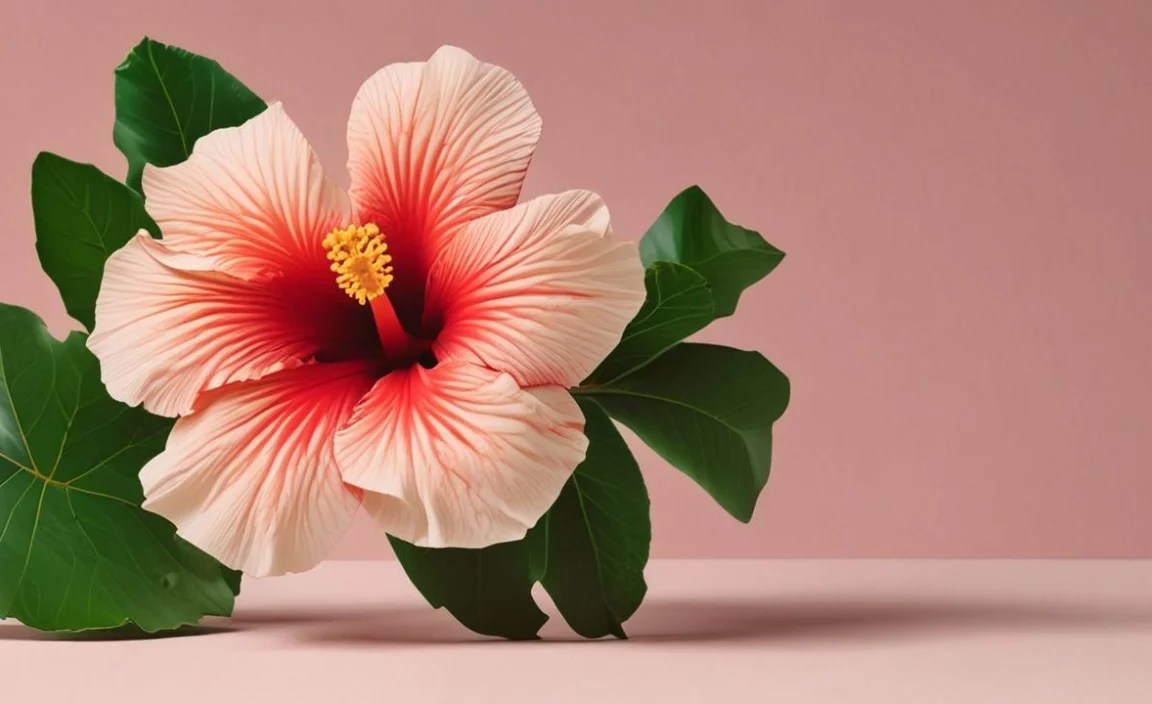
Pruning is an important part of care hibiscus indoors. Pruning helps keep your hibiscus healthy and encourages it to bloom. You should prune your hibiscus in the late winter or early spring. This is before the growing season starts. Remove any dead, damaged, or crossing branches. Cut back the remaining branches to encourage bushier growth. Pruning also helps improve air circulation around the plant. This can help prevent diseases. Use clean, sharp pruning shears. This will help prevent the spread of diseases. A well-pruned hibiscus will produce more flowers.
- Prune in late winter or early spring.
- Remove dead, damaged, or crossing branches.
- Cut back branches to encourage bushier growth.
- Use clean, sharp pruning shears.
- Shape the plant to improve its appearance.
Imagine you are giving your hibiscus a haircut. You want to shape it and remove any unwanted growth. Pruning is like that. When you care hibiscus indoors, think about the shape of your plant. Do you want it to be tall and narrow? Or short and bushy? Pruning can help you achieve the desired shape. It can also help remove any weak or spindly growth. This will encourage the plant to put its energy into producing strong, healthy branches and flowers. Always use clean pruning shears to prevent the spread of diseases.
Fun Fact or Stat: Pruning can increase the number of blooms on your hibiscus by up to 50%!
When to Prune Indoor Hibiscus
The best time to prune your indoor hibiscus is in the late winter or early spring. This is before the growing season starts. The plant is dormant during this time. This means it is not actively growing. Pruning during dormancy allows the plant to recover quickly. It also encourages new growth in the spring. Avoid pruning your hibiscus in the fall or winter. This can weaken the plant and make it more susceptible to diseases. Proper care hibiscus indoors includes pruning at the right time.
How to Prune Indoor Hibiscus
To prune your indoor hibiscus, start by removing any dead, damaged, or crossing branches. Cut these branches back to the main stem. Then, cut back the remaining branches to encourage bushier growth. Cut just above a leaf node. A leaf node is where a leaf or branch grows out of the stem. Use clean, sharp pruning shears. This will help prevent the spread of diseases. After pruning, water the plant well. This will help it recover. Pruning is an important part of care hibiscus indoors.
Benefits of Pruning Hibiscus
Pruning your hibiscus has many benefits. It helps keep the plant healthy by removing dead or damaged branches. It encourages bushier growth and more flowers. It improves air circulation around the plant. This can help prevent diseases. It also allows you to shape the plant to your liking. Pruning is a simple way to improve the health and appearance of your hibiscus. Remember, care hibiscus indoors includes regular pruning.
Pest and Disease Management for Indoor Hibiscus
Pests and diseases can be a problem when you care hibiscus indoors. Common pests include aphids, spider mites, and mealybugs. These pests can suck the sap from the leaves, causing them to turn yellow and drop off. Common diseases include root rot and fungal leaf spots. Root rot is caused by overwatering. Fungal leaf spots are caused by too much moisture on the leaves. Inspect your hibiscus regularly for pests and diseases. Treat any problems promptly to prevent them from spreading. A healthy hibiscus is less susceptible to pests and diseases.
| Pest/Disease | Symptoms | Treatment |
|---|---|---|
| Aphids | Small green or black insects on leaves and stems | Spray with insecticidal soap or neem oil |
| Spider Mites | Fine webs on leaves, yellowing leaves | Increase humidity, spray with miticide |
| Mealybugs | Cottony white masses on leaves and stems | Wipe off with alcohol, spray with insecticidal soap |
| Root Rot | Yellowing leaves, mushy stems, foul odor | Repot with fresh soil, improve drainage |
- Inspect plants regularly for pests and diseases.
- Treat problems promptly to prevent spreading.
- Use insecticidal soap or neem oil for pests.
- Improve air circulation to prevent diseases.
- Avoid overwatering to prevent root rot.
Imagine you are a doctor checking your hibiscus for any signs of illness. You want to catch any problems early before they become serious. When you care hibiscus indoors, pay attention to the leaves, stems, and soil. Are there any unusual spots or discolorations? Are there any insects crawling around? Is the soil too wet or too dry? By being observant, you can identify problems early and take action. Remember, prevention is the best medicine. A healthy hibiscus is less likely to get sick.
Fun Fact or Stat: Some insects are attracted to stressed plants, so keeping your hibiscus healthy can help prevent infestations!
Common Pests Affecting Hibiscus
Aphids are small, soft-bodied insects that suck the sap from plants. They can cause the leaves to turn yellow and drop off. Spider mites are tiny spider-like creatures that also suck the sap from plants. They create fine webs on the leaves. Mealybugs are white, cottony insects that attach themselves to the stems and leaves. They also suck the sap from plants. These pests can weaken your hibiscus and make it more susceptible to diseases. Proper care hibiscus indoors includes controlling these pests.
Common Diseases Affecting Hibiscus
Root rot is a common disease that affects hibiscus. It is caused by overwatering and poor drainage. The roots rot and the plant can’t absorb water or nutrients. Fungal leaf spots are another common disease. They are caused by too much moisture on the leaves. The leaves develop brown or black spots. These diseases can weaken your hibiscus and even kill it. Proper care hibiscus indoors includes preventing these diseases.
How to Prevent Pests and Diseases
To prevent pests and diseases, start by keeping your hibiscus healthy. Provide it with the right amount of light, water, and fertilizer. Improve air circulation around the plant. This will help prevent fungal diseases. Inspect your hibiscus regularly for pests and diseases. Treat any problems promptly to prevent them from spreading. Use insecticidal soap or neem oil to control pests. Avoid overwatering to prevent root rot. Proper care hibiscus indoors includes taking these preventive measures.
Creating the Ideal Environment for Indoor Hibiscus
Creating the ideal environment is key when you care hibiscus indoors. Hibiscus plants need warm temperatures, high humidity, and good air circulation. Keep the temperature between 65-75°F. Avoid placing your hibiscus near drafts or cold windows. Increase the humidity by using a humidifier or placing the pot on a tray of pebbles filled with water. Make sure the air is circulating around the plant. This will help prevent fungal diseases. A happy hibiscus will thrive in the right environment.
- Maintain a temperature between 65-75°F.
- Increase humidity with a humidifier or pebble tray.
- Ensure good air circulation around the plant.
- Protect from drafts and cold temperatures.
- Provide consistent conditions for optimal growth.
Imagine you are creating a cozy paradise for your hibiscus. You want it to feel like it’s back in the tropics. When you care hibiscus indoors, think about the conditions it needs to thrive. Hibiscus plants love warmth and humidity. They also need fresh air to prevent diseases. You can create these conditions by choosing the right location for your plant. A sunny room with a humidifier is a great start. You can also open a window occasionally to let in fresh air. Just make sure to protect the plant from drafts.
Fun Fact or Stat: Humidity levels around 50-60% are ideal for indoor hibiscus plants!
Maintaining Proper Temperature
Hibiscus plants need warm temperatures to thrive. Keep the temperature between 65-75°F during the day. At night, the temperature can drop a few degrees. Avoid exposing your hibiscus to temperatures below 50°F. Cold temperatures can damage the plant. Place your hibiscus away from drafts and cold windows. Use a space heater if necessary to maintain the proper temperature. Proper care hibiscus indoors includes maintaining a consistent temperature.
Increasing Humidity Levels
Hibiscus plants love humidity. Low humidity can cause the leaves to turn brown and crispy. To increase humidity, use a humidifier. You can also place the pot on a tray of pebbles filled with water. As the water evaporates, it will increase the humidity around the plant. You can also mist the plant regularly with water. Avoid misting the flowers, as this can cause them to rot. Proper care hibiscus indoors includes maintaining high humidity levels.
Ensuring Good Air Circulation
Good air circulation is important for preventing fungal diseases. Place your hibiscus in a location with good air flow. You can also use a fan to circulate the air around the plant. Avoid overcrowding your plants. This can reduce air circulation. Prune your hibiscus regularly to remove any dead or damaged branches. This will also improve air circulation. Proper care hibiscus indoors includes ensuring good air circulation.
Summary
Taking care hibiscus indoors can bring a touch of the tropics to your home. These plants need bright, indirect light. They also need the right amount of water and fertilizer. Pruning helps keep them healthy and encourages blooming. Watch out for pests and diseases. By understanding their needs, you can create the perfect environment. This will help your hibiscus thrive and reward you with beautiful flowers. Remember to be patient and consistent. With a little love, your indoor hibiscus will flourish.
Conclusion
You now know the secrets to successful hibiscus care! With the right light, water, and nutrients, you can grow beautiful hibiscus indoors. Remember to prune regularly and watch for pests. Enjoy the vibrant colors and tropical feel that these plants bring to your home. With proper care hibiscus indoors, you will have a thriving and beautiful plant.
Frequently Asked Questions
Question No 1: How often should I water my indoor hibiscus?
Answer: You should water your indoor hibiscus when the top inch of soil feels dry to the touch. Use your finger to check the soil moisture. Water deeply until the water drains out of the bottom of the pot. Empty the saucer under the pot to prevent the plant from sitting in water. The frequency of watering will depend on the temperature, humidity, and light levels in your home. You may need to water more often in the summer than in the winter. Paying attention to the soil moisture is a key part of care hibiscus indoors.
Question No 2: What kind of light does my indoor hibiscus need?
Answer: Indoor hibiscus plants need bright, indirect light. A south-facing window is often the best spot. If you don’t have enough natural light, you can use grow lights. Place the lights a few inches above the plant. Rotate the plant regularly to ensure all sides get enough light. Insufficient light can lead to fewer blooms and yellowing leaves. Too much direct sunlight can burn the leaves. Finding the right balance is important for successful care hibiscus indoors. Aim for at least six hours of bright, indirect light each day.
Question No 3: How do I fertilize my indoor hibiscus?
Answer: Fertilize your indoor hibiscus regularly during the growing season, which is typically from spring to fall. Use a fertilizer that is high in potassium, as potassium promotes flowering. Follow the instructions on the fertilizer label carefully. Avoid over-fertilizing, as this can burn the roots. Reduce fertilizing in the winter, as the plant is not actively growing during this time. A well-fed hibiscus will produce lots of beautiful flowers. Proper fertilization is a key part of care hibiscus indoors and ensures healthy growth.
Question No 4: How do I prune my indoor hibiscus?
Answer: Prune your indoor hibiscus in the late winter or early spring before the growing season starts. Remove any dead, damaged, or crossing branches. Cut back the remaining branches to encourage bushier growth and more flowers. Use clean, sharp pruning shears to prevent the spread of diseases. Pruning not only helps to maintain the shape of your plant but also encourages it to produce more blooms. This is a crucial step in care hibiscus indoors to keep your plant thriving and looking its best.
Question No 5: What are some common pests that affect indoor hibiscus?
Answer: Some common pests that affect indoor hibiscus include aphids, spider mites, and mealybugs. These pests can suck the sap from the leaves, causing them to turn yellow and drop off. Inspect your hibiscus regularly for pests. Treat any problems promptly with insecticidal soap or neem oil. Maintaining good air circulation can also help prevent pest infestations. Being vigilant about pest control is essential when you care hibiscus indoors. Early detection and treatment are key to keeping your plant healthy.
Question No 6: How do I increase humidity for my indoor hibiscus?
Answer: Hibiscus plants love humidity, so increasing humidity is important for their health. You can use a humidifier to increase the humidity around your plant. Alternatively, you can place the pot on a tray of pebbles filled with water. As the water evaporates, it will increase the humidity. You can also mist the plant regularly with water. Aim for humidity levels around 50-60%. Maintaining proper humidity is an important part of care hibiscus indoors, especially in dry climates or during the winter months when indoor heating can dry out the air.
