Have you ever smelled something so good it made you smile? That is what lavender can do. It has a wonderful smell. Many people want to grow it at home. But can you care lavender indoors?
Yes, you can! It takes some work. Lavender needs special things to grow well inside. Let’s learn how to keep your lavender happy. Then you can enjoy its lovely smell all year.
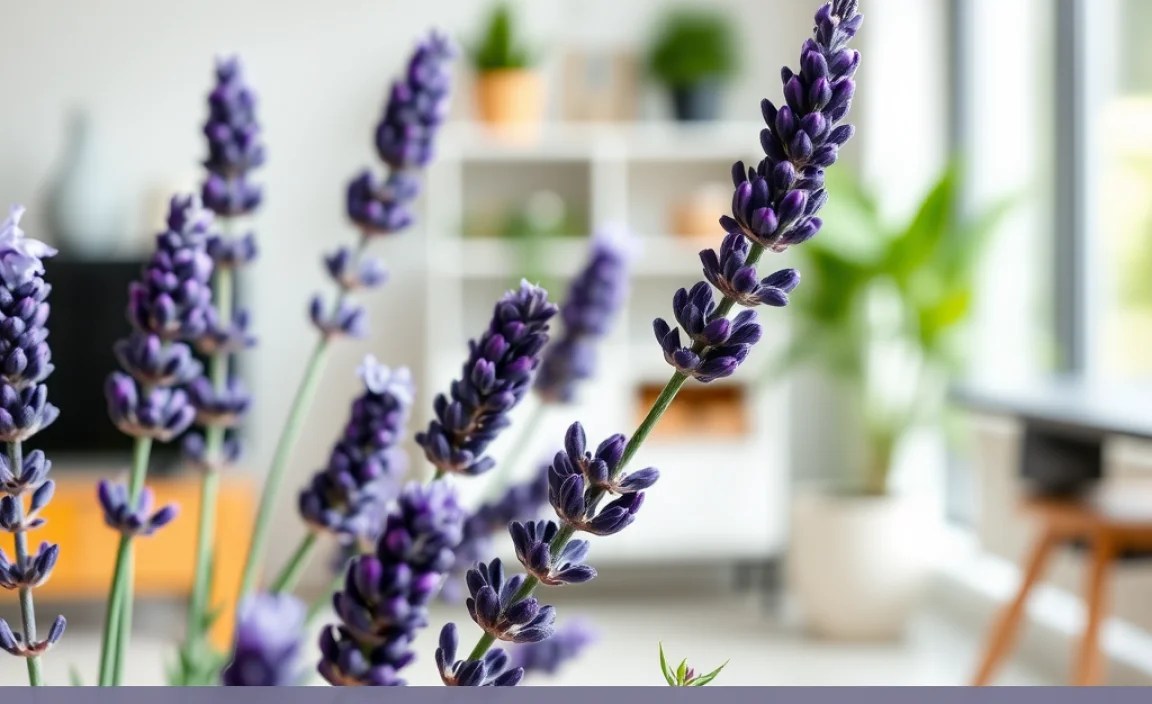
Key Takeaways
- Proper light and drainage are key when you care lavender indoors.
- Use well-draining soil and a pot with holes.
- Water lavender only when the soil feels dry.
- Give lavender at least six hours of sunlight each day.
- Prune lavender regularly to keep it healthy and bushy.

Understanding Lavender’s Needs Indoors
Lavender is a plant that loves the sun. It grows best outside in warm, dry places. So, how do you make it happy inside? The first thing is light. Lavender needs lots of light to grow well. Think about where the sun shines in your house. A sunny window is a good spot. You also need to think about soil. Lavender does not like to sit in wet soil. Wet soil can make its roots rot. This means the plant can get sick and die. So, you need soil that lets water drain away quickly. A pot with holes in the bottom is also important. This lets extra water escape. If you give your lavender these things, it will have a good start indoors.
- Lavender needs lots of sunlight.
- Well-draining soil is very important.
- Pots need drainage holes.
- Do not water too much.
- Choose the right type of lavender.
Choosing the right type of lavender is also important. Some types grow better indoors than others. English lavender is a good choice. It is smaller and does well in pots. French lavender can also grow indoors. But it might need more space. When you first bring your lavender home, give it time to adjust. Put it in a sunny spot and watch it closely. Check the soil to see if it needs water. If the leaves start to turn yellow, it might be getting too much water. If they droop, it might need more. With a little care, your lavender can thrive indoors. You will have a beautiful, sweet-smelling plant to enjoy.
What Type of Lavender Should I Grow?
Picking the right kind of lavender is super important for growing it inside. Some lavenders love being indoors more than others. English lavender is a great pick. It stays small and does well in pots. It also smells amazing! French lavender is another option. It can grow indoors, but it might get bigger. So, if you have lots of space, go for it! Spanish lavender is pretty, but it might be trickier to grow inside. It needs lots of sunlight and doesn’t like being too wet. Think about how much space you have and how much light your house gets. This will help you choose the best lavender for your home. Remember, happy lavender means a happy you!
How Big Will My Lavender Get?
Have you ever wondered how big your lavender will get? Well, it depends on the type! English lavender usually stays smaller, about one to three feet tall. This makes it perfect for pots inside. French lavender can get a bit bigger, maybe two to three feet tall and wide. Spanish lavender is similar in size. When you plant your lavender, think about its size. Make sure it has enough room to grow. If it gets too big for its pot, you can move it to a bigger one. Pruning, or trimming, your lavender can also help keep it the right size. Regular pruning encourages new growth and keeps your plant looking neat and tidy.
Where Should I Buy Lavender Plants?
Where should you get your lavender plants? You have a few choices! Local nurseries are a great place to start. They often have different types of lavender. Plus, the people who work there can give you tips. Big garden stores also sell lavender. But, the plants might not always be as healthy as from a nursery. Online is another option. You can find many types of lavender online. Just make sure to buy from a trusted seller. Read reviews to see what other people say. No matter where you buy your lavender, check the plant carefully. Look for green leaves and healthy stems. Avoid plants that look dry or have spots on their leaves. A healthy start means a happy lavender plant!
Fun Fact or Stat: Lavender is part of the mint family. It has been used for over 2,500 years!
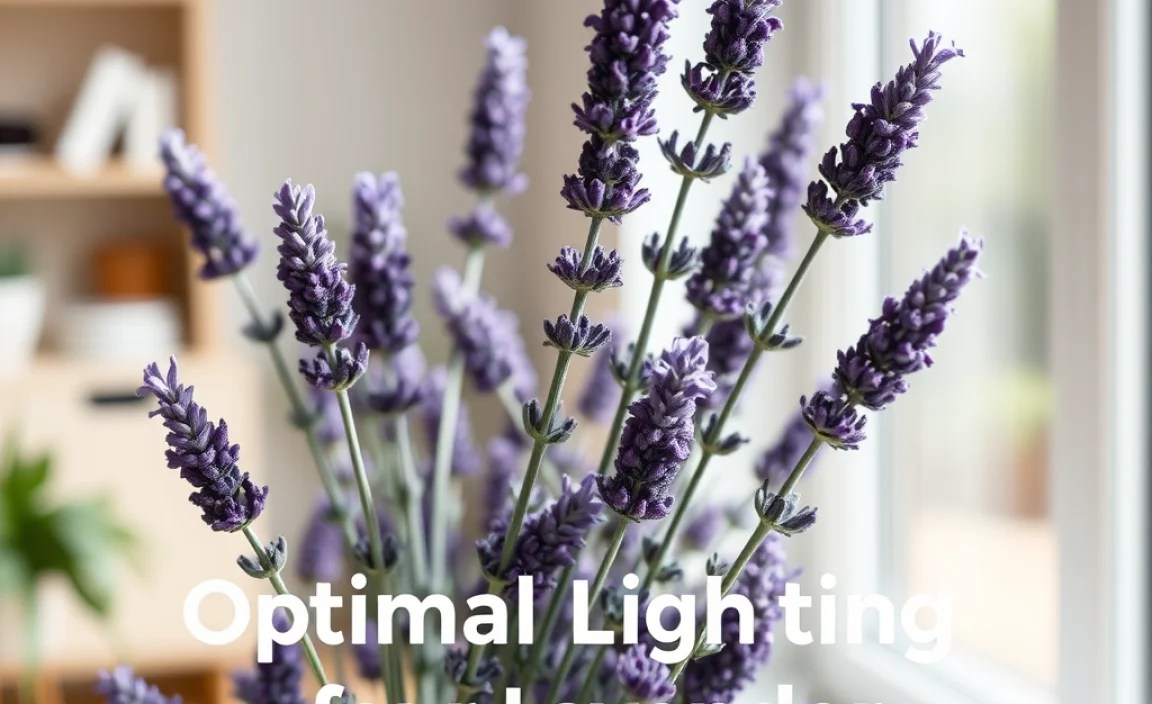
Optimal Lighting for Indoor Lavender
Lavender loves the sun. It needs lots of light to grow well. When you care lavender indoors, light is very important. Try to give your lavender at least six hours of sunlight each day. A sunny window is the best spot. South-facing windows usually get the most light. If you do not have a sunny window, do not worry. You can use a grow light. Grow lights give plants the light they need. Place the grow light a few inches above the lavender. Leave it on for several hours each day. Watch your lavender to see how it is doing. If the leaves look pale, it might need more light. If they look burned, it might be getting too much. Adjust the light as needed to keep your lavender happy.
- Lavender needs at least six hours of sun.
- South-facing windows are best.
- Grow lights can help.
- Watch the leaves for signs of too much or too little light.
- Rotate the plant for even growth.
Rotating your lavender plant can also help. Plants grow towards the light. If you do not rotate your lavender, it might grow crooked. Turn the pot a little bit each week. This will help it grow evenly. Remember, light is food for plants. Without enough light, lavender cannot make its own food. This can make it weak and sick. So, give your lavender plenty of sunshine or grow light. It will thank you with beautiful flowers and a lovely smell. With the right amount of light, you will have a thriving lavender plant indoors.
How to Tell if Lavender is Getting Enough Light?
Is your lavender getting enough light? There are a few ways to tell. Look at the leaves. If they are a healthy green color, that’s a good sign! If the leaves are pale or yellow, it might need more light. Also, check the stems. If they are long and stretched out, the plant is reaching for light. This means it needs more. Another sign is the flowers. If your lavender is not flowering, it might not be getting enough light. Move your plant to a sunnier spot. Or, add a grow light. Keep an eye on it and see if it improves. With enough light, your lavender will be happy and healthy!
What Are the Best Grow Lights for Lavender?
If you need to use a grow light, which one should you choose? There are many options! LED grow lights are a good choice. They do not use much energy. They also do not get too hot. This is important because you do not want to burn your lavender. Fluorescent grow lights are another option. They are cheaper than LED lights. But, they do not last as long. You can also find special grow lights made just for plants. These lights give off the right colors of light for plants to grow. No matter which light you choose, make sure it is close enough to your lavender. A few inches above the plant is usually good. Watch your plant to see how it responds. If it looks happy, you have chosen the right light!
Can Lavender Get Too Much Light?
Yes, lavender can get too much light! Even though it loves the sun, too much can be harmful. If your lavender is getting too much light, the leaves might look burned. They might turn brown or crispy. The plant might also look dry, even if you are watering it. If you see these signs, move your lavender to a spot with less direct sunlight. Or, if you are using a grow light, move it further away from the plant. You can also try using a sheer curtain to filter the light. Watch your lavender to see if it improves. Finding the right balance of light is key to keeping your plant healthy and happy.
Fun Fact or Stat: Some people believe lavender can help you sleep better. They put it in their bedrooms!

Soil and Watering Needs for Lavender
Soil and water are very important when you care lavender indoors. Lavender likes dry soil. It does not like to sit in water. So, you need to use the right kind of soil. Choose a soil that drains well. This means water flows through it easily. A mix of potting soil, sand, and perlite is good. The sand and perlite help the water drain. When you water your lavender, do it carefully. Water only when the soil feels dry to the touch. Stick your finger into the soil to check. If it feels dry, then it is time to water. When you water, give the plant a good soak. But, make sure the extra water can drain out of the pot. Do not let the pot sit in a saucer full of water. This can cause the roots to rot. Overwatering is one of the biggest problems when growing lavender indoors. So, be careful not to give it too much water.
- Use well-draining soil.
- Water only when the soil is dry.
- Do not let the pot sit in water.
- Check the soil regularly.
- Use a pot with drainage holes.
Good drainage is key to happy lavender. Make sure your pot has plenty of drainage holes. You can also put a layer of gravel at the bottom of the pot. This helps the water drain even better. During the winter, lavender needs even less water. The plant is not growing as much. So, it does not need as much water. Check the soil often, but do not water unless it is very dry. With the right soil and watering habits, your lavender will thrive indoors. You will avoid root rot and other problems. Your plant will be healthy and beautiful, filling your home with its lovely scent.
How Often Should I Water My Lavender?
How often should you water your lavender? There is no one right answer! It depends on a few things. The type of soil you use matters. So does the size of the pot. And, how warm your house is plays a role. The best way to know is to check the soil. Stick your finger about an inch into the soil. If it feels dry, it is time to water. If it feels damp, wait a few days and check again. During the summer, you might need to water once a week. In the winter, you might only need to water every two or three weeks. Remember, it is better to underwater than overwater. Lavender does not like wet feet!
What Type of Soil is Best for Lavender?
Choosing the right soil is super important for lavender. Lavender loves soil that drains well. This means the water flows through it quickly. Regular potting soil can hold too much water. So, you need to mix it with something else. Sand and perlite are great choices. They help the water drain away. A good mix is one part potting soil, one part sand, and one part perlite. You can also buy special soil mixes for plants that like dry conditions. These mixes are designed to drain well. No matter what soil you choose, make sure it is not too heavy or compact. Lavender roots need air to breathe. If the soil is too heavy, the roots will not get enough air.
What Happens if I Overwater My Lavender?
Overwatering is a big problem for lavender. If you give it too much water, the roots can start to rot. Root rot is a disease that can kill your plant. Signs of overwatering include yellow leaves. The leaves might also feel soft and mushy. The soil might smell bad. If you think you have overwatered your lavender, stop watering it right away. Let the soil dry out completely. You can also try repotting it with fresh, dry soil. Make sure the new pot has good drainage. In the future, be careful not to water too much. Check the soil before you water, and only water when it is dry.
Fun Fact or Stat: Lavender oil is used in aromatherapy to help people relax.

Pruning Your Indoor Lavender Plant
Pruning is a very important part of how you care lavender indoors. Pruning means cutting back some of the plant. This helps it grow better. It keeps it from getting too big and leggy. Leggy means the plant has long, bare stems with few leaves. Pruning also encourages new growth. It helps the plant produce more flowers. The best time to prune lavender is after it flowers. Use sharp, clean scissors or pruning shears. Cut off about one-third of the plant’s growth. Focus on removing dead or damaged stems. Also, cut back any stems that are too long. This will help the plant stay bushy and compact. Do not be afraid to prune your lavender. It might seem scary, but it is good for the plant.
- Pruning keeps lavender bushy.
- Prune after flowering.
- Use sharp, clean tools.
- Remove dead or damaged stems.
- Cut back about one-third of the plant.
Regular pruning will keep your lavender healthy and beautiful. It will also encourage it to bloom more often. When you prune, cut just above a leaf node. A leaf node is where a leaf grows out of the stem. Cutting above the node encourages new growth from that point. After pruning, give your lavender a little fertilizer. This will help it recover and grow strong. Remember, pruning is a form of plant care. It shows your lavender that you care about it. With regular pruning, your lavender will thrive indoors. It will reward you with its lovely scent and beautiful flowers.
When is the Best Time to Prune Lavender?
When should you prune your lavender? The best time is right after it finishes flowering. This is usually in late summer or early fall. Pruning at this time helps the plant prepare for winter. It also encourages new growth in the spring. If you prune too late in the fall, the new growth might not have time to harden off before winter. This can damage the plant. If you miss the fall pruning, you can also prune lightly in the spring. Just be careful not to remove too much new growth. The key is to prune regularly to keep your lavender healthy and bushy.
How Do I Prune Lavender Correctly?
Pruning lavender correctly is easy! First, use sharp, clean scissors or pruning shears. This will prevent the spread of disease. Next, identify the areas you want to prune. Look for dead or damaged stems. Also, look for stems that are too long or leggy. Cut these stems back to about one-third of their length. Make your cuts just above a leaf node. This is where a leaf grows out of the stem. Cutting above the node encourages new growth. When you are finished, your lavender should look neat and tidy. Do not be afraid to prune. Lavender is a tough plant and can handle a good pruning.
What Tools Do I Need to Prune Lavender?
To prune lavender, you need a few simple tools. The most important tool is a pair of sharp scissors or pruning shears. Make sure they are clean to prevent the spread of disease. You might also want to wear gloves to protect your hands. Some people find lavender oil irritating to their skin. A small bucket or bag is helpful for collecting the pruned stems. That’s all you need! With these simple tools, you can keep your lavender healthy and beautiful. Remember to clean your tools after each use to keep them in good condition.
Fun Fact or Stat: Pruning lavender can help it live longer. It keeps the plant from getting too woody.
Dealing with Pests and Diseases
Even when you care lavender indoors, pests and diseases can sometimes be a problem. Common pests that attack lavender include aphids and spider mites. Aphids are small, soft-bodied insects that suck the sap from plants. They can cause the leaves to turn yellow and distorted. Spider mites are tiny, spider-like creatures that also suck sap. They create fine webs on the plant. To get rid of aphids and spider mites, you can try spraying the plant with insecticidal soap. You can also wipe the leaves with a damp cloth. Diseases that can affect lavender include root rot and fungal infections. Root rot is caused by overwatering. Fungal infections are caused by too much humidity. To prevent these problems, make sure your lavender has good drainage and air circulation. Avoid overwatering and keep the humidity low.
- Watch for aphids and spider mites.
- Use insecticidal soap to treat pests.
- Prevent root rot by avoiding overwatering.
- Ensure good air circulation.
- Remove any infected leaves or stems.
Regularly inspect your lavender for signs of pests or diseases. The sooner you catch a problem, the easier it will be to treat. If you see any infected leaves or stems, remove them right away. Dispose of them in the trash, not in your compost pile. This will prevent the disease from spreading. With careful attention and prompt treatment, you can keep your lavender healthy and pest-free. It will thrive indoors and bring you joy for many years to come. Remember, a healthy plant is a happy plant!
How to Identify Common Lavender Pests?
Knowing what to look for can help you spot problems early. Aphids are small, often green, insects that cluster on stems and leaves. They suck plant juices. Spider mites are tiny, but you might see their webs. These webs are usually on the undersides of leaves. Whiteflies are small, white, flying insects that flutter around the plant when disturbed. If you see any of these pests, take action quickly. The sooner you treat them, the easier it will be to get rid of them.
What Are Natural Ways to Control Pests?
If you prefer not to use chemicals, there are natural ways to control pests. Insecticidal soap is a great option. It is made from natural ingredients and is safe for plants and people. Neem oil is another natural pesticide. It is made from the neem tree and is effective against many pests. You can also try introducing beneficial insects to your home. Ladybugs, for example, eat aphids. These natural methods can help keep your lavender healthy without harming the environment.
How to Prevent Lavender Diseases?
Preventing diseases is always better than treating them. To prevent root rot, make sure your lavender has good drainage. Use well-draining soil and a pot with drainage holes. Avoid overwatering. To prevent fungal infections, ensure good air circulation. Do not overcrowd your plants. Prune your lavender regularly to improve air flow. You can also use a fungicide if necessary. But, it is best to focus on prevention. A healthy plant is less likely to get sick.
Fun Fact or Stat: Lavender repels moths and other insects. That’s why people put it in their closets!
Choosing the Right Pot and Location
The right pot and location are very important when you care lavender indoors. Lavender needs a pot that is big enough for its roots to grow. Choose a pot that is at least 12 inches wide and 12 inches deep. The pot must have drainage holes in the bottom. This will let extra water escape. Terracotta pots are a good choice. They are porous, which means they allow air to flow through the soil. This helps prevent root rot. When choosing a location, think about sunlight. Lavender needs at least six hours of sunlight each day. A sunny window is the best spot. South-facing windows usually get the most light. If you do not have a sunny window, you can use a grow light. Place the grow light a few inches above the lavender.
| Pot Type | Pros | Cons |
|---|---|---|
| Terracotta | Good drainage, porous | Can dry out quickly |
| Plastic | Holds moisture, lightweight | Poor drainage if not careful |
| Ceramic | Decorative, holds moisture | Can be heavy, may lack drainage |
| Self-Watering | Easy to manage watering | Can lead to overwatering if not monitored |
- Choose a pot at least 12 inches wide.
- Make sure the pot has drainage holes.
- Terracotta pots are a good choice.
- Place lavender in a sunny location.
- Use a grow light if needed.
Make sure the location you choose has good air circulation. Lavender does not like to be in a stuffy room. Open a window occasionally to let fresh air in. Avoid placing your lavender near drafts or heating vents. These can dry out the plant. With the right pot and location, your lavender will thrive indoors. It will have plenty of room to grow and access to the sunlight it needs. You will be able to enjoy its beauty and fragrance for many years to come.
How to Choose the Right Size Pot?
Picking the right size pot is important for your lavender. If the pot is too small, the roots will not have enough room to grow. This can stunt the plant’s growth. If the pot is too big, the soil might stay wet for too long. This can lead to root rot. A good rule of thumb is to choose a pot that is about two inches wider than the plant’s root ball. When you repot your lavender, choose a pot that is slightly larger than the previous one. This will give the roots room to spread out. Remember, happy roots mean a happy plant!
What Are the Best Locations in My Home for Lavender?
Lavender loves sunlight, so the best location is a sunny window. South-facing windows are ideal. They get the most sunlight throughout the day. East-facing windows are also a good option. They get morning sun, which is less intense than afternoon sun. West-facing windows get afternoon sun, which can be too hot for some plants. If you do not have a sunny window, you can use a grow light. Place the grow light a few inches above the plant and leave it on for several hours each day. Avoid placing your lavender near drafts or heating vents. These can dry out the plant and make it unhappy.
How to Improve Air Circulation Around My Lavender?
Good air circulation is important for preventing diseases. To improve air circulation around your lavender, do not overcrowd your plants. Give each plant plenty of space to breathe. Prune your lavender regularly to remove dead or damaged stems. This will also improve air flow. You can also use a fan to circulate the air. Place the fan a few feet away from the plant and set it on a low setting. Open a window occasionally to let fresh air in. These simple steps can help keep your lavender healthy and disease-free.
Fun Fact or Stat: Lavender is native to the Mediterranean region. It loves warm, sunny climates!
Summary
Lavender is a beautiful and fragrant plant. You can grow it indoors if you give it the right care. Lavender needs lots of sunlight, so put it in a sunny window. It also needs well-draining soil. Water it only when the soil feels dry. Do not let the pot sit in water. Prune your lavender regularly to keep it bushy. Watch for pests and diseases. With a little care, your lavender can thrive indoors. You will enjoy its lovely scent and beautiful flowers all year long.
Remember, proper light and drainage are key when you care lavender indoors. Use well-draining soil and a pot with holes. Water lavender only when the soil feels dry. Give lavender at least six hours of sunlight each day. Prune lavender regularly to keep it healthy. These tips will help you grow beautiful lavender indoors.
Conclusion
Growing lavender indoors can be fun. You can enjoy its lovely smell. It takes some work, but it is worth it. Remember to give it lots of light. Do not water it too much. Prune it to keep it healthy. With a little effort, you can successfully care lavender indoors. You will have a beautiful plant to enjoy. It will bring a touch of nature inside your home.
Frequently Asked Questions
Question No 1: How much sunlight does indoor lavender need?
Answer: Lavender loves sunlight! To keep your indoor lavender happy, give it at least six hours of direct sunlight each day. A south-facing window is usually the best spot. If you do not have enough natural light, you can use a grow light. Place the grow light a few inches above the plant and leave it on for several hours each day. Watch the leaves to see if the plant is getting enough light. Healthy green leaves are a good sign. Pale or yellow leaves might mean it needs more light. Remember, sunlight is food for plants! Without enough light, your lavender will not thrive. With enough light, you will have a beautiful, sweet-smelling plant to enjoy.
Question No 2: What kind of soil is best for lavender in pots?
Answer: Lavender needs soil that drains well. It does not like to sit in wet soil. Wet soil can cause the roots to rot. Choose a soil mix that is light and airy. A good mix is one part potting soil, one part sand, and one part perlite. The sand and perlite help the water drain away quickly. You can also buy special soil mixes for plants that like dry conditions. These mixes are designed to drain well. Avoid using heavy, clay-based soils. These soils hold too much water. Remember, good drainage is key to happy lavender. With the right soil, your plant will thrive.
Question No 3: How often should I water my indoor lavender plant?
Answer: Watering depends on a few things. Check the soil before you water. Stick your finger about an inch into the soil. If it feels dry, it is time to water. If it feels damp, wait a few days and check again. In general, you might need to water once a week in the summer. In the winter, you might only need to water every two or three weeks. When you water, give the plant a good soak. But, make sure the extra water can drain out of the pot. Care lavender indoors means being careful not to overwater!
Question No 4: How do I prune my indoor lavender?
Answer: Pruning is important for keeping your lavender healthy and bushy. Prune your lavender after it flowers. This is usually in late summer or early fall. Use sharp, clean scissors or pruning shears. Cut off about one-third of the plant’s growth. Focus on removing dead or damaged stems. Also, cut back any stems that are too long. Make your cuts just above a leaf node. This is where a leaf grows out of the stem. Cutting above the node encourages new growth. Regular pruning will keep your lavender looking its best.
Question No 5: What are common problems when growing lavender indoors?
Answer: The most common problems are not enough light and too much water. Lavender needs lots of sunlight. Make sure it gets at least six hours each day. Overwatering can lead to root rot. This can kill your plant. Other problems include pests like aphids and spider mites. Check your plant regularly for signs of pests or diseases. With careful attention, you can avoid these problems and keep your lavender healthy.
Question No 6: Can I use fertilizer on my indoor lavender?
Answer: Yes, you can use fertilizer. But, lavender does not need a lot of fertilizer. Too much fertilizer can harm the plant. Use a fertilizer that is low in nitrogen. Nitrogen can encourage leafy growth, but not flowers. A fertilizer designed for herbs is a good choice. Fertilize your lavender once or twice during the growing season. Follow the instructions on the fertilizer package. Do not over-fertilize. Remember, a little fertilizer can go a long way. With the right fertilizer, you can help your care lavender indoors and watch it thrive.
