Do you love the smell of lavender? Imagine having that lovely smell in your home all year. You can! With the right care lavender plants indoors can thrive. It is easier than you think to grow these beautiful plants inside.
Many people think lavender only grows outside. But with a little help, you can enjoy lavender inside. Let’s learn how to make your lavender happy indoors! You will have sweet-smelling flowers in no time.
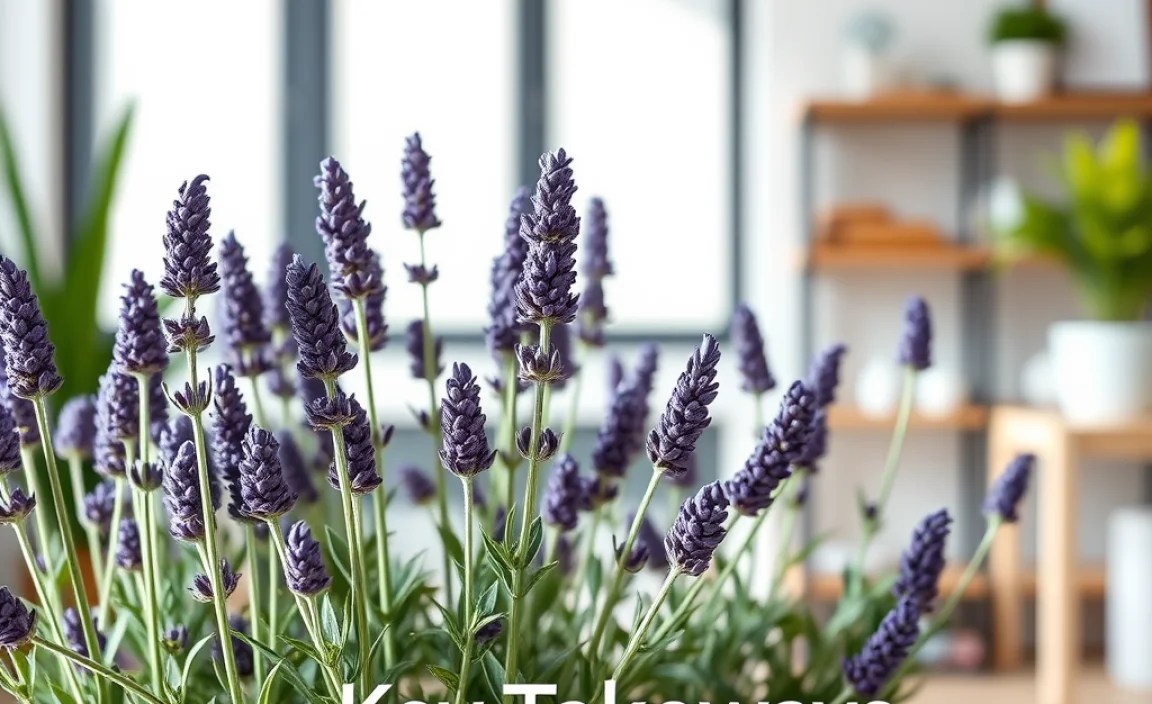
Key Takeaways
- Proper lighting is key to care lavender plants indoors and ensure healthy growth.
- Use well-draining soil to prevent root rot, a common issue for indoor lavender.
- Water your lavender only when the soil feels dry to the touch.
- Prune your lavender regularly to encourage new growth and flowering.
- Provide good air circulation to keep pests and diseases away from your plant.

Best Location to Care Lavender Plants Indoors
Finding the best spot is key when you care lavender plants indoors. Lavender loves light! It needs at least six hours of sunlight each day. A south-facing window is often the best choice. If you don’t have enough natural light, use a grow light. Place the light a few inches above the plant. Keep it on for about 14-16 hours a day. Rotate your lavender plant regularly. This helps all sides get equal light. Without enough light, lavender can get leggy. Leggy means the stems grow long and weak. The plant may not flower as much. A bright, sunny spot will help your lavender stay healthy and happy. This way, you can enjoy its lovely scent and beautiful blooms all year round.
- Choose a sunny window.
- Use a grow light if needed.
- Rotate the plant often.
- Avoid dark corners.
- Ensure good air flow.
Even with a sunny window, sometimes lavender needs extra help. Think of grow lights as the sun’s helpers! They give the plant the light it needs when the sun isn’t strong enough. Good air flow is also important. Stale air can cause problems. Open a window sometimes or use a small fan. This helps keep the air moving around the plant. Remember, a happy lavender plant is one that gets lots of light and fresh air. When you care lavender plants indoors, you are bringing a piece of the sunny outdoors inside! This can brighten up your home and your day.
Does Lavender Need Direct Sunlight Indoors?
Yes, lavender thrives on direct sunlight. Imagine lavender basking in the warm Mediterranean sun. That is what it wants indoors too! A south-facing window is ideal. It provides the most direct sunlight. If you have an east or west-facing window, that can work too. Just make sure the plant gets at least six hours of sunlight. If you notice your lavender stretching towards the light, it needs more. This is a sign it isn’t getting enough sun. You can use a grow light to supplement the natural light. Place the grow light close to the plant, about 6-12 inches away. This will give your lavender the energy it needs to grow strong and produce those lovely purple flowers. So, give your lavender plenty of sunshine! It will thank you with its beautiful scent and blooms.
What Happens If Lavender Doesn’t Get Enough Light?
Not enough light can cause problems for your lavender. Imagine trying to play outside on a cloudy day. You might feel tired and not have as much fun. Lavender feels the same way without enough light. The stems may get long and weak. This is called “leggy” growth. The leaves may turn pale or yellow. You might not see many flowers. If your lavender isn’t getting enough light, move it to a sunnier spot. Use a grow light to give it extra help. Check the leaves and stems often. If you see signs of light problems, act quickly. Giving your lavender enough light will keep it healthy and happy. It will also help it bloom and fill your home with its wonderful scent.
How Can I Tell If My Lavender Is Getting Too Much Light?
Too much of a good thing can sometimes be a problem. Imagine sitting in the sun all day without sunscreen. You might get burned! Lavender can also get stressed from too much light. The leaves might look bleached or faded. The tips of the leaves might turn brown and crispy. The soil can dry out too quickly. If you see these signs, move your lavender to a spot with less direct sunlight. You can also use a sheer curtain to filter the light. Make sure your lavender gets some shade during the hottest part of the day. Finding the right balance of light is key. Your lavender will be happy and healthy when it gets just the right amount.
Fun Fact or Stat: Lavender needs at least 6 hours of sunlight per day to thrive indoors. Grow lights can help supplement natural light!

Right Soil for Lavender Plant Care Indoors
Choosing the right soil is very important to care lavender plants indoors. Lavender likes soil that drains well. This means water flows through it easily. Soil that holds too much water can cause root rot. Root rot is when the roots start to rot and die. Use a potting mix made for cacti and succulents. These mixes usually have sand and perlite in them. Sand and perlite help the water drain quickly. You can also make your own mix. Combine regular potting soil with sand and perlite. A good mix is one part potting soil, one part sand, and one part perlite. Avoid using heavy garden soil. It holds too much water. Plant your lavender in a pot with drainage holes. This helps the extra water escape. Healthy soil means healthy lavender!
- Use well-draining soil.
- Avoid heavy garden soil.
- Add sand or perlite.
- Use a pot with drainage holes.
- Check the soil often.
Think of the soil as your lavender’s home. You want it to be a comfortable place for the roots to grow. Well-draining soil is like having good plumbing in your home. It prevents water from building up and causing problems. Check the soil before you water. Stick your finger about an inch into the soil. If it feels dry, it’s time to water. If it feels damp, wait a day or two. Overwatering is a common mistake. It can lead to root rot and other problems. Give your lavender the right soil, and it will be happy and healthy. You will have beautiful, fragrant blooms in no time!
Why Is Well-Draining Soil Important for Lavender?
Well-draining soil is like a superhero for lavender! It protects the roots from a dangerous villain: root rot. Lavender roots need air to breathe. When soil stays too wet, the roots can’t get enough air. This makes them rot. Well-draining soil lets extra water flow away quickly. This keeps the roots healthy and happy. Imagine trying to breathe underwater. It’s not easy! Lavender roots feel the same way in soggy soil. Using the right soil is one of the best ways to care lavender plants indoors. It helps your plant thrive and produce beautiful flowers.
How Can I Improve Soil Drainage for My Lavender?
Improving soil drainage is like giving your lavender a better home. One easy way is to add perlite to the soil. Perlite looks like little white rocks. It helps create air pockets in the soil. This allows water to drain more easily. You can also add sand to the soil. Use coarse sand, not fine sand. Fine sand can actually make drainage worse. When you plant your lavender, make sure the pot has drainage holes. These holes let extra water escape. You can also put a layer of gravel at the bottom of the pot. This helps improve drainage even more. Good drainage means happy, healthy lavender!
What Are Signs of Poor Soil Drainage?
Poor soil drainage can cause problems for your lavender. Imagine wearing wet socks all day. It would be uncomfortable! Lavender roots feel the same way in soggy soil. Signs of poor drainage include yellowing leaves. The plant may also look wilted, even if you water it. The soil might stay wet for a long time after watering. You might even see mold growing on the soil surface. If you notice these signs, it’s time to take action. Repot your lavender in well-draining soil. Make sure the pot has drainage holes. This will help your lavender recover and thrive.
| Soil Type | Drainage | Suitable for Lavender? | Notes |
|---|---|---|---|
| Heavy Clay Soil | Poor | No | Holds too much water, leads to root rot. |
| Sandy Soil | Excellent | Yes | Drains quickly, may need more frequent watering. |
| Potting Mix | Good | Yes, if amended | Needs added perlite or sand for better drainage. |
| Cactus/Succulent Mix | Excellent | Yes | Ideal for lavender due to its excellent drainage. |
Fun Fact or Stat: Lavender prefers a soil pH between 6.0 and 8.0. Test your soil to ensure it’s in this range for optimal growth!
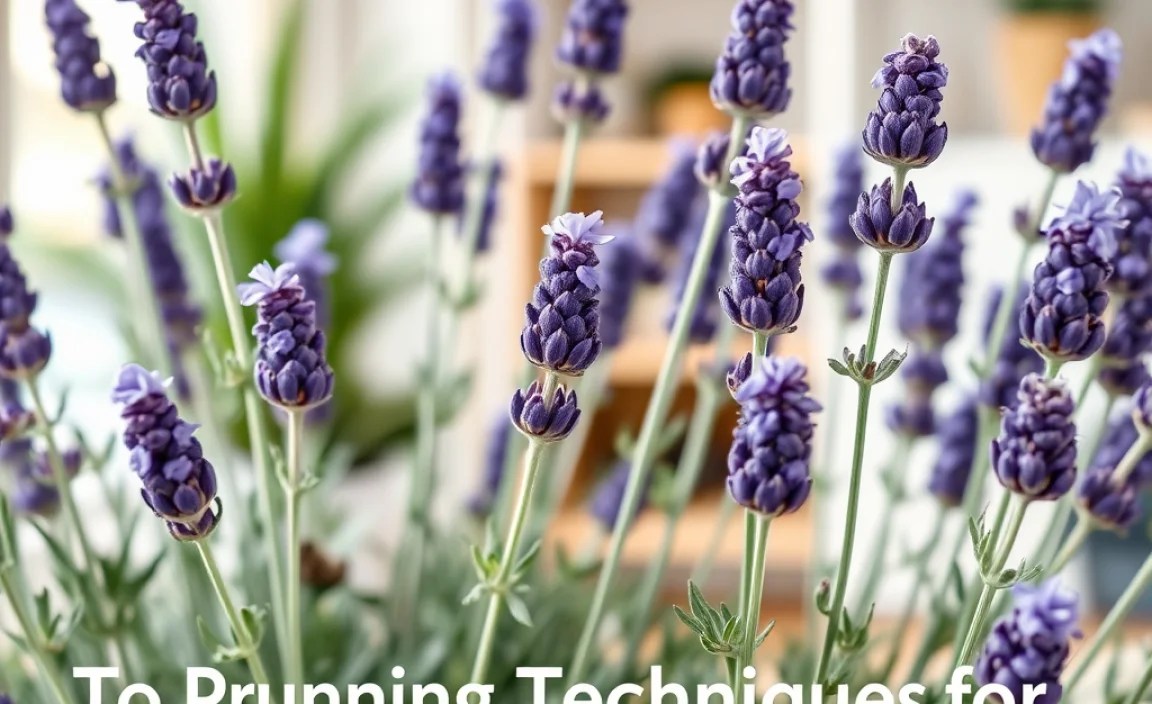
Watering Tips to Care Lavender Plants Indoors
Knowing when to water is key to care lavender plants indoors. Lavender doesn’t like to be too wet. Overwatering can cause root rot. Let the soil dry out between waterings. Stick your finger into the soil. If the top inch feels dry, it’s time to water. Water deeply until water comes out of the drainage holes. This ensures the roots get enough water. Empty the saucer under the pot. Don’t let the pot sit in water. Water less in the winter. Lavender doesn’t need as much water when it’s not growing as much. Pay attention to your plant. It will tell you when it needs water. Healthy watering habits mean happy lavender!
- Let the soil dry out between waterings.
- Water deeply when you do water.
- Empty the saucer under the pot.
- Water less in the winter.
- Check the soil regularly.
Think of watering like giving your lavender a drink. You don’t want to give it too much or too little. Finding the right balance is important. When you water, imagine the water soaking down to the roots. This helps them grow strong and healthy. If the leaves start to droop, it could be a sign of overwatering or underwatering. Check the soil to see which one it is. Adjust your watering habits as needed. With the right watering, your lavender will thrive and fill your home with its lovely scent.
How Often Should I Water My Indoor Lavender?
Watering frequency depends on a few things. How warm is your home? How much light does your lavender get? What kind of pot is it in? A good rule of thumb is to water every 1-2 weeks. But always check the soil first! Stick your finger about an inch into the soil. If it feels dry, it’s time to water. If it feels damp, wait a few more days. During the winter, you might only need to water every 3-4 weeks. Remember, it’s better to underwater than overwater. Lavender doesn’t like to sit in wet soil. So, err on the side of caution and let the soil dry out between waterings.
What Are Signs of Overwatering Lavender?
Overwatering can be a big problem for lavender. Imagine wearing shoes that are too tight. It would be uncomfortable! Overwatered lavender roots can’t breathe. This can lead to root rot. Signs of overwatering include yellowing leaves. The leaves might also feel soft and mushy. The soil might stay wet for a long time after watering. You might even see mold growing on the soil surface. If you notice these signs, stop watering right away. Let the soil dry out completely before watering again. You might even need to repot your lavender in fresh, dry soil.
What Are Signs of Underwatering Lavender?
Underwatering can also stress your lavender. Imagine feeling thirsty all the time. That’s how lavender feels when it doesn’t get enough water. Signs of underwatering include wilting leaves. The leaves might also feel dry and crispy. The soil might pull away from the sides of the pot. If you notice these signs, it’s time to water. Water deeply until water comes out of the drainage holes. Make sure the water soaks into the soil. If the soil is very dry, it might take a few tries. With regular watering, your lavender will bounce back and thrive.
Fun Fact or Stat: Lavender is drought-tolerant once established. It prefers slightly dry conditions over constantly wet soil.
Pruning Techniques for Indoor Lavender Care
Pruning is a key part of care lavender plants indoors. It helps keep your plant healthy and looking good. Pruning means trimming the plant. This encourages new growth. It also helps the plant flower more. Prune your lavender after it flowers. Use clean, sharp scissors or pruning shears. Cut back the stems by about one-third. Remove any dead or brown stems. Shape the plant to keep it compact. Don’t prune too much at once. This can stress the plant. Regular pruning will keep your lavender healthy and beautiful.
- Prune after flowering.
- Use clean, sharp tools.
- Cut back stems by one-third.
- Remove dead stems.
- Shape the plant.
Think of pruning like giving your lavender a haircut. You want to trim away the old growth to make room for the new. Pruning also helps air circulate around the plant. This can prevent diseases. When you prune, imagine the plant sending out new shoots. These shoots will produce more flowers. Pruning is a simple way to keep your lavender looking its best. It also helps it stay healthy and strong. You will enjoy its beautiful blooms for years to come!
Why Is Pruning Important for Indoor Lavender?
Pruning is like a secret weapon for indoor lavender! It helps keep the plant compact and bushy. Without pruning, lavender can get leggy and sparse. Pruning encourages new growth, which means more flowers. It also helps improve air circulation around the plant. This can prevent fungal diseases. Think of pruning as giving your lavender a spa day. It helps it relax and rejuvenate. Regular pruning will keep your lavender healthy, happy, and full of fragrant blooms.
When Is the Best Time to Prune Lavender Indoors?
The best time to prune lavender is after it flowers. Imagine cutting back the plant after it has shown off its beautiful blooms. This is the perfect time to encourage new growth. You can also do some light pruning in the spring. This will help shape the plant and remove any dead or damaged stems. Avoid pruning too late in the fall. This can encourage new growth that won’t have time to harden off before winter. Pruning at the right time will help your lavender thrive and produce lots of flowers.
How Do I Prune Lavender Correctly?
Pruning lavender is easier than you think! First, use clean, sharp pruning shears or scissors. This will help prevent the spread of diseases. Cut back the stems by about one-third. Focus on removing any dead or damaged growth. Shape the plant to keep it compact and bushy. Make sure to leave some green growth on each stem. This will help the plant recover quickly. Don’t be afraid to prune! Lavender is a tough plant and can handle a good trim. With a little practice, you’ll become a pruning pro!
Fun Fact or Stat: Regular pruning can extend the life of your lavender plant and improve its overall health!
Ideal Temperature and Humidity for Lavender
Temperature and humidity play a big role to care lavender plants indoors. Lavender likes warm days and cool nights. A temperature between 65°F and 80°F is ideal during the day. At night, it prefers temperatures between 50°F and 60°F. Lavender doesn’t like high humidity. It prefers dry air. If your home is humid, use a dehumidifier. You can also increase air circulation. Open a window or use a fan. Avoid placing lavender in bathrooms or kitchens. These areas tend to be more humid. The right temperature and humidity will keep your lavender happy and healthy.
- Keep daytime temperatures between 65°F and 80°F.
- Keep nighttime temperatures between 50°F and 60°F.
- Avoid high humidity.
- Use a dehumidifier if needed.
- Increase air circulation.
Think of temperature and humidity like the weather outside. Lavender prefers sunny, warm days and cool, dry nights. If the air is too humid, it can cause problems. High humidity can lead to fungal diseases. These diseases can harm your lavender. Keeping the air dry and well-circulated is important. This will help prevent these problems. Pay attention to the temperature and humidity in your home. Adjust them as needed to keep your lavender thriving. You will be rewarded with beautiful, fragrant blooms!
Why Is Low Humidity Important for Lavender?
Low humidity is like a breath of fresh air for lavender! Lavender is native to the Mediterranean region. This area has hot, dry summers. High humidity can create a breeding ground for fungal diseases. These diseases can attack the leaves and stems of your lavender. Low humidity helps prevent these problems. It also helps the plant dry out quickly after watering. This prevents root rot. Keeping the humidity low will help your lavender stay healthy and strong. It will also help it produce more flowers.
How Can I Lower Humidity Around My Lavender?
Lowering humidity around your lavender is easier than you think. One simple way is to use a dehumidifier. A dehumidifier removes moisture from the air. This helps keep the humidity low. You can also increase air circulation. Open a window or use a fan. This will help the air move around the plant. Avoid placing your lavender in humid areas like bathrooms or kitchens. These areas tend to have higher humidity levels. By taking these steps, you can create a dry, comfortable environment for your lavender.
How Can I Tell If the Humidity Is Too High for My Lavender?
High humidity can cause noticeable problems for lavender. Imagine feeling sticky and uncomfortable on a humid day. Lavender feels the same way when the humidity is too high. Signs of high humidity include mold or mildew on the soil surface. The leaves might also develop dark spots or lesions. The plant might also look wilted or droopy. If you notice these signs, it’s time to take action. Lower the humidity around your lavender by using a dehumidifier or increasing air circulation. This will help your lavender recover and thrive.
Fun Fact or Stat: Lavender thrives in humidity levels below 50%. Use a hygrometer to monitor the humidity in your home!
Dealing with Pests and Diseases in Lavender
Even when you care lavender plants indoors, pests and diseases can still be a problem. Keep an eye out for common pests like aphids and spider mites. Aphids are small, soft-bodied insects. They can suck the sap from your lavender. Spider mites are tiny pests that create webs on the plant. Look for yellowing leaves or sticky residue. Treat pests with insecticidal soap or neem oil. These are natural and safe for your plant. Prevent diseases by providing good air circulation. Avoid overwatering. Remove any dead or damaged leaves. A healthy plant is less likely to get pests and diseases.
- Watch for aphids and spider mites.
- Use insecticidal soap or neem oil.
- Provide good air circulation.
- Avoid overwatering.
- Remove dead leaves.
Think of pests and diseases like unwanted visitors. You want to keep them away from your lavender. Regular inspection is important. Check your plant often for signs of trouble. If you catch pests or diseases early, it’s easier to treat them. Insecticidal soap and neem oil are like natural bug sprays. They help get rid of pests without harming your plant. Good air circulation is like opening a window. It helps keep the air fresh and prevents problems. By taking these steps, you can keep your lavender healthy and pest-free.
What Are Common Pests That Attack Indoor Lavender?
Indoor lavender can be a target for a few common pests. Aphids are small, green, or black insects. They cluster on stems and leaves. They suck the sap from the plant, causing it to weaken. Spider mites are tiny, spider-like pests. They create webs on the underside of leaves. They also suck sap, causing the leaves to turn yellow or brown. Whiteflies are small, white, flying insects. They feed on the sap of the plant. They can also spread diseases. Keeping an eye out for these pests will help you protect your lavender.
How Can I Prevent Pests and Diseases on My Lavender?
Prevention is the best medicine for lavender! Start by providing good air circulation. This helps prevent fungal diseases. Avoid overwatering, which can create a breeding ground for pests. Inspect your plant regularly for signs of pests or diseases. Remove any dead or damaged leaves. These can attract pests. You can also use a preventative spray of neem oil. Neem oil is a natural insecticide and fungicide. It helps keep pests and diseases away. By taking these steps, you can keep your lavender healthy and pest-free.
How Do I Treat a Lavender Plant with Pests?
If you find pests on your lavender, don’t panic! There are several ways to treat them. One option is to use insecticidal soap. Insecticidal soap is a natural and safe way to kill pests. Spray the plant thoroughly, making sure to cover all surfaces. You can also use neem oil. Neem oil is another natural insecticide and fungicide. It helps kill pests and prevent diseases. For spider mites, you can try increasing the humidity around the plant. Spider mites prefer dry conditions. By raising the humidity, you can make it less attractive to them. With a little effort, you can get rid of pests and keep your lavender healthy.
Fun Fact or Stat: Lavender’s strong scent naturally repels many common garden pests!
Summary
Care lavender plants indoors can bring the beauty and fragrance of this herb into your home. To make your lavender happy, give it plenty of sunlight. A south-facing window or a grow light works well. Use well-draining soil to prevent root rot. Water only when the soil feels dry. Prune regularly to encourage new growth. Keep the air circulating to avoid pests and diseases. Watch out for aphids and spider mites. Treat them with insecticidal soap or neem oil. Maintain a warm temperature during the day and cooler at night. Keep humidity low for best results. Follow these tips, and you’ll have a thriving indoor lavender plant!
Conclusion
Growing lavender indoors is a rewarding experience. You can enjoy its calming scent and beautiful flowers year-round. Remember, lavender needs lots of light, well-draining soil, and careful watering. Pruning and good air circulation are also important. By following these simple tips, you can successfully care lavender plants indoors. Enjoy the beauty and fragrance of lavender in your home!
Frequently Asked Questions
Question No 1: How much sunlight does indoor lavender need?
Answer: Lavender plants need a lot of sunlight. Aim for at least six hours of direct sunlight each day. A south-facing window is usually the best spot. If you don’t have enough natural light, use a grow light. Place the grow light a few inches above the plant. Keep it on for about 14-16 hours a day. This will help your lavender get the light it needs to thrive. Without enough light, your lavender may not flower as much. The stems may also get long and weak. So, make sure your lavender gets plenty of sunshine!
Question No 2: What kind of soil is best for indoor lavender?
Answer: Lavender needs well-draining soil. This means the water flows through it easily. Use a potting mix made for cacti and succulents. These mixes have sand and perlite. Sand and perlite help the water drain quickly. You can also make your own mix. Combine regular potting soil with sand and perlite. A good mix is one part potting soil, one part sand, and one part perlite. Avoid using heavy garden soil. It holds too much water. This can cause root rot. Root rot is when the roots start to rot and die. Using the right soil is key to care lavender plants indoors.
Question No 3: How often should I water my indoor lavender plant?
Answer: How often to water depends on a few things. How warm is your home? How much light does your lavender get? What kind of pot is it in? A good rule of thumb is to water every 1-2 weeks. But always check the soil first! Stick your finger about an inch into the soil. If it feels dry, it’s time to water. If it feels damp, wait a few more days. During the winter, you might only need to water every 3-4 weeks. Remember, it’s better to underwater than overwater. Lavender doesn’t like to sit in wet soil.
Question No 4: How do I prune my indoor lavender plant?
Answer: Pruning is important for care lavender plants indoors. It helps keep your plant healthy and looking good. Prune your lavender after it flowers. Use clean, sharp scissors or pruning shears. Cut back the stems by about one-third. Remove any dead or brown stems. Shape the plant to keep it compact. Don’t prune too much at once. This can stress the plant. Regular pruning will keep your lavender healthy and beautiful. It will also encourage more flowers. Think of pruning like giving your lavender a haircut!
Question No 5: What are common problems with indoor lavender?
Answer: One common problem is not enough light. Lavender needs at least six hours of sunlight a day. Another problem is overwatering. Lavender doesn’t like to sit in wet soil. Pests like aphids and spider mites can also be a problem. Check your plant regularly for signs of pests or diseases. High humidity can also cause problems. Lavender prefers dry air. Make sure to provide good air circulation. By addressing these issues, you can keep your lavender healthy and happy.
Question No 6: Can I use fertilizer on my indoor lavender plant?
Answer: Yes, you can use fertilizer, but lavender doesn’t need a lot. Use a fertilizer that is low in nitrogen. Too much nitrogen can cause the plant to grow too much foliage and not enough flowers. A fertilizer made for herbs or flowering plants is a good choice. Fertilize your lavender in the spring and summer. Don’t fertilize in the fall or winter. Follow the instructions on the fertilizer label. Over-fertilizing can harm your plant. A little fertilizer can help your lavender thrive, but don’t overdo it. This is one key to care lavender plants indoors.
