Do you know about lithops? They are cool plants that look like stones. People call them “living stones.” These plants are small and neat. Many people want to care lithops indoors. It can be fun and easy. Let’s learn how to grow them well.
Key Takeaways
- Caring for lithops indoors needs the right soil mix for good drainage.
- Water lithops carefully, mainly during their growing seasons.
- Lithops need very bright light, so give them a sunny spot.
- Avoid overwatering to prevent problems like root rot.
- Repot lithops only when necessary, usually every two to three years.
How To Care Lithops Indoors: Basics

Lithops are special plants. They look like small stones. They come from hot places in Africa. They store water inside their leaves. This helps them live in dry places. When you care lithops indoors, think about where they come from. They need lots of light. They also need very little water. It is easy to overwater them. Good soil is very important too.
- Use soil that drains well.
- Give them lots of sunlight.
- Water them very little.
- Keep them in a warm place.
- Do not water in winter.
If you want to care lithops indoors well, you need to know what they like. They love sunshine. So, put them near a sunny window. Special soil helps them grow. This soil lets water go through quickly. Regular soil can keep too much water around their roots. Too much water can hurt them. So, get the right soil from a garden store. Watch your lithops. See how they look. If they look wrinkled, they might need a little water.
Fun Fact or Stat: Lithops can live for 40 to 50 years if you take good care of them!
What Type of Pot is Best?
Choosing the right pot is key. Lithops have special needs. They don’t like wet feet. A clay pot is a good choice. Clay lets the soil dry faster. Plastic pots can hold too much water. Make sure the pot has holes at the bottom. These holes let extra water drain out. This keeps the roots from rotting. A small pot is usually best. Lithops do not have big roots.
Why is Soil Important?
Soil is super important for lithops. They need soil that drains fast. You can buy special soil for cacti and succulents. Or, you can make your own. Mix sand, perlite, and potting soil. The sand and perlite help water drain quickly. Regular potting soil can hold too much water. Too much water can hurt lithops. Good soil helps them stay healthy and happy.
How Often Should You Repot?
Lithops do not need to be repotted often. Repot them only when they are too crowded. Or, repot them if the soil is very old. Usually, you only need to repot every two or three years. Be very gentle when you repot. Their roots are delicate. Choose a pot that is just a little bigger. Do not put them in a huge pot. Use fresh, well-draining soil.
Best Soil for Indoor Lithops Care

The best soil helps lithops thrive. It must drain very well. Lithops hate sitting in wet soil. You can buy a cactus mix. These mixes are made for plants like lithops. Or, you can make your own mix. Use potting soil, sand, and perlite. Mix them together well. The sand and perlite help the water drain fast. This keeps the roots healthy.
- Cactus mix works very well.
- Mix potting soil with sand.
- Add perlite for drainage.
- Avoid soil with lots of peat.
- Make sure the soil is loose.
- Replace soil every few years.
Imagine you’re making a cake. You need the right ingredients. Caring for lithops indoors is similar. The right soil is a key ingredient. If the soil is too heavy, the lithops can get sick. They might rot. So, always check the soil. Make sure it’s light and airy. You can add more sand if needed. Always use a pot with drainage holes. This helps extra water escape.
Fun Fact or Stat: The right soil mix can increase a lithop’s lifespan by up to 20%!
What is a Good Soil Mix Ratio?
The ratio is important. A good mix is 1:1:1. That means one part potting soil. One part sand. And one part perlite. Mix these together well. This mix drains well. It also gives the lithops enough support. You can adjust the mix if needed. If your soil is staying too wet, add more sand. If it’s drying out too fast, add more potting soil.
Can You Use Regular Potting Soil?
No, you should not use regular potting soil alone. Regular potting soil holds too much water. This can cause the lithops to rot. You must mix it with sand and perlite. This will help the water drain better. Always think about drainage. Lithops need dry conditions. They come from deserts. So, they do not like wet feet.
Where Can You Buy the Right Soil?
You can buy the right soil at many places. Garden stores have cactus mixes. Big box stores also sell them. You can also buy soil online. Look for mixes made for succulents. Read the labels carefully. Make sure the mix has good drainage. If you make your own mix, buy sand and perlite separately. Mix them with potting soil.
Watering Guide for Lithops Indoor Care

Watering is tricky. Lithops do not need much water. Overwatering is a big problem. Water only when the soil is dry. Feel the soil before you water. If it is damp, wait. In the winter, do not water at all. Lithops rest in the winter. They do not need water then. In the summer, water a little more often. But still be careful.
| Season | Watering Frequency | Notes |
|---|---|---|
| Spring | Every 2-3 weeks | Water when soil is dry. |
| Summer | Every 2 weeks | Water early in the morning. |
| Autumn | Less frequent | Reduce watering as growth slows. |
| Winter | Do not water | Lithops are dormant. |
- Water only when soil is dry.
- Do not water in winter.
- Water early in the morning.
- Use a small watering can.
- Pour water near the base.
- Avoid getting water on leaves.
Imagine you are giving a drink to a camel. Camels can go a long time without water. Lithops are like camels. They store water in their leaves. If you give them too much water, they will get sick. Their leaves might split. Or they might rot. So, be very careful. Caring for lithops indoors means being patient. Watch them closely. Learn when they need water.
Fun Fact or Stat: Lithops can survive for months without any water!
How Do You Know When to Water?
The best way to know is to check the soil. Stick your finger in the soil. If it feels dry, it is time to water. If it feels damp, wait. You can also look at the lithops. If they look wrinkled, they might need water. But do not water just because they look wrinkled. Always check the soil first. Overwatering is worse than underwatering.
What Kind of Water Should You Use?
Use water that is not too hard. Tap water can have lots of minerals. These minerals can hurt lithops. Rainwater is best. You can collect rainwater in a bucket. Let it sit for a day. This lets the chemicals go away. You can also use filtered water. Just make sure it is not too cold. Room temperature water is best.
How Much Water Should You Give Them?
Give them just enough water to wet the soil. Do not soak the soil. Pour the water slowly. Let it drain through the pot. Then, stop watering. Do not let the lithops sit in water. This can cause root rot. Always empty the saucer under the pot. This will keep the roots from getting too wet.
Light Requirements for Lithops Indoor Care

Light is super important for lithops. They need lots of light to grow well. A sunny window is a good place. A south-facing window is best. If you do not have enough sunlight, use a grow light. Grow lights give the lithops the light they need. Without enough light, they will not grow properly. They might also lose their color.
- Use a sunny window.
- South-facing windows are best.
- Use a grow light if needed.
- Turn the pot regularly.
- Avoid direct afternoon sun.
- Watch for signs of sunburn.
Imagine lithops are like solar panels. They need sunlight to make energy. This energy helps them grow. If they do not get enough sunlight, they will not work well. They might become weak. They might also change shape. Caring for lithops indoors means giving them enough light. Watch them closely. See how they react to the light.
Fun Fact or Stat: Lithops need at least 4-6 hours of direct sunlight each day!
What Happens if They Don’t Get Enough Light?
If lithops do not get enough light, they will stretch. This is called etiolation. They will become long and thin. They will also lose their color. They might become pale. This is not healthy for them. Move them to a brighter spot. Or, use a grow light. This will help them get the light they need.
Can They Get Too Much Light?
Yes, lithops can get too much light. Too much direct sunlight can burn them. The leaves might turn brown. This is called sunburn. If you see this, move them to a spot with less direct light. Or, use a sheer curtain to filter the light. Always watch them closely. Adjust the light as needed.
How Do Grow Lights Help?
Grow lights give lithops the light they need. They are especially helpful in winter. Or, if you do not have a sunny window. Use a full-spectrum grow light. This means it gives off light of all colors. Put the light close to the lithops. But not too close. About 6-12 inches is good. Turn the light on for about 12-14 hours a day.
Common Problems in Lithops Indoor Care
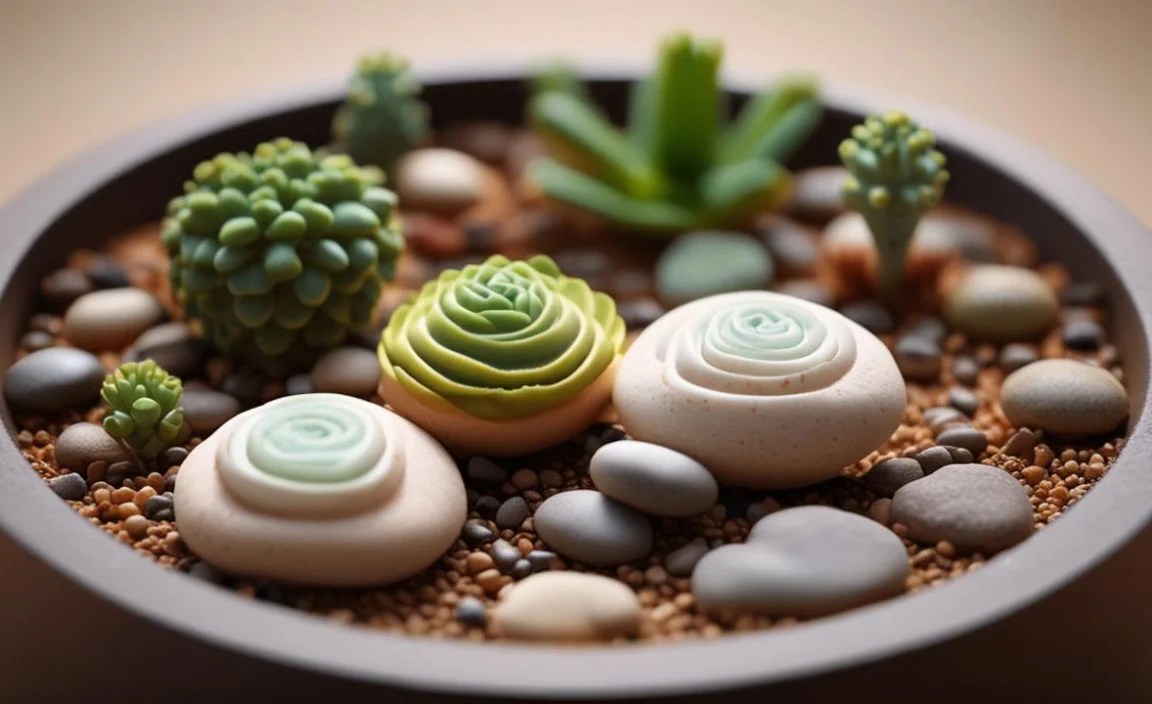
Lithops can have problems. Overwatering is a big one. This can cause root rot. Root rot is when the roots start to rot. It can kill the plant. Pests can also be a problem. Mealybugs are small white bugs. They can suck the juice out of the lithops. Sunburn is another problem. Too much sun can burn the leaves.
- Overwatering causes root rot.
- Mealybugs suck plant juices.
- Sunburn damages the leaves.
- Splitting is often normal.
- Wrinkling means they need water.
- Lack of light causes stretching.
Imagine you are a doctor. You need to know what is wrong with your patient. Caring for lithops indoors is similar. You need to watch for signs of trouble. If the lithops look sick, find out why. Are they getting too much water? Are they getting enough light? Are there bugs on them? Fix the problem quickly. This will help them get better.
Fun Fact or Stat: About 70% of lithops problems are caused by overwatering.
How to Spot Root Rot?
Root rot is bad for lithops. The plant will turn mushy. The base will be soft. There may be a bad smell. If you see this, act fast. Take the lithops out of the pot. Cut off any rotten roots. Let the plant dry out. Then, repot it in fresh soil. Be careful not to overwater it again.
How to Deal with Mealybugs?
Mealybugs are small white pests. They look like cotton. They suck the juice from lithops. You can wipe them off with a cotton swab. Dip the swab in rubbing alcohol. You can also use insecticidal soap. Spray it on the lithops. Repeat every few days. Keep checking for more bugs.
What Does Sunburn Look Like?
Sunburn looks like brown spots on the leaves. The leaves might also turn white. This means the lithops are getting too much sun. Move them to a shadier spot. Or, use a sheer curtain to filter the light. The leaves will not heal. But new leaves will grow in healthy.
When Do Lithops Split?
Splitting is normal for lithops. It is part of their life cycle. They split to grow new leaves. The old leaves dry up. The new leaves grow inside. This usually happens in the spring. Do not water them when they are splitting. Let the old leaves dry up completely. Then, you can start watering again.
- Splitting is a normal process.
- New leaves grow inside.
- Old leaves dry up.
- Do not water during splitting.
- Splitting happens in spring.
- The new leaves are delicate.
Imagine lithops are like snakes. Snakes shed their skin. Lithops shed their leaves. This helps them grow. The new leaves are fresh and green. The old leaves are dry and papery. Caring for lithops indoors means understanding this process. Do not pull off the old leaves. Let them fall off on their own.
Fun Fact or Stat: A lithops can complete a full split in about 4-8 weeks.
Why Do Lithops Split?
Lithops split to make new leaves. The new leaves need space to grow. The old leaves dry up and make room. This is how they grow bigger. It is also how they stay healthy. The new leaves are stronger. They can store more water. This helps them survive in dry places.
What to Do During Splitting?
Do not water lithops when they are splitting. The old leaves have water inside. The new leaves do not need extra water. Too much water can cause problems. It can make the old leaves rot. It can also hurt the new leaves. Just leave them alone until the old leaves are dry.
How Long Does Splitting Take?
Splitting can take several weeks. It depends on the lithops. It also depends on the conditions. Warm weather can speed it up. Cool weather can slow it down. Be patient. Let the process happen naturally. Do not try to rush it. This can hurt the plant.
Dormancy in Lithops Indoor Care
Dormancy is when lithops rest. They do not grow much. This usually happens in the winter. They need very little water during dormancy. In fact, you should not water them at all. Keep them in a cool, bright place. But not too cold. Dormancy is important for their health. It helps them save energy.
- Dormancy happens in winter.
- They need very little water.
- Keep them cool and bright.
- Do not fertilize them.
- They are resting and saving energy.
- Let them rest completely.
Imagine lithops are like bears. Bears sleep in the winter. Lithops rest in the winter. This helps them get ready for spring. They store energy. They get strong. Caring for lithops indoors means respecting their dormancy. Do not try to make them grow in winter. Let them rest. They will thank you in the spring.
Fun Fact or Stat: Lithops dormancy period usually lasts for about 3-4 months during winter.
Why Is Dormancy Important?
Dormancy is important for lithops. It helps them stay healthy. It lets them rest and save energy. This energy helps them grow in the spring. If they do not get enough rest, they can become weak. They might not grow well. They might even die. So, let them rest in the winter.
How to Tell if They Are Dormant?
You can tell if lithops are dormant because they stop growing. They might also look a little wrinkled. This is normal. Do not water them just because they look wrinkled. Check the soil first. If it is dry, still do not water them. They do not need water during dormancy.
What to Do During Dormancy?
During dormancy, do not water lithops. Keep them in a cool, bright place. Do not fertilize them. Just leave them alone. Let them rest. They will wake up in the spring. Then, you can start watering them again. Be patient. Dormancy is a natural part of their life cycle.
Summary
Lithops are cool plants. They look like stones. They need special care lithops indoors. Good soil is important. It must drain well. Water them very little. Only when the soil is dry. Give them lots of light. A sunny window is best. Watch for problems. Overwatering is a big one. Let them rest in the winter. These tips will help you grow healthy lithops.
Remember, caring for lithops indoors is about understanding their needs. They are not like regular plants. They need dry conditions. They need lots of light. Be patient and watch them closely. You will be rewarded with beautiful, healthy lithops.
Conclusion
Lithops are fascinating plants. They add beauty to any home. Caring for lithops indoors is easy if you follow the right steps. Give them good soil. Water them carefully. Give them lots of light. Watch for problems. With a little love, your lithops will thrive. Enjoy these unique living stones.
Frequently Asked Questions
Question No 1: How often should I water my lithops indoors?
Answer: Watering lithops depends on the season. In the spring and summer, water only when the soil is completely dry. This might be every two to three weeks. In the fall, reduce watering. In the winter, do not water at all. Lithops are dormant in the winter. Overwatering is a common mistake. It can lead to root rot. Always check the soil before watering. Make sure it is dry. If you are unsure, it is better to wait. Caring for lithops indoors means being careful with water.
Question No 2: What kind of soil is best for lithops?
Answer: Lithops need soil that drains very well. Regular potting soil holds too much water. This can cause root rot. A cactus mix is a good choice. You can also make your own mix. Use equal parts potting soil, sand, and perlite. The sand and perlite help with drainage. Avoid soil with lots of peat moss. Peat moss holds too much water. Caring for lithops indoors means using the right soil mix. Good drainage is key to their health.
Question No 3: How much light do lithops need?
Answer: Lithops need lots of light. A sunny window is best. A south-facing window is ideal. If you do not have enough sunlight, use a grow light. The light should be on for 12-14 hours a day. Without enough light, lithops will stretch. They will become long and thin. This is called etiolation. Make sure they get enough light to stay healthy. Proper lighting is essential when you care lithops indoors.
Question No 4: Why are my lithops splitting?
Answer: Splitting is a normal process for lithops. They split to grow new leaves. The old leaves dry up. The new leaves grow inside. This usually happens in the spring. Do not water them when they are splitting. Let the old leaves dry up completely. Then, you can start watering again. Splitting is a sign that your lithops are healthy and growing. This is part of their natural life cycle.
Question No 5: What are the common problems with lithops?
Answer: Overwatering is a big problem. This can cause root rot. Mealybugs are small white pests. They can suck the juice from lithops. Sunburn is another problem. Too much sun can burn the leaves. Lack of light can cause stretching. Watch your lithops closely. Look for signs of trouble. Fix problems quickly to keep them healthy. Knowing these issues helps you better care lithops indoors.
Question No 6: How do I know if my lithops are dormant?
Answer: Lithops are dormant in the winter. They stop growing. They might also look a little wrinkled. This is normal. Do not water them during dormancy. Keep them in a cool, bright place. But not too cold. Dormancy is important for their health. It helps them save energy. Let them rest completely. This rest period is vital when you care lithops indoors. They need this time to prepare for new growth.
