Do you love plants that are easy to care for? Have you heard of succulents? These plants are super cool. They store water in their leaves. This helps them live in dry places. You can even care succulents outdoors. They can add beauty to your garden.
What if you forgot to water your plants? Succulents are forgiving. They do not need much water. Let’s learn how to keep them happy outside!
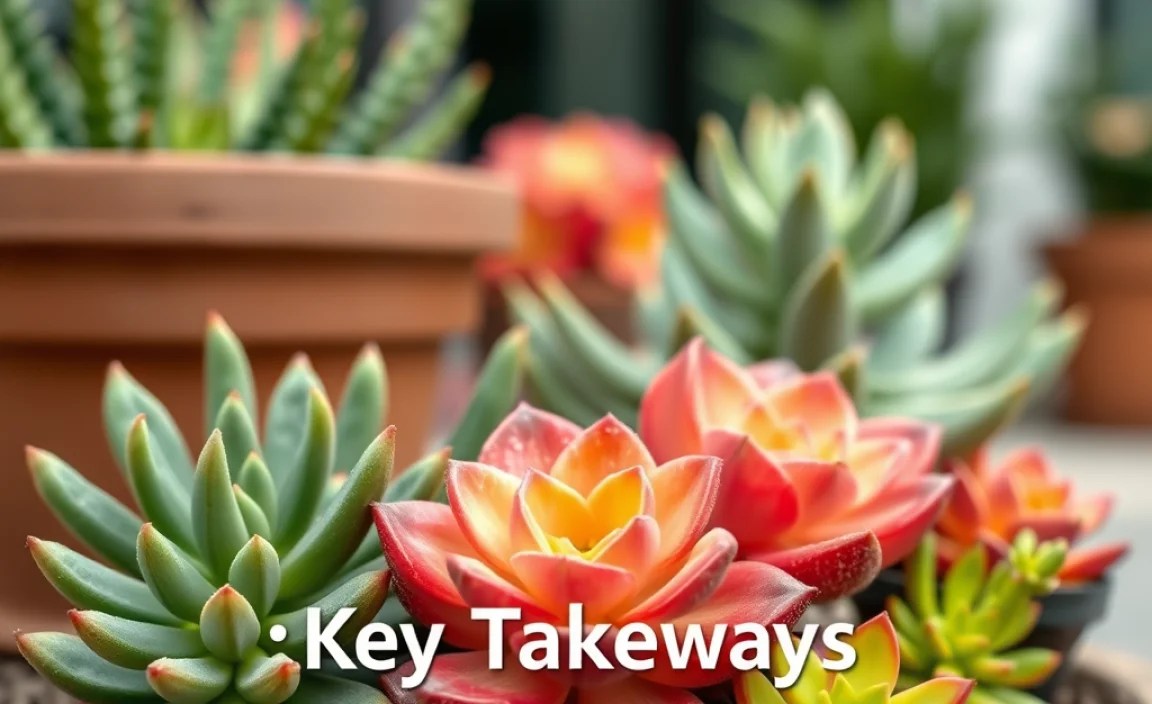
Key Takeaways
- Caring for succulents outdoors involves proper sunlight and well-draining soil.
- Water succulents only when the soil is dry to prevent root rot.
- Protect succulents from frost and extreme temperatures for best growth.
- Choose the right type of pot with drainage holes for healthy roots.
- Regularly check succulents for pests and address them promptly.

How to Care Succulents Outdoors
Caring for succulents outdoors can be very rewarding. These plants are tough and beautiful. They come in many shapes and sizes. To make them thrive, you need to understand their needs. Sunlight is very important. Most succulents need at least six hours of sunlight each day. Well-draining soil is also key. Succulents do not like to sit in wet soil. This can cause their roots to rot. Watering is another important part. Only water when the soil is dry to the touch. Overwatering is a common mistake. Protecting your succulents from frost is vital. Cold temperatures can damage them. With the right care, your succulents will flourish and bring joy to your outdoor space.
- Provide at least 6 hours of sunlight.
- Use well-draining soil.
- Water only when soil is dry.
- Protect from frost and extreme cold.
- Choose pots with drainage holes.
Choosing the right location is also crucial. A spot that gets morning sun and afternoon shade can be ideal. This prevents the succulents from getting scorched by the hot afternoon sun. You should also consider the type of succulent. Some succulents can tolerate more sun than others. Observe your plants. Look for signs of stress. If the leaves are turning yellow or brown, they may be getting too much sun or water. If they are stretching out, they may need more light. With careful observation and proper care, your outdoor succulents will thrive and add beauty to your garden.
Fun Fact or Stat: The tallest succulent is the Saguaro cactus, which can grow up to 40 feet tall!
Choosing the Right Succulent
Have you ever wondered which succulents do best outdoors? Some succulents love the sun. Others prefer a bit of shade. Knowing which type to choose is very important. For sunny spots, try sedums or echeverias. These plants can handle a lot of direct sunlight. If you have a shadier area, consider haworthias or gasterias. These succulents do not need as much sun. Think about the climate in your area. Some succulents are more cold-hardy than others. Sempervivums, also known as hen and chicks, can survive cold winters. Choose succulents that fit your local weather. This will make caring for them much easier and more successful.
Understanding Sunlight Needs
Why is sunlight so important for succulents? Succulents need sunlight to make their food. This process is called photosynthesis. Without enough sunlight, they will not grow well. They might even start to look pale or stretched out. Most succulents need at least six hours of sunlight a day. Some can handle more, but too much direct sun can burn them. Pay attention to your plants. If the leaves start to turn brown, move them to a shadier spot. If they are stretching towards the light, they need more sun. Finding the right balance is key to healthy, happy succulents. Remember, proper sunlight is a vital part of care succulents outdoors.
Watering Succulents Properly
Imagine you are giving your succulents a drink. How much water should you give them? This is a tricky question. Succulents do not like to be overwatered. Too much water can cause their roots to rot. A good rule of thumb is to only water when the soil is dry to the touch. Stick your finger into the soil. If it feels dry, it is time to water. When you do water, water deeply. Make sure the water drains out of the bottom of the pot. Then, let the soil dry out completely before watering again. During the winter, succulents need even less water. They are not actively growing, so they do not need as much moisture. This careful approach is essential for good care succulents outdoors.
Fun Fact or Stat: Succulents can store water in their leaves, stems, and roots, allowing them to survive long periods without rain!

Soil and Potting for Outdoor Succulents
The right soil and pot can make a big difference for your outdoor succulents. Succulents need soil that drains well. Regular potting soil holds too much water. This can lead to root rot. You can buy special succulent and cactus mix. Or, you can make your own. Mix regular potting soil with perlite and coarse sand. This will improve drainage. The pot is also important. Choose a pot with drainage holes. This allows excess water to escape. Terracotta pots are a good choice. They are porous and help the soil dry out faster. Make sure the pot is the right size for your succulent. A pot that is too big can hold too much water. A pot that is too small can restrict growth. Use these tips to care succulents outdoors more effectively.
- Use well-draining soil mix.
- Choose pots with drainage holes.
- Terracotta pots are a good option.
- Select the right pot size.
- Avoid over-potting succulents.
- Consider adding gravel to the bottom for extra drainage.
Repotting is also an important part of caring for your succulents. Over time, the soil can become compacted. This reduces drainage. Repot your succulents every one to two years. Choose a pot that is slightly larger than the old one. Gently remove the succulent from its old pot. Loosen the roots. Place it in the new pot. Fill with fresh soil mix. Water lightly. Repotting gives your succulents a fresh start. It also allows you to check the roots for any signs of rot or disease. With proper soil and potting, your outdoor succulents will thrive.
Fun Fact or Stat: Adding a layer of gravel on top of the soil can help prevent soil erosion and keep the base of the succulent dry!
Choosing the Right Soil Mix
Why is the right soil mix so important for succulents? Succulents are different from other plants. They store water in their leaves and stems. They do not like to sit in wet soil. The right soil mix helps water drain quickly. This prevents root rot. A good soil mix for succulents includes perlite, coarse sand, and potting soil. Perlite and sand help with drainage. Potting soil provides nutrients. You can buy pre-made succulent mixes. Or, you can make your own. Experiment to find the mix that works best for your plants. The right soil mix is key to healthy outdoor succulents. This is a critical part of care succulents outdoors.
Selecting the Perfect Pot
Imagine you are shopping for a new home for your succulent. What kind of pot should you choose? The perfect pot is more than just pretty. It also helps your succulent stay healthy. Choose a pot with drainage holes. This lets extra water escape. Terracotta pots are great. They breathe and help the soil dry out. Plastic pots are okay too. But be careful not to overwater. The size of the pot matters. It should be big enough for the roots to grow. But not too big, or it will hold too much water. Pick a pot that fits your succulent and your style. This makes caring for your succulents outdoors easier.
Repotting Succulents Correctly
Have you ever moved a plant to a new home? This is called repotting. Succulents sometimes need repotting. This gives them fresh soil and more room to grow. When should you repot? If the roots are coming out of the drainage holes, it is time. Gently take the succulent out of its old pot. Loosen the roots a little. Put it in the new pot. Add fresh soil. Water lightly. Do not water too much right after repotting. Give the roots time to adjust. Repotting helps your succulents stay healthy and happy. This is an important part of care succulents outdoors.

Watering Needs for Outdoor Succulents
Understanding the watering needs of your outdoor succulents is very important. Succulents are known for storing water. They do not need to be watered as often as other plants. Overwatering is a common mistake that can lead to root rot. The best way to water succulents is to wait until the soil is completely dry. Then, water deeply until water drains out of the bottom of the pot. During the summer, you may need to water more often. During the winter, you can water less. Always check the soil before watering. Different types of succulents may have different watering needs. Pay attention to your plants and adjust your watering schedule as needed. Proper watering is essential for successful care succulents outdoors.
| Season | Watering Frequency | Tips |
|---|---|---|
| Spring | Every 1-2 weeks | Check soil dryness before watering |
| Summer | Every week | Water deeply but allow soil to dry |
| Fall | Every 2-3 weeks | Reduce watering as temperatures cool |
| Winter | Once a month | Water sparingly; avoid overwatering |
- Water only when soil is dry.
- Water deeply when watering.
- Reduce watering in winter.
- Consider the type of succulent.
- Check soil moisture regularly.
Factors like sunlight and temperature also affect watering needs. Succulents in full sun will need more water than those in shade. Hot weather will also increase the need for water. Cool, cloudy weather will decrease it. Always observe your plants. Look for signs of overwatering or underwatering. Overwatered succulents may have soft, mushy leaves. Underwatered succulents may have shriveled, wrinkled leaves. Adjust your watering schedule based on these signs. With careful observation and proper watering, your outdoor succulents will thrive and bring beauty to your space.
Fun Fact or Stat: Some succulents have adapted to collect dew at night, which they then absorb through their leaves!
Checking Soil Moisture
How do you know when your succulents need water? The best way is to check the soil moisture. Stick your finger into the soil. Go down about an inch. If the soil feels dry, it is time to water. If it feels damp, wait a few more days. You can also use a moisture meter. This tool tells you how much moisture is in the soil. Overwatering is a common problem with succulents. Checking the soil moisture helps you avoid this mistake. It is a simple way to make sure your succulents get the right amount of water. This is key to successful care succulents outdoors.
Adjusting Watering for Seasons
Imagine the seasons changing. The weather gets warmer or colder. Your succulents‘ watering needs change too. In the spring and summer, they grow more. They need more water. In the fall and winter, they rest. They need less water. Adjust your watering schedule to match the season. Water more in the warm months. Water less in the cool months. This helps your succulents stay healthy all year round. Seasonal adjustments are important for care succulents outdoors.
Recognizing Signs of Overwatering
Have you ever given your succulents too much love? Sometimes, too much water can hurt them. Overwatering is a common mistake. How can you tell if you are overwatering? Look at the leaves. If they are soft and mushy, you might be overwatering. The leaves might also turn yellow or translucent. The plant might start to rot. If you see these signs, stop watering. Let the soil dry out completely. Then, water less often in the future. Recognizing the signs of overwatering helps you keep your succulents healthy. This is crucial for proper care succulents outdoors.

Sunlight and Shade for Succulents
Finding the right balance of sunlight and shade is essential for succulents. Most succulents need at least six hours of sunlight per day. However, too much direct sunlight can burn their leaves. Afternoon sun can be especially harsh. Some succulents prefer partial shade. These include haworthias and gasterias. Observe your plants carefully. If the leaves are turning brown or red, they may be getting too much sun. If the plants are stretching towards the light, they need more sun. Adjust their location as needed. Providing the right amount of sunlight and shade will help your succulents thrive. This is a key aspect of care succulents outdoors.
- Provide at least 6 hours of sunlight.
- Avoid harsh afternoon sun.
- Some prefer partial shade.
- Observe for signs of sunburn.
- Adjust location as needed.
The intensity of the sun also varies depending on the season. During the summer, the sun is stronger. You may need to provide more shade. During the winter, the sun is weaker. You may need to move your succulents to a sunnier spot. Consider using shade cloth to protect your plants from intense sunlight. You can also use a reflective surface to increase sunlight exposure. Experiment to find the right balance for your plants. With the right amount of sunlight and shade, your outdoor succulents will flourish and bring beauty to your garden.
Fun Fact or Stat: The color of a succulent can change depending on the amount of sunlight it receives!
Identifying Sunburn
Have you ever gotten a sunburn? Plants can get sunburned too! Too much sun can damage their leaves. How can you tell if your succulent is sunburned? The leaves might turn brown or white. They might look dry and crispy. Sunburn is more common in the afternoon. The sun is strongest then. If you see signs of sunburn, move your succulent to a shadier spot. You can also use shade cloth to protect it. Preventing sunburn helps your succulents stay healthy. This is important for care succulents outdoors.
Providing Shade When Needed
Imagine it is a very hot day. The sun is beating down. You might want to find some shade. Succulents sometimes need shade too. Some succulents do not like too much direct sun. They prefer partial shade. How can you provide shade? You can move your succulents to a spot that gets less sun. You can also use shade cloth. This blocks some of the sun’s rays. Providing shade helps protect your succulents from sunburn. It keeps them healthy and happy. Shade is important for care succulents outdoors.
Acclimating Succulents to Sunlight
Have you ever started a new exercise routine? You have to start slowly. Your body needs time to adjust. Succulents are the same way. If you move a succulent from a shady spot to a sunny spot, it can get stressed. The leaves might burn. You need to acclimate them slowly. Start by putting them in the sun for a few hours each day. Gradually increase the amount of time. This gives them time to adjust to the stronger sunlight. Acclimating succulents helps them stay healthy. This is a key part of care succulents outdoors.
Protecting Succulents from Frost
Protecting your succulents from frost is crucial. Many succulents are not cold-hardy. Frost can damage or even kill them. When temperatures drop below freezing, you need to take action. One option is to bring your succulents indoors. If they are in pots, this is easy to do. If they are planted in the ground, you can cover them with frost cloth. This provides insulation and protects them from the cold. Water your succulents sparingly during the winter. Wet soil can freeze and damage the roots. Check the weather forecast regularly. Be prepared to protect your plants when frost is predicted. This is a vital part of care succulents outdoors.
- Bring indoors if possible.
- Cover with frost cloth.
- Water sparingly in winter.
- Check weather forecasts.
- Use mulch for insulation.
Another way to protect your succulents from frost is to choose cold-hardy varieties. Sempervivums, also known as hen and chicks, are very tolerant of cold temperatures. Sedums are also relatively cold-hardy. Research the specific needs of your succulents. Choose varieties that are well-suited to your climate. You can also create a microclimate in your garden. Plant your succulents near a wall or building. This provides some protection from the wind and cold. With proper planning and protection, you can keep your outdoor succulents safe from frost and enjoy their beauty year-round.
Fun Fact or Stat: Some succulents can survive temperatures as low as -20°F if they are kept dry!
Using Frost Cloth
Imagine it is a cold winter night. The temperature is dropping. Frost is forming on the ground. How can you protect your succulents? One way is to use frost cloth. This is a special fabric that protects plants from the cold. It traps heat and keeps the plants warmer. Drape the frost cloth over your succulents. Make sure it covers them completely. Secure the edges so the wind does not blow it away. Remove the frost cloth when the temperature rises above freezing. Frost cloth is a simple and effective way to protect your succulents from frost. This is an important part of care succulents outdoors.
Bringing Succulents Indoors
What is the best way to protect succulents from frost? Bringing them indoors! If your succulents are in pots, this is easy to do. Just pick them up and move them inside. Place them in a sunny spot. A south-facing window is ideal. Water them sparingly. They do not need as much water indoors. When the weather warms up, you can move them back outside. Bringing succulents indoors is a simple way to keep them safe from the cold. This is a smart way to care succulents outdoors.
Choosing Cold-Hardy Varieties
Have you ever heard of cold-hardy succulents? These are special types of succulents that can survive cold weather. They can tolerate frost and even snow. Sempervivums are a good example. They are also called hen and chicks. Sedums are another cold-hardy option. If you live in a cold climate, choose these types of succulents. They will be more likely to survive the winter. Choosing cold-hardy varieties makes care succulents outdoors easier.
Dealing with Pests and Diseases
Even with the best care, outdoor succulents can sometimes be affected by pests and diseases. Common pests include mealybugs, aphids, and spider mites. These pests can suck the sap from the plants, causing them to weaken and die. Check your succulents regularly for signs of pests. Look for small white or brown bugs on the leaves and stems. You can treat pests with insecticidal soap or neem oil. These are natural and effective options. Diseases are less common in succulents. However, root rot can be a problem if the soil is too wet. Prevent root rot by using well-draining soil and avoiding overwatering. Addressing pests and diseases promptly will help keep your succulents healthy. This is an important part of care succulents outdoors.
- Check regularly for pests.
- Use insecticidal soap or neem oil.
- Prevent root rot with well-draining soil.
- Avoid overwatering.
- Isolate infected plants.
If you notice a pest infestation or disease, isolate the affected plant. This will prevent the problem from spreading to other succulents. Remove any dead or dying leaves. This will help to improve air circulation. You can also use a fan to increase air flow around the plants. This will help to prevent fungal diseases. With careful observation and prompt treatment, you can keep your outdoor succulents healthy and pest-free. Remember that consistent monitoring is key to preventing major issues.
Fun Fact or Stat: Some succulents produce natural chemicals that repel certain pests!
Identifying Common Pests
Have you ever seen tiny bugs on your plants? These might be pests. Common succulent pests include mealybugs, aphids, and spider mites. Mealybugs look like small white cotton balls. Aphids are small and green or black. Spider mites are tiny and hard to see. They leave webs on the plants. Check your succulents regularly for these pests. The sooner you find them, the easier they are to treat. Identifying pests is important for care succulents outdoors.
Using Natural Pest Control
Imagine you see pests on your succulents. You want to get rid of them. But you do not want to use harsh chemicals. What can you do? Try natural pest control! Insecticidal soap is a good option. Neem oil is another one. These products are safe for plants and the environment. They kill pests without harming beneficial insects. Apply the soap or oil to the affected areas. Repeat as needed. Natural pest control helps keep your succulents healthy. This is a great way to care succulents outdoors.
Preventing Root Rot
Why do succulents sometimes get root rot? It is because of too much water. The roots sit in wet soil. They start to rot. How can you prevent root rot? Use well-draining soil. Do not overwater. Let the soil dry out completely between waterings. Make sure your pots have drainage holes. These steps help prevent root rot. They keep your succulents healthy. Preventing root rot is key for proper care succulents outdoors.
Propagating Succulents Outdoors
Propagating succulents is a fun and easy way to get more plants. It is like making copies of your favorite succulents! There are several ways to propagate succulents. One common method is to use leaf cuttings. Gently remove a leaf from the plant. Let it dry for a few days. Then, place it on top of well-draining soil. Mist the soil lightly. After a few weeks, roots and new plantlets will start to grow. Another method is to use stem cuttings. Cut a stem from the plant. Let it dry for a few days. Then, plant it in well-draining soil. Water lightly. With patience and proper care, you will have new succulents in no time. This is a rewarding part of care succulents outdoors.
- Use leaf cuttings.
- Use stem cuttings.
- Let cuttings dry before planting.
- Use well-draining soil.
- Mist soil lightly.
When propagating succulents outdoors, choose a location that is protected from direct sunlight. Too much sun can burn the cuttings. A spot with partial shade is ideal. Keep the soil moist, but not too wet. Overwatering can cause the cuttings to rot. Be patient. It can take several weeks or even months for the cuttings to root. Once the new plants have established roots, you can transplant them into individual pots. With a little bit of effort, you can create a whole collection of outdoor succulents from just a few cuttings.
Fun Fact or Stat: Some succulents can even be propagated from a single leaf fragment!
Using Leaf Cuttings
Have you ever grown a new plant from just a leaf? You can do this with succulents! This is called using leaf cuttings. Gently twist a leaf off the plant. Make sure you get the whole leaf. Let the leaf dry for a few days. This helps it form a callus. Then, place the leaf on top of soil. Mist the soil lightly. Wait for roots to grow. It can take a few weeks. Soon, you will have a new succulent plant. Using leaf cuttings is a fun way to care succulents outdoors.
Using Stem Cuttings
Imagine you want to make a copy of your favorite succulent. You can use a stem cutting! Cut a piece of the stem. Let it dry for a few days. This helps it heal. Then, plant the stem in soil. Water it lightly. Wait for roots to grow. It can take a few weeks. Soon, you will have a new succulent plant. Using stem cuttings is another way to propagate succulents. This is a simple way to care succulents outdoors.
Caring for New Propagations
How do you take care of new succulent babies? They need gentle care. Keep them in a spot with indirect sunlight. Water them lightly. Do not overwater. The soil should be moist, but not soggy. Protect them from frost. Be patient. It takes time for them to grow. Soon, they will be strong and healthy. Caring for new propagations is rewarding. This is a special part of care succulents outdoors.
Summary
Caring for succulents outdoors is easy and fun. Succulents need well-draining soil, sunlight, and not too much water. Protect them from frost in the winter. Choose the right type of succulent for your climate. Check them regularly for pests and diseases. With a little bit of care, your outdoor succulents will thrive and bring beauty to your garden. Remember to adjust watering based on the season and weather conditions.
Consider propagating your succulents to expand your collection. Use leaf or stem cuttings to create new plants. Provide the right amount of sunlight and shade to prevent sunburn. By following these simple tips, you can successfully care succulents outdoors and enjoy their unique beauty.
Conclusion
Succulents are amazing plants that are easy to care for. They are perfect for adding beauty to your outdoor space. Remember to provide them with well-draining soil, sunlight, and protection from frost. By following these simple tips, you can successfully care succulents outdoors and enjoy their unique beauty for years to come. Happy gardening!
Frequently Asked Questions
Question No 1: How often should I water my outdoor succulents?
Answer: You should water your outdoor succulents only when the soil is completely dry. Stick your finger into the soil to check. If it feels dry, it is time to water. Water deeply until water drains out of the bottom of the pot. During the summer, you may need to water once a week. During the winter, you may only need to water once a month. Overwatering is a common mistake that can lead to root rot. Always err on the side of underwatering. Care succulents outdoors involves careful monitoring of watering needs.
Question No 2: What kind of soil is best for outdoor succulents?
Answer: Succulents need soil that drains well. Regular potting soil holds too much water. This can lead to root rot. You can buy special succulent and cactus mix. Or, you can make your own. Mix regular potting soil with perlite and coarse sand. This will improve drainage. The right soil is essential for healthy succulents. It allows water to drain quickly and prevents root rot. Make sure to use well-draining soil when you care succulents outdoors.
Question No 3: How much sunlight do outdoor succulents need?
Answer: Most succulents need at least six hours of sunlight per day. However, too much direct sunlight can burn their leaves. Afternoon sun can be especially harsh. Some succulents prefer partial shade. Observe your plants carefully. If the leaves are turning brown or red, they may be getting too much sun. If the plants are stretching towards the light, they need more sun. Adjust their location as needed. Finding the right balance is key when you care succulents outdoors.
Question No 4: How do I protect my succulents from frost?
Answer: Protecting your succulents from frost is crucial. Many succulents are not cold-hardy. Frost can damage or even kill them. When temperatures drop below freezing, you need to take action. One option is to bring your succulents indoors. If they are planted in the ground, you can cover them with frost cloth. Water your succulents sparingly during the winter. These steps will help when you care succulents outdoors in colder climates.
Question No 5: What are some common pests that affect succulents?
Answer: Common pests that affect succulents include mealybugs, aphids, and spider mites. These pests can suck the sap from the plants, causing them to weaken and die. Check your succulents regularly for signs of pests. Look for small white or brown bugs on the leaves and stems. You can treat pests with insecticidal soap or neem oil. These are natural and effective options. Regular inspection is important when you care succulents outdoors.
Question No 6: How can I propagate succulents outdoors?
Answer: Propagating succulents is a fun and easy way to get more plants. One common method is to use leaf cuttings. Gently remove a leaf from the plant. Let it dry for a few days. Then, place it on top of well-draining soil. Mist the soil lightly. After a few weeks, roots and new plantlets will start to grow. Another method is to use stem cuttings. Both methods are great ways to expand your collection when you care succulents outdoors.
