Do you love plants with bright colors? Have you ever seen a plant with leaves like flames? That might be a coleus! Caring coleus indoors is easier than you think. These plants bring fun and color to any room. Let’s learn how to keep them happy and healthy!
Key Takeaways
- Caring coleus indoors means giving them enough light to keep colors bright.
- Water coleus when the top of the soil feels dry, but avoid overwatering.
- Pinch off new growth to keep your coleus bushy and full.
- Use well-draining soil to prevent root rot for a healthy plant.
- Coleus plants need warm temperatures, so keep them away from cold drafts.
Best Spot for Coleus Indoors

Coleus plants love light. They need lots of bright, indirect light to show off their amazing colors. Think of it like this: the more light, the more vibrant the leaves! If you don’t have a sunny window, don’t worry. You can use a grow light. A grow light will give your coleus the light it needs. Without enough light, your coleus might get leggy. Leggy means the stems get long and thin. The colors might fade too. So, find a bright spot for your coleus. Your plant will thank you with beautiful, colorful leaves. Caring coleus indoors starts with finding the perfect, sun-kissed spot.
- Place coleus near a sunny window.
- Use sheer curtains to filter strong sunlight.
- Rotate the plant regularly for even growth.
- Consider using a grow light if needed.
- Watch for signs of too little light, like fading color.
Imagine your coleus is like a sunbather. It wants to soak up the rays, but not get burned! Too much direct sunlight can scorch the leaves. So, a little bit of shade is good. A south-facing window is often best. But an east- or west-facing window can also work. Just keep an eye on your plant. If the leaves look pale, it might be getting too much sun. If the colors are dull, it needs more light. Caring coleus indoors is about finding the right balance.
How Much Light Does Coleus Need?
Coleus plants need about six hours of bright, indirect light each day. What does “indirect light” mean? It means the sun’s rays don’t shine directly on the leaves. Instead, the light is filtered or diffused. Think of it like the light on a cloudy day. It’s still bright, but it’s not harsh. Do you have a window with a tree outside? That might be perfect! The tree will filter the sunlight. If you don’t have a good window, a grow light is a great option. You can find grow lights at most garden stores. They come in different shapes and sizes. Some even look like regular light bulbs!
Signs of Too Much or Too Little Light
How can you tell if your coleus is getting the right amount of light? Look at the leaves! If the leaves are pale or bleached, it’s getting too much sun. Move it to a spot with less direct light. If the leaves are dull or the stems are long and thin, it needs more light. Try moving it to a brighter spot. You can also use a grow light. Caring coleus indoors also means you need to check the plant often. The leaves can also burn if the sun is too strong. Watch your plant for signs of stress.
Adjusting Light Levels Throughout the Year
The amount of sunlight changes throughout the year. In the summer, the sun is stronger and days are longer. Your coleus might need less direct light. In the winter, the sun is weaker and days are shorter. Your coleus might need more light. You might need to move your plant to a different window. Or you might need to use a grow light. Pay attention to your plant. It will tell you what it needs. Caring coleus indoors also means watching the seasons.
Fun Fact or Stat: Coleus plants can have over 200 different color combinations in their leaves!
Watering Tips for Indoor Coleus

Watering is very important for caring coleus indoors. Coleus plants like moist soil, but not soggy soil. Soggy soil can lead to root rot. Root rot is when the roots start to decay. This can kill your plant. To avoid root rot, make sure your pot has drainage holes. Drainage holes let extra water escape. Water your coleus when the top inch of soil feels dry. You can stick your finger in the soil to check. If it feels dry, it’s time to water. When you water, water thoroughly. This means watering until water comes out of the drainage holes. Then, empty the saucer under the pot. This prevents the plant from sitting in water.
- Water when the top inch of soil is dry.
- Use a pot with drainage holes.
- Water thoroughly until water drains out.
- Empty the saucer under the pot.
- Avoid overwatering to prevent root rot.
Think of watering like giving your coleus a drink when it’s thirsty. You don’t want to drown it! Overwatering is a common mistake. It’s better to underwater slightly than to overwater. Underwatered coleus will droop. But they can usually recover quickly. Overwatered coleus can develop root rot. Root rot is much harder to fix. So, err on the side of caution. Check the soil before you water. Let the soil dry out a bit between waterings. Caring coleus indoors also depends on the kind of pot used.
How Often Should You Water?
How often should you water your coleus? It depends on a few things. The size of the pot, the type of soil, and the temperature all matter. In general, you’ll probably need to water every one to two weeks. But check the soil regularly. Don’t just water on a schedule. Feel the soil. If it’s dry, water. If it’s still moist, wait. During the summer, you might need to water more often. During the winter, you might need to water less often. Caring coleus indoors means watching the soil.
Signs of Overwatering and Underwatering
How can you tell if you’re overwatering or underwatering? Overwatered coleus will have yellowing leaves. The leaves might also feel soft and mushy. The soil will be very wet. Underwatered coleus will have drooping leaves. The leaves might also feel dry and crispy. The soil will be very dry. If you see these signs, adjust your watering schedule. Caring coleus indoors is about learning to read your plant’s signals.
Best Time of Day to Water Coleus
The best time of day to water your coleus is in the morning. This gives the plant time to absorb the water during the day. It also allows the leaves to dry out before nightfall. Wet leaves at night can lead to fungal problems. If you can’t water in the morning, afternoon is okay too. Just avoid watering in the evening. Caring coleus indoors is about timing.
Fun Fact or Stat: Coleus leaves can change color depending on how much water they get!
Soil Needs for a Healthy Coleus

The right soil is key for caring coleus indoors. Coleus plants need well-draining soil. This means the soil should hold enough moisture, but not too much. Too much moisture can cause root rot. A good potting mix for coleus is a mix of peat moss, perlite, and vermiculite. Peat moss helps retain moisture. Perlite and vermiculite help with drainage. You can buy pre-made potting mixes at most garden stores. Look for a mix that is specifically for houseplants. Avoid using garden soil. Garden soil is often too heavy and doesn’t drain well. This can lead to problems for your coleus.
- Use a well-draining potting mix.
- Choose a mix with peat moss, perlite, and vermiculite.
- Avoid using garden soil.
- Repot your coleus every year or two.
- Use a pot that is only slightly larger than the previous one.
Think of the soil as your coleus’s home. You want it to be a comfortable place for the roots to grow. The right soil will provide the nutrients the plant needs. It will also allow the roots to breathe. Compacted soil can suffocate the roots. This can lead to stunted growth. So, choose your soil carefully. Repotting your coleus every year or two will also help. Repotting gives the plant fresh soil. It also allows you to check the roots for any problems. Caring coleus indoors is about providing a good home for your plant.
Understanding Soil pH for Coleus
Soil pH is a measure of how acidic or alkaline the soil is. Coleus plants prefer slightly acidic soil. A pH of around 6.0 to 7.0 is ideal. You can test the pH of your soil using a soil testing kit. You can buy these kits at most garden stores. If your soil is too alkaline, you can add sulfur to lower the pH. If your soil is too acidic, you can add lime to raise the pH. Caring coleus indoors also means you need to understand the chemistry of the soil.
How to Improve Soil Drainage
Good drainage is very important for coleus. If your soil doesn’t drain well, you can improve it. Add more perlite or vermiculite to the mix. These materials will help create air pockets in the soil. This will allow water to drain more easily. You can also add some coarse sand to the mix. Just make sure it’s not beach sand. Beach sand contains salt. Salt can harm your coleus. Caring coleus indoors is about making sure water doesn’t sit in the soil.
Choosing the Right Potting Mix
When choosing a potting mix, look for one that is specifically for houseplants. These mixes are usually well-draining and contain the right nutrients. Avoid mixes that are heavy or contain a lot of clay. These mixes can become compacted and prevent drainage. You can also make your own potting mix. A simple recipe is equal parts peat moss, perlite, and vermiculite. Caring coleus indoors means giving your plant the best start.
Fun Fact or Stat: The type of soil can affect the color of the coleus leaves!
Temperature and Humidity Needs
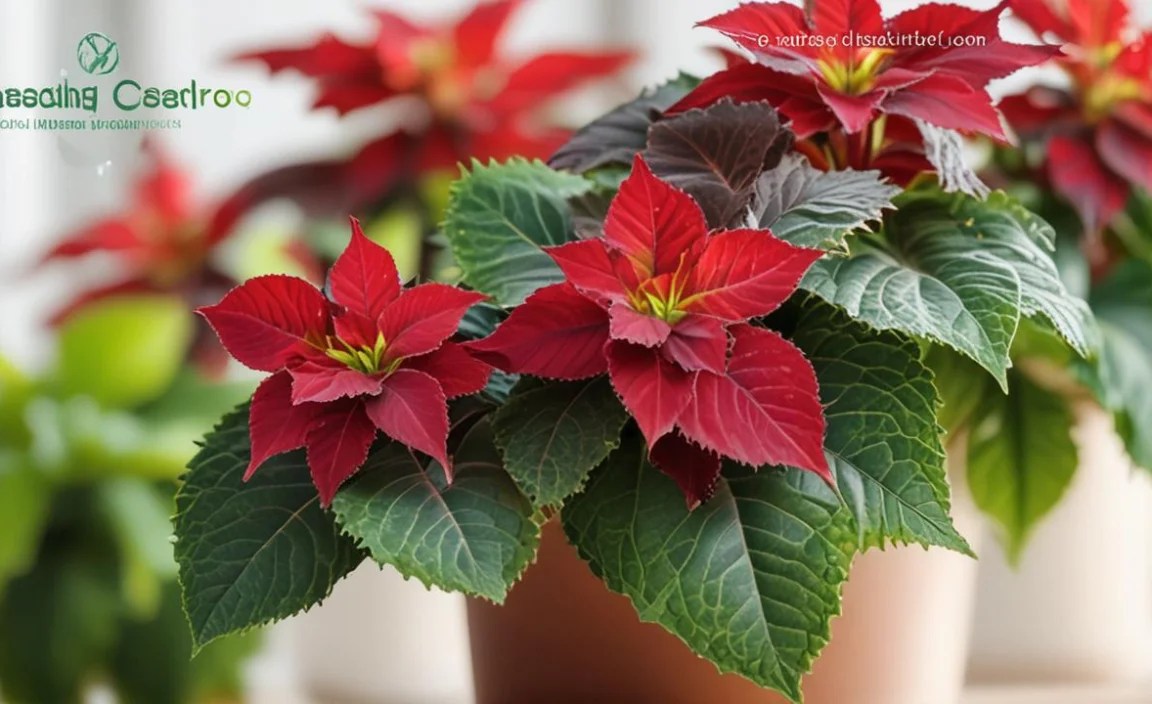
Coleus plants love warmth. They do best in temperatures between 60°F and 75°F. Avoid exposing your coleus to temperatures below 50°F. Cold temperatures can damage the leaves. Keep your coleus away from drafts. Drafts can also cause the leaves to drop. Coleus plants also like humidity. Humidity is the amount of moisture in the air. If the air is too dry, the leaves can turn brown and crispy. You can increase humidity by using a humidifier. Or, you can place a tray of water near the plant. As the water evaporates, it will increase the humidity around the plant. Caring coleus indoors means creating a warm and humid environment.
- Maintain temperatures between 60°F and 75°F.
- Avoid temperatures below 50°F.
- Keep plants away from drafts.
- Increase humidity with a humidifier or water tray.
- Mist the leaves occasionally.
Think of your coleus as a tropical plant. It loves warm, humid conditions. Dry air can be a real problem, especially in the winter. When the heat is on, the air can become very dry. This can cause the leaves to dry out. A humidifier is a great way to combat this. You can also group your plants together. Plants release moisture into the air. Grouping them together will create a more humid microclimate. Caring coleus indoors is about mimicking the plant’s natural environment.
Ideal Temperature Range for Coleus
The ideal temperature range for coleus is between 60°F and 75°F. This is a comfortable temperature for most people too. So, if you’re comfortable, your coleus is probably comfortable too. Avoid placing your coleus near heat sources, like radiators or vents. These can dry out the air and damage the plant. Caring coleus indoors also means keeping the plant at the right temperature.
How to Increase Humidity for Coleus
There are several ways to increase humidity for your coleus. A humidifier is the most effective way. But there are other options too. You can place a tray of water near the plant. You can also mist the leaves with water. Just be careful not to mist too much. Wet leaves can lead to fungal problems. Grouping your plants together is another great way to increase humidity. Caring coleus indoors also means you need to find ways to keep the air moist.
Recognizing Signs of Temperature Stress
How can you tell if your coleus is stressed by temperature? If the leaves are drooping or turning brown, it might be too cold. If the leaves are wilting or the soil is very dry, it might be too hot. Move your plant to a more suitable location. Adjust the temperature or humidity as needed. Caring coleus indoors also means watching for signs of stress.
Fun Fact or Stat: Coleus plants can tolerate higher humidity levels than many other houseplants!
Fertilizing Indoor Coleus Plants

Fertilizing is important for caring coleus indoors. Coleus plants need nutrients to grow and thrive. You should fertilize your coleus every two to four weeks during the growing season. The growing season is spring and summer. Use a balanced liquid fertilizer. A balanced fertilizer has equal amounts of nitrogen, phosphorus, and potassium. Follow the instructions on the fertilizer label. Don’t over-fertilize. Over-fertilizing can burn the roots. In the fall and winter, you don’t need to fertilize as often. The plant is not actively growing during this time.
- Fertilize every two to four weeks during the growing season.
- Use a balanced liquid fertilizer.
- Follow the instructions on the fertilizer label.
- Don’t over-fertilize.
- Reduce fertilizing in the fall and winter.
Think of fertilizer as vitamins for your coleus. It gives the plant the extra boost it needs to grow strong and healthy. But just like with vitamins, too much can be harmful. Over-fertilizing can cause the leaves to turn brown. It can also damage the roots. So, always follow the instructions on the label. It’s better to under-fertilize slightly than to over-fertilize. Caring coleus indoors is about finding the right balance.
Understanding NPK Values in Fertilizers
NPK stands for nitrogen, phosphorus, and potassium. These are the three main nutrients that plants need. Nitrogen helps with leaf growth. Phosphorus helps with root growth. Potassium helps with overall plant health. The NPK value is listed on the fertilizer label. It’s a series of three numbers, like 10-10-10. This means the fertilizer contains 10% nitrogen, 10% phosphorus, and 10% potassium. A balanced fertilizer has equal amounts of all three nutrients. Caring coleus indoors also means you need to understand basic plant nutrition.
Choosing the Right Fertilizer for Coleus
When choosing a fertilizer for coleus, look for a balanced liquid fertilizer. A 10-10-10 fertilizer is a good choice. You can also use a fertilizer that is specifically for houseplants. These fertilizers are often formulated to meet the needs of indoor plants. Avoid using fertilizers that are high in nitrogen. High nitrogen levels can cause the leaves to become too green. This can reduce the vibrancy of the colors. Caring coleus indoors also means you need to choose the right type of food for the plant.
Recognizing Signs of Nutrient Deficiency
How can you tell if your coleus is deficient in nutrients? If the leaves are yellowing, it might be deficient in nitrogen. If the leaves are turning purple, it might be deficient in phosphorus. If the leaves are developing brown spots, it might be deficient in potassium. You can also test your soil to determine if it is lacking in nutrients. Caring coleus indoors also means watching for signs of nutrient deficiency.
| Nutrient | Deficiency Symptoms | How to Fix |
|---|---|---|
| Nitrogen (N) | Yellowing leaves, stunted growth | Add a nitrogen-rich fertilizer |
| Phosphorus (P) | Purple leaves, poor root growth | Add a phosphorus-rich fertilizer |
| Potassium (K) | Brown spots on leaves, weak stems | Add a potassium-rich fertilizer |
| Magnesium (Mg) | Yellowing between veins, leaf drop | Add Epsom salts to the soil |
Fun Fact or Stat: Some coleus varieties need more fertilizer than others, depending on their growth rate!
Pruning and Shaping Your Coleus
Pruning is very important for caring coleus indoors. Coleus plants can get leggy if they are not pruned. Leggy means the stems get long and thin with few leaves. Pruning encourages the plant to branch out. This makes it fuller and bushier. To prune your coleus, simply pinch off the tips of the stems. You can also cut back longer stems with scissors. Pruning also encourages new growth. The more you prune, the more the plant will grow. You can also shape your coleus by pruning. If you want a round shape, prune the sides more than the top. If you want a taller shape, prune the top less than the sides.
- Pinch off stem tips to encourage branching.
- Cut back longer stems with scissors.
- Prune regularly to maintain shape.
- Remove any dead or damaged leaves.
- Pruning encourages new growth and fuller plants.
Think of pruning as giving your coleus a haircut. You’re trimming it to keep it looking its best. Pruning also helps to remove any dead or damaged leaves. Dead leaves can attract pests and diseases. So, it’s important to remove them. You can also propagate coleus from cuttings. This means you can grow new plants from the stems you prune off. Simply place the cuttings in water. They will root in a few weeks. Caring coleus indoors also means you can make more plants!
Why Pruning Encourages Bushier Growth
Why does pruning encourage bushier growth? When you prune the tip of a stem, you remove the plant’s apical dominance. Apical dominance is when the main stem grows faster than the side stems. By removing the tip, you encourage the side stems to grow. This makes the plant fuller and bushier. It’s like telling the plant to focus on growing outwards instead of upwards. Caring coleus indoors also means you need to understand how plants grow.
How to Shape Your Coleus Through Pruning
You can shape your coleus by pruning it strategically. If you want a round shape, prune the sides more than the top. If you want a taller shape, prune the top less than the sides. You can also use pruning to create interesting shapes. Some people train their coleus into topiaries. This takes time and patience, but the results can be stunning. Caring coleus indoors also means you can express your creativity.
When to Prune Your Coleus
The best time to prune your coleus is during the growing season. This is when the plant is actively growing. You can prune it every few weeks to maintain its shape. Avoid pruning your coleus in the fall or winter. The plant is not actively growing during this time. Pruning during dormancy can stress the plant. Caring coleus indoors also means you need to time it right.
Fun Fact or Stat: You can root coleus cuttings in water in just a few days!
Pests and Diseases to Watch Out For
Even with the best caring coleus indoors, problems can arise. Coleus plants can be susceptible to pests and diseases. Common pests include aphids, mealybugs, and spider mites. Aphids are small, soft-bodied insects that suck sap from the leaves. Mealybugs are white, cottony insects that also suck sap. Spider mites are tiny, spider-like creatures that create webs on the leaves. These pests can weaken the plant and cause damage. To get rid of pests, you can spray the plant with insecticidal soap. You can also wipe the leaves with a damp cloth. Common diseases include root rot and fungal leaf spots. Root rot is caused by overwatering. Fungal leaf spots are caused by too much moisture on the leaves.
- Watch for aphids, mealybugs, and spider mites.
- Spray pests with insecticidal soap.
- Wipe leaves with a damp cloth.
- Prevent root rot by avoiding overwatering.
- Ensure good air circulation to prevent fungal diseases.
Think of pests and diseases as unwanted visitors. You want to get rid of them as quickly as possible. Early detection is key. Check your plant regularly for signs of pests or diseases. The sooner you catch a problem, the easier it will be to fix. Good air circulation can also help prevent problems. Make sure your plant is not overcrowded. This will allow air to circulate freely around the leaves. Caring coleus indoors also means you need to be vigilant.
Identifying Common Coleus Pests
How can you identify common coleus pests? Aphids are small, green, or black insects that cluster on the stems and leaves. Mealybugs are white, cottony insects that hide in the leaf axils. Spider mites are tiny, spider-like creatures that create webs on the undersides of the leaves. Look closely at your plant. Use a magnifying glass if needed. Caring coleus indoors also means you need to be a detective.
Preventing and Treating Fungal Diseases
How can you prevent and treat fungal diseases? Avoid overwatering. Make sure your plant has good air circulation. Remove any dead or damaged leaves. If you see signs of fungal disease, spray the plant with a fungicide. You can find fungicides at most garden stores. Caring coleus indoors also means you need to be proactive.
Organic Pest Control Methods
There are many organic pest control methods you can use. Insecticidal soap is a good option. Neem oil is another effective treatment. You can also use beneficial insects, like ladybugs, to control aphids. These natural predators will eat the pests without harming your plant. Caring coleus indoors also means you can choose natural solutions.
Fun Fact or Stat: Some coleus varieties are naturally more resistant to pests and diseases!
Summary
Caring coleus indoors is fun and rewarding. These plants are easy to grow. They add a splash of color to any room. Remember to give them bright, indirect light. Water them when the top inch of soil feels dry. Fertilize them every two to four weeks during the growing season. Prune them regularly to keep them bushy. Watch out for pests and diseases. With a little care, your coleus will thrive. You’ll have a beautiful and vibrant plant to enjoy. These colorful plants will brighten up your home. Coleus plants are a great choice for indoor gardening.
Conclusion
Coleus plants are beautiful and easy to care for indoors. They bring vibrant colors to your home. They need bright light, well-draining soil, and regular watering. Pruning helps them stay bushy and full. Watch for pests and diseases. Caring coleus indoors can be a rewarding experience. Enjoy the beauty of these colorful plants!
Frequently Asked Questions
Question No 1: How much light does a coleus need indoors?
Answer: Coleus plants need a lot of bright, indirect light. About six hours a day is ideal. If you don’t have a sunny window, use a grow light. Too little light can cause the colors to fade. The stems might also get long and thin. But too much direct sunlight can burn the leaves. Watch your plant and adjust the light as needed. Caring coleus indoors starts with getting the light right. The leaves should be vibrant. If they are not, then the plant may need to be moved into a different location.
Question No 2: How often should I water my indoor coleus?
Answer: Water your coleus when the top inch of soil feels dry. Stick your finger in the soil to check. Water thoroughly until water comes out of the drainage holes. Empty the saucer under the pot. Don’t let the plant sit in water. Overwatering can lead to root rot. Underwatered coleus will droop. But they can usually recover quickly. Check the soil regularly. Adjust your watering schedule as needed. Caring coleus indoors also means you need to know when to water.
Question No 3: What kind of soil is best for coleus plants?
Answer: Coleus plants need well-draining soil. A good potting mix is a mix of peat moss, perlite, and vermiculite. Avoid using garden soil. Garden soil is often too heavy. It doesn’t drain well. This can lead to problems for your coleus. Repot your coleus every year or two. This gives the plant fresh soil. It also allows you to check the roots for any problems. Caring coleus indoors also depends on the correct soil.
Question No 4: How do I prune my coleus plant?
Answer: Pruning is important for keeping your coleus bushy. Pinch off the tips of the stems. You can also cut back longer stems with scissors. Prune regularly to maintain the shape of your plant. Remove any dead or damaged leaves. Pruning encourages new growth. The more you prune, the more the plant will grow. It is important to know that caring coleus indoors requires periodic pruning of the plants.
Question No 5: What are common pests that attack coleus?
Answer: Common pests include aphids, mealybugs, and spider mites. Aphids are small, soft-bodied insects. Mealybugs are white, cottony insects. Spider mites are tiny, spider-like creatures. These pests can weaken the plant and cause damage. To get rid of pests, spray the plant with insecticidal soap. You can also wipe the leaves with a damp cloth. Inspect the plants often to ensure any infestations are handled swiftly.
Question No 6: How do I fertilize my indoor coleus?
Answer: Fertilize your coleus every two to four weeks during the growing season. Use a balanced liquid fertilizer. Follow the instructions on the fertilizer label. Don’t over-fertilize. Over-fertilizing can burn the roots. In the fall and winter, you don’t need to fertilize as often. Caring coleus indoors means you need to feed it with the correct fertiliser.
