Do you love the green look of plants? Do you want to bring nature inside? Caring ferns indoors can make your home feel like a jungle. Ferns are beautiful and can be easy to care for. But how do you keep them happy inside? Let’s learn all about it!
Ferns come in many shapes and sizes. Some are big and leafy. Others are small and delicate. Imagine having a lush, green fern on your desk. Or maybe a hanging basket full of ferns in your room. It’s like having a little piece of the forest with you!
Keeping ferns happy inside is not hard. You just need to know a few simple tricks. We will talk about light, water, and soil. We will also learn about the best kinds of ferns for your home. Get ready to become a fern expert! Caring ferns indoors is easier than you think.
Key Takeaways
- Caring ferns indoors requires the right balance of light, water, and humidity.
- Choose fern varieties that adapt well to indoor environments, like Boston ferns.
- Regularly check the soil moisture and water when the top inch feels dry.
- Provide indirect sunlight or artificial light to mimic their natural habitat.
- Maintain humidity by misting, using a humidifier, or placing ferns on a pebble tray.
Choosing the Right Ferns for Indoors

Caring ferns indoors starts with picking the right plant. Not all ferns are happy living inside. Some need lots of sunlight. Others need very high humidity. The best ferns for indoors are the ones that can handle lower light and humidity. Boston ferns are a great choice. They are popular and easy to find. Maidenhair ferns are beautiful but need more care. Staghorn ferns are unique and can be mounted on a wall. Knowing which fern is best for your home is important. It helps you give it the right care. Think about how much light you have. Think about how much time you want to spend caring ferns indoors. This will help you pick the perfect fern.
- Boston ferns are easy to care for.
- Maidenhair ferns need high humidity.
- Staghorn ferns can be mounted.
- Choose ferns that fit your home.
- Consider light and time commitment.
Think about where you want to put your fern. A sunny window might be too bright for some ferns. A dark corner might not be enough light. Watch how your fern grows. If it looks pale or yellow, it might need more light. If the leaves are brown and crispy, it might be getting too much light. You can always move your fern to a different spot. Caring ferns indoors means paying attention to your plant. It means learning what it needs and giving it the best possible home. With a little love, your fern will thrive and bring beauty to your space. Remember to check on your fern often and adjust its care as needed. This will keep your fern happy and healthy for a long time.
Fun Fact or Stat: Boston ferns are one of the most popular indoor ferns because they are relatively easy to care for and can tolerate lower light conditions!
Understanding Light Requirements
Do you know how much light your fern needs? Ferns like bright, indirect light. This means they don’t want to sit in direct sunlight. Direct sun can burn their leaves. Imagine you are at the beach. You want to sit under an umbrella, not right in the sun. Ferns feel the same way. They like the shade. A north-facing window is often a good spot. East-facing windows can also work. If you only have sunny windows, use a sheer curtain. The curtain will soften the light. If your fern is not getting enough light, it might look pale. You can also use a grow light to give it extra light. Caring ferns indoors includes making sure your fern gets the right amount of light.
Humidity and Fern Health
Have you ever walked into a greenhouse? It feels warm and humid. Ferns love humidity. They grow best in moist air. Indoors, the air can be very dry. Especially in winter when the heat is on. You can increase humidity in a few ways. Misting your fern with water is one way. Use a spray bottle and mist the leaves a few times a day. You can also use a humidifier. A humidifier adds moisture to the air. Another trick is to use a pebble tray. Fill a tray with pebbles and add water. Place your fern on top of the pebbles. As the water evaporates, it creates humidity. Caring ferns indoors means keeping the air moist for your plant.
Choosing the Right Potting Mix
What kind of soil does your fern need? Ferns like soil that drains well. This means the water doesn’t sit in the pot. Soggy soil can cause root rot. Root rot is when the roots start to rot. Use a potting mix that is light and airy. You can buy special fern potting mix. Or you can make your own. Mix together peat moss, perlite, and vermiculite. These ingredients help the soil drain well. Make sure your pot has drainage holes. This lets extra water escape. When you water your fern, let the water run out the bottom of the pot. Caring ferns indoors includes using the right soil and pot.
Watering Techniques for Indoor Ferns

Water is very important for caring ferns indoors. But how much water do ferns need? It’s a good question! Ferns like their soil to be moist. Not too wet, and not too dry. A good way to check is to stick your finger into the soil. If the top inch feels dry, it’s time to water. Water slowly and evenly. Make sure the water reaches all the roots. Let the extra water drain out of the pot. Don’t let your fern sit in standing water. This can cause problems. In the winter, ferns don’t need as much water. They are not growing as fast. So, you can water them less often. Keep an eye on your fern. If the leaves start to droop, it might need more water. If the leaves turn yellow, you might be watering too much.
- Check soil moisture with your finger.
- Water when the top inch is dry.
- Water slowly and evenly.
- Let extra water drain out.
- Water less in the winter.
Have you ever forgotten to water your plants? It happens to the best of us! But ferns don’t like to dry out completely. If you forget to water, the leaves will start to turn brown and crispy. Don’t worry, you can still save your fern! Give it a good soak. Place the pot in a sink or tub filled with water. Let it sit for about an hour. This will help the soil rehydrate. After that, let the extra water drain out. Then, start watering your fern regularly again. Remember, caring ferns indoors is all about finding the right balance. It’s about giving your fern just the right amount of water to keep it happy and healthy.
Fun Fact or Stat: Ferns absorb water through their leaves as well as their roots, so misting can help keep them hydrated!
Recognizing Overwatering Signs
What happens if you give your fern too much water? Overwatering is a common problem. It can hurt your fern. The leaves might turn yellow. They might also become soft and mushy. The soil might smell bad. This is because the roots are rotting. If you think you are overwatering, stop watering for a while. Let the soil dry out a bit. Make sure your pot has drainage holes. This will help the extra water escape. You can also repot your fern with fresh soil. This will get rid of the soggy soil. Caring ferns indoors means knowing how to spot the signs of overwatering.
The Importance of Water Quality
Did you know that the type of water you use matters? Ferns are sensitive to chemicals. Tap water can contain chlorine and other chemicals. These can hurt your fern. It’s best to use filtered water or rainwater. You can also let tap water sit out overnight. This will let the chlorine evaporate. Water your fern with room temperature water. Cold water can shock the roots. Warm water can encourage bacteria to grow. Caring ferns indoors means using clean, room temperature water.
Creating a Watering Schedule
How often should you water your fern? There’s no one right answer. It depends on a few things. The type of fern, the size of the pot, and the humidity all matter. A good rule of thumb is to check the soil every few days. Stick your finger into the soil. If the top inch is dry, water it. In the winter, you can water less often. Keep an eye on your fern. If the leaves start to droop, it needs more water. If the leaves turn yellow, you might be watering too much. Caring ferns indoors means creating a watering schedule that works for your fern.
Providing Proper Humidity for Ferns

Ferns love humidity. They need moist air to thrive. Caring ferns indoors means finding ways to increase humidity. One easy way is to mist your fern. Use a spray bottle filled with water. Mist the leaves a few times a day. This will help keep the air around the fern moist. Another trick is to use a pebble tray. Fill a tray with pebbles and add water. Place your fern on top of the pebbles. As the water evaporates, it creates humidity. You can also use a humidifier. A humidifier adds moisture to the air. Place the humidifier near your fern. Grouping plants together can also help. Plants release moisture into the air. The more plants you have, the more humid it will be.
- Mist your fern regularly.
- Use a pebble tray.
- Use a humidifier.
- Group plants together.
- Avoid placing ferns near drafts.
- Keep ferns away from heaters.
Have you ever noticed your fern’s leaves turning brown and crispy? This is often a sign of low humidity. Dry air can damage the leaves. It can also make your fern more likely to get pests. Keeping the humidity up will help your fern stay healthy and happy. Remember, caring ferns indoors is about creating the right environment. It’s about mimicking the conditions ferns would experience in their natural habitat. With a little effort, you can create a humid haven for your fern.
Fun Fact or Stat: Ferns thrive in humidity levels between 60% and 80%, similar to their native rainforest environments!
Using a Humidifier Effectively
Do you know how to use a humidifier? Humidifiers add moisture to the air. They can be very helpful for ferns. Place the humidifier near your fern. Make sure it’s not too close. You don’t want to soak the leaves. Use distilled water in your humidifier. Tap water can contain minerals that can build up. Clean your humidifier regularly. This will prevent mold and bacteria from growing. Caring ferns indoors can be easier with a humidifier.
The Pebble Tray Method
Have you ever seen a pebble tray? It’s a simple way to increase humidity. Fill a tray with pebbles. Add water to the tray. Make sure the water doesn’t cover the pebbles. Place your fern on top of the pebbles. As the water evaporates, it creates humidity. Refill the water as needed. This is an easy and inexpensive way to help your fern. Caring ferns indoors doesn’t have to be expensive or hard.
Grouping Plants for Humidity
Do you have other houseplants? Grouping them together can help. Plants release moisture into the air. The more plants you have, the more humid it will be. Place your ferns near other plants. This will create a more humid microclimate. Make sure your plants have enough space. You don’t want them to be overcrowded. Caring ferns indoors can be easier with friends.
Fertilizing Your Indoor Ferns

Do ferns need fertilizer? Yes, they do! Fertilizer helps your fern grow strong and healthy. But you don’t need to fertilize ferns very often. Over-fertilizing can hurt them. Use a balanced liquid fertilizer. Dilute it to half strength. Fertilize your fern every 2-3 months during the growing season. The growing season is in the spring and summer. Don’t fertilize in the fall and winter. Ferns don’t grow as much during those months. Water your fern before you fertilize. This will help prevent fertilizer burn. Fertilizer burn is when the fertilizer damages the roots. Caring ferns indoors includes fertilizing, but not too much!
- Use a balanced liquid fertilizer.
- Dilute the fertilizer to half strength.
- Fertilize every 2-3 months.
- Fertilize during the growing season.
- Water before fertilizing.
Have you ever seen a fern with yellow or brown leaves? This could be a sign that it needs fertilizer. But it could also be a sign of other problems. Check the soil moisture. Check the humidity. Check the light. Make sure you are not overwatering or underwatering. If all those things are okay, then it might be time to fertilize. Remember, caring ferns indoors is about paying attention to your plant. It’s about understanding what it needs and giving it the right care. Don’t be afraid to experiment and learn. With a little practice, you’ll become a fern expert!
Fun Fact or Stat: Ferns are light feeders, so they only need a small amount of fertilizer to thrive!
Choosing the Right Fertilizer
What kind of fertilizer should you use? Ferns like a balanced fertilizer. Look for a fertilizer with equal parts nitrogen, phosphorus, and potassium. These are the three main nutrients plants need. Nitrogen helps with leaf growth. Phosphorus helps with root growth. Potassium helps with overall health. You can find liquid fertilizers or slow-release fertilizers. Liquid fertilizers are easy to use. Slow-release fertilizers release nutrients over time. Caring ferns indoors means choosing the right fertilizer for your plant.
Avoiding Over-Fertilization
What happens if you give your fern too much fertilizer? Over-fertilizing can be harmful. The leaves might turn brown and crispy. The roots might get damaged. This is called fertilizer burn. If you think you have over-fertilized, flush the soil. This means watering the plant thoroughly. Let the water run out the bottom of the pot. This will help remove the excess fertilizer. Caring ferns indoors means knowing how to avoid over-fertilization.
Natural Fertilizing Options
Are there natural ways to fertilize ferns? Yes, there are! Compost tea is a great option. Compost tea is made by steeping compost in water. The water extracts the nutrients from the compost. You can also use fish emulsion. Fish emulsion is made from fish waste. It’s a natural source of nitrogen. Dilute these fertilizers before using them. Caring ferns indoors can be done with natural products.
Dealing with Common Fern Problems
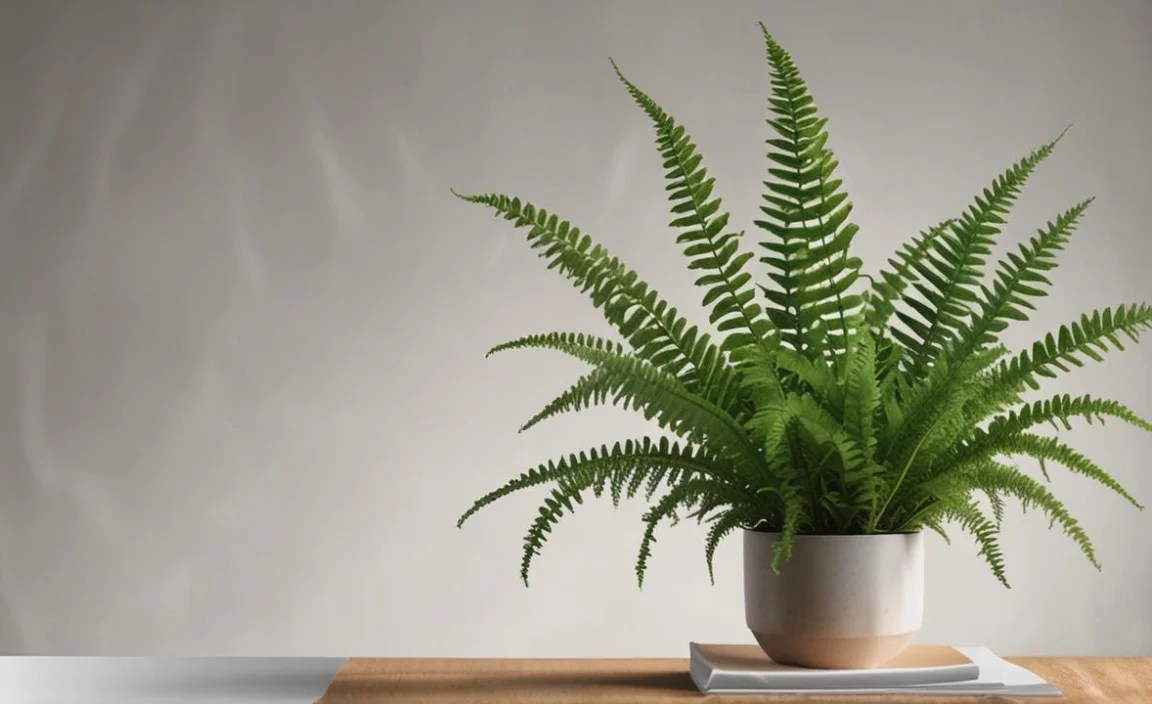
Sometimes, even with the best care, ferns can have problems. Caring ferns indoors includes knowing how to deal with these issues. One common problem is brown leaves. This can be caused by low humidity, too much sun, or not enough water. Check the conditions and adjust as needed. Another problem is pests. Spider mites, mealybugs, and scale can attack ferns. You can wash them off with water. You can also use insecticidal soap. Root rot is another issue. This is caused by overwatering. Make sure your pot has drainage holes. Use a well-draining potting mix. Yellow leaves can be a sign of overwatering or underwatering. Check the soil moisture and adjust your watering schedule.
| Problem | Possible Cause | Solution |
|---|---|---|
| Brown Leaves | Low humidity, too much sun, not enough water | Increase humidity, move to shadier spot, water more |
| Pests | Spider mites, mealybugs, scale | Wash with water, use insecticidal soap |
| Root Rot | Overwatering | Improve drainage, use well-draining soil |
| Yellow Leaves | Overwatering or underwatering | Adjust watering schedule |
| Pale Leaves | Not enough light | Move to brighter location or use grow light |
Have you ever found bugs on your fern? It can be scary! But don’t worry, you can get rid of them. First, try washing the leaves with water. This will remove many of the pests. If that doesn’t work, use insecticidal soap. Follow the instructions on the label. You might need to apply the soap a few times to get rid of all the bugs. Caring ferns indoors means being vigilant. It means checking your plant regularly for signs of problems. The sooner you catch a problem, the easier it will be to fix.
Fun Fact or Stat: Ferns are relatively pest-resistant compared to other houseplants, but they can still be susceptible to common pests like spider mites!
Identifying Common Pests
Do you know what spider mites look like? They are tiny, spider-like creatures. They can be hard to see. They often leave webs on the leaves. Mealybugs are white and cottony. They like to hide in the crevices of the plant. Scale looks like small bumps on the stems and leaves. Knowing what these pests look like can help you identify them early. Caring ferns indoors means knowing your enemy.
Natural Pest Control Methods
Are there natural ways to get rid of pests? Yes, there are! Neem oil is a natural insecticide. It’s made from the neem tree. Insecticidal soap is another option. It’s made from fatty acids. You can also try using a strong stream of water to wash off the pests. Caring ferns indoors can be done without harsh chemicals.
Preventing Future Problems
How can you prevent problems from happening in the first place? Keep your fern healthy. Healthy plants are less likely to get pests and diseases. Provide the right light, water, and humidity. Check your plant regularly for signs of problems. Isolate new plants before adding them to your collection. This will prevent pests from spreading. Caring ferns indoors means being proactive.
Repotting Your Indoor Ferns
When should you repot your fern? Ferns don’t need to be repotted very often. But if your fern is getting too big for its pot, it’s time to repot. You might also need to repot if the soil is old and compacted. Spring is the best time to repot. Choose a pot that is slightly larger than the current pot. Use a well-draining potting mix. Gently remove the fern from its old pot. Loosen the roots. Place the fern in the new pot. Fill in the pot with potting mix. Water the fern thoroughly. Caring ferns indoors includes repotting when needed.
- Repot when the fern is too big.
- Repot when the soil is old.
- Repot in the spring.
- Choose a slightly larger pot.
- Use well-draining potting mix.
Have you ever tried to repot a plant and accidentally broken some roots? It can happen! Be gentle when you remove the fern from its old pot. If the roots are tightly packed, you can use your fingers to loosen them. Don’t worry if you break a few roots. The fern will recover. After repotting, water the fern well. This will help it settle into its new home. Keep an eye on the fern for the next few weeks. Make sure it’s getting enough light and water. Caring ferns indoors means giving your fern a fresh start.
Fun Fact or Stat: Repotting ferns every 1-2 years can help refresh the soil and provide more room for the roots to grow!
Choosing the Right Pot Size
How big should the new pot be? Choose a pot that is slightly larger than the current pot. A pot that is too big can hold too much water. This can lead to root rot. A pot that is too small will restrict the roots. This can stunt the growth of the fern. Caring ferns indoors means choosing the right size pot.
Selecting the Best Potting Mix
What kind of potting mix should you use? Ferns like a well-draining potting mix. You can buy special fern potting mix. Or you can make your own. Mix together peat moss, perlite, and vermiculite. These ingredients help the soil drain well. Caring ferns indoors means using the right potting mix.
Repotting Steps
What are the steps for repotting? First, gather your supplies. You’ll need a new pot, potting mix, and a trowel. Gently remove the fern from its old pot. Loosen the roots. Place the fern in the new pot. Fill in the pot with potting mix. Water the fern thoroughly. Caring ferns indoors can be easy if you follow these steps.
Summary
Caring ferns indoors can be a rewarding experience. Ferns bring beauty and a touch of nature to your home. Choosing the right fern, like a Boston fern, is the first step. Providing the right amount of light, water, and humidity is crucial. Ferns need bright, indirect light and moist soil. Misting the leaves and using a pebble tray can increase humidity. Fertilize sparingly during the growing season. Watch out for pests and diseases. Repot when necessary. By following these tips, you can keep your ferns healthy and thriving.
Conclusion
Caring ferns indoors is not as hard as you might think. With a little knowledge and effort, you can enjoy these beautiful plants in your home. Remember to provide the right light, water, and humidity. Watch out for pests and diseases. With a little love, your ferns will thrive and bring joy to your space. Start caring ferns indoors today!
Frequently Asked Questions
Question No 1: What is the best location for caring ferns indoors?
Answer: Ferns thrive in bright, indirect light. Avoid direct sunlight as it can burn their delicate leaves. An east-facing window is often a good choice, or a spot a few feet away from a south- or west-facing window. If you don’t have enough natural light, you can use a grow light to supplement. Remember, caring ferns indoors requires finding a spot with the right balance of light.
Question No 2: How often should I water my indoor fern?
Answer: The frequency of watering depends on several factors, including the type of fern, the size of the pot, and the humidity levels. A good rule of thumb is to check the soil moisture regularly. When the top inch of soil feels dry to the touch, it’s time to water. Water thoroughly until water drains out of the bottom of the pot. Avoid letting the fern sit in standing water, as this can lead to root rot. In the winter, you may need to water less frequently.
Question No 3: How do I increase humidity for my indoor ferns?
Answer: Ferns love humidity, so it’s important to find ways to increase the moisture in the air around them. One easy method is to mist your fern regularly with water. You can also use a pebble tray. Fill a tray with pebbles and add water, then place the fern on top of the pebbles. As the water evaporates, it creates humidity. A humidifier is another effective option. Grouping plants together can also help, as plants release moisture into the air. Keeping the humidity up is essential for caring ferns indoors.
Question No 4: What are the signs of overwatering or underwatering my fern?
Answer: Overwatering can lead to yellowing leaves, soft or mushy stems, and a foul odor coming from the soil. The leaves may also start to droop. Underwatering, on the other hand, can cause the leaves to turn brown and crispy. The soil will also feel dry to the touch. If you notice these symptoms, adjust your watering schedule accordingly. Remember, caring ferns indoors is about finding the right balance.
Question No 5: What type of potting mix is best for indoor ferns?
Answer: Ferns need a potting mix that is well-draining and rich in organic matter. A good option is to use a mix specifically formulated for ferns. Alternatively, you can create your own mix by combining peat moss, perlite, and vermiculite. These ingredients help to retain moisture while also providing good drainage. Avoid using heavy, clay-based soils, as these can lead to waterlogging and root rot. The right potting mix is key to successfully caring ferns indoors.
Question No 6: How do I deal with pests on my indoor fern?
Answer: Ferns can be susceptible to pests such as spider mites, mealybugs, and scale. If you notice any signs of infestation, take action immediately. You can try washing the leaves with water to remove the pests. For more severe infestations, use insecticidal soap or neem oil. Follow the instructions on the product label carefully. Regularly inspect your fern for pests to catch problems early. Proper caring ferns indoors includes pest control.
