Have you ever seen a lucky bamboo? It looks like a tiny green tower. People think it brings good luck. But did you know it needs special care? Caring for a bamboo plant indoors is not hard. You just need to know the secrets. Let’s learn how to keep your bamboo happy!
Lucky bamboo is not really bamboo. It is a type of lily. It grows in water or soil. It can live for many years. Are you ready to learn more about these plants?
They can add peace to any room. They need the right light and water. Too much sun can hurt them. Clean water keeps them healthy. Let’s explore how to grow them well.
Key Takeaways
- Caring for a bamboo plant indoors involves providing indirect sunlight and clean water.
- Change the water every one to two weeks to prevent bacteria buildup.
- Use filtered or distilled water for your bamboo plant to avoid chemicals.
- Rotate your bamboo plant regularly for even growth on all sides.
- Keep the temperature between 65°F and 75°F for optimal growth.
Best Light for Indoor Bamboo

Light is very important for your bamboo. Too much sun can burn the leaves. Not enough light can make it weak. The best spot is one with bright, indirect light. This means the light is soft and gentle. Think of a spot near a window with a curtain. The curtain will filter the strong sun. Your bamboo will love this spot. It will grow tall and strong. If the leaves turn yellow or brown, it might be getting too much sun. Move it to a shadier place. If it looks pale, it needs more light. Find the perfect balance for happy growth.
- Avoid direct sunlight to prevent leaf burn.
- East-facing windows are often a good choice.
- Rotate the plant so all sides get light.
- Use sheer curtains to filter sunlight.
- If needed, use a grow light for extra help.
Think about where bamboo grows in nature. It grows under big trees. These trees give it shade. You want to copy this environment in your home. Watch your plant closely. Notice how it reacts to the light. Adjust its spot as needed. Remember, happy bamboo has bright green leaves. They stand tall and proud. Caring for a bamboo plant indoors is all about finding the right balance. Light is a key piece of this puzzle. Keep trying, and you will find the perfect spot. Your bamboo will thank you with its healthy growth and vibrant color.
How Much Light Does Bamboo Need?
Do you know how much light your bamboo needs? It is not like other plants. It likes soft, gentle light. Imagine you are reading a book. You do not want the sun shining right in your eyes. You want a lamp that is soft and warm. Bamboo is the same way. It needs enough light to grow. But it doesn’t want to be burned by the sun. A good rule is to give it about six hours of indirect light each day. Watch its leaves. They will tell you if it is happy. Yellow leaves mean too much sun. Pale leaves mean not enough. Adjust the light until it is just right. Caring for a bamboo plant indoors is all about paying attention.
What Happens if Bamboo Gets Too Much Sun?
What if your bamboo gets too much sun? Imagine you are at the beach. You forget to put on sunscreen. Your skin gets red and burned. The same thing can happen to your bamboo. Its leaves can get scorched. They might turn yellow or brown. Too much sun can also dry out the water. This can make your bamboo weak. If you see these signs, move your plant right away. Find a spot with less light. You can also put up a curtain. This will protect it from the harsh sun. Remember, prevention is key. Keep your bamboo happy by giving it the right amount of light.
Signs of Not Enough Light
Have you ever felt tired and weak? Maybe you were not getting enough sunshine. Plants can feel this way too. If your bamboo does not get enough light, it will show signs. The leaves might turn pale green or yellow. The stems might get long and skinny. The plant might not grow as fast. It might even start to lean towards the light. If you see these signs, do not worry. You can fix it! Move your bamboo to a brighter spot. Or, you can use a special plant light. These lights can give your bamboo the extra boost it needs. Just remember, every plant needs some light to thrive. Caring for a bamboo plant indoors involves keeping a close eye on its health.
Fun Fact or Stat: A lucky bamboo plant can survive for up to 10 years with proper care!
Watering Tips for Healthy Bamboo

Water is life for your bamboo. But not just any water will do. You need to use clean, pure water. Tap water can have chemicals that hurt the plant. Filtered or distilled water is best. Change the water every one to two weeks. This keeps the water fresh and clean. It also prevents bacteria from growing. The water level should cover the roots. But do not let it go too high. Too much water can rot the stems. Caring for a bamboo plant indoors means paying close attention to water quality and levels. A happy bamboo has healthy, strong roots. These roots need clean water to thrive. So, choose your water wisely. Your bamboo will thank you with its vibrant green leaves.
- Use filtered or distilled water.
- Change the water every 1-2 weeks.
- Keep the water level covering the roots.
- Avoid tap water due to chemicals.
- Check for algae or cloudiness in the water.
- Clean the container when you change the water.
Imagine your bamboo is a thirsty friend. You would not give your friend dirty water, would you? The same goes for your bamboo. Give it the best water you can. This will keep it healthy and strong. Also, check the water often. Look for any signs of trouble. If the water looks cloudy or smelly, change it right away. This can prevent problems before they start. Remember, water is a key part of caring for a bamboo plant indoors. Get it right, and your bamboo will flourish. It will bring you joy for many years to come. Healthy bamboo plants are a great addition to any home.
Why Filtered Water Matters
Why is filtered water so important for bamboo? Think about it like this. You would not want to drink water full of dirt and chemicals. Your bamboo feels the same way. Tap water often has chlorine and fluoride. These chemicals can hurt your plant. They can make the leaves turn brown. Filtered water removes these harmful substances. It is like giving your bamboo a clean, refreshing drink. This helps it grow strong and healthy. Using filtered water is a simple way to show you care. It makes a big difference in the life of your plant. Caring for a bamboo plant indoors is all about the details.
How Often Should You Change the Water?
How often should you change the water for your bamboo? Imagine you have a fish tank. You would not leave the same water in there forever. It would get dirty and unhealthy for the fish. The same is true for your bamboo. Stagnant water can breed bacteria. This can harm the plant’s roots. A good rule is to change the water every one to two weeks. This keeps the water fresh and clean. It also gives the roots a chance to breathe. Changing the water is a quick and easy task. It can make a big difference in your plant’s health. Add it to your routine for caring for a bamboo plant indoors.
Signs of Water Problems
How can you tell if your bamboo is having water problems? The plant will give you clues. Look closely at the leaves. If they are turning yellow or brown, it could be a sign. The stems might also look slimy or mushy. This can mean the roots are rotting. The water itself might look cloudy or smell bad. These are all signs that something is wrong. If you see any of these problems, take action right away. Change the water. Check the roots. Make sure the plant is getting the right amount of light. Early detection can save your bamboo’s life. Caring for a bamboo plant indoors involves being observant and responsive.
Fun Fact or Stat: Bamboo can grow up to 36 inches in a single day!
Choosing the Right Container
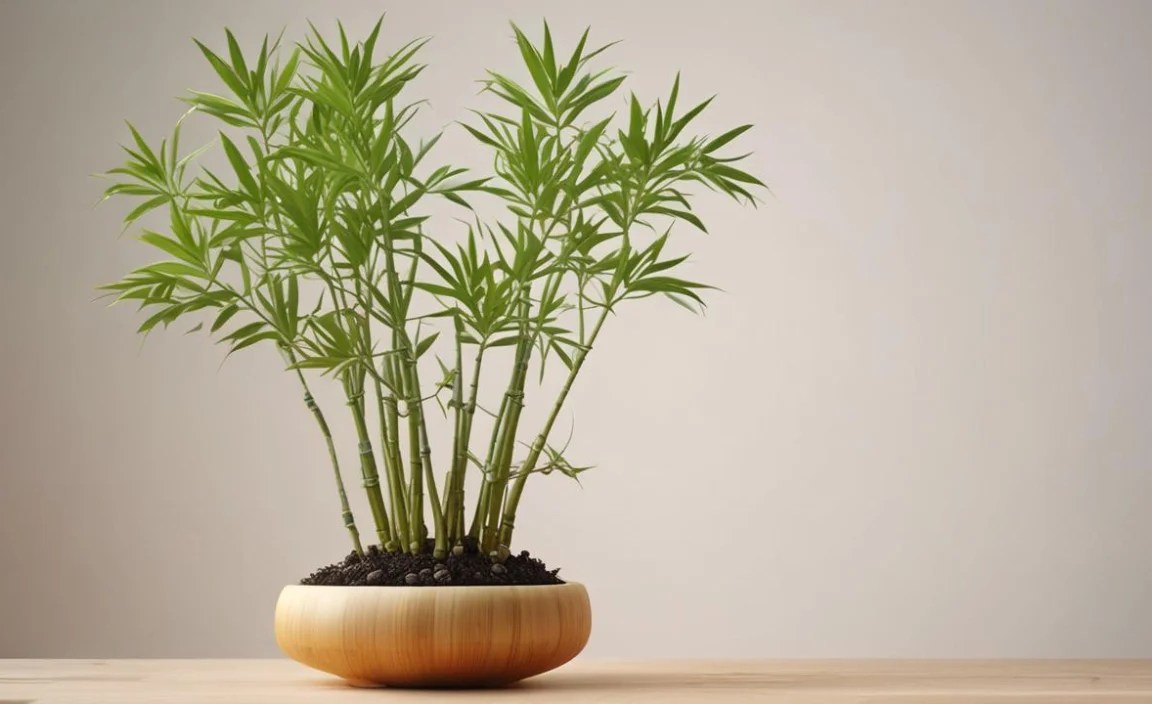
The container is like a home for your bamboo’s roots. You want to choose a good one. It should be big enough for the roots to grow. But not too big that the plant gets lost. A glass vase or pot works well. Make sure it is clean. You don’t want any dirt or germs in there. The container should also be stable. You don’t want it to tip over easily. Add some pebbles or stones to the bottom. This helps to keep the plant upright. It also adds a nice look. Caring for a bamboo plant indoors starts with a good foundation. The right container sets the stage for healthy growth.
- Choose a container that is stable and clean.
- Glass vases or pots work well for bamboo.
- Add pebbles for stability and decoration.
- Ensure the container is large enough for root growth.
- Clean the container thoroughly before use.
- Avoid containers with small openings.
Think of your container as a cozy bed for your bamboo. You want it to be comfortable and safe. A good container will support the plant’s growth. It will also protect the roots from harm. Choose a container that you like. It should match your home’s style. This will make your bamboo even more special. Remember, the container is more than just a holder. It is a part of the plant’s environment. Choose wisely, and your bamboo will thrive. Caring for a bamboo plant indoors is about creating a happy home for your green friend.
Best Container Materials
What are the best materials for a bamboo container? Glass is a popular choice. It lets you see the roots growing. This can be fun and educational. Ceramic is another good option. It is sturdy and comes in many colors. Plastic is also okay, but it is not as attractive. Avoid metal containers. Metal can rust and harm the plant. The material should also be non-toxic. You don’t want anything leaching into the water. Choose a material that is safe and beautiful. This will make your bamboo look its best. Caring for a bamboo plant indoors includes selecting safe materials.
Container Size Matters
Does the size of the container matter? Yes, it does! Imagine trying to fit your feet into shoes that are too small. It would be uncomfortable, right? The same is true for your bamboo’s roots. They need enough space to spread out. If the container is too small, the roots will get cramped. This can stunt the plant’s growth. A good rule is to choose a container that is at least a few inches wider than the root ball. This gives the roots room to grow and thrive. Remember, happy roots mean a happy plant. Caring for a bamboo plant indoors means giving the roots the space they need.
Decorating Your Bamboo Container
How can you decorate your bamboo container? This is where you can get creative! Add some colorful pebbles to the bottom. Use different sizes and shapes. This will add visual interest. You can also add small figurines. Choose something that matches your style. A tiny Buddha or a cute animal would be fun. Just make sure the decorations are clean and safe. You don’t want anything that will harm the plant. Decorating your container is a way to personalize your bamboo. It shows off your creativity and makes the plant even more special. Caring for a bamboo plant indoors can be a fun and artistic process.
Fun Fact or Stat: Bamboo is one of the fastest-growing plants on Earth!
Fertilizing Your Indoor Bamboo Plant

Bamboo plants need food to grow. This food is called fertilizer. But be careful! Too much fertilizer can hurt the plant. Use a very weak fertilizer. Look for one that is made for bamboo. Or, use a general houseplant fertilizer. Dilute it to half strength. This means mixing it with twice as much water. Fertilize your bamboo every few months. Do it during the growing season. This is usually in the spring and summer. Do not fertilize in the winter. The plant is resting then. Caring for a bamboo plant indoors includes feeding it the right amount of food. This keeps it strong and healthy.
- Use a diluted liquid fertilizer.
- Fertilize every 2-3 months during growing season.
- Avoid over-fertilizing to prevent damage.
- Use a fertilizer specifically for bamboo.
- Flush the soil with water occasionally to remove salt buildup.
- Do not fertilize during the winter months.
Think of fertilizer as vitamins for your bamboo. It gives it the extra boost it needs to grow strong. But just like with vitamins, too much can be harmful. Always follow the directions on the fertilizer package. If you are not sure, it is better to use less than more. Watch your plant closely after fertilizing. Look for any signs of trouble. If the leaves turn brown or yellow, you might have used too much. Flush the soil with water to remove the excess fertilizer. Remember, a little fertilizer goes a long way. Caring for a bamboo plant indoors is about finding the right balance.
Choosing the Right Fertilizer
How do you choose the right fertilizer for your bamboo? Look for a liquid fertilizer. These are easier to use and control. Check the label for the N-P-K ratio. This tells you how much nitrogen, phosphorus, and potassium are in the fertilizer. A balanced fertilizer is usually best. Something like 10-10-10 would work well. You can also find fertilizers made specifically for bamboo. These are often a good choice. Read reviews and ask for recommendations. The right fertilizer can make a big difference in your plant’s health. Caring for a bamboo plant indoors involves making informed choices.
How to Apply Fertilizer
How do you apply fertilizer to your bamboo? First, dilute the fertilizer with water. Follow the directions on the package. Pour the diluted fertilizer into the container. Make sure it reaches all the roots. Avoid getting fertilizer on the leaves. This can burn them. Water the plant lightly after fertilizing. This helps the fertilizer to spread evenly. Do not fertilize too often. Every few months is usually enough. Over-fertilizing can be more harmful than not fertilizing at all. Caring for a bamboo plant indoors requires patience and moderation.
Signs of Over-Fertilizing
What are the signs of over-fertilizing your bamboo? The leaves might turn brown or yellow. They might also start to curl or droop. The stems might look weak or mushy. You might even see a white crust on the soil surface. These are all signs that you have used too much fertilizer. If you see these signs, take action right away. Flush the soil with water. This will remove the excess fertilizer. You might also need to repot the plant in fresh soil. Remember, prevention is key. Use fertilizer sparingly and watch your plant closely. Caring for a bamboo plant indoors is all about balance and observation.
Fun Fact or Stat: Bamboo is used in construction, food, and even clothing!
Pruning and Shaping Your Bamboo

Pruning is like giving your bamboo a haircut. It helps to keep it healthy and looking good. Use clean, sharp scissors or pruning shears. Cut off any dead or yellow leaves. You can also trim the stems to shape the plant. Do this in the spring or summer. This is when the plant is actively growing. Be careful not to cut too much at once. This can shock the plant. Only remove about one-third of the growth. Pruning helps to encourage new growth. It also keeps the plant from getting too leggy. Caring for a bamboo plant indoors includes regular pruning to maintain its shape and health.
- Use clean, sharp scissors or pruning shears.
- Remove any dead or yellow leaves.
- Trim stems to shape the plant.
- Prune during the growing season.
- Avoid cutting more than one-third of the growth.
- Clean tools before and after pruning.
Imagine your bamboo is a sculpture. You can shape it and mold it to your liking. Pruning is your tool for creating this masterpiece. Don’t be afraid to experiment. You can create different shapes and styles. Just remember to be gentle and patient. Pruning is not just about looks. It is also about health. Removing dead leaves and stems helps the plant to focus its energy on new growth. This keeps it strong and vibrant. Caring for a bamboo plant indoors is a creative and rewarding process. Pruning is a key part of this process.
Why Prune Bamboo?
Why is pruning important for bamboo? Think about it like this. If you never cut your hair, it would get long and tangled. The same is true for your bamboo. Pruning helps to remove dead or damaged leaves. This makes the plant look better. It also prevents the spread of disease. Pruning also encourages new growth. This keeps the plant healthy and vibrant. By pruning, you are helping your bamboo to thrive. It is a simple way to show that you care. Caring for a bamboo plant indoors is all about attention to detail.
How to Shape Bamboo
How can you shape your bamboo? Look at the plant carefully. Decide what shape you want to create. Use your scissors or pruning shears to trim the stems. Cut at an angle just above a node. This is where a leaf or branch grows out. Be careful not to cut too much at once. It is better to prune gradually over time. You can also use wire to train the stems into different shapes. This takes time and patience. But it can be very rewarding. Caring for a bamboo plant indoors can be a fun and artistic process.
Tools for Pruning
What tools do you need for pruning bamboo? A good pair of scissors or pruning shears is essential. Make sure they are sharp and clean. Dull tools can damage the plant. Clean the tools with rubbing alcohol before and after each use. This will prevent the spread of disease. You might also want to use gloves to protect your hands. A small container to collect the trimmings is also helpful. With the right tools, pruning can be a quick and easy task. Caring for a bamboo plant indoors is easier with the right equipment.
Fun Fact or Stat: In some cultures, bamboo symbolizes resilience and flexibility!
Common Problems and Solutions
Sometimes, things can go wrong with your bamboo. The leaves might turn yellow or brown. The stems might get soft or mushy. Pests might attack the plant. Don’t worry! Most of these problems can be fixed. The first step is to identify the problem. Then, you can take action to solve it. Yellow leaves might mean too much sun or not enough water. Soft stems might mean root rot. Pests can be treated with insecticidal soap. Caring for a bamboo plant indoors involves being a detective. You need to figure out what is wrong and how to fix it.
| Problem | Possible Cause | Solution |
|---|---|---|
| Yellow Leaves | Too much sun, poor water quality | Move to indirect light, use filtered water |
| Brown Leaf Tips | Dry air, low humidity | Mist the plant, use a humidifier |
| Soft Stems | Root rot, overwatering | Change water frequently, ensure good drainage |
| Pests | Infestation | Use insecticidal soap, isolate the plant |
| Slow Growth | Lack of nutrients, poor light | Fertilize lightly, provide more indirect light |
- Identify the problem quickly.
- Yellow leaves may mean too much sun.
- Soft stems could be root rot.
- Pests can be treated with soap.
- Adjust watering and light as needed.
- Isolate affected plants to prevent spread.
Think of your bamboo as a patient. You are the doctor. You need to examine it carefully and figure out what is wrong. Don’t be afraid to ask for help. There are many resources available online and at your local garden center. The key is to act quickly. The sooner you identify the problem, the easier it will be to solve. Remember, even the healthiest plants can have problems sometimes. Caring for a bamboo plant indoors is about being prepared and proactive.
Dealing With Yellow Leaves
What should you do if your bamboo’s leaves turn yellow? The first step is to figure out why. Is it getting too much sun? Is the water dirty? Is it lacking nutrients? Once you know the cause, you can take action. If it is too much sun, move the plant to a shadier spot. If it is dirty water, change the water more often. If it is lacking nutrients, fertilize the plant lightly. Sometimes, yellow leaves are just a sign of old age. In this case, you can simply trim them off. Caring for a bamboo plant indoors involves careful observation and problem-solving.
Root Rot Prevention
How can you prevent root rot in your bamboo? Root rot is a serious problem. It can kill your plant if it is not treated. The best way to prevent root rot is to avoid overwatering. Make sure the container has good drainage. Change the water regularly. Use clean, filtered water. If you suspect root rot, take the plant out of the container. Rinse the roots carefully. Cut off any soft or mushy roots. Repot the plant in fresh soil. Caring for a bamboo plant indoors includes taking steps to prevent root rot.
Pest Control for Bamboo
How can you control pests on your bamboo? Pests can be a nuisance. They can weaken your plant and make it look unsightly. Common pests include spider mites, aphids, and mealybugs. You can treat these pests with insecticidal soap. Follow the directions on the package. Apply the soap to all parts of the plant. Pay special attention to the undersides of the leaves. Repeat the treatment every few days until the pests are gone. You can also try wiping the leaves with a damp cloth. This can help to remove the pests. Caring for a bamboo plant indoors requires vigilance and pest control.
Fun Fact or Stat: Bamboo is a sustainable resource because it regrows quickly after being harvested!
Summary
Caring for a bamboo plant indoors can be easy and fun. You need to give it the right light. Soft, indirect light is best. You also need to use clean water. Filtered or distilled water is ideal. Change the water every one to two weeks. Fertilize the plant every few months. Use a diluted liquid fertilizer. Prune the plant regularly to keep it healthy. Remove any dead or yellow leaves. Watch out for common problems. Yellow leaves, soft stems, and pests are all signs of trouble. With a little care and attention, your bamboo will thrive. It will bring you joy for many years to come. Remember to choose the right container. Stable glass vases work well.
Conclusion
Now you know all the secrets to caring for a bamboo plant indoors. It is not as hard as you might think. Just remember the key things. Give it the right light and water. Feed it occasionally. Prune it to keep it healthy. Watch out for problems and act quickly. With these tips, your bamboo will thrive. It will bring good luck and beauty to your home. So, go ahead and get started. Enjoy the journey of growing your own lucky bamboo!
Frequently Asked Questions
Question No 1: How much sunlight does my indoor bamboo plant need?
Answer: Your indoor bamboo plant needs bright, indirect sunlight. Avoid placing it in direct sunlight, as this can scorch the leaves. A spot near an east-facing window is often ideal. If you don’t have enough natural light, you can use a grow light to supplement. Watch the leaves closely. If they turn yellow or brown, it might be getting too much light. If they look pale, it needs more. Adjust the plant’s location as needed to find the perfect balance for healthy growth and vibrant color. Caring for a bamboo plant indoors requires the right amount of light.
Question No 2: What kind of water should I use for my bamboo plant?
Answer: It’s best to use filtered or distilled water for your bamboo plant. Tap water often contains chemicals like chlorine and fluoride that can be harmful to the plant. These chemicals can cause the leaves to turn brown or yellow. Filtered or distilled water removes these harmful substances, providing a cleaner and healthier environment for your bamboo. This simple change can make a big difference in the overall health and appearance of your plant. Remember, clean water is essential for healthy growth when caring for a bamboo plant indoors.
Question No 3: How often should I change the water for my lucky bamboo?
Answer: You should change the water for your lucky bamboo every one to two weeks. This helps to keep the water fresh and clean, preventing the buildup of bacteria and algae. Stagnant water can become a breeding ground for harmful microorganisms that can damage the plant’s roots. When you change the water, be sure to rinse the container thoroughly to remove any residue. This simple step can help to keep your bamboo healthy and thriving. Regular water changes are a key part of caring for a bamboo plant indoors.
Question No 4: How do I fertilize my indoor bamboo plant?
Answer: To fertilize your indoor bamboo plant, use a diluted liquid fertilizer. Look for a fertilizer that is specifically designed for bamboo or a general houseplant fertilizer. Dilute the fertilizer to half strength, as bamboo is sensitive to over-fertilizing. Apply the fertilizer every two to three months during the growing season, which is typically in the spring and summer. Avoid fertilizing during the winter months, as the plant is dormant during this time. Follow the directions on the fertilizer package carefully to avoid damaging the plant. Caring for a bamboo plant indoors requires careful fertilization.
Question No 5: What are some common problems with indoor bamboo and how can I fix them?
Answer: Some common problems with indoor bamboo include yellowing leaves, brown leaf tips, and root rot. Yellowing leaves can be caused by too much sunlight, poor water quality, or a lack of nutrients. Move the plant to a spot with indirect light, use filtered water, and fertilize lightly. Brown leaf tips are often caused by dry air, so mist the plant regularly or use a humidifier. Root rot is caused by overwatering, so change the water frequently and ensure good drainage. Addressing these issues promptly can help to keep your bamboo healthy and thriving. Proper problem-solving is essential for caring for a bamboo plant indoors.
Question No 6: How can I shape and prune my indoor bamboo plant?
Answer: To shape and prune your indoor bamboo plant, use clean, sharp scissors or pruning shears. Remove any dead or yellow leaves, as well as any stems that are growing in unwanted directions. You can also trim the stems to shape the plant to your liking. Prune during the growing season, which is typically in the spring and summer. Avoid cutting more than one-third of the growth at once, as this can shock the plant. Regular pruning can help to keep your bamboo looking its best and encourage new growth. Overall, caring for a bamboo plant indoors involves careful pruning.
