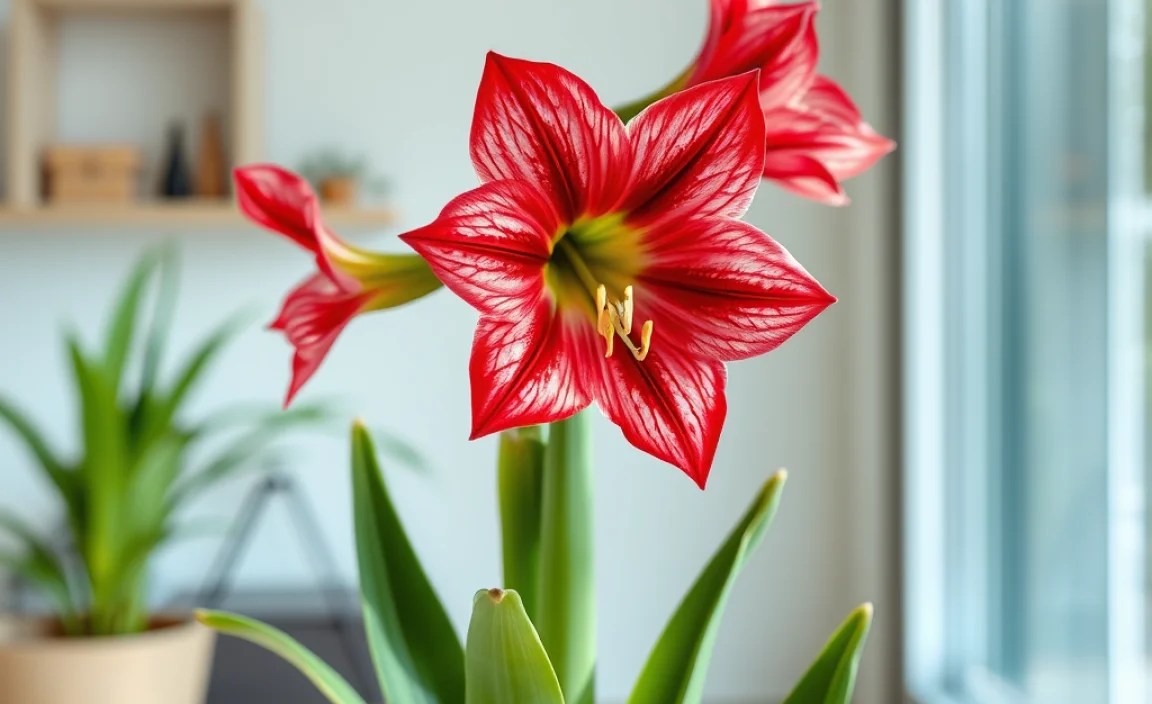
Have you ever seen a big, bright flower in winter? It might have been an amaryllis! These flowers are special. They can grow indoors and outdoors. But what about caring for amaryllis outdoors? It is easier than you think. Let’s learn how to grow these amazing plants.
Amaryllis flowers come in many colors. Red, pink, white, and orange are common. Imagine having these colors in your garden. You can have them with the right care. Are you ready to learn about caring for amaryllis outdoors? Let’s get started!
Amaryllis plants can be a fun project. You can watch them grow. You can share them with friends. Caring for amaryllis outdoors can bring lots of joy. Let’s discover how to make your amaryllis thrive!
Key Takeaways
- Proper watering is key for caring for amaryllis outdoors.
- Choose a sunny spot with well-draining soil to plant amaryllis.
- Protect your amaryllis from frost and extreme cold weather.
- Fertilize regularly during the growing season for best blooms.
- With care, amaryllis can add beauty to your outdoor space.

Best Location for Amaryllis Outdoors
Choosing the right spot is key. Amaryllis plants love sunlight. They need at least six hours of sun each day. A sunny spot helps them grow strong. It also helps them produce big, beautiful flowers. Make sure the soil drains well. Amaryllis bulbs can rot in soggy soil. If your soil is heavy, add some sand or compost. This will help the water drain better. Look for a spot that is sheltered from strong winds. Strong winds can damage the tall flower stalks. They can also break the leaves. A spot near a fence or wall can offer protection. Think about the overall look of your garden. Amaryllis flowers look great when planted in groups. You can also mix them with other plants. Consider the colors of the other flowers. Choose colors that will complement the amaryllis blooms. This will make your garden look even more beautiful. Caring for amaryllis outdoors starts with the perfect spot.
- Choose a spot with at least six hours of sun.
- Make sure the soil drains well.
- Protect the plants from strong winds.
- Plant amaryllis in groups for a stunning display.
- Mix them with other plants for added beauty.
Think about the time of year when the amaryllis will bloom. If you want flowers in the spring, plant the bulbs in the fall. This will give them time to develop roots. If you want flowers in the summer, plant the bulbs in the spring. Remember to water the bulbs regularly after planting. But don’t overwater them. Overwatering can cause the bulbs to rot. Add a layer of mulch around the plants. This will help to keep the soil moist. It will also help to suppress weeds. Check the plants regularly for pests and diseases. If you see any problems, take action quickly. This will help to prevent the problems from spreading. Caring for amaryllis outdoors requires a little planning. But the results are worth it! You will have beautiful flowers to enjoy for many weeks.
What About Soil Drainage?
Good soil drainage is super important for amaryllis. These plants don’t like to sit in wet soil. Wet soil can cause the bulbs to rot. This can kill the plant. So, how do you make sure your soil drains well? One way is to add organic matter. Compost, aged manure, and peat moss are all good choices. These materials help to improve the soil’s structure. They also help to create air pockets. Air pockets allow water to drain more easily. Another way to improve drainage is to create raised beds. Raised beds are mounds of soil that are higher than the surrounding ground. This helps to keep the roots of the plants out of the water. If you have heavy clay soil, you may need to add some sand. Sand helps to break up the clay. It also helps to improve drainage. Make sure the sand is coarse. Fine sand can actually make drainage worse. Caring for amaryllis outdoors includes paying attention to the soil.
How Much Sun is Enough?
Amaryllis plants need lots of sunlight to bloom well. But how much is enough? Ideally, they should get at least six hours of direct sunlight each day. If they don’t get enough sun, they may not bloom at all. Or, they may produce fewer flowers. The flowers may also be smaller and less vibrant. If you live in a hot climate, you may need to provide some afternoon shade. Too much sun can scorch the leaves of the plant. Morning sun is usually best. It is less intense than afternoon sun. You can also use shade cloth to protect the plants from the sun. Shade cloth is a type of fabric that blocks out some of the sunlight. It comes in different densities. Choose a density that will provide the right amount of shade for your plants. Caring for amaryllis outdoors means finding the right balance of sun and shade.
Can Wind Damage Amaryllis?
Yes, strong winds can definitely damage amaryllis plants. The tall flower stalks are especially vulnerable. They can easily snap in strong winds. The leaves can also be damaged by the wind. They can become torn and ragged. This can make the plant look unsightly. So, what can you do to protect your amaryllis from the wind? One option is to plant them in a sheltered location. A spot near a fence, wall, or building can offer protection. You can also use stakes to support the flower stalks. Drive the stakes into the ground near the plants. Then, tie the flower stalks to the stakes with soft twine. Be careful not to tie the twine too tightly. This can damage the stalks. Another option is to use a windbreak. A windbreak is a row of trees or shrubs that blocks the wind. You can plant a windbreak on the side of your garden that is most exposed to the wind. Caring for amaryllis outdoors includes protecting them from the elements.
Fun Fact or Stat: Amaryllis flowers are native to South Africa and South America!

Planting Amaryllis Bulbs Outdoors
Planting amaryllis bulbs is easy. Choose a spot with good drainage. Dig a hole that is about 6 inches deep. Place the bulb in the hole with the pointed end up. Cover the bulb with soil, leaving the top inch exposed. Water the soil well after planting. Add a layer of mulch around the bulb. This will help to keep the soil moist. It will also help to suppress weeds. Space the bulbs about 12 inches apart. This will give them room to grow. If you are planting in containers, use a well-draining potting mix. Choose a container that is at least 8 inches wide. Make sure the container has drainage holes. Water the bulbs regularly, but don’t overwater them. Overwatering can cause the bulbs to rot. Fertilize the plants every few weeks during the growing season. Use a balanced fertilizer. Follow the instructions on the fertilizer package. Caring for amaryllis outdoors starts with planting the bulbs correctly.
- Dig a hole about 6 inches deep.
- Place the bulb with the pointed end up.
- Leave the top inch of the bulb exposed.
- Water well after planting.
- Space bulbs about 12 inches apart.
- Use well-draining potting mix in containers.
Amaryllis bulbs can be planted in the spring or fall. If you plant in the spring, you will get flowers in the summer. If you plant in the fall, you will get flowers in the winter or spring. The timing depends on your climate. In colder climates, it is best to plant in the spring. This will give the bulbs time to establish before winter. In warmer climates, you can plant in the fall. This will give you earlier blooms. After the flowers fade, cut off the flower stalk. But leave the leaves intact. The leaves will continue to photosynthesize. This will help the bulb to store energy for next year’s blooms. You can also dig up the bulbs in the fall. Store them in a cool, dry place. Replant them in the spring. Caring for amaryllis outdoors includes knowing when to plant and how to care for them after they bloom.
How Deep Should You Plant?
Planting depth matters a lot for amaryllis. You want to make sure the bulb is planted at the right depth. If you plant it too deep, it may not bloom. If you plant it too shallow, it may dry out. The general rule is to plant the bulb so that the top inch is exposed. This means that about two-thirds of the bulb should be below the soil surface. This allows the bulb to stay moist. It also allows the roots to develop properly. If you are planting in a container, you may need to adjust the planting depth. The container may be shallower than the ground. In this case, you can plant the bulb a little higher. Just make sure that the top of the bulb is still exposed. You can also add a layer of mulch around the bulb. This will help to keep the soil moist. Caring for amaryllis outdoors includes getting the planting depth just right.
Spring or Fall Planting?
Choosing the right time to plant can make a big difference. Should you plant in the spring or the fall? The answer depends on your climate. If you live in a warm climate, you can plant in the fall. This will give the bulbs time to develop roots over the winter. You will get flowers in the early spring. If you live in a cold climate, it is best to plant in the spring. This will protect the bulbs from freezing temperatures. You will get flowers in the summer. You can also start the bulbs indoors. Start them about 6-8 weeks before the last frost. This will give them a head start. Then, you can transplant them outdoors in the spring. No matter when you plant, make sure the soil is well-draining. This will prevent the bulbs from rotting. Caring for amaryllis outdoors includes choosing the right planting time.
Spacing Between Bulbs: How Much?
Spacing is also important when planting amaryllis. You need to give the bulbs enough room to grow. If you plant them too close together, they will compete for resources. This can result in smaller flowers. It can also result in fewer flowers. The general rule is to space the bulbs about 12 inches apart. This will give them plenty of room to spread out. If you are planting in containers, you can plant them closer together. But make sure the container is large enough. A container that is at least 8 inches wide is a good choice. You can also plant multiple bulbs in a larger container. Just make sure they have enough room to grow. Remember to water the bulbs regularly. And fertilize them every few weeks. This will help them to thrive. Caring for amaryllis outdoors includes giving them enough space.
Fun Fact or Stat: Amaryllis bulbs can live for many years if properly cared for!

Watering Amaryllis Plants Outdoors
Watering is very important for healthy growth. Amaryllis plants need regular watering. But they don’t like to be waterlogged. Water them when the soil feels dry to the touch. Stick your finger into the soil to check. If the top inch is dry, it’s time to water. Water deeply, so the water reaches the roots. Avoid getting water on the leaves and flowers. This can cause them to rot. Water in the morning. This gives the leaves time to dry before nightfall. Use a watering can or a hose with a gentle spray nozzle. Be careful not to erode the soil around the bulbs. During the growing season, water more frequently. Amaryllis plants need more water when they are actively growing. During the dormant season, water less frequently. The plants don’t need as much water when they are resting. Caring for amaryllis outdoors includes proper watering techniques.
- Water when the top inch of soil is dry.
- Water deeply, reaching the roots.
- Avoid getting water on leaves and flowers.
- Water in the morning.
- Use a gentle spray nozzle.
- Water more during the growing season.
- Water less during the dormant season.
Pay attention to the weather. If it is raining, you may not need to water at all. If it is hot and dry, you may need to water more frequently. Check the soil regularly to make sure it is not too dry or too wet. If the leaves start to turn yellow, it could be a sign of overwatering. If the leaves start to wilt, it could be a sign of underwatering. Adjust your watering schedule accordingly. Remember that amaryllis plants are susceptible to root rot. Root rot is a fungal disease that can kill the plant. It is caused by overwatering. So, it is important to avoid overwatering. Caring for amaryllis outdoors requires careful attention to watering. It’s a balancing act!
How Often Should You Water?
Figuring out how often to water can be tricky. There’s no one-size-fits-all answer. The frequency depends on several factors. These include the weather, the soil type, and the size of the plant. A good rule of thumb is to water when the top inch of soil is dry. But this is just a guideline. You may need to adjust your watering schedule based on your specific conditions. If it is hot and dry, you may need to water every day. If it is cool and cloudy, you may only need to water once a week. The best way to determine if your plants need water is to check the soil. Stick your finger into the soil. If it feels dry, it’s time to water. Caring for amaryllis outdoors means paying attention to the soil moisture.
Overwatering: What Are the Signs?
Overwatering is a common mistake. It can be harmful to your amaryllis plants. So, it’s important to know the signs. One of the first signs is yellowing leaves. The leaves may start to turn yellow at the tips. Then, the yellowing may spread to the entire leaf. Another sign is wilting. The leaves may start to wilt, even though the soil is wet. This is because the roots are not able to take up water. The roots may also start to rot. This can cause the plant to die. If you notice any of these signs, stop watering immediately. Allow the soil to dry out completely. Then, resume watering, but water less frequently. You may also need to repot the plant. Use fresh, well-draining potting mix. Caring for amaryllis outdoors includes recognizing the signs of overwatering.
Underwatering: What Happens?
Underwatering can also be harmful to your amaryllis plants. If you don’t water them enough, they will start to suffer. The leaves may start to wilt. They may also turn brown and crispy. The flowers may be smaller than usual. They may also fade quickly. In severe cases, the plant may die. So, it’s important to make sure your amaryllis plants get enough water. Check the soil regularly. Water when the top inch is dry. Water deeply, so the water reaches the roots. If you notice any signs of underwatering, water the plants immediately. You may also need to move them to a shadier location. This will help them to conserve water. Caring for amaryllis outdoors includes preventing underwatering.
Fun Fact or Stat: Amaryllis plants can store water in their bulbs, helping them survive dry periods!
Fertilizing Amaryllis for Outdoor Growth
Fertilizing is essential for healthy growth and blooms. Amaryllis plants need regular feeding. This provides them with the nutrients they need. Use a balanced fertilizer. A 10-10-10 fertilizer is a good choice. Follow the instructions on the fertilizer package. Fertilize every few weeks during the growing season. This is when the plants are actively growing. Stop fertilizing when the flowers start to fade. The plants don’t need as much fertilizer when they are resting. You can also use a liquid fertilizer. Liquid fertilizers are easy to apply. They are also quickly absorbed by the plants. Just mix the fertilizer with water. Then, pour it around the base of the plant. Be careful not to over-fertilize. Over-fertilizing can burn the roots. It can also damage the plant. Caring for amaryllis outdoors includes providing the right nutrients.
- Use a balanced fertilizer.
- Follow the instructions on the package.
- Fertilize every few weeks during the growing season.
- Stop fertilizing when flowers fade.
- Liquid fertilizers are easy to use.
- Avoid over-fertilizing.
If you are growing amaryllis plants in containers, you may need to fertilize more frequently. Container plants tend to dry out faster. They also need more nutrients. You can also add compost to the soil. Compost is a natural fertilizer. It provides the plants with essential nutrients. It also helps to improve the soil structure. Just mix the compost with the soil when you plant the bulbs. You can also add a layer of compost around the plants. This will help to keep the soil moist. It will also provide the plants with nutrients. Caring for amaryllis outdoors means feeding them regularly.
What Does 10-10-10 Mean?
You might see “10-10-10” on fertilizer packages. What does it mean? It tells you the percentage of three important nutrients. The first number is nitrogen (N). Nitrogen helps plants grow green leaves. The second number is phosphorus (P). Phosphorus helps plants develop strong roots and flowers. The third number is potassium (K). Potassium helps plants stay healthy and resist diseases. So, a 10-10-10 fertilizer has 10% nitrogen, 10% phosphorus, and 10% potassium. This is a balanced fertilizer. It provides all the nutrients that plants need. When you choose a fertilizer, look for one that has these three numbers. This will help your plants grow strong and healthy. Caring for amaryllis outdoors involves understanding fertilizer labels.
When Is the Growing Season?
Knowing when the growing season is can help you fertilize correctly. The growing season is the time of year when plants are actively growing. For amaryllis, the growing season is usually in the spring and summer. This is when the plants are producing new leaves and flowers. During the growing season, you should fertilize every few weeks. This will provide the plants with the nutrients they need to grow. After the flowers fade, the plants will enter a dormant period. This is when they stop growing. During the dormant period, you should stop fertilizing. The plants don’t need as much fertilizer when they are resting. Caring for amaryllis outdoors requires knowing the plant’s cycle.
Natural vs. Chemical Fertilizer?
There are two main types of fertilizer. These are natural and chemical. Natural fertilizers are made from organic materials. Examples include compost, manure, and bone meal. These fertilizers release nutrients slowly. They also help to improve the soil structure. Chemical fertilizers are made in a factory. They contain concentrated nutrients. These fertilizers release nutrients quickly. They can be more effective than natural fertilizers. However, they can also be harmful to the environment. If you use chemical fertilizers, be sure to follow the instructions carefully. Over-fertilizing can damage the plants. It can also pollute the soil and water. Caring for amaryllis outdoors can be done with either type.
Fun Fact or Stat: Amaryllis plants can bloom for many years if they are fertilized regularly!
Protecting Amaryllis From Outdoor Pests
Pests can be a problem for amaryllis plants. They can damage the leaves, flowers, and bulbs. Common pests include aphids, spider mites, and snails. Aphids are small, soft-bodied insects. They suck the sap from the leaves. This can cause the leaves to turn yellow and wilt. Spider mites are tiny, spider-like creatures. They also suck the sap from the leaves. This can cause the leaves to become speckled. Snails are slimy creatures that feed on the leaves and flowers. They can leave behind a trail of slime. To control pests, you can use insecticidal soap. Insecticidal soap is a natural insecticide. It is safe for plants and people. Just spray the plants with the soap. Be sure to cover all the surfaces of the leaves. You can also use horticultural oil. Horticultural oil is another natural insecticide. It works by suffocating the pests. Caring for amaryllis outdoors includes pest control.
- Aphids suck sap from leaves.
- Spider mites cause speckled leaves.
- Snails eat leaves and flowers.
- Use insecticidal soap to control pests.
- Horticultural oil suffocates pests.
You can also use traps to catch pests. For example, you can use beer traps to catch snails. Just bury a shallow dish of beer in the ground. The snails will be attracted to the beer. They will fall into the dish and drown. You can also use sticky traps to catch flying insects. Just hang the traps near the plants. The insects will be attracted to the traps. They will get stuck and die. Prevention is also important. Keep your garden clean and free of debris. This will help to prevent pests from establishing. Check your plants regularly for signs of pests. If you catch them early, you can control them more easily. Caring for amaryllis outdoors means being vigilant about pests.
What Are Aphids?
Aphids are small, soft-bodied insects. They come in many colors. Green, black, and brown are common. They feed on plant sap. They can cause leaves to curl, turn yellow, and stunt growth. Aphids reproduce quickly. They can quickly infest a plant. They also secrete a sticky substance called honeydew. Honeydew can attract ants. It can also promote the growth of sooty mold. Sooty mold is a black fungus that can cover the leaves. To control aphids, you can use insecticidal soap. You can also use a strong stream of water to wash them off the plants. Natural predators like ladybugs can also help. Caring for amaryllis outdoors includes knowing about aphids.
How Do You Spot Spider Mites?
Spider mites are tiny pests. They are hard to see with the naked eye. They are related to spiders. They feed on plant sap. They can cause leaves to become speckled. They can also create webs on the plants. These webs are a sign of a heavy infestation. Spider mites thrive in hot, dry conditions. To spot spider mites, look closely at the undersides of the leaves. You may need a magnifying glass. If you see small, moving specks, you probably have spider mites. You can control spider mites with insecticidal soap. You can also use horticultural oil. Make sure to spray the undersides of the leaves. Caring for amaryllis outdoors means watching for spider mites.
Are Snails a Big Threat?
Snails can be a problem for amaryllis. They feed on the leaves and flowers. They can cause significant damage. They are most active at night. They hide during the day. They like moist, shady places. To control snails, you can use beer traps. You can also handpick them off the plants at night. Sprinkle diatomaceous earth around the plants. Diatomaceous earth is a natural substance. It is made from fossilized algae. It is sharp and abrasive. It will cut the snails’ bodies. This will kill them. You can also use snail bait. But be careful. Snail bait can be harmful to pets and wildlife. Caring for amaryllis outdoors includes managing snails.
Fun Fact or Stat: Some amaryllis varieties are naturally pest-resistant!
Protection From Outdoor Weather Conditions
Weather can affect amaryllis plants. They need protection from extreme conditions. Cold weather can damage the bulbs. Frost can kill the leaves and flowers. Hot weather can scorch the leaves. Strong winds can break the flower stalks. To protect your amaryllis from cold weather, you can cover them with a blanket or tarp. You can also move them to a sheltered location. A garage or shed is a good option. To protect them from hot weather, you can provide shade. A shade cloth is a good choice. You can also water them more frequently. This will help to keep them cool. To protect them from strong winds, you can stake the flower stalks. This will help to prevent them from breaking. Caring for amaryllis outdoors includes weather protection.
- Cover plants during cold weather.
- Move plants to shelter from frost.
- Provide shade during hot weather.
- Water more often in hot weather.
- Stake flower stalks against wind.
Pay attention to the forecast. This will help you to prepare for extreme weather. If a frost is predicted, cover your plants before nightfall. If a heat wave is predicted, provide shade during the day. If strong winds are predicted, stake the flower stalks. You can also mulch around the plants. Mulch helps to insulate the soil. It keeps the soil warmer in the winter. It keeps the soil cooler in the summer. It also helps to retain moisture. This can help to protect the plants from extreme weather. Caring for amaryllis outdoors means being prepared for anything.
What Temperature Is Too Cold?
Amaryllis plants are not very cold-hardy. They can be damaged by freezing temperatures. Generally, temperatures below 32°F (0°C) are too cold. These temperatures can cause the bulbs to freeze. This can kill the plant. If you live in an area with cold winters, you should protect your amaryllis plants. You can dig up the bulbs in the fall. Store them indoors over the winter. Replant them in the spring. You can also cover the plants with a thick layer of mulch. This will help to insulate the soil. It will protect the bulbs from freezing. Caring for amaryllis outdoors in cold climates requires extra steps.
How Do You Provide Shade?
Providing shade is important in hot weather. It can help to prevent the leaves from scorching. There are several ways to provide shade. You can use a shade cloth. Shade cloth is a fabric that blocks out some of the sunlight. You can hang it over the plants. You can also plant the amaryllis plants in a shady location. Under a tree or near a building are good options. You can also use umbrellas or other temporary structures. Just make sure they provide enough shade. The plants should be protected from the direct sun. Especially during the hottest part of the day. Caring for amaryllis outdoors in hot climates requires shade.
Why Stake the Flower Stalks?
Staking the flower stalks can help to prevent them from breaking. Amaryllis flowers are very heavy. The stalks can easily break in strong winds. Staking the stalks provides support. It helps to keep them upright. You can use bamboo stakes, wooden stakes, or metal stakes. Just drive the stakes into the ground near the plants. Then, tie the flower stalks to the stakes with soft twine. Be careful not to tie the twine too tightly. This can damage the stalks. Staking is especially important for tall varieties. Caring for amaryllis outdoors sometimes means adding support.
| Weather Condition | Potential Damage | Protection Method |
|---|---|---|
| Cold Weather | Bulb damage, frostbite | Cover with blanket, move indoors |
| Hot Weather | Leaf scorch, dehydration | Provide shade, water frequently |
| Strong Winds | Broken flower stalks | Stake the stalks |
| Heavy Rain | Overwatering, root rot | Ensure good drainage, reduce watering |
Fun Fact or Stat: Amaryllis plants can survive short periods of drought, but they thrive with consistent moisture!
Dormancy for Amaryllis Grown Outdoors
Dormancy is a natural part of the amaryllis life cycle. It is a period of rest. It allows the plant to conserve energy. After the flowers fade, the leaves will start to turn yellow. This is a sign that the plant is entering dormancy. During dormancy, you should reduce watering. Stop fertilizing. You can also cut off the leaves. Store the bulb in a cool, dry place. A basement or garage is a good option. Let the bulb rest for several months. Then, replant it in the spring. Water it well. Fertilize it regularly. The plant will start to grow again. It will produce new leaves and flowers. Caring for amaryllis outdoors includes understanding dormancy.
- Dormancy is a period of rest.
- Reduce watering during dormancy.
- Stop fertilizing during dormancy.
- Cut off the leaves during dormancy.
- Store the bulb in a cool, dry place.
- Replant the bulb in the spring.
Some people skip the dormancy period. They keep the plant growing year-round. This is possible. But it can be more difficult. The plant may not bloom as well. It may also be more susceptible to pests and diseases. Allowing the plant to go dormant gives it a chance to rest and recharge. This will help it to grow and bloom better in the future. Caring for amaryllis outdoors often involves a rest period.
How Do You Know When It’s Time?
Knowing when it’s time for dormancy is important. The leaves will start to turn yellow. This is the main sign. They may also start to droop. The plant will stop growing. It will no longer produce new leaves or flowers. These are all signs that the plant is entering dormancy. Once you see these signs, you can start to reduce watering. Stop fertilizing. Prepare the bulb for storage. Caring for amaryllis outdoors means watching for these signs.
How Long Does Dormancy Last?
Dormancy typically lasts for several months. Usually around 2-3 months. The exact length depends on the variety of amaryllis. It also depends on the growing conditions. A good rule of thumb is to let the bulb rest for at least eight weeks. This will give it enough time to recharge. After eight weeks, you can replant the bulb. Start watering it again. It should start to grow again. Caring for amaryllis outdoors includes allowing enough rest time.
Storing Bulbs: Best Practices
Storing the bulbs properly is important for success. After you dig up the bulbs, clean them. Remove any soil or debris. Let them dry for a few days. Then, store them in a cool, dry place. A basement or garage is a good option. You can store them in a paper bag or a cardboard box. Don’t store them in a plastic bag. This can trap moisture. It can cause the bulbs to rot. Check the bulbs periodically. Make sure they are not rotting or drying out too much. If they start to shrivel, you can mist them lightly with water. Caring for amaryllis outdoors includes proper storage.
Fun Fact or Stat: Dormancy helps amaryllis prepare for a new season of growth and blooming!
Summary
Caring for amaryllis outdoors can be a rewarding experience. You need to choose the right location. Make sure it gets plenty of sunlight. The soil should drain well. Plant the bulbs correctly. Water them regularly. Fertilize them during the growing season. Protect them from pests and diseases. Also, protect them from extreme weather. Understand the importance of dormancy. By following these tips, you can enjoy beautiful amaryllis flowers in your garden. Remember to adjust your care based on your local climate and conditions. This will ensure your amaryllis thrives.
Conclusion
Caring for amaryllis outdoors is simple. With a little knowledge, anyone can do it. You can have beautiful flowers. Remember the key points. Sunlight, good soil, and proper watering are vital. Protection from pests and weather is important too. Don’t forget about dormancy. Follow these steps. You will enjoy the beauty of amaryllis in your outdoor space. Happy gardening!
Frequently Asked Questions
Question No 1: Can I leave my amaryllis bulbs in the ground over the winter?
Answer: It depends on your climate. If you live in a warm climate, you can leave the bulbs in the ground. But if you live in a cold climate, you should dig them up. Store them indoors over the winter. Replant them in the spring. Freezing temperatures can damage the bulbs. This can prevent them from blooming. Caring for amaryllis outdoors in colder climates requires bringing them inside for the winter. Otherwise they will not survive.
Question No 2: How do I know if my amaryllis bulb is healthy?
Answer: A healthy amaryllis bulb should be firm and plump. It should not be soft or mushy. It should also not have any signs of rot or mold. You can also check the roots. The roots should be white and healthy. If the roots are brown and mushy, the bulb may be rotting. A healthy bulb is essential for producing beautiful flowers. Therefore you must choose a healthy bulb to start with before caring for amaryllis outdoors.
Question No 3: Why is my amaryllis not blooming?
Answer: There are several reasons why your amaryllis may not be blooming. It may not be getting enough sunlight. Amaryllis plants need at least six hours of sunlight each day. It may not be getting enough water or fertilizer. Make sure you are watering and fertilizing it regularly. It may not have gone through a proper dormancy period. Allowing the bulb to rest is important. Caring for amaryllis outdoors involves providing the right conditions for blooming.
Question No 4: Can I grow amaryllis in containers outdoors?
Answer: Yes, you can definitely grow amaryllis in containers outdoors. In fact, this is a great option. Especially if you have limited space. Choose a container that is at least 8 inches wide. Make sure it has drainage holes. Use a well-draining potting mix. Water and fertilize the plants regularly. Provide shade during hot weather. This is a great way of caring for amaryllis outdoors if you live in a small space.
Question No 5: How do I prevent my amaryllis from getting pests?
Answer: Preventing pests is important
