Have you ever seen a bright, beautiful hibiscus flower? They are like little bursts of sunshine. But how do you keep them happy outside? Caring for hibiscus plants outdoors can be easy. It just takes a little know-how. Let’s learn how to make your hibiscus plants thrive!
Imagine a world full of colorful hibiscus. You can make that happen! These tropical beauties need special care. They need the right amount of sun and water. With a little love, your hibiscus will bloom all summer long.
Some people think hibiscus are hard to grow. But that is not true! With the right tips, anyone can do it. Are you ready to learn about caring for hibiscus plants outdoors? Let’s get started and make your garden amazing!
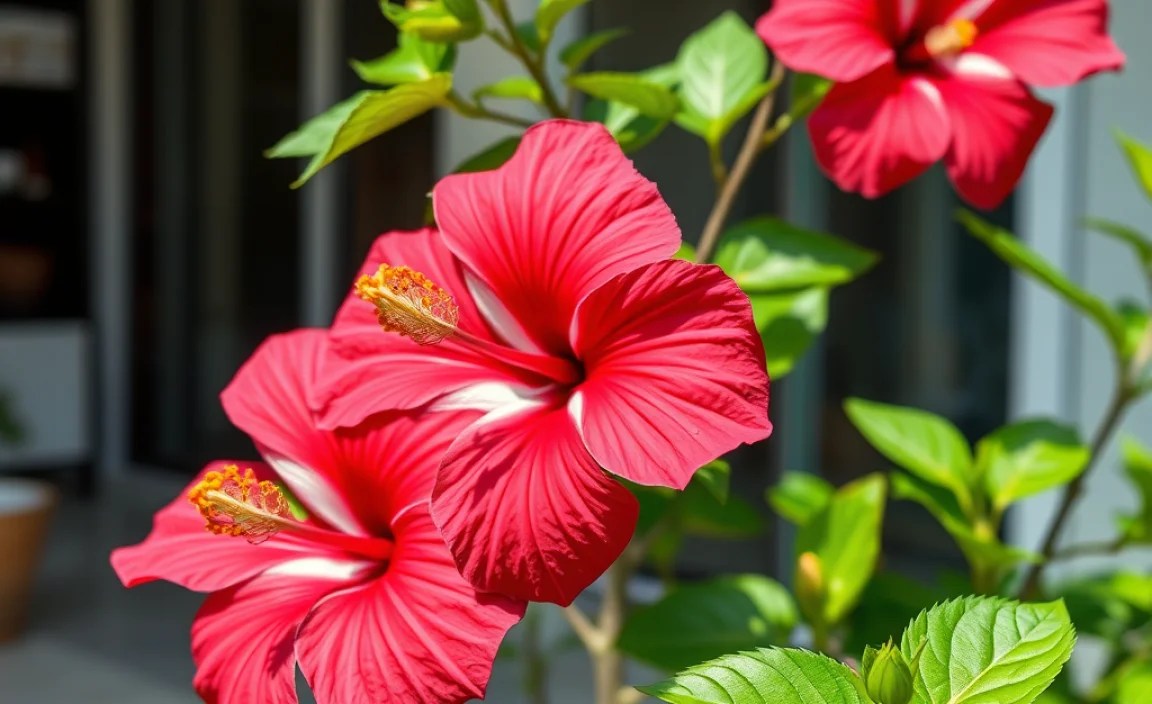
Key Takeaways
- Proper watering is vital for caring for hibiscus plants outdoors; avoid overwatering.
- Hibiscus plants need at least six hours of sunlight each day to bloom well.
- Use well-draining soil and a pot with drainage holes for healthy roots.
- Fertilize regularly with a balanced fertilizer to promote strong growth and flowering.
- Protect hibiscus from frost and cold temperatures to prevent damage.

Choosing the Right Spot Outdoors for Hibiscus
Choosing the right spot is super important. Hibiscus plants love sunshine. They need at least six hours of sunlight every day. This helps them grow strong and produce lots of flowers. Pick a spot in your yard that gets plenty of sun. Make sure the soil drains well. Hibiscus do not like to sit in water. If your soil is heavy clay, add some compost. This will help with drainage. Also, think about wind protection. Strong winds can damage the delicate flowers. A spot near a fence or wall can help. Caring for hibiscus plants outdoors starts with the perfect location. A happy plant means lots of beautiful blooms. Observe your yard during the day. See where the sun shines the longest. That is the best place for your hibiscus!
- Pick a sunny spot with at least six hours of sun.
- Make sure the soil drains well.
- Protect from strong winds.
- Consider the size of the plant when it grows.
- Check the area for good air circulation.
Think about the mature size of your hibiscus. Some can grow quite large. Make sure they have enough room to spread out. Good air circulation is also important. This helps prevent diseases. Check your chosen spot for these things. This will give your hibiscus the best start. Remember, caring for hibiscus plants outdoors means creating the perfect home for them. A little planning goes a long way. You will be rewarded with beautiful flowers all season long. Soon, your hibiscus will be the envy of the neighborhood!
Fun Fact or Stat: Did you know that hibiscus flowers can come in almost every color except blue?
How Much Sun Do Hibiscus Need?
Hibiscus plants need a lot of sun. At least six hours of direct sunlight each day. This is very important for their growth. Sunlight helps them make food through photosynthesis. Without enough sun, they won’t bloom well. Their leaves might turn yellow. Do you have a spot that gets morning sun? That is often the best. The morning sun is less harsh than the afternoon sun. If you live in a very hot area, some afternoon shade is okay. But make sure they still get plenty of sun overall. Caring for hibiscus plants outdoors means giving them the sunshine they crave. If you’re not sure how much sun your yard gets, watch it for a day. Note which areas are sunny and for how long.
Best Soil for Outdoor Hibiscus
The best soil for hibiscus is well-draining. They do not like to sit in soggy soil. Soggy soil can cause root rot. Root rot is a serious problem for hibiscus. It can kill the plant. Use a potting mix designed for tropical plants. These mixes usually contain peat moss, perlite, and vermiculite. These ingredients help with drainage. You can also add some compost. Compost adds nutrients to the soil. It also helps improve drainage. Avoid heavy clay soils. If your soil is clay, amend it with lots of organic matter. Caring for hibiscus plants outdoors includes choosing the right soil. Your hibiscus will thank you with lots of blooms!
Protecting Hibiscus from Wind
Strong winds can damage hibiscus plants. They can break branches and tear flowers. If you live in a windy area, protect your hibiscus. Plant them near a fence or wall. This will block some of the wind. You can also use a windbreak. A windbreak is a screen or hedge that blocks the wind. Make sure the windbreak does not block too much sun. You still want your hibiscus to get plenty of sunlight. You can also use stakes to support the plant. This will help prevent it from being blown over. Caring for hibiscus plants outdoors means protecting them from the elements. A little protection can make a big difference.

Watering Hibiscus Plants Properly Outdoors
Watering is key to healthy hibiscus. But how much water do they need? It depends on the weather. It also depends on the soil. In hot weather, water them deeply. Water them when the top inch of soil feels dry. Do not water them every day. Overwatering can be just as bad as underwatering. It can cause root rot. In cooler weather, water them less often. Let the soil dry out a bit more between waterings. Use a watering can or a hose. Water at the base of the plant. Avoid getting water on the leaves. This can cause fungal diseases. Caring for hibiscus plants outdoors includes proper watering. Watch your plant. It will tell you what it needs.
- Water deeply when the top inch of soil is dry.
- Avoid overwatering.
- Water at the base of the plant.
- Adjust watering based on the weather.
- Check the soil moisture regularly.
Pay attention to your hibiscus. If the leaves are wilting, it might need water. But check the soil first. If the soil is wet, it is not thirsty. It might have root rot. Yellow leaves can also be a sign of overwatering. Brown, crispy leaves can be a sign of underwatering. Caring for hibiscus plants outdoors requires observation. Learn to read the signs your plant is giving you. With practice, you will become a watering expert. Your hibiscus will be happy and healthy. It will reward you with beautiful blooms.
Fun Fact or Stat: Hibiscus flowers only last for about one day, but the plant keeps producing new ones!
How Often Should You Water?
How often to water depends on many things. The weather, the soil, and the plant’s size all matter. In hot, dry weather, water every few days. In cooler, wetter weather, water less often. Check the soil moisture before watering. Stick your finger into the soil. If the top inch feels dry, it’s time to water. If it feels moist, wait a day or two. Young plants need more frequent watering than mature plants. They have smaller root systems. Caring for hibiscus plants outdoors means being flexible with your watering schedule. Adjust it based on the conditions.
Signs of Overwatering
Overwatering is a common problem with hibiscus. It can lead to root rot. Root rot is a serious disease. It can kill the plant. Signs of overwatering include yellow leaves. The leaves might also be soft and mushy. The plant might also stop growing. The soil will be constantly wet. It might even smell bad. If you see these signs, stop watering. Let the soil dry out completely. You might need to repot the plant with fresh soil. Caring for hibiscus plants outdoors means avoiding overwatering. It’s better to underwater than overwater.
Best Time of Day to Water
The best time to water hibiscus is in the morning. This gives the leaves time to dry before nightfall. Wet leaves at night can lead to fungal diseases. Watering in the morning also helps the plant absorb water before the heat of the day. Avoid watering in the heat of the day. The water will evaporate too quickly. The plant won’t get a chance to absorb it. Also, avoid watering in the evening. The leaves will stay wet all night. Caring for hibiscus plants outdoors includes timing your watering correctly. Morning is the best time to water.

Fertilizing Hibiscus for Outdoor Growth
Fertilizing is important for hibiscus growth. Hibiscus need nutrients to thrive. Use a fertilizer made for hibiscus. These fertilizers have the right balance of nutrients. Look for a fertilizer with a high potassium content. Potassium helps with blooming. Fertilize every two to three weeks during the growing season. This is usually from spring to fall. Do not fertilize in the winter. The plant is dormant then. Follow the instructions on the fertilizer label. Do not over-fertilize. Over-fertilizing can burn the roots. Caring for hibiscus plants outdoors includes regular fertilizing. This will help your plant produce lots of flowers.
- Use a fertilizer made for hibiscus.
- Fertilize every two to three weeks during the growing season.
- Do not fertilize in the winter.
- Follow the instructions on the fertilizer label.
- Avoid over-fertilizing.
There are different types of fertilizers. You can use liquid fertilizer or granular fertilizer. Liquid fertilizer is easy to apply. You mix it with water and pour it on the soil. Granular fertilizer is slower to release. You sprinkle it on the soil and water it in. Choose the type of fertilizer that works best for you. Remember, caring for hibiscus plants outdoors includes providing the right nutrients. A well-fed hibiscus is a happy hibiscus. It will reward you with lots of beautiful blooms. Make sure to read the fertilizer labels carefully before applying anything to your plants.
Fun Fact or Stat: Some hibiscus varieties can produce flowers that are up to 12 inches across!
What Nutrients Do Hibiscus Need?
Hibiscus need a balance of nutrients. They need nitrogen, phosphorus, and potassium. Nitrogen helps with leaf growth. Phosphorus helps with root growth. Potassium helps with blooming. They also need micronutrients. These include iron, manganese, and zinc. These nutrients are important for overall health. A good hibiscus fertilizer will contain all of these nutrients. Look for a fertilizer that is specifically formulated for hibiscus. Caring for hibiscus plants outdoors means providing all the necessary nutrients. This will ensure healthy growth and lots of blooms.
Signs of Nutrient Deficiency
Nutrient deficiencies can cause problems with hibiscus. Yellow leaves can be a sign of nitrogen deficiency. Small leaves can be a sign of phosphorus deficiency. Poor blooming can be a sign of potassium deficiency. Iron deficiency can cause yellowing between the veins of the leaves. If you see these signs, fertilize your hibiscus. Use a fertilizer that contains all the necessary nutrients. You might also need to amend the soil. Add compost or other organic matter to improve nutrient availability. Caring for hibiscus plants outdoors means recognizing and correcting nutrient deficiencies.
Organic vs. Synthetic Fertilizers
You can use organic or synthetic fertilizers for hibiscus. Organic fertilizers are made from natural materials. These include compost, manure, and bone meal. They release nutrients slowly. They also improve soil health. Synthetic fertilizers are made from chemicals. They release nutrients quickly. They can be more effective in correcting deficiencies. However, they can also harm soil health. Choose the type of fertilizer that works best for you. Consider the pros and cons of each type. Caring for hibiscus plants outdoors can involve either organic or synthetic fertilizers.

Pruning Hibiscus for Better Blooms Outdoors
Pruning helps hibiscus plants bloom better. It encourages new growth. New growth produces more flowers. Prune in the late winter or early spring. This is before the growing season starts. Remove any dead, damaged, or diseased branches. Cut back healthy branches by about one-third. This will encourage new growth. Use clean, sharp pruning shears. This will prevent the spread of diseases. Caring for hibiscus plants outdoors includes regular pruning. This will keep your plant healthy and productive.
- Prune in late winter or early spring.
- Remove dead, damaged, or diseased branches.
- Cut back healthy branches by about one-third.
- Use clean, sharp pruning shears.
- Shape the plant as needed.
You can also prune hibiscus to shape them. If your plant is getting too large, prune it back. If it is getting leggy, prune it back. This will encourage it to grow bushier. Pruning also helps improve air circulation. This can prevent diseases. Remember, caring for hibiscus plants outdoors includes pruning. It is an important part of keeping your plant healthy and beautiful. Don’t be afraid to prune your hibiscus. It will thank you with lots of beautiful blooms.
Fun Fact or Stat: Pruning hibiscus can also help control its size and shape, making it fit better in your garden!
When to Prune Hibiscus
The best time to prune hibiscus is in late winter or early spring. This is before the growing season starts. The plant is dormant then. It won’t be actively growing. This makes it easier to prune. You can also prune hibiscus lightly throughout the growing season. Remove any dead or faded flowers. This will encourage the plant to produce more flowers. Avoid pruning hibiscus in the fall. This can stimulate new growth. New growth is susceptible to frost damage. Caring for hibiscus plants outdoors means pruning at the right time.
How to Prune Hibiscus
Use clean, sharp pruning shears to prune hibiscus. This will prevent the spread of diseases. Make clean cuts. Cut at a 45-degree angle. Cut just above a node. A node is where a leaf or branch grows from the stem. Remove any dead, damaged, or diseased branches. Cut them back to healthy wood. Cut back healthy branches by about one-third. This will encourage new growth. Shape the plant as needed. Caring for hibiscus plants outdoors means pruning correctly.
Benefits of Pruning
Pruning has many benefits for hibiscus. It encourages new growth. New growth produces more flowers. It improves air circulation. This can prevent diseases. It shapes the plant. It removes dead, damaged, or diseased branches. It keeps the plant healthy. It makes the plant more attractive. Caring for hibiscus plants outdoors includes pruning. It is an important part of keeping your plant healthy and beautiful. A well-pruned hibiscus is a happy hibiscus.
Protecting Hibiscus from Pests and Diseases Outdoors
Hibiscus can be affected by pests and diseases. Common pests include aphids, spider mites, and whiteflies. These pests suck the sap from the leaves. This can weaken the plant. Common diseases include root rot, leaf spot, and powdery mildew. Root rot is caused by overwatering. Leaf spot is caused by fungal infections. Powdery mildew is also caused by a fungal infection. Inspect your hibiscus regularly for pests and diseases. Treat any problems promptly. Use insecticidal soap or horticultural oil to control pests. Use a fungicide to control diseases. Caring for hibiscus plants outdoors includes protecting them from pests and diseases.
- Inspect plants regularly for pests and diseases.
- Use insecticidal soap or horticultural oil to control pests.
- Use a fungicide to control diseases.
- Provide good air circulation to prevent diseases.
- Water properly to prevent root rot.
Good air circulation can help prevent diseases. Water properly to prevent root rot. Avoid overwatering. Provide plenty of sunlight. This will help keep your plant healthy. You can also use neem oil as a preventative measure. Neem oil is a natural insecticide and fungicide. It can help protect your plant from pests and diseases. Remember, caring for hibiscus plants outdoors includes protecting them from problems. A healthy plant is less likely to be affected by pests and diseases.
Fun Fact or Stat: Some insects are attracted to hibiscus plants because of their bright colors and sweet nectar!
Common Hibiscus Pests
Aphids are small, soft-bodied insects. They suck the sap from the leaves. They can cause the leaves to curl and distort. Spider mites are tiny spider-like creatures. They also suck the sap from the leaves. They can cause the leaves to turn yellow and stippled. Whiteflies are small, white, winged insects. They also suck the sap from the leaves. They can cause the leaves to turn yellow and drop off. Treat these pests with insecticidal soap or horticultural oil. Caring for hibiscus plants outdoors means controlling these pests.
Common Hibiscus Diseases
Root rot is a fungal disease. It is caused by overwatering. It can cause the roots to rot. The plant will wilt and die. Leaf spot is a fungal disease. It causes spots on the leaves. The spots can be brown, black, or yellow. Powdery mildew is a fungal disease. It causes a white, powdery coating on the leaves. Treat these diseases with a fungicide. Provide good air circulation. Water properly. Caring for hibiscus plants outdoors means preventing and treating these diseases.
Preventative Measures
The best way to deal with pests and diseases is to prevent them. Inspect your plants regularly. Provide good air circulation. Water properly. Provide plenty of sunlight. Use neem oil as a preventative measure. Keep your plants healthy. Healthy plants are less likely to be affected by pests and diseases. Caring for hibiscus plants outdoors means taking preventative measures. This will help keep your plants healthy and beautiful.
Protecting Hibiscus from Cold Weather Outdoors
Hibiscus are tropical plants. They do not tolerate cold weather. If you live in an area with cold winters, you need to protect your hibiscus. You can bring them indoors. You can also protect them outdoors. If you bring them indoors, place them in a sunny window. Water them less often. If you protect them outdoors, use mulch. Mulch will insulate the roots. You can also use a frost blanket. A frost blanket will protect the foliage. Caring for hibiscus plants outdoors in cold weather requires special attention. Protect your plants from frost and freezing temperatures.
Here’s a table showing temperature ranges and recommended actions:
| Temperature Range | Action |
|---|---|
| Above 50°F (10°C) | No special action needed. |
| 40-50°F (4-10°C) | Monitor plants closely. Consider moving indoors if possible. |
| 30-40°F (-1-4°C) | Cover plants with frost blankets. Water sparingly. |
| Below 30°F (-1°C) | Bring plants indoors immediately. If that is not possible, provide heavy protection. |
- Bring hibiscus indoors if possible.
- Use mulch to insulate the roots.
- Use a frost blanket to protect the foliage.
- Water sparingly during cold weather.
- Protect from frost and freezing temperatures.
If you have a potted hibiscus, it is easier to bring it indoors. If you have a hibiscus planted in the ground, it is harder to protect. You can build a temporary shelter around the plant. Use stakes and burlap. Fill the shelter with straw or leaves. This will provide insulation. Remember, caring for hibiscus plants outdoors in cold weather is essential. Without protection, your plant could die. Take the necessary steps to keep your hibiscus safe.
Fun Fact or Stat: Some people believe that hibiscus flowers symbolize delicate beauty and are often given as gifts!
When to Bring Hibiscus Indoors
Bring hibiscus indoors before the first frost. Frost can damage the plant. It can kill the leaves and branches. Bring the plant indoors when temperatures drop below 50°F (10°C). Acclimate the plant to indoor conditions gradually. Place it in a shady spot for a few days. Then, move it to a sunny window. Reduce watering. The plant will not need as much water indoors. Caring for hibiscus plants outdoors means knowing when to bring them in.
How to Protect Hibiscus Outdoors
If you cannot bring hibiscus indoors, protect it outdoors. Use mulch to insulate the roots. Pile mulch around the base of the plant. Use a frost blanket to protect the foliage. Cover the plant with the blanket when frost is predicted. Remove the blanket during the day. This will allow the plant to get sunlight. You can also build a temporary shelter around the plant. Caring for hibiscus plants outdoors means providing adequate protection.
Winter Care for Indoor Hibiscus
Indoor hibiscus need special care in the winter. Place them in a sunny window. Reduce watering. Do not fertilize. The plant is dormant. Keep them away from drafts. Drafts can dry out the plant. Monitor for pests. Pests can be more of a problem indoors. Treat any problems promptly. Caring for hibiscus plants outdoors is different from caring for them indoors. Adjust your care accordingly.
Summary
Caring for hibiscus plants outdoors involves several key steps. Choose a sunny spot with well-draining soil. Water deeply but not too often. Fertilize regularly during the growing season. Prune in late winter or early spring. Protect from pests and diseases. Protect from cold weather. By following these tips, you can keep your hibiscus healthy and beautiful. They will reward you with lots of colorful blooms. Remember, each plant is different. Observe your plant. Adjust your care as needed. Happy gardening!
Conclusion
Caring for hibiscus plants outdoors can be a rewarding experience. These beautiful plants can brighten up any garden. By providing the right conditions, you can enjoy their colorful blooms all season long. Remember to provide plenty of sunlight, water properly, and fertilize regularly. Protect them from pests, diseases, and cold weather. With a little effort, your hibiscus will thrive. Enjoy the beauty and tropical feel they bring to your outdoor space. They are truly special plants.
Frequently Asked Questions
Question No 1: How often should I water my hibiscus plant outdoors?
Answer: Watering frequency depends on the weather and soil conditions. During hot, dry weather, water deeply every few days when the top inch of soil feels dry. In cooler, wetter weather, water less frequently. Avoid overwatering, as it can lead to root rot. Check the soil moisture regularly by sticking your finger into the soil to gauge its dryness. Adjust your watering schedule based on these factors to ensure your hibiscus receives the right amount of hydration. Remember, caring for hibiscus plants outdoors requires observation and adaptation.
Question No 2: What kind of fertilizer should I use for my outdoor hibiscus?
Answer: Use a fertilizer specifically formulated for hibiscus plants. These fertilizers typically have a high potassium content, which promotes blooming. Look for a balanced fertilizer with micronutrients like iron, manganese, and zinc. Fertilize every two to three weeks during the growing season (spring to fall). Follow the instructions on the fertilizer label carefully to avoid over-fertilizing, which can burn the roots. Caring for hibiscus plants outdoors also means feeding them the right nutrients at the right time.
Question No 3: How much sunlight does my hibiscus plant need?
Answer: Hibiscus plants need at least six hours of direct sunlight each day to thrive. Choose a sunny location in your garden where your hibiscus can receive ample sunlight. Morning sun is often best, as it is less harsh than afternoon sun. If you live in a very hot climate, some afternoon shade may be beneficial, but ensure the plant still gets plenty of overall sunlight. Without enough sun, hibiscus plants may not bloom well and their leaves might turn yellow. Caring for hibiscus plants outdoors includes providing them with the sunshine they need.
Question No 4: How do I protect my hibiscus plant from pests and diseases?
Answer: Regularly inspect your hibiscus plant for pests like aphids, spider mites, and whiteflies. Treat infestations promptly with insecticidal soap or horticultural oil. To prevent diseases, provide good air circulation, water properly to avoid overwatering, and ensure the plant receives adequate sunlight. You can also use neem oil as a preventative measure. Caring for hibiscus plants outdoors involves keeping a close eye on your plant and addressing any problems as soon as they arise.
Question No 5: What should I do to protect my hibiscus plant during the winter?
Answer: Hibiscus plants are sensitive to cold weather and should be protected from frost and freezing temperatures. If you live in an area with cold winters, consider bringing your hibiscus plant indoors before the first frost. Place it in a sunny window and reduce watering. If you cannot bring it indoors, protect it outdoors by using mulch to insulate the roots and covering the foliage with a frost blanket when frost is predicted. Proper winter care is crucial for caring for hibiscus plants outdoors.
Question No 6: When and how should I prune my hibiscus plant?
Answer: Prune your hibiscus plant in late winter or early spring, before the growing season begins. Use clean, sharp pruning shears to remove any dead, damaged, or diseased branches. Cut back healthy branches by about one-third to encourage new growth and more blooms. Pruning also helps to shape the plant and improve air circulation. Regular pruning is an important part of caring for hibiscus plants outdoors and helps to keep them healthy and productive.
