Do you love sweet smells? Have you seen pretty white flowers climbing a wall? Maybe it was a jasmine plant! Jasmine plants can grow outdoors. But, caring for jasmine plants outdoors takes some work. Let’s learn how to help them thrive.
Jasmine plants are special. They can bring beauty to your yard. What do jasmine plants need to grow well? Read on to find out!
Caring for jasmine plants outdoors doesn’t have to be hard. With the right tips, your jasmine will flourish. Imagine the lovely scent filling your garden. You can enjoy jasmine flowers every year. Let’s explore the secrets to happy jasmine plants. Are you ready to become a jasmine expert?
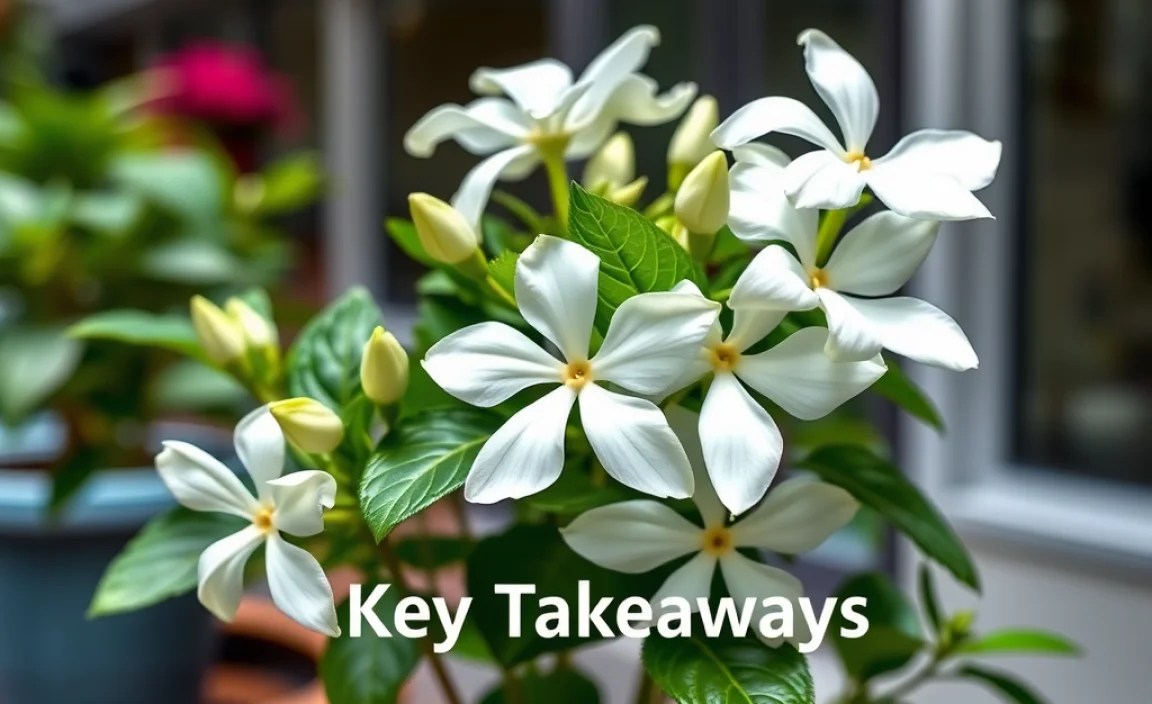
Key Takeaways
- Consistent watering is key when caring for jasmine plants outdoors, especially in summer.
- Pruning jasmine after blooming helps it grow fuller and produce more flowers.
- Choose a sunny spot with well-draining soil for your jasmine plant.
- Fertilize your jasmine plant in spring to encourage strong growth.
- Protect your jasmine plant from frost and cold winds in winter.

Choosing the Right Spot Outdoors for Jasmine
Picking the perfect spot is the first step. Jasmine plants love sunshine. They need at least six hours of sun each day. The more sun, the more flowers! But, too much hot sun can burn the leaves. A spot with morning sun and afternoon shade is ideal. This helps the plant stay cool in the hottest part of the day. Soil is also important. Jasmine needs soil that drains well. If the soil stays too wet, the roots can rot. Before planting, check the soil. Make sure water doesn’t sit on top for long. Add some compost to help the soil drain better. A good location is key for caring for jasmine plants outdoors. It can make all the difference!
- Choose a spot with at least six hours of sunlight.
- Make sure the soil drains well.
- Avoid spots with standing water.
- Add compost to improve the soil.
- Consider a spot with morning sun and afternoon shade.
Think about where you live. Does it get very cold in winter? Some jasmine types are hardier than others. If you live in a cold area, choose a hardy variety. Or, you can grow jasmine in a pot. This way, you can bring it inside during the winter. When planting, dig a hole twice as wide as the root ball. Gently loosen the roots before placing the plant in the hole. Fill the hole with soil and water well. Add a layer of mulch around the base of the plant. Mulch helps keep the soil moist and prevents weeds. With the right spot and good soil, your jasmine will thrive. Caring for jasmine plants outdoors starts with a great location.
What Type of Soil Does Jasmine Need?
Imagine you are building a house. The soil is the foundation! Jasmine needs soil that is both rich and well-draining. What does that mean? Rich soil has lots of nutrients. These nutrients feed the plant and help it grow strong. Well-draining soil lets water flow through easily. This prevents the roots from sitting in water and rotting. To improve your soil, add compost or other organic matter. Compost is like a vitamin boost for your plants. It adds nutrients and helps the soil drain better. You can buy compost at a garden center. Or, you can make your own! Mixing the right soil is important for caring for jasmine plants outdoors.
How Much Sunlight is Enough for Jasmine?
Have you ever felt tired on a cloudy day? Plants need sunlight to make food. Jasmine plants need at least six hours of sunlight each day. Sunlight helps them grow and produce lots of flowers. The best sunlight is morning sun. It is not as harsh as afternoon sun. If your jasmine gets too much hot afternoon sun, the leaves can burn. Burnt leaves can’t make food. This can weaken the plant. If you live in a very hot area, provide some afternoon shade. You can use a shade cloth or plant your jasmine near a tree. Remember, the right amount of sunlight is key. It is vital for caring for jasmine plants outdoors.
Should I Plant Jasmine in a Pot or in the Ground?
Choosing between a pot and the ground is a big decision. Planting in the ground gives the jasmine more room to grow. The roots can spread out and find more water and nutrients. However, planting in a pot has its advantages. You can move the plant around. This is helpful if you live in a cold area. You can bring the pot inside during the winter. Pots also allow you to control the soil better. If your soil is poor, you can use a good potting mix. When choosing a pot, make sure it has drainage holes. This prevents the roots from sitting in water. Both options have pros and cons. Consider your climate and soil when deciding. This will help you with caring for jasmine plants outdoors.
Fun Fact or Stat: Jasmine flowers open at night, releasing their strong fragrance to attract moths for pollination!

Watering Jasmine Plants Properly Outdoors
Water is like a drink for plants. Jasmine plants need water to grow. But, too much water can be bad. Overwatering can cause root rot. Root rot is when the roots start to decay. This can kill the plant. The best way to water jasmine is to water deeply but less often. This means giving the plant a good soak. Then, let the soil dry out before watering again. How do you know when to water? Stick your finger in the soil. If the top inch feels dry, it’s time to water. During hot summer months, you may need to water more often. In winter, you can water less. Proper watering is essential for caring for jasmine plants outdoors.
- Water deeply but less often.
- Let the soil dry out between waterings.
- Check the soil moisture with your finger.
- Water more often in hot weather.
- Water less often in winter.
Consider using a soaker hose. A soaker hose delivers water slowly and directly to the roots. This helps prevent water from splashing on the leaves. Wet leaves can attract diseases. When you water, avoid watering the leaves. Focus on watering the soil around the base of the plant. If your jasmine is in a pot, make sure the pot has drainage holes. Water until water comes out of the drainage holes. This ensures that the entire root ball is getting wet. Remember, caring for jasmine plants outdoors includes knowing how and when to water. It’s a balancing act to keep your plant healthy and happy.
How Often Should I Water Jasmine?
Imagine you are a plant. How thirsty would you be? The answer depends on the weather. In hot, dry weather, jasmine needs more water. In cool, wet weather, it needs less. A good rule of thumb is to check the soil every few days. Stick your finger about an inch into the soil. If it feels dry, it’s time to water. If it feels moist, wait a day or two and check again. Remember, it’s better to underwater than to overwater. Overwatering can lead to root rot. This is a common problem with jasmine plants. So, pay attention to the weather and the soil. Knowing when to water is important for caring for jasmine plants outdoors.
What Are the Signs of Overwatering Jasmine?
Have you ever drunk too much water? Plants can also suffer from too much water. Overwatering can cause several problems. The leaves may turn yellow or brown. They may also start to droop. The soil may feel soggy and smell bad. The roots may start to rot. If you see these signs, stop watering immediately. Let the soil dry out completely. You may also need to repot the plant with fresh soil. In severe cases, overwatering can kill the plant. So, it’s important to be careful. Knowing the signs of overwatering is key for caring for jasmine plants outdoors.
What Are the Signs of Underwatering Jasmine?
Imagine being stranded in the desert without water. Plants can also suffer from lack of water. Underwatering can cause the leaves to wilt. They may also turn brown and crispy. The soil may feel dry and hard. The plant may stop growing or producing flowers. If you see these signs, water the plant deeply. Make sure the water reaches the roots. You may also need to water more often. Check the soil regularly to prevent underwatering. Providing enough water is crucial for caring for jasmine plants outdoors.
Fun Fact or Stat: Jasmine can adapt to different watering schedules, but it prefers a consistent routine!

Fertilizing Jasmine for Best Outdoor Growth
Fertilizer is like a vitamin supplement for plants. It gives them the nutrients they need to grow strong and produce lots of flowers. Jasmine plants benefit from regular fertilization. The best time to fertilize is in the spring. This is when the plant is actively growing. Use a balanced fertilizer with equal amounts of nitrogen, phosphorus, and potassium. You can find these numbers on the fertilizer label (e.g., 10-10-10). Follow the instructions on the label. Don’t over-fertilize. Too much fertilizer can burn the roots. Water the plant well after fertilizing. This helps the fertilizer reach the roots. Fertilizing is an important part of caring for jasmine plants outdoors.
- Fertilize in the spring.
- Use a balanced fertilizer.
- Follow the instructions on the label.
- Don’t over-fertilize.
- Water well after fertilizing.
Consider using a slow-release fertilizer. Slow-release fertilizers release nutrients gradually over time. This prevents the plant from getting a sudden burst of nutrients. It also reduces the risk of burning the roots. You can also use organic fertilizers, such as compost or manure. These are natural sources of nutrients. They also help improve the soil. Avoid fertilizing in the winter. The plant is not actively growing at this time. Fertilizing in winter can actually harm the plant. Remember, proper fertilization is key for healthy growth. It’s a big part of caring for jasmine plants outdoors. Give your jasmine the nutrients it needs to thrive.
What Kind of Fertilizer Should I Use?
Imagine you are a chef. You need the right ingredients to make a delicious meal. Plants also need the right ingredients to grow well. Fertilizer provides these ingredients. For jasmine plants, a balanced fertilizer is best. This means it has equal amounts of nitrogen, phosphorus, and potassium. Nitrogen helps the plant grow leaves. Phosphorus helps it grow roots and flowers. Potassium helps it stay healthy. Look for a fertilizer with numbers like 10-10-10 or 20-20-20. You can also use a fertilizer specifically designed for flowering plants. Choose the right fertilizer for successful caring for jasmine plants outdoors.
How Often Should I Fertilize Jasmine?
Have you ever eaten too much candy at once? Plants can also get too much fertilizer. It’s best to fertilize jasmine plants in the spring. This is when they are actively growing. You can fertilize once a month during the growing season. Stop fertilizing in the fall. The plant is preparing for winter. Over-fertilizing can burn the roots. It can also lead to other problems. So, follow the instructions on the fertilizer label. Less is often more when it comes to fertilizer. Regular, light feeding is better than infrequent, heavy feeding. Proper timing is essential for caring for jasmine plants outdoors.
Can I Use Homemade Fertilizer for Jasmine?
Imagine being a resourceful gardener. You can make your own fertilizer using kitchen scraps! Homemade fertilizer can be a great option for jasmine plants. Compost is a good choice. It adds nutrients and improves the soil. You can also use banana peels. They are rich in potassium. Coffee grounds are another good option. They add nitrogen to the soil. Just be sure to use them sparingly. Too much coffee grounds can make the soil acidic. Before using homemade fertilizer, do some research. Make sure it is safe for your plants. Being resourceful is part of caring for jasmine plants outdoors.
Fun Fact or Stat: Jasmine’s fertilizer needs change with age; younger plants require less than established ones!

Pruning Jasmine Plants in Outdoor Gardens
Pruning is like giving your plant a haircut. It helps keep it healthy and looking its best. Jasmine plants benefit from regular pruning. The best time to prune is after they finish blooming. This is usually in late spring or early summer. Use sharp, clean pruning shears. Remove any dead, damaged, or diseased branches. Also, remove any branches that are growing in the wrong direction. Pruning encourages new growth. It also helps the plant produce more flowers. Don’t be afraid to prune your jasmine plant. It will thank you for it! Pruning is a vital part of caring for jasmine plants outdoors.
- Prune after blooming.
- Use sharp, clean pruning shears.
- Remove dead, damaged, or diseased branches.
- Remove branches growing in the wrong direction.
- Pruning encourages new growth and more flowers.
Consider the shape of your jasmine plant. Do you want it to be a vine or a shrub? Prune accordingly. If you want it to be a vine, train it to climb a trellis or fence. If you want it to be a shrub, prune it into a rounded shape. You can also prune to control the size of the plant. If it is getting too big, prune it back. Always make clean cuts. Avoid tearing the bark. This can damage the plant. With proper pruning, your jasmine will thrive. Keep in mind that caring for jasmine plants outdoors means shaping and maintaining its growth.
Why Is Pruning Important for Jasmine?
Imagine you have a messy, tangled head of hair. Pruning is like combing and cutting your hair. It keeps the plant neat and tidy. Pruning removes dead and damaged branches. This helps prevent diseases from spreading. It also encourages new growth. New growth produces more flowers. Pruning also improves air circulation. This helps prevent fungal problems. A well-pruned jasmine plant is healthier and more beautiful. So, don’t skip this important step when caring for jasmine plants outdoors.
How Do I Prune Jasmine Correctly?
Have you ever tried to cut something with dull scissors? It’s hard and messy! Pruning jasmine is similar. You need sharp, clean pruning shears. Make sure your shears are sharp. This will make clean cuts. Clean your shears with rubbing alcohol before and after pruning. This helps prevent the spread of diseases. Cut at a 45-degree angle, just above a node (where a leaf or branch grows). Remove any dead, damaged, or diseased branches first. Then, prune to shape the plant. Prune with care for best results when caring for jasmine plants outdoors.
What Happens if I Don’t Prune My Jasmine Plant?
Imagine a garden overgrown with weeds. Without pruning, jasmine plants can become overgrown. They can become tangled and messy. Dead and damaged branches can accumulate. This can attract pests and diseases. The plant may produce fewer flowers. It may also become less attractive. Regular pruning keeps the plant healthy and beautiful. So, don’t neglect this important task. Pruning is a vital part of caring for jasmine plants outdoors. Your jasmine will thank you for it with abundant blooms.
Fun Fact or Stat: Jasmine plants bloom on new growth, so pruning encourages more flowers the following season!
Protecting Jasmine from Pests and Diseases Outdoors
Just like us, plants can get sick. Pests and diseases can harm jasmine plants. Common pests include aphids, spider mites, and whiteflies. These pests suck the sap from the leaves. This can weaken the plant. Diseases include fungal infections and root rot. These diseases can kill the plant. The best way to protect your jasmine is to keep it healthy. Healthy plants are less susceptible to pests and diseases. Inspect your plant regularly for signs of problems. Treat any problems promptly. Prevention is key when caring for jasmine plants outdoors.
- Inspect your plant regularly for pests and diseases.
- Keep your plant healthy with proper care.
- Treat any problems promptly.
- Use organic pest control methods.
- Ensure good air circulation.
Consider using organic pest control methods. Insecticidal soap and neem oil are effective against many pests. You can also use beneficial insects, such as ladybugs, to control aphids. For fungal infections, use a fungicide. Make sure the plant has good air circulation. This helps prevent fungal problems. Avoid overwatering. This can lead to root rot. Remove any dead or fallen leaves. These can harbor pests and diseases. Remember, a healthy plant is a happy plant. Taking these steps is part of caring for jasmine plants outdoors. Protect your jasmine from harm.
What Are Common Pests That Attack Jasmine?
Imagine tiny vampires attacking your plant. Pests can be a real nuisance for jasmine plants. Common pests include aphids, spider mites, and whiteflies. Aphids are small, soft-bodied insects. They suck the sap from the leaves. Spider mites are tiny, spider-like creatures. They also suck the sap from the leaves. Whiteflies are small, white, flying insects. They feed on the underside of the leaves. These pests can weaken the plant and cause damage. Knowing your enemy is important for caring for jasmine plants outdoors. Be vigilant and protect your jasmine.
How Can I Prevent Diseases in My Jasmine Plant?
Have you ever heard the saying, “An ounce of prevention is worth a pound of cure”? This is especially true for plant diseases. Preventing diseases is easier than treating them. Start by choosing a healthy plant. Plant it in well-draining soil. Provide good air circulation. Avoid overwatering. Remove any dead or fallen leaves. These can harbor diseases. Inspect your plant regularly for signs of problems. Treat any problems promptly. Prevention is key when caring for jasmine plants outdoors. A little effort can go a long way.
What Are Organic Ways to Control Pests on Jasmine?
Imagine being a nature-friendly gardener. You want to protect your plants without harming the environment. There are many organic ways to control pests on jasmine. Insecticidal soap is effective against many pests. Neem oil is another good option. It is a natural insecticide and fungicide. You can also use beneficial insects, such as ladybugs. They eat aphids. Diatomaceous earth is a natural powder that kills insects. These methods are safe for your plants and the environment. Choose organic options for mindful caring for jasmine plants outdoors.
| Pest/Disease | Symptoms | Organic Control |
|---|---|---|
| Aphids | Sticky leaves, distorted growth | Insecticidal soap, ladybugs |
| Spider Mites | Fine webs, stippled leaves | Neem oil, strong water spray |
| Whiteflies | White flies, yellowing leaves | Yellow sticky traps, neem oil |
| Fungal Infections | Spots on leaves, mold | Fungicide, good air circulation |
Fun Fact or Stat: Jasmine’s strong scent can naturally repel some insects!
Supporting Jasmine Growth Outdoors with Trellises
Jasmine plants love to climb. They need something to support their growth. A trellis is a great option. It provides a framework for the plant to climb. This helps the plant grow up instead of out. It also allows you to train the plant into a specific shape. Choose a trellis that is strong and durable. It should be able to support the weight of the plant. Install the trellis before planting the jasmine. This will avoid disturbing the roots later. Train the jasmine to climb the trellis by gently tying the stems to it. Supporting growth is important for caring for jasmine plants outdoors.
- Choose a strong and durable trellis.
- Install the trellis before planting.
- Train the jasmine to climb the trellis.
- Tie the stems to the trellis gently.
- Provide ongoing support as the plant grows.
Consider the location of the trellis. Place it in a sunny spot. Make sure the soil drains well. You can also use a fence or wall as a support. Just make sure the plant has something to grab onto. You can use wire or twine to attach the stems to the support. As the plant grows, continue to train it. This will help it fill out the trellis. Remember, a well-supported jasmine plant is a happy plant. Supplying a trellis is part of caring for jasmine plants outdoors. Give your jasmine the support it needs.
What Types of Trellises Work Best for Jasmine?
Imagine building a playground for your plant. What kind of structure would you create? There are many types of trellises that work well for jasmine. Wooden trellises are a classic choice. They are strong and durable. Metal trellises are also a good option. They are often more decorative than wooden trellises. Bamboo trellises are a natural and eco-friendly choice. You can also use a wire fence or a wall as a support. Choose a trellis that suits your style and your plant’s needs. Providing the right support is key for caring for jasmine plants outdoors.
How Do I Train Jasmine to Climb a Trellis?
Have you ever taught a dog a new trick? Training a jasmine plant to climb a trellis is similar. You need to be patient and gentle. Start by gently tying the stems to the trellis. Use soft twine or wire. Avoid tying them too tightly. As the plant grows, continue to tie the stems to the trellis. Encourage the plant to grow in the direction you want it to go. Prune any branches that are growing in the wrong direction. With patience and persistence, your jasmine will climb the trellis beautifully. Training is part of effective caring for jasmine plants outdoors.
Can I Use a Wall Instead of a Trellis for Jasmine?
Imagine your jasmine climbing up the side of your house. Using a wall instead of a trellis is possible. Just make sure the plant has something to grab onto. You can install wires or hooks on the wall. Attach the stems to the wires or hooks. You can also use climbing clips. These clips attach to the wall and hold the stems in place. Choose a wall that gets plenty of sunlight. Make sure the soil at the base of the wall drains well. A wall can be a beautiful and functional support for jasmine. Using a wall is a clever approach to caring for jasmine plants outdoors.
Fun Fact or Stat: Jasmine can climb up to 10–15 feet with the right support!
Winter Protection for Outdoor Jasmine Plants
Winter can be a tough time for plants. Cold temperatures and frost can damage jasmine. Some jasmine varieties are hardier than others. But, even hardy varieties can benefit from winter protection. If you live in a cold area, consider growing jasmine in a pot. This way, you can bring it inside during the winter. If your jasmine is planted in the ground, protect it with mulch. Add a thick layer of mulch around the base of the plant. This will help insulate the roots. You can also wrap the plant in burlap. Burlap is a fabric that protects against cold and wind. Protecting your jasmine is crucial for caring for jasmine plants outdoors.
- Grow jasmine in a pot if you live in a cold area.
- Mulch around the base of the plant.
- Wrap the plant in burlap.
- Water less often in winter.
- Avoid fertilizing in winter.
Consider the location of your jasmine. Plant it in a sheltered spot. This will protect it from cold winds. Water less often in winter. The plant doesn’t need as much water when it is dormant. Avoid fertilizing in winter. This can encourage new growth that will be damaged by frost. Inspect your plant regularly for signs of damage. Remove any dead or damaged branches. Remember, a little winter protection can go a long way. It is an essential aspect of caring for jasmine plants outdoors. Help your jasmine survive the winter.
How Cold Is Too Cold for Jasmine Plants?
Imagine being outside in your swimsuit in the winter. Jasmine plants also have their limits. Most jasmine varieties can tolerate temperatures down to about 30 degrees Fahrenheit. However, prolonged exposure to freezing temperatures can damage the plant. Tender varieties may not survive temperatures below 40 degrees Fahrenheit. If you live in an area with harsh winters, provide extra protection. Or, choose a hardier jasmine variety. Knowing the temperature limits is important for caring for jasmine plants outdoors.
What Is the Best Way to Mulch Jasmine for Winter?
Have you ever worn a warm coat in the winter? Mulch is like a warm coat for your plants. It insulates the soil and protects the roots from freezing temperatures. The best way to mulch jasmine is to use organic materials. Straw, leaves, and wood chips are good choices. Apply a thick layer of mulch around the base of the plant. Extend the mulch out a few feet from the base. Avoid piling the mulch directly against the stem. This can cause rot. Mulching is a great way to protect your jasmine in winter. It is a key part of caring for jasmine plants outdoors.
Should I Bring My Jasmine Indoors for the Winter?
Imagine giving your plant a vacation in a warm, sunny room. Bringing your jasmine indoors for the winter is a good option. This is especially true if you live in a cold area. Dig up the plant carefully. Place it in a pot with well-draining soil. Water the plant well. Place it in a sunny location indoors. Keep the soil moist but not soggy. Avoid placing the plant near a heat source. Gradually acclimate the plant to outdoor conditions in the spring. Bringing jasmine indoors is a smart strategy for caring for jasmine plants outdoors in cold climates.
Fun Fact or Stat: Jasmine can go dormant in winter, requiring less water and fertilizer!
Summary
Caring for jasmine plants outdoors involves several key steps. First, choose the right spot with plenty of sunshine and well-draining soil. Water your jasmine deeply but less often, allowing the soil to dry out between waterings. Fertilize in the spring with a balanced fertilizer to encourage strong growth and abundant blooms. Prune after blooming to maintain shape and promote new growth. Protect your jasmine from pests and diseases with organic methods. Provide support with a trellis or fence for climbing varieties. In colder climates, protect your jasmine from frost and freezing temperatures by mulching or bringing it indoors.
By following these guidelines, you can enjoy the beauty and fragrance of jasmine in your outdoor garden. Remember, each plant is unique. Pay attention to its specific needs and adjust your care accordingly. With a little effort and attention, you can create a thriving jasmine plant that will bring joy for years to come. Happy gardening!
Conclusion
Caring for jasmine plants outdoors can be a rewarding experience. You can enjoy the fragrant blooms and beautiful foliage. Remember to provide the right amount of sunlight, water, and fertilizer. Prune regularly to keep your plant healthy and attractive. Protect it from pests and diseases. With a little care and attention, your jasmine will thrive. It will bring beauty and fragrance to your garden for many years.
Frequently Asked Questions
Question No 1: How do I know if my jasmine plant is getting enough sunlight?
Answer: Jasmine plants need at least six hours of sunlight each day. If your jasmine isn’t getting enough sun, it may not bloom well. The leaves may also turn pale green. If you notice these signs, try moving your plant to a sunnier location. If that’s not possible, you might need to supplement with artificial light. Remember that proper sunlight is very important when caring for jasmine plants outdoors. It directly affects the plant’s ability to produce flowers and thrive.
Question No 2: What should I do if my jasmine plant is not blooming?
Answer: If your jasmine isn’t blooming, several factors could be the cause. First, make sure it’s getting enough sunlight. Second, check the soil. It should be well-draining and slightly acidic. Third, fertilize in the spring with a balanced fertilizer. Fourth, prune after blooming to encourage new growth. Finally, make sure the plant isn’t stressed by pests or diseases. Addressing these issues can help your jasmine bloom. When caring for jasmine plants outdoors, patience is key.
Question No 3: How do I protect my jasmine plant from frost?
Answer: Frost can damage jasmine plants, especially tender varieties. If frost is predicted, protect your plant with mulch. Add a thick layer of mulch around the base of the plant. You can also wrap the plant in burlap. For potted plants, bring them indoors. Water the plant less often during the winter months. Avoid fertilizing during the winter, as this can stimulate new growth that is susceptible to frost damage. Winter protection is a key aspect of caring for jasmine plants outdoors.
Question No 4: Can I grow jasmine in a hanging basket outdoors?
Answer: Yes, you can grow jasmine in a hanging basket outdoors! Choose a trailing variety of jasmine. Make sure the basket has good drainage. Use a well-draining potting mix. Water regularly, especially during hot weather. Fertilize in the spring with a balanced fertilizer. Hang the basket in a sunny location. This allows the jasmine to cascade beautifully. Hanging baskets are a lovely way to display jasmine. They add charm to any outdoor space. This is a great option when caring for jasmine plants outdoors.
Question No 5: How often should I repot my jasmine plant?
Answer: Jasmine plants in pots need to be repotted every one to two years. This provides them with fresh soil and more room to grow. Choose a pot that is slightly larger than the current pot. Use a well-draining potting mix. Gently remove the plant from the old pot. Loosen the roots and place the plant in the new pot. Fill the pot with soil and water well. Repotting helps keep your jasmine healthy and vigorous. It also contributes to effective caring for jasmine plants outdoors in containers.
Question No 6: What is the best way to propagate jasmine plants?
Answer: Propagating jasmine plants is a fun way to create more plants. The easiest method is to take stem cuttings. In the spring or summer, cut a 4-6 inch stem from a healthy plant. Remove the lower leaves. Dip the cut end in rooting hormone. Plant the cutting in a pot with well-draining soil. Keep the soil moist and place the pot in a warm, sunny location. In a few weeks, the cutting should develop roots. Propagating jasmine is a rewarding experience and a great way to expand your garden. Understanding propagation supports successful caring for jasmine plants outdoors.
