Have you ever seen a bright, colorful flower? Maybe it was a hibiscus! These flowers can grow outside. But, caring for outdoor hibiscus can be tricky. They need the right food and water. They also need sunshine. Let’s learn how to help them grow!
Have you ever wondered how to keep your hibiscus happy? It’s like taking care of a pet. You need to know what it likes. Then, you can help it thrive. We will explore all the secrets to help your plant. Get ready for some fun plant care tips.
Hibiscus plants are like little sunbathers. They love to soak up the sun’s rays. But too much sun can be bad. Too little sun is also not good. You need to find the perfect balance. This guide will help you become a hibiscus expert!

Key Takeaways
- Regular watering is essential for caring for outdoor hibiscus, especially in hot weather.
- Use a fertilizer high in potassium to promote vibrant blooms on your hibiscus.
- Prune your hibiscus to encourage new growth and maintain a desired shape.
- Protect your outdoor hibiscus from frost and freezing temperatures.
- Ensure your hibiscus gets plenty of sunlight, at least six hours a day.

Best Location for Outdoor Hibiscus
Choosing the right spot is key for a happy hibiscus. These plants love sunshine. They need at least six hours of sun each day. A sunny spot will help them bloom. But, too much hot sun can be harmful. Especially in the afternoon. A little afternoon shade can help. This protects them from scorching. Look for a place with well-draining soil. Hibiscus don’t like sitting in wet soil. It can cause root rot. Make sure the area is sheltered from strong winds. Wind can damage the delicate flowers. Think about how big your hibiscus will get. Give it enough space to grow. A good location is the first step in caring for outdoor hibiscus. Picking the perfect place helps them thrive and show off their beautiful blooms.
- Choose a spot with at least six hours of sunlight.
- Ensure the soil drains well.
- Provide shelter from strong winds.
- Consider the plant’s mature size.
- Look for a spot with some afternoon shade.
Imagine you are picking a home for a new puppy. You want it to be safe and comfy. The same goes for your hibiscus. It needs a spot that feels just right. Think about the sun’s path during the day. Notice where the wind blows the strongest. Check the soil after it rains. Does the water drain quickly? Or does it stay soggy? These observations will help you find the best place. Remember, a happy location means a happy hibiscus. And a happy hibiscus means lots of beautiful flowers. The right location will minimize a lot of problems when caring for outdoor hibiscus.
Fun Fact or Stat: Hibiscus plants can grow up to 15 feet tall in the right conditions!
How Much Sun is Needed?
Hibiscus plants are sun-lovers. They need lots of sunshine to grow well. Aim for at least six hours of direct sunlight each day. Morning sun is best. It’s less harsh than afternoon sun. If you live in a very hot area, some afternoon shade is helpful. This prevents the leaves from getting burned. If your hibiscus doesn’t get enough sun, it won’t bloom well. The leaves might turn yellow. You can move your hibiscus to a sunnier spot. Or, you can add a grow light. Watch your plant closely. Adjust the amount of sun as needed. Remember, sunlight is food for your hibiscus. It helps them make energy and bloom beautifully. Proper sunlight is essential for caring for outdoor hibiscus.
What Type of Soil is Best?
The right soil is like a comfy bed for your hibiscus. It needs soil that drains well. This means water flows through it easily. Heavy clay soil can hold too much water. This can cause the roots to rot. Sandy soil can drain too quickly. This means the plant might not get enough water. A good mix is a loamy soil. It’s a mix of sand, silt, and clay. You can also add organic matter. This includes compost or peat moss. This helps the soil drain well and hold moisture. Test your soil’s pH. Hibiscus like slightly acidic soil. A pH of 6.0 to 6.5 is ideal. You can buy a soil testing kit at a garden store. Amend the soil as needed. This will create the perfect home for your hibiscus roots. Soil quality is very important when caring for outdoor hibiscus.
Protecting from Strong Winds
Strong winds can be tough on hibiscus plants. They can break branches and tear the flowers. If you live in a windy area, take steps to protect your hibiscus. Plant it near a fence or wall. This will act as a windbreak. You can also use shrubs or trees to block the wind. If your hibiscus is in a pot, move it to a sheltered spot during windy days. You can also use stakes to support the plant. Tie the stems loosely to the stakes. This will prevent them from bending or breaking. Check your hibiscus regularly after a storm. Look for any damage. Trim any broken branches. Protecting your hibiscus from wind is important. It helps them stay healthy and beautiful. Protection from wind helps greatly when caring for outdoor hibiscus.

Watering Needs for a Healthy Hibiscus
Water is essential for all living things, including hibiscus. Knowing how much and when to water is key. Overwatering can be as bad as underwatering. It’s all about balance. During the hot summer months, water deeply. Do this a few times a week. The soil should be moist, but not soggy. Check the soil before watering. Stick your finger an inch into the soil. If it feels dry, it’s time to water. In cooler months, water less often. Hibiscus don’t need as much water when they’re not actively growing. Use a watering can or a hose. Water at the base of the plant. Avoid getting the leaves wet. This can lead to fungal problems. Watch your hibiscus for signs of stress. Drooping leaves can mean it needs more water. Yellow leaves can mean it’s getting too much water. Adjust your watering schedule as needed. Correct watering is essential when caring for outdoor hibiscus.
- Water deeply when the top inch of soil is dry.
- Water less often in cooler months.
- Avoid getting the leaves wet.
- Check for signs of overwatering or underwatering.
- Adjust your watering schedule based on the weather.
Imagine your hibiscus is a thirsty friend. You want to give it just the right amount to drink. Not too much, not too little. Think about how the weather affects your own thirst. On a hot day, you drink more. On a cool day, you drink less. Your hibiscus is the same. Pay attention to the weather and adjust your watering accordingly. Remember, healthy roots need well-drained soil. Soggy soil can suffocate the roots. Happy roots mean a happy and blooming hibiscus. Consistent watering habits will make caring for outdoor hibiscus much easier.
Fun Fact or Stat: Hibiscus flowers can close up at night and reopen in the morning!
How Often Should You Water?
Watering frequency depends on several things. The weather, the type of soil, and the size of the plant all play a role. In general, water deeply when the top inch of soil is dry. This might be every day during hot, dry weather. It might be every few days during cooler weather. Check the soil regularly. This is the best way to know when to water. If the leaves are drooping, it’s a sign that the plant is thirsty. Water it right away. If the leaves are yellowing, it could be a sign of overwatering. Let the soil dry out before watering again. Use your finger to check the soil moisture. This will help you avoid overwatering or underwatering. The correct watering schedule will increase success when caring for outdoor hibiscus.
Signs of Overwatering
Overwatering can be just as bad as underwatering. It can lead to root rot and other problems. Signs of overwatering include yellowing leaves, drooping leaves, and stunted growth. The soil might also feel soggy. If you suspect overwatering, stop watering right away. Let the soil dry out completely. You can also improve drainage by adding sand or perlite to the soil. If the roots are rotting, you might need to repot the plant. Remove any rotten roots and replant in fresh soil. Be careful not to overwater again. Monitor the plant closely. Adjust your watering schedule as needed. Recognizing these signs is important for caring for outdoor hibiscus.
Best Time of Day to Water
The best time to water hibiscus is in the morning. This gives the leaves time to dry out before nightfall. Wet leaves can lead to fungal problems. Watering in the morning also helps the plant absorb water before the heat of the day. Avoid watering in the evening. The leaves will stay wet all night. This creates a perfect environment for fungus. If you must water in the evening, try to water only the soil. Avoid getting the leaves wet. Consider using a soaker hose. This delivers water directly to the roots. This helps prevent fungal problems. The timing of watering is a key component when caring for outdoor hibiscus.

Fertilizing Your Outdoor Hibiscus Plants
Fertilizer is like vitamins for your hibiscus. It gives them the nutrients they need to grow and bloom. Choose a fertilizer that is high in potassium. Potassium helps promote flower production. Look for a fertilizer with a ratio like 10-4-12. Follow the instructions on the fertilizer package. Don’t over-fertilize. Too much fertilizer can burn the roots. Fertilize your hibiscus every few weeks during the growing season. This is usually from spring to fall. Stop fertilizing in the winter. The plant is not actively growing then. Water your hibiscus before fertilizing. This helps prevent root burn. You can use a liquid fertilizer or a slow-release fertilizer. Liquid fertilizer is applied directly to the soil. Slow-release fertilizer releases nutrients over time. Choose the type that works best for you. Regular fertilization is an important part of caring for outdoor hibiscus.
- Use a fertilizer high in potassium.
- Follow the instructions on the fertilizer package.
- Fertilize every few weeks during the growing season.
- Water before fertilizing.
- Stop fertilizing in the winter.
Imagine your hibiscus is a growing child. It needs the right food to be strong and healthy. Fertilizer is like that food. It gives your hibiscus the nutrients it needs to thrive. But, just like with kids, too much food can be bad. Follow the instructions on the fertilizer package carefully. Think of fertilizer as a supplement, not a cure-all. It’s important to provide the right amount of sunlight and water too. A well-fed and well-cared-for hibiscus will reward you with beautiful blooms. Understanding the correct fertilizer is key for caring for outdoor hibiscus.
Fun Fact or Stat: Some hibiscus flowers can be as big as dinner plates!
Choosing the Right Fertilizer
Choosing the right fertilizer can seem confusing. Look for a fertilizer specifically designed for hibiscus. These fertilizers usually have a higher potassium content. Read the label carefully. Look for a fertilizer with a ratio like 10-4-12. The numbers represent the percentage of nitrogen, phosphorus, and potassium. Nitrogen promotes leaf growth. Phosphorus promotes root growth. Potassium promotes flower production. You can also use a balanced fertilizer. But, make sure it contains micronutrients like iron and magnesium. These nutrients are important for healthy growth. Don’t use a fertilizer that is too high in nitrogen. This can lead to lots of leafy growth but few flowers. Selecting the correct fertilizer will make caring for outdoor hibiscus much easier.
How Often to Fertilize
How often you fertilize depends on the type of fertilizer you use. Liquid fertilizers need to be applied more often. Usually every two to four weeks during the growing season. Slow-release fertilizers can be applied less often. Usually every two to three months. Follow the instructions on the fertilizer package. Don’t over-fertilize. It’s better to under-fertilize than to over-fertilize. Watch your plant for signs of nutrient deficiencies. Yellowing leaves can indicate a lack of nitrogen. Stunted growth can indicate a lack of phosphorus. Few flowers can indicate a lack of potassium. Adjust your fertilizing schedule as needed. Regular fertilization is an important part of keeping your hibiscus healthy. Appropriate fertilizing intervals are important when caring for outdoor hibiscus.
Signs of Over-Fertilization
Over-fertilization can damage your hibiscus. Signs of over-fertilization include burned leaf tips, white crust on the soil, and stunted growth. The leaves might also turn yellow or brown. If you suspect over-fertilization, stop fertilizing right away. Flush the soil with water. This will help remove excess fertilizer. You can also repot the plant in fresh soil. Be careful not to over-fertilize again. Follow the instructions on the fertilizer package carefully. It’s better to under-fertilize than to over-fertilize. Watch your plant for signs of nutrient deficiencies. Adjust your fertilizing schedule as needed. Preventing over-fertilization is key when caring for outdoor hibiscus.
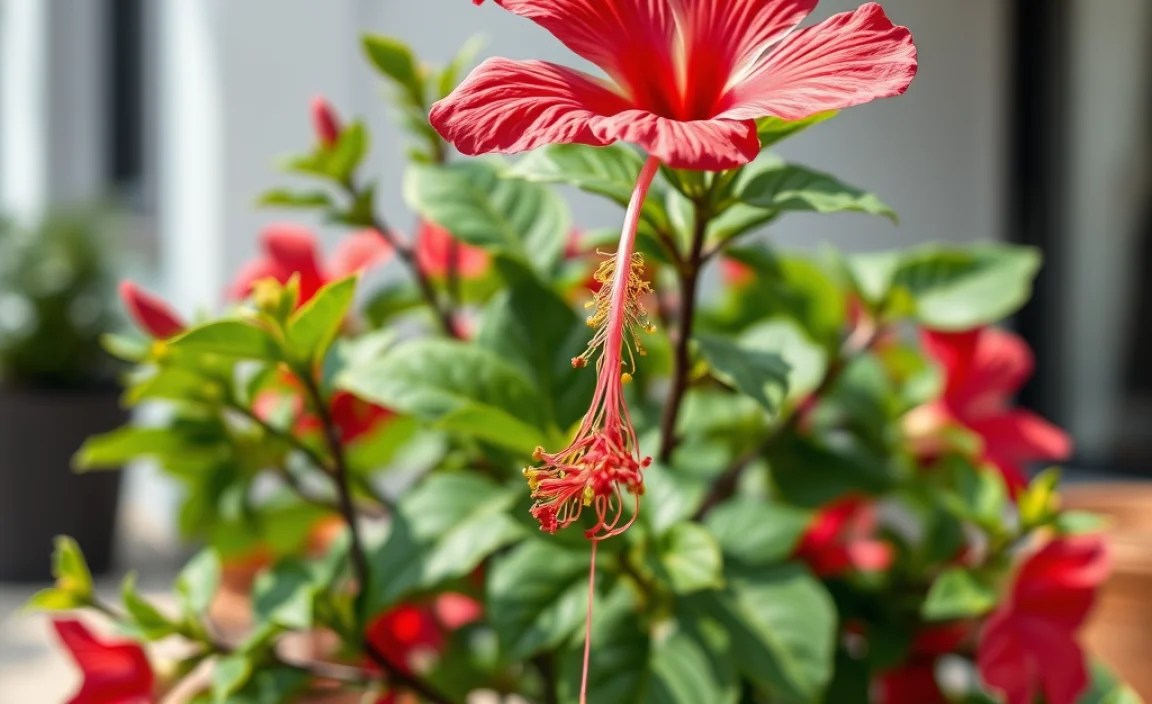
Pruning Techniques for Outdoor Hibiscus
Pruning is like giving your hibiscus a haircut. It helps keep it healthy and encourages new growth. The best time to prune is in the late winter or early spring. Before new growth starts. Remove any dead, damaged, or diseased branches. Cut them back to healthy wood. You can also prune to shape the plant. Remove any branches that are crossing or rubbing against each other. This will improve air circulation. Encourage bushier growth by pinching back the tips of new shoots. This will cause the plant to branch out. Use clean, sharp pruning shears. This will prevent the spread of disease. Don’t prune too much at once. This can stress the plant. Pruning is an important part of caring for outdoor hibiscus.
- Prune in late winter or early spring.
- Remove dead, damaged, or diseased branches.
- Shape the plant by removing crossing branches.
- Pinch back new shoots to encourage bushier growth.
- Use clean, sharp pruning shears.
Imagine you’re sculpting a beautiful statue. You need to remove the excess clay to reveal the form. Pruning is similar. You’re removing the unwanted growth to reveal the plant’s natural beauty. Think about the shape you want your hibiscus to have. Prune to achieve that shape. Don’t be afraid to experiment. Pruning can seem scary, but it’s actually quite easy. With a little practice, you’ll become a pruning pro. Proper pruning techniques are important when caring for outdoor hibiscus.
Fun Fact or Stat: Hibiscus flowers only last for one day, but the plant produces many flowers throughout the season!
When to Prune Your Hibiscus
The best time to prune hibiscus is in the late winter or early spring. Before new growth starts. This gives the plant time to recover before the growing season. Avoid pruning in the fall. This can encourage new growth that will be damaged by frost. If you need to remove dead or damaged branches, you can do so at any time of year. But, save the major pruning for late winter or early spring. Pruning at the right time will help your hibiscus thrive. Timing is everything when caring for outdoor hibiscus.
How to Prune for More Blooms
Pruning can encourage more blooms. By removing old growth, you stimulate new growth. New growth is where the flowers will appear. Pinch back the tips of new shoots. This will cause the plant to branch out. More branches mean more flowers. Remove any spent flowers. This will encourage the plant to produce more blooms. Don’t be afraid to prune aggressively. Hibiscus are resilient plants. They can handle a lot of pruning. Proper pruning techniques are essential for abundant blooms. Pruning helps significantly when caring for outdoor hibiscus.
Tools Needed for Pruning
You’ll need a few basic tools for pruning hibiscus. Clean, sharp pruning shears are essential. This will prevent the spread of disease. Loppers are useful for cutting thicker branches. A pruning saw is helpful for very thick branches. Wear gloves to protect your hands. Clean your pruning tools after each use. This will prevent the spread of disease. You can clean them with rubbing alcohol or bleach. Store your pruning tools in a dry place. This will prevent them from rusting. Using the right tools makes pruning easier and safer. Correct tools are essential when caring for outdoor hibiscus.
| Tool | Use | Maintenance |
|---|---|---|
| Pruning Shears | Cutting small branches and stems | Clean and sharpen blades regularly |
| Loppers | Cutting thicker branches | Oil moving parts to prevent rust |
| Pruning Saw | Cutting very thick branches | Sharpen blade as needed |
| Gloves | Protecting hands during pruning | Wash after each use |
Protecting Outdoor Hibiscus from Pests
Pests can be a problem for hibiscus. Common pests include aphids, spider mites, and whiteflies. These pests suck the sap from the leaves. This can weaken the plant. Check your hibiscus regularly for pests. Look for small insects on the leaves and stems. You might also see sticky residue or webbing. If you find pests, take action right away. You can spray the plant with insecticidal soap or neem oil. These are natural pesticides that are safe for plants and people. You can also try blasting the pests off with a strong stream of water. Encourage beneficial insects like ladybugs and lacewings. These insects eat pests. Keep your hibiscus healthy. Healthy plants are more resistant to pests. Pest control is important when caring for outdoor hibiscus.
- Check your hibiscus regularly for pests.
- Spray with insecticidal soap or neem oil.
- Blast pests off with a strong stream of water.
- Encourage beneficial insects.
- Keep your hibiscus healthy.
Imagine your hibiscus is a castle. Pests are like invaders trying to break in. You need to defend your castle from these invaders. Regular inspections are like patrolling the walls. Insecticidal soap and neem oil are like defensive weapons. Beneficial insects are like allies who help you fight off the invaders. A strong and healthy hibiscus is like a well-fortified castle. It’s better able to withstand attacks. These tips are essential when caring for outdoor hibiscus.
Fun Fact or Stat: Hibiscus flowers are edible and can be used to make tea!
Identifying Common Hibiscus Pests
Knowing what pests to look for is important. Aphids are small, soft-bodied insects that come in various colors. They often cluster on new growth. Spider mites are tiny, spider-like creatures that create webbing. They cause the leaves to turn yellow and stippled. Whiteflies are small, white, flying insects that flutter around the plant. They suck the sap from the leaves. Scale insects are small, armored insects that attach themselves to the stems and leaves. They look like small bumps. Identifying these pests early can help you take action before they cause serious damage. Identification is key when caring for outdoor hibiscus.
Natural Pest Control Methods
There are many natural ways to control pests on hibiscus. Insecticidal soap is a safe and effective option. It kills pests on contact. Neem oil is another natural pesticide. It disrupts the pests’ life cycle. You can also use horticultural oil. This smothers the pests. Encourage beneficial insects like ladybugs and lacewings. They eat pests. You can attract them by planting flowers that they like. Hand-picking pests off the plant is also an option. This works well for larger pests like caterpillars. Natural methods are very helpful when caring for outdoor hibiscus.
Preventing Pest Infestations
Prevention is the best way to control pests. Keep your hibiscus healthy and strong. Healthy plants are more resistant to pests. Water and fertilize regularly. Provide good air circulation. Remove any dead or diseased leaves. This will prevent pests from breeding. Inspect your hibiscus regularly for pests. Catching them early will make them easier to control. Avoid using broad-spectrum pesticides. These kill beneficial insects as well as pests. By following these tips, you can prevent pest infestations. Prevention is the best method of caring for outdoor hibiscus.
Overwintering Outdoor Hibiscus
Winter can be tough on hibiscus. Especially in cold climates. If you live in an area with freezing temperatures, you’ll need to take steps to protect your hibiscus. One option is to bring it indoors. Before bringing it in, inspect it for pests. Treat any infestations. Place the hibiscus in a sunny location. A south-facing window is ideal. Water less often during the winter. The plant is not actively growing. You can also overwinter your hibiscus outdoors. Protect the roots by mulching heavily around the base of the plant. Wrap the plant in burlap or frost cloth. This will protect it from the cold. If you have a potted hibiscus, move it to a sheltered location. A garage or shed is a good option. Protecting your hibiscus during the winter is essential. Winter care is important when caring for outdoor hibiscus.
- Bring hibiscus indoors if you live in a cold climate.
- Inspect for pests before bringing indoors.
- Water less often during the winter.
- Mulch heavily around the base of the plant.
- Wrap the plant in burlap or frost cloth.
Imagine your hibiscus is a little bird. It needs a warm and cozy place to spend the winter. Bringing it indoors is like giving it a safe haven. Mulching and wrapping it up is like giving it a warm coat. You want to protect it from the harsh winter weather. Remember, hibiscus are tropical plants. They’re not used to cold temperatures. Taking these steps will help your hibiscus survive the winter. Then, it will be ready to bloom again in the spring. Overwintering is essential for caring for outdoor hibiscus.
Fun Fact or Stat: Hibiscus plants are native to tropical regions around the world!
When to Bring Hibiscus Indoors
The best time to bring hibiscus indoors is before the first frost. Watch the weather forecast carefully. Bring the plant in when temperatures are consistently below 50 degrees Fahrenheit. This will prevent it from being damaged by the cold. Acclimate the plant gradually. Bring it indoors for a few hours each day. Then, gradually increase the amount of time it spends indoors. This will help it adjust to the change in environment. Bringing it inside at the right time will help when caring for outdoor hibiscus.
How to Prepare for Winter Indoors
Before bringing your hibiscus indoors, take a few steps to prepare it. Inspect it for pests. Treat any infestations. Prune the plant lightly. This will make it easier to move. Repot the plant if necessary. Use fresh potting soil. Water the plant thoroughly before bringing it indoors. This will help it stay hydrated. Place the plant in a sunny location. A south-facing window is ideal. Preparing correctly will help when caring for outdoor hibiscus.
Outdoor Winter Protection Methods
If you choose to overwinter your hibiscus outdoors, take these steps. Mulch heavily around the base of the plant. This will protect the roots from freezing. Wrap the plant in burlap or frost cloth. This will protect it from the cold. You can also build a frame around the plant. Then, cover the frame with plastic. This will create a mini-greenhouse. Water the plant sparingly during the winter. Only water when the soil is dry. Monitor the plant regularly for signs of damage. Outdoor protection is very important when caring for outdoor hibiscus.
Repotting Your Outdoor Hibiscus
Repotting is like moving your hibiscus to a bigger house. It gives the roots more room to grow. Repotting is usually necessary every one to two years. Choose a pot that is slightly larger than the current pot. Use fresh potting soil. Gently remove the hibiscus from its current pot. Loosen the roots. Place the plant in the new pot. Fill in around the roots with fresh potting soil. Water the plant thoroughly. Repotting is best done in the spring. Before new growth starts. Avoid repotting during the winter. Repotting is an important part of caring for outdoor hibiscus.
- Repot every one to two years.
- Choose a pot that is slightly larger.
- Use fresh potting soil.
- Repot in the spring.
- Water thoroughly after repotting.
Imagine your hibiscus is a growing child. It needs bigger clothes as it gets older. Repotting is like getting new clothes for your hibiscus. It gives the roots more room to stretch out and grow. Choose a pot that is just the right size. Not too big, not too small. Think of the roots as the foundation of the plant. A strong foundation is essential for healthy growth. Proper repotting will help your hibiscus thrive. Repotting helps greatly when caring for outdoor hibiscus.
Fun Fact or Stat: The hibiscus is the national flower of Malaysia!
When to Repot Your Hibiscus
You’ll know it’s time to repot your hibiscus when the roots start to circle around the pot. You might also see roots growing out of the drainage holes. The plant might also dry out more quickly than usual. These are all signs that the plant has outgrown its pot. Repotting is best done in the spring. Before new growth starts. Avoid repotting during the winter. Repotting at the right time will help your hibiscus thrive. Timing is key when caring for outdoor hibiscus.
Choosing the Right Potting Mix
The right potting mix is essential for healthy growth. Use a well-draining potting mix. Avoid using garden soil. Garden soil can compact and prevent drainage. Choose a potting mix that is specifically designed for hibiscus. These mixes usually contain peat moss, perlite, and vermiculite. These ingredients help improve drainage and aeration. You can also add some compost to the potting mix. This will provide extra nutrients. The right potting mix will help your hibiscus thrive. Soil quality is key when caring for outdoor hibiscus.
Steps for Repotting
Here are the steps for repotting your hibiscus. Choose a pot that is slightly larger than the current pot. Fill the bottom of the new pot with potting mix. Gently remove the hibiscus from its current pot. Loosen the roots. Place the plant in the new pot. Fill in around the roots with fresh potting mix. Water the plant thoroughly. Place the plant in a sunny location. Monitor the plant for signs of stress. Repotting is a simple process that can greatly benefit your hibiscus. Correct repotting steps are essential when caring for outdoor hibiscus.
Summary
Caring for outdoor hibiscus involves several key steps. First, choose the right location with plenty of sunlight and well-draining soil. Water regularly, especially during hot weather, but avoid overwatering. Fertilize every few weeks during the growing season with a fertilizer high in potassium. Prune in late winter or early spring to encourage new growth and shape the plant. Protect from pests by inspecting regularly and using natural pest control methods. Finally, overwinter your hibiscus indoors or provide outdoor protection in cold climates. These steps will help your hibiscus thrive and produce beautiful blooms.
Conclusion
Caring for outdoor hibiscus can be a rewarding experience. These beautiful plants bring color and joy to any garden. By following these simple tips, you can help your hibiscus thrive. Remember to provide plenty of sunlight, water, and fertilizer. Protect it from pests and cold weather. With a little care, your hibiscus will reward you with stunning blooms for years to come. Enjoy the beauty of your hibiscus!
Frequently Asked Questions
Question No 1: How much sunlight does my outdoor hibiscus need?
Answer: Your outdoor hibiscus needs at least six hours of direct sunlight each day. Morning sun is best. It’s less harsh than afternoon sun. If you live in a very hot area, some afternoon shade is helpful. This prevents the leaves from getting burned. If your hibiscus doesn’t get enough sun, it won’t bloom well. Sunlight is essential for caring for outdoor hibiscus. Make sure to choose a sunny spot for your plant.
Question No 2: How often should I water my outdoor hibiscus?
Answer: How often you water depends on the weather and the soil. In general, water deeply when the top inch of soil is dry. This might be every day during hot, dry weather. It might be every few days during cooler weather. Check the soil regularly. This is the best way to know when to water. Avoid overwatering, which can lead to root rot. Proper watering is important for caring for outdoor hibiscus.
Question No 3: What kind of fertilizer should I use for my outdoor hibiscus?
Answer: Use a fertilizer that is high in potassium. Potassium helps promote flower production. Look for a fertilizer with a ratio like 10-4-12. Follow the instructions on the fertilizer package. Don’t over-fertilize. Too much fertilizer can burn the roots. Fertilize every few weeks during the growing season. Proper fertilizing is essential for caring for outdoor hibiscus. This will help your plant produce beautiful blooms.
Question No 4: How do I protect my outdoor hibiscus from pests?
Answer: Check your hibiscus regularly for pests. Look for small insects on the leaves and stems. You might also see sticky residue or webbing. If you find pests, take action right away. You can spray the plant with insecticidal soap or neem oil. These are natural pesticides that are safe for plants and people. Keeping your plant healthy is also important. Pest control is an important part of caring for outdoor hibiscus.
Question No 5: How do I overwinter my outdoor hibiscus?
Answer: If you live in a cold climate, bring your hibiscus indoors before the first frost. Place it in a sunny location. Water less often during the winter. You can also overwinter your hibiscus outdoors. Protect the roots by mulching heavily around the base of the plant. Wrap the plant in burlap or frost cloth. Protecting your hibiscus during the winter is essential for caring for outdoor hibiscus.
Question No 6: When should I prune my outdoor hibiscus?
Answer: The best time to prune your hibiscus is in the late winter or early spring. Before new growth starts. Remove any dead, damaged, or diseased branches. You can also prune to shape the plant. Pruning helps encourage new growth and more blooms. Proper pruning is an important part of caring for outdoor hibiscus. This will help your plant stay healthy and beautiful.
