Do you love bright, happy flowers? Have you ever seen a gerbera daisy? These flowers come in many colors. They can brighten any garden. But how do you keep them happy? What is involved in caring gerbera daisies outdoors? Let’s explore how to grow these beauties.
Gerbera daisies need special care. They need the right amount of sun. They also need the right amount of water. With a little love, they will bloom for you.
Did you know gerbera daisies are from South Africa? They love warm weather. That’s why they do well in sunny gardens. Let’s learn more about keeping them healthy. We can make your garden a colorful paradise. Let’s get started with caring gerbera daisies outdoors.
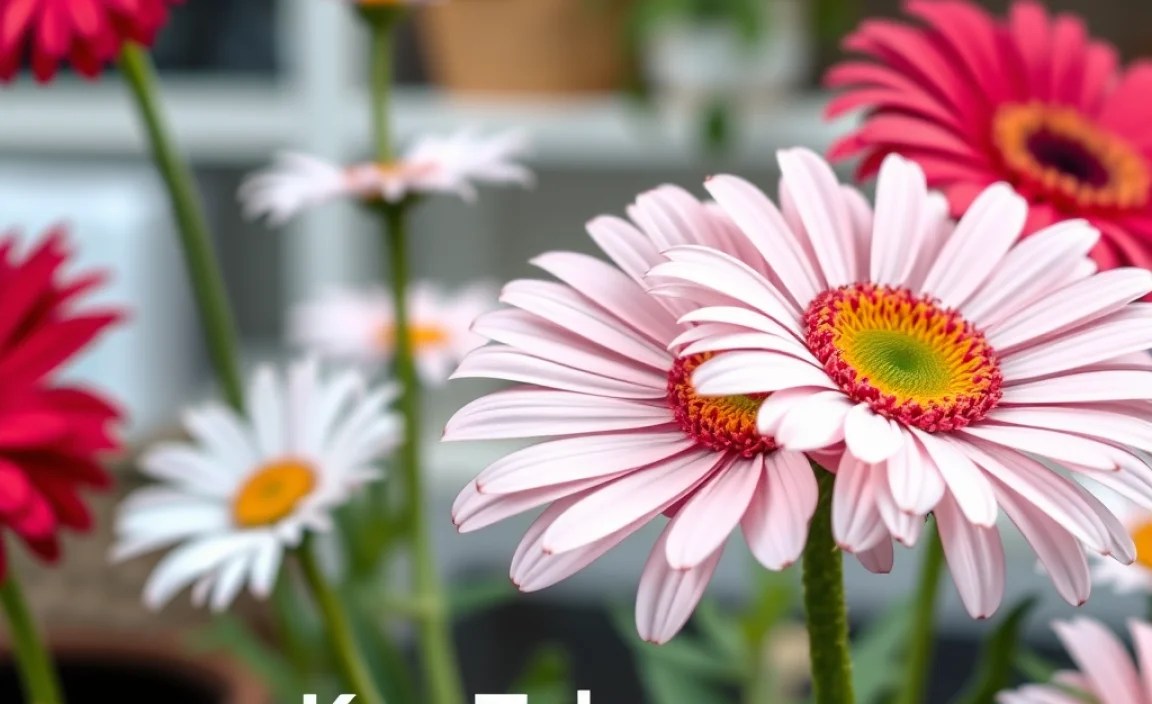
Key Takeaways
- Caring for gerbera daisies outdoors means providing well-drained soil, sunlight, and proper watering.
- Water gerbera daisies at the base to avoid wet leaves and potential fungal diseases.
- Fertilize regularly with a balanced fertilizer during the growing season for vibrant blooms.
- Protect gerbera daisies from frost and extreme heat for healthy growth.
- Choose a sunny spot with at least six hours of sunlight daily for best results.

Choosing the Right Spot Outdoors
Caring gerbera daisies outdoors starts with the right location. These flowers love sunshine. They need at least six hours of sunlight each day. Find a spot in your garden that gets plenty of sun. Make sure the soil drains well. Gerbera daisies do not like wet feet. Wet soil can cause their roots to rot. Look for a place where water doesn’t sit after it rains.
- Choose a sunny spot.
- Ensure good soil drainage.
- Avoid areas with standing water.
- Protect from strong winds.
- Consider morning sun and afternoon shade in hot climates.
The right location is key to healthy gerbera daisies. If your soil is heavy clay, add some compost. Compost helps the soil drain better. It also adds nutrients that the daisies need. You can also grow them in raised beds. Raised beds provide excellent drainage. Watch out for spots that get too windy. Strong winds can damage the delicate flowers. A sheltered spot will help them thrive.
Fun Fact or Stat: Gerbera daisies are the fifth most popular cut flower in the world!
How Much Sun Do They Need?
Do you know why sunshine is so important for plants? Plants use sunlight to make their food. This process is called photosynthesis. Gerbera daisies need lots of sunlight to make enough food. Without enough sun, they won’t bloom well. They might also get weak and sick. Aim for at least six hours of direct sunlight each day. In very hot areas, some afternoon shade can help. This prevents the flowers from getting scorched.
What Kind of Soil Works Best?
Imagine trying to drink water through a clogged straw. That’s what it’s like for gerbera daisies in heavy soil. Their roots can’t breathe. They need soil that drains well. This means water doesn’t sit around the roots. Mix in some compost or peat moss to improve drainage. Sandy soil is also good because it drains quickly. Test your soil to see if it’s right for gerbera daisies.
Protecting From the Elements
Think of your gerbera daisies as little kids. They need protection from bad weather. Strong winds can break their stems. Frost can damage their leaves and flowers. If you live in an area with cold winters, you might need to bring them inside. You can also cover them with a blanket on frosty nights. A little protection goes a long way in caring gerbera daisies outdoors.

Planting Gerbera Daisies Correctly
Now that you’ve picked the perfect spot, it’s time to plant. Caring gerbera daisies outdoors includes planting them properly. Dig a hole that is twice as wide as the pot. Gently remove the daisy from its pot. Loosen the roots a little bit. Place the daisy in the hole. Make sure the crown of the plant is just above the soil level. The crown is where the stems meet the roots. If you bury it too deep, it can rot. Fill the hole with soil and gently pat it down. Water the plant well after planting.
- Dig a hole twice as wide as the pot.
- Loosen the roots gently.
- Keep the crown above the soil.
- Water thoroughly after planting.
- Space plants 12-18 inches apart.
- Add mulch to retain moisture.
Spacing is also important. Give each daisy enough room to grow. Plant them about 12 to 18 inches apart. This allows them to get enough air and sunlight. After planting, add a layer of mulch. Mulch helps to keep the soil moist. It also prevents weeds from growing. Use organic mulch like straw or wood chips. Avoid piling mulch up against the stems. This can also cause rot.
| Step | Description |
|---|---|
| 1 | Choose a sunny spot with well-drained soil. |
| 2 | Dig a hole twice as wide as the pot. |
| 3 | Gently remove the daisy from the pot and loosen the roots. |
| 4 | Place the daisy in the hole, keeping the crown above soil level. |
| 5 | Fill the hole with soil and water thoroughly. |
Fun Fact or Stat: Gerbera daisies symbolize cheerfulness and happiness!
How Deep Should You Plant?
Imagine you’re tucking a little seedling into bed. You want to make sure it’s comfortable. But you don’t want to bury it under too many blankets! The same is true for gerbera daisies. If you plant them too deep, the crown will rot. This is because the crown needs air to stay healthy. Make sure the top of the root ball is level with the ground. This will give your daisy the best start.
What is Crown Rot?
Have you ever left a wet towel in a pile? It starts to smell bad and get moldy. That’s kind of like what happens with crown rot. When the crown of the gerbera daisy stays too wet, it can get infected. This infection is called crown rot. It can kill your plant. That’s why it’s so important to plant them at the right depth. Good drainage also helps prevent crown rot.
Best Time of Year to Plant
Think of planting like planning a party. You want to pick the right day and time. The best time to plant gerbera daisies is in the spring or early summer. This gives them plenty of time to get established before winter. In warmer climates, you can also plant them in the fall. Just make sure they have enough time to develop strong roots before the cold weather arrives.

Watering Gerbera Daisies Properly
Water is essential for all living things. Caring gerbera daisies outdoors requires proper watering. Gerbera daisies like moist soil, but not soggy soil. Water them when the top inch of soil feels dry. Water at the base of the plant. Avoid getting the leaves wet. Wet leaves can lead to fungal diseases. Water in the morning, so the leaves have time to dry. This helps prevent problems.
- Water when the top inch of soil is dry.
- Water at the base of the plant.
- Avoid wetting the leaves.
- Water in the morning.
- Check soil moisture regularly.
- Use well-draining soil.
Overwatering is a common mistake. It can lead to root rot. Root rot is a serious problem that can kill your plant. If the leaves turn yellow and droop, you might be overwatering. Let the soil dry out a bit before watering again. Underwatering is also bad. If the leaves wilt and the flowers droop, you need to water more often. Finding the right balance is key to happy gerbera daisies.
Fun Fact or Stat: Gerbera daisies can help purify the air by removing toxins!
How Often Should You Water?
Imagine your gerbera daisies are thirsty little creatures. They need a drink, but not too much. How often you water depends on the weather. In hot, dry weather, you might need to water every day. In cooler, wetter weather, you might only need to water once a week. Check the soil to see if it’s dry before watering. Stick your finger in the soil about an inch deep. If it feels dry, it’s time to water.
What is the Best Time of Day to Water?
Think of watering like giving your daisies a morning shower. The best time to water is in the morning. This gives the leaves time to dry before nightfall. Wet leaves at night can lead to fungal diseases. Watering in the morning also helps the plant absorb the water before the heat of the day. This keeps them hydrated and happy.
How to Avoid Overwatering
Have you ever poured too much water into a glass? It spills over and makes a mess. The same thing can happen to your gerbera daisies. Overwatering can drown the roots. Make sure your soil drains well. Use pots with drainage holes. And always check the soil before watering. If it’s still wet, wait another day. Your daisies will thank you for it.

Fertilizing for Healthy Growth
Plants need food just like people do. Caring gerbera daisies outdoors includes regular feeding. Fertilize your gerbera daisies every two to four weeks. Use a balanced fertilizer. Look for a fertilizer with equal parts nitrogen, phosphorus, and potassium. Follow the instructions on the fertilizer package. Don’t over-fertilize. Too much fertilizer can burn the roots. Water the plant after fertilizing.
- Fertilize every 2-4 weeks.
- Use a balanced fertilizer.
- Follow package instructions.
- Water after fertilizing.
- Avoid over-fertilizing.
- Fertilize during the growing season.
During the growing season, gerbera daisies need more fertilizer. The growing season is usually from spring to fall. In the winter, they don’t need as much food. You can reduce the amount of fertilizer during the winter months. Organic fertilizers are a good option. They release nutrients slowly. This prevents burning the roots. Compost tea is a great organic fertilizer.
Fun Fact or Stat: The name “Gerbera” comes from German botanist Traugott Gerber!
What Kind of Fertilizer Should You Use?
Imagine you’re cooking a meal for your daisies. You want to use the right ingredients. A balanced fertilizer is like a well-rounded meal. It gives your daisies all the nutrients they need. Look for a fertilizer that has equal parts nitrogen, phosphorus, and potassium. These nutrients help with leaf growth, root development, and flower production.
When Should You Fertilize?
Think of fertilizing like giving your daisies a regular vitamin boost. The best time to fertilize is during the growing season. This is when they are actively growing and blooming. Fertilize every two to four weeks. Stop fertilizing in the late fall. This gives the plants a chance to rest during the winter.
How to Avoid Fertilizer Burn
Have you ever eaten too much sugar and felt sick? The same thing can happen to your gerbera daisies. Too much fertilizer can burn their roots. Always follow the instructions on the fertilizer package. Dilute the fertilizer with water. Water the plant well after fertilizing. This helps to distribute the fertilizer evenly and prevent burning.
Dealing With Pests and Diseases
Even the healthiest plants can sometimes get sick. Caring gerbera daisies outdoors includes protecting them from pests and diseases. Common pests include aphids, spider mites, and whiteflies. These pests suck the sap from the leaves. This can weaken the plant. You can wash them off with a strong stream of water. Insecticidal soap is also effective. Fungal diseases like powdery mildew and root rot can also be a problem.
- Inspect plants regularly for pests.
- Wash off pests with water.
- Use insecticidal soap.
- Provide good air circulation.
- Avoid overwatering.
- Treat fungal diseases early.
- Remove infected leaves.
Good air circulation helps prevent fungal diseases. Space the plants properly. Prune away any dead or dying leaves. Avoid overwatering. Water at the base of the plant. This prevents the leaves from getting wet. If you see signs of disease, treat it early. Use a fungicide to control fungal diseases. Remove any infected leaves. This helps to prevent the disease from spreading.
Fun Fact or Stat: Gerbera daisies are related to sunflowers!
Common Pests and How to Control Them
Imagine tiny bugs are having a party on your gerbera daisies. These pests can cause a lot of damage. Aphids are small, soft-bodied insects that suck plant sap. Spider mites are tiny mites that create webs on the leaves. Whiteflies are small, white insects that fly around the plant. You can control these pests with insecticidal soap or neem oil.
Recognizing and Treating Fungal Diseases
Think of fungal diseases like a bad cold for your plants. They can make them weak and sick. Powdery mildew is a white, powdery substance that grows on the leaves. Root rot is a fungal infection that causes the roots to rot. You can prevent fungal diseases by providing good air circulation and avoiding overwatering. Treat fungal diseases with a fungicide.
Preventative Measures for a Healthy Garden
Imagine you’re building a fort for your gerbera daisies. You want to make it strong and protect them from harm. Preventative measures are like the walls of your fort. Inspect your plants regularly for pests and diseases. Provide good air circulation. Avoid overwatering. Remove any dead or dying leaves. This will help keep your garden healthy and thriving.
Deadheading and Pruning for More Blooms
Deadheading is like giving your gerbera daisies a haircut. It encourages them to produce more flowers. Deadheading means removing the dead or faded flowers. Cut the stem back to the base of the plant. This prevents the plant from wasting energy on producing seeds. Pruning involves removing dead or damaged leaves and stems. This helps to improve air circulation. It also encourages new growth.
- Remove dead or faded flowers.
- Cut the stem back to the base.
- Prune dead or damaged leaves.
- Prune to improve air circulation.
- Use clean, sharp tools.
- Deadhead regularly for more blooms.
Use clean, sharp tools when deadheading and pruning. This prevents the spread of disease. Deadhead your gerbera daisies regularly. This will keep them blooming all season long. Prune them as needed to remove dead or damaged growth. A little bit of deadheading and pruning can make a big difference. It keeps your gerbera daisies looking their best.
Fun Fact or Stat: Gerbera daisies are often used in bouquets and floral arrangements!
Why Deadheading Encourages More Blooms
Imagine you’re telling your gerbera daisies to focus on making new flowers. That’s what deadheading does. When you remove the dead flowers, the plant doesn’t waste energy on making seeds. Instead, it puts its energy into producing more blooms. Deadheading is a simple way to get more flowers from your gerbera daisies.
How to Properly Deadhead Gerbera Daisies
Think of deadheading like giving your daisies a clean slate. You want to remove the old, faded flowers so they can start fresh. Use clean, sharp scissors or pruning shears. Cut the stem of the dead flower back to the base of the plant. Be careful not to damage the healthy leaves and stems. This will keep your gerbera daisies looking tidy and encourage new growth.
The Benefits of Pruning
Imagine you’re giving your gerbera daisies a spa day. Pruning is like a relaxing treatment that helps them feel their best. Pruning removes dead or damaged leaves and stems. This improves air circulation and prevents disease. It also encourages new growth. Pruning can help your gerbera daisies stay healthy and beautiful.
Protecting From Winter Weather
Winter can be tough on plants. Caring gerbera daisies outdoors in winter requires some extra effort. Gerbera daisies are not frost-hardy. This means they can’t survive freezing temperatures. If you live in an area with cold winters, you need to protect them. You can bring them indoors. You can also cover them with a blanket or mulch. This will help to insulate them from the cold.
- Bring plants indoors in cold climates.
- Cover plants with a blanket or mulch.
- Protect from frost.
- Reduce watering in winter.
- Avoid fertilizing in winter.
- Provide some sunlight if indoors.
Reduce watering in the winter. The plants don’t need as much water when they are not actively growing. Avoid fertilizing in the winter. The plants are not using the nutrients. If you bring them indoors, provide some sunlight. A sunny window is a good place for them. With a little extra care, you can help your gerbera daisies survive the winter.
Fun Fact or Stat: Gerbera daisies come in almost every color except true blue!
How to Prepare for Frost
Imagine you’re tucking your gerbera daisies into bed for the winter. You want to make sure they’re warm and cozy. If frost is predicted, cover your plants with a blanket or sheet. This will protect them from the freezing temperatures. You can also move them to a sheltered location, like a garage or shed.
Overwintering Gerbera Daisies Indoors
Think of bringing your gerbera daisies indoors like giving them a winter vacation. They can escape the cold and relax in a warm, sunny spot. Place them in a sunny window. Water them sparingly. Avoid fertilizing. This will help them survive the winter and be ready to bloom again in the spring.
Using Mulch for Winter Protection
Imagine you’re giving your gerbera daisies a warm blanket of mulch. Mulch helps to insulate the soil and protect the roots from freezing temperatures. Apply a thick layer of mulch around the base of the plant. Use organic mulch like straw or wood chips. This will help your gerbera daisies survive the winter.
Summary
Caring gerbera daisies outdoors involves several key steps. First, choose a sunny spot with well-drained soil. Plant the daisies with the crown just above the soil level. Water them regularly, but avoid overwatering. Fertilize them every two to four weeks during the growing season. Protect them from pests and diseases. Deadhead and prune them to encourage more blooms. And protect them from frost in the winter.
Following these tips will help your gerbera daisies thrive. They will reward you with beautiful, colorful blooms. Remember to adjust your care based on the weather. Observe your plants regularly. This will help you catch any problems early. With a little love and attention, you can enjoy these cheerful flowers all season long.
Conclusion
Gerbera daisies are beautiful flowers. They can brighten any garden. Caring gerbera daisies outdoors is not hard. It just takes a little knowledge. Remember to provide sunlight, water, and fertilizer. Protect them from pests and diseases. With the right care, your gerbera daisies will thrive. They will bring joy to your garden for many months. Enjoy the beauty and cheerfulness of these wonderful flowers.
Frequently Asked Questions
Question No 1: How much sunlight do gerbera daisies need?
Answer: Gerbera daisies love sunshine! They need at least six hours of direct sunlight each day to bloom well. Without enough sun, they might not produce as many flowers. The leaves can also become pale. If you live in a very hot climate, some afternoon shade can help. This protects the flowers from scorching in the intense heat. Make sure to plant them in a sunny spot in your garden for best results. Proper sunlight is key to caring gerbera daisies outdoors.
Question No 2: How often should I water my gerbera daisies?
Answer: Watering is important, but you don’t want to overdo it. Water your gerbera daisies when the top inch of soil feels dry. Stick your finger in the soil to check. Water at the base of the plant to avoid getting the leaves wet. Wet leaves can lead to fungal diseases. Water in the morning, so the leaves have time to dry during the day. The frequency of watering depends on the weather. Hot, dry weather requires more frequent watering. Cooler, wetter weather requires less. Always check the soil moisture before watering.
Question No 3: What kind of soil is best for gerbera daisies?
Answer: Gerbera daisies need soil that drains well. They don’t like to sit in wet soil. Wet soil can cause their roots to rot. If your soil is heavy clay, add some compost or peat moss. This will improve drainage. You can also grow them in raised beds. Raised beds provide excellent drainage. Sandy soil is also good because it drains quickly. Make sure the soil is rich in nutrients. Add some compost or aged manure to the soil before planting. This will give your daisies a good start. Proper soil is essential for caring gerbera daisies outdoors.
Question No 4: How do I protect my gerbera daisies from pests?
Answer: Pests can be a problem for gerbera daisies. Common pests include aphids, spider mites, and whiteflies. You can wash them off with a strong stream of water. Insecticidal soap is also effective. Spray the plants with insecticidal soap according to the package instructions. Neem oil is another good option. Inspect your plants regularly for pests. Catching them early can prevent a major infestation. Good air circulation can also help prevent pests. Space your plants properly to allow for good airflow.
Question No 5: How do I deadhead gerbera daisies?
Answer: Deadheading is important for encouraging more blooms. Remove the dead or faded flowers. Cut the stem back to the base of the plant. Use clean, sharp scissors or pruning shears. This prevents the plant from wasting energy on producing seeds. Instead, it puts its energy into producing more blooms. Deadhead your gerbera daisies regularly. This will keep them blooming all season long. Proper deadheading is important in caring gerbera daisies outdoors.
Question No 6: How do I protect my gerbera daisies in the winter?
Answer: Gerbera daisies are not frost-hardy. If you live in an area with cold winters, you need to protect them. You can bring them indoors. Place them in a sunny window. Water them sparingly. Avoid fertilizing. You can also cover them with a blanket or mulch. This will help to insulate them from the cold. Reduce watering in the winter. The plants don’t need as much water when they are not actively growing. Avoid fertilizing in the winter. With a little extra care, you can help your gerbera daisies survive the winter. Proper winter care is part of caring gerbera daisies outdoors effectively.
