Did you know some flowers can live inside? One of these is the hibiscus. It has big, bright flowers. These flowers can make any room happy. But how do you keep them happy? Caring hibiscus indoors needs a few simple steps. Let’s learn how to grow these pretty plants inside!
Do you want your hibiscus to bloom all year? It is not as hard as you think. With the right light and water, you can do it. Imagine having a tropical flower in your home. It will be like having a piece of summer with you all the time. Caring hibiscus indoors can be fun.
Key Takeaways
- Proper light is super important for caring hibiscus indoors and their beautiful blooms.
- Water your hibiscus when the top inch of soil feels dry to the touch.
- Use a pot with good drainage to prevent root rot in your indoor hibiscus.
- Fertilize your hibiscus regularly during the growing season.
- Keep your hibiscus away from drafts and sudden temperature changes.
Best Soil for Indoor Hibiscus Care

The type of soil you use really matters. Hibiscus plants need soil that drains well. This means water should not sit in the pot. If water sits too long, the roots can rot. Root rot is bad for the plant. It can even kill it. You should use a potting mix that is made for hibiscus. These mixes have things like peat moss and perlite. These things help the soil drain better. Good soil helps the plant get the food it needs. The right soil also helps the roots grow strong. If you want a happy hibiscus, start with good soil. Caring hibiscus indoors starts from the ground up. Always check the soil to ensure it’s not too wet or too dry. The right balance is key to a healthy, blooming plant.
- Use well-draining potting mix.
- Avoid heavy clay soils.
- Add perlite for better drainage.
- Check soil pH (6.0-6.5 is ideal).
- Repot every 1-2 years.
Good soil is like a good breakfast for your plant. It gives it the energy to grow. Think of the soil as the plant’s kitchen. It gets all its food from there. If the kitchen is messy, the plant will not eat well. So, keep the soil clean and healthy. Make sure it has all the right stuff. The right soil helps the plant fight off sickness too. When you are caring hibiscus indoors, soil is your first friend. It is the base for everything else. Healthy soil equals a happy, blooming hibiscus.
Fun Fact or Stat: Hibiscus soil should be slightly acidic, with a pH between 6.0 and 6.5, for optimal nutrient absorption!
Why Does Soil Drainage Matter?
Have you ever left a wet towel in a pile? It starts to smell bad, right? The same thing can happen to your hibiscus roots. If the soil does not drain well, the roots sit in water. This can cause them to rot. Root rot is like a bad cold for plants. It stops them from getting the food they need. Good drainage lets the water flow out. This keeps the roots healthy and strong. So, always pick soil that lets water move freely. This will help your hibiscus grow big and strong. Caring hibiscus indoors means paying attention to drainage.
How to Test Soil Drainage?
Here is a simple test. Take a pot with the soil you want to use. Pour some water into the pot. Watch how fast the water goes through. If the water sits on top for a long time, the soil is not good. Good soil will let the water drain quickly. You can also check the bottom of the pot. If water comes out right away, that is a good sign. If it takes a long time, you might need to add something to the soil. Things like perlite can help the water drain faster. Caring hibiscus indoors involves these simple checks.
What is the Best Potting Mix?
The best potting mix for hibiscus has a few things. It should have peat moss. Peat moss helps hold water, but not too much. It should also have perlite. Perlite helps the water drain. Some mixes also have compost. Compost is like a vitamin for plants. It gives them extra food. You can find these mixes at most garden stores. Just look for a mix that says it is for hibiscus. If you cannot find one, ask someone at the store. They can help you pick the right mix. Caring hibiscus indoors is easier with the right supplies.
Ideal Lighting for Indoor Hibiscus

Light is like food for plants. Hibiscus plants need a lot of light. If they do not get enough light, they will not bloom. They might also get sick. The best place for a hibiscus is near a sunny window. A south-facing window is usually the best. This is where the plant gets the most light. If you do not have a sunny window, you can use a grow light. Grow lights are special lights that help plants grow. You should keep the light on for about 6-8 hours a day. Remember, caring hibiscus indoors means giving it enough light. This will help it grow big and bloom beautifully.
- Place near a sunny window.
- Use grow lights if needed.
- Provide 6-8 hours of light daily.
- Rotate the plant regularly.
- Clean leaves to maximize light absorption.
Imagine your hibiscus is a sunbather. It loves to soak up the sun. The more sun it gets, the happier it will be. But be careful. Too much direct sun can burn the leaves. If you see the leaves turning brown, move the plant back a little. Watch your plant carefully. See how it reacts to the light. If it is growing tall and skinny, it needs more light. If it is growing short and bushy, it has enough. Caring hibiscus indoors is all about finding the right balance.
Fun Fact or Stat: Hibiscus flowers can change color based on the amount of light they receive!
What Kind of Light is Best?
Hibiscus plants love bright, indirect light. This means they want a lot of light, but not right in their face. Think of it like this: you like to sit in a sunny room, but you do not want the sun shining directly in your eyes. The same is true for hibiscus. A south-facing window is great because it gets a lot of light, but the light is not too strong. If you have a west-facing window, that can work too. Just watch out for the afternoon sun. It can be very strong. Caring hibiscus indoors means knowing the right kind of light.
How Do Grow Lights Help?
Grow lights are like the sun in a box. They give plants the light they need when they cannot get it from the sun. This is great for places that do not have a lot of sunlight. Or for times of the year when the days are short. Grow lights can help your hibiscus grow big and strong, even in the winter. There are different kinds of grow lights. Some are better than others. Look for LED grow lights. They are energy-efficient and do not get too hot. Caring hibiscus indoors can be easier with grow lights.
What Happens if There is Not Enough Light?
If your hibiscus does not get enough light, it will start to show signs. The leaves might turn yellow. The plant might not grow very much. And it probably will not bloom. If you see these signs, you need to give your plant more light. Move it to a sunnier spot. Or get a grow light. The sooner you fix the problem, the better. A healthy hibiscus needs plenty of light. Make sure it gets enough. Caring hibiscus indoors includes watching for signs of light problems.
Watering Needs for a Healthy Hibiscus

Water is very important for hibiscus. But you have to be careful. Too much water can be bad. Not enough water is also bad. You should water your hibiscus when the top inch of soil feels dry. Stick your finger in the soil to check. If it feels dry, it is time to water. When you water, give the plant plenty of water. Make sure the water comes out of the bottom of the pot. This means you have watered it enough. Do not let the plant sit in water. This can cause root rot. Caring hibiscus indoors means finding the right balance with water.
- Water when the top inch of soil is dry.
- Water thoroughly until it drains.
- Avoid overwatering and soggy soil.
- Use room temperature water.
- Reduce watering in winter.
Imagine your hibiscus is like a thirsty friend. It needs a drink, but not too much. Think about how you feel when you are really thirsty. You want a big glass of water. But you do not want to drink so much that you feel sick. The same is true for hibiscus. Give it a good drink when it needs it. But do not drown it. Pay attention to the plant. It will tell you when it is thirsty. Caring hibiscus indoors is like taking care of a friend.
Fun Fact or Stat: Hibiscus flowers close up at night to conserve water!
How Often Should You Water?
How often you water depends on a few things. It depends on the weather. It depends on the size of the pot. And it depends on how much light the plant gets. In the summer, you might need to water every day. In the winter, you might only need to water once a week. The best way to know is to check the soil. If it feels dry, water it. If it feels wet, wait a little longer. Caring hibiscus indoors means paying attention to these things.
What Kind of Water is Best?
The best water for hibiscus is room temperature water. Cold water can shock the plant. This can make it sick. You should also avoid using water that is too hard. Hard water has a lot of minerals in it. These minerals can build up in the soil. This can hurt the plant. If you have hard water, you can use a water filter. Or you can use rainwater. Rainwater is very good for plants. Caring hibiscus indoors involves using the right kind of water.
What Happens if You Overwater?
If you overwater your hibiscus, the leaves might turn yellow. The plant might also start to droop. And the soil might start to smell bad. These are all signs of root rot. If you see these signs, you need to stop watering. Let the soil dry out. You might also need to repot the plant. This means taking it out of the pot and putting it in fresh soil. Caring hibiscus indoors means knowing what to do if you overwater.
Fertilizing Your Hibiscus Plant Indoors

Fertilizer is like vitamins for your hibiscus. It gives the plant extra food. This helps it grow big and strong. You should fertilize your hibiscus regularly. But you have to be careful. Too much fertilizer can burn the roots. Use a fertilizer that is made for hibiscus. These fertilizers have the right balance of nutrients. Follow the instructions on the fertilizer package. Usually, you should fertilize every two weeks during the growing season. This is in the spring and summer. Do not fertilize in the winter. The plant is resting then. Caring hibiscus indoors involves giving it the right food.
- Use a hibiscus-specific fertilizer.
- Fertilize every 2 weeks in spring/summer.
- Dilute the fertilizer to avoid burns.
- Do not fertilize in winter.
- Water thoroughly after fertilizing.
Imagine your hibiscus is like an athlete. It needs the right food to perform well. Fertilizer gives it the energy to grow and bloom. Think about how you feel when you eat healthy food. You have more energy. You feel better. The same is true for hibiscus. Fertilizer helps it stay healthy and strong. But just like an athlete, it does not need too much. Too much food can make it sick. Caring hibiscus indoors is like training an athlete.
Fun Fact or Stat: Hibiscus plants can produce over 200 flowers in a single season with proper fertilization!
What Kind of Fertilizer is Best?
The best fertilizer for hibiscus has a few things. It should have nitrogen. Nitrogen helps the plant grow leaves. It should also have phosphorus. Phosphorus helps the plant grow roots and flowers. And it should have potassium. Potassium helps the plant stay healthy. Look for a fertilizer that says it is for hibiscus. These fertilizers have the right balance of these things. You can find them at most garden stores. Caring hibiscus indoors means using the right fertilizer.
How to Avoid Fertilizer Burn?
Fertilizer burn is like giving the plant too much food at once. It can damage the roots and leaves. To avoid fertilizer burn, dilute the fertilizer. This means adding water to it. Follow the instructions on the package. They will tell you how much water to add. You should also water the plant before you fertilize it. This helps protect the roots. Caring hibiscus indoors involves avoiding fertilizer burn.
What Happens if You Over-Fertilize?
If you over-fertilize your hibiscus, the leaves might turn brown. The plant might also start to wilt. And you might see white crystals on the soil. These are all signs of fertilizer burn. If you see these signs, you need to stop fertilizing. Flush the soil with water. This means pouring a lot of water through the pot. This will help wash away the extra fertilizer. Caring hibiscus indoors means knowing what to do if you over-fertilize.
Pruning Tips for Indoor Hibiscus
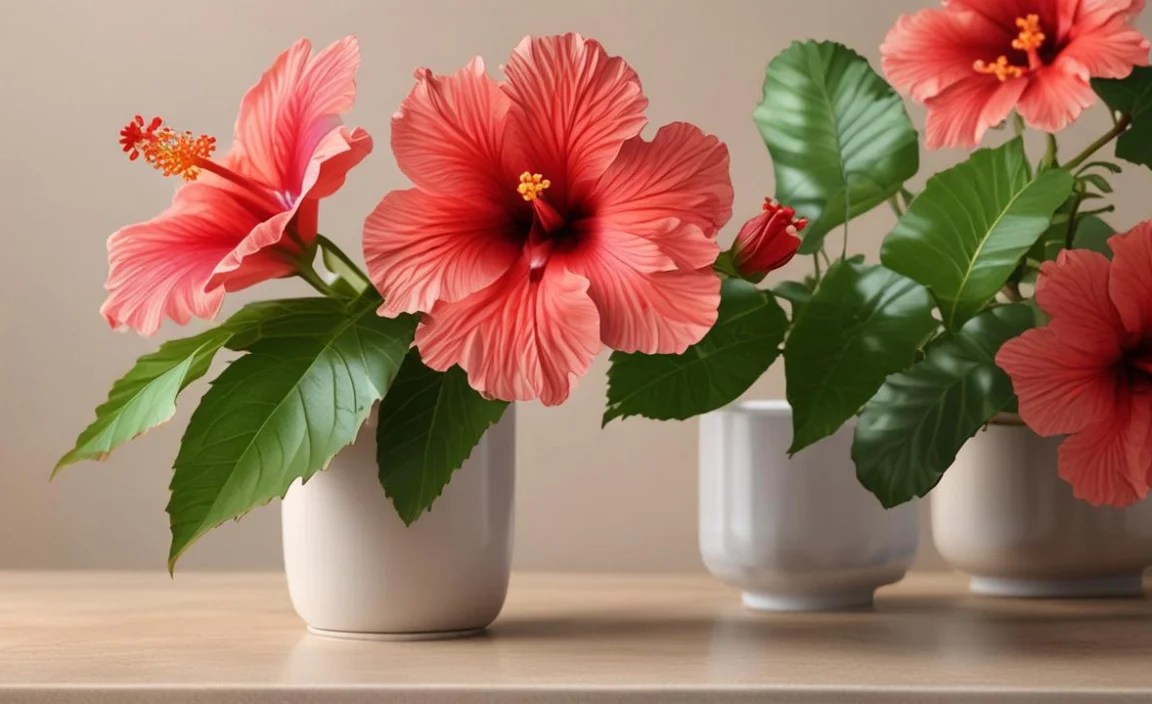
Pruning is like giving your hibiscus a haircut. It helps keep the plant healthy and looking good. You should prune your hibiscus regularly. This means cutting off dead or damaged branches. You can also prune to shape the plant. This helps it grow the way you want. The best time to prune is in the late winter or early spring. This is before the plant starts to grow again. Use sharp, clean scissors or pruning shears. Caring hibiscus indoors involves regular pruning.
- Prune in late winter or early spring.
- Remove dead or damaged branches.
- Shape the plant as desired.
- Use sharp, clean tools.
- Pinch off tips to encourage branching.
Imagine your hibiscus is like a bush in your yard. If you do not trim it, it will grow wild and messy. Pruning helps keep it neat and tidy. It also helps the plant grow stronger. Think about how you feel after a haircut. You feel refreshed and new. The same is true for hibiscus. Pruning helps it stay healthy and happy. Caring hibiscus indoors is like gardening in miniature.
Fun Fact or Stat: Pruning can increase hibiscus flower production by up to 50%!
Why is Pruning Important?
Pruning is important for a few reasons. It helps remove dead or damaged branches. These branches can attract pests and diseases. Pruning also helps shape the plant. This makes it look nicer. And it helps the plant grow stronger. By removing some branches, you encourage the plant to grow new ones. This makes the plant bushier and more full. Caring hibiscus indoors means understanding the importance of pruning.
How to Prune Your Hibiscus?
To prune your hibiscus, start by removing any dead or damaged branches. Cut them off close to the main stem. Then, look at the overall shape of the plant. Decide which branches you want to remove to shape it. Cut these branches back to a healthy bud. You can also pinch off the tips of the branches. This encourages the plant to grow more branches. Caring hibiscus indoors involves knowing how to prune properly.
What Tools Do You Need?
You need a few tools to prune your hibiscus. You need sharp scissors or pruning shears. Make sure they are clean. You can clean them with rubbing alcohol. This helps prevent the spread of diseases. You might also want to wear gloves. This protects your hands from thorns. Caring hibiscus indoors requires having the right tools for the job.
Dealing with Pests on Indoor Hibiscus
Pests are like tiny bugs that can hurt your hibiscus. They can suck the juice out of the leaves. This can make the plant sick. Some common pests on hibiscus are aphids, spider mites, and whiteflies. You can usually see them on the leaves or stems. If you see pests, you need to get rid of them. You can use insecticidal soap or neem oil. These are natural ways to kill pests. You can also wipe the leaves with a damp cloth. This helps remove the pests. Caring hibiscus indoors means watching out for pests.
| Pest | Signs | Treatment |
|---|---|---|
| Aphids | Small green bugs, sticky leaves | Insecticidal soap, neem oil |
| Spider Mites | Fine webs, yellowing leaves | Neem oil, increase humidity |
| Whiteflies | Small white flies, sticky leaves | Insecticidal soap, yellow sticky traps |
| Mealybugs | Cottony masses, stunted growth | Rubbing alcohol, insecticidal soap |
- Check regularly for pests.
- Use insecticidal soap or neem oil.
- Wipe leaves with a damp cloth.
- Isolate infested plants.
- Increase humidity to deter spider mites.
Imagine your hibiscus is like a knight in shining armor. Pests are like tiny dragons trying to attack it. You need to protect your knight from the dragons. Insecticidal soap and neem oil are like the knight’s weapons. They help fight off the pests. Think about how you feel when you are sick. You want to get better, right? The same is true for hibiscus. You need to help it fight off the pests so it can stay healthy. Caring hibiscus indoors is like being a plant doctor.
Fun Fact or Stat: Some beneficial insects, like ladybugs, eat aphids and can help control pests on hibiscus plants!
How to Identify Common Pests?
Aphids are small, green bugs that cluster on the leaves and stems. Spider mites are tiny, spider-like creatures that spin webs. Whiteflies are small, white flies that fly around the plant. Mealybugs are white, cottony masses that attach to the leaves and stems. Knowing what these pests look like helps you spot them early. The sooner you spot them, the easier they are to get rid of. Caring hibiscus indoors means being able to identify common pests.
How to Use Insecticidal Soap?
Insecticidal soap is a natural way to kill pests. It works by suffocating them. To use insecticidal soap, mix it with water according to the instructions on the package. Then, spray the plant thoroughly. Make sure to get all the leaves and stems. You might need to repeat the treatment a few times. Caring hibiscus indoors involves knowing how to use insecticidal soap.
How to Prevent Pests?
The best way to deal with pests is to prevent them in the first place. Keep your hibiscus healthy and strong. Healthy plants are less likely to get pests. You should also check your plant regularly for pests. The sooner you spot them, the easier they are to get rid of. You can also isolate new plants. This means keeping them away from your other plants for a few weeks. This helps prevent the spread of pests. Caring hibiscus indoors means taking steps to prevent pests.
Temperature and Humidity for Indoor Hibiscus
Temperature and humidity are important for hibiscus. Hibiscus plants like warm temperatures. They do best between 65 and 75 degrees Fahrenheit. They do not like cold temperatures. Keep them away from drafts. Humidity is also important. Hibiscus plants like high humidity. You can increase the humidity by misting the plant with water. You can also put the pot on a tray of pebbles and water. As the water evaporates, it will increase the humidity around the plant. Caring hibiscus indoors means providing the right temperature and humidity.
- Maintain temperatures between 65-75°F.
- Avoid cold drafts and sudden changes.
- Increase humidity with misting or pebble trays.
- Group plants together to raise humidity.
- Use a humidifier if needed.
Imagine your hibiscus is like a person who loves summer. It wants to be warm and comfortable. Think about how you feel when it is cold and drafty. You want to put on a sweater and find a warm place. The same is true for hibiscus. It wants to be in a warm, humid place. This helps it stay healthy and happy. Caring hibiscus indoors is like creating a mini-tropical paradise.
Fun Fact or Stat: Hibiscus plants thrive in humidity levels between 50% and 60%!
Why is Temperature Important?
Temperature is important because it affects the plant’s growth. If it is too cold, the plant will not grow. If it is too hot, the plant might get stressed. The ideal temperature is between 65 and 75 degrees Fahrenheit. This is a comfortable temperature for most people too. So, if you are comfortable, your hibiscus is probably comfortable too. Caring hibiscus indoors means maintaining the right temperature.
How to Increase Humidity?
There are a few ways to increase humidity around your hibiscus. You can mist the plant with water. This helps add moisture to the air. You can also put the pot on a tray of pebbles and water. As the water evaporates, it will increase the humidity. You can also group plants together. Plants release moisture into the air. Grouping them together will create a more humid environment. Caring hibiscus indoors involves knowing how to increase humidity.
What Happens if Humidity is Too Low?
If the humidity is too low, the leaves might turn brown. The plant might also start to droop. And it might be more likely to get pests. Low humidity can stress the plant. It can also make it more susceptible to diseases. If you see these signs, you need to increase the humidity. Caring hibiscus indoors means watching for signs of low humidity.
Summary
Caring hibiscus indoors can bring beauty to your home. It is important to use well-draining soil. The right soil prevents root rot. Hibiscus plants need plenty of light. A sunny window or grow light works well. Water the plant when the top inch of soil is dry. Fertilize regularly during the growing season. Prune to keep the plant healthy. Watch out for pests and treat them quickly. Keep the plant warm and humid. With the right care, your hibiscus will bloom beautifully.
Remember to check the soil regularly. This will help you know when to water. Pay attention to the leaves. They can tell you if the plant is happy. If the leaves are yellow, the plant might need more light or less water. If the leaves are brown, the plant might need more humidity. Caring hibiscus indoors is all about paying attention to your plant.
Conclusion
Growing a hibiscus indoors is fun. It adds color to your home. Remember to give it light, water, and food. Prune it and watch for pests. Caring hibiscus indoors takes some work, but it’s worth it. You get beautiful flowers all year. Enjoy your indoor hibiscus!
Frequently Asked Questions
Question No 1: How often should I water my indoor hibiscus?
Answer: You should water your indoor hibiscus when the top inch of soil feels dry. Stick your finger into the soil to check. If it feels dry, it is time to water. Water thoroughly until water drains from the bottom of the pot. Do not let the pot sit in water, as this can lead to root rot. In general, you might water every few days in the summer and less often in the winter. Caring hibiscus indoors means adjusting your watering schedule based on the season and the plant’s needs.
Question No 2: What kind of light does my indoor hibiscus need?
Answer: Indoor hibiscus plants need bright, indirect light. A south-facing window is often ideal, as it provides plenty of light without being too harsh. If you don’t have a sunny window, you can use a grow light. Keep the grow light on for about 6-8 hours each day to ensure your hibiscus gets enough light. Insufficient light can cause the plant to produce fewer flowers and weaken its overall health. Remember, caring hibiscus indoors requires proper lighting to thrive.
Question No 3: How do I fertilize my indoor hibiscus?
Answer: Fertilize your indoor hibiscus every two weeks during the growing season (spring and summer). Use a fertilizer specifically formulated for hibiscus plants. These fertilizers have the right balance of nutrients. Dilute the fertilizer according to the instructions on the package to avoid burning the roots. Do not fertilize in the winter when the plant is resting. Giving your hibiscus the right nutrients is key to caring hibiscus indoors successfully.
Question No 4: What should I do if my hibiscus leaves turn yellow?
Answer: Yellow leaves on your indoor hibiscus can indicate several issues. It could be due to overwatering, underwatering, lack of nutrients, or insufficient light. Check the soil moisture to see if you are watering too much or too little. Ensure the plant is getting enough light. Fertilize the plant if it has been a while since the last feeding. Adjusting these factors can help restore your hibiscus to health. Observing your plant is important for caring hibiscus indoors.
Question No 5: How can I prevent pests from attacking my indoor hibiscus?
Answer: To prevent pests, regularly inspect your hibiscus for signs of infestation. Keep the plant clean by wiping the leaves with a damp cloth. Ensure good air circulation around the plant. You can also use neem oil as a preventative measure. Neem oil is a natural insecticide that can help deter pests. Isolate any new plants before introducing them to your existing collection to prevent the spread of pests. Preventing pests is part of caring hibiscus indoors.
Question No 6: Why isn’t my indoor hibiscus blooming?
Answer: A lack of blooms on your indoor hibiscus can be due to several reasons. Insufficient light is a common cause. Ensure your plant is getting enough bright, indirect light. Improper watering or fertilization can also affect blooming. Make sure you are watering and fertilizing correctly. Pruning can also encourage blooming. Prune your hibiscus in late winter or early spring to promote new growth and flower production. Consistent caring hibiscus indoors will promote blooming.
