Have you ever seen a fluffy, colorful flower and wanted to keep it forever? Hydrangeas are those kinds of flowers. They are big and beautiful. You can even grow them inside your house! But caring hydrangeas indoors needs some special tricks. It is not as hard as you think. Let’s learn how to keep these lovely plants happy inside.
Imagine your room filled with bright blue or pink blooms. It’s like having a little garden just for you. We will show you how to make this dream come true. Get ready to learn all about caring hydrangeas indoors. It will be a fun and rewarding adventure.
Key Takeaways
- Caring hydrangeas indoors requires attention to light, water, and temperature.
- Use pots with good drainage to prevent root rot in your hydrangeas.
- Water hydrangeas when the top inch of soil feels dry to the touch.
- Provide bright, indirect sunlight for about six hours each day.
- Fertilize your indoor hydrangeas sparingly during the growing season.
Best Hydrangea Varieties for Indoors

Not all hydrangeas like living inside. Some types do better than others. You need to pick the right kind for your home. These varieties usually stay smaller. This makes them easier to manage. Popular choices include the ‘Endless Summer’ and ‘Nikko Blue’ hydrangeas. These plants can adapt well to indoor conditions. They also offer beautiful blooms. It is important to research the specific needs of each variety. This helps you provide the best possible care. Choosing the right type is the first step in caring hydrangeas indoors. It sets the stage for a healthy and happy plant. You will enjoy their beauty for a long time. Be sure to select a compact variety that fits your space.
- ‘Endless Summer’ hydrangeas bloom on new and old wood.
- ‘Nikko Blue’ hydrangeas are known for their vibrant blue flowers.
- ‘Twist-n-Shout’ hydrangeas have lacecap blooms.
- ‘Mini Penny’ hydrangeas are a compact option.
- ‘BloomStruck’ hydrangeas offer strong stems and reblooming.
When you pick your hydrangea, look for healthy leaves and strong stems. Avoid plants that look wilted or have spots. A good start means less trouble later. You should also think about the size of the plant. Make sure it will fit comfortably in your chosen spot. Remember, hydrangeas need room to grow. They also need enough light and air. Caring hydrangeas indoors becomes much easier when you start with a strong, suitable plant. Think of it like choosing a pet. You want one that matches your lifestyle and home. A little research goes a long way in ensuring success. A healthy hydrangea will bring you joy for many months.
What Size Hydrangea Should I Choose?
Imagine you have a small table by a sunny window. Would you put a giant plant there? Probably not! The size of your hydrangea matters. Smaller hydrangeas are easier to handle inside. They fit better on windowsills or small tables. Larger ones need more space and bigger pots. Think about where you want to put your plant. Measure the space to make sure it fits. Also, remember that hydrangeas will grow. Choose a size that works now and in the future. Caring hydrangeas indoors includes considering their mature size. It prevents you from needing to move them too often. A good fit makes both you and your plant happier.
Are Dwarf Varieties Better for Indoors?
Dwarf hydrangeas are like the mini versions of the regular ones. They are smaller and more compact. This makes them perfect for indoor growing. They don’t need as much space. They are easier to manage in pots. Dwarf varieties still give you beautiful flowers. They just do it in a smaller package. If you have limited space, a dwarf hydrangea is a great choice. They fit nicely on shelves or desks. Caring hydrangeas indoors is simpler with these smaller plants. You won’t have to worry about them outgrowing their spot too quickly. It is a win-win for everyone.
Do Flower Colors Differ in Indoor Varieties?
Did you know that the color of hydrangea flowers can change? It depends on the soil. Acidic soil makes blue flowers. Alkaline soil makes pink flowers. Indoor hydrangeas are no different. You can control the color by adjusting the soil’s pH. Use special soil mixes to get the color you want. It’s like a science experiment with flowers! Caring hydrangeas indoors lets you play with colors. You can create a beautiful display that matches your room. Just remember to research the best methods. This will help you get the perfect shade of blue or pink. It is a fun way to personalize your plants.
Fun Fact or Stat: The ‘Endless Summer’ hydrangea was one of the first hydrangeas bred to bloom on both old and new growth, extending the flowering season!
Providing the Right Light Conditions

Light is like food for plants. Without enough light, they cannot grow well. Hydrangeas need bright, indirect sunlight. This means they should not sit in direct sunshine all day. Too much direct sun can burn their leaves. A spot near an east-facing window is often ideal. This gives them gentle morning sun. If you have a south-facing window, use a sheer curtain. This will filter the light. You can also use grow lights if you do not have enough natural light. These lights help your hydrangeas get the energy they need. Caring hydrangeas indoors means paying close attention to light. It makes a big difference in how well your plants grow. Keep an eye on your hydrangeas. If their leaves look pale, they may need more light.
- East-facing windows provide gentle morning sun.
- South-facing windows need sheer curtains to filter light.
- Grow lights can supplement natural light.
- Rotate plants regularly for even light exposure.
- Watch for signs of too much or too little light.
Sometimes, it is hard to tell if your plants are getting enough light. A simple test is to check their growth. If the stems are long and leggy, they need more light. If the leaves are yellowing, they might be getting too much. Move your plants around until you find the perfect spot. You can also use a light meter to measure the light levels. This helps you be more precise. Remember that caring hydrangeas indoors is about finding the right balance. It is like being a detective, solving the mystery of what your plants need. With a little practice, you will become a light expert. Your hydrangeas will thank you with beautiful blooms.
How Much Sunlight Do Indoor Hydrangeas Need?
Imagine you are at the beach. You don’t want to stay in the sun all day, right? Hydrangeas feel the same way. They need sunlight, but not too much. Aim for about six hours of bright, indirect light each day. This is like the perfect amount of sunshine for them. Too little light, and they won’t bloom. Too much, and their leaves will burn. Watch your plants closely. Adjust their location as needed. Caring hydrangeas indoors is about finding that sweet spot. It is like Goldilocks and the Three Bears, finding what is “just right.”
What Happens If My Hydrangea Gets Too Much Sun?
Too much sun is like giving your plant a sunburn. The leaves can turn yellow or brown. They might even get crispy. If you see these signs, move your hydrangea to a shadier spot. You can also try using a sheer curtain. This will soften the light. Remember, hydrangeas like bright light, but not direct sun. Caring hydrangeas indoors means protecting them from harsh rays. It is like wearing sunscreen to protect your skin. A little shade can make a big difference.
Can I Use Artificial Lights for Hydrangeas?
Sometimes, the sun doesn’t want to shine. That’s okay! You can use artificial lights to help your hydrangeas grow. Grow lights are special lights that mimic sunlight. They give your plants the energy they need. You can find them at most garden stores. Use them if your home doesn’t have enough natural light. Caring hydrangeas indoors is easier with grow lights. They ensure your plants get enough energy, even on cloudy days. It is like having a backup sun just for your plants.
Fun Fact or Stat: Plants use a pigment called chlorophyll to absorb light, which is essential for photosynthesis, the process by which they create their own food!
Watering Hydrangeas Correctly Indoors

Water is like a drink for plants. They need it to stay alive and grow. Hydrangeas like their soil to be moist, but not soggy. Water them when the top inch of soil feels dry. You can check this with your finger. Use a watering can with a long spout. This helps you reach the soil without getting the leaves wet. Wet leaves can lead to problems. Make sure the pot has good drainage. This means there are holes in the bottom. Extra water needs to escape. Caring hydrangeas indoors includes careful watering. It prevents the roots from rotting. Root rot is like a tummy ache for plants. It can make them very sick. Water deeply, but not too often.
- Water when the top inch of soil is dry.
- Use a watering can with a long spout.
- Ensure the pot has good drainage holes.
- Avoid getting the leaves wet.
- Water deeply, but not too frequently.
It can be tricky to know how much water to give your hydrangeas. A good rule of thumb is to water until you see water draining out of the bottom of the pot. This means the soil is thoroughly soaked. Then, wait until the top inch of soil is dry again before watering. Pay attention to the weather. Hydrangeas need more water in hot, dry weather. They need less in cool, humid weather. Caring hydrangeas indoors is about adapting to the conditions. It is like wearing a jacket when it’s cold and a t-shirt when it’s hot. Your plants need you to be their weather guide. This will help them thrive no matter the season.
How Often Should I Water My Indoor Hydrangea?
There is no magic number for watering. It depends on the weather, the size of the pot, and the plant. A good starting point is to check the soil every few days. Stick your finger about an inch into the soil. If it feels dry, it’s time to water. If it feels moist, wait a day or two. Caring hydrangeas indoors is about paying attention. It is like checking the oven when you are baking. You want to make sure everything is just right.
What Kind of Water is Best for Hydrangeas?
Hydrangeas love clean water. Tap water is usually fine. But if your tap water is very hard, it can cause problems. Hard water has lots of minerals. These minerals can build up in the soil. This can affect the flower color. If you have hard water, try using filtered water or rainwater. These are softer and better for your plants. Caring hydrangeas indoors means giving them the best water possible. It is like choosing healthy food for yourself. Good water helps your hydrangeas stay strong and healthy.
What Are the Signs of Overwatering?
Overwatering is like giving your plant too much to drink. The roots can’t breathe. They start to rot. Signs of overwatering include yellowing leaves and wilting. The soil might also smell bad. If you see these signs, stop watering. Let the soil dry out. Make sure the pot has good drainage. Caring hydrangeas indoors means knowing the signs of trouble. It is like knowing when you have a fever. Catching it early can prevent bigger problems.
Fun Fact or Stat: Hydrangeas get their name from the Greek words “hydor” (water) and “angeion” (vessel), referring to the plant’s cup-like seed capsules!
Choosing the Right Soil and Pot

The right soil and pot are like a good home for your hydrangea. They need a place that drains well. They also need space for their roots to grow. Use a potting mix designed for hydrangeas or azaleas. These mixes are slightly acidic. Hydrangeas like acidic soil. Make sure the pot has drainage holes. This lets extra water escape. Choose a pot that is big enough for the plant. But don’t go too big right away. As the plant grows, you can move it to a larger pot. Caring hydrangeas indoors includes providing the best possible environment. It is like building a comfortable house for your plants. A good home makes them happy and healthy.
| Feature | Importance for Hydrangeas |
|---|---|
| Drainage | Essential to prevent root rot |
| Soil pH | Affects flower color (acidic for blue, alkaline for pink) |
| Pot Size | Needs to accommodate root growth, but not too large initially |
| Material | Terracotta pots allow better air circulation |
| Nutrients | Soil should provide essential nutrients or be supplemented with fertilizer |
- Use a potting mix for hydrangeas or azaleas.
- Ensure the pot has drainage holes.
- Choose a pot that is the right size.
- Repot as the plant grows.
- Consider using terracotta pots for better drainage.
When you repot your hydrangea, be gentle with the roots. Loosen them slightly before placing the plant in the new pot. This helps them spread out and absorb nutrients. Use fresh potting mix each time you repot. Old soil can become compacted and lose its nutrients. Repotting is also a good time to check for any problems, like root rot. If you see any damaged roots, trim them off before repotting. Caring hydrangeas indoors involves regular check-ups. It is like going to the doctor to make sure everything is okay. A little care can prevent big problems down the road. Healthy roots mean a healthy, happy plant.
Why is Soil pH Important for Hydrangeas?
Imagine you are making lemonade. If you add too much lemon, it’s too sour. If you don’t add enough, it’s too sweet. Soil pH is like the amount of lemon in your lemonade. It affects the flower color of hydrangeas. Acidic soil (low pH) makes blue flowers. Alkaline soil (high pH) makes pink flowers. You can adjust the pH with special soil amendments. Caring hydrangeas indoors lets you control the color of your blooms. It is like being a flower artist, painting with soil.
What Size Pot Should I Start With?
Choosing the right pot size is like finding the right shoes. Too small, and your feet feel cramped. Too big, and you might trip. Start with a pot that is a few inches larger than the root ball. This gives the roots room to grow. Don’t go too big too soon. A pot that is too large can hold too much water. This can lead to root rot. Caring hydrangeas indoors means finding the right fit. It is like Goldilocks and the Three Bears, finding the pot that is “just right.”
How Often Should I Repot My Hydrangea?
Repotting is like moving to a bigger house. Your plant needs more space as it grows. Repot your hydrangea every one to two years. You’ll know it’s time when the roots start to circle the bottom of the pot. Gently remove the plant from its old pot. Loosen the roots and place it in a new pot with fresh soil. Caring hydrangeas indoors includes giving them room to grow. It is like helping a child move into a bigger bedroom. More space means more comfort and happiness.
Fun Fact or Stat: Terracotta pots are made from baked clay and are porous, which allows air and water to move through the pot walls, promoting healthier root growth!
Fertilizing Hydrangeas Indoors
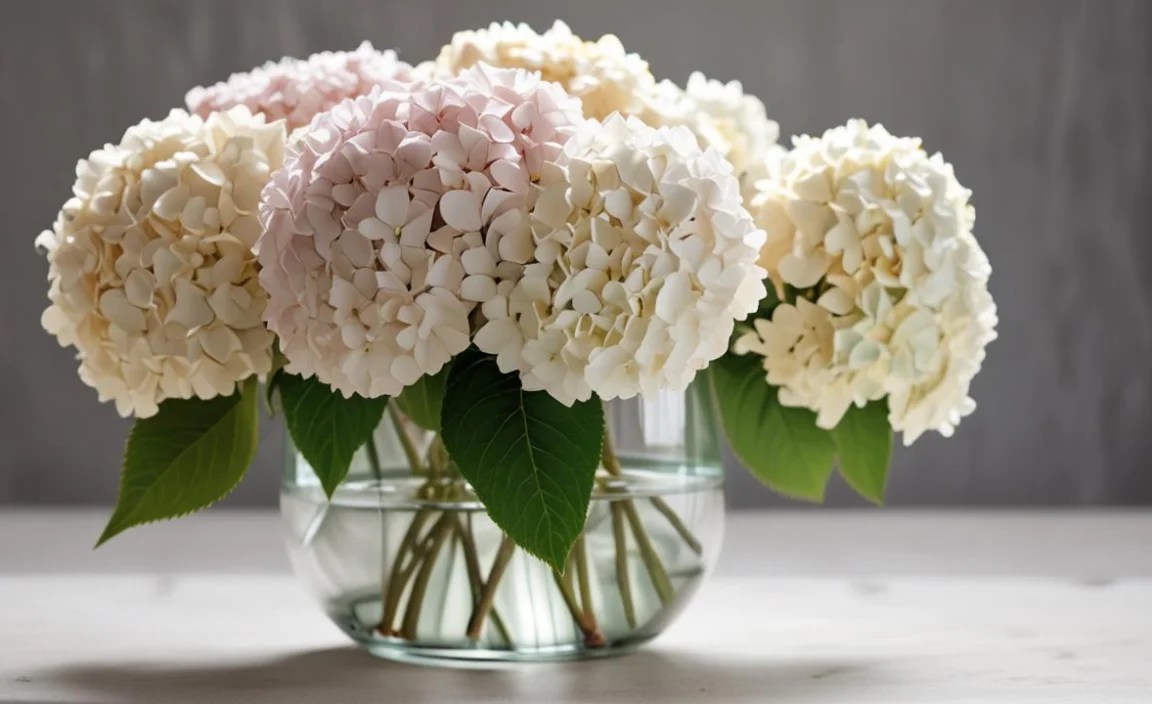
Fertilizer is like vitamins for plants. It gives them extra nutrients to grow strong. Hydrangeas don’t need a lot of fertilizer. Too much can harm them. Use a fertilizer made for hydrangeas or azaleas. These fertilizers are slightly acidic. Fertilize in the spring and early summer. This is when the plant is actively growing. Don’t fertilize in the fall or winter. The plant is resting then. Follow the instructions on the fertilizer package. Caring hydrangeas indoors includes careful feeding. It is like giving your plants a balanced diet. A little fertilizer goes a long way in keeping them healthy.
- Use a fertilizer for hydrangeas or azaleas.
- Fertilize in the spring and early summer.
- Don’t fertilize in the fall or winter.
- Follow the instructions on the package.
- Water the plant before fertilizing.
Before you fertilize, water your plant. This helps prevent the fertilizer from burning the roots. Apply the fertilizer evenly around the base of the plant. Avoid getting it on the leaves. After fertilizing, water the plant again. This helps the fertilizer soak into the soil. Watch your plant for any signs of problems. If the leaves turn yellow or brown, you might be using too much fertilizer. Caring hydrangeas indoors is about observing your plants. It is like being a plant detective, looking for clues. Adjust your fertilizing schedule as needed to keep your plants healthy and happy.
What Kind of Fertilizer Should I Use?
Choosing the right fertilizer is like picking the right food. You want something that is healthy and balanced. Use a fertilizer that is specifically made for hydrangeas. These fertilizers are slightly acidic. They also have the right balance of nutrients. Look for a fertilizer with a high phosphorus number. Phosphorus helps promote blooming. Caring hydrangeas indoors means giving them the right food. It is like feeding a pet, choosing the best food for their needs.
How Often Should I Fertilize My Hydrangea?
Fertilizing is like giving your plant a treat. You don’t want to give them too many treats! Fertilize your hydrangea in the spring and early summer. This is when they are actively growing. Don’t fertilize in the fall or winter. They are resting then. Fertilize about once a month during the growing season. Caring hydrangeas indoors means knowing when to feed them. It is like knowing when to give a pet a treat, not too often and at the right time.
What Happens If I Over-Fertilize?
Over-fertilizing is like giving your plant too much sugar. The leaves can turn yellow or brown. The plant might even stop growing. If you think you have over-fertilized, stop fertilizing. Flush the soil with water. This helps remove the extra fertilizer. Caring hydrangeas indoors means avoiding over-feeding. It is like eating too much candy, it can make you sick. A little fertilizer is good, but too much is bad.
Fun Fact or Stat: Fertilizers are labeled with three numbers (N-P-K) representing the percentage of nitrogen, phosphorus, and potassium, which are essential nutrients for plant growth!
Pruning Indoor Hydrangeas for Best Blooms
Pruning is like giving your hydrangea a haircut. It helps keep them healthy and encourages them to bloom. Prune your hydrangea in the late winter or early spring. This is before the new growth starts. Remove any dead or damaged branches. Also, remove any crossing branches. These can rub against each other and cause problems. Be careful not to prune too much. Hydrangeas bloom on old wood or new wood, depending on the variety. Caring hydrangeas indoors includes knowing how to prune correctly. It is like being a plant stylist, shaping them for beauty and health.
- Prune in late winter or early spring.
- Remove dead or damaged branches.
- Remove crossing branches.
- Be careful not to prune too much.
- Know if your hydrangea blooms on old or new wood.
To figure out if your hydrangea blooms on old or new wood, you need to know the variety. Hydrangeas that bloom on old wood set their flower buds the previous year. These hydrangeas should only be pruned lightly. Remove any dead or damaged branches, but leave the rest. Hydrangeas that bloom on new wood set their flower buds in the current year. These hydrangeas can be pruned more heavily. Caring hydrangeas indoors requires understanding your plant’s specific needs. It is like knowing the rules of a game before you play. Pruning correctly ensures beautiful blooms every year.
How Do I Know If My Hydrangea Blooms on Old or New Wood?
Imagine you have a magic trick. You need to know the secret to make it work. Knowing if your hydrangea blooms on old or new wood is like knowing the secret to the trick. If you don’t know, you might prune it wrong. Ask your local garden center. They can help you identify your hydrangea variety. Caring hydrangeas indoors means doing your homework. It is like researching a project before you start, knowing the facts helps you succeed.
What Tools Do I Need for Pruning?
Pruning tools are like the tools in a toolbox. You need the right ones for the job. Use sharp, clean pruning shears. This helps prevent the spread of disease. You might also need gloves to protect your hands. Make sure your tools are clean before you start. You can clean them with rubbing alcohol. Caring hydrangeas indoors includes using the right tools. It is like being a mechanic, using the right wrench for the right bolt.
What If I Prune Too Much?
Pruning too much is like cutting your hair too short. It will grow back, but it might take a while. If you prune too much, your hydrangea might not bloom the next year. Don’t worry too much. It will eventually recover. Just be more careful next time. Caring hydrangeas indoors means learning from your mistakes. It is like riding a bike, you might fall, but you will eventually learn to stay upright.
Fun Fact or Stat: Pruning hydrangeas at the wrong time of year can significantly reduce or eliminate blooms for the following season!
Dealing with Pests and Diseases
Even indoor plants can have problems with pests and diseases. Common pests include aphids, spider mites, and mealybugs. These pests can suck the sap from your plant. This can weaken it. Common diseases include powdery mildew and root rot. Powdery mildew is a white, powdery substance on the leaves. Root rot is caused by overwatering. Inspect your plant regularly for any signs of problems. Treat pests with insecticidal soap or neem oil. Treat diseases with fungicide. Caring hydrangeas indoors includes being vigilant. It is like being a plant doctor, diagnosing and treating problems.
- Inspect plants regularly for pests and diseases.
- Treat pests with insecticidal soap or neem oil.
- Treat diseases with fungicide.
- Ensure good air circulation to prevent diseases.
- Avoid overwatering to prevent root rot.
To prevent pests and diseases, keep your plant healthy. Provide the right light, water, and fertilizer. Ensure good air circulation around the plant. Avoid getting the leaves wet when watering. If you see any signs of problems, act quickly. The sooner you treat the problem, the easier it will be to solve. Caring hydrangeas indoors is about being proactive. It is like brushing your teeth to prevent cavities, a little prevention goes a long way.
How Do I Identify Common Hydrangea Pests?
Imagine you are a detective. You need to find the clues to solve the case. Identifying pests is like finding those clues. Look closely at the leaves and stems. Aphids are small, green insects. Spider mites are tiny, red insects that create webs. Mealybugs are white, cottony insects. Caring hydrangeas indoors means being observant. It is like being a nature detective, spotting the signs of trouble.
What is the Best Way to Get Rid of Aphids?
Aphids are like tiny vampires, sucking the life out of your plant. You need to get rid of them! Insecticidal soap is a safe and effective way to kill aphids. Spray the plant thoroughly, making sure to get under the leaves. You can also try wiping the aphids off with a damp cloth. Caring hydrangeas indoors means fighting back against pests. It is like being a superhero, protecting your plant from harm.
How Can I Prevent Root Rot?
Root rot is like drowning your plant. The roots can’t breathe and start to rot. The best way to prevent root rot is to avoid overwatering. Make sure the pot has good drainage. Use a well-draining potting mix. Caring hydrangeas indoors means preventing problems before they start. It is like wearing a raincoat, preventing yourself from getting wet.
Fun Fact or Stat: Neem oil, derived from the neem tree, is a natural insecticide, fungicide, and miticide effective against a wide range of garden pests and diseases!
Summary
Caring hydrangeas indoors can bring beauty and color to your home. Choose the right variety for indoor growing. Provide bright, indirect light and water when the top inch of soil is dry. Use a well-draining potting mix and fertilize sparingly during the growing season. Prune carefully and watch for pests and diseases. With a little attention, you can enjoy beautiful hydrangea blooms indoors. Remember to adapt your care based on the plant’s needs. This will ensure a healthy and happy hydrangea. A little effort makes a big difference. Enjoy the beauty of your indoor garden!
Conclusion
Caring hydrangeas indoors is a rewarding experience. It brings the beauty of these flowers into your home. Remember the tips you have learned. Choose the right variety and provide the right conditions. With a little care, your hydrangeas will thrive. You will enjoy their beautiful blooms for many months. Happy gardening!
Frequently Asked Questions
Question No 1: How do I make my hydrangeas bloom indoors?
Answer: Getting hydrangeas to bloom indoors requires patience and the right conditions. Ensure your plant receives bright, indirect sunlight for at least six hours a day. Water it regularly, keeping the soil moist but not soggy. Fertilize sparingly during the growing season with a fertilizer formulated for hydrangeas. Prune lightly to encourage new growth and blooming. Sometimes, despite your best efforts, the plant may not bloom. Don’t be discouraged! Caring hydrangeas indoors is a learning process, and with consistent care, you’ll eventually see those beautiful blooms.
Question No 2: Can I move my outdoor hydrangea indoors for the winter?
Answer: Yes, you can move your outdoor hydrangea indoors for the winter. This helps protect it from freezing temperatures. Before moving it, prune any dead or damaged branches. Also, check for pests and diseases. Place the hydrangea in a cool, bright location indoors. Water it less frequently during the winter months. Remember, the plant will be in a dormant state. It won’t need as much water or light. Caring hydrangeas indoors during winter is about providing a safe and stable environment. In the spring, you can move it back outdoors after the last frost.
Question No 3: Why are my hydrangea leaves turning yellow?
Answer: Yellowing leaves can be a sign of several problems. Overwatering is a common cause. Make sure the pot has good drainage and allow the soil to dry slightly between waterings. Underwatering can also cause yellowing leaves. Check the soil moisture regularly. Nutrient deficiencies can also be to blame. Fertilize with a balanced fertilizer. Pests and diseases can also cause yellowing leaves. Inspect the plant carefully for any signs of trouble. Caring hydrangeas indoors means being a good plant detective, figuring out what’s wrong and fixing it.
Question No 4: How do I change the color of my hydrangea flowers indoors?
Answer: Changing the color of hydrangea flowers is a fun experiment. The color depends on the soil’s pH. Acidic soil (low pH) produces blue flowers. Alkaline soil (high pH) produces pink flowers. To make the flowers blue, add aluminum sulfate to the soil. To make the flowers pink, add lime to the soil. You can buy these amendments at most garden stores. Remember, it takes time to change the flower color. Be patient and consistent with your treatments. Caring hydrangeas indoors lets you be a flower artist, creating the colors you want.
Question No 5: What is the best temperature for indoor hydrangeas?
Answer: Hydrangeas prefer moderate temperatures. Aim for temperatures between 60°F and 75°F during the day. Slightly cooler temperatures at night are also beneficial. Avoid placing the plant near drafts or heat sources. Extreme temperatures can stress the plant. This can lead to problems. Caring hydrangeas indoors means providing a comfortable environment. It is like finding the right temperature for your own home, not too hot and not too cold.
Question No 6: How do I propagate hydrangeas indoors?
Answer: Propagating hydrangeas indoors can be done through stem cuttings. Take a cutting from a healthy stem, about 4-6 inches long. Remove the lower leaves and dip the cut end in rooting hormone. Plant the cutting in a pot with moist potting mix. Cover the pot with a plastic bag to create a humid environment. Place the pot in a warm, bright location. After a few weeks, roots should develop. You can then remove the plastic bag and care for the new plant as usual. Caring hydrangeas indoors can even involve creating new plants from cuttings. It is like magic, creating new life from a small piece of the original plant!
