Have you ever smelled lavender? It has a wonderful, calming smell. Did you know you can grow it inside? Caring lavender indoors can bring nature into your home. It is easier than you might think.
Lavender is a beautiful plant. It is known for its purple flowers. It also has a lovely scent. Growing it inside lets you enjoy it all year. You can have fresh lavender even when it is cold outside.
Imagine having lavender in your bedroom. Its scent can help you relax. It might even help you sleep better. Caring lavender indoors is a fun and rewarding hobby. Let’s learn how to do it!
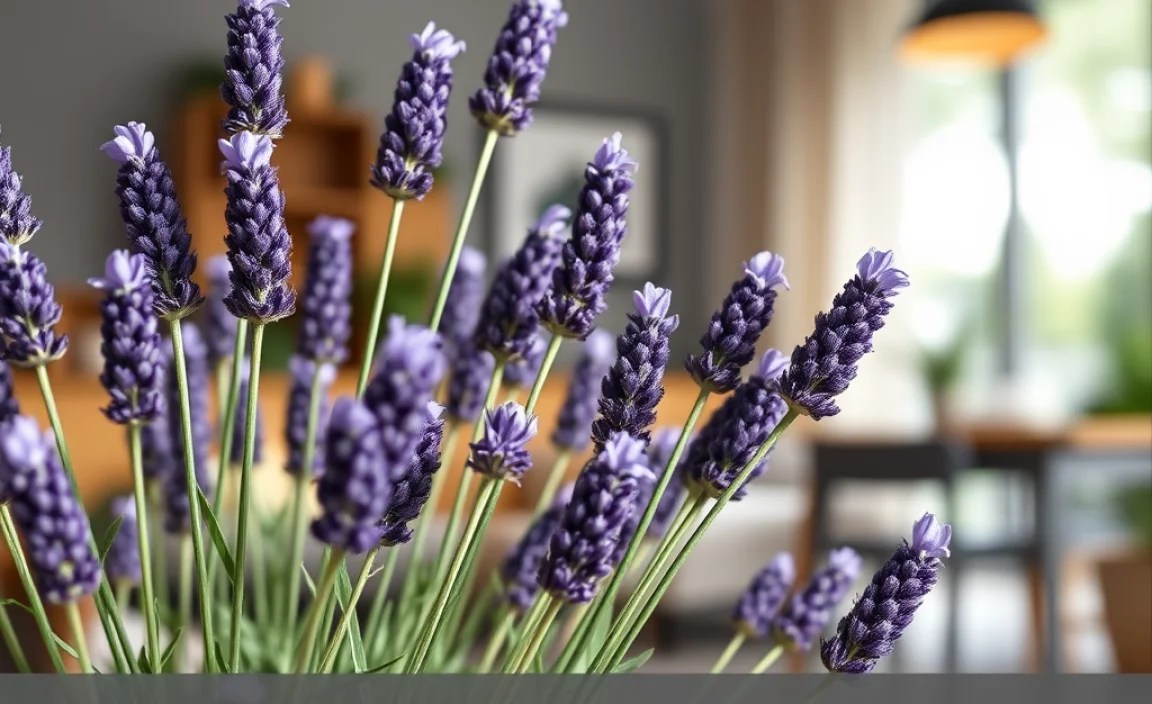
Key Takeaways
- Caring lavender indoors needs lots of sunlight, at least six hours a day.
- Use well-draining soil to prevent root rot and keep your plant healthy.
- Water lavender only when the soil feels dry to the touch.
- Prune your lavender regularly to encourage new growth and more flowers.
- Choose the right lavender variety for indoor growing, such as ‘Hidcote’ or ‘Munstead’.

The Right Lavender Variety for Indoors
Choosing the right lavender is key. Not all lavender plants are the same. Some types grow better inside than others. ‘Hidcote’ and ‘Munstead’ are good choices. They are smaller and do well in pots. These varieties don’t need as much space. They still have that lovely lavender smell. They also have beautiful purple flowers. When you pick your plant, check the label. Make sure it is a good fit for indoors. This will make caring lavender indoors much easier. You will have a happy, healthy plant.
- ‘Hidcote’ lavender has deep purple flowers.
- ‘Munstead’ lavender is very fragrant.
- Look for dwarf varieties that stay small.
- Choose plants that are already healthy.
- Avoid plants with brown or yellow leaves.
Think about where you will put your lavender. Some spots in your home get more sun. Lavender loves sunlight. So, pick a sunny spot. A south-facing window is often best. If you don’t have enough sun, don’t worry. You can use a grow light. This will give your lavender the light it needs. Remember, caring lavender indoors is all about giving it the right conditions. With the right variety and location, you’re off to a great start. You will soon be enjoying the beauty and scent of lavender in your home.
Fun Fact or Stat: Lavender is part of the mint family, and its scientific name is Lavandula!
Is ‘Hidcote’ Lavender Best for Indoors?
‘Hidcote’ lavender is a popular choice. It has a compact size. This makes it perfect for pots. Its deep purple flowers are also very pretty. But, is it really the best? It depends on your home. Do you have a lot of sunlight? If so, ‘Hidcote’ will do well. It needs at least six hours of sun each day. If you don’t have that much sun, think about a grow light. Remember, caring lavender indoors means meeting its needs. ‘Hidcote’ is a great option. But, make sure you can give it enough light. Otherwise, another variety might be better.
What About ‘Munstead’ Lavender?
‘Munstead’ lavender is another good choice for indoors. It is known for its strong fragrance. This makes it a favorite for many people. But, does it have any special needs? Like ‘Hidcote’, it needs lots of sunlight. It also needs well-draining soil. This helps prevent root rot. Caring lavender indoors often means paying attention to the soil. ‘Munstead’ can thrive inside with the right care. Its lovely scent will fill your home. It is a wonderful addition to any indoor garden.
Can Other Lavender Types Grow Indoors?
You might wonder if other lavender types can grow indoors. The answer is yes, but it can be trickier. Some lavender types get very big. They need a lot of space. They might not do well in pots. But, if you have a sunny spot and a big enough pot, you can try. Look for smaller varieties. English lavender is often a good choice. Remember, caring lavender indoors is about finding what works for you. Don’t be afraid to experiment. Just make sure to give your lavender the light, soil, and water it needs.

Providing Enough Light for Indoor Lavender
Lavender loves sunlight. It needs lots of it to grow well. Indoors, this can be a challenge. Most homes don’t have enough natural light. So, you need to help your lavender get enough. Place it near a sunny window. A south-facing window is usually best. It gets the most sunlight during the day. If you don’t have a sunny window, don’t worry. You can use a grow light. This will give your lavender the light it needs. Caring lavender indoors means making sure it gets enough light. Without enough light, it won’t bloom. It might also get leggy and weak.
- Place lavender near a south-facing window.
- Use a grow light if needed.
- Rotate the plant regularly for even growth.
- Clean the leaves to help them absorb light.
- Watch for signs of not enough light, like leggy growth.
Think of sunlight as food for your lavender. Just like you need food to grow, lavender needs sunlight. Without enough light, it can’t make its own food. This is why it’s so important to give it plenty of light. If you use a grow light, keep it on for about 14-16 hours a day. This will give your lavender the energy it needs to bloom. Remember, caring lavender indoors is all about creating the right environment. With enough light, your lavender will thrive. You’ll be rewarded with beautiful flowers and a wonderful scent.
Fun Fact or Stat: Lavender needs at least six hours of sunlight per day to thrive!
How Do Grow Lights Help?
Grow lights are like the sun for your indoor plants. They give off light that plants can use to grow. This is especially helpful for caring lavender indoors. Lavender needs a lot of sunlight. Most homes don’t have enough natural light. Grow lights fill this gap. They let you grow lavender even in dark places. When you pick a grow light, look for one that gives off full-spectrum light. This means it has all the colors of light that plants need. Place the light close to your lavender. But, don’t put it so close that it burns the leaves. With a grow light, you can give your lavender the light it needs to thrive.
What If I Don’t Have a Sunny Window?
Not everyone has a sunny window. That’s okay! You can still grow lavender indoors. The key is to use a grow light. A grow light can give your lavender the light it needs. Even in a dark room, your lavender can thrive. Remember, caring lavender indoors is about adapting to your home. If you don’t have natural sunlight, use a grow light. Place it above your lavender plant. Keep it on for 14-16 hours a day. Watch your lavender for signs of growth. If it looks healthy, you’re doing a great job.
How Can I Tell If My Lavender Needs More Light?
Lavender tells you when it needs more light. You just have to know what to look for. One sign is leggy growth. This means the stems are long and thin. The leaves might be small and pale. Another sign is a lack of flowers. If your lavender isn’t blooming, it might not be getting enough light. Caring lavender indoors means paying attention to these signs. If you see them, move your lavender to a sunnier spot. Or, add a grow light. With enough light, your lavender will be happy and healthy.

The Best Soil for Indoor Lavender
Soil is very important for lavender. The right soil helps it grow strong. Lavender needs soil that drains well. This means water flows through it easily. If the soil stays wet, the roots can rot. Root rot is bad for lavender. It can even kill the plant. So, choose a soil that is made for pots. Look for a mix that has perlite or sand. These help with drainage. Caring lavender indoors starts with the right soil. It makes a big difference in how well your lavender grows. Happy roots mean a happy plant!
- Use well-draining potting mix.
- Add perlite or sand for better drainage.
- Avoid heavy clay soils.
- Repot every year or two with fresh soil.
- Check the soil pH; lavender likes slightly alkaline soil.
Think of the soil as your lavender’s home. You want it to be a comfortable place. A place where the roots can breathe. Soil that drains well helps with this. It prevents the roots from sitting in water. This is important for caring lavender indoors. You also want to make sure the soil has the right pH. Lavender likes soil that is slightly alkaline. You can test the pH of your soil with a kit. If it’s too acidic, you can add lime. This will help raise the pH. With the right soil, your lavender will have a happy home. It will grow strong and healthy.
Fun Fact or Stat: Lavender prefers a slightly alkaline soil with a pH between 6.5 and 8.0!
Why Is Drainage So Important?
Drainage is super important for lavender. Lavender hates wet feet. This means it doesn’t like its roots sitting in water. When the soil doesn’t drain well, the roots can rot. Root rot is a serious problem. It can kill your lavender plant. That’s why caring lavender indoors means using well-draining soil. This lets the water flow through. It keeps the roots from getting soggy. Add perlite or sand to your potting mix. This will improve drainage. Your lavender will thank you with healthy growth and beautiful flowers.
What Is the Best Potting Mix?
The best potting mix for lavender is one that drains well. Look for a mix that is made for pots. It should have ingredients like perlite or sand. These help the water flow through the soil. Avoid heavy clay soils. They hold too much water. They can cause root rot. Caring lavender indoors means choosing the right potting mix. It’s a simple step that makes a big difference. Your lavender will be happier and healthier. You’ll enjoy its beauty and fragrance for longer.
How Often Should I Repot My Lavender?
Repotting is like giving your lavender a new home. Over time, the soil in the pot can get old. It might not drain as well. It might also lose its nutrients. Repotting gives your lavender fresh soil. It also gives it more room to grow. You should repot your lavender every year or two. Choose a pot that is a little bigger than the old one. This will give the roots room to spread out. Caring lavender indoors includes regular repotting. It helps keep your lavender healthy and strong.

Watering Lavender the Right Way
Watering is a key part of lavender care. But, it’s easy to overwater lavender. Lavender doesn’t like to be too wet. It prefers to be on the dry side. So, only water your lavender when the soil is dry. Stick your finger in the soil to check. If it feels dry, it’s time to water. When you water, water deeply. Let the water drain out of the bottom of the pot. Then, don’t water again until the soil is dry. Caring lavender indoors means finding the right balance. Not too much water, not too little.
- Water only when the soil is dry to the touch.
- Water deeply, allowing excess water to drain.
- Avoid overhead watering to prevent fungal diseases.
- Use room temperature water.
- Reduce watering in the winter.
Think of watering as giving your lavender a drink. You don’t want to drown it. You just want to give it enough to quench its thirst. Overwatering is a common mistake. It can lead to root rot. This is bad for your lavender. It can even kill it. So, be careful not to overwater. Caring lavender indoors is about being patient. Wait until the soil is dry before watering. Your lavender will thank you with healthy growth and beautiful flowers.
Fun Fact or Stat: Overwatering is one of the most common mistakes when caring for lavender indoors!
How Can I Tell If I’m Overwatering?
Overwatering can be tricky. But, there are signs to look for. One sign is yellowing leaves. The leaves might also feel soft and mushy. Another sign is a bad smell coming from the soil. This is a sign of root rot. If you see these signs, stop watering. Let the soil dry out completely. Caring lavender indoors means paying attention to these signs. If you catch overwatering early, you can save your plant.
What About Underwatering?
Underwatering is the opposite of overwatering. It means you’re not giving your lavender enough water. Signs of underwatering include wilting leaves. The leaves might also turn brown and crispy. The soil will feel very dry. If you see these signs, water your lavender right away. Water deeply until the water drains out of the bottom of the pot. Caring lavender indoors means finding the right balance. Not too much water, not too little.
Should I Use a Special Watering Can?
You don’t need a special watering can for lavender. Any watering can will do. The important thing is to water carefully. Avoid getting water on the leaves. This can lead to fungal diseases. Water the soil directly. Caring lavender indoors is about being gentle. Use a watering can with a long spout. This will help you reach the soil without wetting the leaves. Your lavender will appreciate the careful watering.
| Watering Aspect | Indoor Lavender | Outdoor Lavender |
|---|---|---|
| Frequency | Only when soil is dry | Less frequent, depends on rain |
| Method | Water the soil directly | Can use a sprinkler |
| Signs of Overwatering | Yellowing leaves, root rot | Yellowing leaves, soggy soil |
| Signs of Underwatering | Wilting leaves, dry soil | Wilting leaves, cracked soil |
Pruning Lavender for Healthy Growth
Pruning is like giving your lavender a haircut. It helps keep it healthy and looking good. Pruning means cutting back some of the stems. This encourages new growth. It also helps the plant stay compact. Prune your lavender after it blooms. This is usually in late summer or early fall. Use sharp, clean scissors or pruning shears. Cut back about one-third of the plant. Caring lavender indoors includes regular pruning. It keeps your lavender happy and healthy.
- Prune after flowering to encourage new growth.
- Remove dead or damaged stems.
- Shape the plant to keep it compact.
- Use sharp, clean pruning shears.
- Avoid pruning too late in the fall.
Think of pruning as helping your lavender stay strong. Just like you need to trim your hair, lavender needs pruning. It helps remove dead or damaged parts. It also encourages new growth. This is important for caring lavender indoors. Pruning also helps shape the plant. You can keep it from getting too leggy. A compact plant looks better and is healthier. So, don’t be afraid to prune your lavender. It will thank you with beautiful flowers and a lovely scent.
Fun Fact or Stat: Pruning lavender encourages bushier growth and more flowers in the next season!
Why Is Pruning Important?
Pruning is super important for lavender. It helps keep the plant healthy. It also encourages new growth. Without pruning, lavender can get leggy. This means the stems get long and thin. The plant might not bloom as much. Pruning keeps the plant compact and full. It also removes dead or damaged stems. Caring lavender indoors means regular pruning. It’s a simple step that makes a big difference.
When Should I Prune My Lavender?
The best time to prune lavender is after it blooms. This is usually in late summer or early fall. Pruning at this time gives the plant time to recover before winter. Avoid pruning too late in the fall. This can damage the plant. Caring lavender indoors means timing your pruning right. This will help your lavender stay healthy and strong. You’ll be rewarded with beautiful flowers next season.
How Much Should I Prune?
When you prune lavender, don’t be afraid to cut back. You can cut back about one-third of the plant. This will encourage new growth. It will also help shape the plant. Use sharp, clean scissors or pruning shears. Make clean cuts just above a leaf node. Caring lavender indoors means pruning with confidence. You’re helping your lavender stay healthy and beautiful.
Dealing with Pests and Diseases
Even indoors, lavender can have problems. Pests like aphids and spider mites can attack. Diseases like root rot can also occur. To prevent problems, keep your lavender healthy. Give it enough light, water, and good soil. Check your plant regularly for pests or diseases. If you see problems, act quickly. Use insecticidal soap for pests. Make sure the soil drains well to prevent root rot. Caring lavender indoors means being alert and taking action.
- Inspect plants regularly for pests and diseases.
- Use insecticidal soap for aphids and spider mites.
- Ensure good air circulation to prevent fungal diseases.
- Avoid overwatering to prevent root rot.
- Isolate affected plants to prevent spread.
Think of your lavender as a member of your family. You want to protect it from harm. Just like you protect yourself from germs, protect your lavender from pests and diseases. The best way to do this is to keep it healthy. A healthy plant is less likely to get sick. Caring lavender indoors means providing the right conditions. Enough light, the right soil, and careful watering. If you do see problems, don’t panic. Act quickly and use the right treatments. Your lavender will thank you for your care.
Fun Fact or Stat: Good air circulation helps prevent many common lavender diseases!
What Are Common Lavender Pests?
Lavender can attract pests, even indoors. Common pests include aphids and spider mites. Aphids are small, soft-bodied insects. They suck the sap from plants. Spider mites are tiny, spider-like creatures. They also suck sap. Both can damage your lavender. Look for signs of pests. These include sticky leaves or webbing. Caring lavender indoors means being vigilant. Check your plant regularly for pests.
How Can I Prevent Root Rot?
Root rot is a serious problem for lavender. It’s caused by overwatering. The roots sit in water and start to rot. To prevent root rot, don’t overwater. Use well-draining soil. Make sure the pot has drainage holes. Caring lavender indoors means being careful with watering. Let the soil dry out between waterings. This will help prevent root rot.
What Should I Do If My Lavender Gets Sick?
If your lavender gets sick, act quickly. Isolate the plant from other plants. This will prevent the disease from spreading. Identify the problem. Is it pests or a disease? Use the right treatment. Insecticidal soap works for many pests. Fungicides can help with fungal diseases. Caring lavender indoors means being proactive. With quick action, you can often save your plant.
Harvesting and Using Your Lavender
One of the best parts of growing lavender is harvesting it. Harvesting means cutting the flowers. You can use the flowers in many ways. You can dry them and use them in sachets. You can also use them in cooking or crafts. To harvest, cut the stems when the flowers are just starting to open. Hang them upside down in a dry, dark place to dry. Caring lavender indoors includes enjoying the fruits of your labor.
- Harvest when flowers are just starting to open.
- Cut stems long for easy drying.
- Hang upside down in a dark, dry place to dry.
- Use dried flowers in sachets, potpourri, or crafts.
- Store dried lavender in airtight containers.
Think of harvesting as a reward for your hard work. You’ve taken care of your lavender. Now, you get to enjoy its flowers. The scent of lavender is calming and relaxing. You can use it to make your home smell wonderful. Caring lavender indoors is not just about growing the plant. It’s also about enjoying its benefits. From the beautiful flowers to the lovely scent, lavender is a gift.
Fun Fact or Stat: Dried lavender flowers can last for months and still retain their fragrance!
How Do I Dry Lavender?
Drying lavender is easy. Cut the stems when the flowers are just starting to open. Tie the stems together in small bundles. Hang the bundles upside down in a dark, dry place. A closet or attic works well. Let the lavender dry for a few weeks. Once it’s dry, the flowers will be brittle. You can then use them in many ways. Caring lavender indoors includes drying your lavender.
What Can I Do With Dried Lavender?
Dried lavender has many uses. You can put it in sachets to make your clothes smell nice. You can use it in potpourri to freshen your home. You can also use it in crafts. Lavender is a popular ingredient in soaps and lotions. Caring lavender indoors gives you access to this wonderful herb. You can use it in many ways to improve your life.
Can I Cook With Lavender?
Yes, you can cook with lavender! But, use it sparingly. Lavender has a strong flavor. A little goes a long way. Use culinary lavender. This is a special type of lavender that is safe to eat. You can use it in baked goods, teas, and even savory dishes. Caring lavender indoors can open up a new world of culinary possibilities.
Summary
Caring lavender indoors is a rewarding experience. It brings beauty and fragrance to your home. Choose the right variety, like ‘Hidcote’ or ‘Munstead’. Provide plenty of sunlight, either natural or with a grow light. Use well-draining soil to prevent root rot. Water only when the soil is dry. Prune regularly to encourage new growth. Watch out for pests and diseases. With a little care, you can enjoy lavender indoors all year round.
Growing lavender inside lets you enjoy its calming scent. You can harvest the flowers and use them in many ways. From sachets to cooking, lavender is a versatile herb. Remember to provide the right conditions. With the right care, you can have a thriving lavender plant in your home.
Conclusion
Caring lavender indoors is not difficult. It needs sunlight, good soil, and careful watering. Pruning and pest control are also important. With these tips, you can grow lavender inside. You will enjoy its beauty and fragrance. It is a great way to bring nature into your home.
Frequently Asked Questions
Question No 1: How much sunlight does indoor lavender need?
Answer: Indoor lavender needs a lot of sunlight. Aim for at least six hours of direct sunlight each day. A south-facing window is usually best. If you don’t have enough natural light, use a grow light. Keep the grow light on for about 14-16 hours a day. This will give your lavender the energy it needs to grow and bloom. Remember, caring lavender indoors is about providing the right conditions. Sunlight is one of the most important factors.
Question No 2: What kind of soil is best for indoor lavender?
Answer: Lavender needs well-draining soil. This means the water flows through it easily. Avoid heavy clay soils. They hold too much water. Use a potting mix that is made for pots. Look for a mix that has perlite or sand. These help with drainage. Caring lavender indoors starts with the right soil. It makes a big difference in how well your lavender grows. You can also add some lime to the soil. Lavender likes soil that is slightly alkaline.
Question No 3: How often should I water my indoor lavender?
Answer: Water your indoor lavender only when the soil is dry. Stick your finger in the soil to check. If it feels dry, it’s time to water. When you water, water deeply. Let the water drain out of the bottom of the pot. Then, don’t water again until the soil is dry. Overwatering is a common mistake. It can lead to root rot. Caring lavender indoors means finding the right balance. Not too much water, not too little.
Question No 4: How do I prune indoor lavender?
Answer: Prune your indoor lavender after it blooms. This is usually in late summer or early fall. Use sharp, clean scissors or pruning shears. Cut back about one-third of the plant. This encourages new growth. It also helps the plant stay compact. Caring lavender indoors includes regular pruning. It keeps your lavender happy and healthy. Remove any dead or damaged stems. This will help the plant stay strong.
Question No 5: What pests and diseases can affect indoor lavender?
Answer: Indoor lavender can be affected by pests like aphids and spider mites. These pests suck the sap from the plant. This can damage the leaves and stems. You can treat these pests with insecticidal soap. Root rot is another common problem. It is caused by overwatering. To prevent root rot, use well-draining soil and avoid overwatering. Caring lavender indoors means being vigilant. Check your plant regularly for pests and diseases.
Question No 6: Can I use regular lavender for indoor growing?
Answer: Some types of lavender do better indoors than others. ‘Hidcote’ and ‘Munstead’ are good choices. They are smaller and do well in pots. These varieties don’t need as much space. They still have that lovely lavender smell. They also have beautiful purple flowers. When caring lavender indoors, selecting the right variety is key. Check the plant label to ensure it’s suitable for indoor growing. This will lead to a healthier and more successful indoor lavender experience.
