Do you love the smell of fresh mint? Have you ever tried growing your own? Caring mint outdoors can be a fun and rewarding hobby. Imagine having fresh mint for tea or cooking, right in your backyard.
Mint is a super plant. It can grow almost anywhere. But it does need a little help from you. Are you ready to learn how to grow mint outside?
Mint is easy to grow. You just need to know a few simple tricks. Let’s learn how to keep your mint happy and healthy. Get ready to become a mint-growing expert!
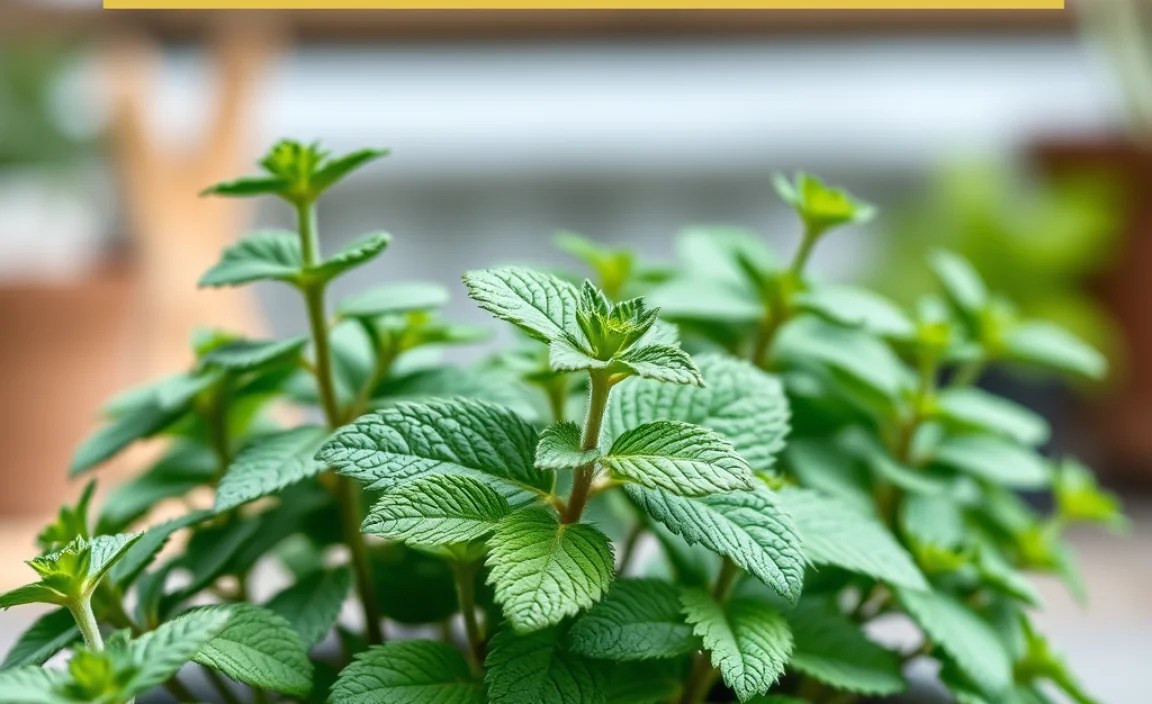
Key Takeaways
- Caring mint outdoors involves choosing the right spot and using good soil.
- Water your mint regularly, especially when the weather is hot and dry.
- Mint spreads quickly, so use a container to keep it under control.
- Harvest mint leaves often to encourage more growth and a bushier plant.
- Protect your mint from pests and diseases to keep it healthy and strong.

Choosing the Right Spot for Mint
Mint loves sunshine! It needs about four to six hours of sun each day. Find a spot in your yard that gets plenty of sunlight. But mint can also grow in partial shade. This means it gets some sun and some shade. If you live in a very hot place, a little shade can help your mint. It keeps the leaves from getting burned. Before you plant, check the soil. Mint likes soil that drains well. This means the water doesn’t sit on top. If your soil is heavy clay, mix in some compost. Compost helps the soil drain better. It also gives the mint extra food. Choose your spot carefully. This will help your mint grow big and strong. Caring mint outdoors starts with the right location.
- Pick a spot with lots of sun.
- Make sure the soil drains well.
- Add compost to the soil.
- Consider partial shade in hot areas.
- Check the area for good airflow.
Once you have your spot, get the soil ready. Dig a hole that is about twice as wide as the mint plant’s root ball. Gently take the mint plant out of its container. Loosen the roots a little with your fingers. Place the mint plant in the hole. Make sure the top of the root ball is level with the ground. Fill the hole with soil. Pat the soil down gently. Water the plant well. This helps the soil settle around the roots. Add a layer of mulch around the plant. Mulch helps keep the soil moist. It also keeps weeds away. Now your mint has a great start. You are on your way to caring mint outdoors like a pro!
Fun Fact or Stat: Mint is one of the oldest herbs known to humankind, with evidence of its use dating back to ancient Egypt!
What Kind of Soil Does Mint Need?
Imagine your mint plant is a kid who loves to eat. The soil is like the food that feeds the plant. Mint loves soil that is rich and full of nutrients. Nutrients are like vitamins for plants. They help the plant grow strong and healthy. If the soil is poor, the mint won’t grow very well. It might look weak and sad. So, it’s very important to give your mint good soil. You can buy special soil for herbs at the store. This soil has lots of good stuff in it. Or, you can make your own soil mix. Mix together some garden soil, compost, and a little bit of sand. The compost adds nutrients. The sand helps the soil drain well. Good soil is key to caring mint outdoors.
How Much Sun is Too Much for Mint?
Think of sunlight as a snack for your mint plant. A little snack is good. But too many snacks can make you feel sick. It’s the same with sunlight. Mint loves sunlight, but too much can burn its leaves. If you live in a very hot place, your mint might need some shade. Shade is like a break from the sun. It keeps the leaves from getting too hot. You can plant your mint in a spot that gets morning sun and afternoon shade. Or, you can put a shade cloth over the plant during the hottest part of the day. Watch your mint carefully. If the leaves start to turn yellow or brown, it might be getting too much sun. Adjust the amount of sunlight to keep your mint happy. Proper sunlight helps in caring mint outdoors.
Can I Grow Mint in a Pot?
Have you heard that mint can take over your garden? It’s true! Mint spreads very quickly. It sends out runners that grow into new plants. Before you know it, you have mint everywhere! That’s why many people grow mint in a pot. A pot keeps the mint contained. It stops it from spreading. You can put the pot on your patio or balcony. Or, you can sink the pot into the ground. Just make sure the rim of the pot is above the soil. This will stop the mint from sending runners out. Growing mint in a pot is a great way to control its growth. It also makes it easier to move the mint around. You can bring it inside during the winter. Or, you can move it to a sunnier spot. Growing mint in a pot is an easy way of caring mint outdoors.
Watering Mint Properly
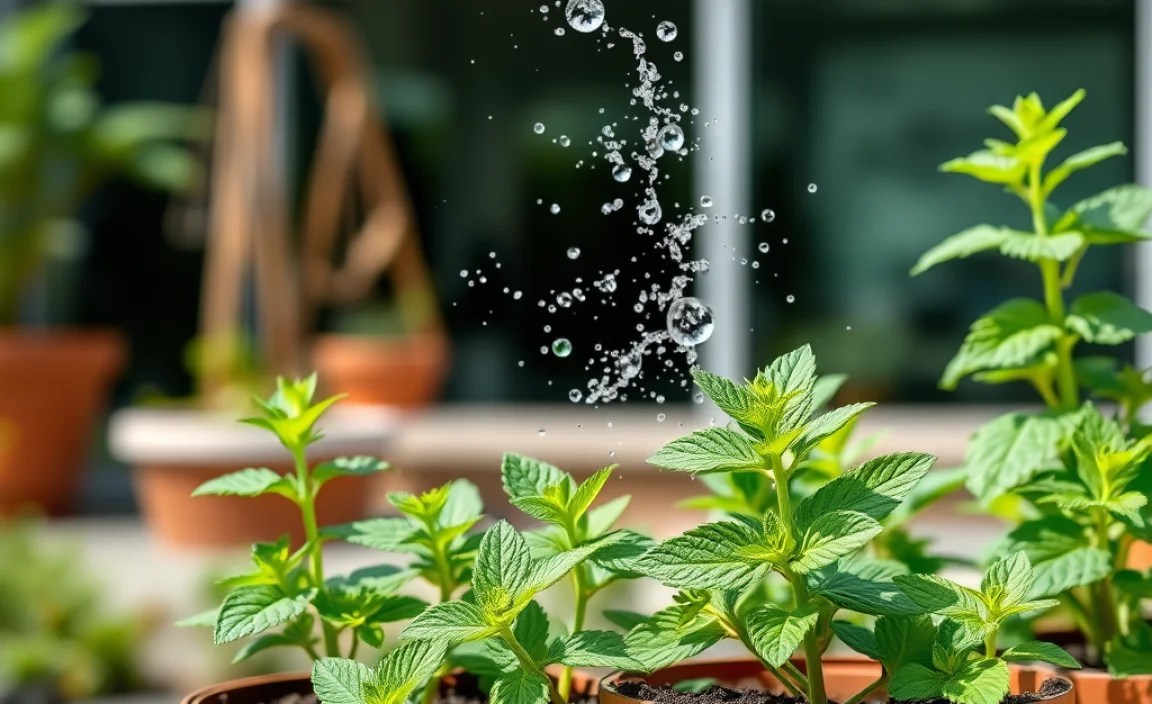
Water is like a drink for your mint plant. It needs water to stay alive and grow. But how much water does mint need? That depends on the weather. If it’s hot and sunny, your mint will need more water. If it’s cool and cloudy, it will need less. The best way to tell if your mint needs water is to check the soil. Stick your finger into the soil. If the soil feels dry, it’s time to water. Water the mint until the water runs out of the bottom of the pot. This means the soil is soaked all the way through. Don’t water the mint too often. If the soil stays too wet, the roots can rot. Root rot is like a sickness for plants. It can kill your mint. Watering is an important part of caring mint outdoors.
- Water when the soil feels dry.
- Water deeply until water drains out.
- Avoid overwatering, which causes root rot.
- Water more often in hot weather.
- Use a watering can or hose.
- Water in the morning to avoid fungus.
Sometimes, it can be hard to remember to water your plants. Try setting a reminder on your phone. Or, you can use a self-watering pot. These pots have a reservoir that holds water. The plant takes water from the reservoir as needed. This is a great way to keep your mint watered evenly. You can also use mulch to help keep the soil moist. Mulch is like a blanket for the soil. It keeps the sun from drying it out. Water is essential for healthy mint. When caring mint outdoors, make sure your plant gets the right amount of water. Not too much, not too little, but just right!
Fun Fact or Stat: Mint leaves are about 80% water, making proper hydration crucial for their health!
How Often Should I Water My Mint?
Imagine your mint plant is a thirsty traveler in the desert. It needs water to survive. But it doesn’t need water all the time. Too much water can be just as bad as not enough. So, how often should you water your mint? A good rule of thumb is to water it every few days. But you should always check the soil first. If the soil feels dry to the touch, it’s time to water. If the soil feels damp, wait another day. The weather also plays a big role. If it’s hot and sunny, you might need to water every day. If it’s cool and cloudy, you might only need to water once a week. Pay attention to your mint plant. It will tell you when it’s thirsty. Consistent watering is key to caring mint outdoors.
What Happens if I Overwater Mint?
Overwatering is like giving your mint plant too much juice. At first, it might seem like a good thing. But too much juice can make you feel sick. It’s the same for mint. If you overwater it, the roots can start to rot. Root rot is a disease that kills plants. The leaves might turn yellow or brown. The plant might start to wilt. If you think you’ve overwatered your mint, stop watering it right away. Let the soil dry out completely. You can also try moving the plant to a sunnier spot. This will help the soil dry faster. In severe cases, you might need to repot the plant. Use fresh soil that drains well. Overwatering is a common mistake. But you can avoid it by checking the soil before you water. Avoid overwatering when caring mint outdoors.
Can I Use Tap Water for My Mint?
Tap water is the water that comes out of your faucet. It’s usually safe to drink. But is it safe for your mint plant? The answer is usually yes. Most tap water is fine for mint. But some tap water has chemicals in it. These chemicals can hurt your mint. If you’re not sure about your tap water, you can use filtered water. Filtered water has had the chemicals removed. You can also use rainwater. Rainwater is very pure and good for plants. Collect rainwater in a bucket or barrel. Then, use it to water your mint. Be careful not to use water that has been softened. Softened water has salt in it. Salt can damage your mint. Using the right water is important for caring mint outdoors.
Pruning and Harvesting Mint
Pruning is like giving your mint plant a haircut. It helps the plant grow better. When you prune mint, you cut off some of the stems and leaves. This encourages the plant to grow new stems and leaves. It also makes the plant bushier. Bushier means it has more leaves. More leaves mean more mint for you! You can prune mint any time of year. But it’s best to prune it in the spring and summer. Use sharp scissors or pruning shears to cut the stems. Cut the stems just above a set of leaves. This will encourage new growth. Don’t be afraid to prune your mint. It will grow back stronger than ever. Pruning is a vital part of caring mint outdoors.
- Prune regularly for bushier growth.
- Cut stems above a set of leaves.
- Harvest leaves often to encourage growth.
- Use sharp scissors for clean cuts.
- Prune more in spring and summer.
- Remove any dead or yellow leaves.
Harvesting mint is like picking fresh fruit from a tree. You can harvest mint leaves any time you need them. Just pinch off the leaves with your fingers. Or, you can cut off entire stems. The best time to harvest mint is in the morning. This is when the leaves have the most flavor. Wash the leaves before you use them. You can use mint in tea, salads, and other dishes. You can also dry the leaves for later use. To dry mint, hang the stems upside down in a cool, dark place. Once the leaves are dry, store them in an airtight container. Harvesting and pruning keeps your mint healthy. When caring mint outdoors, these steps help your plant thrive.
Fun Fact or Stat: Regular pruning and harvesting can triple the yield of mint leaves compared to unpruned plants!
When is the Best Time to Prune Mint?
Imagine your mint plant is a student getting ready for a test. It needs to be in top shape. Pruning is like giving the plant a study session. It helps the plant focus its energy on growing new leaves. The best time to prune mint is in the spring. This is when the plant is actively growing. You can also prune it in the summer. But avoid pruning it in the fall or winter. This is when the plant is resting. Pruning it then can weaken it. When you prune, cut off about one-third of the plant. This will encourage new growth. Don’t be afraid to prune your mint. It will thank you for it! Timing your pruning is key to caring mint outdoors.
How Do I Dry Mint Leaves?
Drying mint leaves is like making your own tea bags. You can enjoy the flavor of mint all year long. The easiest way to dry mint is to hang it upside down. Tie the stems together with string. Hang the bunch in a cool, dark, dry place. A closet or attic works well. Make sure there is good air circulation. This will help the leaves dry faster. It usually takes about two weeks for the leaves to dry completely. You can also dry mint in the oven. Spread the leaves on a baking sheet. Bake them at a very low temperature (about 170 degrees Fahrenheit). Check them often. They should be dry in a few hours. Store the dried leaves in an airtight container. Now you can enjoy the taste of summer all year long. Drying mint is a great way of caring mint outdoors.
Can I Eat the Flowers on My Mint Plant?
Did you know that mint plants have flowers? They are usually purple or white. The flowers are small and delicate. They have a mild minty flavor. Yes, you can eat the flowers on your mint plant! They make a pretty addition to salads. You can also use them to garnish drinks. The flowers attract bees and other pollinators. Pollinators help your garden grow. They carry pollen from one flower to another. This helps the plants make seeds. So, let some of your mint plants flower. It’s good for the environment. Eating the flowers is a fun way to enjoy caring mint outdoors.

Dealing with Pests and Diseases
Sometimes, your mint plant might get sick. Or, it might get attacked by pests. Pests are small bugs that eat plants. Common pests of mint include aphids, spider mites, and whiteflies. These pests suck the juice out of the leaves. This can weaken the plant. Diseases are caused by fungi or bacteria. Common diseases of mint include rust and powdery mildew. These diseases can cause spots on the leaves. They can also kill the plant. The best way to prevent pests and diseases is to keep your mint healthy. Water it properly. Give it plenty of sunlight. And prune it regularly. If you see pests or diseases, act quickly. Treat the plant with an organic pesticide or fungicide. Keeping your mint healthy is part of caring mint outdoors.
- Inspect plants regularly for pests.
- Use organic pesticides if needed.
- Ensure good air circulation to prevent disease.
- Remove and destroy infected leaves.
- Keep the area around the mint clean.
- Attract beneficial insects to your garden.
Here is a table that shows common mint pests and diseases and how to treat them:
| Pest/Disease | Symptoms | Treatment |
|---|---|---|
| Aphids | Small green bugs on leaves, sticky residue | Spray with insecticidal soap |
| Spider Mites | Tiny webs on leaves, yellow spots | Spray with neem oil |
| Whiteflies | Small white flies on leaves, yellowing | Use yellow sticky traps |
| Rust | Orange spots on leaves | Remove infected leaves, use fungicide |
| Powdery Mildew | White powder on leaves | Improve air circulation, use fungicide |
Sometimes, you might not want to use chemicals on your mint. There are natural ways to get rid of pests. You can spray the plant with soapy water. Or, you can introduce beneficial insects to your garden. Beneficial insects eat pests. Ladybugs are a great example. They love to eat aphids. By being vigilant and proactive, you can overcome problems. Proper pest and disease control is vital. It’s an important part of caring mint outdoors.
Fun Fact or Stat: Mint naturally repels some insects, but it can also attract unwanted pests if not properly cared for!
How Can I Tell if My Mint Has Pests?
Imagine your mint plant is a detective. It’s trying to tell you something is wrong. You just need to know how to listen. One of the first signs of pests is yellowing leaves. The leaves might also have small holes in them. Look closely at the undersides of the leaves. You might see tiny bugs crawling around. Aphids are small, green bugs. Spider mites are very tiny and make webs. Whiteflies are small, white flies that fly away when you touch the plant. If you see any of these signs, your mint probably has pests. Act quickly to get rid of them. Early detection is essential in caring mint outdoors.
What is the Best Organic Pesticide for Mint?
If your mint has pests, you might want to use a pesticide. But you don’t want to use harsh chemicals. They can hurt the environment. They can also make the mint unsafe to eat. The best option is to use an organic pesticide. Organic pesticides are made from natural ingredients. They are safe for the environment and for you. One popular organic pesticide is neem oil. Neem oil is made from the seeds of the neem tree. It kills pests by suffocating them. You can also use insecticidal soap. Insecticidal soap is made from soap and water. It also kills pests by suffocating them. Always follow the directions on the label. Using organic options is crucial in caring mint outdoors.
How Important Is Air Circulation for Mint?
Think of air circulation as a breeze for your mint plant. A gentle breeze keeps the plant healthy and strong. It helps prevent diseases. Diseases like powdery mildew thrive in humid conditions. Good air circulation helps to dry the leaves. This makes it harder for diseases to take hold. To improve air circulation, don’t plant your mint too close to other plants. Give it plenty of space to breathe. You can also prune the plant to open it up. Remove any dead or yellow leaves. These leaves can block air circulation. Good air circulation is a key to keeping your mint healthy. It is an essential part of caring mint outdoors.
Mint Varieties and Their Care
Did you know that there are many different kinds of mint? Each kind has a different flavor and smell. Some popular varieties include peppermint, spearmint, chocolate mint, and orange mint. Peppermint has a strong, cool flavor. It’s great for tea and candy. Spearmint has a milder, sweeter flavor. It’s good for salads and sauces. Chocolate mint smells and tastes like chocolate. It’s delicious in desserts. Orange mint has a citrusy flavor. It’s wonderful in drinks. The care for different mint varieties is generally the same. They all need plenty of sunlight, well-draining soil, and regular watering. However, some varieties might be more prone to certain pests or diseases. Research your specific variety to learn more. Understanding varieties enhances caring mint outdoors.
- Peppermint: Strong flavor, great for tea.
- Spearmint: Mild flavor, good in salads.
- Chocolate Mint: Smells like chocolate, use in desserts.
- Orange Mint: Citrus flavor, use in drinks.
- Each variety needs similar care.
- Research specific needs for each type.
When choosing a mint variety, think about how you want to use it. If you want to make peppermint tea, choose peppermint. If you want to add mint to your salad, choose spearmint. You can also grow several different varieties. This will give you a wider range of flavors. Just be sure to keep them separated. Mint can cross-pollinate. This means the flavors can mix together. If you want to keep the flavors pure, grow each variety in its own pot. Experimenting with different mints makes caring mint outdoors more interesting. It also lets you discover new flavors and scents.
Fun Fact or Stat: There are over 600 varieties of mint, each with its own unique aroma and flavor profile!
What is the Difference Between Peppermint and Spearmint?
Imagine peppermint and spearmint are like two different kinds of candy. They both taste good, but they have different flavors. Peppermint has a strong, cool, and almost spicy flavor. This is because it contains a lot of menthol. Menthol is what makes your mouth feel cool when you eat it. Spearmint has a milder, sweeter, and less intense flavor. It contains less menthol. Peppermint is often used in candies, teas, and toothpaste. Spearmint is often used in chewing gum, salads, and sauces. Both peppermint and spearmint are easy to grow. They both need the same care. Understanding the difference helps in caring mint outdoors.
Is Chocolate Mint Really Chocolatey?
Have you ever heard of chocolate mint? Does it taste like real chocolate? Well, not exactly. Chocolate mint doesn’t have any chocolate in it. But it does have a chocolatey aroma and a hint of chocolate flavor. It’s like a magic trick for your nose and taste buds. The chocolate flavor comes from natural compounds in the plant. It’s a subtle flavor, not as strong as a chocolate bar. Chocolate mint is a fun variety to grow. It’s great for adding a special touch to desserts. You can use it to make chocolate mint ice cream or chocolate mint brownies. Trying unique varieties is part of caring mint outdoors.
Can I Mix Different Mint Varieties in One Pot?
Mixing different mint varieties in one pot sounds like a fun idea. But it can lead to some problems. Mint plants are known for cross-pollinating. This means they can mix their genes together. The result can be a new variety of mint. This new variety might not taste like either of the original varieties. It might have a strange or unpleasant flavor. If you want to keep your mint flavors pure, it’s best to grow each variety in its own pot. This will prevent cross-pollination. You can still keep the pots close together. Just make sure the plants don’t touch each other. Keeping varieties separate is a key aspect of caring mint outdoors.
Using Mint in Cooking and Drinks
Mint is a versatile herb that can be used in many different ways. You can use it in cooking to add a fresh, minty flavor to dishes. Mint is great in salads, sauces, and soups. You can also use it to make mint jelly or mint chutney. Mint is also delicious in drinks. You can add it to lemonade, iced tea, or cocktails. Mint juleps are a classic mint cocktail. You can also use mint to make a simple mint syrup. Mint syrup is great for flavoring drinks and desserts. When using mint in cooking, add it at the end of the cooking process. This will help preserve its flavor. Experimenting with mint in recipes makes caring mint outdoors more rewarding.
- Add mint to salads for a fresh flavor.
- Use mint in sauces and soups.
- Make mint jelly or chutney.
- Add mint to lemonade or iced tea.
- Make mint syrup for drinks and desserts.
- Use mint in cocktails like mint juleps.
Mint is not only delicious, but it’s also good for you. It has many health benefits. Mint can help soothe an upset stomach. It can also help relieve headaches. Mint has antibacterial and antiviral properties. This means it can help fight off infections. Mint is also a good source of vitamins and minerals. So, next time you’re looking for a way to add flavor to your food or drinks, reach for some fresh mint. It’s a healthy and delicious choice. The health benefits make caring mint outdoors even more worthwhile.
Fun Fact or Stat: Mint has been used for medicinal purposes for thousands of years, dating back to ancient Rome!
What are Some Easy Mint Recipes?
Imagine you have a big bunch of fresh mint from your garden. What can you make with it? There are many easy mint recipes you can try. One simple recipe is mint tea. Just steep a few fresh mint leaves in hot water for a few minutes. Add honey or lemon to taste. Another easy recipe is mint lemonade. Mix fresh mint leaves with lemonade. Blend it all together for a refreshing drink. You can also make a simple mint salad. Combine mint leaves with cucumber, tomato, and feta cheese. Dress it with olive oil and lemon juice. These recipes make caring mint outdoors even more fun.
Can I Make Mint Syrup at Home?
Making mint syrup at home is easier than you think. It only takes a few ingredients. You’ll need water, sugar, and fresh mint leaves. First, make a simple syrup by combining water and sugar in a saucepan. Heat the mixture over medium heat until the sugar dissolves. Then, add the mint leaves to the syrup. Let the mixture simmer for a few minutes. This will infuse the syrup with the mint flavor. Remove the syrup from the heat and let it cool. Strain the syrup to remove the mint leaves. Store the syrup in a jar in the refrigerator. Now you can use it to flavor drinks, desserts, and more. Homemade syrup enhances caring mint outdoors.
Is Mint Good for My Health?
Mint isn’t just tasty, it is also good for you. Mint can help with digestion. It can soothe an upset stomach. It can also help relieve bloating and gas. Mint has anti-inflammatory properties. This means it can help reduce swelling and pain. Mint can also help improve your breath. It has a refreshing scent that can mask bad odors. Mint is a good source of antioxidants. Antioxidants protect your cells from damage. They can help prevent diseases. So, add more mint to your diet. It’s a healthy and delicious choice. Knowing the benefits enhances caring mint outdoors.
Summary
Caring mint outdoors is easy and rewarding. Mint needs sunlight and well-draining soil. Water it regularly and prune it often. Watch out for pests and diseases. Choose the right mint variety for your needs. Mint is great in cooking and drinks. It’s also good for your health. Grow mint in a pot to control its spread. Mint is a versatile herb that everyone can enjoy. Follow these tips and you’ll have a thriving mint plant in no time.
Conclusion
Growing mint outdoors is a fun and easy project. It’s a great way to add fresh flavor to your life. Mint is a versatile herb with many uses. It’s also good for your health. With a little care, you can have a bountiful supply of mint. Enjoy the process of caring mint outdoors. You can enjoy fresh mint all season long. Start your mint garden today!
Frequently Asked Questions
Question No 1: How do I start growing mint outdoors?
Answer: Start by choosing a sunny spot with well-draining soil. You can plant mint from seeds or cuttings. Mint spreads quickly, so consider using a container. Water the mint regularly. Caring mint outdoors starts with the right location and consistent watering. It’s a fun project for any beginner gardener. Mint can add a lot of joy to your garden. You will love the fresh minty smell. And it is very easy to care for.
Question No 2: How often should I water my outdoor mint plant?
Answer: Water your mint plant when the soil feels dry to the touch. In hot weather, you might need to water it every day. In cooler weather, you can water it every few days. Avoid overwatering, which can cause root rot. Make sure the soil drains well. Properly watering your mint is key to caring mint outdoors. Check the soil often to make sure it is not too dry or too wet. Your mint will thrive if you give it the right amount of water. Remember, it’s like a thirsty traveler.
Question No 3: What are some common pests that affect mint plants?
Answer: Common pests that affect mint plants include aphids, spider mites, and whiteflies. Aphids are small, green bugs that suck the sap from the leaves. Spider mites are tiny pests that create webs on the leaves. Whiteflies are small, white flies that fly away when you touch the plant. You can treat these pests with organic pesticides. Neem oil and insecticidal soap are good options. Caring mint outdoors means keeping an eye out for these pests. Regular checks can prevent big infestations.
Question No 4: How do I harvest mint leaves?
Answer: You can harvest mint leaves any time you need them. Just pinch off the leaves with your fingers. Or, you can cut off entire stems. The best time to harvest mint is in the morning. This is when the leaves have the most flavor. Wash the leaves before you use them. Harvesting mint regularly encourages more growth. Don’t be afraid to harvest often. It’s a great part of caring mint outdoors. Fresh mint leaves are the best!
Question No 5: Can I grow mint indoors during the winter?
Answer: Yes, you can grow mint indoors during the winter. Bring your mint plant indoors before the first frost. Place it in a sunny window. Water it regularly. You might need to use a grow light to provide enough light. Mint can thrive indoors with proper care. This way, you can enjoy fresh mint all year round. This is especially helpful if you enjoy caring mint outdoors during the warmer months. You can continue your hobby indoors.
Question No 6: How do I prevent mint from spreading too much in my garden?
Answer: Mint spreads quickly, so it’s important to control its growth. The best way to do this is to grow mint in a container. You can also plant mint in a raised bed. This will help contain the roots. If you plant mint directly in the ground, create a barrier around it. Sink a plastic or metal edging into the ground around the plant. This will prevent the roots from spreading. Controlling the spread is essential to caring mint outdoors. It keeps your garden tidy and prevents mint from taking over.
