Do you love bright, pretty flowers? Tulips are a great choice. You can even grow them inside! Caring tulips indoors is fun and rewarding. Imagine having colorful tulips on your windowsill. They can brighten up any room. Let’s learn how to grow these beauties inside your home.
Growing tulips inside is easier than you think. You just need a few simple things. With a little care, you can have lovely tulips. They will bloom even when it’s cold outside. Get ready to enjoy the beauty of tulips all year round. Let’s start our indoor tulip adventure now!
Key Takeaways
- Caring tulips indoors requires proper chilling for best blooming results.
- Use pots with drainage holes and good potting soil when planting tulips.
- Water tulips regularly, keeping the soil moist but not soggy.
- Place tulips in a spot with bright, indirect sunlight.
- Rotate the pots to ensure even growth and prevent leaning.
Getting Started: Caring Tulips Indoors
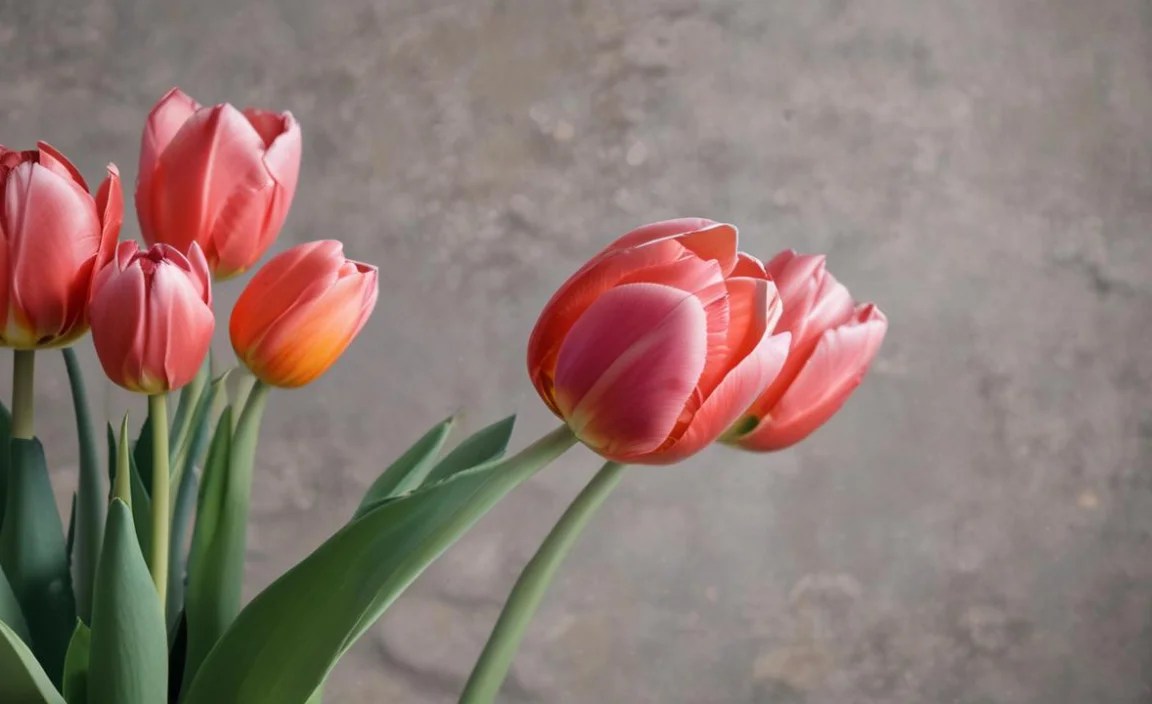
Caring tulips indoors starts with choosing the right bulbs. Select firm, healthy bulbs from a garden center. Look for bulbs that are free from mold or soft spots. The size of the bulb matters too. Larger bulbs usually produce bigger, stronger flowers. You can buy pre-chilled bulbs. These are ready to plant right away. If you buy regular bulbs, you’ll need to chill them yourself. This chilling process is important. It helps the bulbs think it’s winter. After their “winter,” they will bloom beautifully indoors. Think of it as giving your tulips a little nap before their big show! Make sure you choose the right pot too. It should have holes in the bottom for water to drain out.
- Choose firm, healthy tulip bulbs.
- Larger bulbs often produce better flowers.
- Pre-chilled bulbs are ready to plant.
- Regular bulbs need chilling before planting.
- Use pots with drainage holes for water.
Now, let’s talk about potting soil. Tulips like well-draining soil. You can use a mix of potting soil, peat moss, and perlite. This mix helps keep the soil light and airy. It also allows water to drain easily. Don’t use garden soil. It can be too heavy and might not drain well. This can cause the bulbs to rot. When planting, place the bulbs with the pointy side up. Cover them with soil, leaving the tips slightly exposed. Water the soil gently after planting. Then, place the pots in a cool, dark place for the chilling period. This is a crucial step for caring tulips indoors. It mimics their natural winter environment.
Fun Fact or Stat: Did you know that tulips were once so valuable in Holland that they were worth more than houses? This period was called “Tulip Mania”!
Why Choose Tulips for Indoor Growing?
Have you ever wondered why people choose tulips for indoor growing? Tulips come in many colors and shapes. They can brighten up any space. They are also relatively easy to grow indoors. Unlike some other flowers, tulips don’t need a lot of fuss. With the right care, they will reward you with beautiful blooms. Growing tulips indoors allows you to enjoy spring colors even in the winter. It’s a great way to bring a little bit of nature inside. Plus, it’s a fun project for kids and adults alike. Imagine the joy of watching your tulips grow from tiny bulbs to vibrant flowers. It’s a magical experience!
Selecting the Right Tulip Variety
Did you know there are thousands of tulip varieties? Choosing the right one can feel tricky. Some tulips are better suited for indoor growing than others. Look for varieties that are shorter and more compact. These tend to do well in pots. Taller varieties might need extra support. Popular choices include ‘Greigii’ tulips and ‘Kaufmanniana’ tulips. These are known for their shorter stems and bright colors. ‘Triumph’ tulips are also a good option. They come in a wide range of colors and have sturdy stems. When selecting your bulbs, read the labels carefully. This will give you information about the plant’s size and bloom time. This is key for successful caring tulips indoors.
The Importance of Bulb Quality
Why is bulb quality so important? The bulb is where the tulip stores all its energy. A healthy bulb will produce a strong, healthy plant. A poor-quality bulb might not bloom at all. Or, it might produce a weak, spindly flower. When buying bulbs, inspect them carefully. Avoid bulbs that are soft, mushy, or have signs of mold. Choose bulbs that are firm and heavy for their size. This indicates that they are full of nutrients. Buying high-quality bulbs is an investment. It increases your chances of having beautiful, blooming tulips. Think of it like buying good ingredients for a cake. The better the ingredients, the better the cake will taste!
Chilling Tulip Bulbs for Indoor Blooms

Chilling tulip bulbs is a must for indoor blooms. Tulips need a cold period to develop properly. This cold period mimics winter. It tells the bulb when it’s time to start growing. You can chill your bulbs in the refrigerator. Place them in a paper bag or cardboard box. Store them away from fruits and vegetables. Some fruits release ethylene gas. This gas can harm the bulbs. The ideal temperature for chilling is between 35°F and 45°F. The bulbs need to chill for 12 to 16 weeks. This is important for successful caring tulips indoors. Mark your calendar so you know when to take them out!
- Chill tulip bulbs for 12–16 weeks.
- Keep bulbs between 35°F and 45°F.
- Store bulbs in a paper bag or box.
- Keep bulbs away from fruits and vegetables.
- Mark your calendar to track chilling time.
- Check bulbs periodically for mold or rot.
What happens if you don’t chill your bulbs? They might not bloom at all. Or, they might produce small, weak flowers. The chilling period is essential for the bulbs to develop their flower buds. It’s like giving them a wake-up call after a long sleep. Once the chilling period is over, you can plant your bulbs. Get ready to watch them grow into beautiful tulips! Don’t skip this step. It’s the secret to having gorgeous indoor tulips. Remember, patience is key. The chilling period takes time, but it’s worth the wait.
Fun Fact or Stat: Some people try to “cheat” the chilling process by putting bulbs in the freezer. This usually doesn’t work well and can damage the bulbs!
How to Store Tulip Bulbs Properly
How do you store tulip bulbs before chilling? Proper storage is important. It keeps the bulbs healthy. Store them in a cool, dry place. A basement or garage works well. Make sure the area is well-ventilated. This prevents mold growth. Keep the bulbs in a paper bag or mesh bag. Avoid plastic bags. They can trap moisture and cause the bulbs to rot. Check the bulbs periodically. Look for any signs of mold or damage. Remove any damaged bulbs right away. Healthy bulbs are key to successful caring tulips indoors. Treat them with care!
Troubleshooting Chilling Problems
What if you run into problems during the chilling period? Sometimes, bulbs can get moldy. This is usually caused by too much moisture. If you see mold, remove the affected bulbs. Make sure the remaining bulbs are dry. You can also try adding a desiccant to the storage container. This helps absorb excess moisture. Another problem is bulbs drying out. If the bulbs seem dry, you can lightly mist them with water. Be careful not to overwater. Too much moisture is worse than not enough. Keep an eye on your bulbs and adjust as needed.
The Science Behind Chilling
Have you ever wondered why chilling works? It’s all about science! During the chilling period, a process called vernalization occurs. Vernalization is when plants need a period of cold to flower. The cold temperatures trigger certain genes. These genes tell the bulb to start developing flower buds. Without this cold period, the genes stay dormant. The bulb won’t bloom properly. This is why chilling is so important for tulips. It’s like flipping a switch that tells the plant to grow. Understanding the science makes caring tulips indoors even more fascinating!
Planting Your Tulips Indoors

After chilling, it’s time for planting. Choose a pot that is wide and deep enough. The pot should have drainage holes. This helps prevent the soil from becoming waterlogged. Fill the pot with well-draining potting mix. A mix of potting soil, peat moss, and perlite works well. Place the bulbs in the pot with the pointy side up. Plant them close together, but not touching. Cover the bulbs with soil, leaving the tips slightly exposed. Water the soil gently until it is moist. Then, place the pot in a cool, bright location. Avoid direct sunlight at first. This is an important step in caring tulips indoors.
| Step | Description | Tips |
|---|---|---|
| 1. Choose Pot | Select a pot with drainage holes. | Ensure it’s wide and deep enough. |
| 2. Add Soil | Use well-draining potting mix. | Mix potting soil, peat moss, and perlite. |
| 3. Plant Bulbs | Place bulbs pointy side up. | Plant close but not touching. |
| 4. Water | Water gently until soil is moist. | Avoid overwatering. |
| 5. Location | Place in cool, bright location. | Avoid direct sunlight initially. |
- Use a pot with drainage holes.
- Fill with well-draining potting mix.
- Plant bulbs pointy side up.
- Leave tips slightly exposed.
- Water gently until moist.
- Place in a cool, bright spot.
Once the tulips start to grow, you can move them to a sunnier location. Rotate the pot regularly. This helps the plants grow evenly. It prevents them from leaning towards the light. Keep the soil moist, but not soggy. Overwatering can cause the bulbs to rot. Watch for signs of growth. Soon, you’ll see green shoots emerging from the soil. It’s an exciting time! With proper care, your tulips will bloom in a few weeks. Enjoy the beautiful colors and shapes of your indoor tulips. Caring tulips indoors is a rewarding experience.
Fun Fact or Stat: Tulips can continue to grow even after they’ve been cut and placed in a vase!
Choosing the Right Potting Mix
Why is the right potting mix so important? The potting mix provides nutrients for the tulips. It also helps with drainage. Tulips don’t like to sit in soggy soil. This can cause the bulbs to rot. A good potting mix should be light and airy. It should also retain some moisture. A mix of potting soil, peat moss, and perlite is a good choice. You can also add some compost. This provides extra nutrients. Avoid using garden soil. It can be too heavy and might not drain well. Choose a potting mix that is specifically designed for container gardening. This will give your tulips the best start.
Spacing and Depth: Planting Bulbs Correctly
How far apart should you plant the bulbs? And how deep? Spacing is important. It allows the tulips to grow without being crowded. Plant the bulbs about one inch apart. This gives them enough room to develop. The depth is also important. Plant the bulbs so that the tips are slightly exposed. This helps them sprout easily. If you plant them too deep, they might not be able to reach the surface. If you plant them too shallow, they might dry out. Follow these guidelines for successful caring tulips indoors. Your tulips will thank you!
What to Do After Planting
What happens after you plant the bulbs? The first few weeks are crucial. Keep the soil moist, but not soggy. Water when the top inch of soil feels dry. Place the pot in a cool, bright location. Avoid direct sunlight at first. This can burn the new shoots. As the tulips start to grow, you can move them to a sunnier spot. Rotate the pot regularly. This helps them grow evenly. Watch for signs of pests or diseases. Treat any problems right away. With a little patience, you’ll soon have beautiful, blooming tulips.
Watering and Lighting for Indoor Tulips

Watering and lighting are key for healthy tulips. Tulips need consistent moisture. But they don’t like to be waterlogged. Water the soil when the top inch feels dry. Use a watering can with a gentle spout. This prevents the soil from being disturbed. Water until you see water draining from the bottom of the pot. This ensures the soil is thoroughly moistened. Empty the saucer under the pot. This prevents the roots from sitting in water. Lighting is also important. Tulips need bright, indirect sunlight. Place them near a window that gets plenty of light. Avoid direct sunlight. It can scorch the leaves. Proper watering and lighting are essential for caring tulips indoors.
- Water when top inch of soil is dry.
- Use a watering can with a gentle spout.
- Water until water drains from the bottom.
- Empty the saucer under the pot.
- Place tulips in bright, indirect sunlight.
- Avoid direct sunlight to prevent scorching.
What happens if you overwater your tulips? The bulbs can rot. This is a common problem with indoor tulips. Signs of overwatering include yellowing leaves and a musty smell. If you suspect overwatering, stop watering immediately. Allow the soil to dry out completely. You might need to repot the bulbs in fresh, dry soil. What if you underwater your tulips? The leaves can wilt and turn brown. The flowers might not develop properly. If you suspect underwatering, water the soil thoroughly. Check the soil moisture regularly. Adjust your watering schedule as needed. Finding the right balance is key for successful caring tulips indoors.
Fun Fact or Stat: Tulips are phototropic, which means they will bend towards the light source!
How to Tell if Your Tulips Need Water
How can you tell if your tulips need water? The easiest way is to check the soil. Stick your finger into the soil. If the top inch feels dry, it’s time to water. You can also look at the leaves. If they are wilting, the plant needs water. Another sign is the weight of the pot. A dry pot will feel lighter than a wet pot. Pay attention to your plants. They will tell you what they need. With practice, you’ll become a pro at knowing when to water. This is a crucial part of caring tulips indoors.
The Best Type of Light for Indoor Tulips
What kind of light do tulips need? They need bright, indirect sunlight. This means placing them near a window that gets plenty of light. But not direct sunlight. Direct sunlight can scorch the leaves. An east-facing window is often a good choice. It provides gentle morning light. A south-facing window can also work. But you might need to filter the light with a sheer curtain. If you don’t have enough natural light, you can use grow lights. These provide the light that plants need to thrive. Experiment with different locations to find the best spot for your tulips.
Adjusting Watering and Lighting with the Seasons
Do you need to adjust watering and lighting with the seasons? Yes! As the seasons change, the amount of sunlight changes. During the winter, you might need to supplement with grow lights. During the summer, you might need to protect your tulips from direct sunlight. The temperature also affects watering needs. In warmer weather, the soil will dry out faster. You might need to water more often. In cooler weather, the soil will stay moist longer. Adjust your caring tulips indoors routine as needed. Pay attention to your plants and respond to their needs.
Fertilizing and Maintaining Your Tulips

Fertilizing and maintaining your tulips helps them thrive. Tulips don’t need a lot of fertilizer. But a little boost can help them grow stronger. Use a balanced liquid fertilizer. Dilute it to half strength. Apply the fertilizer every two to four weeks. Do this while the tulips are actively growing. Avoid fertilizing when the plants are dormant. Remove any yellow or brown leaves. This helps keep the plants healthy. Rotate the pots regularly. This ensures even growth. Watch for pests, like aphids. Treat any infestations promptly. With proper care, your tulips will flourish. Caring tulips indoors is easy with these tips.
- Use a balanced liquid fertilizer.
- Dilute fertilizer to half strength.
- Apply every 2–4 weeks during growth.
- Remove yellow or brown leaves.
- Rotate pots regularly for even growth.
- Watch for and treat pests promptly.
What happens after the tulips bloom? The flowers will eventually fade. Once the flowers are spent, you can cut them off. Leave the foliage intact. The plant will continue to store energy in the bulb. You can continue to water and fertilize the plant until the leaves turn yellow. Then, stop watering and allow the foliage to die back completely. You can then remove the bulbs from the soil. Store them in a cool, dry place until next fall. You can replant them again next year. Or, you can discard them and buy new bulbs. Either way, you’ve enjoyed the beauty of your indoor tulips. Caring tulips indoors is a rewarding experience.
Fun Fact or Stat: Some people believe that tulips symbolize perfect love!
Choosing the Right Fertilizer
Why is choosing the right fertilizer important? Fertilizer provides nutrients for the tulips. These nutrients help them grow strong and healthy. A balanced fertilizer is best. This means it contains equal amounts of nitrogen, phosphorus, and potassium. Look for a fertilizer that is specifically designed for flowering plants. Avoid fertilizers that are high in nitrogen. These can promote leaf growth at the expense of flowers. Dilute the fertilizer to half strength. This prevents burning the roots. Follow the instructions on the fertilizer label. Over-fertilizing can be harmful. Choose a fertilizer that is gentle and effective. This will help your tulips thrive.
Dealing with Pests and Diseases
What if your tulips get pests or diseases? Pests and diseases can damage your plants. Common pests include aphids, spider mites, and fungus gnats. Aphids are small, green insects that suck sap from the leaves. Spider mites are tiny, spider-like creatures that create webs on the plants. Fungus gnats are small flies that breed in the soil. You can treat these pests with insecticidal soap or neem oil. Diseases can also affect tulips. Common diseases include botrytis blight and bulb rot. Botrytis blight causes gray mold on the leaves and flowers. Bulb rot causes the bulbs to rot in the soil. You can prevent these diseases by providing good air circulation and avoiding overwatering. Treat any problems promptly to keep your tulips healthy.
Deadheading and Pruning for Continued Blooms
What is deadheading? Deadheading is the process of removing spent flowers. This encourages the plant to produce more blooms. Once the flowers fade, cut them off at the base of the stem. This prevents the plant from wasting energy on seed production. Pruning involves removing yellow or brown leaves. This helps keep the plant healthy and attractive. Use sharp, clean scissors or pruning shears. Make clean cuts to avoid damaging the plant. Regular deadheading and pruning will keep your tulips looking their best. This is an important part of caring tulips indoors.
Troubleshooting Common Tulip Problems
Even with the best care, problems can arise. Caring tulips indoors sometimes involves troubleshooting. One common problem is tulips not blooming. This can be due to insufficient chilling. Make sure you chill the bulbs for the recommended time. Another problem is yellowing leaves. This can be caused by overwatering or underwatering. Adjust your watering schedule as needed. Tall, leggy growth can be caused by insufficient light. Move the tulips to a brighter location. Pests and diseases can also cause problems. Inspect your plants regularly and treat any issues promptly. With a little detective work, you can solve most tulip problems.
- Insufficient chilling can prevent blooming.
- Yellowing leaves can be from over/underwatering.
- Tall, leggy growth needs more light.
- Pests and diseases need prompt treatment.
- Check soil moisture regularly.
- Ensure proper drainage to prevent rot.
What if your tulips are leaning? This is usually caused by the plants reaching for light. Rotate the pots regularly to ensure even growth. You can also use stakes to support the stems. What if your tulips are wilting? This can be caused by underwatering or extreme heat. Water the plants thoroughly and move them to a cooler location. What if your tulips are not growing at all? This can be caused by poor-quality bulbs. Start with healthy bulbs from a reputable source. With patience and persistence, you can overcome most tulip problems. Caring tulips indoors is a learning process.
Fun Fact or Stat: Tulips are related to lilies and onions!
Why Are My Tulips Not Blooming?
Why aren’t your tulips blooming? This is a common frustration. The most likely cause is insufficient chilling. Tulips need a cold period to develop flower buds. Make sure you chill the bulbs for 12–16 weeks. Another possible cause is poor-quality bulbs. Start with healthy, firm bulbs from a reputable source. Insufficient light can also prevent blooming. Move the tulips to a brighter location. Overwatering or underwatering can also be a factor. Adjust your watering schedule as needed. If you’ve ruled out all of these factors, the bulbs might simply be too old. Try planting fresh bulbs next year. Don’t give up! With the right conditions, your tulips will bloom.
Dealing with Leggy Growth
What is leggy growth? Leggy growth is when the stems are tall and spindly. This is usually caused by insufficient light. The plants are stretching towards the light source. To prevent leggy growth, move the tulips to a brighter location. You can also use grow lights to supplement natural light. Rotate the pots regularly to ensure even growth. You can also pinch back the tips of the stems. This encourages bushier growth. Avoid overwatering. This can also contribute to leggy growth. With proper lighting and care, you can prevent leggy growth and enjoy strong, healthy tulips.
Preventing and Treating Bulb Rot
What is bulb rot? Bulb rot is a fungal disease that causes the bulbs to rot in the soil. This is usually caused by overwatering. To prevent bulb rot, ensure proper drainage. Use a pot with drainage holes. Avoid overwatering. Allow the soil to dry out slightly between waterings. If you suspect bulb rot, stop watering immediately. Remove any affected bulbs. Repot the remaining bulbs in fresh, dry soil. You can also treat the soil with a fungicide. With prompt action, you can prevent bulb rot from destroying your tulips. This is a key aspect of caring tulips indoors.
Enjoying Your Indoor Tulips
After all your hard work, it’s time to enjoy your indoor tulips. Place them in a spot where you can see them every day. Their bright colors will brighten up any room. Cut the flowers and arrange them in a vase. This will bring the beauty of your tulips even closer. Share your tulips with friends and family. They will appreciate the beauty and care you put into growing them. Take photos of your tulips and share them online. Inspire others to try growing tulips indoors. Caring tulips indoors is a rewarding experience that you can share with others.
- Place tulips where you can see them daily.
- Cut flowers and arrange them in a vase.
- Share tulips with friends and family.
- Take photos and share them online.
- Enjoy the beauty and colors of your tulips.
What happens when the flowers fade? Don’t throw away the bulbs! You can try to replant them outdoors. Choose a spot in your garden that gets plenty of sunlight. Plant the bulbs in the fall. With luck, they will bloom again next spring. Or, you can discard the bulbs and buy new ones. Either way, you’ve enjoyed the beauty of your indoor tulips. Remember the lessons you learned. Apply them to your next gardening project. Caring tulips indoors is a great way to learn about plants and gardening.
Fun Fact or Stat: The petals of some tulip varieties are edible!
Extending the Bloom Time of Your Tulips
How can you extend the bloom time of your tulips? There are a few things you can do. Keep the plants in a cool location. High temperatures can shorten the bloom time. Avoid direct sunlight. This can also cause the flowers to fade quickly. Remove spent flowers as soon as they fade. This prevents the plant from wasting energy on seed production. Water the plants regularly. But avoid overwatering. With these tips, you can enjoy your tulips for longer.
Arranging Cut Tulips in a Vase
How do you arrange cut tulips in a vase? Start with a clean vase. Fill it with fresh water. Add flower food to the water. This provides nutrients for the tulips. Cut the stems at an angle. This helps them absorb water more easily. Remove any leaves that will be below the water line. This prevents bacteria from growing. Arrange the tulips in the vase. You can mix them with other flowers. Or, you can create a simple, elegant arrangement with just tulips. Change the water every day. This keeps the flowers fresh. With a little care, your cut tulips will last for a week or more.
Replanting Tulip Bulbs Outdoors
Can you replant tulip bulbs outdoors? Yes! After the tulips have finished blooming indoors, you can try to replant the bulbs in your garden. Wait until the foliage has turned yellow and died back. Then, carefully dig up the bulbs. Plant them in a sunny location with well-draining soil. Plant the bulbs about 4–6 inches deep. Water them well. With luck, they will bloom again next spring. Keep in mind that indoor tulips might not bloom as reliably as those grown outdoors. But it’s worth a try! Replanting tulip bulbs is a great way to extend their beauty.
Summary
Caring tulips indoors is a fun and rewarding project. It starts with choosing healthy bulbs. Chilling the bulbs is crucial for successful blooming. Plant the bulbs in well-draining soil. Water them regularly, but avoid overwatering. Place them in a spot with bright, indirect sunlight. Fertilize them every few weeks during the growing season. Watch for pests and diseases. Remove any yellow or brown leaves. Rotate the pots regularly to ensure even growth. With a little care and attention, you can enjoy beautiful tulips indoors.
Remember to choose the right tulip variety. Shorter, more compact varieties are best for indoor growing. Pay attention to watering and lighting needs. Adjust your care routine as the seasons change. Don’t be afraid to experiment. Every gardener learns through trial and error. Most importantly, have fun! Growing tulips indoors is a great way to bring a little bit of spring into your home. Enjoy the beauty and fragrance of your indoor tulips.
Conclusion
Growing tulips indoors is easier than you might think. You can enjoy these lovely flowers all year round. Remember to chill the bulbs for 12–16 weeks. Use well-draining soil and provide bright, indirect light. With a little care, you can have beautiful tulips blooming in your home. Caring tulips indoors brings joy and color to any space. So go ahead and give it a try! You’ll be amazed at the results.
Frequently Asked Questions
Question No 1: How long do tulip bulbs need to be chilled before planting indoors?
Answer: Tulip bulbs require a chilling period of 12 to 16 weeks before they can be successfully planted indoors. This chilling period mimics the natural winter environment that tulips need to develop their flower buds. It’s important to maintain a consistent temperature between 35°F and 45°F during this time. Proper chilling is essential for ensuring that your tulips will bloom beautifully when you plant them. Without this chilling period, the bulbs may not flower at all, or they may produce weak, spindly flowers. So, be patient and give your bulbs the cold treatment they need!
Question No 2: What type of soil is best for growing tulips indoors?
Answer: Tulips thrive in well-draining soil. A mix of potting soil, peat moss, and perlite works very well. This combination provides good drainage and allows the roots to breathe. Avoid using garden soil, as it can be too heavy and may not drain properly. This can lead to bulb rot, which is a common problem when caring tulips indoors. The ideal soil mix should be light and airy, yet able to retain some moisture. This will provide the perfect environment for your tulips to grow and flourish. Remember, healthy soil is the foundation for healthy plants!
Question No 3: How often should I water my indoor tulips?
Answer: Water your indoor tulips when the top inch of soil feels dry. Avoid overwatering, as this can lead to bulb rot. Water thoroughly until you see water draining from the bottom of the pot. Then, empty the saucer underneath to prevent the roots from sitting in water. The frequency of watering will depend on the temperature and humidity of your home. Check the soil moisture regularly and adjust your watering schedule as needed. Caring tulips indoors means finding the right balance of moisture for your plants.
Question No 4: What kind of light do indoor tulips need?
Answer: Indoor tulips need bright, indirect sunlight. Place them near a window that gets plenty of light, but avoid direct sunlight, which can scorch the leaves. An east-facing window is often a good choice, as it provides gentle morning light. If you don’t have enough natural light, you can use grow lights to supplement. Rotate the pots regularly to ensure that all sides of the plant receive adequate light. This will help prevent the tulips from leaning towards the light source. Proper lighting is essential for healthy growth and beautiful blooms.
Question No 5: Can I reuse tulip bulbs after they have bloomed indoors?
Answer: You can try to reuse tulip bulbs after they have bloomed indoors, but they may not bloom as reliably as they did the first time. After the flowers have faded, allow the foliage to die back completely. Then, dig up the bulbs and store them in a cool, dry place until the fall. In the fall, you can replant them outdoors in a sunny location with well-draining soil. Keep in mind that indoor tulips may not have stored enough energy to bloom again. But it’s worth a try! Replanting tulip bulbs is a great way to potentially extend their beauty. You may have better success with fresh bulbs the following season for caring tulips indoors.
Question No 6: What are some common problems when caring for tulips indoors and how can I fix them?
Answer: Some common problems when caring tulips indoors include tulips not blooming, yellowing leaves, and leggy growth. If your tulips are not blooming, make sure they have been properly chilled. If the leaves are yellowing, check your watering schedule and adjust as needed. If the plants are growing tall and spindly, move them to a brighter location. Pests and diseases can also cause problems. Inspect your plants regularly and treat any issues promptly. With a little detective work, you can solve most tulip problems and enjoy healthy, beautiful plants.
