Do you want to help your garden grow? Have you ever made a compost pile? Sometimes, compost takes a long time to break down. That’s where compost accelerator recipes come in handy. These recipes help speed up the process. Let’s learn how to make your compost super fast!
Composting can seem like magic. You put in old food and leaves. Then, you get rich soil for your plants. But what if you could make it even better? Keep reading to find easy compost accelerator recipes.
Key Takeaways
- Compost accelerator recipes can significantly speed up the composting process.
- Nitrogen-rich materials are the best natural compost accelerators.
- Maintaining proper moisture levels is key for effective composting.
- Turning your compost pile regularly helps to aerate and speed up decomposition.
- Using a mix of green and brown materials ensures a balanced compost.
Understanding Compost Accelerator Recipes
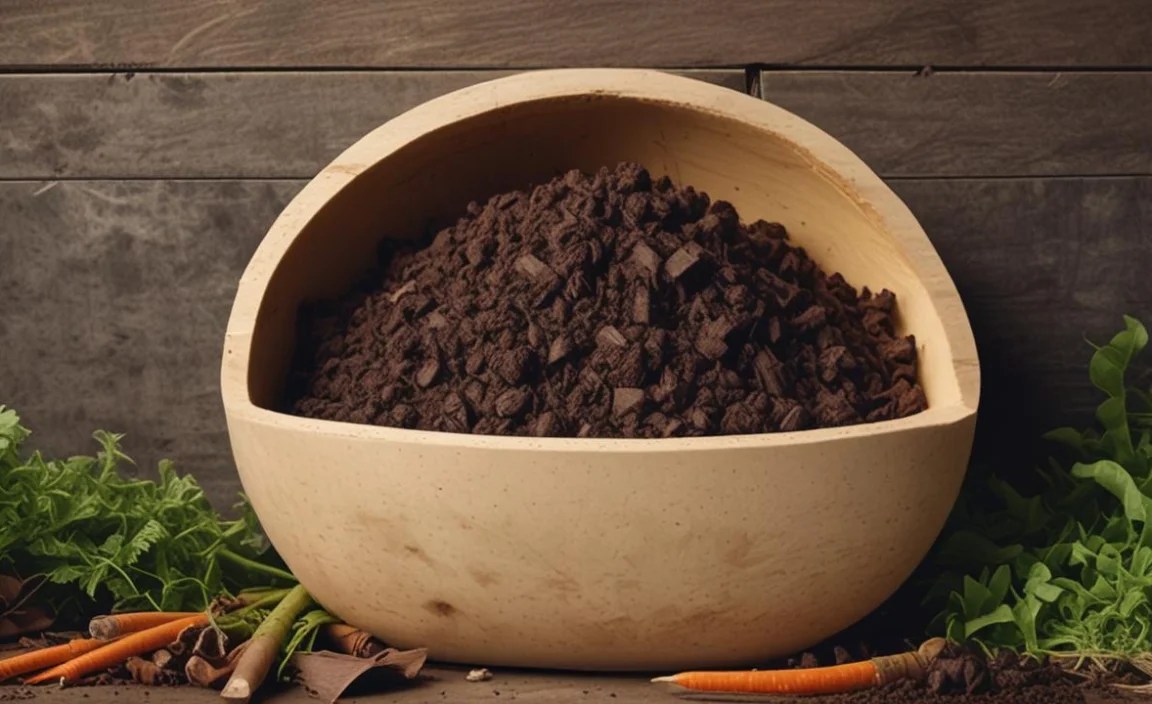
Compost accelerator recipes are like secret ingredients. They help your compost pile break down faster. These recipes often include things that are high in nitrogen. Nitrogen is a nutrient that microbes love. Microbes are tiny helpers that break down the compost. When they have enough nitrogen, they work faster. This means your compost will be ready sooner. There are many different recipes you can try. Some use kitchen scraps, while others use garden waste. The key is to find a recipe that works for you and your garden. You can even make your own recipes. Just remember to balance the nitrogen-rich ingredients with carbon-rich ingredients. This will create the perfect environment for your compost to thrive.
- Nitrogen helps microbes break down waste.
- “Green” materials are usually high in nitrogen.
- “Brown” materials are usually high in carbon.
- Balance is key for good compost.
- You can create your own recipes.
Think of your compost pile as a tiny city. The microbes are the workers in the city. They need food and water to do their jobs. Nitrogen is their favorite food. Carbon is like the building blocks they use. If they don’t have enough food, they can’t work as fast. That’s why compost accelerator recipes are so important. They give the microbes the boost they need to break down the compost quickly. A good recipe will have a mix of green and brown materials. This provides a balanced diet for the microbes. It also helps to keep the compost pile healthy and happy. By using these recipes, you can turn your waste into valuable garden soil in no time.
Fun Fact or Stat: Did you know that you can compost hair clippings? They are a great source of nitrogen for your compost pile!
Why Use Compost Accelerators?
Why should you use compost accelerators? Well, it’s all about time. Without a compost accelerator, it can take months, or even a year, for your compost to be ready. That’s a long time to wait for good soil. But with a compost accelerator, you can speed up the process. You can have usable compost in just a few weeks. This is great if you need compost for your garden quickly. It also means you can compost more often. You can turn more waste into valuable soil. Plus, using a compost accelerator can help to reduce odors. A well-balanced compost pile breaks down more efficiently. This means it’s less likely to smell bad. So, using a compost accelerator is a win-win for you and your garden.
What Are the Best Ingredients?
What are the best ingredients for compost accelerator recipes? The best ingredients are those that are high in nitrogen. Some good options include grass clippings, coffee grounds, and vegetable scraps. You can also use manure from animals like chickens or cows. These materials are packed with nitrogen. They will give your microbes the boost they need. It’s also important to use a variety of ingredients. This helps to create a balanced compost pile. Don’t just use one type of nitrogen-rich material. Mix it up with different greens and browns. This will provide a wider range of nutrients for your plants. It will also help to improve the texture and quality of your compost.
How Do Accelerators Affect Compost?
How do compost accelerators affect the compost? They make a big difference! When you add a compost accelerator, you’re essentially giving the microbes a feast. They start to multiply and break down the waste much faster. This leads to a quicker composting process. It also helps to heat up the compost pile. The heat helps to kill off any harmful bacteria or weed seeds. This means your compost will be safer to use in your garden. Plus, using a compost accelerator can improve the overall quality of your compost. It will be richer in nutrients and have a better texture. This will help your plants grow strong and healthy. So, using a compost accelerator is a great way to improve your composting efforts.
Simple Compost Accelerator Recipes to Try
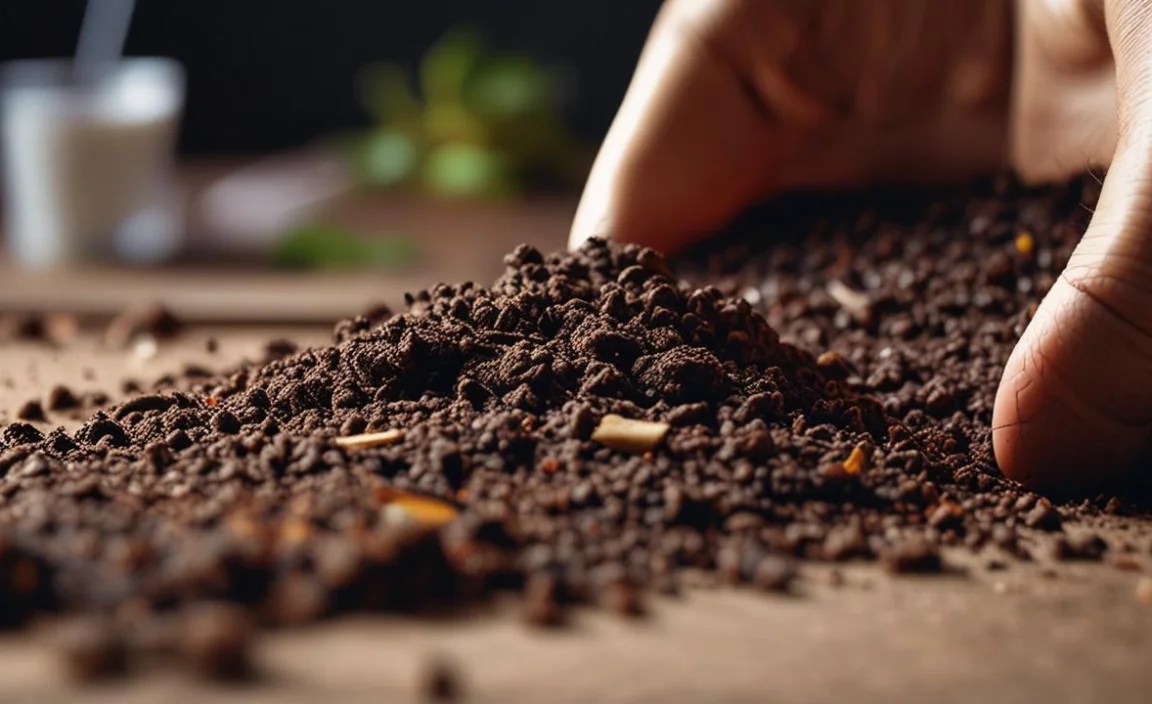
Ready to try some simple compost accelerator recipes? Here are a few ideas to get you started. One easy recipe is to use grass clippings. Fresh grass clippings are high in nitrogen. Simply add a layer of grass clippings to your compost pile. Make sure to mix it with brown materials like leaves or shredded paper. Another simple recipe is to use coffee grounds. Coffee grounds are also a great source of nitrogen. You can collect them from your own kitchen or ask your local coffee shop for their used grounds. Add them to your compost pile along with other materials. You can also use kitchen scraps like vegetable peels and fruit cores. These are also high in nitrogen and will help to speed up the composting process. Remember to chop them into small pieces to help them break down faster.
- Grass clippings are a great nitrogen source.
- Coffee grounds add nitrogen and improve texture.
- Vegetable scraps break down quickly.
- Manure can be used in small amounts.
- Comfrey leaves are a natural accelerator.
Don’t be afraid to experiment with different recipes. You can try adding different combinations of ingredients to see what works best for you. Just remember to keep a balance between green and brown materials. This will ensure that your compost pile stays healthy and breaks down efficiently. Also, remember to turn your compost pile regularly. This helps to aerate the pile and speed up the decomposition process. With a little bit of effort, you can have rich, healthy compost in no time. Using these compost accelerator recipes will make the process even faster and easier.
Fun Fact or Stat: Composting can reduce the amount of waste you send to the landfill by up to 30%!
The Grass Clippings Method
The grass clippings method is a super easy way to accelerate your compost. Do you have a lawn? If so, you already have the main ingredient! Grass clippings are full of nitrogen. They are a perfect “green” material for your compost pile. When you mow your lawn, collect the clippings. Add a layer of grass clippings to your compost pile. Be sure to mix them well with “brown” materials. Brown materials include dry leaves, shredded paper, or cardboard. Mixing greens and browns is important for a healthy compost. Too many grass clippings can make your pile too wet and smelly. So, balance them out with plenty of dry materials. Turn the pile regularly to keep it aerated. This will help the microbes break down the materials faster. You’ll be amazed at how quickly your compost transforms.
Coffee Grounds and Tea Bags
Do you drink coffee or tea? If so, you have another great compost accelerator at your fingertips. Coffee grounds and tea bags are both excellent additions to your compost pile. Coffee grounds are rich in nitrogen. They also add a nice texture to the compost. Tea bags, especially those made of paper, can also be composted. Just make sure to remove any staples or plastic tags. Add your used coffee grounds and tea bags to your compost pile. Mix them in well with other materials. Coffee grounds can sometimes clump together. Breaking them up will help them decompose faster. Tea bags can also help to add moisture to the pile. This is important for the microbes to thrive. So, save those coffee grounds and tea bags. They are a valuable resource for your garden.
Using Kitchen Scraps
Kitchen scraps are another fantastic way to boost your compost. Think about all the food waste you generate in your kitchen. Vegetable peels, fruit cores, and eggshells can all be composted. These materials are full of nutrients. They will help to enrich your compost and feed your plants. When you’re preparing food, save your kitchen scraps. Chop them into small pieces to help them break down faster. Add them to your compost pile along with other materials. Be careful not to add meat, dairy, or oily foods. These can attract pests and create unpleasant odors. Stick to vegetable and fruit scraps for best results. You can also add crushed eggshells to your compost. Eggshells add calcium to the soil. This is beneficial for many plants, especially tomatoes. So, start saving those kitchen scraps and turn them into valuable compost.
The Role of Nitrogen in Compost Acceleration

Nitrogen plays a huge role in compost acceleration. It’s like the fuel that powers the microbes in your compost pile. These tiny organisms are responsible for breaking down the organic matter. They need nitrogen to grow and multiply. When they have enough nitrogen, they can work much faster. This leads to a quicker composting process. That’s why nitrogen-rich materials are so important in compost accelerator recipes. These materials provide the microbes with the nitrogen they need to thrive. Without enough nitrogen, the microbes will work slowly. The compost pile will take much longer to break down. So, make sure to include plenty of nitrogen-rich ingredients in your compost pile. This will help to speed up the process and create high-quality compost.
- Nitrogen feeds the microbes in the compost.
- Microbes break down organic matter.
- Nitrogen helps microbes multiply.
- “Green” materials are high in nitrogen.
- Lack of nitrogen slows down composting.
- Add nitrogen-rich materials regularly.
Think of nitrogen as the food for your compost helpers. The microbes are like tiny workers. They need energy to break down the waste. Nitrogen provides that energy. When you add nitrogen-rich materials to your compost pile, you’re giving the microbes a boost. They start to work harder and faster. This speeds up the composting process. It also helps to generate heat in the pile. The heat helps to kill off any harmful bacteria or weed seeds. This ensures that your compost is safe to use in your garden. So, remember to include plenty of nitrogen in your compost accelerator recipes. It’s the key to making fast and effective compost.
Fun Fact or Stat: A compost pile can reach temperatures of up to 160°F (71°C) when it’s actively composting!
Nitrogen-Rich Materials Explained
What exactly are nitrogen-rich materials? These are the “green” ingredients that feed your compost microbes. Grass clippings are a prime example. They are packed with nitrogen. Coffee grounds are another great source. They also add beneficial acids to the compost. Vegetable scraps, like lettuce and spinach, are also high in nitrogen. Manure from animals like chickens, cows, or horses is another excellent option. However, use manure sparingly. It can sometimes be too strong and burn your plants. Other nitrogen-rich materials include seaweed, alfalfa meal, and blood meal. You can find these at your local garden center. When you’re creating your compost accelerator recipe, choose a variety of these materials. This will provide a balanced diet for your microbes and speed up the composting process.
Balancing Nitrogen and Carbon
It’s important to balance nitrogen and carbon in your compost pile. Nitrogen is the “green” material, while carbon is the “brown” material. You need both for a healthy compost. Too much nitrogen can make your pile too wet and smelly. Too much carbon can make it break down too slowly. The ideal ratio is about 25 parts carbon to 1 part nitrogen. This means you should have about 25 times more brown material than green material. Examples of brown materials include dry leaves, shredded paper, cardboard, and wood chips. When you’re adding ingredients to your compost pile, think about the balance. If you add a lot of grass clippings, add some dry leaves too. This will help to keep the pile balanced and prevent it from becoming too soggy. A balanced compost pile will break down faster and produce higher-quality compost.
The Role of Microbes in Decomposition
Microbes are the unsung heroes of the compost pile. These tiny organisms are responsible for breaking down the organic matter. They eat the waste and turn it into valuable compost. There are many different types of microbes in a compost pile. Some prefer aerobic conditions, meaning they need oxygen to survive. Others prefer anaerobic conditions, meaning they can survive without oxygen. To encourage the growth of beneficial microbes, you need to provide them with the right environment. This means keeping the compost pile moist, aerated, and balanced. Turning the pile regularly helps to aerate it. Adding water helps to keep it moist. And balancing nitrogen and carbon provides the microbes with the food they need. When the microbes are happy, they will break down the compost quickly and efficiently.
Other Factors Affecting Compost Speed

Besides compost accelerator recipes, other things affect how fast your compost breaks down. Moisture is very important. The compost pile should be damp, like a wrung-out sponge. Too dry, and the microbes can’t work. Too wet, and the pile will smell bad. Air is also important. Microbes need oxygen to break down the waste. Turning the pile regularly helps to aerate it. The size of the materials matters too. Smaller pieces break down faster than larger pieces. Chop up your kitchen scraps and shred your leaves. This will help them decompose more quickly. The temperature of the pile also affects the speed. A hot compost pile breaks down faster than a cold one. This is because the microbes are more active at higher temperatures.
- Moisture is essential for microbial activity.
- Air helps microbes decompose waste.
- Smaller pieces break down faster.
- Temperature affects decomposition speed.
- Turning the pile aerates and mixes it.
- Pile size impacts heat retention.
Think of your compost pile as a living ecosystem. It needs the right conditions to thrive. Moisture, air, and temperature are all important factors. If one of these factors is off, the composting process will slow down. That’s why it’s important to pay attention to your compost pile and make adjustments as needed. Check the moisture level regularly. If it’s too dry, add water. If it’s too wet, add dry materials. Turn the pile regularly to aerate it. And make sure the materials are chopped into small pieces. By paying attention to these factors, you can create the perfect environment for your microbes to work. This will help you to make compost quickly and efficiently. Using compost accelerator recipes, along with these tips, will give you the best results.
Fun Fact or Stat: The ideal moisture content for a compost pile is between 40% and 60%.
Maintaining Proper Moisture Levels
How do you maintain proper moisture levels in your compost pile? It’s all about finding the right balance. The compost pile should be damp, but not soggy. A good way to check the moisture level is to squeeze a handful of compost. If a few drops of water come out, it’s just right. If no water comes out, it’s too dry. If a lot of water comes out, it’s too wet. If it’s too dry, add water to the pile. You can use a hose or a watering can. If it’s too wet, add dry materials like leaves or shredded paper. Turn the pile regularly to help distribute the moisture evenly. Also, consider the weather. If it’s raining a lot, you might need to cover the compost pile to prevent it from getting too wet. If it’s very dry, you might need to water it more often. By paying attention to the moisture level, you can ensure that your compost pile stays healthy and breaks down efficiently.
The Importance of Aeration
Aeration is super important for a healthy compost pile. Microbes need oxygen to break down the organic matter. Without enough oxygen, the microbes will slow down or even die. This can lead to a smelly, anaerobic compost pile. Turning the pile regularly helps to aerate it. This allows fresh oxygen to reach the microbes. You can use a pitchfork or a compost aerator to turn the pile. Turn it every few days, or at least once a week. Also, consider the structure of your compost pile. If it’s too dense, it can restrict airflow. Add bulky materials like wood chips or branches to create air pockets. This will help to improve aeration. A well-aerated compost pile will break down faster and produce higher-quality compost.
Particle Size and Decomposition
The size of the materials in your compost pile matters a lot. Smaller pieces break down much faster than larger pieces. This is because the microbes have more surface area to work on. When you’re adding ingredients to your compost pile, chop them into small pieces. Vegetable scraps, fruit cores, and leaves should all be chopped or shredded. You can use a knife, a shredder, or even a lawnmower to break down the materials. Also, avoid adding large branches or logs to your compost pile. These will take a very long time to decompose. If you have large woody materials, consider chipping them into smaller pieces first. By reducing the particle size, you can significantly speed up the composting process.
Troubleshooting Common Compost Problems
Sometimes, things can go wrong with your compost pile. It might start to smell bad, or it might not break down at all. Don’t worry, these are common problems. They can usually be fixed easily. If your compost pile smells bad, it’s probably too wet or lacks air. Add dry materials like leaves or shredded paper. Turn the pile regularly to aerate it. If your compost pile isn’t breaking down, it might be too dry or lack nitrogen. Add water to the pile to moisten it. Add nitrogen-rich materials like grass clippings or coffee grounds. Also, make sure the materials are chopped into small pieces. This will help them decompose faster. By troubleshooting these common problems, you can keep your compost pile healthy and productive.
| Problem | Possible Cause | Solution |
|---|---|---|
| Smelly Compost | Too wet, lack of air | Add dry materials, turn pile |
| Slow Decomposition | Too dry, lack of nitrogen | Add water, add nitrogen-rich materials |
| Pests Attracted | Meat or dairy added | Remove meat/dairy, bury food scraps deeper |
| Compost Too Acidic | Too many acidic materials | Add lime or wood ash |
Remember, composting is a learning process. Don’t be afraid to experiment and try different things. If you encounter a problem, research it and find a solution. There are many resources available online and in libraries. You can also ask experienced composters for advice. With a little bit of effort, you can become a composting expert. You’ll be able to turn your waste into valuable garden soil in no time. And you’ll be helping the environment at the same time. Using compost accelerator recipes and these troubleshooting tips will make the process even easier.
Fun Fact or Stat: Composting helps to reduce greenhouse gas emissions by diverting organic waste from landfills.
Smelly Compost: What to Do?
A smelly compost pile is never fun. It usually means something is out of balance. The most common cause is a lack of oxygen. Anaerobic bacteria thrive in oxygen-poor environments. They produce foul-smelling gases. To fix this, you need to aerate the pile. Turn it regularly to introduce fresh oxygen. Another cause of smelly compost is too much moisture. Excess water can create anaerobic conditions. Add dry materials like leaves or shredded paper to absorb the excess moisture. Also, avoid adding meat, dairy, or oily foods to your compost pile. These can attract pests and create unpleasant odors. Stick to vegetable and fruit scraps for best results. By addressing these issues, you can eliminate the smell and get your compost pile back on track.
Compost Not Breaking Down?
If your compost pile isn’t breaking down, it can be frustrating. There are several possible reasons why this might be happening. One common reason is a lack of moisture. Microbes need water to survive and break down the organic matter. Check the moisture level of your compost pile. If it’s dry, add water until it’s damp like a wrung-out sponge. Another reason could be a lack of nitrogen. Microbes need nitrogen to fuel their activity. Add nitrogen-rich materials like grass clippings or coffee grounds to the pile. Also, make sure the materials are chopped into small pieces. This will increase the surface area for the microbes to work on. Finally, make sure the pile is aerated. Turn it regularly to introduce fresh oxygen. By addressing these issues, you can jumpstart the decomposition process.
Dealing with Pests in Compost
Pests can be a nuisance in your compost pile. They can attract unwanted animals and spread diseases. To prevent pests, avoid adding meat, dairy, or oily foods to your compost pile. These materials are highly attractive to pests. Stick to vegetable and fruit scraps for best results. Also, bury your food scraps deep in the pile. This will make it harder for pests to access them. Cover the compost pile with a layer of soil or leaves. This will also help to deter pests. If you have a serious pest problem, you can use a compost bin with a lid. This will prevent pests from getting into the pile. You can also use traps or repellents to control pests. By taking these precautions, you can keep your compost pile pest-free.
Summary
Compost accelerator recipes are great for gardeners. They help speed up the process of turning waste into useful soil. These recipes usually involve adding nitrogen-rich materials. Grass clippings, coffee grounds, and kitchen scraps work well. Balancing these with carbon-rich materials like leaves is key. Moisture and air are also important for healthy compost. A damp, well-aerated pile will break down faster. Turning the pile regularly helps with aeration. By following these tips, you can create compost quickly and efficiently. This will give your plants the nutrients they need to thrive.
Conclusion
Making compost doesn’t have to take forever. With the right compost accelerator recipes, you can speed things up. Remember to balance greens and browns. Keep the pile moist and aerated. These simple steps will help you create rich, valuable compost. Your garden will thank you for it. Happy composting!
Frequently Asked Questions
Question No 1: What are some easy compost accelerator recipes?
Answer: There are many easy compost accelerator recipes you can try. One simple recipe is to add grass clippings to your compost pile. Fresh grass clippings are high in nitrogen, which helps to speed up the decomposition process. Another easy recipe is to use coffee grounds. Coffee grounds are also a great source of nitrogen. You can collect them from your own kitchen or ask your local coffee shop for their used grounds. You can also use kitchen scraps like vegetable peels and fruit cores. Remember to mix these nitrogen-rich materials with carbon-rich materials like leaves or shredded paper to create a balanced compost pile.
Question No 2: How do compost accelerators work?
Answer: Compost accelerators work by providing the microbes in your compost pile with the nutrients they need to thrive. Microbes are tiny organisms that break down organic matter. They need nitrogen, carbon, water, and air to survive and multiply. Compost accelerators typically contain high levels of nitrogen, which is a key nutrient for microbes. When you add a compost accelerator to your pile, you’re giving the microbes a boost. They start to multiply and break down the waste much faster. This leads to a quicker composting process and higher-quality compost.
Question No 3: What materials should I avoid adding to my compost pile?
Answer: There are certain materials you should avoid adding to your compost pile. Meat, dairy, and oily foods can attract pests and create unpleasant odors. They also take a long time to decompose. Diseased plants can spread diseases to your compost and then to your garden. Weeds that have gone to seed can also spread weeds to your garden. Pet waste can contain harmful bacteria that can contaminate your compost. Finally, avoid adding synthetic materials like plastic or metal. These materials will not break down in your compost pile. Stick to organic materials like vegetable scraps, leaves, and grass clippings for best results. Remember, using a good compost accelerator recipe requires the right ingredients, so be careful.
Question No 4: How often should I turn my compost pile?
Answer: You should turn your compost pile regularly to aerate it and speed up the decomposition process. Turning the pile introduces fresh oxygen to the microbes, which helps them to break down the organic matter faster. How often you turn your compost pile depends on several factors, including the size of the pile, the materials you’re composting, and the weather. In general, you should turn your compost pile every few days, or at least once a week. If your compost pile is large or contains a lot of dense materials, you may need to turn it more often. If the weather is hot and dry, you may need to turn it less often to prevent the pile from drying out. Regular turning is a great way to help the compost accelerator recipe do its job!
Question No 5: How do I know when my compost is ready to use?
Answer: You’ll know your compost is ready to use when it’s dark brown and crumbly. It should also have a earthy smell. You shouldn’t be able to recognize the original materials in the compost. If you can still see leaves or vegetable scraps, it’s not ready yet. The compost should also be cool to the touch. If it’s still hot, it’s still actively decomposing. You can test your compost by planting a few seeds in it. If the seeds germinate and grow, your compost is ready to use. You can also send a sample of your compost to a lab for testing. They can analyze the nutrient content and tell you if it’s ready to use in your garden. Using compost accelerator recipes can get you to this point much faster.
Question No 6: Can I use too much compost accelerator?
Answer: Yes, you can use too much compost accelerator. While compost accelerator recipes are designed to speed up decomposition, using too much can throw off the balance of your compost pile. Overloading your compost with nitrogen-rich materials can lead to a smelly, anaerobic pile. It can also create a compost that’s too acidic for some plants. Always follow the instructions on your compost accelerator product. When using homemade recipes, start with small amounts and adjust as needed. Monitor your compost pile closely. If it starts to smell bad or becomes too wet, reduce the amount of accelerator you’re using. Remember, balance is key to successful composting.
