Do you like yummy potatoes? Have you ever thought about growing them yourself? You can! Even if you don’t have a big yard. Container gardening for potatoes is a fun way to grow food. It’s easier than you might think.
Imagine picking fresh potatoes from your own porch. These potatoes can taste better than store-bought ones. Plus, you get to watch them grow. Container gardening for potatoes is a cool project. It teaches you about nature and food.
Maybe you live in an apartment. Or maybe your yard is all rocks. That’s okay! Container gardening for potatoes works anywhere. You just need a big pot, some soil, and a little sunshine. Let’s learn how to grow your own potatoes in containers.
Key Takeaways
- Container gardening for potatoes lets you grow food even without a big yard.
- Choose the right type of potato, like ‘Yukon Gold’ or ‘Red Pontiac’.
- Use a large container with good drainage to avoid soggy soil.
- Water regularly and add soil as the potato plant grows taller.
- Harvest your homegrown potatoes when the plant flowers and the leaves turn yellow.
Getting Started with Container Gardening for Potatoes
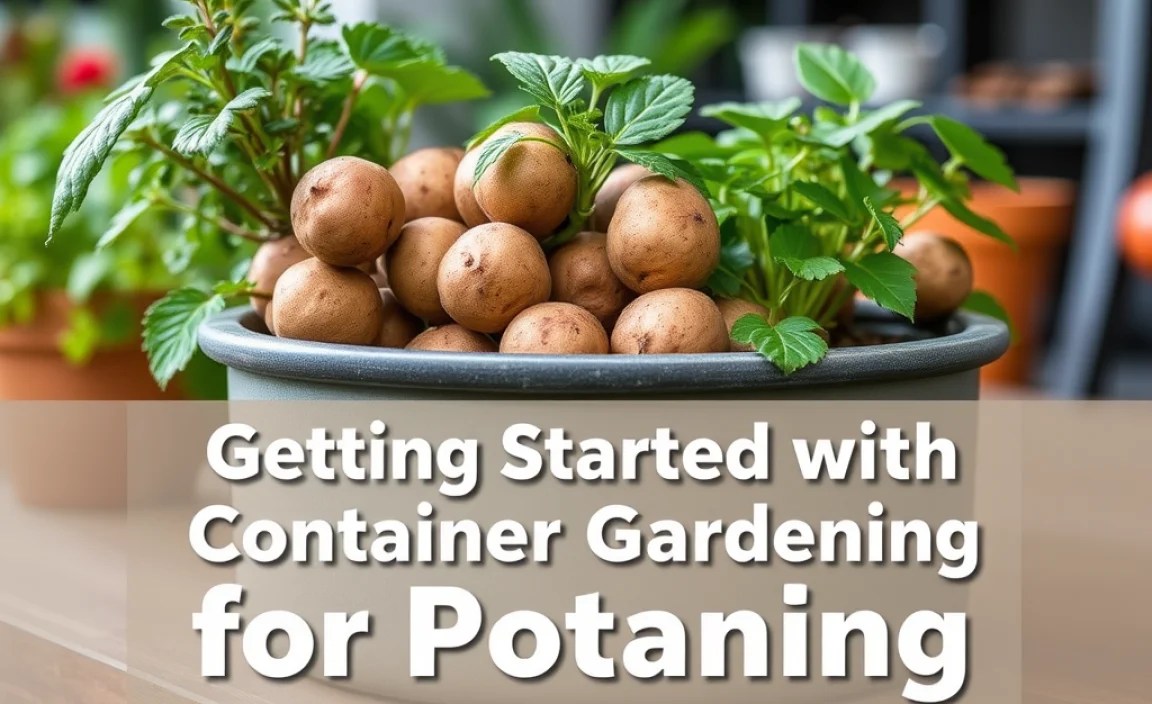
Container gardening for potatoes is a great project. You can grow your own food in a small space. It’s fun and rewarding to watch your plants grow. You need to choose the right container. A five-gallon bucket works well. So do large pots or even grow bags. Make sure your container has holes in the bottom. These holes let extra water drain out. Potatoes don’t like to sit in soggy soil. Next, you need good soil. Use a mix of potting soil and compost. Compost adds nutrients to the soil. It helps your potatoes grow big and strong. You also need seed potatoes. These are potatoes that have started to sprout. You can buy them at a garden store. Or you can use potatoes from your kitchen. Just make sure they have “eyes,” or little sprouts. Now you’re ready to start planting. It’s important to follow the steps carefully, for best results!
- Choose a large container with drainage holes.
- Use a mix of potting soil and compost.
- Get seed potatoes with sprouts.
- Plant the seed potatoes about 4 inches deep.
- Water the soil regularly.
Once you plant your seed potatoes, water them well. Keep the soil moist, but not too wet. Place your container in a sunny spot. Potatoes need at least six hours of sunlight each day. As the potato plants grow, add more soil to the container. This is called “hilling.” Hilling helps the potatoes grow bigger. It also protects them from sunlight. Sunlight can turn potatoes green and make them taste bitter. Keep adding soil until the container is almost full. Be patient. It takes time for potatoes to grow. But soon you’ll have your own homegrown potatoes. Container gardening for potatoes can be an enjoyable and educational experience for all ages!
Fun Fact or Stat: The world’s largest potato weighed over 11 pounds!
What Size Container Do Potatoes Need?
Have you ever wondered how much space potatoes need to grow? Well, potatoes need room to spread out. They grow underground. So, the bigger the container, the more potatoes you can grow. A good rule of thumb is to use a container that is at least 20 inches wide and 12 inches deep. This gives the potato plants enough space to develop. If you use a smaller container, you might still get potatoes. But they probably won’t be as big or as plentiful. Think of it like this: If you want to build a tall tower of blocks, you need a wide base. Otherwise, the tower will fall over. Similarly, potatoes need a big container to grow big and strong. So, choose a container that is big enough for your potato plants to thrive.
How Often Should You Water Container Potatoes?
Imagine your potato plants are thirsty little creatures. They need water to live and grow. But how much water do they need? And how often should you water them? Well, it depends on a few things. The weather, the size of your container, and the type of soil all play a role. In general, you should water your potato plants when the top inch of soil feels dry. Stick your finger into the soil to check. If it feels dry, it’s time to water. When you water, water deeply. Make sure the water reaches the bottom of the container. You might need to water more often during hot, dry weather. And less often during cool, rainy weather. Overwatering can be just as bad as underwatering. Soggy soil can cause the potato plants to rot. So, pay attention to your plants and adjust your watering schedule as needed.
Best Soil Mix for Container Potatoes?
What kind of food do potatoes like to eat? They can’t eat pizza or ice cream, of course. But they do need nutrients from the soil. The right soil mix is important for healthy potato growth. A good mix will drain well and provide the nutrients potatoes need. A great option is to combine equal parts of potting soil, compost, and peat moss. Potting soil provides a good base. Compost adds nutrients. And peat moss helps with drainage. You can also add some perlite to the mix. Perlite helps to aerate the soil. This means it creates small air pockets that help the roots breathe. Avoid using garden soil in your containers. Garden soil can be too heavy and may not drain well. This can lead to root rot. So, choose a good soil mix and your potatoes will thank you.

Choosing the Right Potato Variety for Containers
Not all potatoes are the same. Some potatoes are better suited for containers than others. When choosing potatoes for container gardening for potatoes, consider size and maturity. Smaller potato varieties are often a good choice. They don’t need as much space to grow. “Yukon Gold” potatoes are a popular option. They are known for their yellow flesh and buttery flavor. “Red Pontiac” potatoes are another good choice. They have red skin and white flesh. They are also early-maturing. This means they don’t take as long to grow. Avoid planting large, late-maturing potato varieties in containers. These potatoes need more space and time to develop. Container gardening for potatoes is easiest when you select the right type of seed potato. Then you can get the best results.
- “Yukon Gold” potatoes are a good choice.
- “Red Pontiac” potatoes are another good option.
- Choose early-maturing varieties.
- Avoid large, late-maturing potatoes.
- Consider the size of the potato plant.
Think about what you want to do with your potatoes. Do you want to boil them, bake them, or fry them? Different potato varieties are better suited for different uses. “Russet” potatoes are good for baking and frying. “Fingerling” potatoes are good for boiling and salads. Do some research to find the best potato variety for your needs. You can ask your local garden center for advice. They can help you choose the right potatoes for your container garden. Container gardening for potatoes can be a great way to grow your favorite type of potatoes. You can enjoy fresh, homegrown potatoes all season long.
Fun Fact or Stat: There are over 4,000 different types of potatoes grown around the world!
What Are Seed Potatoes?
Have you ever heard of a seed potato? It’s not actually a seed. It’s a potato that is used to grow more potatoes. Seed potatoes have “eyes,” or small buds, on their surface. These eyes are where new potato plants will sprout from. You can buy seed potatoes at a garden center. Or you can use potatoes from your kitchen. Just make sure they have eyes. To prepare seed potatoes, cut them into pieces. Each piece should have at least one eye. Let the pieces dry for a day or two before planting. This helps to prevent them from rotting. Plant the seed potato pieces about 4 inches deep in your container. With the eyes facing up. Water them well and wait for them to sprout. Soon you’ll have potato plants growing in your container. It’s amazing how one potato can turn into many potatoes!
How to Sprout Seed Potatoes?
Do you want to give your seed potatoes a head start? You can sprout them before planting. This is called “chitting.” Chitting helps the potatoes grow faster. To chit your seed potatoes, place them in a cool, bright place. A windowsill or a garage works well. Keep them there for a few weeks. The potatoes will start to sprout small, green shoots. Once the shoots are about an inch long, they are ready to plant. Handle the sprouted potatoes carefully. Be careful not to break off the shoots. Plant them in your container as usual. Chitting is a simple way to improve your potato harvest. It can also be a fun project to do with kids. They can watch the potatoes sprout and learn about plant growth.
Best Potato Varieties for Small Spaces?
Not all of us have huge gardens. Some people live in apartments with tiny balconies. But that doesn’t mean you can’t grow your own potatoes. There are some potato varieties that are perfect for small spaces. These potatoes don’t need as much room to grow. “Fingerling” potatoes are a great option. They are small and slender. They also have a delicious, nutty flavor. “New” potatoes are another good choice. They are harvested early, before they fully mature. This means they don’t need as much time or space to grow. Look for potato varieties that are labeled as “compact” or “bush” types. These potatoes are bred to stay small. With the right variety, you can enjoy fresh, homegrown potatoes. Even if you have a small space.

Planting Your Seed Potatoes in Containers
Now it’s time to get your hands dirty. Planting seed potatoes is easy. First, fill your container with soil. Leave a few inches of space at the top. Dig holes about 4 inches deep. Place the seed potato pieces in the holes. Make sure the eyes are facing up. Cover the seed potatoes with soil. Water the soil well. Place the container in a sunny spot. Potatoes need at least six hours of sunlight each day. As the potato plants grow, add more soil to the container. This is called “hilling.” Hilling helps the potatoes grow bigger. It also protects them from sunlight. Keep adding soil until the container is almost full. Be patient. It takes time for potatoes to grow. But soon you’ll have your own homegrown potatoes. Container gardening for potatoes can be a rewarding experience.
- Fill the container with soil.
- Dig holes about 4 inches deep.
- Place the seed potatoes in the holes, eyes up.
- Cover the seed potatoes with soil.
- Water the soil well.
Container gardening for potatoes is a bit like baking a cake. You need to follow the recipe carefully. If you skip an ingredient or don’t measure correctly, the cake might not turn out right. Similarly, if you don’t plant your seed potatoes correctly, they might not grow well. Make sure you use good soil. Water the soil regularly. And give the plants plenty of sunlight. With a little care, you can grow a bountiful harvest of potatoes. Imagine the satisfaction of digging up your own potatoes. And then cooking them for a delicious meal. Container gardening for potatoes is a fun and easy way to grow your own food.
Fun Fact or Stat: Potatoes are the third most important food crop in the world, after rice and wheat!
How Deep Should You Plant Seed Potatoes?
Have you ever wondered why you need to bury seed potatoes? Well, potatoes grow underground. So, you need to plant the seed potatoes deep enough for them to develop. A good rule of thumb is to plant them about 4 inches deep. This gives them enough room to grow roots and shoots. If you plant them too shallow, they might dry out or get damaged by sunlight. If you plant them too deep, they might take longer to sprout. So, aim for a depth of about 4 inches. As the potato plants grow, you can add more soil to the container. This helps to protect the developing potatoes from sunlight. And it encourages them to grow bigger. Planting seed potatoes at the right depth is important for a successful harvest.
When Is the Best Time to Plant Potatoes?
Imagine it’s a cold, rainy day in early spring. You’re itching to get outside and start gardening. But is it too early to plant potatoes? Well, it depends on where you live. Potatoes are cool-season crops. This means they grow best in cool weather. In most areas, the best time to plant potatoes is in early spring. About two to four weeks before the last expected frost. The soil should be warm enough to work, but not too hot. You can also plant potatoes in late summer for a fall harvest. Just make sure you have enough time for them to mature before the first frost. Check with your local garden center for the best planting time in your area. With a little planning, you can enjoy fresh, homegrown potatoes all season long.
Can You Plant Potatoes in the Same Container Every Year?
Have you ever heard the saying, “Don’t put all your eggs in one basket?” Well, the same idea applies to gardening. It’s not a good idea to plant the same crop in the same container every year. This is because the soil can become depleted of nutrients. And pests and diseases can build up in the soil. It’s better to rotate your crops. This means planting different crops in the same container each year. For example, you could plant potatoes one year. And then plant beans or peas the next year. These crops help to replenish the nutrients in the soil. You can also add compost to the container each year. Compost adds nutrients and improves drainage. With a little planning, you can keep your soil healthy and productive for years to come.

Caring for Your Container Potato Plants
Once your potato plants are growing, they need care. Water them regularly. Keep the soil moist, but not too wet. Fertilize them every few weeks. Use a fertilizer that is high in potassium. Potassium helps potatoes grow big and strong. Protect the plants from pests and diseases. Potato beetles and aphids can damage the leaves. Use insecticidal soap to control these pests. Watch out for diseases like early blight and late blight. These diseases can cause the leaves to turn brown and die. Use a fungicide to prevent these diseases. Container gardening for potatoes requires ongoing attention. Check your plants regularly and take action. Then you can keep them healthy and productive.
- Water the plants regularly.
- Fertilize them every few weeks.
- Protect them from pests.
- Watch out for diseases.
- Remove any yellowing or dead leaves.
Container gardening for potatoes is not a set-it-and-forget-it project. You can’t just plant the potatoes and walk away. You need to check on them regularly. Make sure they have enough water. Give them fertilizer when they need it. And protect them from pests and diseases. Think of it like taking care of a pet. You need to feed it, water it, and give it attention. If you neglect your pet, it will get sick. Similarly, if you neglect your potato plants, they will not thrive. With a little care, you can grow a bountiful harvest of potatoes. And enjoy the satisfaction of eating your own homegrown food.
Fun Fact or Stat: Potatoes are a good source of vitamin C, potassium, and fiber!
How to Water Container Potatoes?
Imagine your potato plants are sitting in a hot desert. They need water to survive. But how much water do they need? And how often should you water them? Well, the answer depends on a few things. The weather, the size of your container, and the type of soil all play a role. In general, you should water your potato plants when the top inch of soil feels dry. Stick your finger into the soil to check. If it feels dry, it’s time to water. When you water, water deeply. Make sure the water reaches the bottom of the container. You might need to water more often during hot, dry weather. And less often during cool, rainy weather. Overwatering can be just as bad as underwatering. Soggy soil can cause the potato plants to rot. So, pay attention to your plants and adjust your watering schedule as needed.
How to Fertilize Container Potatoes?
What kind of food do potatoes like to eat? They can’t eat pizza or ice cream, of course. But they do need nutrients from the soil. Fertilizer provides these nutrients. A good fertilizer for potatoes is one that is high in potassium. Potassium helps potatoes grow big and strong. You can use a liquid fertilizer or a granular fertilizer. Liquid fertilizers are easy to apply. Just mix them with water and pour them over the soil. Granular fertilizers are slow-release. This means they release nutrients over time. Apply fertilizer every few weeks. Follow the instructions on the fertilizer package. Over-fertilizing can damage the plants. So, be careful not to use too much. With the right fertilizer, your potatoes will thrive.
How to Protect Container Potatoes from Pests?
Imagine your potato plants are being attacked by tiny invaders. These invaders are pests. They can damage the leaves and stems of your plants. Potato beetles and aphids are common pests of potatoes. Potato beetles are small, orange and black beetles. They eat the leaves of potato plants. Aphids are tiny, green insects. They suck the sap from the leaves. There are several ways to protect your potato plants from pests. You can hand-pick the pests off the plants. You can spray the plants with insecticidal soap. Or you can use a row cover to protect the plants. A row cover is a lightweight fabric that covers the plants. It prevents pests from reaching the plants. Check your plants regularly for pests. And take action quickly if you see any. With a little effort, you can keep your potato plants healthy and pest-free.
Harvesting Your Container Potatoes
The best part of container gardening for potatoes is harvesting. You’ll know it’s time to harvest when the plants flower. The leaves will also start to turn yellow and die back. This means the potatoes are mature. Stop watering the plants a week or two before harvesting. This will help the potatoes dry out. To harvest, gently dig around the base of the plant. Lift the plant out of the container. The potatoes will be attached to the roots. Brush off the soil and admire your harvest. Store the potatoes in a cool, dark place. They will keep for several months. Container gardening for potatoes allows you to enjoy fresh potatoes all year round.
Here is a table that shows when to harvest different types of potatoes:
| Potato Variety | Harvest Time |
|---|---|
| Early-Season | 70-80 days after planting |
| Mid-Season | 90-100 days after planting |
| Late-Season | 120-130 days after planting |
| New Potatoes | 2-3 weeks after flowering |
Container gardening for potatoes is a rewarding experience. You get to watch your plants grow from tiny sprouts to mature plants. And then you get to harvest your own homegrown potatoes. There’s nothing quite like the taste of fresh, homegrown potatoes. You can boil them, bake them, fry them, or mash them. They’re delicious in any dish. Share your harvest with family and friends. They’ll be impressed by your gardening skills. Container gardening for potatoes is a great way to connect with nature and grow your own food.
Fun Fact or Stat: Potatoes can be used to generate electricity! A single potato can power a small LED light for several days.
Signs Your Potatoes Are Ready to Harvest?
Imagine you’re a farmer checking your potato crop. How do you know when the potatoes are ready to harvest? Well, there are a few signs to look for. The first sign is the flowers. Potato plants produce small, white or purple flowers. Once the flowers start to fade, it’s a sign that the potatoes are maturing. The second sign is the leaves. The leaves will start to turn yellow and die back. This means the plant is putting its energy into the potatoes. The third sign is the soil. The soil around the base of the plant will start to crack. This is because the potatoes are growing bigger and pushing the soil aside. If you see these signs, it’s time to harvest your potatoes. Gently dig around the base of the plant. And lift the plant out of the container.
Best Way to Harvest Container Potatoes?
Do you want to dig up your potatoes with a shovel? Or is there a better way to harvest them? Well, digging with a shovel can damage the potatoes. It’s better to use a gentle approach. First, stop watering the plants a week or two before harvesting. This will help the potatoes dry out. Then, gently dig around the base of the plant with your hands. Loosen the soil and lift the plant out of the container. The potatoes will be attached to the roots. Brush off the soil and admire your harvest. Be careful not to damage the potatoes. Store them in a cool, dark place. They will keep for several months. Harvesting container potatoes is easy. Just be gentle and patient.
How to Store Your Harvested Potatoes?
Imagine you’ve harvested a bountiful crop of potatoes. Now what do you do with them? Well, you need to store them properly to keep them fresh. The best way to store potatoes is in a cool, dark, and dry place. A root cellar is ideal. But a basement or garage will also work. The temperature should be between 45 and 55 degrees Fahrenheit. Store the potatoes in a burlap sack or a cardboard box. Do not wash the potatoes before storing them. Washing them can encourage them to rot. Check the potatoes regularly for signs of spoilage. Remove any potatoes that are soft or have sprouts. With proper storage, your potatoes will keep for several months. You can enjoy fresh, homegrown potatoes all winter long.
Troubleshooting Common Potato Container Problems
Even with the best care, problems can arise. Sometimes the potato plants might not grow well. They might turn yellow or develop spots. Pests and diseases can also attack the plants. It’s important to identify the problem and take action. Overwatering is a common problem. Soggy soil can cause the roots to rot. Make sure your container has good drainage. And water the plants only when the top inch of soil feels dry. Nutrient deficiencies can also cause problems. Yellow leaves can be a sign of nitrogen deficiency. Use a fertilizer that is high in nitrogen. Pests and diseases can be controlled with insecticidal soap and fungicides. Container gardening for potatoes requires observation and problem-solving. With a little effort, you can overcome these challenges.
- Overwatering can cause root rot.
- Nutrient deficiencies can cause yellow leaves.
- Pests can damage the leaves and stems.
- Diseases can cause spots and lesions.
- Poor drainage can lead to problems.
Container gardening for potatoes is not always easy. You might encounter some problems along the way. But don’t give up! Every gardener faces challenges. The key is to learn from your mistakes. And keep trying. If your plants are not growing well, try adjusting your watering schedule. Or try using a different fertilizer. If you have pests, try using insecticidal soap. And if you have diseases, try using a fungicide. There are many resources available to help you. Your local garden center can provide advice. And there are many websites and books about gardening. With a little research and effort, you can overcome any challenge. And grow a bountiful harvest of potatoes.
Fun Fact or Stat: Potatoes were once used as a form of currency in some parts of the world!
Why Are My Potato Plants Turning Yellow?
Imagine your potato plants are feeling sad and sick. They’re turning yellow instead of staying green. What could be the problem? Well, there are several reasons why potato plants might turn yellow. One reason is nutrient deficiency. Potatoes need nitrogen, phosphorus, and potassium to grow. If the soil is lacking these nutrients, the plants might turn yellow. Another reason is overwatering. Soggy soil can cause the roots to rot. This prevents the plants from absorbing nutrients. A third reason is pests or diseases. Aphids, potato beetles, and blight can all cause yellowing leaves. Check your plants carefully for signs of these problems. And take action to correct them. With a little care, you can help your potato plants recover and thrive.
How to Deal with Potato Bugs in Containers?
Have you ever seen a potato bug? It’s a small, orange and black beetle. It loves to eat the leaves of potato plants. Potato bugs can quickly damage your plants. So, it’s important to control them. There are several ways to deal with potato bugs in containers. One way is to hand-pick them off the plants. This is a good option if you only have a few plants. Another way is to spray the plants with insecticidal soap. Insecticidal soap is a safe and effective way to kill potato bugs. A third way is to use a row cover. A row cover is a lightweight fabric that covers the plants. It prevents the potato bugs from reaching the plants. Check your plants regularly for potato bugs. And take action quickly if you see any.
How to Prevent Potato Diseases in Containers?
Imagine your potato plants are under attack from invisible enemies. These enemies are diseases. They can cause spots, lesions, and other problems. Potato blight is a common disease of potatoes. It can quickly destroy your entire crop. There are several ways to prevent potato diseases in containers. One way is to use disease-resistant potato varieties. These varieties are less likely to get sick. Another way is to provide good air circulation. This helps to prevent the spread of diseases. A third way is to avoid overwatering. Soggy soil can create a breeding ground for diseases. A fourth way is to remove any infected leaves or plants. This helps to prevent the disease from spreading. With a little prevention, you can keep your potato plants healthy and disease-free.
Summary
Container gardening for potatoes is a fun and easy way to grow your own food. You don’t need a big yard to grow potatoes. All you need is a large container, some soil, and a little sunshine. Choose the right potato variety for containers. “Yukon Gold” and “Red Pontiac” are good choices. Plant the seed potatoes about 4 inches deep. Water the soil regularly and fertilize every few weeks. Protect the plants from pests and diseases. Harvest the potatoes when the plants flower and the leaves turn yellow. Then you can enjoy fresh, homegrown potatoes. Growing potatoes in containers is a rewarding experience.
Conclusion
Container gardening for potatoes allows anyone to grow their own food. It doesn’t matter if you have a big yard or a small balcony. You can still enjoy fresh, homegrown potatoes. Follow these steps for success. Choose the right variety, plant carefully, and provide good care. Then you’ll be enjoying your own delicious potatoes. Container gardening for potatoes is a great way to learn about nature and food.
Frequently Asked Questions
Question No 1: Can I grow potatoes in any type of container?
Answer: Not just any container will work for container gardening for potatoes. You need a container that is large enough to accommodate the growth of the potato plants and the developing tubers. A good rule of thumb is to use a container that is at least 20 inches in diameter and 12 inches deep. The container should also have drainage holes to prevent the soil from becoming waterlogged. You can use plastic pots, wooden boxes, or even grow bags. Just make sure the container is sturdy enough to hold the weight of the soil and plants.
Question No 2: How many seed potatoes can I plant in one container?
Answer: The number of seed potatoes you can plant in one container depends on the size of the container. If you are using a container that is 20 inches in diameter, you can plant two to three seed potatoes. If you are using a larger container, you can plant more seed potatoes. Space the seed potatoes evenly in the container. This will give the plants enough room to grow. Avoid overcrowding the container. Overcrowding can lead to smaller potatoes and increased risk of disease. When container gardening for potatoes, think about spacing.
Question No 3: How long does it take for potatoes to grow in containers?
Answer: The amount of time it takes for potatoes to grow in containers depends on the potato variety. Early-season potatoes typically mature in 70 to 80 days. Mid-season potatoes mature in 90 to 100 days. And late-season potatoes mature in 120 to 130 days. You can also harvest “new” potatoes about two to three weeks after flowering. These are small, immature potatoes that have a delicate flavor. Check the seed potato package for the maturity date of your chosen variety. Be patient. It takes time for potatoes to grow. Container gardening for potatoes requires a bit of waiting, but is ultimately rewarding.
Question No 4: Can I use regular garden soil for container gardening for potatoes?
Answer: No, it’s not recommended to use regular garden soil for container gardening for potatoes. Garden soil can be too heavy and may not drain well. This can lead to root rot and other problems. It’s better to use a potting mix that is specifically designed for containers. Potting mixes are lighter and drain better than garden soil. You can also add compost to the potting mix. Compost adds nutrients and improves drainage. A good potting mix will help your potatoes grow big and strong. It also prevents the potatoes from becoming waterlogged.
Question No 5: What are some common pests and diseases of potatoes?
Answer: Potatoes are susceptible to several pests and diseases. Potato beetles are common pests that can damage the leaves. Aphids are tiny insects that suck the sap from the leaves. Potato blight is a disease that can quickly destroy the entire crop. Early blight is another disease that can cause spots on the leaves. To control pests, you can hand-pick them off the plants or spray the plants with insecticidal soap. To prevent diseases, use disease-resistant potato varieties and provide good air circulation. Regular check-ups are important to container gardening for potatoes.
Question No 6: How do I know when to harvest my container potatoes?
Answer: There are several signs that indicate it’s time to harvest your container potatoes. The plants will flower, and the flowers will start to fade. The leaves will start to turn yellow and die back. The soil around the base of the plant will start to crack. Stop watering the plants a week or two before harvesting. This will help the potatoes dry out. Gently dig around the base of the plant and lift the plant out of the container. The potatoes will be attached to the roots. Brush off the soil and admire your harvest. With container gardening for potatoes, you know you’ve succeeded when the harvest is ready.
