Have you ever grown your own food? It is fun to watch plants grow. You can even grow food in a small space. This is possible with container gardens for vegetables. They are a great way to have fresh food. You don’t need a big yard.
Do you live in an apartment? Do you have a small balcony? Then container gardens for vegetables are for you. They let you grow yummy food. You can grow tomatoes, lettuce, and peppers. It’s easier than you think! Let’s learn how.
What if you could pick fresh salad from your porch? Imagine how good a homegrown tomato tastes. Container gardens for vegetables make this real. They are fun for kids and adults. Let’s explore the world of growing food in pots.
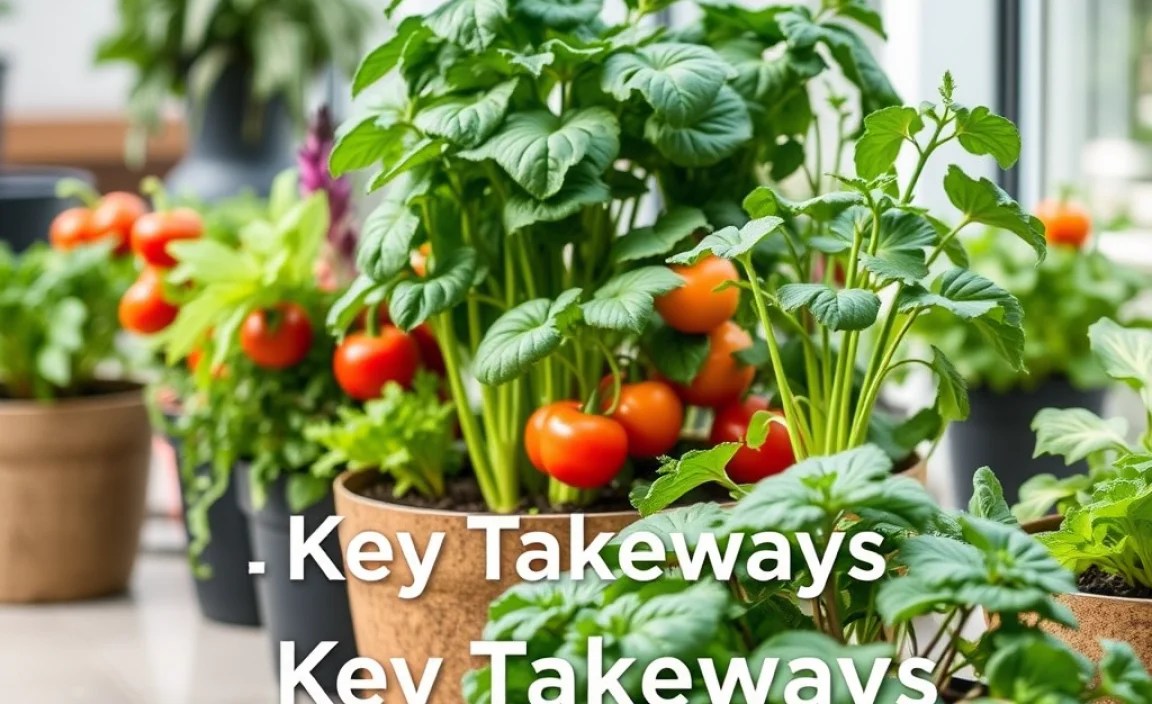
Key Takeaways
- Container gardens for vegetables let anyone grow fresh food easily.
- Choose the right size pots for the type of vegetables you want.
- Good soil, sunlight, and water are vital for healthy plants.
- Regularly feed your plants with fertilizer for best growth.
- Growing vegetables in containers can be fun and very rewarding.

Choosing the Best Containers for Vegetables
Picking the right pot is key. The size of the pot matters a lot. Some veggies need more space than others. Tomatoes and peppers need big pots. Lettuce and herbs can grow in smaller ones. Make sure the pot has holes. These holes let extra water drain out. If water stays in the pot, roots can rot. Consider what the pot is made of. Plastic pots are cheap and light. Clay pots look nice but dry out faster. Dark-colored pots get hotter in the sun. This can hurt the roots. Think about where you will put the pot. Can you move it easily? Big pots can get very heavy when filled with soil and water. Choosing the right container helps your plants grow big and strong. It makes gardening more fun.
- Big plants like tomatoes need big pots.
- Small plants like herbs can use small pots.
- Make sure pots have good drainage holes.
- Plastic pots are light, and clay pots look nice.
- Dark pots can get hot in the sun.
- Consider the weight of the pot when full.
Think about the space you have. If you have a small balcony, use tall, narrow pots. These save space. Hanging baskets are another good option. They let you grow plants without taking up floor space. You can grow strawberries or herbs in hanging baskets. Check the pot often to see if it needs water. Pots on balconies can dry out fast. Add a layer of mulch to the top of the soil. This helps keep the soil moist. Choose pots that fit your space and your plants’ needs. With the right pots, you can grow lots of tasty veggies.
Fun Fact or Stat: Did you know that you can recycle old buckets and tubs into great containers for your vegetables? Just make sure to drill drainage holes!
What Size Container Do I Need?
Have you ever wondered what size pot is best? It depends on the plant! Big plants need more room for their roots. A tomato plant needs a big pot, at least 20 gallons. Smaller plants like lettuce can grow in a 5-gallon pot. Herbs often do well in even smaller containers. Think about how big the plant will get. Read the plant label to find out. If you use a pot that is too small, the plant will not grow well. The roots will get crowded. It is better to choose a pot that is too big than too small. When in doubt, go bigger. Your plants will thank you with lots of tasty veggies.
Should I Use Plastic or Clay Pots?
Plastic and clay pots each have good and bad points. Plastic pots are cheap. They are also lightweight. This makes them easy to move. They hold water well, so you don’t need to water as often. Clay pots look nice. They let air move through the soil. This can help the roots. But clay pots dry out faster. You will need to water more often. Clay pots can also be heavy. This makes them hard to move. Think about what is important to you. Do you want something cheap and easy to move? Choose plastic. Do you want something that looks nice? Choose clay. Either way, make sure the pot has drainage holes.
How Important Is Drainage?
Imagine your feet in wet socks all day. That is what it is like for plant roots in a pot with no drainage. Roots need air to live. If the pot is full of water, the roots can’t get air. They will rot and the plant will die. Drainage holes let extra water out of the pot. This keeps the roots healthy. Make sure your pot has drainage holes. If it doesn’t, you can drill some. Put some rocks or gravel at the bottom of the pot. This helps the water drain. Good drainage is very important for healthy plants. Don’t skip this step!

Best Soil for Container Vegetable Gardens
The right soil is like a good meal for your plants. It gives them the food they need to grow strong. Don’t use soil from your garden in pots. It can get hard and doesn’t drain well. Use potting mix instead. Potting mix is light and fluffy. It lets water drain easily. It also has nutrients that plants need. You can buy potting mix at a garden store. Look for a mix made for vegetables. Some mixes have fertilizer already added. This gives your plants a good start. You can also add your own fertilizer later. Good soil helps your plants grow big and produce lots of yummy vegetables. Choose wisely!
- Don’t use garden soil in containers.
- Use potting mix instead.
- Potting mix is light and drains well.
- Look for potting mix made for vegetables.
- Some mixes have fertilizer added.
- Good soil helps plants grow strong.
Think about what your plants need. Some plants like soil that is a little acidic. Blueberries like acidic soil. You can buy potting mix made for acidic plants. Other plants like soil that is neutral. Most vegetables like neutral soil. You can test the soil to see if it is acidic or neutral. You can buy a soil testing kit at a garden store. Add things to the soil to make it more acidic or neutral. For example, add lime to make the soil less acidic. Adding the right things to your soil helps your container gardens for vegetables thrive.
Fun Fact or Stat: Did you know that adding coffee grounds to your soil can help make it more acidic? It’s a great way to recycle!
What Is Potting Mix Made Of?
Have you ever wondered what is in potting mix? It is not just dirt! Potting mix is made of different things. It often has peat moss. Peat moss holds water well. It also has vermiculite. Vermiculite helps with drainage. Some potting mixes have perlite. Perlite is white and looks like little Styrofoam balls. It also helps with drainage. Good potting mix has a mix of these things. This helps the soil hold water but also drain well. It also lets air get to the roots. The mix of ingredients helps your plants grow healthy.
Can I Make My Own Potting Mix?
Yes, you can make your own potting mix! It is a fun project. You will need peat moss, vermiculite, and perlite. You will also need compost. Compost is broken-down food and plant waste. It adds nutrients to the soil. Mix equal parts of each thing. For example, use one bucket of peat moss, one bucket of vermiculite, one bucket of perlite, and one bucket of compost. Mix it all together well. Now you have your own potting mix! It is cheaper than buying it at the store. Plus, you know what is in it.
How Often Should I Replace the Soil?
Over time, the soil in your pots loses nutrients. The plants use them up. It is a good idea to replace the soil every year. This gives your plants fresh nutrients. Take the plant out of the pot. Gently shake off the old soil. Put the plant back in the pot with fresh potting mix. You can also add compost to the soil. This adds more nutrients. Replacing the soil helps your plants grow strong and healthy. They will thank you with lots of tasty vegetables.
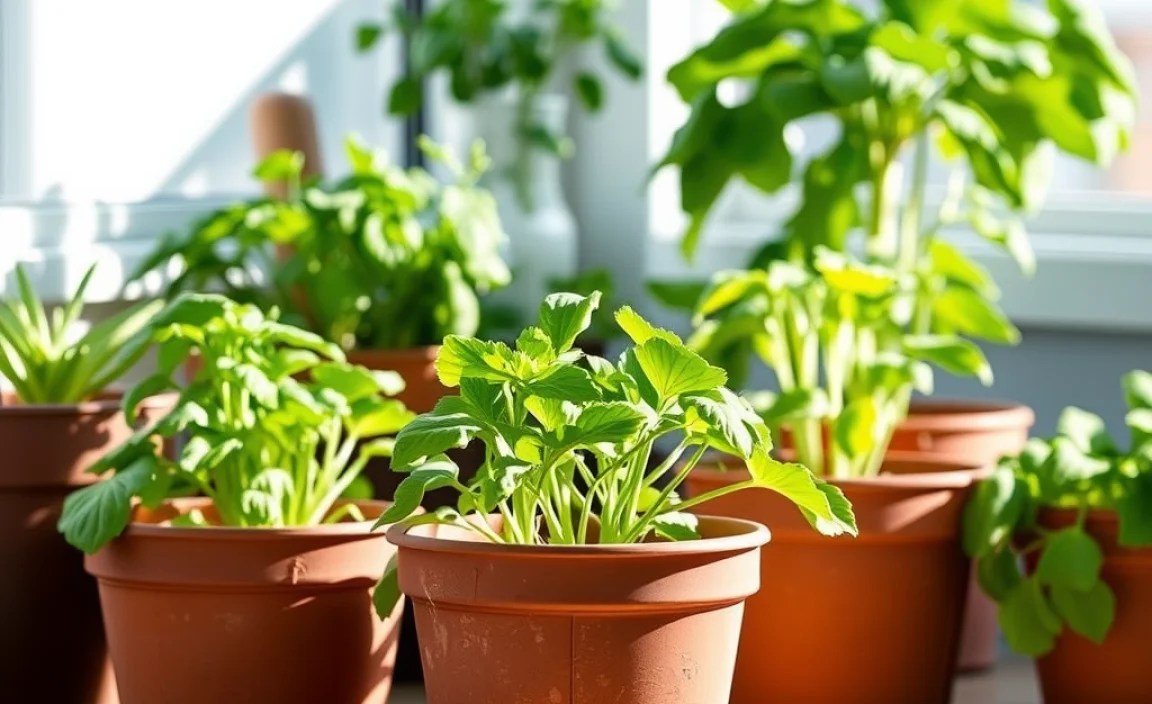
Sunlight Needs for Thriving Vegetable Containers
Sunlight is food for plants. They need it to grow. Most vegetables need at least six hours of sun each day. Some need even more. Tomatoes and peppers love the sun. Lettuce and spinach can grow with less sun. Watch where the sun shines in your yard or on your balcony. Choose a spot that gets enough sun. If you don’t have enough sun, you can use grow lights. Grow lights give plants the light they need. Put your plants in the sunniest spot you can find. They will grow big and strong. Sunlight is very important for healthy container gardens for vegetables.
- Most vegetables need at least six hours of sun.
- Tomatoes and peppers love lots of sun.
- Lettuce and spinach can grow with less sun.
- Watch where the sun shines in your yard.
- Use grow lights if you don’t have enough sun.
Think about the time of year. The sun moves across the sky. The amount of sunlight changes with the seasons. A spot that is sunny in the summer may be shady in the winter. You may need to move your plants to follow the sun. Use a wagon or a cart to move heavy pots. Pay attention to how much sun your plants are getting. If they are not growing well, they may need more sun. Give them the sunlight they need, and they will thrive.
Fun Fact or Stat: Did you know that plants turn their leaves to face the sun? This is called phototropism.
What Happens If My Plants Don’t Get Enough Sun?
If plants don’t get enough sun, they will not grow well. They might look pale and weak. They might not produce many vegetables. The leaves might turn yellow. The stems might get long and thin. This is because the plant is trying to reach for more sun. If you see these signs, move your plant to a sunnier spot. If you can’t move it, use a grow light. Give your plants the sun they need. They will grow strong and produce lots of vegetables.
Can Some Vegetables Grow in Shade?
Yes, some vegetables can grow in shade. These are good choices for shady spots. Lettuce, spinach, and kale can grow in partial shade. They need about four hours of sun each day. Root vegetables like carrots and beets can also grow in partial shade. They don’t need as much sun as tomatoes or peppers. If you have a shady yard, don’t worry. You can still grow vegetables. Choose plants that like shade. They will grow well even without lots of sun.
How Do Grow Lights Help?
Grow lights give plants the light they need. They are useful if you don’t have enough sunlight. You can use grow lights indoors or outdoors. There are different kinds of grow lights. Some are better for vegetables than others. LED grow lights are a good choice. They don’t use much energy. They also don’t get too hot. Put the grow light close to the plants. Follow the directions on the light. Give your plants the right amount of light. They will grow well even without natural sunlight.
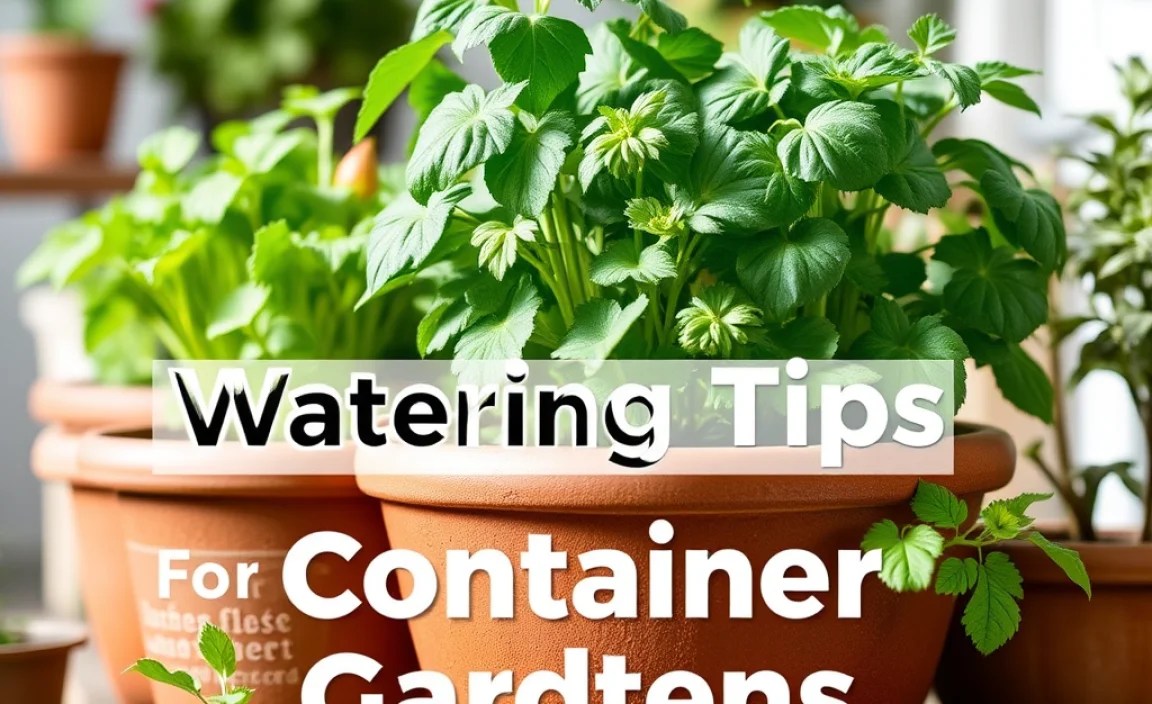
Watering Tips for Container Gardens
Water is like a drink for your plants. They need it to live and grow. But too much water can be bad. It can rot the roots. How often you water depends on the weather. It also depends on the type of pot. Clay pots dry out faster than plastic pots. Check the soil before you water. Stick your finger in the soil. If it feels dry, it’s time to water. Water the soil, not the leaves. Water deeply, until water comes out of the drainage holes. This makes sure the roots get enough water. Watering is important for healthy container gardens for vegetables.
- Water is essential for plant growth.
- Too much water can hurt the roots.
- Check the soil before watering.
- Water the soil, not the leaves.
- Water deeply until water drains out.
Think about the time of day. It is best to water in the morning. This gives the plants time to dry out during the day. If you water at night, the leaves can stay wet. This can cause diseases. Use a watering can or a hose with a gentle sprayer. Don’t blast the plants with water. This can damage them. Water slowly and carefully. Your plants will thank you with lots of yummy vegetables.
Fun Fact or Stat: Did you know that you can collect rainwater to water your plants? It’s a great way to save water and money!
How Can I Tell If I’m Overwatering?
Overwatering can be a problem. The leaves might turn yellow. They might also droop. The soil might feel soggy. The plant might look weak. If you see these signs, stop watering. Let the soil dry out. Make sure the pot has good drainage. Don’t water again until the soil feels dry. Overwatering can kill your plants. Be careful not to give them too much water.
What About Watering When I’m Away?
Going on vacation? You need to make sure your plants get water. There are a few things you can do. Ask a friend or neighbor to water them. Set up a self-watering system. You can buy these at a garden store. They slowly release water into the soil. Move the plants to a shady spot. This will help them dry out slower. Don’t let your plants dry out while you are away. Plan ahead to keep them watered.
Can I Use Tap Water?
Tap water is fine for most plants. But some tap water has chemicals. These chemicals can hurt plants. If your tap water has a lot of chlorine, let it sit out overnight. This will let the chlorine evaporate. You can also use rainwater. Rainwater is good for plants. It doesn’t have chemicals. Test your tap water if you are not sure. Make sure it is safe for your plants.
Fertilizing Your Container Vegetable Garden
Fertilizer is like vitamins for your plants. It gives them extra nutrients. These nutrients help them grow big and strong. There are different kinds of fertilizer. Some are liquid, and some are solid. Liquid fertilizer is easy to use. You mix it with water and pour it on the soil. Solid fertilizer comes in small pellets. You sprinkle it on the soil. Choose a fertilizer made for vegetables. Follow the directions on the package. Don’t use too much fertilizer. This can burn the roots. Fertilizing helps your container gardens for vegetables produce lots of food.
- Fertilizer gives plants extra nutrients.
- Liquid fertilizer is easy to use.
- Solid fertilizer comes in pellets.
- Choose a fertilizer made for vegetables.
- Follow the directions on the package.
Think about when to fertilize. Start fertilizing a few weeks after planting. Fertilize every few weeks during the growing season. Stop fertilizing a few weeks before harvest. This will help the vegetables taste better. Use a fertilizer that is balanced. This means it has equal amounts of nitrogen, phosphorus, and potassium. These are the main nutrients that plants need. Fertilizing regularly helps your plants stay healthy and strong.
Fun Fact or Stat: Did you know that you can make your own fertilizer from banana peels? They are rich in potassium!
What Are the Different Types of Fertilizer?
There are many types of fertilizer. Some are organic, and some are synthetic. Organic fertilizers come from natural sources. They include compost, manure, and bone meal. Synthetic fertilizers are made in a factory. They are often cheaper than organic fertilizers. Each type has its pros and cons. Organic fertilizers release nutrients slowly. Synthetic fertilizers release nutrients quickly. Choose the type that is best for you and your plants.
How Often Should I Fertilize?
How often you fertilize depends on the fertilizer. It also depends on the plant. Some plants need more fertilizer than others. Follow the directions on the fertilizer package. In general, fertilize every two to three weeks during the growing season. Don’t fertilize in the winter. The plants are not growing then. Over-fertilizing can hurt your plants. Be careful not to give them too much fertilizer.
What Does N-P-K Mean?
You might see N-P-K on fertilizer packages. This stands for nitrogen, phosphorus, and potassium. These are the main nutrients that plants need. Nitrogen helps plants grow leaves. Phosphorus helps plants grow roots and flowers. Potassium helps plants stay healthy. The numbers on the package tell you how much of each nutrient is in the fertilizer. For example, a 10-10-10 fertilizer has 10% nitrogen, 10% phosphorus, and 10% potassium. Choose a fertilizer with the right balance of nutrients for your plants.
Choosing the Right Vegetables for Containers
Not all vegetables grow well in containers. Some get too big. Some need a lot of space. But many vegetables are perfect for pots. Tomatoes, peppers, lettuce, and herbs are all good choices. Bush beans and dwarf varieties of vegetables also work well. Think about how much space you have. Choose plants that will fit in your pots. Read the plant labels to find out how big they will get. With the right choices, you can grow lots of tasty vegetables in containers. These container gardens for vegetables are a big win.
- Tomatoes, peppers, and lettuce grow well in pots.
- Herbs are also a good choice.
- Bush beans and dwarf varieties are great.
- Think about how much space you have.
- Read plant labels to learn about plant size.
Think about what you like to eat. Grow the vegetables you enjoy. This will make gardening more fun. Start with easy-to-grow vegetables. Lettuce and herbs are good for beginners. As you get better, you can try more challenging plants. Don’t be afraid to experiment. Try growing different kinds of vegetables. You might find a new favorite. Container gardening is a great way to grow your own food.
Fun Fact or Stat: Did you know that you can grow strawberries in hanging baskets? They look beautiful and taste delicious!
What Are the Easiest Vegetables to Grow in Containers?
Some vegetables are easier to grow than others. Lettuce is a great choice for beginners. It grows quickly and doesn’t need much space. Herbs like basil, mint, and chives are also easy to grow. They are useful in the kitchen. Radishes are another easy vegetable. They grow fast and are ready to harvest in a few weeks. Start with these easy vegetables. You will have success in no time.
Which Vegetables Need the Biggest Containers?
Some vegetables need big containers. Tomatoes are one example. They need at least a 20-gallon pot. Peppers also need a large pot. Eggplants need a lot of space for their roots. These plants get big, so they need big pots. If you want to grow these vegetables, make sure you have enough space. Choose large containers for the best results.
Can I Mix Different Vegetables in One Container?
Yes, you can mix different vegetables in one container. This is called companion planting. Some plants help each other grow. For example, basil helps tomatoes grow better. Marigolds keep pests away from vegetables. Plant tall plants in the back of the pot. Plant shorter plants in the front. This will make the container look nice. It will also help the plants get enough sunlight. Mixing plants can be fun and helpful.
| Vegetable | Container Size | Sunlight Needs | Watering |
|---|---|---|---|
| Tomatoes | 20 gallons | 6-8 hours | Daily |
| Peppers | 10 gallons | 6-8 hours | Daily |
| Lettuce | 5 gallons | 4-6 hours | Every other day |
| Herbs | 3 gallons | 4-6 hours | Every other day |
Dealing With Pests and Diseases in Container Gardens
Pests and diseases can hurt your plants. They can eat the leaves or damage the roots. Check your plants often for signs of pests or diseases. Look for holes in the leaves. Look for spots or discoloration. If you see pests, try to remove them by hand. You can also use insecticidal soap. This is a safe way to kill pests. For diseases, remove the affected leaves. Make sure the plants have good air circulation. This helps prevent diseases. Keeping your container gardens for vegetables healthy is important.
- Check plants often for pests and diseases.
- Look for holes, spots, or discoloration.
- Remove pests by hand or with soap.
- Remove affected leaves for diseases.
- Ensure good air circulation.
Think about how to prevent pests and diseases. Keep the area around your plants clean. Remove dead leaves and weeds. Water the plants in the morning. This gives the leaves time to dry out. Use good quality potting mix. This helps the plants stay healthy. Healthy plants are less likely to get pests and diseases. Taking care of your plants will help them thrive.
Fun Fact or Stat: Did you know that ladybugs eat aphids? They are a natural way to control pests in your garden!
What Are Common Pests for Vegetable Gardens?
There are many common pests for vegetable gardens. Aphids are small, green bugs that suck the sap from plants. They can cause the leaves to curl. Caterpillars eat the leaves of plants. They can quickly damage a plant. Slugs and snails eat holes in the leaves. They are often active at night. Whiteflies are small, white bugs that fly around plants. They can spread diseases. Know the common pests. You can protect your plants.
How Can I Prevent Diseases?
Preventing diseases is important. Choose disease-resistant varieties of vegetables. These plants are less likely to get sick. Give your plants enough space. This allows for good air circulation. Don’t overwater the plants. Wet leaves can lead to diseases. Remove any dead or dying leaves. This prevents the spread of disease. Keep your garden clean. This helps prevent diseases from starting.
Are There Natural Ways to Control Pests?
Yes, there are natural ways to control pests. Insecticidal soap is a safe way to kill many pests. Neem oil is another natural pesticide. It can kill pests and prevent diseases. Companion planting can also help. Some plants repel pests. For example, marigolds repel nematodes. Attract beneficial insects to your garden. Ladybugs eat aphids. Using natural methods is good for your plants and the environment.
Summary
Container gardens for vegetables are a great way to grow your own food. You don’t need a big yard. You can grow vegetables on a balcony or patio. Choose the right size pots for your plants. Use good quality potting mix. Give your plants plenty of sunlight. Water them regularly and fertilize them as needed. Watch out for pests and diseases. With a little care, you can grow lots of tasty vegetables in containers. It is a fun and rewarding hobby. Enjoy fresh, homegrown food from your container gardens for vegetables.
Conclusion
Growing container gardens for vegetables is fun and easy. You can grow food even in small spaces. Choose the right pots and soil. Give your plants sun and water. Fertilize them and watch for pests. You will have fresh vegetables in no time. Enjoy the taste of homegrown food. Container gardening is a great way to connect with nature. Start your own container gardens for vegetables today.
Frequently Asked Questions
Question No 1: What are the best vegetables to grow in containers for beginners?
Answer: Some of the easiest vegetables to start with in container gardens for vegetables include lettuce, spinach, and radishes because they grow quickly and don’t require a lot of space. Herbs like basil, mint, and chives are also excellent choices for beginners. They are very easy to maintain and can be used in many recipes. These vegetables will give you a good start and boost your confidence. Then you can try growing more difficult plants later. Remember to give them proper sunlight and watering.
Question No 2: How much sunlight do my container vegetables need each day?
Answer: Most vegetables need at least six hours of direct sunlight each day to grow well. Vegetables like tomatoes, peppers, and cucumbers are sun-loving and need a lot of light to produce fruit. Leafy greens like lettuce and spinach can tolerate partial shade, needing about four hours of sunlight. Observe your garden and see how the sunlight moves. Then you can place your container gardens for vegetables where they will get the best sunlight. If you don’t have enough sunlight, consider using grow lights.
Question No 3: How often should I water my container vegetable garden?
Answer: Watering frequency depends on the weather, the type of container, and the type of vegetable. In hot weather, you may need to water your plants every day. Clay pots dry out faster than plastic pots. Vegetables like tomatoes and peppers need more water than leafy greens. Check the soil moisture by sticking your finger about an inch deep into the soil. If it feels dry, it’s time to water. Always water deeply, until the water drains out of the bottom of the pot, because it ensures the roots get enough moisture.
Question No 4: What kind of soil should I use for my container vegetables?
Answer: Don’t use garden soil in containers because it can become compacted and doesn’t drain well. Instead, use a high-quality potting mix. Potting mix is made of ingredients like peat moss, vermiculite, and perlite. These ingredients help with drainage and aeration. You can buy potting mix at a garden center. You can also make your own by mixing equal parts of peat moss, vermiculite, perlite, and compost. Good soil is essential for healthy container gardens for vegetables.
Question No 5: How do I protect my container vegetables from pests?
Answer: Regularly inspect your plants for pests. Look for signs of damage, such as holes in the leaves or sticky residue. You can remove many pests by hand. You can also use insecticidal soap or neem oil. These are safe and effective options. Companion planting can also help. Marigolds, for example, repel many common pests. Keeping your container gardens for vegetables clean and healthy can also help prevent pest problems.
Question No 6: When should I fertilize my container vegetables?
Answer: Start fertilizing your container vegetables a few weeks after planting. Fertilize every two to three weeks during the growing season. Use a fertilizer that is specifically formulated for vegetables. Follow the instructions on the fertilizer package. Don’t over-fertilize because it can damage the plants. Organic fertilizers, such as compost tea, are a good option. They release nutrients slowly and are gentle on the plants. Regular fertilization will help your container gardens for vegetables produce a bountiful harvest.
